Are Toucan Birds Extinct: Current Conservation Status

Are Toucan Birds Extinct: Current Conservation Status

Did you know that toucans, with their vibrant beaks and playful nature, are often seen as symbols of rainforest biodiversity? However, these stunning birds face significant threats, leading many to wonder about their conservation status. As habitats shrink and climate changes escalate, understanding whether toucan species are at risk of extinction is crucial not just for the birds themselves but for the entire ecosystem they inhabit. In this article, we will explore the current conservation status of toucans, the challenges they face, and what steps can be taken to ensure their survival. Join us as we dive into the world of toucans and uncover the important role they play in our planet’s health. Your awareness and actions can make a difference in preserving these fascinating creatures for future generations.
The Status of Toucan Birds: Are They Extinct?

The Status of Toucan Birds: Are They Extinct?

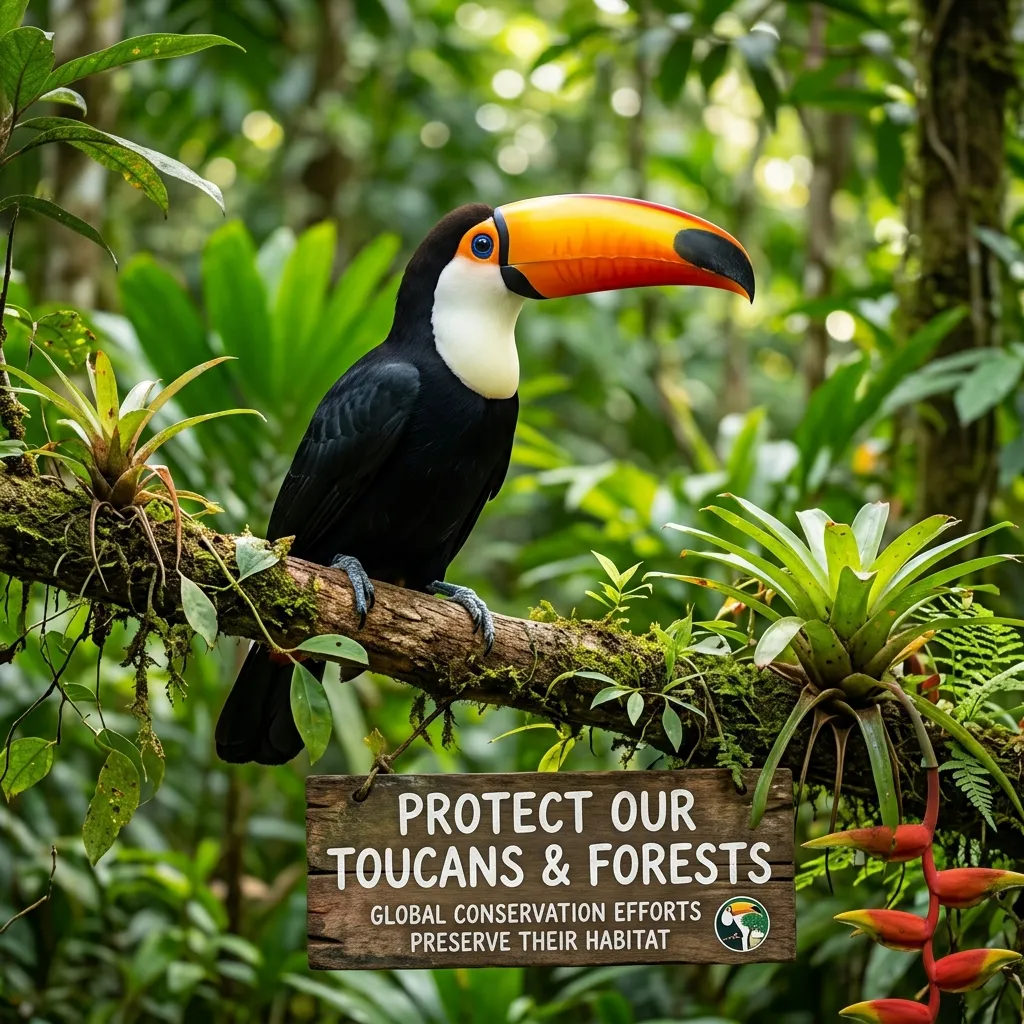
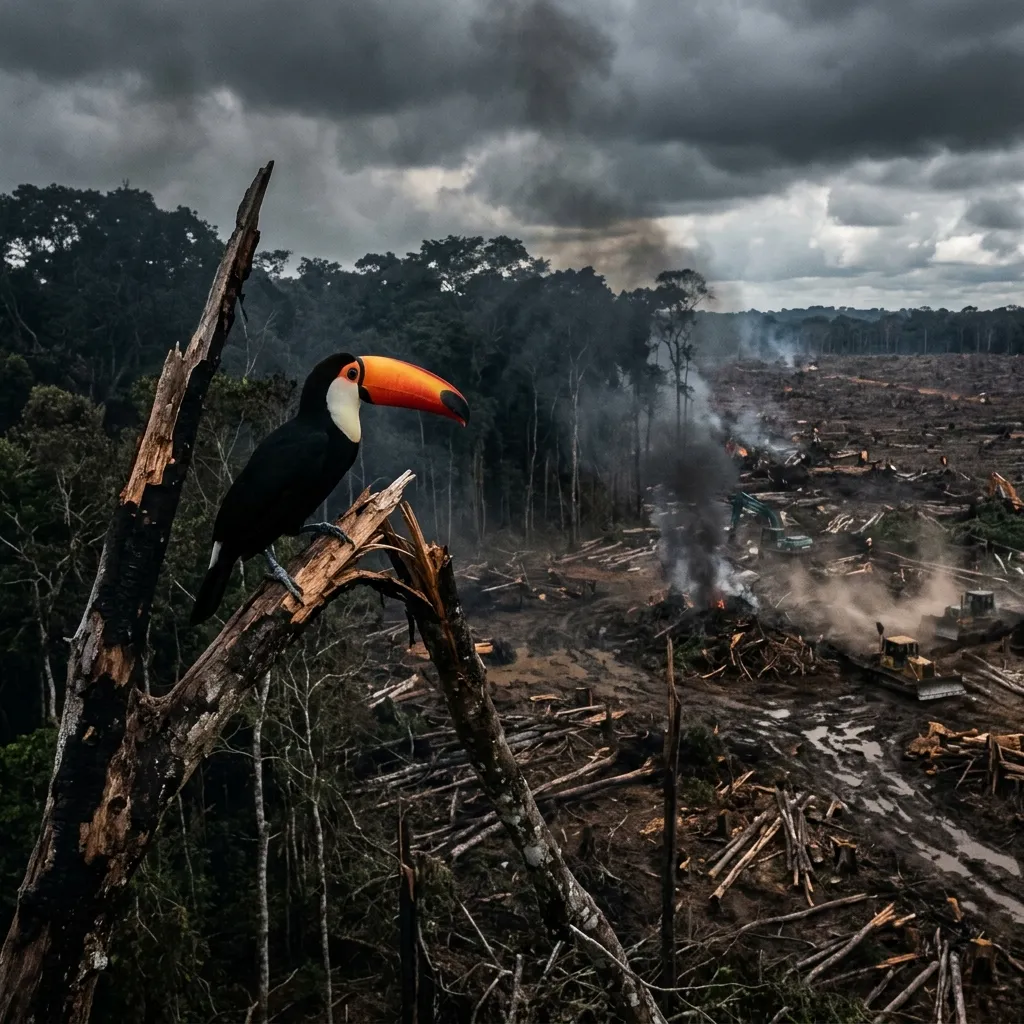
While toucans are not extinct, the status of these vibrant birds raises important conservation concerns. Many toucan species are classified as near threatened or vulnerable due to habitat loss, hunting, and the illegal pet trade. Toucans are primarily found in tropical and subtropical forests, where they rely on the rich biodiversity for nesting and feeding. This environment is increasingly under threat from deforestation and land conversion for agriculture, contributing to their declining populations.

The IUCN Red List provides a clearer picture of their status. For instance, the Ramphastos toco, the largest toucan species, still has a stable population, while other species like the Aulacorhynchus group face greater risks due to their specialized habitat requirements. This variance highlights the necessity for targeted conservation efforts tailored to each species’ specific needs.

In addition to habitat destruction, climate change poses a significant threat to toucans, altering the ecosystems they depend on. Changes in rainfall patterns and increased temperatures can disrupt food sources and nesting sites. As such, concerted global and local conservation efforts are critical to ensuring the survival of these remarkable birds, fostering initiatives that protect their habitats and combat illegal wildlife trade. The broader ecosystem health also depends on the survival of toucans, given their role in seed dispersal, which is vital for forest regeneration.

Engagement with local communities and education about the importance of toucans in biodiversity can drive conservation success. By bringing awareness to their plight, we can foster a culture of preservation that supports these captivating birds and their rainforest homes. Thus, while toucans are not extinct, their future relies heavily on all of us taking action to safeguard their habitats and address the myriad threats they face.
Understanding Toucan Species and Their Habitats

Understanding Toucan Species and Their Habitats

Toucans are not just visually striking birds; they play a crucial role in their ecosystems as seed dispersers, which helps maintain the health of tropical and subtropical forests. With their large, colorful bills, toucans are adapted to a frugivorous diet, primarily feeding on fruit. However, they also consume insects and small animals, showcasing a diverse dietary habit that supports their unique ecological niche. There are about 40 species of toucans, each with specialized habitat requirements and behaviors, making them a fascinating subject for both casual birdwatchers and seasoned ornithologists.

These birds typically inhabit humid lowland rainforests, cloud forests, and wooded savannas, using their impressive bills to reach fruit on the ends of branches. The vibrant plumage and distinct vocalizations of toucans not only enhance their attractiveness but also play a vital role in social interactions and territorial disputes. For instance, the Ramphastos toco, the largest toucan species, is often observed in pairs or small groups, exhibiting a range of calls that sound like a series of honks and croaks.

Understanding the habitat preferences of toucans is essential for their conservation. For example, many toucan species are dependent on specific trees for nesting and feeding, such as fruiting trees like Ficus and a variety of palms. As deforestation continues to threaten these environments, it’s integral for conservation efforts to prioritize the preservation of these habitats. Engaging local communities in conservation initiatives can create a profound positive impact, ensuring that the ecological significance of toucans is recognized and maintained.

To support toucan populations, individuals can participate in eco-tourism, educational programs, or even reforestation projects designed to restore the habitats they depend on. Learning about the specific species in your area can deepen your appreciation for these remarkable birds and empower you to contribute to their conservation. Mobilizing local and global awareness about the plight of toucans will foster a culture of preservation that ensures future generations can enjoy observing these iconic birds in their natural environments.
Current Population Estimates and Trends

The vibrant and charismatic toucans, with their easily recognizable oversized bills, are a fascinating reflection of the rich biodiversity of tropical ecosystems. Currently, there are around 40 species of toucans, each varying in population and conservation status. While some species, like the common toucan (Ramphastos toco), are relatively stable and widespread, others face significant threats leading to dwindling numbers. Knowledge of their current population estimates is crucial for effective conservation efforts.

In recent years, surveys have indicated that many toucan populations are experiencing decline due to habitat loss, hunting, and illegal pet trade. For instance, species such as the Yellow-eared Toucanet (Aramactoceryx-aurantiacus) and the Plate-billed Mountain Toucan (Andigena laminirostris) are now categorized as vulnerable due to specific habitat requirements and limited ranges. Monitoring programs utilizing citizen science have emerged, helping ornithologists gather real-time data on toucan sightings and population dynamics, which is invaluable for crafting targeted conservation strategies.

Population Trends

It’s vital to understand not only how many toucans remain but also the trends that indicate their futures. Several studies suggest that toucan populations are linked directly to forest health. As deforestation continues, particularly in Central and South America, the likelihood of species decline increases. For instance, in fragmented forest areas, toucans struggle to find adequate nesting sites and food sources. This habitat fragmentation leads to decreased genetic diversity, making recovery even more challenging.

To promote better conservation outcomes, researchers advocate for expansive protected areas and connecting fragmented habitats to allow migratory routes and genetic interchange. Moreover, public involvement in monitoring, habitat restoration, and supporting eco-tourism initiatives can help bolster local economies while simultaneously ensuring the survival of these incredible birds.

Understanding the current status of toucan populations not only enhances our appreciation for these unique creatures but also empowers us to take action in their conservation. The fight against extinction requires the collaboration of scientists, local communities, and global citizens passionate about preserving biodiversity for future generations. By staying informed and actively participating in conservation efforts, we can help ensure that toucans continue to fill our forests with their striking colors and distinctive calls.

Major Threats to Toucan Survival

Despite their vibrant colors and captivating presence, toucans face a multitude of threats that jeopardize their survival. One of the most significant challenges is habitat loss, predominantly driven by deforestation for agriculture, logging, and urban development. Tropical rainforests, which are the primary habitats for toucans, are being rapidly destroyed, leaving these birds with reduced nesting sites and food sources. Species such as the Plate-billed Mountain Toucan are particularly vulnerable due to their specific habitat requirements, making them susceptible to changes in forest structure.

Another major threat comes from the illegal pet trade. Toucans are often captured for the exotic pet market, where their striking appearance makes them targets. This not only reduces wild populations but can also lead to inbreeding and decreased genetic diversity, further endangering species. Overhunting, although less common, also poses a risk to certain toucan species that are hunted for their unique bills, which are often considered trophies.

Climate change exacerbates these existing threats by altering the ecosystems toucans rely on. As temperatures rise and weather patterns change, food availability can decrease, which places additional stress on toucan populations. Moreover, the increased frequency of extreme weather events can lead to further habitat destruction and fragmentation.

Conservation efforts are essential to combat these threats. Initiatives include establishing protected areas to preserve critical habitats, promoting sustainable agricultural practices, and raising awareness about the impacts of the pet trade. Engaging local communities in conservation efforts not only helps protect toucans but also fosters a sense of stewardship toward their natural environment. By understanding the challenges that toucans face and supporting conservation initiatives, we can help ensure these remarkable birds continue to thrive in the wild.

Conservation Efforts for Toucans Worldwide

Despite the vibrant aesthetic that the toucan brings to its tropical habitat, these remarkable birds face urgent threats that necessitate comprehensive conservation strategies. As these species continue to dwindle due to habitat loss, poaching, and climate change, global efforts to protect them have become increasingly vital.

One significant conservation initiative is the establishment of protected areas within their natural habitats. Efforts in countries like Costa Rica and Brazil focus on creating national parks and reserves that safeguard essential ecosystems. These protected areas not only shield toucans from deforestation but also support broader biodiversity. By preserving the habitats that toucans depend on for food and nesting, we bolster their chances for survival.

Community involvement plays a crucial role in conservation success. Programs that educate local populations about the ecological importance of toucans encourage stewardship of their environment. For instance, initiatives that promote ecotourism allow communities to benefit financially from preserving their natural resources instead of exploiting them. In many regions, local residents participate in birdwatching tours that highlight toucans, fostering a connection between the birds and the community’s economic well-being. By integrating conservation practices into local economies, sustainable practices can flourish.

Furthermore, collaboration among international conservation organizations is proving effective. Groups like the World Wildlife Fund (WWF) and BirdLife International conduct research, advocate for policy changes, and run direct action campaigns to raise awareness about the plight of toucans. These organizations work to combat the illegal pet trade, which has decimated wild populations by partnering with governments to enforce laws prohibiting the capture and sale of these birds. Their efforts span across borders, as some toucan species inhabit multiple countries, reinforcing the need for cooperative international conservation strategies.

The future for toucans depends on sustained vigilance and innovative approaches to conservation. By supporting efforts that prioritize habitat preservation, community engagement, and international cooperation, we can secure a thriving environment for these stunning birds. Whether through donations to wildlife organizations, participating in local conservation programs, or advocating for policy changes, there are numerous ways individuals can contribute to the protection of toucans and their habitats. Each action, no matter how small, can create a ripple effect in favor of these iconic birds.

How Climate Change Affects Toucans

The vibrant beaks of toucans, a hallmark of their unique identity, are not just for show; they are a vital adaptation for their survival in the lush canopies of tropical forests. However, these remarkable birds are increasingly threatened by the relentless advance of climate change. As global temperatures rise, toucans face significant shifts in their habitats, impacting their food sources, breeding grounds, and overall population stability.

Changes in precipitation patterns can have drastic effects on toucan habitats. Many toucan species rely on specific trees that produce fruits they eat. A decline in these trees, due to drought or altered rainfall patterns, can lead to food scarcity. For instance, as forests experience increased temperatures, the flowering and fruiting periods of vital trees may change, making them less synchronized with toucan breeding seasons. This imbalance can directly affect the survival rates of the next generation of toucans, as the chicks may struggle to find suitable food during critical growth periods.

Moreover, the altered climate also makes toucans more vulnerable to extreme weather events. Hurricanes, floods, and prolonged droughts can devastate the ecosystems that support toucan populations. The destruction of nests and food sources during such events leads to both immediate and long-term challenges for toucans as they attempt to recover in the aftermath.

Given these mounting challenges, conservation initiatives must adapt to focus on climate resilience. Protecting and restoring diverse habitats can help create a buffer against the impacts of climate change. By reforesting areas with a mix of native species, we can enhance the biodiversity of the ecosystem, which in turn supports toucans’ food security. Additionally, implementing sustainable land-use practices and promoting agroforestry can mitigate some of the adverse effects of climate change, ensuring that toucans continue to thrive amidst a shifting environment.

In conclusion, addressing the impacts of climate change on toucans involves a combination of strategic habitat conservation, community engagement, and broad awareness of their ecological significance. Every effort contributes to a larger movement towards ensuring that future generations can witness the joyous sight of toucans in their natural, vibrant habitats.

Role of Ecosystems in Toucans’ Survival

The vibrant ecosystems of tropical and subtropical forests are not just beautiful landscapes; they are the lifeblood of toucan populations around the globe. Toucans rely heavily on these ecosystems for their survival, utilizing a variety of plant species, especially fruit-bearing trees, for nourishment, nesting, and protection. In fact, the interdependence between toucans and their environment is a fascinating example of how various species contribute to the health of the ecosystem.

Trees and Food Sources
Toucans primarily feed on fruits, but their diet can also include insects, small reptiles, and even eggs. This diverse diet is only possible when their habitat is rich in biodiversity. Certain tree species, such as figs and berries, are crucial for toucans, as these provide essential nutrients during their breeding seasons. A drop in the population of these key fruiting trees due to human activities like deforestation can lead directly to a decrease in toucan numbers, highlighting the delicate balance of their ecosystem.

Impact of Keystones and Role Reversal

Beyond their need for food, toucans play an integral role in their ecosystems as well. They act as seed dispersers, helping to propagate various fruiting trees by consuming their fruits and excreting the seeds elsewhere. This makes toucans not just victims of ecosystem degradation, but also essential contributors to its renewal. By maintaining the health of the forests, toucans ensure their own survival as well as that of many other species that rely on those habitats.

Human Influence and Conservation
However, the complex interaction between toucans and their ecosystems is under constant threat from human activities. Habitat destruction due to logging, agriculture, and urbanization diminishes the forested areas where toucans thrive. The fragmentation of their habitats leads to isolated populations that can struggle to find mates and food sources, ultimately jeopardizing their survival. Conservation efforts that prioritize reforestation and habitat restoration are critical for ensuring that toucans continue to find sanctuary within their natural homes.

By understanding and appreciating the vital role of ecosystems in the survival of toucans, we can take tangible steps toward their conservation. Initiatives often include community education programs that raise awareness about the significance of biodiversity and habitat conservation. Personal involvement, whether through supporting local conservation groups or participating in reforestation efforts, can make a significant impact. Embracing a mindset that values and protects the intricate tapestry of life, in which toucans proudly partake, is essential for sustaining their populations amid growing environmental challenges.

Community Involvement in Toucan Conservation

Engaging in toucan conservation efforts goes beyond mere awareness; it invites everyone to be part of a movement that protects not only these magnificent birds but also the ecosystems they inhabit. Local communities play an essential role in conservation by spearheading initiatives that foster an understanding of the delicate balance within tropical environments. For example, community-led reforestation projects, where residents plant native tree species, directly enhance toucan habitats by restoring vital food sources and nesting sites.

Many organizations and grassroots movements have successfully mobilized local populations to partake in conservation activities that range from educational workshops to hands-on projects in the field. Workshops often focus on the importance of biodiversity and teach practical skills like tree planting or wildlife monitoring. These initiatives not only empower community members but also foster a sense of pride and ownership over local environmental resources.

Volunteering for local conservation organizations can also be incredibly impactful. Whether you’re participating in bird-watching tours that educate visitors about toucan behavior and habitats, or assisting in studies that monitor toucan populations, your involvement can contribute to greater awareness and funding for conservation projects. Such participatory activities create a community dialogue about the importance of preserving natural habitats, leading to broader public support for toucan conservation.

Finally, social media platforms can serve as powerful tools for community engagement. By sharing personal experiences or organizing events, individuals and groups can advocate for toucans and inspire others to join the cause. Campaigns that highlight the interconnectedness of toucans and their ecosystems can mobilize collective action toward significant conservation efforts. Remember, preserving toucan populations is not merely a scientific endeavor; it is a shared responsibility that calls for collective passion and action.

How to Support Toucan Protection Initiatives

Toucans, with their strikingly vibrant plumage and iconic oversized bills, are not just symbols of tropical habitats; they are vital contributors to ecosystem health, playing key roles in seed dispersal and forest regeneration. Supporting their protection is crucial, and there are many ways individuals can get involved to make a tangible difference.

One immediate way to help is by joining or donating to organizations that focus on toucan conservation, such as the Rainforest Trust or BirdLife International. These organizations often engage in various projects aimed at habitat preservation, research, and advocacy. By contributing financially or volunteering your time, you can directly assist in efforts to protect toucan habitats. Many groups also hold awareness campaigns where you can participate in local events or educational programs to foster greater understanding and appreciation of these remarkable birds.

Another impactful method is to promote sustainable practices within your community. Encourage local businesses to adopt eco-friendly policies and consider how your purchasing decisions might affect habitats. For instance, prioritizing products that are certified sustainable or advocating against deforestation in your area can contribute to the larger goal of protecting toucan habitats. You might also engage in bird-watching events that emphasize humane practices, including responsible photography and respect for wildlife.

Engaging with social media platforms can amplify your efforts as well. Use your online presence to educate others about toucans and their ecological significance. Share articles, photos, and personal stories from any wildlife encounters you’ve had, helping to inspire others to get involved. Mobilizing a community via social media can be particularly effective in rallying support for local conservation actions or fundraising efforts.

Finally, consider developing personal connections with toucan conservation initiatives through travel. If you’re planning a trip to tropical regions where toucans thrive, look for ecotourism opportunities that support conservation. Choose guides who prioritize ethical wildlife viewing and support local conservation projects. This not only enhances your experience but also contributes to the local economy and conservation efforts that protect these magnificent birds. Through these actions, you can become an advocate for toucans and encourage broader community involvement in vital conservation initiatives.

Educational Resources on Toucans and Biodiversity

Understanding the fascinating world of toucans is crucial not only for bird enthusiasts but also for anyone interested in biodiversity and conservation. These vibrant birds, known for their distinctively large bills and contrasting colors, are more than just visual spectacles; they play a significant role in their ecosystems, particularly in seed dispersal and forest health. A wealth of educational resources is available to help deepen your appreciation and understanding of toucans and their habitats.

To start, I highly recommend exploring online platforms like the Cornell Lab of Ornithology and BirdLife International, which offer comprehensive insights into toucan species, behavior, and conservation status. You can find species identification guides, interactive maps showing their ranges, and detailed articles discussing their ecological roles and how they interact with their environment. Additionally, books like “Toucans, Hornbills, and their Relatives” can provide a deeper dive into the family of birds known as Ramphastidae, featuring stunning photographs and rich narratives about their biology and conservation needs.

Engaging in citizen science projects is another way to contribute to toucan-related knowledge. Websites such as eBird encourage birdwatchers to log their sightings, providing important data that researchers can use to monitor populations and trends. Participating in local birdwatching groups or online forums can also enhance your understanding and connect you with others who share your passion.

Lastly, don’t overlook the value of documentaries and educational videos. Platforms like YouTube and National Geographic feature documentaries that showcase toucans in their natural habitats, highlighting not only their beauty but also the environmental challenges they face. Viewing these materials can spark conversations and inspire action towards conservation efforts. By utilizing these resources, you can become a more informed advocate for toucans and contribute to their preservation in the wild.

Personal Experiences: Seeing Toucans in the Wild

Witnessing a toucan in its native habitat can be a mesmerizing experience that connects you deeply with nature. Their vibrant plumage and oversized bills not only make them one of the most recognizable birds but also embody the rich biodiversity of tropical ecosystems. I vividly recall my journey to Costa Rica, where the sighting of a Keel-billed Toucan perched elegantly on a branch became a highlight of my trip. The sheer contrast of its bright yellow bill against the lush green backdrop was stunning and instantly reminded me of the vital role these birds play in their environment.

To maximize your chances of spotting toucans in the wild, early mornings are ideal, especially during the dawn chorus when they are most active. Rdically, listening for their distinctive calls-often a series of low, rhythmic croaks-can guide you towards their location. Patience is essential; toucans often move through the canopy, and it may take some time to catch sight of them swooping between trees. When you do spot one, take a moment to appreciate their behavior, which includes social interactions and feeding habits. Toucans primarily feed on fruit, but their adaptability allows them to enjoy a varied diet, including insects and small reptiles.

If you’re passionate about birdwatching, consider joining guided tours that focus on birding in regions known for toucans. Local guides not only enhance your experience with their knowledge but often provide insights on conservation efforts in the area. This is particularly important since many toucan species are facing habitat loss due to deforestation. By participating in eco-tours, you not only support local economies but also contribute to the preservation of these stunning creatures and their habitats. Engage actively in discussions about conservation during your trip-such interactions enrich your understanding and help raise awareness about the importance of protecting toucans and their environments.

Gathering such personal experiences with toucans fuels a greater commitment to their protection and reminds us that each sighting is more than just a moment; it’s a call to action for preservation.

Future Outlook for Toucan Conservation

The future of toucan conservation hinges on the collective efforts of scientists, conservationists, local communities, and bird enthusiasts. With many toucan species classified as vulnerable or endangered due to habitat loss, illegal trafficking, and climate change, proactive measures are crucial. One of the most effective strategies involves habitat restoration and protection, which can ensure that these striking birds have the vital resources they need to thrive. For example, initiatives that promote reforestation in their native habitats not only help toucans but also benefit countless other species.

Community involvement is also fundamental to the success of conservation efforts. Programs aimed at educating local communities about the ecological importance of toucans can foster pride and ownership over local wildlife. By integrating conservation into the local economy through eco-tourism, communities can directly see the benefits of preserving their natural environment. Many countries in Central and South America, such as Costa Rica, have made significant strides by establishing protected areas and wildlife corridors that facilitate safe passages for toucans and other wildlife.

Furthermore, advancements in technology, such as the use of camera traps and drone surveys, are revolutionizing how researchers monitor toucan populations and their habitats. This real-time data helps in making informed decisions on conservation strategies, ensuring they are adaptive and effective in combating current challenges.

The impact of climate change cannot be overstated, and its effects on toucan habitats continue to grow. As temperatures rise and weather patterns shift, toucans may be forced to adapt rapidly or risk population declines. Efforts to mitigate climate change at both local and global levels are essential. This includes supporting policies that aim for sustainable land use, reducing deforestation, and increasing carbon offset initiatives.

In engaging with conservation efforts, individuals can play their part by supporting organizations focused on protecting biodiversity and participating in citizen science projects that monitor bird populations. Each small action contributes to the broader fight against extinction and affirms our connection to these remarkable birds. Whether through advocacy, education, or direct action, the future of toucans depends on our ability to foster a culture of conservation, ensuring these extraordinary creatures continue to captivate future generations.

Q&A

Q: Are toucan birds endangered?
A: Yes, many toucan species are considered endangered or vulnerable due to habitat loss, hunting, and climate change. Conservation efforts are ongoing to protect their habitats and ensure their survival. It’s crucial to support these initiatives by advocating for tropical forest protection.

Q: What are the main threats to toucan populations?
A: The primary threats to toucan populations include deforestation, habitat destruction for agriculture, illegal trapping for the pet trade, and climate change. Conservation strategies focus on habitat preservation and public awareness to combat these threats effectively.

Q: How can I help protect toucans in the wild?
A: You can help protect toucans by supporting conservation organizations, participating in ecotourism that benefits local communities, and promoting sustainable practices in agriculture. Raising awareness about their plight is also essential for their conservation.

Q: What conservation efforts are currently underway for toucans?
A: Various organizations are working on habitat restoration, legal protection for endangered species, and community education programs. Efforts include creating wildlife reserves and working with local communities to develop sustainable practices that help preserve toucan habitats.

Q: How does climate change impact toucans?
A: Climate change affects toucans by altering their habitats, leading to shifts in food availability and nesting sites. Increased temperatures and extreme weather can also disrupt breeding cycles. Conservation efforts must address climate resilience for effective toucan protection.

Q: Are there specific toucan species that are more at risk than others?
A: Yes, some species, like the Toco Toucan and the Keel-billed Toucan, face significant threats due to habitat loss. Species with limited ranges or specific habitat requirements are particularly vulnerable. It’s essential to focus conservation efforts on these at-risk species.

Q: What role do toucans play in their ecosystem?
A: Toucans play a vital role in their ecosystem as seed dispersers. By eating fruit and moving through the forest, they help maintain the growth and diversity of tropical plants. Their presence contributes to overall biodiversity, making them crucial for healthy forests.

Q: Can toucans be kept as pets, and is it ethical?
A: While toucans can be kept as pets due to their colorful appearance and unique behavior, it is generally not recommended as it can be detrimental to their health and well-being. Keeping toucans requires specialized care, and ethical concerns arise from capturing them in the wild. Supporting wildlife conservation is a better alternative.

Insights and Conclusions

As we’ve explored the current conservation status of toucan birds, it’s clear that while they are not extinct, their populations are under threat from habitat loss and climate change. Every small action counts, so consider supporting local conservation efforts or engaging in sustainable practices that help protect these vibrant birds. If you’re passionate about avian conservation, you might want to check out our articles on bird-friendly gardening and the impact of deforestation on wildlife.

Don’t miss the chance to deepen your understanding of these remarkable creatures-explore related content on our site about the unique behaviors of toucans and their crucial role in the ecosystem. If you enjoyed this discussion, please share your thoughts in the comments below and sign up for our newsletter to stay updated on all things avian. Remember, together we can make a difference for toucans and the biodiversity they represent. Your engagement can help spotlight the importance of conservation efforts, and we invite you to join us in this crucial journey!

🔍 Search WorldBirds
🦜 Trending Bird Guides
🕊️ Explore Bird Species

🦉 Quick Bird ID Help
Want to identify a backyard or pet bird? Check our visual tips and key features to spot each species quickly—even if you’re brand new to birding. Save time, spot more!

🐦 Bird Symbolism Insights
Curious about what seeing a cardinal, dove, or owl might mean? Learn the most common bird symbols and their spiritual stories, rooted in global traditions and nature.

🌱 Bird-Friendly Backyard Tips
Grow your bird sanctuary! Get actionable steps for feeder placement, safe foods, and habitat ideas. Make your garden a safe, lively haven for birds year-round.

🛠 Creative Bird DIY Ideas
Explore handpicked, bird-themed art and craft projects for every skill level. Find new tutorials and fun inspirations to connect nature with creativity—great for adults and kids alike.

🐣 Care for Baby Birds
Rescue or raise with confidence. Get essential advice on feeding, warmth, and safety to help fledglings and nestlings thrive—humane and practical tips for any situation.

💡 Expert Bird Tips
Uncover trusted tricks for pet bird bonding, safe handling, and solving common behavioral challenges. Build your skills and enjoy happier, healthier birds at home or outdoors.