Have you ever watched a pigeon and noticed its peculiar neck vibrations? This fascinating behavior is more than just a quirky trait; it plays a key role in communication and environmental awareness. Understanding why pigeons vibrate their necks can enhance your appreciation of these birds, whether you’re a seasoned fancier or a curious newcomer. It’s essential to know how this action relates to their social interactions, mating rituals, and overall health. As we delve deeper, you’ll discover not only the science behind this behavior but also practical insights for better observing and caring for pigeons. Join us as we unravel the mystery behind this captivating aspect of pigeon behavior and learn how to engage with these remarkable creatures on a whole new level.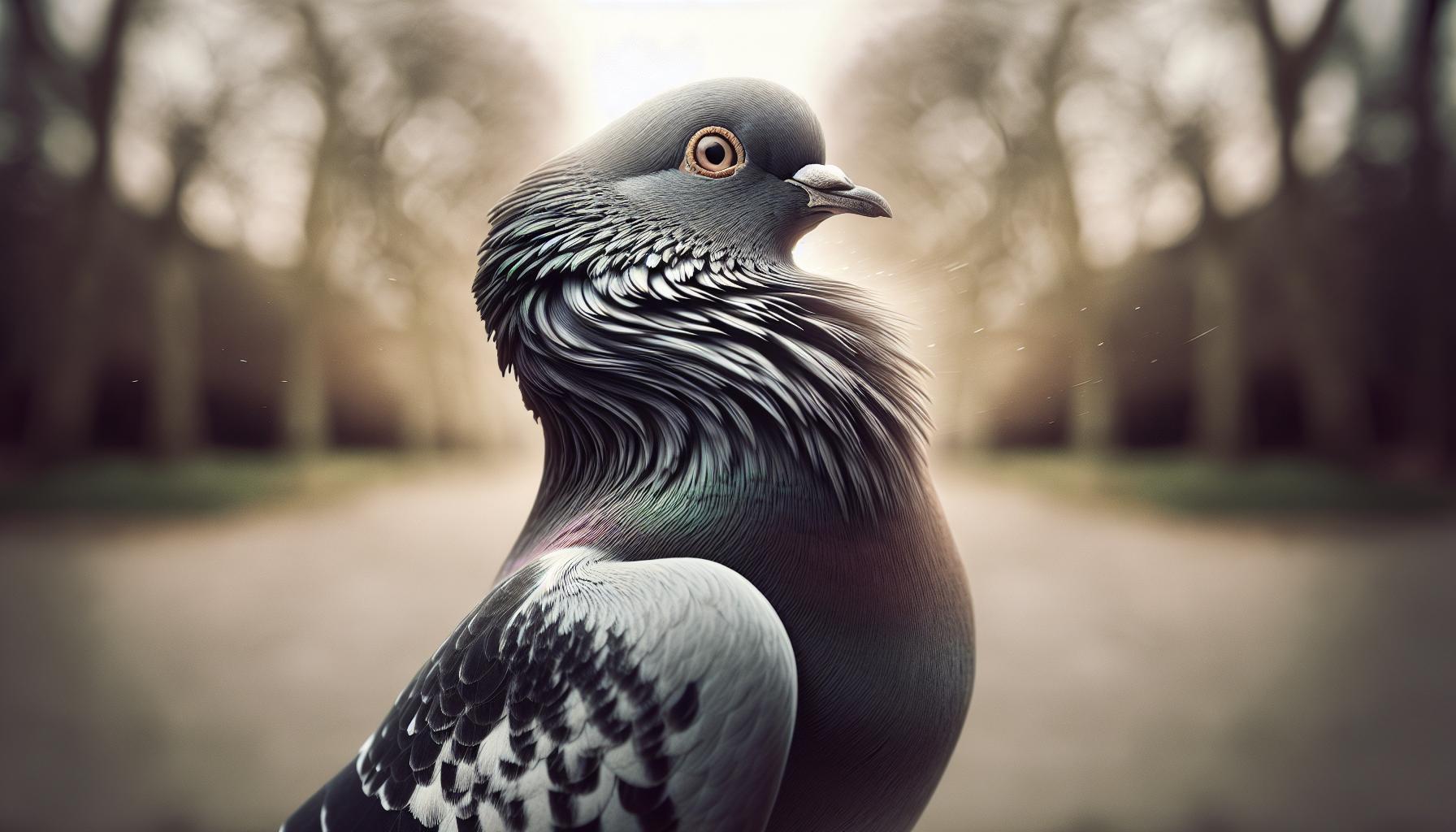
Why Do Pigeons Vibrate Their Neck? Behavior Explained
Pigeons are fascinating creatures, often seen behaving in ways that intrigue observers. One such behavior is the rhythmic vibration of their necks, a phenomenon that can leave even seasoned bird enthusiasts curious. This neck vibration, which may appear quirky at first glance, serves several vital purposes within the realm of pigeon behavior.
Firstly, neck vibrations in pigeons can occur as a natural response to environmental conditions or emotional states. When pigeons feel threatened or are experiencing stress, they may exhibit increased neck movements as a means of displaying their unease. Additionally, vibrations can be a response to physical exertion; for instance, pigeons may shake their necks after flying to help release pent-up energy or potentially to cool down. It’s important to observe the context in which these vibrations occur, as a calm pigeon shaking its neck might be engaged in a form of self-soothing behavior or an expression of contentment.
Moreover, neck vibrations are integral to communication among pigeons. These movements, often paired with other body language, help convey mood and intentions to fellow birds. By observing these subtle cues, pigeon enthusiasts can start to interpret the emotional landscape of their feathered friends. Understanding this behavior not only enhances our appreciation of pigeons but also aids in fostering a more enriching environment for them in captivity or while observing them in the wild.
Ultimately, recognizing the nuances of neck vibration in pigeons empowers bird lovers to participate more actively in their care and well-being, ensuring these remarkable birds thrive in their habitats.
Understanding Pigeon Neck Vibration: An Overview
Pigeons, with their unique behaviors and social interactions, present a captivating study in avian communication, and one of the most intriguing aspects of their behavior is the rhythmic vibration of their necks. This action, often observed in both wild and domestic pigeons, is more than just a quirky quirk; it serves numerous vital functions critical to their survival and social dynamics. As a dedicated observer of these remarkable birds, you might have noticed that neck vibrations can occur under various contexts, each shedding light on their emotional state or environmental response.
Understanding why pigeons vibrate their necks involves delving into both behavioral and physiological aspects. For instance, when pigeons feel threatened, they may increase their neck movements as a way to display anxiety or intimidation. This response is not purely instinctual; it can also be linked to their efforts to assess their surroundings, often paired with head movements that allow them to gauge potential threats. Conversely, after engaging in high-energy activities like flight, neck vibrations serve as a way for pigeons to release pent-up energy and regulate their physical conditions. These behaviors are usually intertwined with other signals, creating a rich tapestry of communication that other birdwatchers and enthusiasts can learn to interpret.
Moreover, the vibration of a pigeon’s neck plays an essential role in their social interactions. These movements are not just random; they serve as an intricate form of dialogue among pigeons, conveying messages about mood, comfort, and intent. Observers tuning into these subtle cues can often determine whether a pigeon is relaxed, agitated, or seeking companionship. By watching how and when birds engage in neck vibrations, one can build a deeper understanding of their needs and enhance the conditions in which they thrive.
In essence, paying attention to neck vibrations can significantly improve the experience of both casual observers and seasoned bird enthusiasts. As you watch these birds, consider the context in which neck vibrations occur, and note any additional accompanying behaviors. This approach not only enhances your appreciation of pigeons but also fosters a more responsive environment for their care and observation. Whether in the park or caring for domesticated birds at home, fostering an understanding of these nuances in behavior can lead to more enriching interactions with these compelling creatures.
The Science Behind Pigeon Neck Movements
Pigeons are fascinating creatures, and one of their most distinctive behaviors is the way they vibrate their necks. This seemingly peculiar action is rooted deeply in avian physiology and behavior, serving multiple purposes that reflect their state of mind and environmental interactions. Understanding the mechanics of pigeon neck movements not only enriches our appreciation of these birds but also helps us interpret their communication methods.
The vibrations occur primarily due to the contraction of neck muscles, which can be influenced by various factors such as excitement, anxiety, or even simple physical exertion. When pigeons engage in vigorous activities like taking flight or landing, the rapid movement of their heads and necks acts as a mechanism for self-stabilization. They use these movements to keep their balance and orient themselves in three-dimensional space. This is critical for survival in the wild, where quick reflexes are essential.
In social contexts, neck vibrations extend beyond mere physical necessity; they serve as a form of communication among pigeons. These vibrations can convey important emotional signals, indicating whether a pigeon is feeling relaxed, threatened, or eager to mate. Often, the intensity and frequency of the vibrations will vary, enabling other pigeons to interpret the mood and intent of their companions. Understanding these nuances could lead to improved interactions whether you are observing pigeons in the wild or caring for domesticated ones.
For those keen on observing these behaviors, it’s helpful to watch for patterns. Are the vibrations accompanied by other body language signals, such as puffing up feathers or specific posturing? Noticing the context-whether the pigeon is interacting with others, feeding, or responding to environmental stressors-can provide valuable insights into their behavioral patterns. This awareness not only enhances your observational experience but also supports a deeper understanding of their needs and well-being, ensuring you can provide appropriate care if you’re a caregiver.
Common Reasons for Neck Vibrations in Pigeons
Pigeons exhibit a fascinating array of behaviors, and their neck vibrations are particularly noteworthy, serving various purposes linked to their biology and environment. These vibrations are not just random; they are often influenced by specific stimuli or internal states. For pigeon enthusiasts or caregivers, understanding the underlying reasons for this behavior can enhance the experience and care provided to these remarkable birds.
One common reason pigeons vibrate their necks is thermoregulation. During hot weather or after intense activity, pigeons may feel the need to cool down. They achieve this by fanning their necks and vibrating the muscles, which can help to dissipate heat and manage body temperature more effectively[1]. This physiological response is crucial for their survival, especially in warmer climates.
In addition to temperature regulation, neck vibrations can also be a sign of excitement or anxiety. Pigeons might vibrate their necks when they feel agitated or threatened, such as when encountering a potential predator or during social interactions with other pigeons. This behavior can serve as a warning signal to others in their flock or to express their own stress. Furthermore, during courtship displays, males may exhibit pronounced neck vibrations as part of their mating rituals, aiming to attract females and assert their fitness[2].
Understanding these common triggers for neck vibrations not only enriches our knowledge as observers but also allows pigeon caregivers to recognize normal versus abnormal behaviors. By observing the context in which these vibrations occur-whether during feeding, socialization, or in response to environmental changes-caregivers can better gauge the well-being and emotional state of their pigeons, ensuring they receive appropriate support and care.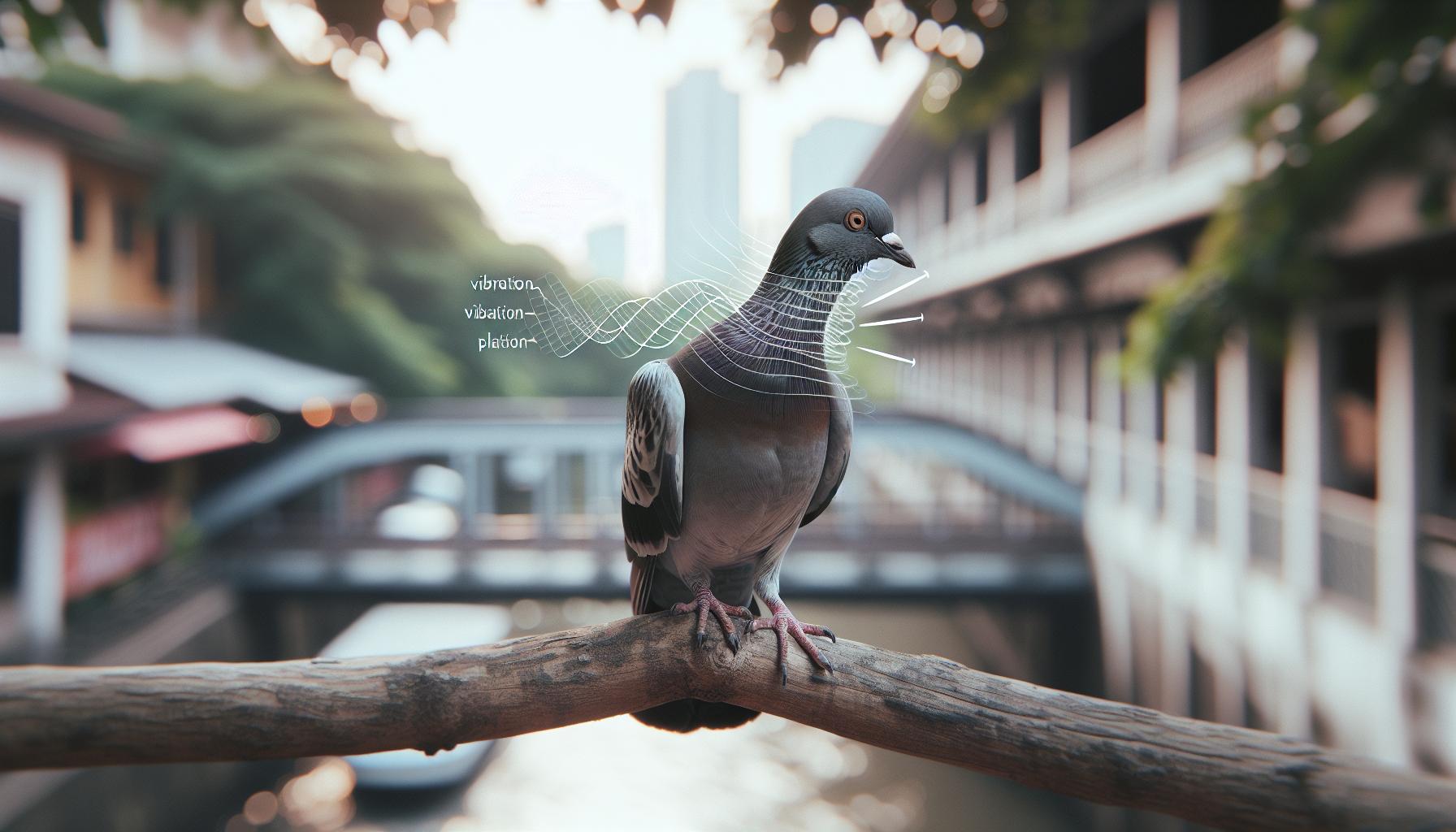
The Role of Neck Vibrations in Pigeon Communication
Pigeons are not just masterful fliers; they are also remarkably expressive animals whose neck vibrations play a crucial role in their communication. This unique behavior can serve various social functions, allowing these birds to convey emotions and intentions to each other. Observing how pigeons utilize neck vibrations can deepen our understanding of their social dynamics and contribute to better caregiving practices.
When pigeons vibrate their necks, it often indicates a form of non-verbal communication. In social groups, these vibrations can signal excitement, dominance, or submission, depending on the context. For example, during courtship, male pigeons may perform exaggerated neck vibrations to attract potential mates, demonstrating their vigor and fitness. This behavior not only showcases their physical condition but also establishes their presence within the breeding hierarchy. By vibrating their necks more vigorously, they send visual cues to females that they are ready and worthy of mating, enhancing their chances of reproductive success.
Moreover, neck vibrations can serve as an alarm signal among pigeons. When a pigeon feels threatened, it may vibrate its neck in a quick succession to alert others nearby of potential danger. This behavior fosters a heightened sense of awareness within the flock, enabling them to react promptly to predators or other threats. Such non-verbal cues can be equally effective as vocalizations, especially in environments where sounds may not travel well or when silence is necessary for evading threats.
It’s essential to pay attention to the context in which neck vibrations occur. For caregivers or pigeon enthusiasts, understanding these nuances allows for better insight into a pigeon’s emotional and social state. Monitoring how and when your pigeons vibrate their necks can offer valuable information on their well-being and interactions with each other. Enhanced awareness can help in preventing stress and ensuring a harmonious environment for these incredible birds.
How Pigeon Neck Vibration Affects Behavior
When observing pigeons, one captivating aspect of their behavior is the way they vibrate their necks, which serves as a significant indicator of their emotional states and social interactions. This seemingly simple action can have profound implications for the dynamics within a flock. The vibrations often manifest in short, rapid, and continuous movements, which can signal everything from excitement during courtship displays to a quick alert for danger. For instance, during mating rituals, you might witness male pigeons engaging in exaggerated neck vibrations to both assert their presence and attract females. This not only highlights their physical fitness but also plays a crucial role in establishing hierarchies and ensuring reproductive success.
Moreover, neck vibrations are not solely reserved for courtship; they are essential for maintaining social cohesion within a group. When a pigeon vibrates its neck in a relaxed manner, it can signal peace and openness, helping to foster trust amongst flock members. Conversely, if the vibrations become more frenetic, it might indicate a response to stress or excitement, alerting fellow pigeons to be on guard. This form of non-verbal communication is crucial, particularly in wild environments where vocalizations may attract predators. By being attuned to these neck movements, pigeon enthusiasts and caregivers can gain insight into the overall emotional well-being of the birds in their care.
Understanding these nuances can enhance the approach to pigeon care significantly. Observers should pay close attention to the frequency and context of neck vibrations to gauge if their pigeons feel safe, threatened, or ready to mate. Recognizing when neck vibrations increase can help caregivers provide a more supportive environment-offering hiding spots or reducing stressors when excitement levels rise. By fostering an environment where these natural behaviors can flourish, caregivers can enhance the health and happiness of their pigeons, deepening the bond between human and bird.
To effectively interpret these neck vibrations, maintain a journal to track when and where you observe these behaviors. Note the environmental conditions and any interactions with other birds. Such records can reveal patterns over time, allowing for a more nuanced understanding of what drives these behaviors and leading to improved care strategies. Embracing this behavioral insight not only contributes to happier pigeons but can also enrich the experience of those dedicated to observing and caring for these remarkable birds.
Pigeons vs. Other Birds: A Behavioral Comparison
When observing the captivating world of avian behaviors, the neck vibrations of pigeons stand out as a particularly intriguing phenomenon. Unlike many other bird species, pigeons exhibit this unique movement as a primary form of non-verbal communication, making them fascinating subjects for comparison with their feathered relatives. While neck movements are not unique to pigeons, the context and frequency of these actions can reveal profound differences in social interaction and environmental response among various bird species.
Homing pigeons vibrate their necks frequently during interactions within their flocks, especially when asserting dominance or during courtship. In contrast, birds like sparrows or finches often rely more heavily on vocalizations to communicate, demonstrating a distinct dependency on sound rather than physical gestures. For instance, when a male sparrow sings its territorial song, its male counterpart may simply puff up its feathers instead of engaging in neck vibrations. This reliance on vocal signals often results in a more audible social environment, whereas pigeons, with their relatively quieter lifestyle, utilize neck movements to convey messages without drawing attention from potential predators.
Understanding how pigeons communicate through neck vibrations can also enhance our appreciation of their adaptability and social structure. While many birds display behavioral signs of distress through calls or alarm signals-think of the shrill warning cries of a crow-pigeons often use subtle body language. In flocks, a sudden increase in neck vibration among pigeons can indicate a shift from calm to heightened alertness, a cue that may not be as easily discerned among more vocal species. This non-vocal communication not only fosters social cohesion within flocks but also aids in the intricate balance of maintaining safety in their environment.
From my experiences observing different bird species, it’s clear that each group possesses unique behavioral traits that are finely tuned to their ecological niches. For pigeon aficionados, embracing the complexities of neck movements adds a layer of understanding that enhances our interactions with these remarkable birds. By appreciating these subtle cues, we can better interpret their emotions and needs, leading to improved care strategies and a deeper bond with our avian companions.
Signs of Healthy Neck Behavior in Pigeons
Observing the graceful intricacies of pigeon behavior can be a rewarding experience, especially when it comes to their neck vibrations. These movements are not only captivating but also serve as indicators of health and social dynamics among pigeons. Healthy neck behavior is characterized by certain patterns of movement that signal well-being and engagement within their social structure.
Typically, a healthy pigeon will exhibit smooth, rhythmic neck vibrations that are consistent and controlled, particularly when interacting with other birds in its flock. These vibrations often occur during moments of socialization, such as preening, courtship displays, or establishing dominance-activities that are essential for their social cohesion. A relaxed pigeon will also appear generally at ease, displaying a comfortable posture, with its head held high and its feathers smooth and neatly arranged.
To help identify signs of healthy neck behavior, consider the following characteristics:
- Frequency: Regular vibrations during social interactions, such as feeding or mingling in flocks.
- Consistency: Even and rhythmic movements rather than erratic or jerky motions.
- Accompanied Behavior: Neck vibrations often happen alongside other typical behaviors, like cooing or gentle pecking at food.
- Posture: An upright, relaxed head posture that suggests the bird feels safe and secure in its environment.
In general, a combination of healthy neck vibrations with a calm demeanor reflects a pigeon’s comfort and well-being. For anyone keen on observing these birds, keeping an eye on these indicators can enhance your understanding of their emotional state and social interactions, which ultimately enriches the experience of caring for and connecting with these intelligent creatures. The nuances of their behavior not only highlight their adaptability but also foster stronger bonds with their caretakers, elevating the overall enjoyment of being a pigeon enthusiast.
When to Worry: Abnormal Neck Movements in Pigeons
Noticing unusual neck movements in pigeons can be alarming, as these birds often rely on their vibrations to communicate their moods and intentions. Healthy neck behavior is typically smooth and rhythmic, indicating a relaxed and confident bird. However, when these vibrations become erratic or associated with other troubling signs, it may signal underlying health issues that require attention.
One of the primary advices for pigeon enthusiasts is to monitor for irregular patterns. If you observe a pigeon exhibiting continuous, jerky, or forced neck movements rather than the usual gentle vibrations, it may be a cause for concern. This can indicate stress, discomfort, or even injury. Additionally, if the pigeon displays signs such as lethargy, lack of appetite, or isolation from its flock, it’s crucial to assess their environment and health carefully.
In instances where neck movements are accompanied by other symptoms like head tilting, difficulty in maintaining balance, or excessive squawking, these could be indicative of conditions like avian virus, neurological disorders, or infections. Observing how a pigeon interacts with its peers can provide insights; abnormal neck vibration may also stem from social stress or dominance challenges.
If you suspect that a pigeon is experiencing abnormal neck movements, immediate action is essential. Begin by isolating the bird to reduce stress and observing it in a quiet environment. Providing ample hydration and nutritious food can also help stabilize its condition. Consulting with an avian veterinarian is highly recommended if symptoms persist, as they can provide proper diagnosis and treatment options tailored for the bird’s needs. Recognizing these signs early can lead to better health outcomes and enhance the life quality for your feathered friends.
Captivating Cultural Perspectives on Pigeon Behaviors
Pigeons hold a unique place in human culture, not just as common city birds, but also as symbols of peace, messengers of love, and subjects of fascination in various art forms. Across various cultures, the vibration of a pigeon’s neck has often intrigued observers, giving rise to multiple interpretations rooted in cultural practices and beliefs. For example, in many Asian cultures, pigeons symbolize fidelity and love, and their displays, including neck vibrations, are seen as part of their courtship rituals. These cultural narratives weave a rich tapestry of relationship-building and social communication within the pigeon community.
Cultural Interpretations of Neck Vibrations
In the realms of folklore and tradition, neck vibrations in pigeons are often viewed as a sign of contentment or communication. In Mediterranean societies, for instance, the bobbing and vibrating of a pigeon’s neck during mating displays reflect their courting behavior, captivating local onlookers who associate this with romance and loyalty. The rhythmic movements can be likened to dance-an expression of attraction and vitality that resonates deeply with human spectators, drawing parallels to our own courtship rituals.
Artistic Representation and Observations
Artists and writers have long been inspired by pigeon behavior, including neck vibrations. From ancient manuscripts to modern paintings, the graceful neck movements and cooing sounds of pigeons serve as metaphors for harmony and connection. Observing these behaviors can foster appreciation for the subtleties of avian life, encouraging enthusiasts to engage more deeply with their surroundings and the species that inhabit it.
Practical Advice for Observers
If you wish to observe this engaging behavior, consider setting up a quiet space where pigeons congregate, such as parks or urban settings. Bring along a notebook, and document any neck vibrations you observe, noting the context-whether it occurs during interactions with other pigeons or solitary moments. This activity not only enhances your understanding of their social dynamics but also connects you with the rich cultural conversations surrounding these birds.
Exploring the captivating interplay between human culture and pigeon behavior opens avenues for deeper appreciation, inspiring protection and care for these often-overlooked creatures. Whether through folklore, art, or personal observation, the lessons gleaned from observing pigeons can enrich our lives and promote a greater understanding of the natural world.
Practical Tips for Observing Pigeon Behavior
Pigeon neck vibrations are fascinating to observe, and setting yourself up to witness this behavior can be both rewarding and insightful. To enhance your experience, consider choosing locations where pigeons gather regularly, such as parks, city plazas, or even feeding areas near your home. These spots provide a natural setting for observing their behaviors in a relaxed environment. Bring along a pair of binoculars if you want a closer view without disturbing them, and don’t forget a notebook to jot down your observations, including any vocalizations or social interactions accompanying the vibrations.
When observing, pay attention to the context in which these neck vibrations occur. Often, they are part of courtship displays, especially in male pigeons trying to attract females. Watch for other behaviors like puffing up, cooing, or even short bursts of flight, which can indicate excitement or competitive displays among males. Try to document not only the vibrations themselves but also the circumstances-are they occurring during mating rituals, social interactions, or when coming into contact with other birds? This helps deepen your understanding of their social dynamics and the various cues they respond to.
Another effective way to observe pigeon behavior is to engage in feeding them, but be cautious to avoid over-reliance on human food that can disrupt their natural diet. Use seeds or grains specifically designed for pigeons, and throw a small amount on the ground. This encourages them to come closer to you, allowing for intimate observations. As you sit quietly, take note of how different individuals react to each other and their environment. This can reveal insights not only about their social hierarchy but also about their comfort levels and responses to stimuli.
Finally, embrace the power of patience. Just like other wildlife, pigeons have their own rhythms and comfort zones. The more time you spend observing them, the more nuances you will notice in their behavior, including when and why they vibrate their necks. Remember, these observations not only enrich your knowledge as a bird enthusiast but also foster a deeper connection with the natural world, revealing the intricate lives of one of our most familiar avian neighbors.
Enhancing Your Pigeon Care: Insights and Techniques
Pigeons are not just common city dwellers; they are fascinating creatures with complex behaviors that can reveal a lot about their health and social structure. One captivating aspect of their behavior is neck vibration, which plays a crucial role in their communication and social interactions. Understanding this behavior helps us enhance our care for these avian companions, ensuring they thrive.
To support the health and well-being of your pigeons, start with environmental enrichment. Create spaces where they can fly, perch, and interact safely. Pigeons are social birds, and providing companionship-either through other pigeons or human interaction-is essential. Observe their social behaviors closely; you might notice that neck vibrations often accompany courtship or communicative displays among males. This insight allows you to enhance their social environment to mimic these interactions, promoting natural behaviors.
Additionally, pay attention to their dietary needs. A balanced diet rich in grains, seeds, and specific supplements is vital for overall health. Consider incorporating granivorous mixes and ensuring access to clean water. Similarly, keep their living quarters clean, as a hygienic environment reduces stress, which can influence behavior, including neck vibrations. Healthy pigeons are more likely to exhibit normal behavioral patterns, indicating that they’re comfortable and thriving.
Finally, persistence is key when observing and understanding your pigeons’ behaviors. Spend time watching them in different contexts-whether it’s during feeding, interaction with peers, or momentarily alone. Your observations can illuminate the subtle cues that indicate their emotional state, such as preferred mates or responses to environmental changes. Understanding these dynamics not only enriches your experience as a caretaker but also fosters a deeper connection with these remarkable birds. By observing and responding to their behaviors, especially those like neck vibrations, you will be well-equipped to provide the best care possible.
Expert Insights: What Bird Enthusiasts Say About Pigeon Behavior
Pigeons exhibit a fascinating behavior known as neck vibration, and experienced bird enthusiasts shed light on the underlying reasons and significances of this unique action. Observations show that neck vibrations in pigeons often occur during social interactions, particularly in courtship displays. Males frequently use this behavior to attract females, and it serves as a non-verbal signal in their communication repertoire. This insight is particularly valuable for novice pigeon keepers who may see this behavior and wonder about its implications; understanding that such vibrations are part of courtship can enhance the observer’s appreciation of pigeon social dynamics.
Moreover, it’s essential to recognize the context in which neck vibrations occur. For instance, expert bird watchers note that you may observe pigeons vibrating their necks when they are excited or agitated, such as during competitive situations or when they sense potential danger. Such signals can help pigeon keepers learn to recognize when their birds are feeling stressed or threatened, aiding in proactive management of their environments. This awareness allows caretakers to intervene when necessary, ensuring a healthier, more balanced atmosphere for their birds.
Additionally, cultural perspectives add another layer to our understanding of pigeon behavior. In various cultures, pigeons are revered not just for their roles as pets but also for their ability to navigate across long distances. Many enthusiasts share stories of how these birds rely on subtle body language, including neck vibrations, to communicate with each other, emphasizing the intricate social web they weave. As caretakers, embracing these insights can improve our bond with these creatures, making us more attentive to their needs and interactions.
To further enhance your care for pigeons, it’s advisable to create an environment conducive to their social behaviors. Providing ample space for interaction and enrichment can foster more consistent expressions of natural behaviors, including neck vibrations. Engage with your pigeons regularly, observing their reactions to different stimuli. By doing so, you can become more attuned to their social cues and behaviors, ensuring that your feathered companions thrive in both health and happiness.
Q&A
Q: Why do pigeons vibrate their necks?
A: Pigeons vibrate their necks primarily as a form of communication and expression of their emotional state. This behavior helps them convey messages to other pigeons, indicate excitement, or establish their presence within a group, serving an important role in social interactions.
Q: What does it mean when a pigeon shakes its head?
A: Head shaking in pigeons can signify various emotions, including anxiety, curiosity, or an attempt to clear distractions. It’s essential to observe the context and accompanying behaviors to better understand what the pigeon is experiencing at the moment.
Q: Is neck vibration a sign of stress in pigeons?
A: While neck vibrations are typically normal behavior, they may indicate stress if accompanied by other signs like pacing or excessive cooing. Monitor your pigeon’s environment and provide a calm space to reduce anxiety levels.
Q: How can I tell if my pigeon is healthy based on its neck movement?
A: Healthy pigeons exhibit smooth, rhythmic neck vibrations as part of normal behavior, often while interacting with others or exploring. If you notice erratic or excessively rigid movements, it could be a sign of distress or health issues.
Q: Do all pigeons vibrate their necks?
A: Most pigeons exhibit neck vibration, although the intensity and frequency can vary by breed and individual temperament. Observing various pigeons can help you recognize normal behavior specific to certain species.
Q: What role does neck vibration play in pigeon mating rituals?
A: During courtship, male pigeons often use neck vibrations to attract females, showcasing their health and vitality. This behavior is integral to mating displays and helps establish their suitability as a mate.
Q: Are neck vibrations in pigeons seasonal or year-round?
A: Neck vibrations occur year-round but may become more pronounced during breeding seasons, as pigeons are more socially active and communicative at these times. Observing changes can provide insight into their social dynamics.
Q: What are common myths about pigeon neck vibrations?
A: A common myth is that neck vibrations indicate illness. In reality, this behavior is normal. Educating yourself on healthy pigeon behaviors can help dispel such myths and improve your understanding of their needs.
Closing Remarks
Now that you understand the fascinating reasons behind why pigeons vibrate their necks, it’s time to explore more about these incredible birds! From their unique communication methods to tips on keeping them healthy in your backyard, our articles on pigeon behavior and care are just a click away. Check out “The Social Lives of Pigeons” and “Caring for Your Pet Pigeon” for deeper insights that will enrich your passion for avian knowledge.
Don’t miss out-join our community of bird enthusiasts by signing up for our newsletter, where you’ll get the latest updates and exclusive resources right in your inbox! If you have any questions or experiences to share, drop a comment below; we love hearing from our readers. Your curiosity about pigeons leads to more exciting discoveries, so keep exploring, and let’s learn together!
Get our latest guides, news, and insights highlighted in your Google Search & AI Overviews.