Are you tired of pigeons making your balcony their personal hangout? These urban birds can be charming but often bring unwanted mess and noise. In this guide, we’ll explore effective and simple solutions for keeping pigeons off your balcony, ensuring your outdoor space remains clean and enjoyable. Discover practical tips that cater to various lifestyles and preferences, whether you’re a first-time homeowner or an experienced city dweller. By understanding pigeon behavior, you’ll be equipped to create an environment that discourages their presence while maintaining the beauty of your balcony. So, let’s dive into the strategies that will help reclaim your space and keep those pesky pigeons at bay!
How Pigeons Become a Balcony Nuisance
Pigeons have a remarkable ability to adapt to urban environments, often making balconies their preferred resting spots. These adaptable birds seek out high, flat surfaces where they can perch safely away from predators, and unfortunately, this can lead to a significant nuisance for homeowners. Their presence can not only result in unsightly droppings and feather debris but also attract other pests and create noise issues, especially during mating seasons.
Understanding how pigeons become a problem starts with recognizing their behavior. Pigeons are social creatures that thrive in flocks; once they find a suitable perch, like your balcony, they tend to return frequently. This behavior is driven by their search for food, shelter, and companionship, leading them to create unwelcome ‘homes’ in residential areas. Additionally, pigeons are attracted to remnants of human activities-think crumbs from outdoor dining or open trash. If food sources are readily available, they are likely to congregate, further exacerbating the nuisance.
Moreover, pigeons possess physical characteristics that make them efficient scavengers. Their strong beaks and adaptable diets allow them to feed on a variety of items, often seen eating discarded food or seeds. Over time, this behavior fosters colonies that can grow rapidly, turning your once peaceful balcony into a hub of pigeon activity. This combination of attraction to elevated spaces, availability of food, and social structure ensures that pigeons can easily become a persistent frustration for homeowners looking to maintain a serene outdoor space.
Understanding Pigeon Behavior and Habits
Pigeons are fascinating creatures that have adapted remarkably well to urban environments. One aspect that makes them particularly successful in these settings is their strong social structure. Living in flocks provides safety and enhances their foraging efficiency, allowing them to take advantage of available food sources easily. Once a pigeon discovers a suitable perch like your balcony, it forms a mental map of the area, often returning with friends-the more, the merrier for them. Understanding this social behavior is crucial for homeowners and can explain why a solitary pigeon can quickly become a small flock.
Their attraction to urban spaces is not just social but also practical. Pigeons are opportunistic feeders with an incredibly varied diet. They thrive on discarded food, seeds, and even bird feeders that might be present on balconies. This means that if you’re accidentally leaving food out or not securing your trash properly, you’re effectively inviting them over for dinner. Not only do they benefit from easy food sources, but they also appreciate the elevated, flat surfaces offered by balconies, providing them with perceived safety from ground-based predators.
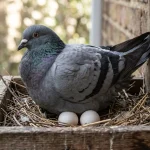
Moreover, pigeons exhibit specific habits that can lead to persistent nuisances. For instance, they are known for their nesting instincts and desire to create a safe space for their young. A balcony can easily become an attractive nesting site, as it often offers shelter from the elements and is quiet compared to ground-level environments. When they set up camp, the accumulation of droppings and debris can quickly create an unsanitary situation, causing the originally inviting space to become a source of frustration.
By understanding these behavioral patterns, homeowners can take proactive steps to deter pigeons. This includes managing food sources, utilizing physical barriers, and employing natural deterrents effectively. A combination of knowledge and practical application can make all the difference in keeping your outdoor spaces free from these adaptable birds.
Easy and Effective Methods to Deter Pigeons
To effectively deter pigeons from making your balcony their second home, it’s essential to combine various strategies that target their instincts and habits. One fundamental approach is to eliminate food sources. Pigeons are opportunistic feeders and will flock to areas where they find easy meals. Ensure that all food items are securely stored indoors and avoid leaving pet food or human food outside. Regularly clean up any debris or seeds that might attract them.
Another effective method involves employing physical barriers. Installing pigeon spikes or netting can create a hostile environment that discourages them from landing or nesting on your balcony. These spikes are designed to disrupt their perching ability without causing harm, while mesh netting can prevent them from accessing the area altogether. Additionally, consider using sloped surfaces or wire grids which make perching less comfortable for pigeons.
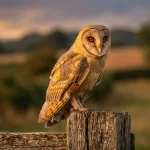
Natural deterrents can also play a key role in keeping these birds at bay. For instance, scents that pigeons find unpleasant, like vinegar or specific essential oils, can be used on cotton balls placed strategically around your balcony; the smell will discourage them from staying. Similarly, visual deterrents such as reflective tape, shiny objects, or even fake owls can create an unsettling atmosphere, making them think twice about visiting your outdoor space.
For those who are feeling more hands-on, creative solutions like DIY projects can be incredibly rewarding. Simple contraptions like wind chimes, which produce sound when blown, can startle pigeons and deter them from lingering. A homemade scarecrow specifically tailored for pigeons can leverage movement and noise to repel these birds effectively. Remember, the key is consistency; combining these methods and applying them regularly will create an unwelcoming environment for pigeons and help you maintain a pigeon-free balcony all year long.
Physical Barriers: Best Solutions for Your Balcony
Pigeons are skilled at maneuvering into small spaces, making balconies a prime target for their nesting and perching habits. To combat this, physical barriers can be your first line of defense. Installing effective barriers can prevent pigeons from claiming your outdoor space, ultimately creating a more pleasant environment for you.
One of the best solutions is to use pigeon spikes. These spikes are designed to deter birds from landing without causing them harm. When placed along ledges, railings, or any flat surfaces where pigeons might perch, they make it uncomfortable for the birds while still allowing airflow and light. It’s important to choose spikes that are specifically intended for pigeon control, as they come in various lengths and widths to suit different needs. Be sure to install them securely to ensure they stay in place during wind or rain.
In addition to spikes, netting can be an effective barrier. Bird netting creates a physical wall that prevents pigeons from entering a specific area. When deciding to use netting, it’s crucial to measure the area accurately; incorrect sizing can lead to gaps that birds might exploit. Opt for durable, UV-stabilized materials to ensure longevity, especially if your balcony is exposed to harsh sunlight.
Another option worth considering is the use of slope or angled surfaces. By modifying existing ledges or surfaces with incline boards, you can create an uninviting landing zone for pigeons. These surfaces can be made from inexpensive materials like plywood, which you can cut and paint to match your balcony aesthetic. Not only does this discourage perching, but it can also enhance the overall look of your outdoor space.
Incorporating a combination of these methods ensures a comprehensive approach to pigeon prevention. For instance, using spikes in conjunction with netting could maximize your efforts when tackling particularly stubborn pigeon visitors. Always remember, consistency is key; regularly check and maintain your barriers to ensure they remain effective against these determined birds.
Natural Deterrents: Use Scents and Sounds
Pigeons have a remarkable ability to adapt to urban environments, often turning balconies into their personal perches. While physical barriers can offer protection, incorporating scents and sounds as natural deterrents can be an excellent complementary strategy. Pigeons, like many other birds, are sensitive to specific odors and noises, which can effectively disrupt their comfort levels and encourage them to seek out other, less invasive places to rest or nest.
To harness the power of scent, consider using essential oils or vinegar, both of which have proven to be unappealing to pigeons. A simple method is to soak cotton balls in essential oils like peppermint or lavender and place them around your balcony. Not only do these natural scents create a pleasant atmosphere for you, but they also signal to pigeons that this is not a welcoming environment. Vinegar can be used similarly; a few bowls of vinegar placed strategically can help repel these birds. The strong, sharp smell is known to be offensive to pigeons and can keep them at bay.
Sound is another potent natural deterrent. Pigeons are generally wary of loud, unpredictable noises. Installing wind chimes or playing recorded sounds of predators, such as hawks, can help create an aural landscape that pigeons would prefer to avoid. Additionally, motion-activated devices that emit sudden noises can be effective; they interrupt the pigeons’ routines and send them flying. Experimenting with different sounds may yield the best results, as the effectiveness can vary with the local bird population’s behavior and adaptability.
By thoughtfully combining these sensory deterrents with physical barriers, you’ll be able to create a multifaceted pigeon prevention strategy for your balcony. These methods not only enhance your outdoor space’s ambience but also contribute to a humane approach to bird management, fostering a comfortable setting for both you and your avian friends-just not the pigeons!
Creative Ways to Keep Pigeons Away
Keeping balconies pigeon-free can be a creative endeavor that combines functionality with aesthetics. One of the most effective approaches is using visual deterrents, which can take various forms. Hanging reflective objects, such as old CDs or aluminum foil strips, can create a shimmering effect that disorients pigeons. The movement and reflection of light from these items mimic the presence of predators, making the area less appealing for roosting. Additionally, bird scare balloons, which are designed to look like large eyes, can effectively deter pigeons by creating an illusion of danger.
Another innovative method involves harnessing the power of plants. Certain plants, like rosemary, peppermint, or lemongrass, are particularly unappealing to birds due to their strong scents. By incorporating these into your balcony garden, you not only create a beautiful environment but also establish a natural barrier against pigeons. Not only do they add greenery, but the scents also contribute to a pleasant atmosphere for you!
Soundscapes can further enhance your pigeon prevention strategy. Utilizing wind chimes or solar-powered devices that emit bird distress calls can create an environment that feels less hospitable to pigeons. These sounds can disrupt their typical settling patterns and make the area feel less safe. For a more hands-on DIY project, consider constructing a sound-emitting device that responds to pigeon movements. This can be as simple as a motion-activated sound player that plays a startling noise whenever pigeons invade your space.
Finally, combining these methods with some physical barriers enhances their effectiveness. Simple additions like bird spikes on railings or mesh screens can prevent pigeons from landing while the attractive visual and auditory deterrents keep them at bay. A layered approach can truly change your balcony’s dynamics, making it a less inviting place for pigeons without compromising on style or comfort.
DIY Projects to Secure Your Outdoor Space
DIY projects can be an outstanding way to safeguard your outdoor space from unruly pigeons while adding a personal touch to your balcony. By tapping into your creative side, you can design practical solutions that are not only effective but also visually appealing. One such project is creating a pigeon-repelling planter box. Using materials like wood or recycled plastic, you can build a multi-layered planter that incorporates natural deterrents. Fill it with herbs like basil and mint, which pigeons find unappealing, and place it strategically to obstruct landing areas.
Another engaging project involves constructing a bird scare device. You can easily craft one using old CDs, reflective tape, or aluminum foil. Hang them amid your balcony plants or railings so they sway gently in the wind, reflecting light and creating movement that scares off the pigeons. For those who enjoy a bit of technology, consider a motion-activated sprinkler system that will release a harmless burst of water whenever it detects pigeon movement. This surprising spray will discourage them from hanging around without causing them any harm.
If you prefer utilizing sound as a method of deterrence, creating a homemade wind chime or a distress call device can be highly effective. Use various metals or natural materials that can resonate with the wind, emitting sounds that mimic predators. Additionally, you can experiment by downloading bird distress calls onto a speaker and setting it to play intermittently to further enhance this deterrent method.
Lastly, don’t overlook the power of physical barriers. Simple projects like installing mesh screens, bird spikes, or even DIY decoy predators can create an unwelcoming environment for pigeons. These can be custom-fitted to your balcony’s design and materials, ensuring they complement your aesthetic while performing their vital function.
By combining these innovative DIY projects, you can establish a comprehensive and functional strategy to maintain a pigeon-free balcony, allowing you to enjoy your outdoor space without the nuisance.
Maintaining a Pigeon-Free Balcony Year-Round
Keeping your balcony free from pigeons year-round is not just about immediate fixes; it requires consistent strategies and a proactive mindset. Pigeons are highly adaptable and can quickly return to areas that offer them food and shelter. To effectively deter these feathered visitors, it’s essential to establish a comprehensive plan that encompasses preventive measures, routine maintenance, and an understanding of pigeon behavior.
A crucial first step is maintaining cleanliness. Pigeons are attracted to areas where they might find food remnants. Ensure that your balcony is free of food scraps, seeds, and standing water, which can provide nourishment and hydration for them. Regularly wipe down surfaces and consider the layout of your balcony. Look for hidden spots where food debris might accumulate, such as in plant pots or under furniture.
Implementing a combination of physical barriers and natural deterrents can greatly enhance your defense against pigeons. Physical barriers like netting or spikes should be installed in areas where pigeons commonly perch or roost. These barriers need to be inspected regularly to ensure they remain intact and effective. Additionally, incorporating natural deterrents, such as certain plants that pigeons find unappealing (like lavender or rosemary), can create an environment that discourages their presence.
In addition to these measures, there are also technological solutions worth considering. Motion-activated devices, whether they emit sounds or sprays, can effectively startle pigeons and deter them from coming back. Ensure these devices are functional and strategically placed for maximum effectiveness.
Ultimately, maintaining a pigeon-free environment year-round involves a combination of vigilance and adaptability. Stay informed about pigeon behavior and be willing to adjust your strategies as necessary. With patience and continuous effort, you can enjoy your balcony without the nuisance of these persistent birds.
Understanding Local Laws on Bird Control
Understanding how local laws impact your efforts to control pigeons is crucial in maintaining a peaceful balcony space. Many regions have specific regulations regarding bird control, particularly concerning the humane treatment of wildlife. Failing to comply with these laws can lead to fines or penalties, so it’s important to familiarize yourself with local ordinances before implementing your deterrent strategies.
In general, most jurisdictions discourage harmful measures such as poisoning or shooting pigeons. Instead, they often promote humane methods like physical barriers or natural repellents. Before setting up spikes, nets, or other deterrents, check whether permits are required. For example, some cities might have strict guidelines about the materials being used or where they can be installed to ensure safe and responsible practices.
Furthermore, understanding the migratory and nesting habits of pigeons can also influence your approach. In many places, there are laws protecting birds during breeding seasons, which may restrict when you can install physical barriers or remove nests. Always investigate whether there are specific timelines when interventions aren’t allowed, and consult with local wildlife authorities for clarification.
When encountering persistent pigeon issues, rather than resorting to drastic measures, consider engaging with professional pest control services that specialize in bird management. They will be knowledgeable about local regulations and can provide effective, humane solutions tailored to your specific situation. Remember, the goal is to create a comfortable environment for yourself while respecting the wildlife in your area.
Tools and Products for Pigeon Prevention
Keeping pigeons at bay can feel like a daunting task, but with the right tools and products, you can effectively reclaim your balcony space. These steadfast birds are resourceful, often returning to the same spots, so employing a combination of strategies is essential for long-term success.
Physical Deterrents
One of the most effective methods to deter pigeons is the installation of physical barriers. Products like bird spikes and netting can prevent access to popular roosting and nesting areas. Bird spikes, which can be easily affixed to ledges or window sills, make these surfaces uncomfortable for pigeons to land on. Look for spikes made of durable materials that can withstand various weather conditions. Bird netting is another reliable option, providing a physical barrier that prevents pigeons from entering your space altogether. Ensure you choose a net with small mesh sizes to effectively block access without harming the birds.
Repellent Products
Another category to explore is repellent products that disrupt pigeons’ natural behaviors. These can include gel repellents that create a sticky surface on ledges where pigeons often perch. Additionally, confetti-based deterrents-made from reflective materials-can be strung around your balcony. The movement and light reflections from these materials create a disorienting environment for pigeons, encouraging them to find more stable grounds elsewhere.
Sound and Scent Deterrents
Consider incorporating sound and natural scent deterrents into your strategy as well. Devices that emit predator calls, like those of a falcon or hawk, can help scare pigeons away without harm. Similarly, scents that pigeons find unpleasant, such as cayenne pepper or vinegar, can be applied in areas they frequent. While these methods may require regular reapplication, they’re a natural way to leverage the pigeons’ instincts against them.
Essential Tools
In addition to these deterrents, equip yourself with the necessary tools to maintain a pigeon-free environment. A simple cleaning kit is vital, as keeping your balcony clean and free of food debris will reduce attractions for pigeons. Consider tools like brooms to remove droppings and bird waste, which can also deter future visits. Organize the supplies you need in a dedicated bin for easy access whenever you perform maintenance or install preventative solutions.
Combining these tools and products, with an understanding of pigeon behavior and a commitment to routine maintenance, can significantly enhance your ability to keep your balcony nuisance-free. The key lies in consistency and creativity-experiment with different approaches to discover what works best for your unique environment.
When to Call Professionals for Help
Sometimes, despite your best efforts with DIY solutions and deterrents, pigeons can persist as a major nuisance on your balcony. Recognizing when to call in professional help is crucial for maintaining your peace of mind and ensuring a pigeon-free environment. Professional bird control services bring expertise and specialized tools that can often address issues more effectively than home remedies can.
If you’ve applied various deterrents like spikes, netting, and repellents with little success, it might be time to consult the experts. They can conduct a thorough assessment of your space, identifying nesting sites and high-traffic areas frequented by pigeons that you may not be aware of. Professionals often employ advanced techniques, such as humane trapping and removal of existing pigeons, which can help break the cycle of return visits.
Here are some indicators that professional assistance may be necessary:
- Persistent Nesting: If you notice pigeons continually nesting despite your best efforts, professionals can safely remove nests and implement long-term solutions.
- Health Concerns: Pigeon droppings can harbor diseases. If you’re concerned about health risks or hygiene issues caused by droppings accumulating on your balcony, a professional cleaning and control service may be necessary.
- Legal Considerations: Some regions have specific regulations regarding bird control and management. Professionals are aware of these laws and can ensure compliance while helping you eliminate the issue.
- Large Infestations: If your problem escalates into a larger invasion, with numerous birds congregating, trained professionals can handle the situation more effectively.
Ultimately, the goal of involving a professional is to foster an environment that is not only pigeon-free but also safe and clean for you to enjoy. From humane removal techniques to preventive measures tailored to your specific circumstances, professional help can lead to a more permanent resolution.
Frequently Asked Questions
Q: How can I naturally repel pigeons from my balcony?
A: To naturally repel pigeons, consider using scents that birds dislike, such as peppermint or vinegar. Placing reflective surfaces, like old CDs or aluminum foil, can also deter them. Implementing these methods alongside physical barriers will enhance effectiveness. For more on natural deterrents, check the “Natural Deterrents” section of our article.
Q: What are the best physical barriers to keep pigeons away?
A: Effective physical barriers include bird spikes, netting, and wire mesh. These create a physical obstruction preventing pigeons from landing or nesting. Installation should cover potential perches and ledges thoroughly. Explore our section on “Physical Barriers” for detailed guidance.
Q: How does pigeon behavior influence balcony infestations?
A: Pigeons are attracted to balconies due to food sources, shelter, and nesting opportunities. Understanding their habits can help you implement targeted deterrents. For insights on pigeon behavior, refer to the “Understanding Pigeon Behavior and Habits” section in our article.
Q: When is the best time to implement pigeon deterrent strategies?
A: The best time to implement deterrent strategies is before nesting season, typically in early spring. Early action helps reduce the likelihood of pigeons settling on your balcony. Learn more about year-round maintenance in the “Maintaining a Pigeon-Free Balcony Year-Round” section.
Q: Are there any DIY solutions for keeping pigeons away?
A: Yes, DIY solutions include creating decoys, such as owls or hawks, and crafting wind chimes to emit sounds that scare away pigeons. These creative methods can be both effective and fun. For more DIY ideas, see the “Creative Ways to Keep Pigeons Away” section.
Q: Can I use plants to deter pigeons from my balcony?
A: Yes, certain plants, like lavender or rosemary, can naturally deter pigeons due to their strong scents. Planting these around your balcony can help discourage visits. Check our article for guidance on integrating natural deterrents with your outdoor space.
Q: What should I do if pigeons refuse to leave my balcony?
A: If pigeons persist despite your efforts, it may be time to consult a professional pest control service who can provide tailored solutions. Always consider humane methods for removal. Visit our “When to Call Professionals for Help” section for more details.
Q: How can I maintain a pigeon-free balcony year-round?
A: To maintain a pigeon-free balcony, regularly clean up droppings, remove food sources, and check physical barriers for damage. Consistency in these practices is key throughout the year. For tips on ongoing maintenance, see the “Maintaining a Pigeon-Free Balcony Year-Round” section of our article.
In Retrospect
In summary, keeping pigeons off your balcony is not just about annoyance; it’s about maintaining a clean and inviting space. By applying the practical solutions discussed, you can reclaim your outdoor areas from these persistent birds. Don’t wait-implement these techniques today to experience immediate results. If you’re curious about other bird-related topics, check out our guide on creating a bird-friendly home or learn about the fascinating behaviors of local wildlife.
Consider subscribing to our newsletter for ongoing tips and insights on bird management and care. Have questions or want to share your experiences? We’d love to hear from you in the comments below! Remember, finding the right strategies to deter pigeons is key to enjoying your balcony again, so take action and enhance your living space today!
Get our latest guides, news, and insights highlighted in your Google Search & AI Overviews.