Pigeons can be charming to watch in the park, but when they invade our homes and businesses, they often become a nuisance. Scattering droppings, nesting in unwanted places, and even damaging property are common issues that many face. Understanding how to effectively deter these birds is crucial for maintaining a peaceful environment. In this guide, we’ll explore proven methods to keep pigeons at bay, from natural repellents to physical barriers, ensuring you reclaim your space without harm to the birds. Whether you’re a homeowner looking to protect your garden or a business owner aiming to maintain cleanliness, the strategies shared here will empower you to tackle your pigeon problem with confidence. Join us as we delve into effective solutions that balance practicality and compassion!
Effective Deterrent Methods for Pigeon Control
To successfully deter pigeons from invading your space, it’s essential to understand the strategies that effectively disrupt their habits. One standout method involves using physical barriers, as these create a tangible obstacle to roosting and nesting. Installing pigeon spikes, netting, or wire grids in areas where pigeons are prone to land can significantly reduce their presence. These materials not only prevent pigeons from perching but also maintain the aesthetic of the property without resorting to harmful means.
In addition to physical barriers, leveraging natural deterrents can be highly effective. For instance, creating a habitat that’s less inviting to pigeons can deter them from taking up residence. Applying certain scents, such as those derived from spices like pepper or garlic, can repel these birds, as they find such aromas unpleasant. Herbal repellents or essential oils diluted in water and sprayed around problem areas might work wonders without causing harm to the birds or the environment.
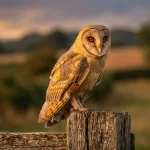
Moreover, incorporating sound and visual deterrents adds another layer of protection. Ultrasonic devices that emit frequencies beyond the range of human hearing can deter pigeons while remaining unobtrusive to people. Similarly, products that mimic predator calls or movements, such as inflatable owls or reflective surfaces, can make pigeons feel insecure and less inclined to settle in your vicinity.
While these deterrent methods are effective, it’s critical to combine them with a comprehensive approach to preventive measures. Regularly removing food sources like open trash bins and ensuring that food is not left out in public spaces can discourage pigeons from frequenting an area in the first place. By addressing their behaviors and preferences proactively, you can cultivate an environment that pigeons will find unwelcoming, thus keeping them at bay.
Understanding Pigeon Behavior and Habits

Pigeons are fascinating creatures, known for their adaptability and intelligence, but their presence can quickly become a nuisance in urban environments. Understanding the behavior and habits of these birds is crucial for anyone looking to keep them away. Pigeons thrive in cities, where food is abundant and nesting sites are plentiful. They are primarily granivorous, meaning they thrive on seeds and grains, but they will also scavenge for leftovers, making trashy urban landscapes an ideal feeding ground. This behavior highlights the importance of litter control and waste management in deterring their presence.
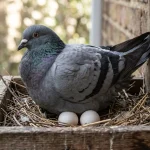
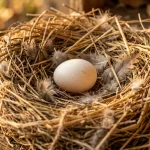
In the wild, pigeons are highly social birds, often found in large flocks. They form strong pair bonds and are protective of their nests, which they typically construct in sheltered areas like ledges, rooftops, and tree branches. Female pigeons can lay two eggs several times a year, which can lead to a rapid increase in the local population if left unchecked. Understanding their reproductive habits not only underscores the urgency of managing pigeon populations but also suggests that addressing nesting spots is key. Removing or altering potential nesting sites helps disrupt their breeding cycle.
Another critical aspect of pigeon behavior is their reliance on visual cues for navigation and safety. They have excellent vision and can see ultraviolet light, making reflective surfaces particularly disorienting for them. Incorporating shiny objects or reflective tape in problem areas can be an effective deterrent. Additionally, pigeons are often wary of environmental changes; they prefer spaces that feel safe and predictable. This means that altering their surroundings-through the installation of spikes, nets, or other physical barriers-can significantly impact their choice of roosting sites.
By familiarizing yourself with these aspects of pigeon behavior, you can develop a more incisive and effective strategy for managing their populations. Observing their patterns and preferences enables proactive measures that not only reduce their presence but also contribute to a more harmonious coexistence with urban wildlife. Taking a strategic approach to pigeon control, rooted in an understanding of their habits, will make your efforts more effective and less labor-intensive in the long run.
Top Natural Deterrents: What Works Best?

Pigeons can be charming to watch, but when they invade our urban spaces, they quickly turn from delightful visitors to unwelcome guests. Fortunately, several natural deterrents can help keep these crafty birds at bay without resorting to harmful chemicals or harmful methods. If you’re after humane and eco-friendly solutions, integrating a variety of strategies is essential to effectively manage their presence.
One effective method is the use of natural predators to dissuade pigeons from settling in your area. Birds of prey, such as hawks and falcons, are particularly effective because their mere presence can send pigeons scurrying for cover. You can create a predator-friendly environment by installing perches or decoys that simulate birds of prey, which will discourage pigeons from roosting nearby.
Another powerful ally in your quest for pigeon control is strong scents. Pigeons have relatively sensitive olfactory senses, making them susceptible to certain odors. Strong aromas, such as those from peppermint oil, or other essential oils, not only deter pigeons but also provide a pleasant scent for your surroundings. By soaking cotton balls in these oils and placing them in areas frequently visited by pigeons, you can create natural ‘no-go’ zones.
Furthermore, planting specific herbs can also serve as a dual-purpose deterrent. Certain herbs, like rosemary and lavender, are known to be unappealing to pigeons while adding beauty to your garden. The strong scents from these plants can inhibit pigeons from approaching, making your yard less attractive to them.
Don’t underestimate the power of altering pigeon habitats too. By adjusting your landscape-securing trash cans, removing potential nesting sites, and maintaining cleanliness-you can make your property significantly less inviting. Pigeons are opportunistic feeders; removing easy food sources will encourage them to look elsewhere for sustenance.
Implementing these natural deterrents not only fosters a healthier living environment for you but also promotes a more balanced urban ecosystem. Embracing these strategies can effectively keep pigeons at bay while allowing you to enjoy the charm of other wildlife without disruption.
Physical Barriers: Maintaining a Pigeon-Free Space

Creating a pigeon-free environment can make a significant difference in your outdoor spaces, whether it’s your home, workplace, or any urban area. Physical barriers are one of the most effective strategies to prevent pigeons from roosting and nesting. By establishing clear boundaries that pigeons find difficult to navigate, you can significantly reduce their presence and enjoy a cleaner, quieter environment.
When thinking about barriers, consider netting as a primary option. Bird netting is a practical solution, effectively blocking pigeons from gaining access to ledges, balconies, and eaves. Not only does it prevent them from landing, but it also discourages nesting behaviors. Another popular choice is spikes. These spikes can be placed on ledges, signs, or anywhere pigeons might rest. They come in various materials, including plastic and metal, and are designed to be humane, simply making it uncomfortable for birds without causing harm.
Using Structural Modifications
Modifying your property’s structure can also play a crucial role in pigeon prevention. Installing sloped roofing or angular surfaces discourages perimeter nesting, as pigeons prefer flat surfaces for settling down. Additionally, consider placing wire mesh in areas that pigeons frequent, covering ventilation openings or gaps in buildings where they can enter and roost. This simple yet effective tool can prevent birds from nesting in unwanted areas while allowing air to flow freely.
Keep in mind that maintaining these barriers over time is essential. Regularly inspect them for damage from weather or wear-and-tear, as this can create new entry points for pigeons. Proper maintenance ensures that your physical deterrents continue to be effective and that your space remains a welcoming environment for those you want to attract, without the unwanted company of pigeons.
By implementing these physical barriers and modifications, not only will you deter pigeons from invading your space, but you’ll also contribute to a more harmonious urban environment, enhancing your enjoyment of outdoor areas.
Sound and Visual Deterrents: High-Tech Solutions

Utilizing sound and visual deterrents can significantly enhance your strategy to keep pigeons at bay. Pigeons have acute hearing and vision, making them susceptible to a variety of stimuli that can disrupt their natural behaviors. Implementing high-tech solutions can transform your outdoor spaces from pigeon-friendly havens to uninviting environments, thereby promoting a peaceful coexistence with other wildlife.
One effective method is the use of ultrasonic devices that emit high-frequency sounds, inaudible to humans but disturbing to pigeons. These devices can cover large areas and are typically weatherproof, making them suitable for outdoor settings. While the effectiveness can vary, many users have reported a noticeable decrease in pigeon activity after installation. For those seeking visual deterrents, reflective materials such as foil strips, shiny tape, or visual bird scare devices can irritate pigeons and other birds through glare and movement. These materials mimic the appearance of predators or create an unsettling environment that deters birds from nesting.
Additionally, automated systems such as motion-activated sprinklers or devices that release sudden sounds can be quite effective. These technologies serve to startle and disrupt pigeons, making your premises less appealing. Integrating these solutions not only protects your property but also minimizes the need for more invasive control methods. Regularly updating and relocating visual deterrents is essential to maintain their effectiveness; pigeons can adapt to static practices if they persist for too long.
Combining these high-tech sound and visual deterrents with other strategies can create a comprehensive approach to pigeon control. Whether you are a city dweller or a property manager, incorporating these solutions can enhance your efforts to maintain a harmonious and pigeon-free environment. The blend of innovative technology and behavioral insights offers a modern take on managing urban wildlife effectively.
Choosing Commercial Products for Pigeon Repellency
To effectively repel pigeons, selecting the right commercial products is crucial. Numerous options exist, each designed to address specific behaviors and habits of these resilient birds. For instance, many commercial deterrents come in the form of visually disorienting devices, such as holographic tape or decoy predators, which can effectively create an unwelcoming environment. These products trick pigeons into perceiving danger, discouraging them from roosting or nesting in the area.
When considering these products, it’s essential to evaluate their practicality and effectiveness. Here are some popular categories to explore:
- Ultrasonic Devices: These emit high-frequency sounds that are uncomfortable for pigeons but inaudible to human ears. They can cover large areas and are often waterproof.
- Gel Repellents: These sticky substances can be applied to surfaces where pigeons like to perch, making it uncomfortable for them to land.
- Netting: Installing pigeon netting around high-risk areas can physically prevent pigeons from accessing certain zones, such as ledges or balconies.
- Visual Deterrents: Reflective strips and scare-eye balloons can be placed strategically to confuse and scare birds away.
When choosing a product, consider how each option fits into your specific environment and the characteristics of the pigeons in your area. Take note of any reviews or testimonials that highlight the success of particular products; this real-world feedback can guide your decision-making process. It’s advisable to combine different products for a more comprehensive approach, as pigeons are known to adapt over time to static deterrents.
Lastly, always remember that the ongoing effectiveness of these products requires monitoring. Regular maintenance and repositioning of visual or physical deterrents can ensure that they remain effective, keeping your space pigeon-free while contributing to a balanced urban ecosystem.
DIY Solutions: Homemade Pigeon Deterrent Strategies
Creating effective homemade solutions to deter pigeons can be both a fun and practical way to manage these often pesky birds. By leveraging simple household items and natural methods, you can create barriers and distractions that discourage pigeons from settling in unwanted areas. Plus, the satisfaction of crafting your own deterrents can be incredibly rewarding!
A highly effective DIY strategy involves using cayenne pepper. This common spice irritates the pigeons’ senses, making it uncomfortable for them to linger if sprinkled in their favorite roosting areas. Simply mix cayenne pepper with water in a spray bottle and apply it to surfaces where pigeons are known to perch. To enhance this method, consider adding a bit of dish soap to the mixture; this helps the solution stick to the surfaces better and increases its effectiveness.
Another simple but powerful deterrent is the use of clutter and distractions in your environment. Pigeons prefer clear, open spaces for roosting, so creating a cluttered area can discourage them. You can hang shiny objects like old CDs or aluminum foil strips around ledges. The reflection of light from these objects creates an environment that is less inviting to pigeons. Additionally, using decoys, such as fake owls or hawks, can offer a visual deterrent. Place them in areas where pigeons frequently gather. Move these decoys occasionally; otherwise, the pigeons will catch on that they aren’t real.
Homemade bird spikes represent another creative approach. While commercial spikes can be expensive, you can easily make your own using plastic or even wooden skewers. Simply attach them to surfaces with a strong adhesive, ensuring they stick up and create an uneven landing surface that is uncomfortable for the birds. Alternatively, trellis netting can be tailored to fit specific ledges or balconies, effectively blocking pigeons from establishing their presence while maintaining an aesthetically pleasing look.
Incorporating these simple, cost-effective strategies can significantly help to manage pigeon populations in your space. Whether you are a novice looking to tackle a few troublesome birds or an experienced enthusiast keen on natural solutions, these homemade methods offer a practical way to keep your environment pigeon-free. Experiment with different combinations to see what best suits your needs and local pigeon behavior.
Seasonal Considerations for Pigeon Management
As the seasons change, so do the behaviors and habitats of pigeons, which can significantly influence your management strategies. During the warmer months, pigeons are particularly active, often nesting and raising young. This means that your deterrent methods need to be more proactive and, at times, more aggressive. By understanding their seasonal patterns, you can better implement effective deterrents to keep your space pigeon-free.
In spring and summer, when pigeons thrive, it’s essential to regularly check and adjust your deterrents. Nesting season typically begins as early as March and can extend into August. During this period, it’s vital to remove any potential nesting sites proactively. This includes clearing out debris and relocating any items that could serve as makeshift nests. Incorporate strategies that discourage nesting, such as installing netting or using physical barriers like spikes. Additionally, ensure that food sources around your property are minimized, as pigeons flock to accessible feeding opportunities.
As autumn approaches, the dynamics shift; pigeons begin searching for warmer roosting sites. This is the time for an efficient cleanup of outdoor spaces. Falling leaves and debris can provide hidden nooks for pigeons to roost, so keep these areas tidy. Consider increasing the use of visual deterrents, such as reflective objects or decoys, which can be particularly effective as natural food sources dwindle in winter. It’s also a good practice to reinforce any barriers that may have become compromised over the summer months.
Winter can leave pigeons desperate for shelter, so your focus should shift to maintaining a clean environment. Inspect areas for signs of pigeon activity, such as droppings or feathers. Regularly cleaning surfaces can dissuade these bird visitors. Also, during colder months, be vigilant about any supplemental feeding that might inadvertently attract pigeons seeking food that’s otherwise scarce.
By adapting your pigeon control strategies to the rhythms of the seasons, you’ll establish a robust plan that not only deters these birds effectively but also promotes a harmonious outdoor space. Regular maintenance and seasonal adjustments are key to staying ahead in the battle against pigeons.
Best Practices for Long-Term Pigeon Prevention
To keep pigeons at bay effectively and sustainably, establishing a long-term prevention strategy is key. This involves not just reactive measures but also proactive approaches that deter these birds from establishing themselves in your space. Understanding their behavior, diet, and nesting habits can be instrumental in preventing infestations. For instance, pigeons usually seek out places that offer food, water, and shelter. By removing these attractants, you can significantly reduce their presence.
Maintain Cleanliness
Pigeons are drawn to areas where they can find food and nesting materials. Regularly cleaning your outdoor spaces is paramount. This includes:
- Removing food scraps and trash promptly.
- Sealing garbage bins tight to prevent access.
- Cleaning up spilled birdseed or pet food.
- Regularly checking roof eaves and ledges for droppings or nesting debris.
A tidy environment is less inviting to pigeons, discouraging them from setting up shop in your area.
Implement Physical Barriers
Using physical deterrents is essential for long-term pigeon prevention. Installing effective barriers can make locations unattractive for roosting. Consider:
- Bird Spikes: These can deter pigeons from landing on ledges, roofs, and other surfaces.
- Netting: This can block entry to places where pigeons might want to nest, such as attics and balconies.
- Sloped or Curved Surfaces: Altering flat surfaces to make them less hospitable can effectively prevent roosting.
Each of these methods can act as a physical reminder to pigeons that certain areas are not safe or welcoming.
Utilize Sound and Visual Deterrents
Incorporating technology can be a game-changer. Visual and sound deterrents can create an uncomfortable environment for pigeons. Options include:
- Reflective Materials: Items like CDs or aluminum foil can disorient pigeons and deter their roosting.
- Decoys: Placing predator models, such as owls or hawks, can make pigeons feel threatened.
- Ultrasonic Devices: These can emit sounds that are bothersome to pigeons but inaudible to humans.
These deterrents can help maintain a persistent sense of danger, pushing pigeons to choose alternative habitats.
Educate Yourself on Their Breeding Cycles
Awareness of pigeon breeding patterns can provide insight into when to be more vigilant. Pigeons can breed year-round under optimal conditions, but they often peak in spring and summer. Monitoring nests and being proactive in removing potential nesting sites before these birds settle can be crucial.
Along with these measures, fostering an understanding of how to work with your environment for the benefit of urban wildlife can help you achieve harmony in your space. By staying aware of the surroundings and taking consistent, informed steps, you’re not just preventing pigeons; you’re contributing to a balanced urban ecosystem.
Addressing Common Myths About Pigeon Deterrents
Many people harbor misconceptions about how to effectively deter pigeons, often leading them to adopt strategies that are not only ineffective but may even exacerbate the problem. One prevalent myth is that feeding pigeons in designated areas will keep them away from other spaces. In reality, this practice can only reinforce their presence, as consistent feeding creates a dependency and encourages them to nest nearby. Instead, it’s essential to eliminate all food sources and clean up promptly to avoid attracting them in the first place.
Another common belief is that decorative deterrents-such as faux owls or scarecrows-are foolproof solutions. While these can provide temporary results, pigeons are intelligent creatures and can easily adapt to these distractions if they aren’t accompanied by consistent, effective measures. Supplementing such visual deterrents with more reliable methods, like bird spikes or netting, can enhance their effectiveness.
A misconception exists around the frequency of ultrasonic devices, with many believing these to be universally effective. However, while these devices emit sounds that are unpleasant to pigeons, their effectiveness can vary based on the environment and bird behavior. It is crucial to consider a combination of strategies for a more comprehensive approach, as relying solely on one method could lead to incomplete deterrence.
Understanding that quitting certain deterrent strategies may be necessary is also key. If particular methods leave pigeons undeterred, it might be time to reassess your approach. Being flexible and adapting your deterrent methods in response to pigeon behavior will lead to a more successful reduction in their presence. Stay informed and proactive to navigate pigeon control effectively!
When to Seek Professional Help for Pigeon Issues
Pigeons are resilient creatures, often finding a way back to the same nesting spots, making their removal a complex task for homeowners and businesses alike. Understanding when to call in a professional can save you time, frustration, and potential damage to your property. If your DIY efforts have started to feel futile, it may be the right moment to engage experts who specialize in bird control and remediation.
Recognizing stubborn signs of pigeon problems is essential. If you notice persistent nesting despite your best efforts, such as regular droppings or an increasing number of pigeons congregating, it’s time to consider professional help. Experts can evaluate the situation thoroughly, identifying entry points and offering tailored solutions that fit your specific environment. Moreover, if health concerns arise due to the accumulation of droppings – which can harbor diseases – professional intervention becomes crucial for your safety and wellbeing.
When choosing a service, look for companies that prioritize humane methods. The best practitioners will employ effective strategies that deter pigeons without harm, such as installing pigeon spikes or netting, which can permanently alter the birds’ access while preserving urban wildlife in the area. Qualified professionals not only have the tools and knowledge to implement these measures but also provide ongoing maintenance and advice, ensuring that your pigeon-free status is maintained long-term.
If you’re dealing with larger colonies or if pigeons have found a way into your ventilation systems or attics, it can become even more challenging to manage on your own. Professionals have experience navigating such complicated scenarios and can perform the necessary cleanup and proofing of entry points. Ultimately, investing in expert help can lead to more effective, lasting results in your battle against these tenacious urban birds, allowing you peace of mind and a cleaner living space.
Maintaining a Balanced Ecosystem: Pigeons and Urban Wildlife
There’s a fascinating balance that exists within urban ecosystems, where birds like pigeons play both roles as thriving residents and sometimes unwelcome guests. Understanding this dynamic is crucial, not only for managing pigeon populations but also for fostering a healthier urban wildlife community. Pigeons, often seen as pests due to their droppings and nesting habits, actually contribute to the biodiversity of our cities. By recognizing their ecological role and implementing thoughtful control measures, we can support city birds while keeping our surroundings pleasant.
Pigeons, with their adaptability, can flourish in urban settings where food sources are abundant. They often feed on discarded food, seeds, and even the remnants from public spaces, which can encourage larger populations. If we want to maintain a balanced ecosystem, it’s essential to be proactive-rather than reactive-in our approach to pigeon control. Implementing humane deterrent strategies like installing pigeon spikes, netting, or creating designated feeding areas that draw them away from residential spaces can limit their impact without harming the birds.
One effective technique is to encourage the presence of natural predators. Birds of prey like hawks can help regulate pigeon populations, creating a natural balance that reduces the reliance on human intervention. Constructing perches or nesting boxes for these raptors can attract them to urban environments, promoting a healthy predator-prey dynamic.
Lastly, community involvement is vital. Educating neighbors on how to avoid feeding pigeons or leaving food sources out can significantly reduce their numbers. Public awareness campaigns about the ecological value of all species, including pigeons, can inspire a collective approach to wildlife management, ensuring that urban spaces remain vibrant and diverse.
In essence, balancing the needs of pigeons with those of urban wildlife requires a multifaceted approach that respects both the birds and our living environments. By employing humane, effective methods, we can coexist peacefully, enriching our cities while minimizing the disturbances that can arise from these adaptable birds.
FAQ
Q: What are the most effective natural deterrents for pigeons?
A: Natural deterrents like chili pepper flakes, vinegar, and essential oils such as peppermint can effectively discourage pigeons. Sprinkling chili flakes in areas where pigeons gather or using vinegar solution on surfaces can create an inhospitable environment for them. Explore more in the section on Top Natural Deterrents in the article.
Q: How can I use physical barriers to keep pigeons away?
A: Physical barriers such as netting, spikes, and wire mesh are highly effective. Install pigeon spikes on ledges and flat surfaces or use bird netting to cover open areas. These barriers prevent pigeons from landing and nesting, as detailed in the Physical Barriers section of the article.
Q: When is the best time to implement pigeon deterrent methods?
A: The ideal time to implement deterrent methods is during early spring before pigeons start nesting. This proactive approach minimizes the chances of establishing a breeding area. Learn more in the Seasonal Considerations for Pigeon Management section of the article.
Q: Why are sound and visual deterrents effective against pigeons?
A: Sound and visual deterrents, such as ultrasonic devices and reflective materials, can confuse and scare pigeons away. These methods disrupt their comfort zones, making locations less appealing. For further information, refer to the Sound and Visual Deterrents section of the article.
Q: What homemade solutions can deter pigeons effectively?
A: Homemade solutions like a mixture of water and dish soap sprayed on surfaces can deter pigeons. Additionally, creating a faux predator (like an owl) can help scare them away. Check the DIY Solutions section for more tips on homemade pigeon deterrent strategies.
Q: How can I choose the right commercial pigeon repellent products?
A: When selecting commercial products, look for those specifically designed for pigeons that are humane and effective. Read reviews and ensure they are suitable for your environment. For detailed guidance, see the Choosing Commercial Products for Pigeon Repellency section of the article.
Q: What are the common myths about pigeon deterrents?
A: Common myths include the belief that all pigeons can be easily scared away and that feeding them will prevent them from returning. These misunderstandings can lead to ineffective solutions. Find a full exploration of these myths in the Addressing Common Myths About Pigeon Deterrents section.
Q: How can I maintain long-term prevention of pigeons?
A: Long-term prevention involves a combination of regular maintenance on physical barriers, continual use of deterrents, and monitoring pigeon activity. Keeping areas clean and free from food wastes is crucial. For comprehensive strategies, refer to the Best Practices for Long-Term Pigeon Prevention section of the article.
To Conclude
Congratulations on taking the first step to reclaim your space from pesky pigeons! By implementing the effective deterrent methods we’ve explored, you can protect your property and maintain a clean environment. Don’t wait-start applying these strategies today to see immediate results. Still have questions or concerns? Check out our detailed guides on related topics like “Best Bird Deterrent Products” and “How to Identify Common Pests” to further enhance your approach.
Your engagement matters! Share your experiences or strategies in the comments below-I’d love to hear what works for you. Also, consider subscribing to our newsletter for exclusive tips and updates on effective pest control. Let’s work together to create a pigeon-free zone while enjoying the fascinating world of birds! Your journey towards a peaceful home starts now-explore, engage, and empower yourself with the tools you need!
Get our latest guides, news, and insights highlighted in your Google Search & AI Overviews.