
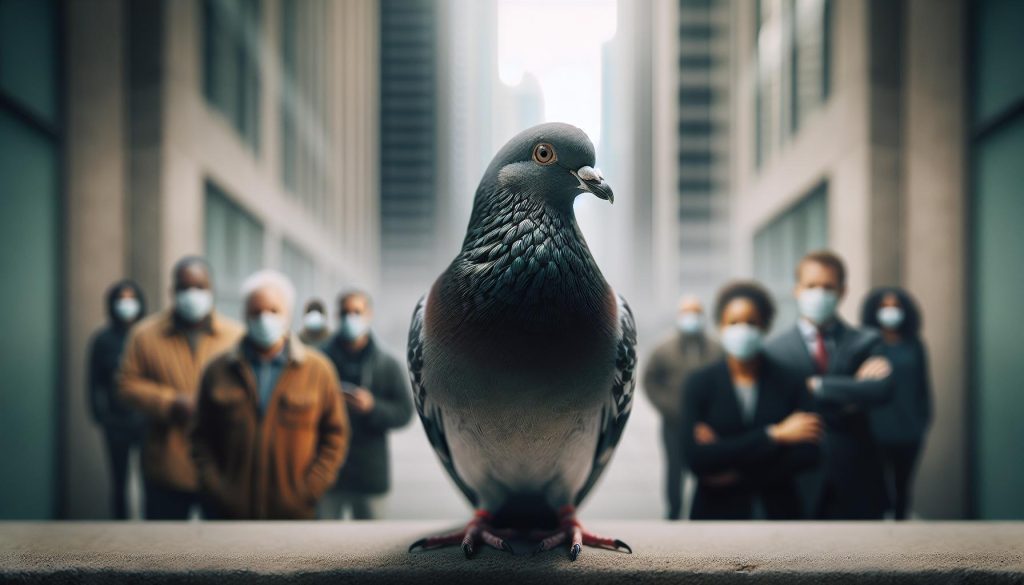
Did you know that pigeons are often overlooked despite being one of the most familiar birds in our urban environments? As these feathered city dwellers coexist with us, understanding their health risks, including avian influenza, becomes crucial for bird enthusiasts and casual observers alike. The question “Can pigeons get bird flu?” is significant, as it speaks not only to the health of these birds but also the broader implications for our ecosystems and even public health. Whether you’re a seasoned bird watcher or simply curious about our avian neighbors, grasping the potential risks associated with avian influenza can help you take informed steps to protect not just pigeons, but also other birds and your environment. Join us as we explore the realities of avian influenza in pigeons, debunk myths, and equip you with essential knowledge to appreciate and care for these remarkable creatures safely.
Can Pigeons Get Bird Flu? Understanding Avian Influenza in Birds
Understanding the risks associated with avian influenza, commonly known as bird flu, is crucial for both pigeon enthusiasts and urban wildlife advocates. Pigeons can indeed contract avian influenza, which primarily affects birds but can extend to a variety of species, including domestic fowl and some mammals. The virus has several strains; some may cause mild conditions, while others can lead to severe health issues or even death in infected birds.
When examining the susceptibility of pigeons to bird flu, it’s essential to recognize that while they are at risk, they are not as frequently affected as some other bird species, such as ducks or chickens. Pigeons, particularly the common rock pigeon, tend to exist in environments where they might come into contact with the virus, especially in urban areas where various birds congregate. Their behavior includes scavenging in public spaces, which can expose them to infected droppings or contaminated food sources.
Transmission Pathways
Bird flu is primarily transmitted through direct contact between infected and healthy birds. This can occur via contaminated water, feed, or surfaces that have come into contact with infected droppings or respiratory secretions. As pigeons often flock together in parks, city squares, and other public areas, the likelihood of transmission increases with close contact among multiple bird species. Regular monitoring and awareness can help caretakers minimize the risk.
Pigeons infected with avian influenza show various signs, including respiratory distress, lethargy, and a decrease in food intake. Rapid identification of these symptoms allows for timely intervention, enhancing the chances of recovery. For pigeon caretakers, understanding the potential implications of bird flu not only aids in protecting individual birds but also contributes to broader efforts aimed at managing the health of urban bird populations effectively. Taking proactive measures, such as maintaining clean feeding areas and avoiding overcrowding, can significantly reduce transmission risks.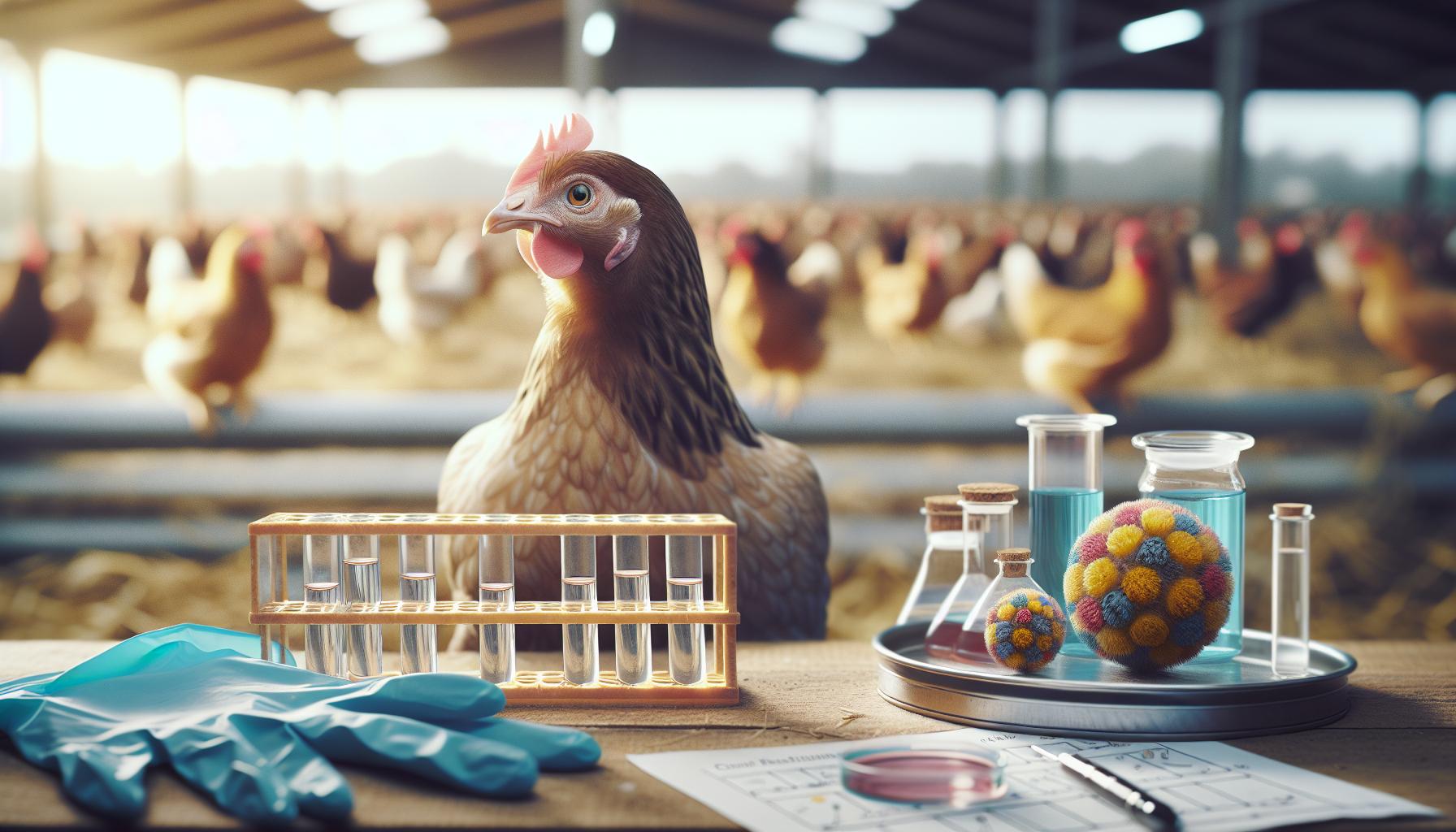
The Basics of Avian Influenza and Its Viral Variants
Avian influenza, commonly known as bird flu, is a highly contagious viral infection that primarily affects birds but can also pose risks to other species, including humans. Different strains of the virus circulate in various bird populations, with each strain exhibiting unique characteristics in terms of virulence and transmission dynamics. Understanding these differences is crucial, especially for pigeon enthusiasts and those who care for urban wildlife, as pigeons can fall victim to certain strains of this formidable virus.
The most notorious variants of avian influenza are the H5N1 and H7N9 strains. The H5N1 strain, for instance, has been responsible for severe outbreaks worldwide, affecting not only poultry but also causing sporadic infections in humans. Pigeons, particularly the common rock pigeon, while generally being at a lower risk compared to more susceptible species like ducks and chickens, can still harbor these viruses, especially in urban areas where they often congregate. Moreover, pigeons can act as vectors, aiding in the virus’s spread to other birds.
Pigeon caretakers should be vigilant as various strains can manifest in their flocks. Key symptoms to monitor include sudden drops in egg production, respiratory issues, and lethargy among the birds. Infected pigeons may not always exhibit obvious signs, making regular health checks and biosecurity measures essential for early detection. Maintaining strict hygiene practices, such as regular cleaning of feeding areas and minimizing contact with wild birds, can significantly reduce the risk of avian influenza infection in domestic pigeon populations. Understanding the characteristics of avian influenza and its variants empowers caretakers to provide informed and effective care for their birds, ensuring healthy flocks in the face of potential outbreaks.
Pigeons vs. Other Birds: Who’s At Risk?
Pigeons, often seen gracefully gliding in urban settings, may seem invulnerable, but they’re not without their vulnerabilities-particularly when it comes to avian influenza. While these birds, including the common rock pigeon, are generally at a lower risk compared to more susceptible species like chickens and ducks, they can still be affected by certain strains. Understanding how pigeons compare to other birds regarding the risk of bird flu is vital for caretakers and bird enthusiasts alike.
Factors Contributing to Risk
Several factors determine a bird’s susceptibility to avian influenza, including species, environment, and behavior. Pigeons tend to congregate in large numbers in urban areas, which can create a perfect breeding ground for viruses that thrive in dense populations. While they can carry the virus asymptomatically, they may inadvertently spread it to other birds. In contrast, waterfowl, such as ducks and geese, are often carriers of avian influenza and have a higher likelihood of infection, further amplifying the risk to their surroundings.
Comparative Vulnerability
Pigeons have unique traits that influence their risk. For instance, their feeding habits often expose them to contaminated water and feed sources, increasing the chance of viral transmission. Moreover, required behavioral adaptations-like social flocking during feeding-can facilitate the rapid spread of disease. Compared to species such as chickens, where rapid and severe outbreaks occur more frequently, pigeons may display subtler symptoms. It is crucial for caretakers to recognize that just because pigeons are not the primary reservoirs of the virus, this does not equate to immunity.
Conclusion
In essence, while pigeons face a lower risk overall, they are still susceptible to avian influenza. By maintaining a proactive approach to health monitoring and biosecurity practices, pigeon caretakers can mitigate risks associated with this viral infection. It is vital to stay informed about avian influenza strains in your area and to monitor the presence of sick birds, as even a seemingly modest risk warrants careful attention in preserving both pigeon health and the well-being of the broader avian community.
Transmission Pathways: How Does Bird Flu Spread?
Avian influenza, commonly known as bird flu, can spread through various pathways, notably impacting populations such as pigeons, which may not display symptoms as prominently as other birds. Understanding these transmission pathways is crucial for bird enthusiasts and caretakers alike.
Bird flu viruses primarily disseminate through direct contact with infected birds, secretions, or droppings. In urban settings, where pigeons often forage in parks and squares, they can easily come into contact with feces or contaminated surfaces. The virus can survive for extended periods in wet and cold environments, making it a constant risk in areas frequented by large groups of birds. Additionally, pigeons might drink from shared water sources that other birds, potentially carrying the virus, have frequented-this communal behavior elevates their exposure risk.
Secondary transmission can occur through indirect routes, including contact with contaminated equipment, food, or caregivers’ clothing. For instance, someone handling sick birds or cleaning pigeon coops without proper sanitation may inadvertently facilitate the virus’s spread to healthy birds. It’s equally important to note that wild waterfowl are often asymptomatic carriers of avian influenza, increasing the risk of exposure for pigeons that interact with them either directly or indirectly within their shared habitats.
To mitigate the risk of transmission, caretakers should implement biosecurity measures, including maintaining sanitary feeding and watering practices, avoiding mixing groups of birds, and monitoring any signs of illness closely. An awareness of the potential pathways of bird flu can help pigeon fanciers and caretakers create safer environments for their birds and reduce the likelihood of infection.
Signs of Avian Influenza in Pigeons
Detecting avian influenza in pigeons can be challenging since they often exhibit subtle signs that may easily be overlooked. Knowledge of these symptoms is crucial for early identification and intervention. Healthy pigeons are typically active and alert, but when avian influenza strikes, their behavior can change dramatically. Some of the first indications of infection might include lethargy and a noticeable decrease in appetite. Observing your pigeons regularly will help you catch these changes early.
Key signs that may indicate the presence of avian influenza include:
- Respiratory Distress: Look for coughing, sneezing, nasal discharge, and labored breathing. A change in vocalization may also be evident, as affected birds struggle to breathe.
- Neurological Symptoms: These may manifest as a twisted neck (torticollis), tremors, or loss of coordination. Birds may appear disoriented or have difficulty perching.
- Digestive Issues: Watch for diarrhea or changes in droppings, which could indicate a digestive system disturbance associated with the virus.
- Changes in Feather Condition: Infected pigeons may have ruffled or unkempt feathers as they become listless and unable to groom themselves properly.
- Sudden Death: In some cases, the most alarming sign may simply be finding a bird dead without prior symptoms, as avian influenza can cause rapid deterioration.
Prompt recognition of these symptoms enables caretakers to act quickly, potentially preventing further spread within their flocks. If you notice any combination of these signs, it’s essential to isolate the affected pigeon from others to prevent transmission. Regular health checks and environmental cleanliness will greatly enhance your birds’ immune responses to stressors like avian influenza. When observing these signs, remain vigilant and consult a veterinarian experienced with birds, as they can guide the next steps for diagnosis and care.
Impact of Bird Flu on Pigeon Health
Pigeons, like many bird species, are susceptible to avian influenza, also known as bird flu, which can significantly impact their health and wellbeing. This viral infection can lead to severe respiratory issues, neurological disturbances, and even sudden death. Notably, pigeons may not always exhibit the typical symptoms associated with avian influenza, making them insidious carriers of the virus. Understanding the consequences of such an outbreak is critical for any pigeon caretaker.
The can vary widely. Infected pigeons may display less dramatic symptoms compared to other birds, often leading to a delay in recognition and treatment. When the virus infiltrates a flock, it can cause widespread stress, lower overall vitality, and suppress the immune system, making affected birds more susceptible to secondary infections. This can result in a vicious cycle of health decline, where a pigeon that contracts the virus struggles to fend off other diseases, compounding the overall impact on its health.
In terms of behavior, pigeons suffering from avian influenza may become lethargic and withdrawn, displaying a marked reduction in their usual activity levels. They might isolate themselves from the flock, which is not typical behavior, and exhibit decreased grooming habits, leading to a decline in feather condition. Their diet may also be affected, as infected birds often show reduced or altered appetite, further compromising their health. Caretakers should be observant for these changes, as they can be critical indicators of illness.
Beyond individual health, a bird flu outbreak can also pose significant concerns for pigeon racing and breeding operations. An infected bird can impede the performance of racing pigeons, and the economic impact on breeders can be substantial if the disease spreads through a loft. To mitigate these risks, it’s essential for caregivers to implement preventive measures such as maintaining biosecurity protocols, ensuring proper nutrition, and conducting regular health checks. By remaining vigilant and informed, pigeon enthusiasts can help safeguard their flocks against the potentially devastating effects of avian influenza.
Preventive Measures for Pigeon Caretakers
To protect your pigeons from the risks associated with avian influenza, implementing a robust set of preventive measures is essential. The first line of defense is establishing stringent biosecurity protocols. This means restricting access to your loft or pigeon enclosure, ensuring that only trusted individuals handle your birds. It’s crucial to keep the area clean and disinfected, as the virus can survive on various surfaces. Regular cleaning of feeding troughs and water containers, along with suitable bedding materials, not only promotes hygiene but also reduces stressors for the birds.
Nutrition plays a vital role in maintaining your pigeons’ overall health and resilience against infections. A balanced diet rich in vitamins and minerals can bolster their immune systems. Providing high-quality grains, legumes, and fresh greens can enhance their vitality. Additionally, consider incorporating probiotic supplements to promote gut health, which is essential for an effective immune response.
Regular health checks are another key aspect of keeping your flock healthy. Implement a schedule for observing your pigeons closely, looking for any changes in behavior, feather condition, or appetite. It’s also beneficial to maintain detailed health records for each bird, which can help identify any unusual patterns over time. Early detection of any health issues can lead to quicker interventions and limit the spread of diseases like avian influenza.
Finally, staying informed about the current state of avian influenza in your area and understanding migratory patterns of local wild birds can help you anticipate risks. Participating in local bird clubs or online forums can offer valuable insights from fellow caretakers, ensuring that you’re always equipped with the best practices for your pigeons’ welfare. By being proactive and diligent in your care routine, you can significantly mitigate the risk of avian influenza affecting your beloved pigeons.
Testing and Diagnosis of Bird Flu in Pigeons
Testing for avian influenza in pigeons is not just a precaution; it’s a critical component of responsible pigeon care, especially in an era where outbreaks can rapidly affect bird populations. The need for effective testing becomes even more pressing when you consider that pigeons, though often overlooked, can be carriers of the virus without showing visible signs of illness. Understanding how to approach testing and diagnosis ensures that you can protect your flock and local wildlife.
When testing pigeons for bird flu, avian veterinarians typically employ several methods. The primary approach is the collection of samples from the bird, which can include cloacal and oropharyngeal swabs. These samples are then sent to a laboratory for polymerase chain reaction (PCR) testing, which is highly sensitive and can detect the genetic material of the virus even in low quantities. While this method is effective, it’s essential to work with a veterinarian experienced in avian diseases to ensure proper technique and accurate interpretation of results.
Early diagnosis is vital for controlling any potential outbreak. Strong indicators that testing may be necessary include abnormal behaviors such as lethargy, decreased appetite, respiratory distress, or neurological symptoms. However, it’s important to remember that pigeons can sometimes present mild signs; therefore, being vigilant with regular health checks and maintaining detailed health records for each pigeon can significantly aid in early detection.
In addition to traditional testing, serological testing can also play a role. This involves examining blood samples for antibodies to the virus, which indicates prior exposure but may not confirm an active infection. Implementing a combination of testing strategies allows caretakers to get a comprehensive view of their pigeons’ health status, providing peace of mind and safeguarding against potential outbreaks.
As avian influenza continues to present risks not just to domestic birds but also to wild populations, staying informed about the latest research and surveillance findings is key. Engaging with avian health forums, local bird clubs, or online communities can be invaluable in sharing experiences and learning about best practices for testing and maintaining a healthy flock. By being proactive and knowledgeable, you contribute to the greater effort of bird health and conservation.
What to Do If You Suspect Infection
If you suspect that your pigeon may be infected with avian influenza, it’s crucial to act quickly and methodically. Time can be a critical factor in managing potential outbreaks, especially since infected birds can exhibit mild symptoms or none at all, making vigilance essential. Here’s what you should do if you find yourself in this challenging situation.
First and foremost, isolate the affected pigeon immediately. This limits the virus’s potential spread to your other birds. Place it in a quiet, warm area away from other pigeons and minimize stress as much as possible. When handling the bird, it’s essential to wear disposable gloves to protect both yourself and other birds in your care from potential infection.
Next, monitor the pigeon closely for any changes in behavior or condition, documenting any signs such as lethargy, respiratory distress, or unusual droppings. This record will be invaluable when consulting a veterinarian. Contact an avian vet as soon as possible. Describe your observations comprehensively, and discuss the possibility of testing for avian influenza. Make sure to follow their advice regarding quarantine and hygiene practices to prevent further risks.
While you await professional guidance, reviewing your caretaking protocols is imperative. Strengthen sanitation measures by thoroughly cleaning the affected bird’s living area and ensuring all feeding and watering equipment is sanitized. Avoid sharing equipment between your healthy birds and those suspected of being infected. This proactive approach not only helps prevent the virus’s spread but also promotes a healthier environment for your flock.
In cases where diagnosis is confirmed, discuss with your veterinarian the specific treatments available and the best course of action based on your pigeon’s health status. They may recommend supportive care or medication tailored to the situation. Remember, the health and well-being of your flock depend significantly on prompt action and responsible management practices. Engaging in good communication with your vet and staying informed about avian influenza will empower you to make well-informed decisions, ensuring the health of your beloved pigeons and the broader bird community.
By staying alert and taking immediate steps when you suspect an infection, you can play a pivotal role in safeguarding not only your pigeons but also the larger ecosystem of birds around you.
Effects of Bird Flu Outbreaks on Poultry and Wild Birds
The health of poultry and wild birds can be dramatically affected by outbreaks of avian influenza, commonly known as bird flu. This viral infection not only impacts domesticated birds such as chickens and turkeys but can extend its reach to wild bird populations, including pigeons. One alarming fact is that certain strains of avian influenza can cause severe illness and mortality rates ranging from moderate to high among affected bird populations, leading to devastating economic losses in the poultry industry and the disruption of natural ecosystems.
In poultry farming, the consequences of an avian flu outbreak can be catastrophic. Entire flocks may be quarantined or culled to prevent the virus from spreading, leading to significant financial burdens for farmers. Moreover, once an outbreak is confirmed, farms typically face increased scrutiny from health officials, strict biosecurity measures, and loss of market access for their products. The economic ripple effects can be felt for years, as farmers seek to rebuild their flocks and regain consumer trust.
Wild birds, including species such as ducks, geese, and pigeons, serve as both reservoirs and vectors for the virus. When highly pathogenic strains circulate in these populations, it can lead to severe die-offs and jeopardize biodiversity. This not only disrupts food chains but also alters habitat dynamics. For instance, localities that once supported vibrant populations of native birds may face a decline as avian influenza alters their health and reproductive success.
Preventing the spread of avian influenza requires a multifaceted approach. Biosecurity measures such as controlling bird movements, thorough cleaning protocols, and swift response to outbreaks are crucial. For those who keep pigeons or interact with wild bird populations, being vigilant about signs of illness and reporting unusual bird behaviors can help safeguard both domestic and wild species. Engaging in community education on avian influenza can empower bird enthusiasts and caretakers to support bird health and prevent future outbreaks.
Understanding the interconnectedness of poultry health, wild bird populations, and the environment prepares bird lovers and caretakers alike to take proactive steps. This awareness not only helps protect their beloved birds but also preserves the delicate ecosystems in which they thrive.
Current Research on Pigeon Vulnerability to Avian Flu
Recent studies are shedding light on the vulnerability of pigeons to avian influenza, a serious concern for both avian enthusiasts and wildlife conservationists. Pigeons, particularly feral varieties, often inhabit urban environments and readily intermingle with other bird species, which can increase their exposure to various viral strains, including those responsible for bird flu. Research indicates that while pigeons may not be as susceptible to severe forms of avian influenza as some domesticated birds, they can still act as carriers and vectors for the virus, facilitating its transmission across populations.
Understanding the specific strains of avian influenza that impact pigeons is crucial for developing effective monitoring and control strategies. Studies have shown that certain highly pathogenic strains can infect pigeons, leading to mild symptoms or asymptomatic cases, which makes detection more challenging. Therefore, researchers are focusing on identifying biomarkers that could indicate infection in pigeons, helping caretakers and wildlife officials to respond swiftly to outbreaks. A recent investigation into the genetic predisposition of pigeons suggests their immune response might limit the impact of the virus, but the presence of the virus can still disrupt local ecosystems.
To prevent potential outbreaks, ongoing research emphasizes the need for enhanced surveillance programs, particularly in urban areas where pigeons thrive. This includes community initiatives to monitor bird populations and report unusual behavior or mortality events. Combining traditional veterinary care with cutting-edge techniques, such as genomic sequencing of viral strains in both domestic and wild bird populations, will provide better insights into how avian influenza evolves and spreads.
For pigeon caretakers, staying informed about these developments is crucial. By engaging with local wildlife health organizations and participating in educational programs, they can play an active role in mitigating the risks associated with avian influenza. Proactive measures, such as maintaining proper sanitation in pigeon coops and reporting any signs of illness promptly, can significantly contribute to preventing the spread of this viral threat. The collective effort to understand and address the vulnerability of pigeons to avian flu will enhance not only the health of these beloved birds but the broader avian community as well.
Future Implications for Bird Flu and Urban Wildlife
The intricate relationship between pigeons, avian influenza, and urban wildlife presents a growing concern for both avian enthusiasts and conservationists. As cities continue to expand, pigeons often form the most visible part of the urban avian landscape. Their adaptability allows them to thrive in various environments, yet this same adaptability raises questions about the implications of avian flu outbreaks in urban settings and the diverse bird populations that cohabitate these areas.
As feral pigeons intermix with other urban bird species-like sparrows, starlings, and even raptors-they become crucial players in the transmission dynamics of avian influenza. The risk escalates as these birds share feeding grounds and nesting locations, potentially facilitating the spread of the virus among diverse populations. To combat this, one actionable step involves implementing community engagement strategies that encourage bird watchers and residents to report unusual bird behavior or mortality events. Such grassroots efforts can enhance surveillance and early detection of outbreaks, enabling swift action to mitigate further risks.
Furthermore, as researchers continue to investigate the genetic basis of pigeon resilience against avian flu, promising avenues for future studies could lead to improved biosecurity measures. For instance, focusing on relatively asymptomatic carriers could provide insights into how viral transmission occurs without overt signs of disease. These findings may inform not just pigeon caretakers but also urban wildlife managers, highlighting the importance of ecosystem health and biodiversity in controlling the spread of avian influenza.
Keeping pigeons and other urban wildlife aware and informed is vital. Initiating educational programs that cover the complexities of avian influenza, especially targeted at urban communities, can foster a collective approach to wildlife health. By integrating insights from both ornithology and public health, we can strive for a balanced coexistence between human populations and our feathered friends, aiming to preserve the vibrancy of urban bird life while safeguarding against potential threats like avian influenza.
Frequently Asked Questions
Q: Can pigeons carry bird flu?
A: Yes, pigeons can carry avian influenza, commonly known as bird flu. They can become infected, although the severity of the disease may vary. It’s crucial for pigeon caretakers to monitor their birds and implement good hygiene practices to minimize the risk of infection.
Q: How does bird flu spread among pigeons?
A: Bird flu spreads among pigeons primarily through direct contact with infected birds, contaminated surfaces, or through the air via respiratory droplets. Keeping pigeons away from wild birds and ensuring clean living environments can help reduce the risk of transmission [1].
Q: What are the symptoms of bird flu in pigeons?
A: Symptoms of bird flu in pigeons may include lethargy, respiratory distress, decreased appetite, and a drop in egg production. Caretakers should be vigilant and consult a veterinarian if these symptoms are observed [2].
Q: Are some pigeon breeds more susceptible to bird flu?
A: While all pigeons can be susceptible to bird flu, certain breeds or those with weakened immune systems may be at greater risk. Regular health monitoring and vaccinations can help protect vulnerable birds {{3](https://en.wikipedia.org/wiki/Domestic_pigeon)}.
Q: Can humans catch bird flu from pigeons?
A: The risk of humans contracting avian influenza from pigeons is low but not impossible. Direct contact with infected birds or their droppings can pose a risk. It’s advisable for pigeon handlers to wear gloves and masks when caring for their birds.
Q: What should I do if I suspect my pigeon has bird flu?
A: If you suspect your pigeon has bird flu, isolate it immediately and contact a veterinarian for advice. Testing and prompt treatment are essential to prevent the spread of the virus to other birds.
Q: Is there a vaccine for pigeons against bird flu?
A: Currently, there is no specific vaccine for pigeons against bird flu. Prevention mainly involves good husbandry practices, such as maintaining clean environments and minimizing exposure to wild birds.
Q: How can I prevent bird flu in my pigeons?
A: To prevent bird flu in pigeons, maintain a clean and sanitized environment, limit their exposure to wild birds, and ensure they are healthy through proper nutrition. Regular veterinary check-ups are also recommended for early detection.
Concluding Remarks
Understanding the avian influenza risks associated with pigeons is crucial for bird enthusiasts and caretakers alike. While pigeons can indeed carry the virus, the actual risk of transmission to humans remains relatively low. Stay informed and proactive by regularly checking for updates on bird health and safety measures. If you found this information helpful, explore our related articles on bird care and disease prevention to deepen your knowledge.
Don’t miss out on the chance to stay updated-subscribe to our newsletter for the latest insights on bird health and safety! Your concerns matter; feel free to leave comments or questions below, and let’s engage in a conversation. Together, we can ensure the well-being of our feathered friends while enjoying the beauty they bring to our lives.
Get our latest guides, news, and insights highlighted in your Google Search & AI Overviews.










