

Did you know that a parakeet’s diet can significantly influence its overall health and longevity? As vibrant, energetic companions for 7-15 years, these charming birds require a balanced and varied diet to thrive. Understanding what to feed your parakeet is crucial not only for their physical well-being but also for their happiness and social behavior.
Many bird owners face the common challenge of figuring out the right nutrition to keep their feathered friends healthy and animated. Whether you’re a seasoned bird enthusiast or a new pet parent, making informed choices about your parakeet’s diet is key to fulfilling their nutritional needs and enhancing their quality of life. Join us as we explore the best foods to include in your parakeet’s diet, ensuring your little friend remains vibrant and full of life. Dive deeper into the essential components of parakeet nutrition, and discover how simple dietary adjustments can lead to a happier, healthier bird.
Choosing the Right Food for Your Parakeet
When it comes to providing the best for your feathered friends, the right diet is fundamental to their overall well-being and happiness. Parakeets, known for their vibrant colors and playful personalities, require a balanced diet that caters to their unique nutritional needs. A mix of pelleted food, seeds, fresh fruits, and vegetables offers an enriching diet that keeps them healthy and energetic. Remember, the key is variety; just like us, parakeets thrive on diverse foods that provide essential vitamins and minerals.
One effective approach to selecting the right food is to focus on high-quality commercial diets specifically formulated for parakeets. These products often contain a balanced ratio of seeds, grains, and nutrients tailored to their dietary requirements. Look for blends that prioritize whole grains over fillers and artificial additives. Many experienced bird owners recommend opting for pelleted diets as they reduce selective feeding-where a bird only picks out its favorite seeds-ensuring your parakeet receives all necessary nutrients. To enhance their dining experience, introducing fresh fruits and vegetables can provide vital hydration and a splash of color to their meals. Favorites include sliced carrots, spinach, and the occasional treat of apple or banana, which can offer both excitement and additional health benefits.
Moreover, understanding your parakeet’s individual tastes is essential for creating a successful feeding routine. Some parakeets may develop specific preferences for certain foods. Observing your bird’s eating habits can help you include their favorites while maintaining a diverse diet. Regularly introducing new foods can also be an exciting way to engage with your parakeet, encouraging them to try and explore. Don’t forget to monitor your parakeet’s weight and activity levels, as these can signal whether they are receiving a balanced diet. A well-fed parakeet is a lively and social companion, ready to show off its vibrant personality.
Essential Nutrients for Optimal Parakeet Health
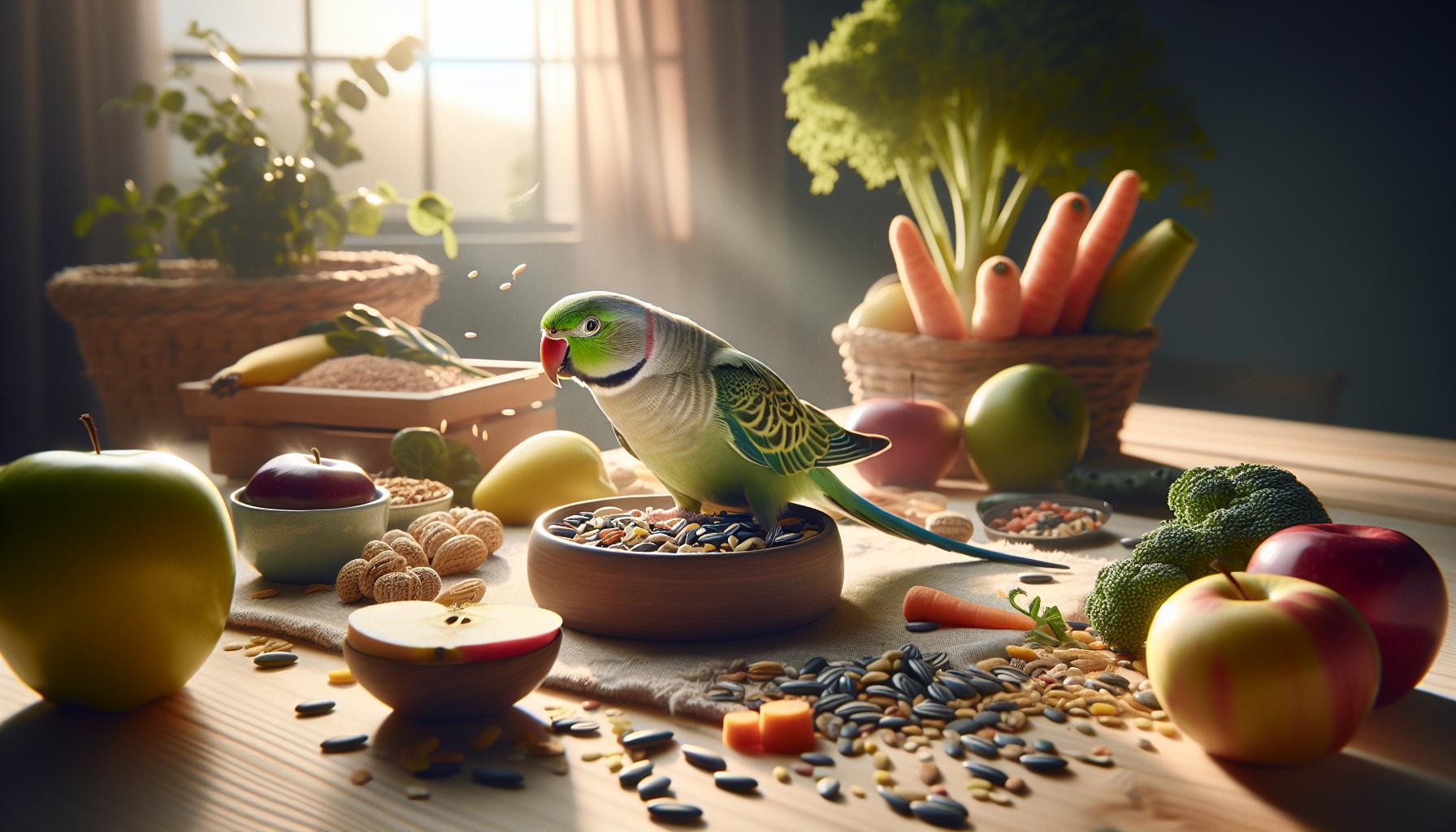
Parakeets are not just delightful companions; they are also vibrant, energetic creatures that require a well-rounded diet to flourish. To keep their feathers bright and their personalities lively, it’s crucial to understand the essential nutrients that support their health. A combination of proteins, carbohydrates, fats, vitamins, and minerals forms the cornerstone of a balanced diet for these charming birds.
Protein is vital for growth, feather development, and overall maintenance of parakeet health. Foods rich in protein include high-quality pellets, seeds, and legumes. Additionally, offering a variety of protein sources, such as cooked eggs or commercially available bird treats, can give your parakeet the necessary building blocks for a strong immune system and plumage.
Carbohydrates are essential for providing energy, particularly since parakeets are notoriously active. Whole grains-such as oats, brown rice, and quinoa-should be part of their daily diet. These foods not only fuel their vitality but also contribute fiber to their digestive health.
Fats are another important component, but they should be monitored closely. Foods like nuts and seeds provide healthy fats, which are essential for energy and absorbing fat-soluble vitamins. However, overindulgence can lead to obesity, so moderation is key.
Vitamins and minerals are crucial in maintaining bodily functions. Vitamins A, D, and E, along with various B vitamins, help with everything from vision to metabolism. Incorporating fresh fruits and vegetables like peppers, spinach, and carrots into their meals can significantly boost their vitamin intake. Moreover, calcium is essential for strong bones and should be supplied through cuttlebone or mineral blocks.
In summary, providing a variety of foods that address these nutritional needs ensures your parakeet stays healthy, energetic, and happy. Regularly assessing their diet and adjusting based on their preferences and health is a rewarding part of parakeet care, creating a bond built around shared meals and healthful living.
Top Commercial Diets for Parakeets Reviewed

When it comes to ensuring that your parakeet thrives, choosing the right commercial diet can make all the difference. With so many options available on the market, understanding which products provide the best nutrition without compromising on quality is essential. Many bird owners often find themselves overwhelmed by choices, but a few standout brands have earned praise for delivering a well-balanced diet specifically tailored for our feathered friends.
One highly recommended option is Kaytee Exact Rainbow. This formula is a nutritionally complete pellet that provides a balanced diet while appealing to the natural foraging instincts of parakeets. The vibrant colors of the pellets can attract even the pickiest eaters, and the added vitamins and minerals support overall health, feather growth, and robust immune systems. The pellets are designed to minimize waste, allowing your parakeet to get the most out of each meal without leftovers cluttering the cage.
Another excellent choice is Harrison’s Bird Food. This organic, all-natural diet is formulated with the needs of companion birds in mind. Harrison’s focuses on high-quality ingredients, avoiding artificial colors, flavors, and preservatives, which can be harmful to your parakeet’s health. Their high-fiber, nutrient-dense pellets promote healthy digestion and are especially suitable for birds with tamer palates. Owners have reported noticeable improvements in their birds’ energy levels and plumage after switching to Harrison’s.
For a seed-based diet option, Zupreem Bird Food‘s fruit blend is a popular favorite. While it should ideally be combined with pellets for a balanced approach, this blend offers seeds enriched with essential vitamins and minerals. Parakeets are natural foragers, and the colorful variety of seeds will spark their curiosity. Just remember to use this hybrid approach carefully, as seeds can sometimes be higher in fats. Supplementing with fresh fruits and vegetables is crucial to balance nutrition.
When deciding on a commercial diet, it’s essential to consider your specific parakeet’s needs, including age, activity level, and personal preferences. While pellets provide complete nutrition, mixing in seeds and fresh produce can create an engaging and enjoyable feeding routine. Observing your parakeet’s behavior and adjusting their diet accordingly will foster not only better health but also strengthen the bond you share.
Fresh Fruits and Vegetables: What Works Best?
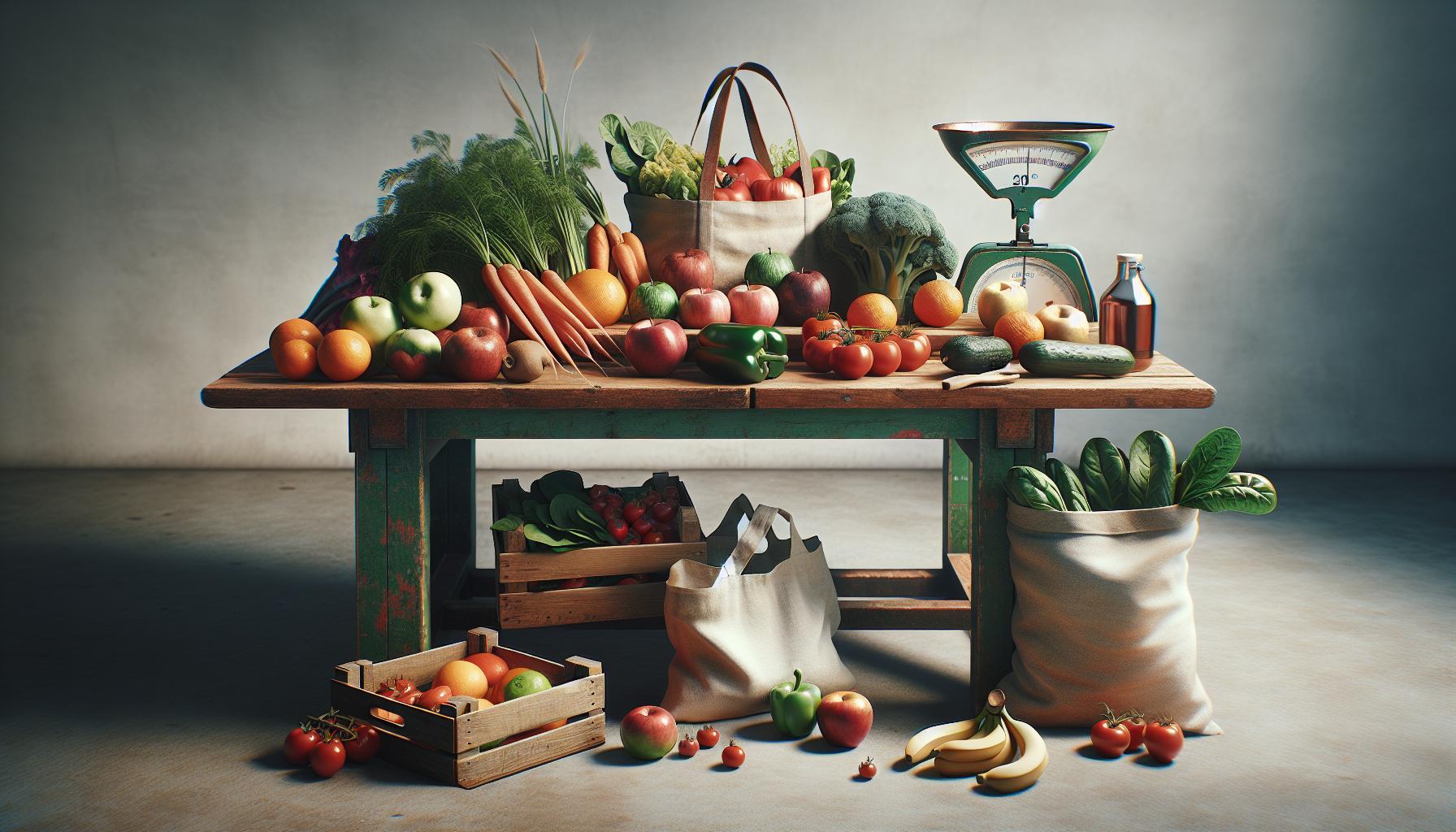
Introducing fresh fruits and vegetables into your parakeet’s diet is a rewarding way to enhance their nutrition and well-being! Not only do these foods provide essential vitamins and minerals, but they also stimulate your parakeet’s natural foraging instincts. Parakeets are curious by nature, and the variety of colors, textures, and tastes will keep your feathered friend engaged and happy.
When selecting fruits and vegetables for your parakeet, focus on those that are safe and nutritious. Here are some fabulous options:
Fruits That Parakeets Love
- Apples: Ensure they are seedless, as seeds can be toxic.
- Bananas: Soft and easily digestible, bananas are often a favorite.
- Berries: Raspberries, blueberries, and strawberries are rich in antioxidants.
- Pineapple: A sweet treat that can be offered in moderation.
- Mango: High in vitamins A and C, mango is very inviting for parakeets.
Vegetables for Vitality
- Carrots: Offer them raw or lightly steamed; they are a great source of beta-carotene.
- Leafy Greens: Spinach, kale, and romaine provide essential nutrients and hydration.
- Broccoli: A crunchy, nutrient-dense vegetable that many birds enjoy.
- Peppers: All colors are safe and packed with vitamins; they can add delightful crunch.
- Squash: Zucchini or butternut squash can be offered raw or cooked, making for a delicious treat.
It’s crucial to wash all fruits and vegetables thoroughly to remove pesticides and contaminants before offering them to your parakeet. Introduce new foods gradually to prevent digestive upsets; start with small amounts and observe how your bird reacts. You might find that they develop preferences over time, so don’t hesitate to rotate offerings to maintain excitement at mealtime!
Incorporate these fresh foods as part of a balanced diet. They are not only nutritious but can also reduce boredom, which is vital for your parakeet’s mental health. A well-fed parakeet is an energetic and playful one, and watch how your bird’s personality shines with a colorful assortment of fruits and vegetables on their menu!
Homemade Treats: Recipes for Happy Parakeets

Creating homemade treats for your parakeet not only fosters a stronger bond between you and your feathered friend but also allows you to control the ingredients, ensuring they’re healthy and nutritious. Parakeets are intelligent creatures that thrive on variety and stimulation, and making your own treats can keep their diet exciting and diverse. Here are some simple, delightful recipes that will surely please your parakeet while rewarding them with flavors and textures they love.
One popular treat is a Veggie and Grain Mix. Start by finely chopping a selection of parakeet-friendly vegetables, such as carrots, peas, and bell peppers. Combine these with cooked grains like quinoa or brown rice. To make it even more appealing, add a sprinkle of crushed seeds or a dash of cinnamon. Pack the mixture into small, bird-safe silicone molds and freeze. Once frozen, these treats can be given as a refreshing snack, especially during warmer months!
Another easy recipe is Fruit and Seed Parakeet Pops. Mix pureed fruits like bananas, mangoes, or apples with water and pour the mixture into ice cube trays. Before freezing, drop in a small amount of bird-safe seeds to add texture. These fruity pops are not only tasty but also a fun foraging activity for your parakeet as they pick at the seeds while enjoying the refreshing fruit.
Lastly, consider preparing Homemade Birdy Bread. Combine whole wheat flour, mashed bananas, and a few eggs to form a thick batter. You can incorporate safe additives like oats, grated vegetables, or a spoonful of apple sauce for added flavor. Bake in a preheated oven until golden, then cut into small pieces. This bread can be stored for a few days in the fridge and offers a hearty, satisfying snack.
Always remember to introduce new treats gradually and in moderation. Observing how your parakeet responds to homemade goodies is a delightful experience! Providing these delicious treats will not only promote your bird’s health but also enrich their environment, ensuring happy chirps and vibrant activity all day long.
Potential Dangers: Foods to Avoid for Parakeets
When caring for parakeets, knowledge about what not to feed them is just as important as knowing what to provide. Many common foods that humans enjoy can be harmful or even fatal to these delightful little birds. Understanding the potential dangers of certain foods is crucial for every parakeet owner.
Firstly, avocado tops the list of foods to avoid. This seemingly healthy fruit contains persin, which can be toxic to birds. Even small amounts can lead to respiratory distress and heart failure. Similarly, caffeine found in coffee, tea, chocolate, and soda is equally dangerous; it can cause heart problems, restlessness, and can even be lethal. Another hazard is alcohol, which should never be given to parakeets as it is extremely harmful, affecting their nervous system and behavior.
Other Foods to Avoid
In addition to avocados, caffeine, and alcohol, there are several other items in your kitchen that may seem harmless but should be kept far away from your feathered friend:
- Onions and Garlic: Both are members of the allium family and can cause anemia in birds.
- Nuts with High Fat Content: While some seeds and nuts are safe in moderation, avoid salted or sugary varieties, especially macadamia nuts which are toxic.
- Processed Foods: These often contain preservatives, trans fats, and high levels of sodium, all of which can lead to health issues.
- Fruit Pits and Seeds: Avoid giving your parakeets any fruit seeds or pits, especially from apples, cherries, and peaches, as they contain cyanide which is toxic.
Recognizing the signs of dietary distress is also beneficial. If a parakeet becomes lethargic, stops eating, or shows signs of distress, it’s essential to consult a veterinarian immediately. Creating a safe and nurturing environment for your parakeet means being mindful of their dietary needs. By steering clear of these harmful foods and focusing on quality, nutritious options, you can ensure your parakeet thrives and remains vibrant and happy.
Understanding Parakeet Dietary Needs by Age
Parakeets, like many pets, have unique dietary needs that change as they grow. Understanding these needs by age is essential for keeping your feathered friend healthy, vibrant, and full of life. Young parakeets, also known as cockatiels or budgies, require a diet rich in proteins and nutrients to support their rapid growth and development. During this stage, offering a high-quality seed mix that includes millet, oat groats, and canary seeds, combined with fortified pellets, can provide the essential nutrients they need. Fresh greens, such as kale and spinach, should also be introduced to encourage healthy eating habits early on.
As your parakeet matures into adulthood, their dietary focus will shift slightly. While they still need seeds and pellets, the emphasis should now be on a balanced diet with a moderate fat content to maintain healthy weight and energy levels. Adult parakeets thrive on a mix of seeds supplemented with fresh fruits like apples and berries, along with various vegetables such as broccoli and bell peppers. This variety not only ensures a well-rounded intake of vitamins and minerals but also keeps mealtime exciting, which can help prevent boredom and encourage foraging behaviors.
Senior parakeets, generally over the age of five, may also require special dietary considerations. As their activity levels decrease, it’s crucial to monitor their calorie intake. Choosing low-fat seed mixes and high-quality pellets, paired with fiber-rich vegetables, can help prevent obesity while maintaining health. Moreover, older birds may benefit from additional calcium or vitamin D3 supplements to support bone health, particularly if they show signs of weakness or feather loss.
By tailoring your parakeet’s diet according to their age, you can help them thrive at every stage of life. Observation is key-watch for any changes in appetite or behavior that may indicate dietary needs aren’t being met. Keeping a balanced and varied diet promotes longevity and well-being, allowing your parakeet to enjoy a happy, healthy life.
Hydration Essentials: Watering Your Parakeet Right
Providing your parakeet with fresh, clean water is as crucial as offering the right food. While these colorful little birds often get some hydration from fruits and veggies, water is essential for their overall health. A parakeet can easily become dehydrated, especially in warmer climates or during hot seasons, so it’s vital to ensure they have access to water at all times. Surprisingly, many new parakeet owners overlook this basic yet critical part of avian care.
To start, always offer filtered or bottled water rather than tap water, which may contain chlorine or other chemicals that can be harmful to birds. Make it a habit to check their water daily, replacing it at least once every 24 hours to keep it fresh and free of contaminants. Use a shallow bowl or a specially designed water dispenser to avoid any risk of drowning and to facilitate easier drinking for your feathered friend. The water container should also be heavy enough not to tip over easily, as parakeets are known for their playful antics, which can sometimes lead to spills.
Signs of Dehydration
Monitoring your parakeet for signs of dehydration is key. Look out for symptoms such as lethargy, a dry or sticky beak, or decreased activity levels. If you notice that your bird is not drinking as much as usual or shows any of these symptoms, it may be necessary to provide hydration-boosting treats like cucumbers or oranges, which can hydrate while adding essential vitamins to their diet.
Hydration Tips
– Always have clean, fresh water available.
– Change the water daily to ensure its cleanliness.
– Use filtered or bottled water whenever possible.
– Consider placing multiple water sources in their cage if they are housed with others, ensuring everyone has access.
By prioritizing proper hydration, you are setting the foundation for a healthy lifestyle for your parakeet. Keeping their water fresh and easily accessible not only aids in digestion and metabolism but also promotes a shiny, vibrant plumage-hallmarks of a happy and thriving parakeet!
Transitioning Your Parakeet’s Diet Smoothly
Transitioning your parakeet’s diet doesn’t have to be a stressful experience; it can be a rewarding journey for both you and your feathered companion. Just like us, parakeets thrive on variety and freshness in their diet, but any sudden changes can lead to confusion or refusal to eat. Therefore, it’s important to introduce new foods gradually to ensure they adjust comfortably and continue to enjoy their meals.
Start by mixing the current diet with new foods, whether they be pellets, seeds, or fresh produce. An effective method is to create a blend of their usual pellets with a small amount of the new brand. Over the course of a week or two, increase the ratio of the new food while decreasing the old. This slow transition minimizes the chances of digestive issues and helps them become accustomed to the new flavors and textures. Parakeets are particularly curious and playful, so presenting new foods in a fun way can enhance their interest; consider using a foraging toy or hanging treats where they can work for their food.
Behavioral Considerations
Parakeets are creatures of habit. By observing their reactions to new foods, you can gauge their preferences and aversions. Pay attention to how your bird interacts with the new diet; if they seem hesitant, try introducing similar items first. For example, if you want to transition to a different pellet, consider starting with pellets of a similar size or flavor to what they’re used to. If they enjoy a particular fruit, use that as a reward during the transition process to encourage them to try new options.
Encouragement Strategies
Incorporating fresh veggies and fruits can be a great way to make the transition seamless. Offer small, bite-sized pieces alongside their regular meals. Some favorites among parakeets include kale, spinach, and carrots-these colorful additions not only provide essential nutrients but also can entice picky eaters. Additionally, offering fresh foods at various times can spark their curiosity when they see something new introduced into their environment.
Adapting your parakeet’s diet is not just about nutritional balance; it’s also an opportunity to bond with your bird. Engage with them during feeding times, speak gently, and allow them to explore their new food. This not only promotes a positive feeding experience but also fosters trust, ensuring your parakeet feels safe and comfortable with the changes you’re introducing. By implementing these strategies, you will successfully transition your parakeet to a balanced diet filled with nutritious options that support their health and happiness.
Supplements and Vitamins: When and Why to Use Them
Incorporating the right supplements and vitamins into your parakeet’s diet can significantly enhance their overall health and well-being. While a balanced diet of seeds, pellets, and fresh produce provides the necessary nutrition, there’s often a gap that supplements can fill. For instance, parakeets can be prone to certain deficiencies, especially if they aren’t eating a wide variety of foods. Thus, understanding when and why to use these additional nutrients is crucial for their optimal health.
Vitamins A, D, and calcium are especially important for parakeets due to their roles in maintaining skin and feather health, bone strength, and overall immune function. Vitamin A plays a vital role in maintaining healthy eyesight and skin, and its deficiency can lead to a dull appearance and various health issues. Vitamin D, crucial for calcium absorption, helps prevent metabolic bone disease, a common ailment in birds. Adequate calcium supports strong bone development and helps in the formation of eggs for breeding birds. You might consider offering vitamin drops in their drinking water or selecting fortified pellets that cater to these needs.
Choosing the Right Supplements
When selecting supplements for your feathered friend, it’s essential to choose high-quality products specifically formulated for birds. A good rule of thumb is to consult with an avian veterinarian who can recommend appropriate doses based on your parakeet’s age, activity level, and health status. There are various types of supplements available, including powders, liquids, and chewable tablets. Most importantly, always follow the manufacturer’s instructions and avoid over-supplementation, which can be harmful.
Behavioral Considerations
It’s fascinating how nutritional choices can influence your parakeet’s behavior. A well-nourished bird is typically more active, playful, and curious. On the other hand, nutritional deficiencies can lead to lethargy or feather-plucking behaviors. By keeping a close eye on your parakeet’s energy levels and social engagement, you can better assess whether their diet, including any supplements, meets their needs.
By understanding the intricacies of your parakeet’s dietary requirements, including when and why to use specific supplements, you’re setting the stage for a vibrant, happy life for your avian companion. Remember, a little extra care in this area can lead to noticeable improvements in your bird’s health and behavior!
Behavioral Impact of Diet on Parakeets
The close connection between diet and behavior in parakeets is a fascinating aspect of their care that every bird owner should understand. The foods your feathered friend consumes not only fuel their bodies but also significantly influence their demeanor and interactions with you and their environment. A parakeet nourished with a balanced diet rich in essential nutrients is typically more energetic, playful, and social, forging a stronger bond with their owner.
One key to observing behavioral changes is through the energy levels of your parakeet. A well-fed bird is often eager to engage in playful activities, such as singing, chirping, or exploring their surroundings. Rarely will you see a bird that’s thriving shy away from interacting with you or their cage mates. Conversely, a change in their eating habits can lead to lethargy or even subtle shifts in disposition, such as increased aggression or withdrawal. If a parakeet begins exhibiting feather-plucking behaviors or showing less interest in their usual playtime, it may indicate an underlying nutritional deficiency or dietary imbalance.
To support optimal behavior through diet, it’s essential to provide a variety of foods that not only meet their basic nutritional needs but also stimulate their natural foraging instincts. Consider implementing a diverse diet that includes high-quality pellets, fresh fruits, and leafy vegetables. These foods not only bolster physical health but also promote mental stimulation. For example, offering sunflower seeds as an occasional treat can encourage foraging as they search through their food for their favorites. It’s this interaction that can lead to a more engaged and happy bird.
Observation is crucial in understanding how your parakeet’s diet impacts their behavior. Keeping track of changes in their activity level and social interactions can provide insight into whether their nutritional needs are being met. Additionally, remember that introducing new foods should be a gradual process, as drastic changes in diet can lead to stress and behavioral issues. By being attentive to your parakeet’s preferences and needs, you can enhance their health and happiness, fostering a more lively and affectionate companion.
Monitoring Your Parakeet’s Health Through Diet
Monitoring your parakeet’s health through their diet is like holding a mirror to their overall well-being. Each chirp, preen, and playful dive can tell you a story about their nutritional status and general health. The right mix of foods isn’t just about keeping your feathered friend alive; it’s critical for making them thrive. Observing your parakeet’s habits and behaviors closely can help you identify their dietary needs and any potential health issues before they escalate.
One essential aspect of this monitoring is observing changes in daily behavior and activity levels. A parakeet that enjoys a balanced diet will typically be active, curious, and social. Sudden lethargy or disinterest in play could hint at dietary deficiencies or imbalances. Regularly watch for signs of enthusiasm during feeding time. Does your bird dive into their pellets first, or do they seem hesitant? If they appear less engaged with their food, it could signal a preference for certain types or a need for variety. Stronger indicators include changes in their plumage or excessive preening, which might suggest nutritional shortcomings.
To build a good understanding of your parakeet’s health, keep a log of their eating habits. Take notes on what they eat and how much-they might favor certain fruits over vegetables, which can give you clues about their vitamin intake. Consider providing a mix of high-quality pellets, seeds, and fresh produce while observing how these choices impact their energy and disposition. Using a table to track your parakeet’s dietary preferences can also be beneficial in making informed decisions about their nutrition.
Lastly, hydration is key. Ensure your parakeet has access to clean, fresh water at all times, as proper hydration is crucial for digestion and nutrient absorption. Regularly changing their water not only keeps it fresh but also encourages your bird to drink more, which plays a vital role in their overall health. Engaging with your parakeet’s diet is an ongoing journey that requires attention and adaptability, but it’s a rewarding path toward a healthy and happy companion.
FAQ
Q: What are the best fruits for parakeets to promote their health?
A: Parakeets thrive on a variety of fruits, with apples, blueberries, bananas, and strawberries being excellent choices. Always wash fruits and remove seeds before feeding. Incorporating these foods provides essential vitamins and helps maintain hydration while adding diversity to their diet.
Q: How can I ensure my parakeet gets enough vitamins and minerals?
A: To ensure your parakeet receives adequate vitamins and minerals, provide a balanced diet that combines high-quality seeds, pellets, and fresh fruits and vegetables. Additionally, consider offering vitamin supplements if recommended by your avian veterinarian for targeted nutritional needs.
Q: Why is it important to avoid certain foods for parakeets?
A: Certain foods, like chocolate, caffeine, and avocado, can be toxic to parakeets. Consuming these can lead to severe health issues. Always research and confirm food safety before introducing new items into their diet to ensure their optimal health.
Q: When should I introduce new foods to my parakeet’s diet?
A: Introduce new foods gradually, preferably when your parakeet is in good health and familiar with your handling. Start with small amounts to ensure they accept the new item. Monitor their reaction and adjust as needed. This strategy helps prevent digestive upset.
Q: Where can I find commercial pellet diets for parakeets?
A: Commercial pellet diets are widely available at pet stores, online retailers, and veterinarian clinics. Look for high-quality brands designed specifically for parakeets, ensuring they meet dietary requirements as indicated in the product information.
Q: How do I know if my parakeet is eating enough food?
A: Monitor your parakeet’s eating habits by observing their food intake and checking for leftover seed or pellets. A healthy parakeet typically eats daily and maintains a constant weight. Any significant changes in eating behavior or weight could signal a health issue and should be evaluated by a vet.
Q: Can I feed my parakeet homemade treats?
A: Yes, homemade treats can be a delightful addition to your parakeet’s diet. Use safe ingredients like oats, fruits, and veggies to create healthy snacks. Ensure to avoid harmful additives and maintain a balanced diet overall, as detailed in the Homemade Treats section of your care guide.
Q: What is the best way to transition my parakeet to a new diet?
A: Gradually transition your parakeet to a new diet over a week or two by mixing their old food with the new. Start with a ratio of 75% old food to 25% new, then gradually shift the proportions. This method helps reduce digestive upset and encourages acceptance of new foods.
The Way Forward
By providing your parakeets a well-rounded diet, you’re not just feeding them; you’re nurturing their health and happiness, ensuring a vibrant life for your feathered friends. Remember to mix fresh fruits and vegetables with high-quality seeds and pellets for optimal nutrition. Don’t wait-start transforming your parakeet’s meals today! Curious about the best fruits or veggies? Check out our comprehensive guide on “How to Care for a Pet Parakeet” for tips on diet and more engaging activities that promote your bird’s well-being [[1]].
For those wanting to dive deeper, explore our article about the “20 Types of Parakeets,” which can help you choose the right species that may have different dietary needs [[2]]. We invite you to subscribe to our newsletter for ongoing tips and resources to enhance your bird care journey. Your parakeet’s happiness begins with you-keep learning and engaging!
Get our latest guides, news, and insights highlighted in your Google Search & AI Overviews.










