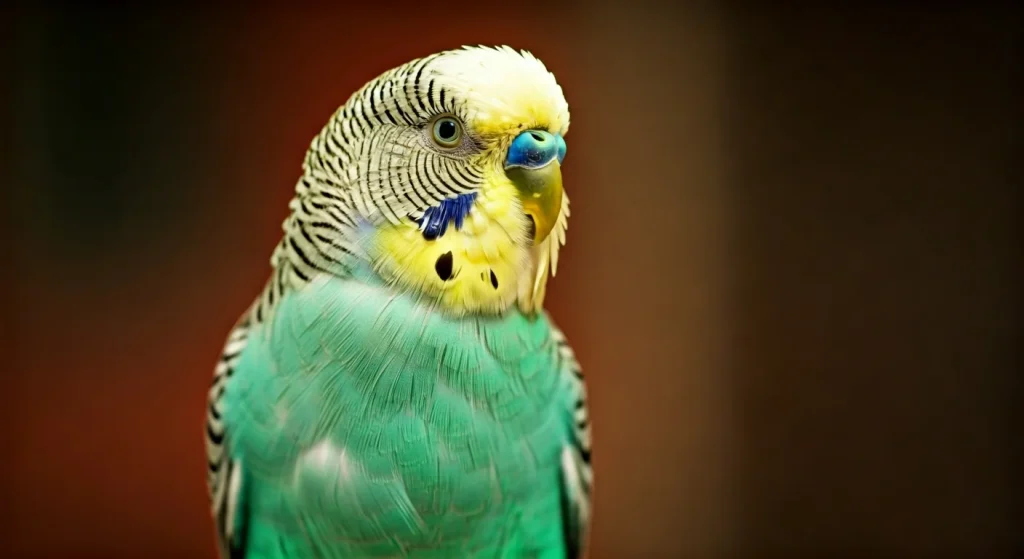
Do Parakeets Get Cold? Temperature Needs

Do Parakeets Get Cold? Temperature Needs

Did you know that parakeets, those vibrant little companions, can be surprisingly sensitive to temperature changes? Whether you’re a first-time owner or a seasoned bird enthusiast, understanding your parakeet’s temperature needs is crucial for their health and happiness. These cheerful birds thrive in warm environments but can struggle when temperatures dip too low. By recognizing the signs of discomfort and learning how to create a cozy habitat, you can enhance your feathered friend’s well-being. Curious about how to keep your parakeet warm and comfortable during chilly months? Continue reading to discover practical tips and essential insights to ensure your avian buddy remains snug and safe!

Understanding Parakeets’ Temperature Needs

Understanding Parakeets' Temperature Needs
Understanding how to maintain the temperature needs of parakeets is crucial for their health and well-being. Parakeets, being native to warmer climates, thrive in temperatures ranging between 65°F to 80°F (18°C to 27°C). Anything below 50°F (10°C) can start to put their health at risk, leading to stress and potential illness. It’s fascinating to note that parakeets possess a natural ability to adjust slightly to changes in temperature, but only within a limited range. Creating a stable environment that maintains these ideal temperatures is essential to ensure they remain active and cheerful.

In recognizing their needs, we also must pay attention to environmental factors. For example, drafts or sudden temperature fluctuations can be harmful. Parakeets often exhibit signs of discomfort through behavior changes: they may fluff their feathers, huddle together, or seek warmer spots in their cage. As caregivers, it is our responsibility to closely monitor their behavior, especially during colder months or in cooler indoor settings. Establishing a routine where you check their environment regularly can make a significant difference.

To keep your parakeets comfortable, consider implementing strategies like proper cage placement away from drafts and using heating solutions if necessary. Placing the cage in a room that doesn’t drop in temperature overnight can provide a considerable advantage. Additionally, using bulb heaters designed for birds or ceramic heat emitters can help maintain a consistent climate. Remember, it’s not just about the temperature; humidity levels and airflow also play significant roles in their comfort.

Every parakeet is unique, and understanding their specific responses to temperature changes can enhance the bond you share. By attentively observing their behavior and adjusting their environment accordingly, you contribute significantly to their overall happiness and longevity. Seeking knowledge and adapting care methods will ultimately cultivate a thriving atmosphere for your feathered friends.

What Temperature Is Ideal for Parakeets?

What Temperature Is Ideal for Parakeets?
Creating a comfortable environment for parakeets is essential to their well-being, and it starts with understanding their ideal temperature range. These vibrant little birds naturally thrive in warmer climates, specifically between 65°F and 80°F (approximately 18°C to 27°C). This temperature range mimics their native habitats and is crucial for their overall health. Dropping below 50°F (or 10°C) can begin to cause distress, leading to health complications such as respiratory issues or weakened immune systems. By maintaining their environment within this range, you’ll ensure that your feathered friends remain lively, playful, and healthy.

When assessing the conditions for your parakeet, consider that not only the temperature but also factors such as humidity and airflow play significant roles in their comfort. For example, a humid environment might make them feel warmer than a dry one at the same temperature. Additionally, these birds are sensitive to sudden temperature changes and drafts. Therefore, it’s wise to keep their cage in a location that is shielded from extreme fluctuations and direct drafts from windows or air conditioning units.

To help maintain an optimal living condition for your parakeets, it’s beneficial to implement a few practical strategies. Place their cage in a warm room, ideally where the temperature remains stable throughout the day and night. Avoid areas that could see temperature drops, like near open windows or uninsulated walls. You might also consider investing in a bird-safe heating element, like a ceramic heat emitter, which can provide gentle warmth without the risks associated with traditional heating sources that might overheat or dry out the air. By being proactive about their environment, you can enhance their comfort and longevity while fostering a joyful atmosphere for both you and your birds.

Signs Your Parakeet Is Cold

Signs Your Parakeet Is Cold
As your feathered friend fluffs up and snuggles into their perch, it may be a signal that your parakeet is feeling the chill. These delightful birds, while charming and full of personality, are not as resilient to cold temperatures as some might think. Being aware of their subtle signs is crucial for any bird owner who wants to ensure a warm and cozy environment for these vibrant creatures.

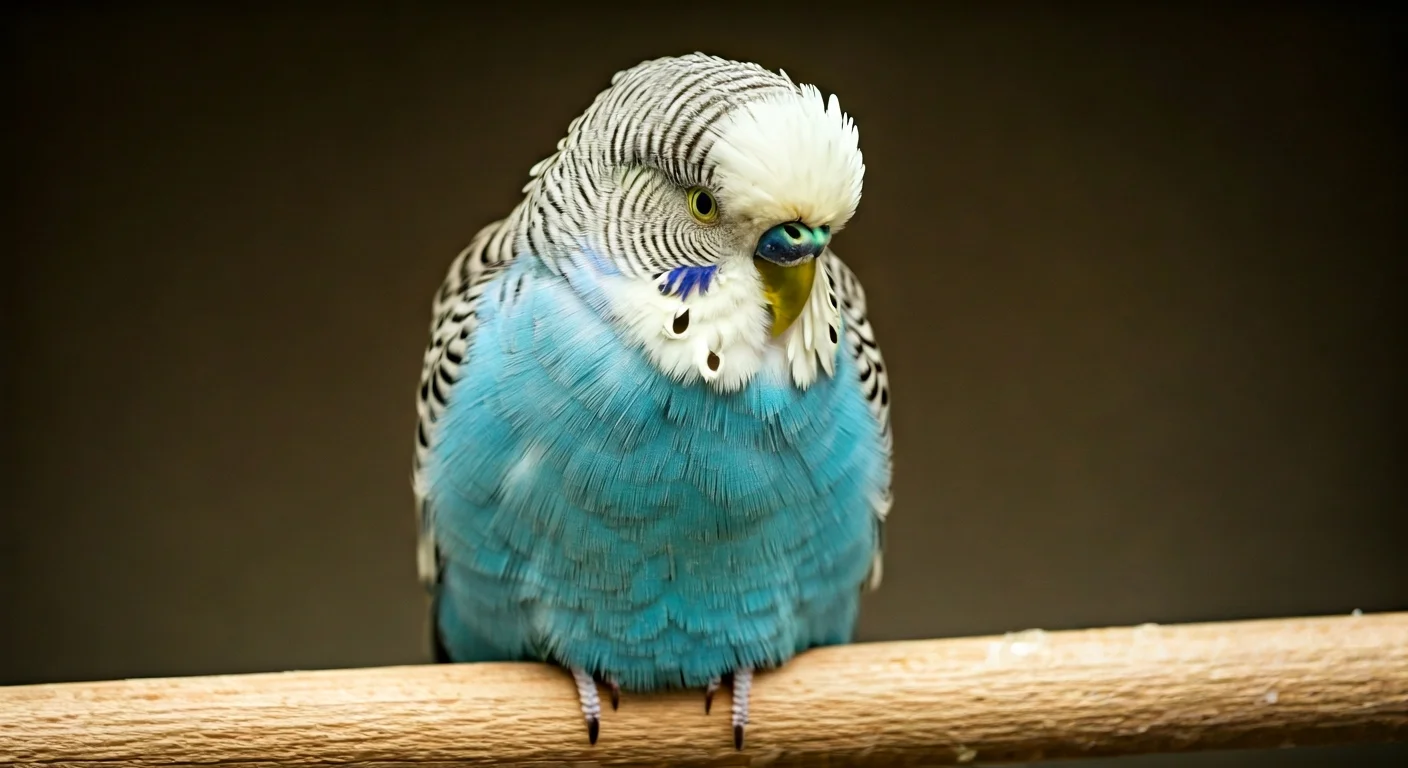
Parakeets exhibit several behavioral changes when they are cold. First and foremost, if you notice your bird huddling close to its perch or to the side of the cage, this is a classic sign of seeking warmth. Additionally, shivering or constant fluffing of their feathers can indicate that they are trying to conserve body heat. These birds typically keep their feathers slick and smooth when comfortable; however, when cold, they often puff themselves up to create an insulating layer of air.

Another indicator is a noticeable decrease in activity. If your parakeet becomes lethargic, spending more time resting and less time playing or chirping, it could be feeling the effects of lower temperatures. Moreover, pay attention to any change in vocalization; a cold or uncomfortable parakeet may chirp less or even become unusually quiet. If any of these signs persist, it’s essential to assess the temperature of their environment and make necessary adjustments to ensure your pet remains warm and happy.

To foster a healthier living space for your parakeet, monitoring their cues is the first step. Taking immediate action when they display any of these signs will help ensure your lively companion continues to thrive, enriching both your life and theirs.

How to Keep Your Parakeet Warm

Keeping your parakeet warm is essential to its health and happiness, especially during colder months when temperatures drop. These birds, native to warmer climates, are particularly sensitive to chilly environments. There are several practical ways to help ensure your feathered friend remains cozy and comfortable.

Start by ensuring a consistent indoor temperature. The ideal range for parakeets is around 65°F to 80°F (18°C to 27°C). Position their cage away from drafts, such as windows and doors, as chilly air can seep in and cause rapid temperature changes. A thermometer can be a handy tool to monitor the temperature of your bird’s space, helping you to make any necessary adjustments.

Additionally, layering your parakeet’s environment can add warmth. Use unbleached paper or natural fibers as bedding at the bottom of the cage, which can help insulate from the cold floor. Providing cozy, covered areas in the cage, such as tent-style nesting boxes or snuggle huts, gives your parakeet a safe space to retreat when feeling cold. Many birds instinctively seek out smaller spaces to warm up, so having these options readily available is crucial.

Another effective way to combat the cold is by using appropriate heating solutions. If temperatures drop significantly, consider a small space heater, but ensure it is positioned safely. Avoid direct heat sources, as they can create hot spots and be dangerous. Bird-specific heat lamps can also be beneficial; just be mindful of keeping it at a safe distance to prevent overheating.

Lastly, enhance your parakeet’s diet during colder weather. A higher caloric intake is essential for maintaining body temperature, so consider offering nutritious seed mixes that cater to their needs, along with fresh fruits and vegetables. Ensuring your parakeet stays well-fed can boost its energy levels and help it combat the chill effectively.

By implementing these strategies, you can create a warm, inviting environment for your parakeet, helping them to thrive even during the coldest months. Remember, a vigilant eye on their behavior and environment will go a long way in ensuring their comfort and well-being.

Indoor vs. Outdoor Living Conditions

Indoor vs. Outdoor Living Conditions
For parakeets, the distinction between indoor and outdoor living conditions can significantly impact their health and comfort, especially regarding temperature management. While these vibrant birds are robust and adaptable, their origins in warmer climates make them susceptible to cold, drafty environments. Understanding how to manage these two different living situations will help you create a safe and nurturing space for your feathered companions.

Indoor Living Conditions
Keeping parakeets indoors provides a controlled environment where temperature fluctuations can be mitigated. Indoor spaces generally offer stable temperatures, which can be easily monitored and adjusted. Make sure to position your parakeet’s cage away from drafts, heat sources, and direct sunlight. A consistent temperature range of 65°F to 80°F (18°C to 27°C) is optimal for their well-being. You can also enhance their living environment by incorporating cozy elements like covered nesting areas, which allow parakeets to feel secure and warm. Additionally, using a thermometer to regularly check the temperature can alert you to any unexpected changes.

Outdoor Living Conditions
While some owners may opt for outdoor aviaries or cages, it’s crucial to be vigilant about changing weather conditions. Exposure to outdoor elements can expose parakeets to extreme temperatures and unpredictable drafts. If you decide to keep your birds outside, ensure they have adequate shelter that protects them from cold weather while allowing for proper ventilation. During the cooler months, it’s advisable to bring them indoors during drops in temperature, especially at night when temperatures can plummet. Regularly check for signs of discomfort or cold stress, such as puffed-up feathers or lethargic behavior, as these are indicators your parakeet is feeling chilly.

Both indoor and outdoor setups can offer well-rounded environments for parakeets, but they necessitate different management approaches. By understanding their specific needs and behaviors, you can provide an optimal habitat that promotes their health and happiness regardless of their living arrangements.

Seasonal Temperature Considerations for Parakeets

As the seasons change, parakeets reveal just how much temperature fluctuations can affect their well-being and behavior. Originating from warm climates, these small birds are not naturally equipped to handle bitter cold or excessive heat, making it vital for their owners to create a stable environment throughout the year. Understanding the unique temperature challenges each season brings is essential to ensure that our feathered friends remain comfortable, healthy, and happy.

During the winter months, temperatures can plummet quickly, turning your cozy home into a chilly space for your parakeet. It’s important to monitor the temperature closely, as a drop below 65°F (18°C) can lead to stress. You might want to take additional steps, such as using heating pads under the cage or providing extra coverings and nesting materials for warmth. Parakeets can often be seen fluffing up their feathers to trap heat, a clear signal they need more warmth.

Conversely, summer presents its own challenges; oppressive heat can lead to overheating, as parakeets struggle to regulate their body temperature. Providing plenty of fresh water, rearranging the cage to avoid direct sunlight, and ensuring good airflow can help. An air conditioning unit or fan can also be beneficial in preventing heat stress. It’s important to watch for signs of overheating, such as panting or lethargy, and to act quickly if you detect any distress.

As the seasons shift, consider the adjustments you might need to make to your parakeet’s environment. Maintaining a keen awareness of temperature changes and responding appropriately will foster a healthier atmosphere for your birds. With winter’s chill or summer’s heat, being proactive will not only enhance their comfort but also deepen the bond you share with these delightful companions.

The Importance of Proper Cage Placement

Proper placement of your parakeet’s cage can significantly influence their comfort and well-being. These small, social birds thrive in environments that mimic their natural habitats, which are typically warm and sheltered. The right placement not only ensures your feathered friend stays comfortable but also helps regulate their exposure to temperature fluctuations.

When selecting a location for your parakeet’s cage, consider areas in your home that avoid drafts and extreme temperatures. Ideally, keep the cage away from open windows, air conditioning vents, or direct sunlight, especially in the afternoon when temperatures can soar. An ideal spot is a central room that maintains a consistent temperature, ideally between 65°F and 75°F (18°C to 24°C). This ensures your parakeet remains warm during colder months while avoiding overheating in summer. Additionally, positioning the cage in a quieter part of the house can help reduce stress, allowing your pet to feel secure and safe.

To enhance your parakeet’s environment further, observe their behavior in relation to cage placement. If your parakeet frequently fluffs its feathers or appears to be seeking shelter, it may indicate they’re feeling too cold or exposed. Conversely, if they seem excessively spread out and avoid perching, it could point to overheating. You can adjust their cage position when you notice these signs, fostering a more comforting space.

Lastly, think about their daily activities. Parakeets are naturally curious and social creatures, so placing their cage where they can see family activity, like in a living room, can alleviate loneliness. However, balance this with the need for a controlled climate. Consider covering the cage with a breathable fabric during the night to trap warmth and ensure a peaceful sleeping environment as temperatures drop after dark. By paying attention to these dynamics, you’ll create a more harmonious habitat that enhances the overall quality of life for your parakeet.

Choosing the Right Heating Solutions

When temperatures drop, parakeets require careful attention to their heating needs, as these vibrant birds thrive best in warm environments. Owners should be proactive in creating a cozy atmosphere that mimics their natural habitat, which is typically tropical or subtropical. Selecting the right heating solutions can ensure that your feathered friends remain comfortable and healthy throughout the colder months.

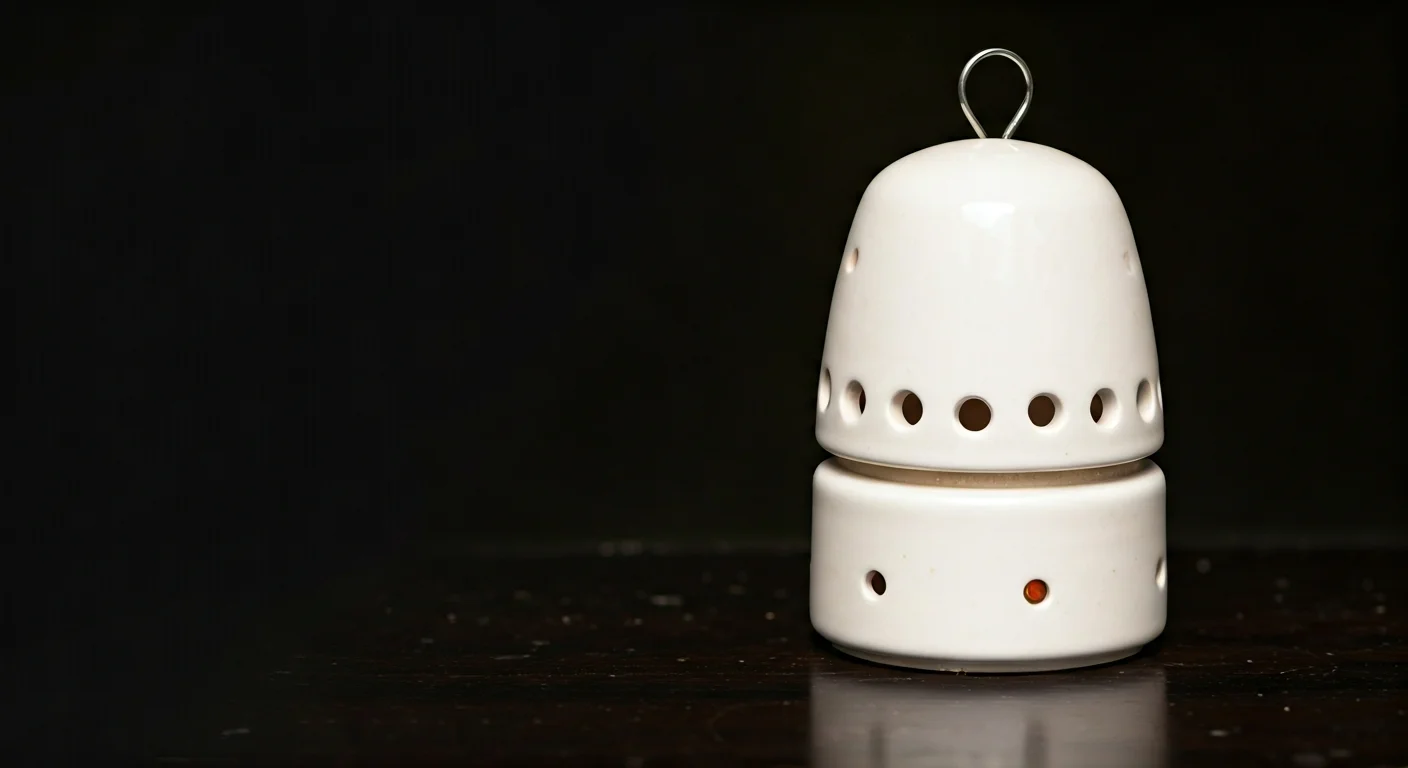
One of the most effective methods for heating your parakeet’s environment is to use safe and consistent heat sources. Ceramic heat emitters and reptile heat mats are excellent choices, as they provide a gentle, consistent warmth without risking burns or overheating. Ensure that these heat sources are positioned outside the cage to avoid direct contact, as safety is paramount. Additionally, consider the use of radiant heat panels designed specifically for birds, which can warm the surrounding air without excess energy use.

The placement of these heating solutions is crucial. For example, positioning a heat lamp above the cage can help regulate the temperature without concentrating heat in one spot. Always monitor your parakeet’s behavior: if they gather beneath the heat source excessively, it may indicate that they need more warmth; conversely, if they avoid it, they could be too warm. Thermometers placed inside or near the cage can give you a quick reference to ensure temperatures remain within the ideal range of 65°F to 75°F (18°C to 24°C).

Heating elements should be regularly checked for functionality, as sudden changes can be harmful. In cases of extreme cold or power outages, using a small space heater in the same room can help maintain a stable environment. Just be sure to keep it at a safe distance from your parakeet’s cage and free of potential hazards. By establishing effective heating solutions, you’ll not only enhance your parakeet’s comfort but also help preserve their vibrant energy and overall health, ensuring that these lively companions remain happy and active regardless of the weather outside.

Behavioral Changes in Cold Weather

When the temperature drops, the lively spirit of parakeets may undergo notable changes, revealing their sensitivity to cooler conditions. These charming birds are not just vibrant in color; they are also deeply affected by environmental factors, particularly temperature. In colder weather, you may observe distinct behavioral shifts that signal their discomfort and need for warmth. Monitoring these changes is crucial for ensuring your feathered friend remains healthy and happy.

Parakeets, like many other birds, express their feelings through their actions. When feeling chilly, they may exhibit signs such as fluffing up their feathers to trap heat, becoming less active, or seeking out the warmest spots, often huddling together or under any heat sources. Their vocalizations might change, becoming quieter or more subdued as they conserve energy. If your parakeet starts to retreat to a corner of the cage or seems disinterested in playfulness, it could be signaling that it’s too cold for comfort. Understanding these signs is essential for any caretaker devoted to their bird’s well-being.

To assist your parakeet during colder months, maintaining consistent warmth and minimizing drafts in their environment is necessary. Adjust their cage placement to an area where they can avoid cold drafts while still enjoying natural light. Consider enhancing social interaction, as parakeets feel more secure when they are active and engaged, which can help mitigate the effects of a drop in temperature. By simply making slight adjustments to their habitat and observing their behaviors, you can cultivate an environment that promotes health and vibrancy, allowing your parakeet to thrive even in cooler conditions.

By being vigilant about these behavioral changes, you can ensure your parakeet does not just survive the cold but continues to flourish, enriching your home with their unique personality and vivacity. Always remember that attentive care and a warm environment are the keys to a happy and healthy parakeet.

Dealing with Temperature Fluctuations

Dealing with rapid temperature changes can be a daunting challenge for parakeet owners, as these small birds are particularly sensitive to environmental shifts. It’s fascinating to think that parakeets, like many tropical birds, thrive within a narrow temperature range, usually between 65°F to 80°F (18°C to 27°C). When temperatures fluctuate beyond this range-whether due to seasonal changes or household heating issues-it can significantly impact their health and behavior.

Understanding how to manage these fluctuations is crucial. First, maintaining a consistent indoor environment is vital. Here are a few practical tips to consider:

  • Insulation and Draft Prevention: Check for any gaps around windows and doors that might allow cold air to seep in. Simple drafts can chill your parakeet quickly. Using weather strips or draft stoppers can make a significant difference in their comfort.
  • Utilize Thermometers: Place thermometers within the bird’s living space to monitor temperature changes throughout the day, particularly during extreme weather conditions.
  • Cage Location: Position the cage away from windows and external walls. Instead, place it in an interior room that is less likely to experience temperature swings.
  • Heat Sources: During colder months, consider using ceramic heat emitters or heat mats specifically designed for bird habitats. Always ensure they are safe and positioned carefully to avoid direct contact.

Moreover, make it a habit to observe your parakeet’s behavior closely. When faced with colder conditions, they might fluff their feathers, huddle together, or even vocalize less. If these signs appear, it’s crucial to react promptly to ensure they’re kept warm. Additionally, during those warmer days, remember to provide areas with shade and fresh water to help them cool off.

By creating a stable environment and being attentive to your parakeet’s needs, you can help them adapt smoothly to the fluctuating temperatures of the seasons and keep them content and vibrant throughout the year.

Common Myths About Parakeets and Cold

Parakeets, often mistaken for hardier birds, are surprisingly delicate when it comes to temperature. One common myth is that parakeets can comfortably adapt to any cold environment simply because they are small and have feathers. In reality, while their feathers do provide some insulation, they are not immune to the chill. Exposure to temperatures below their ideal range of 65°F to 80°F (18°C to 27°C) can lead to serious health issues, including respiratory problems and even hypothermia. It’s crucial for parakeet owners to understand that fluffing up feathers is merely a coping mechanism that does not equate to being warm enough.

Another widespread belief is that parakeets can thrive outdoors year-round without any precautions. While some owners may assume that a natural habitat protects their birds, sudden weather changes can be fatal. Compared to their wild counterparts, domesticated parakeets are accustomed to stable, climate-controlled environments. Therefore, leaving them outside when temperatures dip can lead to unnecessary stress and risk their health. If you want to keep your parakeet outdoors, it’s essential to provide a sheltered area that maintains a warm environment, especially during colder months.

Many parakeet owners also think that simply providing extra food will keep their pets warm. While a nutritious diet can help maintain their health, it doesn’t directly combat cold temperatures. Instead, focus on creating a warm living environment. This may include positioning the cage in an insulated area, offering heat sources like bird-safe heaters, and ensuring that they are shielded from drafts. Observing behavioral changes can also be telling; parakeets that spend more time sleeping or fluffing their feathers are signaling discomfort due to cold, indicating that it’s time for immediate action.

Lastly, the idea that parakeets can hibernate or go into a dormant state during cold spells is a misconception. Unlike some species that can reduce their metabolic rate, parakeets need consistent warmth and during temperature drops, they require attentive care from their owners. Addressing these myths will go a long way in ensuring the well-being of your feathered friend, allowing you to provide them with an environment in which they can thrive regardless of the season.

Emergency Care for Cold Parakeets

When the temperature drops unexpectedly, parakeets can quickly find themselves in distress. Unlike mammals that can generate heat or find warmth, parakeets depend on their environment to provide the right conditions for their survival. As vigilant owners, it’s crucial to act swiftly if you suspect your feathered friend is too cold. Understanding the signs of chilling and knowing how to respond can be the difference between recovery and a more serious health issue.

If you find your parakeet shivering, sitting fluffed up, or hiding in the corner of the cage, these could be telltale signs of cold distress. It’s imperative to move your bird to a warmer location immediately. A good starting point is to bring them indoors if they were outside, ensuring they’re away from drafts or direct airflow from fans or air conditioning. Creating a warm environment can involve simple actions:

  • Covering the cage with a light blanket to insulate against drafts.
  • Using a heat lamp or a bird-safe heating pad placed under the cage, but ensuring it’s not too hot to touch.
  • Offering warm and nutritious foods as a supplemental source of energy.

While these strategies are effective in the short term, it’s also vital to monitor your parakeet closely. Keep an eye on their behavior and physical condition. If your bird does not improve within a few hours or shows signs of lethargy, difficulty breathing, or persistent fluffed-up feathers, a visit to an avian veterinarian is essential.

In emergencies, remember that your bird’s safety is paramount. By being prepared and having basic heating solutions on hand, you equip yourself to tackle cold weather challenges confidently. Quick, thoughtful action can spare your parakeet from the dangers of cold temperatures, allowing them to return to their usual playful selves in no time.

Faq

Q: What is the minimum temperature for parakeets to be comfortable?
A: Parakeets are comfortable in temperatures ranging from 65°F to 75°F (18°C to 24°C). Prolonged exposure to temperatures below 60°F (16°C) can lead to health problems. Always monitor their environment to ensure it stays within this range for their well-being.

Q: How can I tell if my parakeet is too cold?
A: Signs that your parakeet is too cold include fluffed-up feathers, lethargy, and excessive shivering. If you notice these behaviors, consider adjusting their environment to provide warmth or consult with an avian veterinarian for further advice.

Q: Are there specific heating solutions for parakeets?
A: Yes, safe heating solutions for parakeets include ceramic heat lamps, heating pads placed outside their cage, and room heaters. Ensure any heat source maintains a consistent temperature and is securely positioned to prevent burns or hazards.

Q: Can parakeets live outside in cold weather?
A: Parakeets are not suited for cold outdoor environments, especially below 50°F (10°C). If they must be outside, provide a well-insulated aviary with heating options. Monitor the local weather closely to prevent exposure to extreme cold.

Q: What should I do if my parakeet gets cold?
A: If your parakeet gets cold, quickly move them to a warmer area, such as a cozy room or near a safe heat source. Ensure they are not directly exposed to drafts. Observe for signs of recovery, and consult a veterinarian if symptoms persist.

Q: How does humidity affect parakeets in cold weather?
A: High humidity can exacerbate the effects of cold on parakeets, making them more susceptible to respiratory issues. Maintain low humidity levels via a dehumidifier and ensure your parakeet’s living space is properly ventilated to mitigate this risk.

Q: What bedding is best for keeping parakeets warm?
A: Soft, absorbent materials like paper bedding or natural fibers are excellent for insulating the cage floor. Avoid straw or shavings that can cause respiratory issues. Regularly clean the bedding to maintain a healthy environment for your parakeet.

Q: When should I bring my parakeets indoors in winter?
A: Bring your parakeets indoors when temperatures drop below 50°F (10°C) to prevent cold stress. Pay attention to the forecast and prepare to bring them inside ahead of any predicted cold snaps for their safety and comfort.

Closing Remarks

Ensuring your parakeet stays warm and comfortable is essential to their health and happiness-remember, they’re sensitive to temperature changes! If you’re still curious about how to create the perfect environment for your feathered friend, check out our comprehensive guides on creating ideal habitats and managing their nutritional needs. Don’t leave your bird’s comfort to chance-explore our article on “Understanding Parakeet Behavior” for deeper insights into their needs.

Now that you’re equipped with knowledge about how parakeets handle cold temperatures, take action! Create a cozy space for your pet and consider signing up for our newsletter for tips on avian care that will enhance your experience as a parakeet parent. Your bird deserves the best, and we’re here to help you provide it. If you have any questions or personal experiences to share, drop a comment below-we love hearing from fellow bird enthusiasts!

🔍 Search WorldBirds
🦜 Trending Bird Guides
🕊️ Explore Bird Species

🦉 Quick Bird ID Help
Want to identify a backyard or pet bird? Check our visual tips and key features to spot each species quickly—even if you’re brand new to birding. Save time, spot more!

🐦 Bird Symbolism Insights
Curious about what seeing a cardinal, dove, or owl might mean? Learn the most common bird symbols and their spiritual stories, rooted in global traditions and nature.

🌱 Bird-Friendly Backyard Tips
Grow your bird sanctuary! Get actionable steps for feeder placement, safe foods, and habitat ideas. Make your garden a safe, lively haven for birds year-round.

🛠 Creative Bird DIY Ideas
Explore handpicked, bird-themed art and craft projects for every skill level. Find new tutorials and fun inspirations to connect nature with creativity—great for adults and kids alike.

🐣 Care for Baby Birds
Rescue or raise with confidence. Get essential advice on feeding, warmth, and safety to help fledglings and nestlings thrive—humane and practical tips for any situation.

💡 Expert Bird Tips
Uncover trusted tricks for pet bird bonding, safe handling, and solving common behavioral challenges. Build your skills and enjoy happier, healthier birds at home or outdoors.