

Parakeets are delightful companions known for their playful antics and vibrant personalities. As a bird owner, you might find yourself wondering about the safety of snacks like crackers for your feathered friend. While it’s tempting to share your favorite treats, not all human foods are safe for parakeets. In this article, we’ll explore whether crackers can be a suitable snack for your pet and what potential risks to watch out for. Understanding the dietary needs of your parakeet is not just about keeping them happy; it’s essential for their overall health and longevity. Join us as we delve into the specifics of what makes a safe treat and how to ensure your parakeet enjoys a balanced diet without compromising their well-being. Your bird’s happiness and health depend on the choices you make, so let’s find out if those little crunchies can be part of their menu!
Can Parakeets Eat Crackers? Understanding Snack Safety
Parakeets are naturally curious and love to nibble on new things, which raises an important question for bird owners: Can parakeets eat crackers? While these small birds enjoy a variety of treats, not all snacks are created equal, and understanding snack safety is crucial for your feathered friend’s health.
Crackers may seem harmless, but they often come packed with ingredients that could be detrimental to a parakeet’s health. Many crackers contain high levels of salt and sugar, which can lead to serious health issues in birds, such as liver disease or obesity. For instance, a single salted cracker can contain more sodium than a parakeet should consume in a day. Additionally, some crackers are made using refined grains that offer little nutritional value and could imbalance their diet when given too frequently. It’s essential to read labels and be wary of any additives that could be harmful to your pet.
If you’re considering offering crackers, think carefully about the type. Plain, unsalted, and whole-grain options would be the safest choices, but these should only be offered in moderation. Make sure that any cracker you introduce doesn’t replace their essential seed or pellet diet. Always watch for signs of discomfort, such as changes in behavior or appetite, when introducing any new food. The best course of action is to consult resources on parakeet diets and perhaps even discuss any dietary changes with a veterinarian who specializes in avian health.
In essence, while parakeets can nibble on certain types of crackers in moderation, it’s vital to prioritize their nutritional needs and ensure that snacks are safe and appropriate for their diets. When in doubt, healthy alternatives like fresh fruits and vegetables are always a better choice, providing the essential nutrients your parakeet needs to thrive.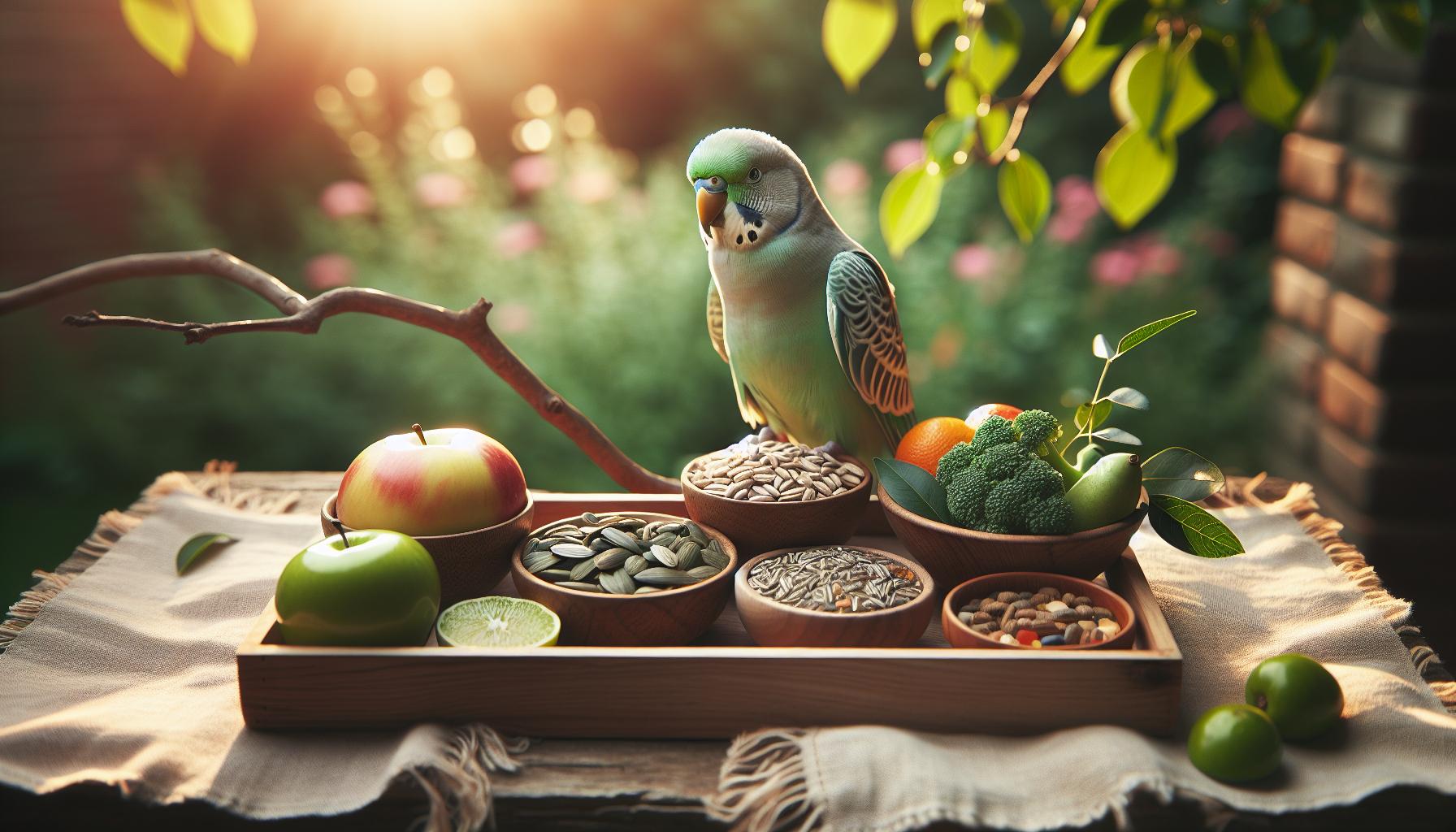
The Nutritional Needs of Parakeets Explained
Parakeets thrive on a varied diet that mimics their natural feeding habits, which can be as diverse as their vibrant plumage. To keep your feathered companion healthy, it’s essential to understand their nutritional requirements and the types of foods that best support their well-being. In the wild, parakeets primarily consume seeds, fruits, vegetables, and grains, so replicating this balanced intake at home is vital.
A healthy parakeet diet should be composed primarily of high-quality pellets or seeds, supplemented by fresh produce. Pellets are often formulated to provide balanced nutrition, including the necessary vitamins and minerals that seeds alone may lack. Fresh vegetables, such as leafy greens, bell peppers, and carrots, not only offer hydration but also additional nutrients that contribute to a parakeet’s overall health. Fruits, while a delightful treat, should be given sparingly due to their high sugar content. You can offer favorites like apples and berries in small quantities to provide variety without overdoing the sugar.
When considering snacks, it’s crucial to prioritize quality over quantity. Offer a selection of wholesome snacks, like dried fruits and nuts, in moderation as occasional treats. However, the focus should remain on ensuring that the main diet consists of nutrient-dense foods. Be aware that certain human foods, including many crackers, often contain additives, excess salt, and sugars that can harm your parakeet. Your goal should always be to promote good digestive health and prevent issues such as obesity and liver problems.
Understanding your parakeet’s unique needs not only fosters a thriving pet but also strengthens the bond you share. Engaging with your bird during feeding time can enhance their exploration of different textures and flavors, creating a stimulating environment that mimics their natural curiosity. By carefully selecting their diet and treats, you’ll ensure that your parakeet remains happy, healthy, and full of vitality.
Common Snacks: Are Crackers Safe for Parakeets?
When it comes to snacks for our feathered friends, many parakeet owners wonder if crackers are a suitable option. The truth is that while parakeets can nibble on crackers occasionally, there are important considerations to keep in mind to ensure their health and well-being. Snacks can enhance a parakeet’s diet and provide mental stimulation, but not all foods are created equal.
Crackers often contain additives such as salt, sugar, and preservatives that can be harmful to birds. Parakeets have unique dietary needs that require a careful selection of their food to promote good health. It’s essential to read ingredient labels thoroughly. If you do choose to offer crackers, opt for plain, whole-grain varieties without added salt or sugar. This helps keep the treat as natural and beneficial as possible.
As a responsible pet owner, it’s crucial to observe your bird’s reaction to new foods. If you introduce a cracker to your parakeet and they show signs of discomfort, such as lethargy or an upset stomach, it’s best to eliminate that snack from their diet. Not all parakeets will respond to the same foods identically, and what may be an acceptable treat for one may not be suitable for another. Engaging with your parakeet not only during their meal but also during snack time can help you tailor their diet to their individual preferences and needs.
Types of Crackers: What to Avoid for Your Parakeet
When it comes to the world of snacks for parakeets, not all options are created equal. While the idea of offering your feathered friend a crunchy cracker might seem appealing, it’s crucial to understand which types of crackers can be harmful. The packaging may look inviting, but many store-bought crackers are laden with ingredients that can jeopardize your parakeet’s health.
Start by avoiding any crackers that are high in salt and sugar. These ingredients can lead to serious health issues in birds, encompassing kidney problems and obesity. For example, popular snack crackers that are flavored or contain cheese often have excessive amounts of both. A single salty cracker may contain more sodium than an entire serving is appropriate for a parakeet, potentially leading to severe health complications over time.
Additionally, steer clear of crackers with preservatives and artificial flavorings. Ingredients such as monosodium glutamate (MSG), propylene glycol, or other synthetic additives can be irritating or toxic to birds. Even seemingly harmless ingredients like garlic or onion powder found in some crackers can cause gastrointestinal distress.
To summarize, the key is to keep things simple and wholesome. Opt for plain, unsalted, whole-grain crackers if you decide to treat your parakeet. Always check the labels for undesirable ingredients, and when in doubt, it’s best to skip the cracker altogether. Your parakeet’s health is paramount, and choosing the right types of snacks can significantly contribute to their overall well-being.
Effects of Salt and Sugar on Bird Health
Imagine your parakeet enjoying a delicious snack, but that seemingly innocent cracker might be hiding a secret that could harm its health. Just like humans, birds have specific dietary needs, and consuming too much salt and sugar can lead to serious health problems. Salt is particularly dangerous for our feathered friends; they have a low tolerance for sodium, which regulates fluid balance and is necessary in minimal amounts. However, high salt intake can prompt kidney issues, leading to dehydration and even death in extreme cases. Many snack foods, including crackers meant for humans, can contain levels of salt far above what your parakeet should ingest.
Sugar is another ingredient we need to monitor closely. Excessive sugar can lead to obesity, diabetes, and other metabolic disorders in birds. Unlike humans, parakeets do not require sugar in their diets; they naturally receive carbohydrates from fruits and vegetables. When presented with sugary snacks, many parakeets might eagerly devour them, leading to an unintentional overload of empty calories with no nutritional benefits.
To better understand the risks involved, here’s a quick comparison:
| Nutrient | Healthy Levels | Risks of Excessive Intake |
|---|---|---|
| Salt | Very low (trace amounts only) | Kidney issues, dehydration, potential death |
| Sugar | None necessary | Obesity, diabetes, metabolic disorders |
By being cautious about what types of snacks you’re offering, you can help maintain your parakeet’s health and happiness. If you’re unsure about a snack, it’s best to err on the side of caution. Always read labels carefully for salt and sugar content, and prioritize feeding your parakeet natural, wholesome foods that align with its dietary needs. Your vigilance will ensure that your feathered companion lives a long, healthy life!
Signs Your Parakeet May Be Experiencing Discomfort
It’s crucial for parakeet owners to stay vigilant about their feathered friends’ health. Just like humans, parakeets can exhibit signs of discomfort that, if overlooked, may signal more serious issues. Being observant about your pet’s behavior is essential to ensure they remain happy and healthy, especially when their diet might include harmful snacks.
A parakeet in discomfort may change its usual behavior. If you notice your bird becoming more reclusive, fluffed up, or less interactive, these could be early warning signs. Unusual vocalizations, such as excessive screaming or chattering that deviates from their normal patterns, can indicate stress or pain. Additionally, watch for physical symptoms like changes in droppings-diarrhea, or less frequent elimination may suggest dietary problems or illness.
Another important aspect to monitor is your parakeet’s grooming habits. Over-preening or neglecting to groom can indicate stress or discomfort. If you find them picking at their feathers excessively, this could relate to avian conditions or even reactions to unhealthy snacks. Keep an eye on their eating habits as well; sudden changes in appetite or refusal to eat can signal that something is wrong. If they show reluctance in eating their regular diet while still showing interest in snacks, this may warrant further investigation.
Lastly, consider their energy levels. An active and playful parakeet should be a joy to watch. If your bird seems lethargic or spends more time perched quietly than usual, it may be time for a closer look. Regularly engaging with your parakeet and observing these signs can aid in timely intervention, helping to maintain their well-being and happiness in your care.
Healthy Snack Alternatives for Your Parakeet
Offering your parakeet a variety of healthy snacks not only keeps them entertained but also supports their overall health and well-being. While crackers might seem like a convenient treat, they often contain unhealthy ingredients like salt and preservatives that can be detrimental to your feathered friend. Instead, embrace a world of wholesome snack options that are not only nutritious but can also enrich your parakeet’s diet.
Some excellent alternatives to traditional snacks include fresh fruits and vegetables, which provide essential vitamins and minerals. Offer small pieces of apples, bananas, carrots, or spinach; just remember to wash them thoroughly and remove seeds or pits, as these can be harmful. Another fantastic option is seedless grapes, which are hydrating and a great natural treat. Nuts, given in moderation, can also be a delightful surprise for your bird, but ensure they are unsalted and not coated in sugar or honey.
Popular Healthy Snacks
- Fresh fruits (apples, bananas, berries, grapes)
- Vegetables (carrots, peas, bell peppers)
- Leafy greens (spinach, kale, dandelion greens)
- Nuts (almonds, walnuts) – unsalted and chopped
- Cooked grains (quinoa, brown rice) in small portions
Experimenting with these snacks can make feeding time exciting for your parakeet. Introduce new foods gradually, and observe how they react, as some birds may require time to adjust to unfamiliar tastes. Additionally, when serving fresh foods, limit the quantity to avoid waste, and be sure to remove any uneaten portions after a few hours to prevent spoilage.
Encouraging your parakeet to forage can also add an enriching element to their diet. Hide healthy snacks within their toys or around their cage, prompting natural foraging behavior and inviting mental stimulation. This playful interaction not only satisfies their diet but also enhances their quality of life, making snack time an engaging and enjoyable experience.
How to Introduce New Foods to Your Parakeet Safely
Introducing new foods to your parakeet can be an exciting, albeit delicate, endeavor. These curious and intelligent birds thrive on variety, yet a sudden change in their diet can lead to confusion or even refusal to eat. By taking a gradual approach, you can ensure that your feathered friend adjusts comfortably to new flavors and textures without stress.
Start by offering small samples of the new food alongside their regular diet. This could be a piece of fresh fruit, a vegetable, or a trail mix made from safe nuts and seeds. Observe how your parakeet reacts to the new treat. Are they eager to try it? Do they nibble cautiously? These behaviors can give you insight into their preferences and comfort level. If the food is met with hesitation, don’t force it; simply try again after a few days.
It’s recommended to introduce one new food at a time to minimize overwhelm. Wait a week or so before adding another item. This allows you to monitor for any digestive issues or sensitivities that may arise. Also crucial is the preparation of new foods; wash fruits and vegetables thoroughly, and consider cutting them into small, manageable pieces. For example, slices of apple or carrot sticks are easier for your parakeet to grasp and enjoy.
Another effective method is to incorporate new foods into foraging activities. Hide pieces of the new food in toys or within their cage, encouraging your parakeet to explore and discover them. This not only helps with acclimatization but also stimulates their natural foraging instincts, making mealtime a rewarding adventure.
Ensuring that your parakeet remains healthy while exploring new dietary options means being patient and attentive. Every new food should be introduced with care and enthusiasm, transforming the journey into an enjoyable experience for both you and your parakeet.
Feeding Habits: Balancing Treats with Main Diet
Creating a harmonious diet for your parakeet involves more than just providing a regular seed diet; it encompasses a balanced approach to both their main meals and occasional treats. Parakeets are naturally curious and social creatures, and they benefit from a variety of foods to keep them mentally stimulated and physically healthy. When considering snacks like crackers, it’s crucial to weigh their nutritional value against the potential risks of introducing them into your bird’s diet.
Many bird owners mistakenly believe that offering treats such as crackers is harmless. However, it’s essential to recognize that these should only complement a base diet composed primarily of high-quality pellets, fresh fruits, and vegetables. Treats should not exceed 10-15% of your parakeet’s daily intake. This ensures that your bird derives the necessary nutrients from its staple food, which is designed to promote optimal health. Overindulgence in treats, especially those high in salt, sugar, or artificial additives, could lead to obesity and related health issues.
To achieve balance, consider the following strategies for integrating snacks into your parakeet’s diet:
- Portion Control: When offering treats, keep portions small. A tiny piece of cracker can satisfy your bird’s curiosity without compromising their health.
- Healthy Choices: Opt for whole grain or low-sodium options. Always check ingredients to avoid harmful additives.
- Variety is Key: Explore alternative snacks like small pieces of fruits or veggies. These not only provide essential vitamins but also encourage foraging and play behaviors.
Engaging your parakeet with their food is not only fun but also beneficial for their well-being. By rotating between different treat options and establishing a routine, you can maintain excitement during mealtime while ensuring they receive a balanced diet. Always observe your parakeet’s response to new foods, adjusting as necessary to ensure these delightful creatures remain healthy and thriving while enjoying their snacks responsibly.
Expert Tips for Parakeet Snack Safety
Parakeets, like many small birds, thrive on a varied diet, yet snack choices can often pose safety concerns. One insightful tip for keeping your feathered friend healthy while allowing them the joy of treats is to always prioritize quality over quantity. High-quality, natural snacks can be a delightful addition, but it’s essential to be mindful of what you offer. Treats such as crackers should be examined closely; many commercial varieties contain additives or preservatives that could be harmful. Always choose snacks that are simple and free from artificial ingredients.
Another crucial aspect of snack safety is the approach to introducing new foods. Gradually incorporate one type of snack at a time to observe how your parakeet reacts. This not only helps in identifying any potential allergies but also assists in determining their preferences. Keep an eye on their behavior; if they show signs of discomfort or refusal to eat, it might be best to discontinue that particular snack. Additionally, consider breaking snacks into smaller pieces to minimize the risk of choking and to ensure your parakeet isn’t overwhelmed by larger portions.
Lastly, maintaining a balanced diet means that treats should only make up a small fraction of your parakeet’s overall intake. Limit treats to about 10-15% of their daily diet and ensure the bulk comes from high-quality pellets, fresh fruits, and vegetables. This not only promotes a healthy weight but also fosters good nutritional habits. By being vigilant and proactive about your parakeet’s diet, you can create a safe and enjoyable snacking experience that enhances their health and happiness.
What Other Pet Owners Say About Parakeet Snacks
Pet owners often share a wealth of experiences and insights when it comes to feeding their parakeets, and this community knowledge can be invaluable, particularly regarding snacks. Many owners emphasize the importance of being cautious with treats like crackers, as they often contain high levels of salt or sugar that can be detrimental to a parakeet’s health. For instance, one owner noted that after introducing some commercial snack crackers, their bird became unusually lethargic, prompting immediate removal of those snacks from its diet.
Another common theme is the choice of natural, simple snacks over processed options. Many bird enthusiasts recommend fruits, vegetables, and seeds as preferred treats. One particularly helpful tip shared by experienced bird owners is to offer a small piece of cracker as a rare treat while ensuring that the primary focus remains on a balanced diet of pellets and fresh greens. This approach not only keeps the diet varied but also allows for safer snacking habits without jeopardizing their parakeet’s health.
Community insights also highlight the importance of monitoring individual bird preferences and reactions. Owners suggest keeping track of any new foods introduced, including snacks, by observing changes in behavior or digestion. For instance, if a parakeet shows a sudden interest in a cracker but then refuses more after a couple of tries, this could be a sign that it doesn’t agree with them or that it prefers other options. Using a trial-and-error method when introducing new snacks has proven effective, allowing parakeets to enjoy the experience without compromising their well-being.
In summary, the consensus among parakeet owners is clear: while occasional treats can be a delightful addition to a bird’s diet, it’s crucial to prioritize health. Many suggest keeping treats, such as crackers, simple-opting for whole grain options without additives-while also encouraging other nutritious snacks like fruits and veggies to create a balanced and enjoyable diet for their feathered friends. As always, the best approach is one that involves care, observation, and a willingness to adapt as needed.
Resources for Parakeet Diets and Care
Understanding the dietary needs of your parakeet is essential for maintaining their health and happiness. As popular pets, these small birds thrive when provided with a balanced and nutritious diet, which can often lead to questions about what snacks are safe for them to indulge in. Having readily available resources at your fingertips can make this task easier and enhance your overall experience as a bird owner.
For starters, books and online articles focusing on avian nutrition can provide valuable insights into the specific dietary requirements for parakeets. Resources such as “The Parakeet Handbook” or “Birds: A Complete Guide to Parakeet Care” often cover a wide range of topics, from seed mixes to safe treats. Additionally, reputable websites like PetMD offer comprehensive care sheets that detail the types of foods best suited for parakeets, emphasizing the importance of providing fresh fruits and vegetables along with high-quality pellets.
Another helpful avenue is online forums and communities where parakeet owners gather to share their experiences and tips. Platforms such as Reddit and dedicated Facebook groups allow for engaging discussions where you can ask specific questions, like the safety of certain snacks, and receive feedback from seasoned bird keepers. Many seasoned parakeet owners will attest to the necessity of moderation when introducing any new foods, including crackers.
Lastly, it’s often beneficial to consult with an avian veterinarian who can provide personalized advice tailored to your bird’s individual needs. Regular check-ups will help ensure your parakeet’s diet supports their health and well-being. These professionals can clarify common misconceptions about snacks, including how to assess any adverse effects after introducing something new.
By utilizing these resources, you’ll not only broaden your understanding of parakeet diets but also foster a healthier and more joyful environment for your feathered friend. Always feel free to reach out, research, and observe closely as you navigate the delightful journey of bird care!
Frequently Asked Questions
Q: Can parakeets eat any type of crackers?
A: Parakeets can eat some types of crackers, but not all. It’s important to avoid crackers high in salt, sugar, or artificial additives. Opt for plain, whole grain or low-sodium varieties to ensure they remain a healthy snack option for your bird.
Q: What ingredients in crackers are harmful to parakeets?
A: Ingredients such as high salt content, sugar, and preservatives can be harmful to parakeets. Salt can cause dehydration and kidney issues, while excess sugar may lead to obesity and other health concerns. Always check the label before offering crackers to your bird.
Q: How often can I give crackers to my parakeet?
A: Crackers should be given as an occasional treat, not part of a regular diet. Once or twice a week is generally safe, ensuring they do not exceed 10% of your bird’s overall diet. Balance treats with fresh fruits, vegetables, and quality pellets for optimal health.
Q: What are the signs that my parakeet is having a negative reaction to crackers?
A: Watch for signs such as lethargy, vomiting, changes in droppings, or lack of appetite. If your parakeet exhibits any unusual behavior after consuming crackers, discontinue them immediately and consult a veterinarian for guidance.
Q: Are there better snack alternatives for parakeets than crackers?
A: Yes, healthier snack alternatives include fresh fruits like apples and berries, vegetables such as carrots and greens, and fortified bird treats. These options provide essential nutrients without the risks associated with processed snacks like crackers.
Q: Can I make homemade crackers for my parakeet?
A: Absolutely! You can create healthy homemade crackers using bird-safe ingredients like oats, whole grains, and fresh herbs. Avoid using salt, sugar, or artificial flavors to maintain a nutritious snack that your parakeet will enjoy.
Q: How do I know if my parakeet likes crackers?
A: Introduce a small piece of cracker and observe your parakeet’s reaction. If they peck at it enthusiastically, they likely enjoy it. However, if they ignore the cracker or show disinterest, it may not be a preferred treat.
Q: What precautions should I take when introducing new foods to my parakeet?
A: Introduce new foods gradually and in small amounts. Monitor your parakeet for any adverse reactions, and consult your veterinarian if you have concerns. This approach ensures a safe and enjoyable dietary expansion for your feathered friend.
The Conclusion
In conclusion, while crackers may seem like a harmless treat for your parakeet, it’s essential to prioritize their health and make informed choices. Remember, not all human foods are suitable for our feathered friends. If you’re still unsure about what snacks are safe, don’t hesitate to explore our comprehensive guides on parakeet diets and safe treats.
Join our community of bird enthusiasts by signing up for our newsletter, where we share vital care tips, health advice, and exciting updates on parakeet care. Ready to dive deeper? Check out our articles on popular budgie diets and parakeet habitats for more valuable insights. Your parakeet deserves the best, and together, we can ensure their happiness and well-being! Share your thoughts below, and let us know your experiences with parakeet feeding-your input helps fellow bird lovers!
Get our latest guides, news, and insights highlighted in your Google Search & AI Overviews.










