Did you know that while many animals hibernate to survive the winter’s chill, owls take a different approach? Understanding whether owls hibernate and their winter survival strategies can illuminate the resilience of these fascinating birds. As temperatures drop and food sources become scarce, owls employ unique adaptations to thrive in harsh environments. By delving into their behavior and habits, we can gain insights into how these majestic creatures maintain their energy and thrive even when the snow blankets their habitat. Whether you’re a budding birdwatcher or a seasoned naturalist, exploring the winter strategies of owls not only enriches your appreciation for wildlife but also helps you become a more informed observer of nature. Keep reading to uncover the secrets of these nocturnal hunters and learn how they face the cold months ahead!
Do Owls Hibernate? Understanding Their Winter Behavior
Owls are fascinating creatures that captivate bird enthusiasts and casual observers alike, particularly during the winter months when their distinct behaviors are on full display. Contrary to some misconceptions, owls do not hibernate. Instead, they adapt to the cold season with remarkable strategies that allow them to remain active, vocal, and vigilant in their quest for food and mates. During winter, many owl species begin their breeding season, which often coincides with a burst of vocal activity. This hooting serves not only to attract potential partners but also to establish territory and ward off rival owls.
Understanding how owls manage their energy during the colder months can shed light on their behavior. They typically maintain a flexible hunting schedule, hunting during both day and night to take advantage of varying rodent activity, which is their primary food source. If you’re fortunate enough to observe owls during winter, you might notice them rotating between hunting and resting on sheltered perches, often nestled in dense foliage or near tree cavities to escape harsh winds. This adaptability highlights their resilience without the need for true hibernation.
Moreover, the social dynamics of owls also shift in winter. Many species, such as the great horned owl, exhibit increased vocal coordination among mates, using calls to strengthen their bonds during the chilly months. As you engage in winter birdwatching, you might witness these interactions, which deepen your understanding of owl behavior and ecology. Being mindful of their breeding season is crucial; respectful distance and quiet observation will enhance your experience while ensuring minimal disturbance to these magnificent birds.
How Owls Adapt to Harsh Winter Conditions
Owls are masterful survivors, showcasing an impressive range of adaptations that enable them to thrive even in the harshest winter conditions. Unlike many animals that enter a state of dormancy, owls remain active throughout winter, utilizing various strategies to ensure their survival. For instance, these nocturnal hunters are highly adept at thermoregulation, allowing them to conserve energy and maintain body heat despite the dropping temperatures. Their feathers, specially designed to trap air, provide excellent insulation, while their ability to change their hunting patterns and schedules helps them cope with seasonal fluctuations in food availability.
One of the most pivotal adaptations of owls during the winter season is their flexible foraging behavior. Owls typically hunt at night, but during the winter months, many species adjust their hunting schedules to capitalize on the increased activity of prey, like rodents, during both day and night. This shift is particularly noticeable among species such as the great horned owl and the barred owl, which may hunt during daylight hours when temperatures can be slightly warmer. By doing so, they optimize their chances of securing food. Furthermore, owls are known to utilize different habitats depending on their species and local conditions. For example, some owls may seek out urban areas where food sources are more abundant, adapting to human environments rather than relying solely on traditional woodland settings.
In addition to their hunting adjustments, owls also exhibit specific behavioral changes that enhance their winter survival. During mating season, which can coincide with the colder months, they become more vocal. This increased communication not only aids in attracting mates but also helps in defending territories. The great horned owl, for example, is notorious for its booming call, which can be heard echoing through the frosty air. Engaging in vocal displays serves multiple purposes: it helps maintain social structures among mates, aids in marking territory, and can deter rival species looking to encroach on their hunting grounds.
For birdwatchers, winter offers a unique opportunity to observe these remarkable adaptations in action. Spotting an owl perched silently in a snow-covered tree or gliding stealthily through a winter landscape can be a magical experience. When engaging in winter birdwatching, remember to respect their space, particularly during breeding season. Observing from a distance ensures minimal disturbance, allowing these incredible creatures to continue their winter survival strategies uninterrupted. With patience and a bit of planning, you may witness firsthand how these fascinating birds have adapted to thrive amid the cold.
The Science Behind Owl Hibernation Myths
Many people assume that all animals seek refuge during the winter by hibernating, and owls are often mistakenly included in this category. However, contrary to this common belief, owls do not hibernate. Instead, they remain active throughout the cold months, showcasing remarkable behavioral adaptations that help them survive even in the harshest conditions. Understanding the science behind these hibernation myths offers insight into the fascinating world of owls and their winter survival strategies.
Owls, as highly skilled nocturnal hunters, rely on their adaptability and keen senses rather than inactivity during winter. While some mammals retreat into deep sleeps to conserve energy, owls maintain their hunting routines. They do this by altering their behaviors in response to changes in food availability and environmental conditions. For instance, when temperatures drop, prey like rodents might be less active, prompting owls to adjust their hunting schedules-sometimes even becoming more diurnal, hunting during daylight to maximize their chances of catching food.
One of the key features that enable owls to thrive in winter is their finely tuned physiological processes. Owls are ectothermic creatures that can tolerate colder temperatures thanks to their unique feather structure, which provides excellent insulation. These adaptations help maintain their body temperature, enabling them to stay alert and on the hunt without resorting to hibernation. This stark contrast between owl activity and hibernation behavior underlines the importance of understanding owls as resilient hunters rather than passive hibernators.
In addition, the myths surrounding owl hibernation may also stem from their solitary nature during the winter months. Unlike many bird species that flock together for warmth and safety, many owls prefer solitude, choosing specific territories that they defend vigorously. Their vocalizations, especially prominent during mating season, serve to establish territory and attract mates rather than signaling a withdrawal into dormancy. This behavioral complexity reveals owls as dynamic and adaptable beings, thriving through strategic hunting and territorial defense rather than retreating into inactivity.
Species-Specific Winter Strategies of Owls
The winter season brings its own set of survival challenges for owls, but each species has developed specific strategies to thrive in cold conditions. Understanding these adaptations not only enhances our appreciation of these remarkable birds but also guides birdwatchers looking to observe different species during the winter months.
Great Horned Owl
The Great Horned Owl is a quintessential winter survivor. With its dense feathering and ability to tolerate extreme cold, this species remains active throughout the season. Great Horned Owls are opportunistic hunters that primarily prey on small mammals, including rabbits and rodents, which are often more vulnerable this time of year. Their unique hooting calls stabilize their territory and attract mates, a common sound in wintry landscapes.
Barred Owl
The Barred Owl exhibits a fascinating adaptation by increasing its hunting activity during winter nights. This species often roams in search of food, preying on small mammals, birds, and even amphibians when necessary. Their white plumage blends seamlessly into snowy environments, providing camouflage against predators and enhancing their hunting success. Barred Owls will also utilize tree cavities for shelter, showcasing their resourcefulness when creating winter havens.
Snowy Owl
In stark contrast, the Snowy Owl is uniquely adapted to frigid climates. This large, white owl primarily inhabits the Arctic but migrates south during winter in search of food. Snowy Owls rely heavily on lemmings and other small mammals. Their superb insulation and silent flight make them efficient hunters even in thin winter light. Birdwatchers should be on the lookout in open fields and coastal areas, where these striking owls often perch on low structures to scan for prey.
Barn Owl
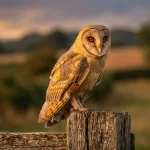
Despite their charming appearance, Barn Owls face particular challenges in winter due to their relatively poor insulation. They require additional energy to compensate for heat loss, which forces them to hunt more actively during colder months. Preferring to hunt at dusk and dawn, these owls are adept at navigating agricultural landscapes, where they primarily feed on rodents. Their distinctive heart-shaped face aids in locating prey from great distances, making them incredibly effective nocturnal hunters.
By observing these species-specific strategies, birdwatchers can better understand where to look and when to expect owl activity in winter. Adaptations like altered hunting times, camouflage, and resource utilization are just a few of the impressive ways owls meet the challenges posed by winter. Whether scanning the skies for a Great Horned Owl or quietly sitting in a snowy field awaiting the arrival of a Snowy Owl, the thrill of winter owl watching is a rewarding experience.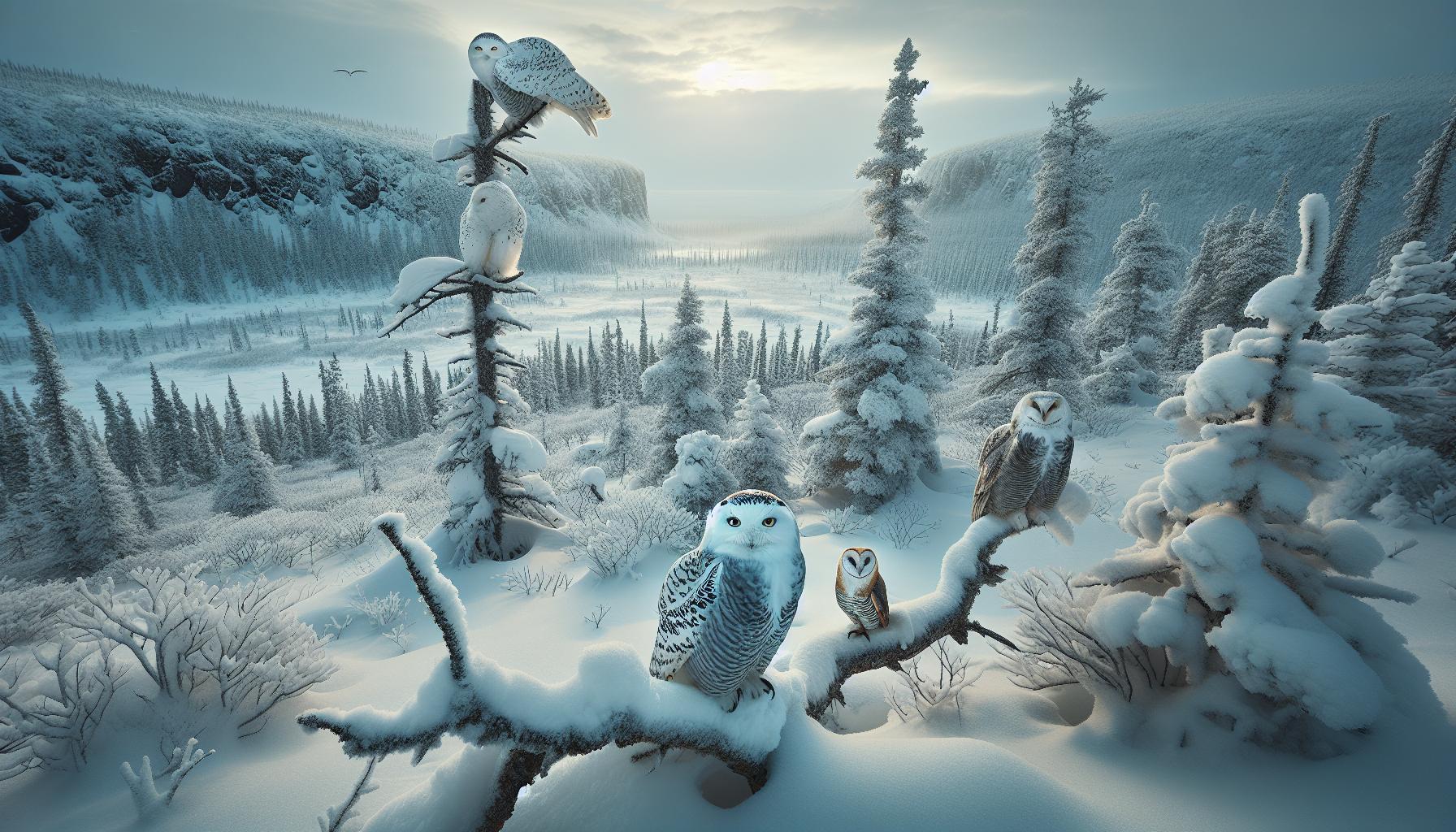
Top Winter Habitats for Different Owl Species
As winter blankets the landscape in snow and ice, owls employ savvy strategies to remain active and thrive in their respective habitats. Each species of owl has uniquely adapted to specific environments, making their winter scouting adventures a fascinating experience for both seasoned birdwatchers and newcomers. Whether you’re hoping to catch sight of a wise Great Horned Owl or a stealthy Barn Owl, understanding their preferred winter habitats is essential for a successful observation outing.
Great Horned Owl
The Great Horned Owl thrives in a variety of habitats, showcasing its adaptability. During winter, they often take residence in deciduous and mixed forests, but they can also hunt in open fields and urban areas. Look for them perched on large trees or in structures like barns, where they can scan for prey. Their ability to camouflage in the winter landscape combined with a keen sense of hearing makes them formidable hunters, preying primarily on rabbits and rodents that are more active during the cold months.
Barred Owl
In contrast, the Barred Owl prefers dense woodlands, especially in areas with abundant water sources. They are frequently found near swamps and marshes that not only provide food but also suitable nesting sites. These owls are skilled foragers and can often be heard vocalizing their distinctive calls in the still of winter nights. When searching for Barred Owls, it’s beneficial to look for them in areas with mature trees where they can hide in the foliage, enhancing your chances of an encounter.
Snowy Owl
The Snowy Owl is a striking species that inhabits the Arctic regions but migrates south during harsh winters in search of food. During this time, they can be spotted in open fields, coastal areas, and even farmland, where they perch on low structures, including fence posts and hay bales, to survey their surroundings. Their snow-white plumage provides perfect camouflage against the winter backdrop, making them an extraordinary sight. Birdwatchers should check locations with abundant small mammals, as these owls primarily hunt lemmings and voles.
Barn Owl
Barn Owls are often found in agricultural landscapes and open grasslands, adapting well to areas near human habitation. They favor old barns, silos, and abandoned structures for nesting, which provide them with excellent roosting opportunities. During winter, they are most active at dusk and dawn, using their exceptional hearing to locate prey in the darkness. Observing Barn Owls can be particularly rewarding as they glide silently over fields, making them one of the most captivating owls to watch during the winter months.
In summary, knowing where to find these majestic creatures during the winter can enhance your birdwatching experience. Each species has specific preferences that reflect their adaptations to survive the colder months, making the pursuit of owls not just a quest for observation, but also a thrilling exploration of their unique behaviors and environments. Whether you’re a seasoned birder or just starting, these habitats provide fantastic opportunities to witness the fascinating winter lives of owls.
Foraging and Hunting Techniques in Winter
During the cold winter months, owls exhibit remarkable foraging and hunting techniques that allow them to thrive despite the challenges of reduced prey availability and harsh conditions. Unlike many birds, owls do not hibernate; instead, they remain active, often modifying their hunting behaviors to adapt to seasonal changes. For birdwatchers keen to engage with these fascinating creatures, understanding their winter strategies can enhance the experience of observing them in their natural habitats.
Owls rely on their exceptional hearing and keen eyesight to locate prey, even in the dark of night. For instance, Great Horned Owls are particularly proficient hunters, often using their keen sense of hearing to detect the subtle sounds of movement in the underbrush. They may perch silently on high branches, scanning the ground for any sign of movement. This strategy is crucial during winter when various rodent populations, like voles and rabbits, become more visible against the stark white landscape, making them valuable targets.
Barn Owls exhibit fascinating foraging behaviors, mainly hunting at dusk and dawn. Their unique “heart-shaped” face functions like a satellite dish, funneling sound waves directly to their ears, which helps them detect prey hidden under snow or thick vegetation. They may hunt using a technique called “quartering,” where they glide low over fields, pausing intermittently to listen closely before swooping down to catch unsuspecting rodents.
Snowy Owls take a slightly different approach, often hunting during the day. These majestic birds of the Arctic migrate south in the winter months, searching for open fields, coastal areas, and farmland. Their white plumage provides excellent camouflage against the snow, allowing them to blend into the winter landscape while they patiently wait for small mammals like lemmings. Spotting a Snowy Owl perched on a fence post or telephone pole can be a breathtaking experience, as they survey the terrain for potential meals.
The adaptability of various owl species to their specific environments showcases their evolutionary advantages. As birdwatchers, we can enhance our chances of observing these stunning raptors by understanding their hunting methods. Be alert for their distinctive calls, and pay attention to their preferred habitats, whether it be thick woods for Barred Owls or open fields for Snowy and Barn Owls. This knowledge not only increases our potential for sighting these remarkable birds, but it also deepens our appreciation for their resilience and adaptability in wintertime survival.
How Cold Affects Owl Behavior and Physiology
The winter chill can create a stark and challenging environment for owls, yet these magnificent birds have evolved remarkable physiological and behavioral adaptations to thrive despite the cold. One compelling aspect of their resilience lies in how their bodies respond to lower temperatures. For instance, owls possess a unique structure in their feathers that helps insulate them against freezing temperatures. The down feathers close to their bodies trap heat, providing excellent insulation, while the outer flight feathers are designed to repel moisture and wind, allowing them to remain active even in harsh conditions.
Moreover, owls exhibit fascinating behavioral changes in response to the cold. They often alter their hunting patterns and chosen locations to optimize their successful prey captures. Cold temperatures can push rodents into more visible locations, as they venture out for food. This change offers owls an advantage; for example, Great Horned Owls may adjust their hunting times to take advantage of heightened activity levels in their prey during warmer periods of the day. Observing an owl’s hunting behavior during winter can be particularly exciting, as they might switch between traditional nocturnal activity and more diurnal behavior, depending on their specific habitat and prey availability.
In addition to adapting their hunting strategies, owls also engage in techniques such as basking and minimizing movement to conserve energy. When the sun is out, you might spot an owl perched in a sunny spot, closing its eyes and fluffing its feathers to absorb warmth. Conversely, during particularly frigid nights, they may reduce their activity levels, becoming less vocal and more reclusive, helping them manage energy expenditure.
Understanding these adaptations is essential for birdwatchers and nature enthusiasts. Not only does it enrich your experience of observing owls in winter, but it also highlights the incredible resilience of these birds in facing environmental challenges. So, bundle up, head out into the cold, and keep a keen eye out for these extraordinary creatures as they showcase their winter survival strategies amidst the frost.
The Role of Owl Feathers in Winter Survival
The design of owl feathers is a marvel of evolution, skillfully engineered to provide superior insulation during winter’s harshest conditions. These birds are unlike many others; they cannot hibernate. Instead, they rely on their remarkable plumage to combat freezing temperatures. The feathers of owls are composed of several layers, including a fine down layer close to their skin that effectively traps heat. This layer is crucial for maintaining their body temperature, making it significantly warmer than the surrounding environment.
Owls also sport unique outer feathers that serve a dual purpose. The broad, soft edges of these feathers help to muffle sound, enabling silent flight that is critical for stalking prey. On a chilly winter evening, this silent approach allows owls to hunt effectively, as they glide effortlessly through the frigid air without alerting their potential meals. The outer feathers repel moisture and wind, further protecting these birds from the elements.
In addition to insulation and stealth, owls use their feathers to engage in behavioral thermoregulation. When temperatures drop, they can fluff up their feathers to trap more air for insulation. Conversely, during warmer spells, they may flatten their plumage to release excess heat. This adaptability not only helps them stay warm but also assists in energy conservation, essential for survival when food sources are scarce.
Understanding the role of feathers in an owl’s survival strategy is key for birdwatchers and enthusiasts alike. Observing how owls manage their feathers in different conditions can provide insights into their health and behavior. Whether you’re spotting them in a snowy landscape or a wooded area, pay attention to their feather arrangement and activity levels; these subtle cues reveal the secrets to their winter survival.
Owls in Urban Environments During Winter
In cities where concrete jungles stand tall, owls have shown an astonishing ability to adapt, thriving in urban environments during winter. Far from the traditional image of owls residing solely in remote woodlands, these resilient birds can often be spotted in city parks, around tall buildings, and even perched on telephone poles. Their adaptability offers a unique opportunity for birdwatchers and urban dwellers alike to observe these incredible animals close to home.
Behavioral Adaptations
Owls in urban settings exhibit distinct behaviors that enhance their survival. For instance, the Great Horned Owl, a common urban dweller, often utilizes buildings and bridges as nesting sites, offering both shelter from the elements and protection from potential predators. Their hunting techniques also change; many urban owls have become adept at scavenging food sources, taking advantage of plentiful rodents and other wildlife attracted to human habitation. Late-night scavenging opportunities are abundant as city lights attract small mammals, creating ideal hunting scenarios.
Identifying Urban Owls
Finding owls in urban areas can be rewarding, yet it requires a keen eye and knowledge of their preferred habitats. Look for areas where trees stand tall amidst the urban sprawl-they often prefer these perches for hunting and nesting. Listening for their characteristic calls is another effective strategy; the deep hoots of a Barred Owl echo during the night and can guide avid birdwatchers to their roost sites.
Engagement with Local Communities
Conservation efforts focused on fostering environments suitable for owls can greatly impact their populations in urban areas. Community initiatives, such as creating green spaces, preserving old trees, and limiting pesticide use, can encourage owl populations to thrive. Birdwatchers can play a crucial role by documenting sightings and reporting them to local wildlife organizations, aiding in efforts to understand the distribution and health of urban owl populations.
By recognizing the winter habits of these fascinating creatures, city dwellers can promote coexistence and appreciation for the remarkable adaptability of owls. Whether you’re a novice birdwatcher or a seasoned enthusiast, taking the time to observe owls in your own neighborhood can lead to delightful discoveries and a deeper understanding of wildlife in urban landscapes.
Unique Social Structures of Owls in Winter
In the chill of winter, the dynamics of owl social structures reveal fascinating adaptations that enhance their survival. Unlike many bird species that are highly sociable, owls often exhibit solitary behaviors, especially during the colder months. However, certain owl species demonstrate unique social structures that enable them to thrive despite the harsh conditions.
For instance, Great Horned Owls often form mating pairs that can remain together through winter, sharing hunting responsibilities and rearing young. These pairs establish and defend territories that ensure a consistent food supply. This territoriality not only provides protection from competitors but also creates a reliable environment for fledglings once they are hatched. The bond between male and female during this time is crucial as they collaborate in hunting, often utilizing different strategies to maximize their success against prey.
While many owls are solitary, some, like the Barn Owl, display fascinating behaviors when it comes to roosting. These owls can often be found nesting or roosting in communal groups during the winter. This social behavior likely serves as a form of protection against predators and reduces individual energy expenditure. They may share nesting sites, allowing them to conserve heat and increase their chances of survival in a chilly environment. This phenomenon emphasizes the adaptability of owls, as they modify their social structures to enhance survival in the face of the cold.
Additionally, the social bonding seen in winter often extends beyond mating pairs. Young owls, especially those that have fledged but have not yet dispersed, may remain close to their parents. This dependence can be strategic, as juveniles benefit from the knowledge and hunting prowess of adult owls while learning the skills necessary for independent survival. As they hone their abilities in a safe environment, they prepare to venture out and establish their territories in the spring.
Each winter, these unique social behaviors showcase the resilience and adaptability of owls, making them a captivating subject for both birdwatchers and researchers. Watching them navigate their social structures can be both an incredible experience and a learning opportunity, revealing insights into the survival strategies of these extraordinary creatures.
Conservation Challenges for Owls in Cold Months
During the harsh winter months, owls face numerous conservation challenges that can significantly impact their survival rates. Unlike other species that might migrate or enter a state of hibernation, owls remain active throughout the cold season, relying on their adaptations and habitats to endure. However, environmental changes and human activities pose serious threats to these magnificent birds, necessitating our attention and action.
One of the most pressing issues is habitat loss due to urban expansion, logging, and agricultural development. As forests and grasslands are converted into residential areas and farms, the available nesting sites and hunting grounds for owls become increasingly scarce. Certain species, such as the Burrowing Owl, are particularly vulnerable, as they depend on specific grassland habitats that are diminishing in quality and size. Conservation efforts must focus on protecting these vital habitats and restoring areas that have been lost to development.
Additionally, severe weather events, driven by climate change, can further exacerbate conditions for owls. Extreme cold snaps and heavy snowfall can deplete prey populations, making it challenging for owls to hunt efficiently. This is where citizen science can play a pivotal role. Enthusiast birdwatchers can assist by monitoring local owl populations and reporting sightings, which can help researchers understand their distribution and behavior changes in response to weather conditions. Moreover, creating backyard habitats with native plants can provide supplemental food sources and shelter for these birds, especially during particularly harsh winters.
Another significant conservation challenge arises from the accidents caused by human infrastructure. Many owl species are at risk of collisions with vehicles, particularly as they hunt close to roadways or when they are moving between hunting grounds. Implementing awareness campaigns in areas frequented by owls can help reduce these incidents. Additionally, installing wildlife crossings and signage can further minimize risks, allowing owls to navigate their environment safely.
As winter approaches, it’s not just the survival of these incredible birds that hangs in the balance but also the rich ecological benefits they provide as predators. By understanding the challenges they face and participating in conservation efforts, we can support owl populations as they navigate the cold months, ensuring they continue to thrive in our ecosystems.
Tips for Birdwatching: Spotting Winter Owls
Spotting owls during the winter can be both a thrilling and rewarding experience, as these magnificent creatures take on the crisp air with their unique adaptations and behaviors. With careful planning and the right techniques, anyone can increase their chances of observing these enigmatic nocturnal birds. To maximize your owl-watching experience, it’s essential to know where to look, when to go, and how to approach these skilled hunters without causing them distress.
Optimal Locations for Owl Watching
Owls tend to favor specific habitats, making certain areas prime spots for birdwatching. Some of the best places to search for winter owls include:
- Forested Areas: Look for owls in dense woods or along the edges of forests where they can find cover and abundant prey.
- Open Fields: Species such as the Barn Owl and Short-eared Owl are often found in open fields and grasslands hunting for rodents.
- Near Water Sources: Wetland areas are attractive to some owl species like the Great Horned Owl, especially in regions with abundant prey.
- Urban Areas: Surprisingly, many owls adapt to city life. Look in parks, large gardens, or near schoolyards that provide ample hunting grounds.
The Best Times to Observe Owls
Owls are primarily nocturnal, so plan your outings during twilight or the hours after sunset when owls become more active. Early mornings right before dawn can also be rewarding, especially in areas where owls roost or hunt during the last light of the night. Understanding the specific behaviors of local species can further enhance your chances. For instance, the Barred Owl often calls out during the evening, giving away its position if you listen carefully.
Techniques for Successful Owl Watching
Once you’ve chosen your location and time, consider these techniques to increase your chances of spotting owls:
- Use Binoculars: A good pair of binoculars allows you to observe these birds without disturbing them. Look for fields of view that show trees, ledges, or nesting sites where owls are likely to perch.
- Move Quietly: Owls have excellent hearing and can be easily startled. Walk slowly and quietly, being mindful of twigs and leaves underfoot.
- Listen for Calls: Knowing the hoots or calls of different owl species can guide you to their location. Carry a field guide or have apps handy that feature audio of owl calls for reference.
- Be Patient: Finding owls can take time. Spend several hours in your chosen spot, allowing the environment to quiet down. Sometimes, you might even catch subtle movements of these birds as they become active.
By utilizing these strategies and leaning into the unique behaviors of owls in winter, birdwatchers can create memorable experiences and contribute to the conservation efforts essential for these remarkable creatures. Every owl sighting is a testament to the resilience and adaptability of these extraordinary birds, reminding us of the wonders of nature right outside our windows.
FAQ
Q: Do owls migrate during winter or stay in the same area?
A: Many owl species do not migrate and remain in their territories year-round. However, some, like the Snowy Owl, may migrate southward when food is scarce. They adapt their hunting strategies and can travel significant distances in search of prey [2].
Q: How do owls find food in winter?
A: Owls rely on heightened senses to locate prey beneath snow or in dense foliage during winter. They often hunt at dawn or dusk to capitalize on their exceptional night vision and hearing, and their feather structure aids in silent flight [3].
Q: What are the winter survival strategies of different owl species?
A: Various owl species employ unique strategies, such as the Boreal Owl, which lowers its body temperature to conserve energy, while others like Barn Owls store more fat and require increased food intake to combat cold [1].
Q: Why don’t owls hibernate like some other animals?
A: Owls are adapted to maintain activity year-round, relying on their hunting skills rather than hibernation. Their physiological adaptations enable them to survive harsh conditions by utilizing energy-efficient hunting methods and remaining active in their environments [3].
Q: What impact does extreme cold have on owl behavior?
A: Extreme cold can affect owls by reducing their hunting efficiency and necessitating increased food intake. They often employ strategies like changing their hunting times and locations to optimize foraging efforts, adjusting to the scarcity of prey during winter [3].
Q: How do owl feathers help them survive in winter?
A: Owl feathers are specially adapted for insulation and silent flight. Special down feathers trap heat, while the outer feathers provide waterproofing, allowing owls to maintain body temperature despite cold conditions [2].
Q: Where do owls typically roost in winter?
A: In winter, owls often roost in sheltered areas like dense trees, barns, or even attics where they can find protection from the elements. These locations provide a strategic advantage for observing prey and staying warm [2].
Q: Can urban environments affect owl winter survival?
A: Yes, urban environments can either aid or hinder owl winter survival. Some species adapt well, finding new hunting grounds and roosting sites, while others may struggle due to habitat fragmentation and reduced prey availability. Assessing urban landscapes can enhance birdwatching opportunities during winter [3].
Final Thoughts
As we explore the fascinating world of owls and their winter survival strategies, it’s clear that these incredible birds have adapted in remarkable ways. Remember, while owls do not hibernate, they employ unique methods to endure the cold. Are you curious about more bird behaviors or perhaps looking to enhance your birdwatching skills? Check out our in-depth guides on owl identification and winter bird care.
Don’t miss out on the chance to deepen your understanding of these nocturnal wonders! Sign up for our newsletter for the latest insights and tips directly to your inbox, or dive into our resource hub for even more engaging content about birds and their habits. We value your thoughts-share your experiences with owls in the comments below, and help us grow this community of passionate bird enthusiasts. Your journey into the captivating realm of avian life doesn’t have to end here; let’s explore together!
Get our latest guides, news, and insights highlighted in your Google Search & AI Overviews.