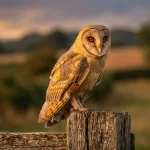
Imagine wandering through a lush forest, where the striking contrast of black-and-white plumage catches your eye-a Black-and-White Owl! Known for its distinctive coloration and captivating presence, this species is not only a visual marvel but also a vital part of its ecosystem. Recognized by its dark back and patterned breast, the Black-and-White Owl thrives in dense forests, showcasing behavior that intrigues both novice birders and seasoned ornithologists. Understanding its habits and habitat can deepen your appreciation for these majestic creatures and the environments they inhabit. Join us as we explore the fascinating world of the Black-and-White Owl, unraveling its unique traits, and offering insights that spark curiosity and enrich your birdwatching experience.
Black-and-White Owl: Unique Characteristics and Identification
The Black-and-White Owl is a visual spectacle in the avian world, captivating bird enthusiasts and casual observers alike with its striking plumage. This medium-sized owl, scientifically known as Strix nigrolineata, showcases a remarkable contrast of bold black and white colors, making it one of the most recognizable owls in its habitat. The owl’s body is predominantly white underneath, characterized by dense blackish barring across its breast and belly. Its face is framed by a black mask, accentuated by a pair of vibrant yellow eyes that lend it an inquisitive appearance, while a bright yellow beak and feet add to its distinctive color palette.
Identifying the Black-and-White Owl extends beyond its striking look; its unique behaviors and habitat preferences are equally telling. This owl thrives in various forested regions throughout Central and South America, favoring areas rich in dense canopy cover where it can blend seamlessly into its surroundings. Its rounded head, absent of ear tufts, and large size further distinguish it from other species, making it crucial for bird watchers to observe these features closely. Moreover, the Black-and-White Owl’s nocturnal lifestyle means that it’s often most active during twilight hours when it begins its hunt, utilizing its exceptional night vision to navigate the dark.
When it comes to spotting these magnificent birds in the wild, keen listeners will be rewarded, as the Black-and-White Owl is known for its distinctive calls, which can include a series of resonant hoots. Each call carries through the forest, and recognizing it can enhance your chances of locating this elusive species. For those looking to deepen their connection with nature, understanding the nuances of identification not only adds to the excitement of birdwatching but also fosters a greater appreciation for the diverse ecosystems these owls inhabit.
Habitat Preferences of the Black-and-White Owl
These remarkable owls are highly selective about their habitats, primarily thriving in primary and secondary forests across Central and South America. They prefer areas with dense canopies, as the thick foliage provides ideal nesting sites and ample cover for hunting. These owls are often found in lowland tropical rainforests, where the rich biodiversity offers a plethora of prey options. They enjoy habitats with near-complete darkness at ground level, which protects them from predators and aids their nocturnal hunting activities.
During the day, the Black-and-White Owl typically roosts high in trees, camouflaged by the intricate patterns of its plumage. This clever adaptation allows it to blend effortlessly into its surroundings, making it less visible to potential threats. Interestingly, while they prefer secluded forests, these owls can also be observed in more open landscapes, like clearings and edges of forests, particularly when hunting at dusk or dawn. Their versatility in habitat selection showcases their adaptability to different ecological conditions.
For birdwatchers keen to spot the Black-and-White Owl, knowing when and where to look is crucial. They are most active during twilight, when they emerge from their roosts to hunt. Listening for their unique calls can also be beneficial; their varied hooting sequences echo through the forest and can help pinpoint their location. Engaging in night hikes or early morning excursions in forested areas increases your chances of good sightings, especially in regions where their populations are stable.
Diet and Hunting Techniques of the Black-and-White Owl
The Black-and-White Owl, known for its striking plumage, employs a fascinating array of hunting techniques that exemplify its adaptations to forest life. This owl exhibits a flexible diet primarily consisting of small mammals, birds, and insects. It is especially skilled at hunting at night, when its large, forward-facing eyes allow for excellent night vision. One captivating aspect of their hunting style is the combination of stealth and precision. When night falls, the Black-and-White Owl emerges and typically perches on higher branches, surveying the ground below for movement. This vantage point enhances its ability to spot potential prey amidst the dense underbrush of its forest habitat.
When hunting, it often employs a unique strategy: instead of swooping down directly on its target, the Black-and-White Owl will wait patiently for the perfect moment to strike, allowing it to leverage both camouflage and surprise. These owls are also known to hunt from a stealthy perch, using their keen hearing to detect prey sounds, such as rustling leaves or the soft scurrying of rodents. They can often be seen pursuing bats under streetlights, showcasing their adaptability to different environments while hunting. This behavioral versatility is one of the many reasons why the Black-and-White Owl is a master predator in its ecosystem.
In terms of dietary composition, these owls also exhibit remarkable flexibility. Their hunting techniques are not limited by a specific prey type, allowing them to adapt to seasonal changes in food availability. This adaptability is crucial in regions where prey populations fluctuate due to environmental factors. For instance, during times when small mammal populations are low, the Black-and-White Owl might increase its consumption of insects or birds, utilizing its varied diet to thrive in diverse conditions.
As a birdwatcher, understanding the Black-and-White Owl’s diet and hunting methods can significantly enhance your chances of spotting these elusive creatures in the wild. Consider visiting habitats during twilight hours when these owls are most active and listening for their varied hooting calls. With patience and a keen eye, the enchanting experience of witnessing their enigmatic hunting prowess can become a memorable highlight of your birdwatching adventures.
Breeding and Nesting Behavior Explained
Breeding season brings out the most fascinating aspects of the Black-and-White Owl’s life, as these birds demonstrate unique nesting habits that align closely with their natural behaviors and habitats. Typically, these owls breed during the wetter months of the year when food availability is at its peak, ensuring they can feed their young effectively. A striking aspect of their breeding behavior is their choice of nesting sites; unlike many other species of owls that might prefer tree hollows, the Black-and-White Owl often nests in abandoned tree cavities or the dense foliage of large trees. This strategic choice not only provides protection from potential predators but also blends them seamlessly into their environment.
Once a pair has established a nesting site, the female will lay a clutch of 1 to 3 eggs. Both parents are involved in the incubation process, which typically lasts around 30 days. During this time, the male takes on the responsibility of hunting and bringing food back to the female to ensure she remains nourished. Once the chicks hatch, they are altricial, meaning they are born relatively helpless and require substantial parental care. The parents ardently care for their young, feeding them a diet of small mammals and insects, which helps facilitate rapid growth.
As the chicks develop, they begin to explore their surroundings while remaining dependent on their parents for food and protection. This period of parental care can last up to three months, during which the young owls learn essential skills for survival, including hunting techniques. Eventually, the fledglings will leave the nest, although they often remain close to their parents as they refine their abilities in the wild. Observing these owls during breeding season provides a rare glimpse into their nurturing behaviors, showcasing their dedication to raising the next generation in the lush, protective settings of their forest habitats.
If you’re interested in observing the fascinating nesting behaviors of the Black-and-White Owl, I recommend visiting forested areas during early evening hours in the breeding season. Use binoculars to discreetly watch for nesting activities without disturbing the owls. Patience and quiet observation can reward you with the extraordinary sight of these majestic creatures caring for their young, adding depth to your birdwatching experience and appreciation for their life cycle.
The Role of the Black-and-White Owl in Ecosystems
The Black-and-White Owl plays a vital role in maintaining the health and balance of forest ecosystems. These owls, known for their striking plumage and stealthy hunting techniques, serve as both predators and prey, contributing to biodiversity in their habitats. As predators, they help regulate populations of small mammals and insects. This natural pest control can prevent overpopulation, which might otherwise lead to habitat degradation and an imbalance in the ecosystem. By hunting species such as rodents and insects, these owls ensure that populations remain within sustainable limits, thereby promoting healthier vegetation and soil quality.
Additionally, the Black-and-White Owl influences its environment through its nesting behavior. By choosing dense foliage and tree cavities for nesting, these owls inadvertently provide safe habitats for other species. Abandoned nests can become homes for various creatures, and the owl’s hunting behavior can affect the movements and behaviors of other fauna in the area. Their presence indicates a healthy ecosystem, as these owls require sufficient prey and suitable nesting sites. Observing these majestic birds can be an enriching experience, particularly in prime habitats such as tropical and subtropical forests where they thrive.
To engage with the role of the Black-and-White Owl in its ecosystem, consider participating in local conservation efforts. Community initiatives often include habitat restoration and awareness programs that highlight the importance of owls and their role in nature. By supporting these efforts, you help protect not only the owls themselves but also the intricate web of life that depends on healthy forests. Whether you’re a novice birdwatcher or an experienced naturalist, understanding these dynamics deepens your appreciation for the ecological contributions of the Black-and-White Owl and the delicate balance inherent in forest ecosystems.
Conservation Status and Threats Facing the Black-and-White Owl
In the lush canopies and dense foliage where the Black-and-White Owl thrives, its striking presence serves as both a beacon of beauty and a warning of the environmental challenges it faces. This captivating species, known for its distinctive plumage and stealthy hunting prowess, is under increasing threat from habitat destruction and climate change. As forests are cleared for agriculture and urban development, the owls’ vital nesting sites are diminishing, pushing them closer to the brink. Protecting their habitats is not merely an environmental concern; it is a crucial step toward safeguarding the biodiversity of these unique ecosystems.
One of the most significant threats to the Black-and-White Owl is habitat loss. The conversion of forests into agricultural land, logging, and urban sprawl has severely restricted the owl’s range and breeding opportunities. Additionally, pollution and the use of pesticides can diminish prey availability and affect the health of the owls. With their reliance on specific types of trees for nesting and hunting, the fragmentation of their habitats leads to isolation of populations, which can threaten their genetic diversity and overall health.
Conservation Efforts
To combat these challenges, a range of conservation efforts is essential. Community-based initiatives focused on reforestation and sustainable land-use practices are key in restoring the habitats that the Black-and-White Owl needs to thrive. Local governments and environmental organizations often work together to create protected areas where deforestation is prohibited and ecosystems can recover. Public education and involvement in these initiatives can further bolster conservation efforts, inspiring a new generation of bird advocates.
How You Can Help
As individuals, we can also contribute to the conservation of the Black-and-White Owl. Here are some actionable ways to make a difference:
- Support Conservation Organizations: Donate to or volunteer with organizations that focus on owl and habitat conservation.
- Participate in Citizen Science: Engage in local birdwatching groups or citizen science projects that monitor owl populations.
- Practice Responsible Gardening: Use native plants and avoid pesticides to create safe habitats for local wildlife, including owls.
- Raise Awareness: Educate your community about the importance of owls and the challenges they face.
By actively engaging in these conservation efforts, we can help ensure that the Black-and-White Owl continues to enchant future generations with its striking appearance and vital role in forest ecosystems. Each action contributes to a larger collective effort to protect biodiversity and maintain the ecological balance necessary for these magnificent birds.
How to Attract Black-and-White Owls to Your Garden
Creating a haven in your garden for the Black-and-White Owl can be a rewarding experience that connects you with these beautiful birds. Known for their stunning black and white plumage and distinctive calls, these owls can be attracted with thoughtful landscaping and habitat management. To invite these striking raptors into your outdoor space, consider providing the essential components they need for nesting and hunting.
Start by cultivating a selection of native trees and shrubs that are known to provide suitable nesting sites. Black-and-White Owls prefer mature trees with large cavities, so planting species such as oaks, pines, and maples can offer ideal locations for them to roost and breed. Additionally, ensuring a variety of plant heights and densities can create cover for their prey, typically consisting of small mammals and insects, which they hunt from a perch.
Incorporating open areas within your garden can also mimic the natural structure of their forest habitats. Allowing some parts of your yard to remain wild, with low shrubs and ground cover, can enhance hunting conditions by drawing in small mammals. If you can, create a small pond or water feature; owls are often attracted to environments where they can find diverse wildlife. Lastly, be mindful of pesticide use, as these chemicals can harm not only the owls but also their food sources.
To maximize success, consider setting up nesting boxes that mimic the natural cavities they seek. Position these boxes high in trees, ideally in secluded areas, away from heavy human activity. Make sure to offer sturdy perches nearby; these can be simple tree branches or posts that provide the owls a vantage point to survey their territory. Engaging with local birdwatching groups can also provide insights and resources on attracting owls effectively, turning your garden into a sanctuary for these magnificent birds.
By implementing these practices, you can create an inviting environment for Black-and-White Owls while also enriching your garden’s biodiversity. Taking steps to support these incredible birds reflects your commitment to wildlife conservation and can lead to wonderful encounters with one of nature’s most fascinating creatures.
Cultural Significance and Folklore Surrounding Owls
Owls, including the striking Black-and-White Owl, have captivated human imagination for centuries, symbolizing wisdom, mystery, and sometimes even bad omens. These nocturnal raptors, with their impressive plumage and haunting calls, feature prominently in the folklore of various cultures around the world. For instance, in many Indigenous cultures of the Americas, owls are seen as guardians of the night and are often associated with the spiritual realm. Observers of the Black-and-White Owl in the wild may be struck not only by its beauty but also by the aura of wisdom that surrounds such majestic creatures.
This owl’s distinctive coloration has inspired artists and storytellers alike. In literature, owls often embody knowledge and learning; the Black-and-White Owl is no exception. Its unique appearance lends itself to tales of enchantment and magic, inviting comparisons to mythical creatures that dwell in shadowy forests. Interestingly, in some African cultures, owls are believed to possess the ability to communicate with the dead, which can create a duality in their symbolism-both revered and feared.
In addition to its symbolic significance, the Black-and-White Owl’s role in ecosystems also reflects deeply cultural beliefs about nature and conservation. As essential predators, these owls help regulate rodent populations, contributing to the health of their habitats. This interconnectedness often prompts community interest in conservation efforts, reminding us of the responsibility we hold to protect these fascinating creatures. Educational programs and nature walks centered around owl habitats can enrich local culture and bridge the gap between wildlife and community awareness.
To connect more personally, consider integrating elements of owl symbolism into your gardening endeavors. By incorporating native plants that attract owls and engaging in local educational activities, you can appreciate the cultural significance of these birds on a deeper level while supporting wildlife conservation. Ultimately, understanding the Black-and-White Owl’s place in folklore not only enhances our knowledge but fosters a greater appreciation for the rich tapestry of life surrounding us.
Comparing the Black-and-White Owl to Similar Species
The Black-and-White Owl stands out not only for its striking appearance but also for its distinct behaviors and habitat preferences, making it an intriguing subject for comparison with similar species of owls. Among its closest relatives is the Tawny Owl (Strix aluco), known for its varied brownish-gray plumage. While both species share a similar size and body shape, the Tawny Owl often blends into its woodland surroundings thanks to its camouflaged feathers, which contrasts sharply with the bold black-and-white pattern of the Black-and-White Owl. This adaptation assists the Tawny Owl in hunting during the day and roosting in diverse environments, whereas the Black-and-White Owl primarily prefers dense forests and open areas for hunting at night.
Another species worth considering is the Spotted Owl (Strix occidentalis). Though similar in name and family, the Spotted Owl is characterized by its rounder body and distinctive white spots across its brown feathers, providing excellent camouflage in its natural habitat of old-growth forests. Unlike the primarily black-and-white coloration of the Black-and-White Owl, the Spotted Owl’s mottled appearance highlights its adaptability to various forest environments. This similarity in forest-dwelling habits opens a dialogue about how different plumage patterns influence an owl’s hunting techniques and overall survival strategies.
In terms of vocalization, the Black-and-White Owl showcases a range of varied hooting calls, often punctuated by emphatic notes, which can be quite different from the more mellow and monotonal hooting of both the Tawny and Spotted Owls. This difference in sound not only serves a functional purpose in communication and territory establishment but also enhances the auditory experience for birdwatchers trying to identify these owls in the wild.
For those looking to deepen their understanding and appreciation of the Black-and-White Owl, comparing it with other similar species provides valuable insights into the incredible adaptability and diversity within the owl family. Engaging in local birdwatching events can also enhance your experience as you listen for these unique calls and become familiar with the behaviors that set these owls apart from one another.
Engaging with Owl Watching: Tips for Beginners
If you’re captivated by the striking beauty of the Black-and-White Owl, you’re not alone. Watching these magnificent creatures in their natural habitat can be an exhilarating experience. Whether you’re a novice bird watcher or seeking to refine your skills, there are several tips and techniques that can enhance your owl watching adventures.
To spot a Black-and-White Owl, timing is critical. These owls are primarily nocturnal, so planning your outings for dusk or dawn will yield the best results. Start by visiting wooded areas or forest edges, as they prefer these habitats for roosting during the day. Bring along binoculars to get a closer view of their beautiful plumage, characterized by bold black-and-white patterns. Remember to stay quiet and move slowly to avoid startling the owls. If you’re near urban areas, consider looking around streetlights at night, where they may be hunting insects or even bats, lending a unique twist to your experience.
Listening is just as important as watching; the Black-and-White Owl’s distinct hooting calls can guide you to their location. Familiarize yourself with the varied patterns of their calls, which often conclude with a sharp, emphatic note. Recording or repeating their sounds can help you identify other distinguishing calls from similar species. Additionally, joining local birdwatching groups can provide support and access to expert guidance, enriching your understanding of owl behaviors and the ecosystems they inhabit.
By immersing yourself in the enchanting world of owl watching, you’ll not only enhance your experience but also contribute to the appreciation and conservation of these incredible birds. Each encounter is unique, offering a glimpse into their lives and the delicate balance of their habitats. Happy birding!
The Fascinating Sounds of the Black-and-White Owl
Hearing the haunting hoots of the Black-and-White Owl in the stillness of a forest is a captivating experience that enriches the magic of night-time birdwatching. These owls possess a diverse range of vocalizations, making them not only thrilling to observe but also to listen to. Their distinct calls can serve as auditory guides, leading you closer to where they roost or hunt. The variety in their calls often showcases a sequence of hoots that vary in pitch and rhythm, frequently culminating in a sharp, emphatic note that can linger in the night air.
Understanding Their Calls
Each Black-and-White Owl has a unique vocal signature, which is essential for establishing territory and communication, especially during mating seasons. Here are some notable characteristics of their calls:
- Hooting Patterns: Their calls typically consist of a series of hoots, with variations in tone that can indicate different meanings, such as signaling alarm or attracting a mate.
- Hollow Quality: The hoots may have a resonant, hollow sound that travels well through their forest habitats, making it easier for other owls to respond or locate each other.
- Infrequent but Distinct: Compared to more vocal species, Black-and-White Owls may call less frequently, making each vocalization significant in its context.
Listening closely can enhance your experience while owl watching. I recommend familiarizing yourself with their sounds beforehand, possibly using recordings available online or through local wildlife resources. As you explore their habitats, consider trying to replicate their calls softly; this can sometimes elicit a response, allowing you to pinpoint their location more effectively.
Spotting and Identifying
Not only orchestral in their haunting calls, the Black-and-White Owl’s striking plumage provides a beautiful backdrop as they move through the trees. Their black-and-white feathers help camouflage them against the bark, but their calls are what truly bring these vibrant beings to life in the quiet of the night. The ability to discern their calls and associate them with sightings increases your chance of observing these fantastic creatures, transforming a simple outing into an enriching adventure in nature.
By immersing yourself in the auditory world of the Black-and-White Owl, you open up new dimensions of understanding and appreciation for their role in the ecosystem, creating memorable experiences that combine both sight and sound in your birdwatching endeavors.
Faq
Q: What is the significance of the Black-and-White Owl’s plumage?
A: The Black-and-White Owl’s striking plumage serves multiple purposes, including camouflage and communication. Its bold patterns help it blend into the dappled light of the forest, aiding in both hunting and evasion from predators. This unique coloration is especially effective for nocturnal activity, enhancing its hunting success.
Q: Where can you find the Black-and-White Owl in the wild?
A: The Black-and-White Owl primarily inhabits dense, mature forests and woodlands across Central and South America. They prefer humid environments with plenty of vegetation, which provide ample nesting sites and hunting grounds. Observing them may require exploring less disturbed areas of their habitat.
Q: What are the main threats to the Black-and-White Owl population?
A: The primary threats to the Black-and-White Owl include habitat destruction due to deforestation and urbanization, as well as hunting and wildlife trade. Conservation efforts focus on preserving their natural habitats and reducing human impact to help ensure the species’ survival.
Q: How does the Black-and-White Owl adapt to its forest habitat?
A: The Black-and-White Owl has adapted to its forest habitat through its nocturnal lifestyle, auditory hunting techniques, and specialized diet. Its silent flight allows it to sneak up on prey, while its excellent hearing enables it to detect sounds in the dense undergrowth, making it an effective predator in the shadows.
Q: What role does the Black-and-White Owl play in its ecosystem?
A: As a top predator, the Black-and-White Owl helps maintain balance in its ecosystem by controlling prey populations, such as small mammals and insects. This predatory role contributes to the overall health of their forest habitats, fostering biodiversity and stability within the ecosystem.
Q: Can Black-and-White Owls be kept in captivity?
A: Yes, Black-and-White Owls can be kept in captivity, but they require specific care, including a spacious environment, proper diet, and mental stimulation. Regulations about keeping owls vary by region, so it is essential to check local laws and ensure proper care practices are followed for their welfare.
Q: How can I attract Black-and-White Owls to my backyard?
A: To attract Black-and-White Owls, provide a habitat that includes dense foliage for shelter, tall trees for nesting, and a water source. Additionally, minimizing noise and disturbances can help create a welcoming environment. Using owl calls and setting up owl boxes may further increase your chances of attracting these magnificent birds.
Q: What is the typical breeding behavior of Black-and-White Owls?
A: Black-and-White Owls typically breed during the dry season, nesting in tree cavities or old raptor nests. They engage in courtship displays and the male often brings food to the female. The female incubates the eggs, and both parents share the responsibility of feeding the chicks once they hatch.
Future Outlook
As we conclude our exploration of the fascinating Black-and-White Owl, remember that understanding their striking plumage and forest habitat enriches our appreciation of these majestic birds. If you’re captivated by their unique behaviors, be sure to check out our articles on “Birdwatching Basics” and “Creating a Bird-Friendly Garden” for tips and additional insights.
Don’t miss out on the chance to dive deeper-subscribe to our newsletter for exclusive content and updates on avian conservation efforts. Your voice matters; share your thoughts on your favorite owl sightings or your experiences in the wild below. Together, let’s nurture our passion for birds and ensure that these enchanting creatures flourish in their natural habitats. Every step you take in learning more brings us closer to preserving their world!
Get our latest guides, news, and insights highlighted in your Google Search & AI Overviews.