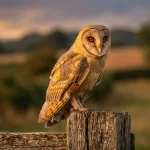
Did you know that approximately 70% of owl species are nocturnal, hunting under the cover of night? This fascinating trait raises important questions about their sleep patterns and activity cycles. Understanding whether owls are truly nocturnal can enhance your birdwatching experiences and inform your backyard wildlife habitat decisions. Whether you’re a seasoned birder or just beginning to explore the world of these captivating creatures, grasping their behavior opens a window into their mysterious lives. As we delve into the intricate sleep patterns and hunting strategies of owls, you’ll discover not only the science behind their behavior but also how these nocturnal hunters have adapted to thrive in darkness. Join us on this enlightening journey to uncover the secrets of owls and enrich your appreciation for these remarkable birds.
Understanding Owls: Are They Truly Nocturnal?
Owls are often associated with the night, evoking images of silent flights under a canopy of stars. However, the truth about whether they are truly nocturnal is more intricate. While many owl species are indeed active at night, their behavior can vary significantly depending on the species and environmental factors. For example, the Eastern Screech Owl is primarily nocturnal, hunting under the cover of darkness, while the Burrowing Owl may be active both during the day and at night, showing a unique flexibility in its habits.
Owls have adapted their hunting strategies and sleep patterns to thrive in their specific environments. Their exceptional night vision and acute hearing facilitate nocturnal activity, allowing them to locate prey effectively in low-light conditions. Nevertheless, some owls are crepuscular, meaning they are most active during dawn and dusk. This diverse range of activity underscores the idea that being nocturnal isn’t a one-size-fits-all description for these birds.
Understanding these differences highlights the importance of considering specific owl species when discussing their activity levels. Many owls exhibit pronounced seasonal changes in behavior as well, influenced by mating, food availability, and environmental conditions. Consequently, when trying to observe these fascinating birds, it’s crucial to research the particular species of interest to align your observations with their natural behaviors and peak activity times.
The Science Behind Owl Sleep Patterns

Owls, the enigmatic masters of the night, possess fascinating sleep patterns that highlight their adaptations to the natural world. Many species have evolved to be crepuscular or nocturnal, but this doesn’t mean they sleep the way many people might expect. Instead, their sleep habits are intricately linked to their hunting behaviors, environmental factors, and periods of activity. For instance, while some owls like the Barn Owl primarily hunt at night, they can have unique rest cycles that vary dramatically depending on the time of year and the availability of food.
Owls utilize a polyphasic sleep pattern, meaning they take short naps throughout the day and night rather than long, uninterrupted periods of sleep. This sleep strategy allows them to remain alert while also receiving the necessary rest to maintain high levels of energy for hunting and evading predators. During these naps, their brains enter a state of light sleep, which enables them to awaken quickly at the slightest disturbance. Understanding this behavior is crucial for owl enthusiasts observing these majestic birds in their natural habitat.
In addition to their sleep habits, the location and environment play significant roles in their rest. Owls typically prefer secluded roosting spots high up in trees or in other sheltered areas, where they can feel safe from potential threats. Here, they can balance their activity cycles with the demands of their environment. Factors such as urbanization and artificial light can disrupt these patterns, influencing when and how often they hunt and rest. For caregivers of pet owls, replicating a similar environment and routine can help maintain their natural sleep cycles, ensuring the birds remain healthy and content.
For those interested in observing owls, consider the following tips to maximize your experience:
- Time Your Observations: Focus on dusk and dawn when many owls are most active.
- Be Quiet: Use stealth and minimize noise to avoid scaring them away.
- Learn About Local Species: Research specific owls in your area to understand their behavior and habits better.
Understanding not only enhances our appreciation for these remarkable birds but also guides us in effective observation techniques and responsible care when managing their habitats.
Daily Activity Cycles: Owl Behavior Explained

Owls are remarkable nighttime hunters, but their daily activity cycles are far more complex than simply being categorized as nocturnal. While they are primarily active after sunset, their behaviors are influenced by various factors including species, environmental conditions, and seasonal changes, leading to a rich tapestry of routines that can vary significantly from one owl to another.
Most owls showcase a crepuscular nature, meaning they are most active during the twilight hours of dawn and dusk. For instance, the Eastern Screech Owl often begins its activity as daylight fades, taking advantage of the low light to hunt small mammals. Conversely, some species like the Barn Owl may actively forage throughout the nighttime hours, adjusting their hunting patterns based on prey availability and environmental influence.
Species-Specific Activity
Different species exhibit distinct daily activity cycles. For instance:
- The Great Horned Owl often begins its night with a short period of vocalization at dusk, marking its territory before starting to hunt.
- Barred Owls can occasionally be heard during the day, demonstrating a degree of flexibility in their habits. They may take longer naps throughout daylight hours if they have successfully hunted the previous night.
Influence of Environment
The environment plays a vital role in an owl’s daily rhythm. Urbanization has altered natural landscapes, impacting how and when owls hunt. For example, Barn Owls in urban settings may adapt by hunting more often in the evening when the noise pollution subsides. Additionally, artificial light can disrupt their natural cues for activity. Understanding these environmental influences not only enhances our observation experiences but also sheds light on how owls adapt to human encroachment.
Practical Tips for Observation
If you’re keen on observing owls in their natural habitat, consider these practical tips:
- Know Their Patterns: Research local owl species to observe their specific activity times.
- Seasonal Timing: Be aware that many owls increase their evening activity during breeding seasons, which can make them easier to spot.
- Patience and Stealth: Approach their habitats quietly and patiently during dusk or dawn to avoid startling these elusive birds.
Understanding these intricate daily activity cycles of owls not only enriches our appreciation for their adaptability but also allows us to engage more meaningfully with these incredible creatures in their natural environments. Whether you are a seasoned birder or a casual observer, recognizing the subtleties of owl behavior enhances every owl-watching experience.
Different Species, Different Routines: A Comparison

Owls are often celebrated for their enigmatic nighttime behavior, yet their activity patterns are not universally nocturnal. Instead, these incredible birds have adapted to a range of environmental conditions that shape their routines. For example, the Eastern Screech Owl typically comes alive as dusk sets in, taking advantage of low light to hunt for small mammals. In contrast, the Barn Owl varies its hunting schedule throughout the night, particularly when prey is abundant, demonstrating a flexible approach that allows it to maximize feeding opportunities.
When we delve deeper into specific species, we can uncover fascinating differences in their daily routines. The Great Horned Owl, a formidable predator, often starts its evening with vocalizations at twilight-an essential aspect of establishing territory. Conversely, the flexible Barred Owl might be active during the day on occasion, especially if it has had a successful night, adjusting its sleep patterns according to the availability of food.
Understanding these species-specific behaviors is not only intriguing but also enhances birdwatching experiences. When out in the field, knowing when and where to look for particular owls can significantly increase your chances of a sighting. For example, taking time to observe the habits of local owls can be beneficial. Tawny Owls, for instance, often hunt in areas with dense tree cover, making them more challenging to spot. In contrast, Snowy Owls, if found in regions like Ohio during winter migrations, are visible in open fields as they hunt for small rodents.
This diversity in owl activity is a compelling reminder of the complexity of these birds’ lives. By embracing the unique adjustments of each species, birders can cultivate a richer appreciation for their behaviors and habitats. This knowledge not only aids in spotting these magnificent creatures but also fosters a deeper connection with the intricate ecosystems they inhabit.
The Role of Light in Owl Activity Levels

The shift from daylight to dusk brings with it a myriad of transformations in the natural world, each more fascinating than the last. For owls, the dimming light serves as a powerful cue that signals the start of their active hours. While these birds are often labeled as nocturnal, the reality is that their activity levels are intricately linked to ambient light conditions. Understanding this relationship can enrich your observations and experiences when seeking these captivating creatures in the wild.
Owls possess a remarkable ability to see well in low-light conditions, thanks to their unique eye structure. Their large eyes contain a high number of rod cells, which are sensitive to low light, enabling them to hunt effectively at dawn and dusk. Interestingly, this heightened sensitivity to light means that many owls prefer to be most active during twilight-the transitional period between day and night-when shadows lengthen and their prey becomes more vulnerable. For instance, the Eastern Screech Owl capitalizes on the low light to stealthily hunt for small mammals, making it an ideal moment for enthusiasts to catch a glimpse of their activity.
Different species showcase varying responses to light. The Great Horned Owl, for example, often begins its evening with vocalizations as twilight settles, establishing territory while hinting at its readiness to hunt. In contrast, some owls, like the Barred Owl, may demonstrate a level of flexibility in their activity, sometimes venturing out during daylight if conditions allow. To optimize your owl-watching endeavors, it’s essential to be attuned to how light plays into their routines-observing these stunning birds within the context of their light-induced behaviors can vastly improve your chances of spotting them in action.
In addition to daily light cycles, seasonal changes also play a role in owl behavior. As daylight hours fluctuate with the changing seasons, so too do the activity levels of these magnificent raptors. In winter months when daylight is scarce, you might find them more consistently engaged in hunting as early as 4 PM. On the other hand, during longer summer days, their patterns may extend later into the night. By correlating your owl-watching schedules with these seasonal light dynamics, you not only increase your likelihood of an encounter but also gain deeper insights into their adaptive strategies.
Exploring the role of light in owl activity offers an engaging lens through which to observe these creatures. Learning about their behavioral patterns in relation to light not only enhances your birding experience but also fosters a greater appreciation for their intricate lives and the ecosystems they inhabit. So the next time dusk falls, take a moment to observe the world around you-chances are, nature’s owlish wonders are just beginning to awaken.
How Seasonal Changes Affect Owl Behavior
The transformation of seasons brings a fascinating shift in owl behavior that keen observers can appreciate and utilize for optimal viewing experiences. As winter gives way to spring, or summer fades into autumn, the activity patterns of these nocturnal raptors adapt to the changing environment in remarkable ways. The daylight hours and the corresponding quality of light not only dictate their hunting times but also influence their mating and nesting behaviors, offering birdwatchers a rich tapestry of activities to witness throughout the year.
During the winter months when daylight is minimal, owls tend to engage in hunting earlier in the evening-often as soon as the sun dips below the horizon. For example, the Short-eared Owl becomes quite active at dusk, utilizing the limited light to search for small mammals like voles. As spring approaches and days lengthen, many owl species commence their breeding rituals, which can include more vocalization and territorial behavior. The Great Horned Owl, for instance, is known for its distinct hooting during the early spring, a call that not only marks territory but also attracts mates.
In the height of summer, the abundance of daylight can lead to extended activity periods. Owls, such as the Barn Owl, may shift their hunting times to later in the evening, capitalizing on the cooler temperatures and the increased activity of their prey. Interestingly, some species show flexibility and may hunt during daylight when conditions are favorable. The Barred Owl, for example, is often spotted during both day and night, adapting its behavior based on the season’s food availability and competition.
As autumn approaches, the once lush habitats begin to change, which influences owl behavior again. The decrease in foliage can expose nests and resting sites, prompting owls to alter their roosting habits to ensure they remain hidden from potential threats. Understanding these seasonal nuances not only enhances your chances of observing these incredible birds but also fosters a deeper appreciation for the ecosystems they inhabit. By aligning your owl-watching adventures with these seasonal changes, you can gain valuable insights into their lives and the intricate balance of nature that sustains them.
Myths and Facts About Owls and Nighttime Activity
Owls have long captured the imaginations of people around the world, often surrounded by a web of myths that can obscure the fascinating realities of their behavior and ecology. One common misconception is that all owls are strictly nocturnal. While many species prefer nighttime for hunting and foraging, some, like the Barred Owl, are increasingly diurnal, especially in areas where competition for food or predators are factors. This flexibility illustrates that owls adapt their activity patterns to suit their environments, capturing the attention of birdwatchers who find them during both day and night.
In addition, there’s the fairy tale notion that owls can see perfectly in complete darkness. Although they possess incredible night vision, equipped with large eyes that can collect more light and specialized retinas for low-light conditions, they still depend on some ambient light for optimal hunting. These adaptations allow them to thrive in dim conditions, but complete darkness presents a unique challenge. For those studying owls or simply curious about them, understanding this reality demystifies some of the aura surrounding these birds and encourages a deeper respect for their remarkable adaptations.
Another frequent myth involves the interpretation of the owl’s call. The haunting hoots and shrieks of owls often trigger folklore suggesting they are omens of doom or misfortune. Conversely, many cultures celebrate owls as symbols of wisdom and protection. The truth is, these vocalizations serve essential biological purposes, such as attracting mates and establishing territory. Birdwatchers can appreciate the diversity of calls-ranging from the plaintive hoots of a Great Horned Owl to the raspy “who cooks for you” of a Barred Owl-as valuable communication tools in the avian world.
Finally, the romanticized view of owls as solitary predators often overlooks their social behaviors. While many species are indeed more solitary, some form communal roosts, particularly in winter when food is scarce. Observing these interactions can offer birders insights into the dynamics of local owl populations. By unraveling these myths and understanding the truths behind owl behavior and ecology, enthusiasts can pursue their passions with newfound knowledge and appreciation for these mysterious raptors.
The Impact of Urbanization on Owl Habits
As urban landscapes encroach upon the natural habitats of owls, the effects on these magnificent raptors can be both significant and fascinating. While many people think of owls as creatures of the night, urbanization has compelled some species to adapt their behavior, often blurring the lines of their traditional nocturnal lifestyles. For instance, the Great Horned Owl has shown remarkable resilience, increasingly becoming active during twilight hours or even in the day, particularly in cities where human disturbance is minimal. This shift not only reflects their adaptability but also highlights the need for birdwatchers to adjust their expectations and strategies when observing these elusive creatures.
Urban areas bring challenges such as increased light pollution and noise, both of which can disrupt the natural rhythms of owl behavior. Light pollution can lead to changes in hunting patterns, as many owls rely on the darkness to see their prey. While owls such as the Barn Owl are known to hunt primarily at night, their hunting effectiveness can diminish in brightly lit environments. However, this does not deter them entirely; instead, they may alter their hunting times to capitalize on lower light levels or find alternative hunting grounds that are less affected by artificial lighting.
Moreover, the availability of food sources in urban settings can also influence owl habits. While traditional prey such as rodents are abundant in rural areas, cities can present unique opportunities. For example, the presence of pigeons and other urban wildlife can attract owls, leading to a more flexible diet. Observers have noted that urban-dwelling owls often exhibit less territorial behavior and can be more forgiving of close human proximity, making them easier to see in urban parks or suburban areas during their active hours.
To optimize your chances of observing owls in urban areas, consider visiting local green spaces at dusk or dawn when these birds are most likely to emerge. Bring along binoculars and consider using an owl call to attract them; however, always remain respectful of their space. Understanding how urbanization affects owl behaviors enriches the birding experience and fosters a deeper appreciation for these adaptable hunters who continue to thrive amidst a rapidly changing world.
Tips for Observing Owls in Their Natural Habitat
Owls, often seen as symbols of wisdom, are also fascinating nocturnal hunters that can enthrall birdwatchers and nature enthusiasts alike. To truly appreciate these majestic creatures in their natural habitats, certain strategies can significantly enhance your observation experience. One compelling tip is to familiarize yourself with the specific owl species in your area. Understanding their preferred habitats, vocalizations, and active times can make a world of difference. For instance, while many owls, like the Eastern Screech Owl, may be more vocal at dusk, others, such as the Great Horned Owl, can be seen throughout the day in urban settings.
Timing your excursions is crucial. Dusk and dawn are generally the most fruitful times for spotting owls, as they are transitioning into their active periods. These twilight hours not only coincide with their hunting patterns but also with the natural activity cycles of their prey. Equip yourself with a pair of high-quality binoculars to observe them from a respectful distance; this helps to minimize disturbance while still allowing you to experience their majestic flight and hunting techniques.
To enhance your chances of encountering owls, pay attention to the surrounding environment. Areas with open fields or water sources tend to attract nocturnal wildlife. Look for signs of owls, such as pellets or feather remains, which can indicate their presence. Additionally, scouting for nesting sites or roosting areas in large trees can lead to successful observations. Consider setting up a quiet observation point, away from human activity, and remain patient-owls will often appear when least expected.
Remember, while the night can be magical, noises such as rustling in the foliage or the calls of other nocturnal animals might also signal an owl’s presence. If you feel comfortable, try using an owl call or play recorded calls, but ensure to do this sparingly to avoid stressing the birds. Engaging in these respectful practices will not only increase your observation success but foster a greater appreciation for the lives of these extraordinary birds. You might even find yourself enchanted, like I was, when an owl swoops silently overhead-it’s a moment you’ll cherish forever!
Caring for Pet Owls: Managing Activity Cycles
Caring for a pet owl requires a nuanced understanding of their natural behavior, particularly their unique sleep and activity cycles. Unlike typical pets, owls are predominantly nocturnal, meaning their natural instincts lead them to be active during the twilight hours and throughout the night. This behavior can pose challenges for owl owners, as it necessitates a careful balance between the owl’s needs and the household routine.
To successfully manage an owl’s activity cycle, it’s crucial to mimic their natural environment as closely as possible. This involves providing a quiet and dimly lit space during the day for the owl to rest. Owls thrive in darkness, so ensuring a cozy, dark roosting area helps facilitate their sleeping patterns. You may consider using blackout curtains to simulate a nighttime environment during daylight hours, essential for their well-being.
Nutrition also plays a significant role in managing an owl’s natural rhythms. Owls are carnivorous; a proper diet consisting of high-quality mice, rats, or other small prey is essential not just for their physical health but also to align their feeding schedule with their natural hunting instincts. Feeding times should ideally occur at dusk, encouraging the owl to engage in active exploration and hunting behavior. This not only satisfies their hunger but stimulates their mental faculties as well.
Regular, gentle interaction during their active hours is beneficial. Owls can become quite attached to their caregivers, but they require specific socialization techniques to feel secure. Offering enrichment activities such as puzzle feeders or climbing structures can help keep their instincts sharp and their minds engaged. Remember, patience is key-owls can take time to adjust to their environment and build trust. By respecting their nocturnal nature and providing a suitable environment, you can foster a happy and healthy life for your pet owl, fully appreciating these magnificent creatures.
Cultural Significance of Owls in Nighttime Lore
Owls have long captured the imagination of cultures around the world, serving as symbols of wisdom, mystery, and even foreboding. Their nocturnal behavior, coupled with their haunting calls and silent flight, has made them central figures in numerous myths and folklore. For instance, in many Native American cultures, owls are believed to be carriers of messages from the spirit world, often associated with intuition and insight. This mystical connection showcases the duality of the owl-while they are revered for their wisdom, they’re also seen as omens of death or misfortune in various traditions.
Moreover, owls often appear in literature and pop culture, further solidifying their status as creatures of the night. The famous owls of Harry Potter, particularly Hedwig, brought attention to the unique bond between humans and these birds, showcasing them as companions with magical qualities. This perception can lead to a fascinating dialogue about the coexistence of mundane and mystical attributes in pet owls, where caregivers can create their own narratives and relationships based on traditional lore.
Caring for an owl as a pet is not just about attending to its physical needs, but also understanding the role these birds play in society. As a caretaker, embracing the cultural significance of owls can deepen your connection with your pet. Consider educating yourself about the various myths associated with your owl’s species and sharing those stories with friends and family. This can create a rich tapestry of experience and learning, making your owl not only a pet but a link to cultural heritage and wisdom.
To further appreciate these remarkable birds, here are some key considerations regarding their cultural significance and caretaking:
- Understand the Myths: Research local folklore about owls to enrich your perspective and discuss these narratives within your community.
- Share Knowledge: Educate others about the reality versus myth regarding owls, promoting conservation efforts and respect for wildlife.
- Celebrate Nocturnal Nature: Plan activities during twilight or at night to observe your owl’s natural behaviors, emphasizing their role as nocturnal hunters and cultural icons.
By incorporating these insights, you can foster a deeper understanding of the unique place owls hold in both our lives and various cultures, enriching your experience as an owl caretaker while also paying homage to their storied past.
Are All Owls Strictly Nocturnal? Diurnal, Crepuscular, and Nocturnal Species Comparison
A widespread assumption among casual bird enthusiasts is that all owls are strictly nocturnal creatures of the pitch-black night. However, when exploring the question are owls nocturnal across all 250+ species, avian biologists identify three distinct chronobiological activity cycles across the order Strigiformes:
| Activity Pattern | Hunting & Wake Windows | Evolutionary Drivers | Prominent Owl Species Examples |
|---|---|---|---|
| Nocturnal (True Night Hunters) | Active from dusk to dawn; peaks around midnight. | Maximum rod density, extreme acoustic asymmetry, and avoidance of diurnal raptor competition. | Barn Owl (Tyto alba), Great Horned Owl (Bubo virginianus), Barred Owl (Strix varia), Tawny Owl (Strix aluco). |
| Diurnal (Daytime Hunters) | Active primarily during daylight hours; sleeps overnight. | Prey availability (ground squirrels, diurnal lizards, tundra lemmings during continuous polar day). | Snowy Owl (Bubo scandiacus), Northern Hawk-Owl (Surnia ulula), Burrowing Owl (Athene cunicularia). |
| Crepuscular (Twilight Specialists) | Active exclusively during dawn and dusk transitions. | Exploits peak activity periods of twilight insects, desert rodents, and roosting songbirds. | Short-eared Owl (Asio flammeus), Elf Owl (Micrathene whitneyi), Pygmy Owls (Glaucidium spp.). |
Understanding whether an owl species is nocturnal, diurnal, or crepuscular depends heavily on its primary prey base, geographical latitude, and seasonal temperature extremes. For instance, Arctic-dwelling Snowy Owls hunt under the continuous 24-hour midnight sun during polar summers, proving that evolutionary flexibility overrides rigid nocturnal classification.
Conservation Efforts for Nocturnal Owl Species
The decline of nocturnal owl species is alarming, and understanding conservation efforts becomes pivotal in safeguarding these remarkable birds. While owls have long enchanted us with their profound presence in ecosystems, they increasingly face threats such as habitat loss, climate change, and urbanization. Conservation programs, tailored to address these challenges, are vital for protecting their populations and ensuring their nocturnal behaviors continue to thrive.
Action-based conservation starts with habitat preservation and restoration. Many organizations focus their efforts on conserving forests, grasslands, and wetlands, which are critical for various owl species. Owl boxes, often installed in strategic locations, provide nesting sites for species like the Barn Owl and Eastern Screech Owl, helping to bolster their numbers in areas where natural cavities are scarce. Engaging local communities in these initiatives not only raises awareness but also fosters a sense of stewardship for these nocturnal guardians. By hosting educational programs and citizen science projects, individuals can contribute to ongoing research and conservation efforts, thereby making a tangible difference in their local ecosystems.
Moreover, advocating against light pollution is an essential aspect of owl conservation. Artificial light disrupts the natural behaviors of nocturnal species, impacting their hunting and breeding patterns. By promoting community initiatives that encourage darker skies, such as ‘Lights Out’ campaigns during migration seasons, we can significantly enhance the well-being of these birds. Moreover, educating the public about the ecological importance of owls can cultivate appreciation and respect, leading to greater public support for conservation efforts.
Collaboration between conservationists, researchers, and local communities fuels more effective strategies in safeguarding these birds. For instance, the integration of technology like satellite tracking and sound monitoring systems can provide invaluable data on owl movements and behaviors, leading to informed conservation strategies. Individuals interested in birdwatching can also play a substantial role by participating in local surveys and monitoring groups, contributing their observations to help track what mild changes may occur in habitats frequented by nocturnal owls.
By embracing the complexities of owl conservation, we foster a greater appreciation for these extraordinary creatures. Every effort, whether community-led or scientifically driven, contributes to maintaining the delicate balance of our ecosystems and ensuring these nighttime marvels continue to call our forests and skies home.
Frequently Asked Questions
Q: What does it mean for owls to be nocturnal?
A: Owls being nocturnal means they are primarily active during the night and rest during the day. This adaptation allows them to hunt effectively in low light, utilizing their excellent night vision and hearing to locate prey.
Q: Are all owl species nocturnal or diurnal?
A: While many owls are nocturnal, some species, like the burrowing owl, exhibit diurnal behavior and are active during the day. This variation depends on the specific habitat and prey availability for different owl species.
Q: How do seasonal changes affect owl activity levels?
A: Seasonal changes can influence owl activity, with some species exhibiting increased hunting during mating seasons. Additionally, owls may adjust their hunting times based on prey availability, which can vary with seasons. For more on this, see the section on “How Seasonal Changes Affect Owl Behavior.”
Q: What adaptations help owls thrive at night?
A: Owls have several adaptations for nocturnal life, including large, forward-facing eyes that enhance depth perception in low light and specialized feathers that allow silent flight, aiding in stealth when hunting.
Q: How do urbanization impact owls’ nocturnal habits?
A: Urbanization can disrupt owls’ natural hunting patterns and habitats. Noise and light pollution may alter their nocturnal behaviors, leading them to adapt to new hunting strategies or shift their active hours. Explore more in “The Impact of Urbanization on Owl Habits.”
Q: When do owls sleep, and how long do they rest?
A: Owls typically sleep during daylight hours, resting for about 10 to 20 hours daily, depending on species and environmental factors. Their sleep patterns can be influenced by the availability of food and predators.
Q: Why are myths about owls and nighttime activity so persistent?
A: Myths about owls are often tied to cultural beliefs and symbolism, portraying them as mystical or omens. This allure stems from their nocturnal behavior, which has intrigued humans for centuries.
Q: What steps can I take to observe owls in the wild effectively?
A: To observe owls, visit areas with dense forests or open fields at dusk or dawn. Use binoculars and maintain silence to avoid scaring them away. Learning their calls can also improve your chances of spotting them. For tips, see “Tips for Observing Owls in Their Natural Habitat.”
Wrapping Up
As we’ve explored, owls are fascinating nocturnal creatures with unique sleep patterns and activity cycles that set them apart from many other birds. Understanding their behavior not only impresses fellow bird enthusiasts but also enriches your own appreciation of the natural world. If you’re curious about how to identify different owl species or want to learn more about their habitats, be sure to check out our guides on “Identifying Common Owls” and “Creating Owl-Friendly Environments.”
Take your newfound knowledge to the next level-sign up for our newsletter for exclusive insights and tips on birdwatching, or browse our extensive product line designed for aspiring ornithologists. Remember, the night is alive with potential discoveries! Share your owl sightings or questions in the comments below; we love hearing from our community. By diving deeper into the world of owls, you’re not just observing; you’re participating in a rich tapestry of wildlife appreciation. Keep exploring, and let your journey into the realm of these nocturnal wonders continue!
Get our latest guides, news, and insights highlighted in your Google Search & AI Overviews.