

Throughout history, owls have captivated our imaginations, often symbolizing wisdom and mystery. Yet, they also come cloaked in superstition, seen by many as harbingers of death or ill fortune. From ancient folklore to modern beliefs, the perception of these nocturnal hunters varies dramatically across cultures, raising profound questions about why these creatures evoke such fear and fascination. Are these notions merely products of collective imagination, or do they stem from deeper cultural narratives? In this exploration, we’ll unravel the rich tapestry of owl-related superstitions around the globe, examining how they reflect our fears and values. Understanding these perspectives not only deepens our appreciation for these enigmatic birds but also invites us to consider the broader human tendency to ascribe meaning to the natural world. Join me as we delve into the fascinating lore surrounding owls and uncover the truths behind the omens they represent.
Are Owls Truly Bad Omens? Understanding Common Beliefs
Owls have long fascinated humans, but they’re also surrounded by a veil of superstition that can cast them as ominous figures. In various cultures, spotting an owl has often been interpreted as a bad omen, foretelling death or misfortune. For instance, in some Native American beliefs, hearing the hoot of an owl can suggest that danger is near or that someone you love may be in peril. Similarly, in certain African traditions, owls are seen as harbingers of death, reinforcing the idea that these birds possess a sinister aura.
Yet, the perception of owls isn’t solely negative. Many cultures celebrate them as wise and protective beings. In ancient Greece, the owl was associated with Athena, the goddess of wisdom, symbolizing insight and guardianship. This duality exemplifies how beliefs can shift dramatically from one culture to another, reflecting a broader spectrum of understandings about these fascinating birds.
Understanding these varying beliefs can provide a rich context for those interested in owls. For amateur birdwatchers or enthusiasts, recognizing these cultural interpretations adds another layer of appreciation for the species. They are not merely subjects of folklore but are also integral parts of the ecosystems they inhabit. Their role as nocturnal predators helps maintain balance in nature, showcasing that, beyond superstition, owls play essential roles in the environment. By exploring these beliefs and the behaviors of owls, we can appreciate their complexity and beauty in a holistic way.
Cultural Superstitions Surrounding Owls
Owls are mysterious creatures that have sparked intrigue and superstition across cultures for centuries. In many regions, these nocturnal birds are imbued with significant and often ominous meanings. For example, in various Indigenous cultures across North America, the hooting of an owl is often seen as a harbinger of death or warning about impending danger. The connection between owls and the spiritual realm makes them fearsome symbols, suggesting that their presence may signal misfortune or a time of grief.
In contrast, other cultures have embraced a positive interpretation of owls. In ancient Rome, owls were considered symbols of protection and wisdom, often associated with certain deities and honored in various rituals. The duality of owls as both ominous presences and revered creatures showcases the complexity of human beliefs. Their unique calls and nocturnal habits invite a plethora of interpretations, shaping our understanding of these fascinating birds.
Considering these varied beliefs, it becomes essential for enthusiasts and novice birdwatchers alike to approach owls with an open mind. When observing owls in the wild or in literature, understanding the cultural context surrounding these birds allows for a richer appreciation. They are not just creatures of folklore, but also vital participants in our ecosystems, serving as skilled hunters and regulators of rodent populations. Engaging with owls through a lens that encompasses both superstition and ecological importance can deepen our connection to nature and promote a respectful understanding of these magnificent birds.
As we delve deeper into the narrative of owls, let us remember that cultural interpretations will continue to evolve. Encouraging dialogue around these beliefs allows for an appreciation that is both broad and nuanced. Embracing the fascinating complexities of owls can transform an encounter into a meaningful experience that encompasses both wonder and wisdom.
The Symbolism of Owls in Folklore
Owls have long been shrouded in mystery, evoking a mix of admiration and fear across various cultures. This duality reflects a wealth of beliefs that ascribe different meanings to these enigmatic birds. In many ancient myths, notably among the Greeks and Native Americans, owls are often viewed as symbols of the unknown. For instance, in Greek mythology, the owl is associated with Athena, the goddess of wisdom and warfare, showcasing a reverence that links the species to knowledge and insight. This positive symbolism contrasts starkly with other cultural interpretations where owls are perceived as harbingers of death or misfortune, particularly in some Indigenous communities where their calls can signify impending danger or sorrow.
Global Perspectives on Owl Symbolism
The symbolism of owls varies significantly around the world. In some African cultures, owls are revered as protectors of the home, believed to ward off malevolent spirits. Conversely, in parts of Asia, their presence may evoke superstitions related to foretelling death or bad luck. For instance, in Japan, the owls are referred to as “fukuro,” a homophone for “protection” or “good luck.” This reflects a cultural nuance that transforms their ominous reputation into one of compassion and safeguarding.
Understanding these diverse beliefs enriches our appreciation of owls as more than mere nocturnal hunters. Their presence can evoke contrasting feelings-fear for some, reverence for others. Therefore, when encountering an owl in the wild, consider the multitude of stories woven into its existence, all reflecting the shared human experience and our complex relationship with nature.
Practical Encounters with Owls
For birdwatchers and enthusiasts, encountering an owl can be a thrilling experience, steeped in cultural significance. When observing these magnificent creatures, take a moment to reflect on the myriad beliefs that surround them. Whether you’re out on a night hike or observing them from a distance, remember to respect their habitats and roles within the ecosystem. Avoid disturbing their nests and try to limit noise; this respect not only honors the owl but also fosters a deeper connection with the natural world.
Ultimately, as we engage with owls, it is essential to approach them with curiosity and respect, recognizing the layered meanings they hold across cultures. They serve as a reminder of the richness of human belief and the ecological balance they maintain, inviting us to explore both their haunting calls and their critical role in our environments.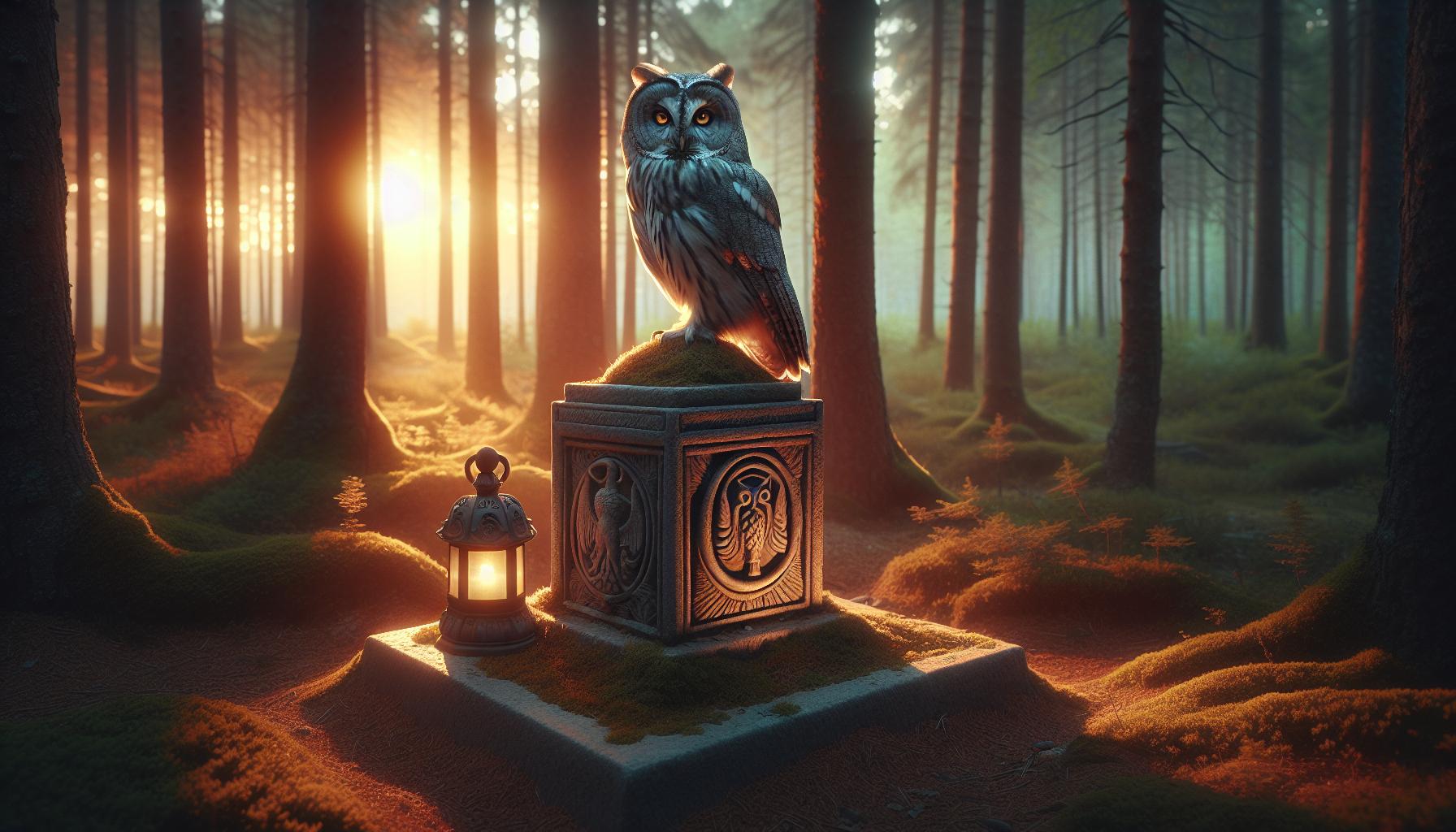
Owls as Guardians: Positive Interpretations
Owls, often cloaked in mystery and darkness, can be enchanting symbols of protection and guardianship across various cultures. In many societies, these nocturnal birds are believed to possess mystical qualities that grant them the role of a guardian. For instance, in Native American folklore, there are numerous tribes that see owls as protectors or guides, watching over their communities with keen vigilance. Their ability to navigate the night and hunt silently positions them as prominent figures in the spiritual landscape, embodying qualities such as wisdom, insight, and guardianship.
In ancient Egypt, owls were revered for their nocturnal nature, with many symbolizing protection and motherhood. The ancient Egyptians often associated the owl with the goddess of truth, Ma’at, viewing them as guardians of the underworld and protectors against malevolent forces. This reverence reflects a broader belief that owls can ward off evil spirits, a theme echoed in various cultures worldwide. This belief is particularly strong in certain African communities, where owls are regarded as protectors against witchcraft and negativity, reinforcing their status as beneficial figures rather than ominous ones.
Seeing an owl can evoke awe, and for many, it signifies reassurance that you are being watched over. If you are fortunate enough to encounter one, it may feel like a personal sign of protection and guidance. When birdwatching, particularly during twilight hours, stay attuned to the presence of these magnificent creatures. By observing them in their natural habitat, we gain a deeper appreciation for their role not just as predators, but as spirit guides intertwined with our cultural narratives. Embracing the view of owls as guardians allows us to appreciate their enigmatic beauty and the rich tapestry of beliefs that surround them.
Ultimately, recognizing the duality of owl symbolism enhances our understanding and appreciation of these incredible birds. Rather than fearing the unknown aspects that owls embody, we can celebrate their many roles-especially those of protectors and guardians existing in harmony with our ecosystems. Indulging in this perspective invites us to learn more about their behavior, the specific species we may encounter, and the practical ways we can respect their habitats and roles in our world.
Debunking Myths: Scientific Perspectives on Owls
Owls, often depicted as creatures of the night, are frequently misunderstood, leading to various myths and superstitions that paint them as omens of doom. However, a scientific perspective reveals a more nuanced reality. For instance, studies show that owls are remarkable predators, equipped with unique adaptations that allow them to hunt effectively in low-light conditions. Their exceptional hearing and silent flight are evolutionary traits, not symbols of misfortune, making them fascinating subjects for birdwatchers and nature enthusiasts alike.
Research indicates that many beliefs surrounding owls stem from their nocturnal habits and eerie calls. While some cultures interpret the hooting of an owl as a forewarning of death or tragedy, biologists argue that these sounds serve essential communicative functions among owls, such as marking territory or locating mates. In a world where fear often translates to superstition, it’s crucial to replace these fears with knowledge. Understanding an owl’s behavior-like how they primarily consume rodents-can shift perspectives and highlight their role as crucial players in maintaining ecosystem balance.
Interestingly, scientific research has debunked many myths that link owls to negative outcomes. For example, studies have shown no significant correlation between owl sightings and unfortunate events. Instead, frequent encounters with these birds can enrich one’s experience with nature. Engaging in birdwatching can foster appreciation for owls’ ecological contributions, while providing opportunities for personal reflection in the tranquility of their presence.
As we navigate the complex landscape of cultural mythology versus modern science, embracing evidence-based insights about owls invites us to respect these magnificent birds entirely. By participating in local conservation efforts or documenting owl sightings, individuals can not only nurture a deeper connection with wildlife but also contribute to the broader understanding and preservation of these remarkable creatures. Through such engagement, we can reframe owls from symbols of fear into ambassadors of wisdom and guardianship in our natural world.
Regional Differences in Owl Superstitions
In various cultures around the world, the presence of owls evokes a spectrum of beliefs, often contrasting in their implications. While many might regard owls as ominous creatures signaling bad luck or misfortune, others celebrate them as symbols of wisdom and protection. The folklore surrounding these fascinating birds illustrates not only the deep-rooted connections between culture and nature but also how these narratives shape human perceptions of wildlife.
In North America, particularly among Native American tribes, owls are often viewed as messengers from the spirit world. The Hopi believe that the Great Horned Owl holds a special place in their spiritual practices, serving as a protector against evil spirits. In contrast, some Plains tribes perceive the owl as a harbinger of death, associating its calls with impending tragedy. This duality not only showcases the reverence for these birds but also how their nocturnal lifestyle influences regional interpretations.
Across the Atlantic, European superstitions also weave a complex web around owls. In medieval Europe, owls were frequently linked to witchcraft; their eerie calls were thought to be the voices of witches, warning of their presence. On the other hand, ancient Greeks celebrated the owl as the symbol of Athena, the goddess of wisdom, reflecting a more positive interpretation of this enigmatic bird. Such contrasting views highlight how geographical and cultural contexts significantly shape our understanding of owls.
In Africa, beliefs about owls vary tremendously from region to region. For many cultures, they are seen as protectors or guardians, while in others, they are viewed with suspicion and, at times, fear. The Kikuyu of Kenya traditionally regard the owl as a guide in the afterlife, a perspective that offers a stark contrast to the fearful interpretations found elsewhere. This variation emphasizes the need to appreciate owls not only within the confines of one’s cultural lens but also as integral parts of global biodiversity.
Understanding these regional differences can enrich our appreciation of owls and underscore the importance of fostering respect and conservation efforts for these remarkable creatures. Every encounter with an owl can lead to a deeper connection with nature and an opportunity to challenge the negative superstitions that have long surrounded them.
Owls in Literature and Popular Culture
Across time and cultures, owls have captivated the human imagination, often appearing in literature and popular culture as powerful symbols that embody a complex array of meanings. From ancient mythology to contemporary films, these nocturnal birds have been portrayed with both reverence and fear, illustrating the duality of human perceptions regarding them. For instance, in Aesop’s fables, the owl represents wisdom and caution, often contrasting with other animals that act impulsively. This portrayal reinforces the notion of owls as knowledgeable creatures, capable of providing guidance and insight.
In popular culture, characters such as Hedwig from the Harry Potter series have further solidified the owl’s association with companionship and loyalty, showcasing them as protectors and messengers. The image of a wise, snowy owl perched beside a young wizard resonates with audiences, creating a sense of enchantment and adventure. Similarly, in the animated realm, the character of Owl in Winnie the Pooh embodies both intelligence and a touch of eccentricity, portraying owls as thoughtful arbiters of moral lessons.
Yet, the owl’s role in literature often oscillates between guardian and harbinger. Works like Edgar Allan Poe’s “The Raven” evoke a darker symbolism, aligning owls with themes of death and the supernatural. This tension reflects the broader societal beliefs that can label owls as omens of bad luck, further complicating their representation. In many narratives, the presence of an owl can herald significant change or impending doom, making them vital symbols that drive plot motivations.
Owls can also serve as catalysts for personal introspection within stories. When characters encounter owls, it often signifies a moment of transition or contemplation. This motif encourages readers to reflect on their relationships with wisdom and the consequences of their choices. As we navigate these rich literary landscapes, we see that owls embody both the shadows and light of human experience, inviting us to explore our beliefs and the stories we tell about these enigmatic creatures.
Engaging with owls in literature offers not just entertainment but also a deeper understanding of the narratives we construct around nature and wildlife. Whether they are seen as guides, guardians, or ominous figures, their presence in stories invites us to consider how cultural interpretations shape our connection with the world around us.
Personal Experiences: Encounters with Owls
When it comes to encounters with owls, many enthusiasts have thrilling and transformative stories that blend the ordinary with the supernatural. One striking aspect of owl encounters is their timing; often, these meetings occur when we’re at a crossroads in our lives, prompting us to reflect on our beliefs and decisions. For instance, a friend of mine shared her experience of seeing a Great Horned Owl perched silently on a tree limb during a particularly challenging period of her life. The sight of this majestic bird, with its piercing yellow eyes and formidable presence, struck her as a herald of change. She later learned that, in many cultures, the Great Horned Owl signifies wisdom and transition, which resonated deeply with her situation.
Owls, with their extraordinary silent flight and haunting calls, often evoke strong emotions-admiration, curiosity, and sometimes, fear. In Native American traditions, the Barn Owl is regarded by some tribes as a protector, a spirit guide that offers comfort during difficult times. A birdwatching excursion during a warm August evening led me to a local wildlife refuge where a pair of Barn Owls were hunting. Watching them glide effortlessly through the twilight sky felt like a moment of communion with nature. For many who encounter owls in their natural habitats, whether during a hike or a late-night drive, these interactions become poignant memories, often viewed through the lens of cultural superstition. An encounter might inspire awe or trepidation, depending on one’s understanding or beliefs surrounding these birds.
Each region carries its stories and interpretations of owls, and personal experiences with them can challenge or reinforce those narratives. For example, in some cultures, the sight of an owl is an omen of death or bad luck, while in others, it is seen as an encouraging symbol of protection and wisdom. This duality often manifests in personal stories: an individual might recount a time they encountered an owl just before a significant life event-like moving away for college or the loss of a job. The emotional weight attached to these experiences encourages reflection on the belief systems we inherit and the meanings we assign to the wildlife around us.
Whether your encounters are grounded in positive symbolism or stem from superstitions of doom, owls remain powerful creatures that provoke thought and introspection. Embracing these experiences can lead to a greater appreciation for these fascinating birds and a deeper understanding of how they connect us to broader cultural beliefs. Through personal experiences, we can transcend traditional superstitions and discover the rich tapestry of stories that owls weave into the fabric of human life.
Conservation and Respect: The Role of Owls in Ecosystems
Owls play a crucial role in maintaining the balance of ecosystems, serving as both predator and prey in various habitats. Their unique adaptations make them exceptional hunters, primarily feeding on small mammals, insects, and other birds. This predatory behavior not only helps control rodent populations-preventing overpopulation and the spread of disease-but also impacts the overall health of their environment. For instance, a surge in rodent populations can lead to crop damage and subsequently environmental degradation, so owls act as natural pest control.
Owls are particularly sensitive to changes in their habitats, functioning as vital indicators of ecosystem health. When owl populations decline, it often signals underlying issues such as habitat loss, pollution, or climate change. Monitoring their populations can provide insights into the overall health of the ecosystem, guiding conservation efforts and informing land management practices. Ensuring that these magnificent birds remain thriving in the wild should be a priority for anyone interested in biodiversity and natural habitats.
Conserving owls involves more than just protecting the birds themselves; it encompasses preserving their habitats. Deforestation, urbanization, and agricultural expansion threaten these birds’ living environments, often leading to increased mortality rates. Simple steps can be taken to support owl conservation, such as planting native vegetation to provide natural habitats and minimizing pesticide use that reduces their food sources. Engaging in community awareness programs about the ecological significance of owls not only fosters a connection between people and wildlife but also encourages proactive efforts to protect these creatures.
Moreover, respecting owls in their natural environment enhances one’s birdwatching experience. Learning to identify owl species through their calls, behaviors, and habitats enriches not only your appreciation for these impressive birds but also your understanding of the delicate balance needed to preserve their places in our ecosystems. By fostering a greater respect for owls and advocating for their conservation, we also reinforce the notion that these magnificent creatures-often regarded with superstition-are indeed integral to the ecosystems we share.
How to Care for Owls in Captivity
Caring for owls in captivity is a significant responsibility that demands both dedication and knowledge. These magnificent creatures have specific needs that differ from other common pets, so understanding their behavior and care requirements is essential. Owls are not domesticated animals, and their wild instincts and behaviors can pose challenges in a captive environment, making proper care crucial for their well-being.
Nutritional Needs
Owls are primarily carnivorous, feeding on small mammals, birds, and insects. It’s vital to provide a balanced diet that mimics their natural intake. Fresh whole prey items such as mice, rats, and mealworms should be offered regularly, and the diet can be supplemented with vitamins and minerals specifically formulated for raptors. Be sure to avoid feeding them processed foods, as this can lead to serious health issues. Creating a feeding schedule that aligns with their natural hunting behavior will help maintain their health and vitality.
Housing and Environment
Creating an appropriate habitat for an owl is foundational to its care. Owls require a spacious and enriching environment that mimics their natural surroundings. This includes having perches at different heights and varied substrates, such as sand or wood chips, to allow for natural behaviors like scratching and resting. A secure enclosure is essential to prevent escape or injury from other animals. Additionally, consider incorporating hiding spots and visual barriers to make the owl feel safe, as these birds often prefer to be secluded in the wild.
Behavioral Enrichment
Owls are intelligent and curious animals that need mental stimulation to thrive. Regular interaction, such as training sessions or providing toys, can help keep them engaged. Puzzle feeders that require problem-solving to access food can be particularly beneficial. It’s also important to observe their behavioral patterns and adjust the environment to cater to their specific needs. Social interaction with humans or compatible birds can further enhance their mental health.
Health Care
Routine veterinary care is crucial for captive owls. This includes regular check-ups and vaccinations, as well as prompt attention to any signs of illness or injury. Keeping a close eye on their weight and behavior can help in early detection of health issues. When possible, partner with a veterinarian who specializes in avian care to ensure that your owl receives expert attention tailored to its unique biological needs.
Caring for owls in captivity is a rewarding yet demanding journey that requires a commitment to understanding their complex needs. By addressing their nutritional, environmental, and health care requirements, you’re not just providing care; you’re ensuring that these remarkable birds lead happy and healthy lives, making a positive impact on their well-being and, by extension, the larger conversation about the superstitions and natural importance of owls across cultures.
Exploring Owl Species: Traits and Behaviors
When it comes to exploring the fascinating world of owls, one cannot help but be intrigued by their diverse species and the behaviors that set them apart. With over 200 species worldwide, these birds of prey exhibit distinct traits that contribute not only to their survival but also to the myths and cultural superstitions surrounding them. For instance, the great horned owl, known for its tufted “horns” and deep hooting call, evokes both awe and fear in various cultures, often viewed as a harbinger of doom. However, understanding these birds goes beyond myths; it involves appreciating their ecological significance and unique adaptations.
Noteworthy Species and Their Characteristics
Different owl species showcase a remarkable range of sizes, colors, and behaviors. For example:
- Barn Owl: With its heart-shaped face and ghostly appearance, the barn owl is renowned for its ability to hunt effectively in total darkness. This species is often associated with death in many cultures, leading to the belief that its sighting might indicate impending misfortune.
- Eastern Screech Owl: This small owl, which can be gray or reddish in color, is known for its distinctive trilling calls. Despite its fearsome visage, it often symbolizes protection and vigilance in folklore.
- Snowy Owl: Famous for its striking white plumage and featured in popular culture (thanks to “Harry Potter”), the snowy owl is often regarded as a creature of wisdom and is considered a positive omen in some traditions.
Watching these owls in their natural habitat reveals fascinating behaviors. For instance, the hunting techniques of the barred owl, which often includes a unique “who-cooks-for-you” call, highlight its adaptability to various environments and prey types, chipping away at the notion that owls only bring bad luck.
Behavioral Traits and Adaptations
Owls are equipped with a wealth of adaptations that enhance their hunting prowess. For example, their asymmetrical ears allow for excellent sound localization, enabling them to detect prey movements even in complete darkness. This auditory sensitivity is coupled with exceptional vision; owls can see well during twilight and nighttime conditions due to their large eyes and specialized retinas.
Moreover, many owls exhibit fascinating social behaviors. While some species, like the great horned owl, are solitary, others, such as the burrowing owl, may live in small family groups. Observing these social interactions can lead to a deeper understanding of the ecological roles owls play, further dispelling the belief that these creatures are solely bearers of bad omens.
Engaging with owls, whether through birdwatching or hearing local folklore, enriches our understanding of their complex lives and the varied interpretations they inspire across cultures. By delving into the traits and behaviors of owls, we can appreciate their contributions to biodiversity and challenge the superstitions that often cloud our perceptions of these enigmatic birds.
Engaging with Owls: Birdwatching Tips for Enthusiasts
For birdwatching enthusiasts eager to engage with the captivating world of owls, patience and preparation are key. These nocturnal creatures, often cloaked in myth and superstition, can be best appreciated under the right conditions. Many cultures regard the presence of owls with mystery; however, a firsthand encounter can clarify their importance as guardians of the night and vital components of our ecosystems.
To begin your owl-watching adventure, consider the ideal time and place. Late twilight and the hours just after sunset are often the most fruitful for spotting these elusive birds. Choose locations known for owl activity, such as forested areas, wetlands, or open fields where they hunt for small mammals or birds. Bringing binoculars with a magnification of at least 8x will enhance your viewing experience, allowing you to observe their striking features-like the fluffy facial discs and large eyes, which can reveal so much about their expressions.
In addition to timing, researching specific species inhabiting your area can provide valuable insights. For instance, the Great Horned Owl with its distinctive tufts and booming call often prefers wooded areas while the Barn Owl, with its ghostly silhouette, commonly haunts open fields and farmlands. Familiarizing yourself with their calls can also improve your chances of an encounter. Downloading owl call identification apps or using educational resources can help you discern which species you may hear or see. Listening for the ‘who-cooks-for-you’ call of the barred owl might just lead you to a remarkable sighting.
Lastly, approach your owl-watching with respect and consideration for their habitat. Disturbances can interfere with their natural behavior, so maintaining a quiet demeanor and keeping a safe distance is crucial. Not merely passively observing, but embracing the cultural narratives surrounding owls can also enrich your understanding. By shedding light on their ecological roles and challenging the negative superstitions often ascribed to them, we can appreciate owls as symbols of wisdom and mystery rather than mere harbingers of bad luck.
Frequently asked questions
Q: Are owls considered bad omens in all cultures?
A: No, owls are not considered bad omens in all cultures. While some cultures perceive owls as symbols of death or misfortune, others view them as protectors or bringers of wisdom. Understanding these diverse beliefs can lead to a deeper appreciation of their role in folklore and tradition.
Q: Why do some cultures fear owls?
A: Some cultures fear owls due to historical associations with darkness, death, and witchcraft. For example, in certain indigenous cultures, an owl’s call can signal impending death. This fear is rooted in deep-seated superstitions that vary widely by region and cultural context.
Q: Can owls symbolize good fortune?
A: Yes, in several cultures, owls symbolize good fortune and protection. For instance, in some Native American traditions, owls are seen as guardians, bringing positive energy and insight. Recognizing these positive interpretations can help challenge negative stereotypes surrounding owls.
Q: How do owl superstitions differ between regional cultures?
A: Owl superstitions differ significantly across cultures. For example, in some Asian cultures, owls are considered wise and protective, while in parts of Europe, they are often viewed as omens of death. Understanding these regional differences is essential for appreciating the owl’s varied symbolism.
Q: Are there specific rituals involving owls in mythology?
A: Yes, many mythologies include rituals involving owls. For example, in ancient Greece, owls were dedicated to Athena, the goddess of wisdom, and were believed to offer protection. Engaging with these myths highlights the owl’s role in human history and spirituality.
Q: Why do people associate owls with the supernatural?
A: Owls are often associated with the supernatural due to their nocturnal habits and haunting calls, which evoke mystery. Many cultures link them to spiritual realms, making them symbols of the unknown and connecting them to witchcraft and divination practices.
Q: How can I respect cultural beliefs about owls?
A: To respect cultural beliefs about owls, it’s important to educate yourself about the various meanings they hold in different traditions. Participating in local conservation efforts helps show respect and appreciation for these birds, while understanding and honoring diverse cultural perspectives.
Q: Should I be worried if I see an owl?
A: Seeing an owl is not necessarily a cause for concern. While some may view it as a bad omen, it often depends on cultural context and personal beliefs. Embrace the experience as an opportunity to connect with wildlife rather than a source of fear.
To Conclude
As we conclude our exploration of how owls are perceived across different cultures, it’s clear that these fascinating creatures inspire a blend of awe and apprehension. Whether viewed as bad omens or wise symbols, owls hold significant cultural weight that can deepen our understanding of human beliefs and nature itself. If you found this discussion intriguing, we invite you to delve deeper into related topics, such as “The Mystique of Night Creatures” and “Bird Symbolism Across Cultures,” where you can uncover more about the diverse ways humans interpret the natural world around them.
Don’t forget to share your thoughts in the comments below! Your perspective enriches our community and fosters engaging conversations. For the latest insights and updates on fascinating wildlife topics, subscribe to our newsletter. As you continue your journey of discovery, consider checking out our resources for birdwatching tips and identification guides that cater to both beginners and seasoned enthusiasts. Explore, learn, and appreciate the wonders of our avian friends-we’re thrilled to accompany you on this adventure!
Get our latest guides, news, and insights highlighted in your Google Search & AI Overviews.










