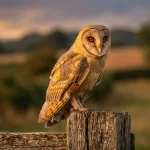
The Cinereous Owl, often described as a phantom of the night, evokes intrigue among birdwatchers and nature lovers alike. This elusive species is not just captivating because of its striking appearance, but also due to its mysterious behavior and limited range, found mostly in remote woodlands and forests. Understanding the identification and habitat of the Cinereous Owl is crucial for conservation efforts and enhances our appreciation for the biodiversity that surrounds us. As you delve into the world of this remarkable bird, you’ll discover tips for spotting these nocturnal marvels, the unique characteristics that set them apart, and the challenges they face in a rapidly changing environment. Join us on this fascinating journey into the life of the Cinereous Owl, and unlock the secrets of one of nature’s most enchanting raptors.
The Mystique of the Cinereous Owl: An Overview
The Cinereous Owl, often shrouded in mystery, captivates birdwatchers and nature enthusiasts alike with its striking appearance and elusive habits. This owl, scientifically known as Strix indigo, stands as one of the largest owl species, embodying a fascinating combination of grace and enigma. Renowned for its distinctive plumage that ranges from gray to brown, it blends seamlessly into its surroundings, making it a challenge for even seasoned birdwatchers to spot. The solemn, piercing gaze of the Cinereous Owl conveys a sense of wisdom and ancient mystery, appealing to those who venture into its nocturnal realm.
These owls typically inhabit mature forests and woodlands, preferring dense foliage that offers both shelter and hunting grounds. One of their most remarkable traits lies in their vocalizations-a haunting series of hoots that echo through the night, often leaving listeners spellbound. Their secretive nature contributes to their mystique, as they are more often heard than seen. This behavior has led to a wealth of folklore and cultural significance, attributing various meanings to their presence in different societies, from omens of wisdom to harbingers of change. For the aspiring ornithologist or casual bird lover, the journey to understand the life of the Cinereous Owl reveals much about the delicate balance in forest ecosystems and the intricate lives of nocturnal wildlife.
As you prepare for your own encounters with these magnificent birds, consider investing in quality binoculars and a good field guide. Being patient and observant while remaining quiet can dramatically increase your chances of witnessing their graceful flight or unique behaviors. Whether you’re an experienced birder or just beginning to explore the world of owls, the Cinereous Owl offers a thrilling challenge and a deeper connection to the wonders of nature.
Identifying Characteristics of the Cinereous Owl
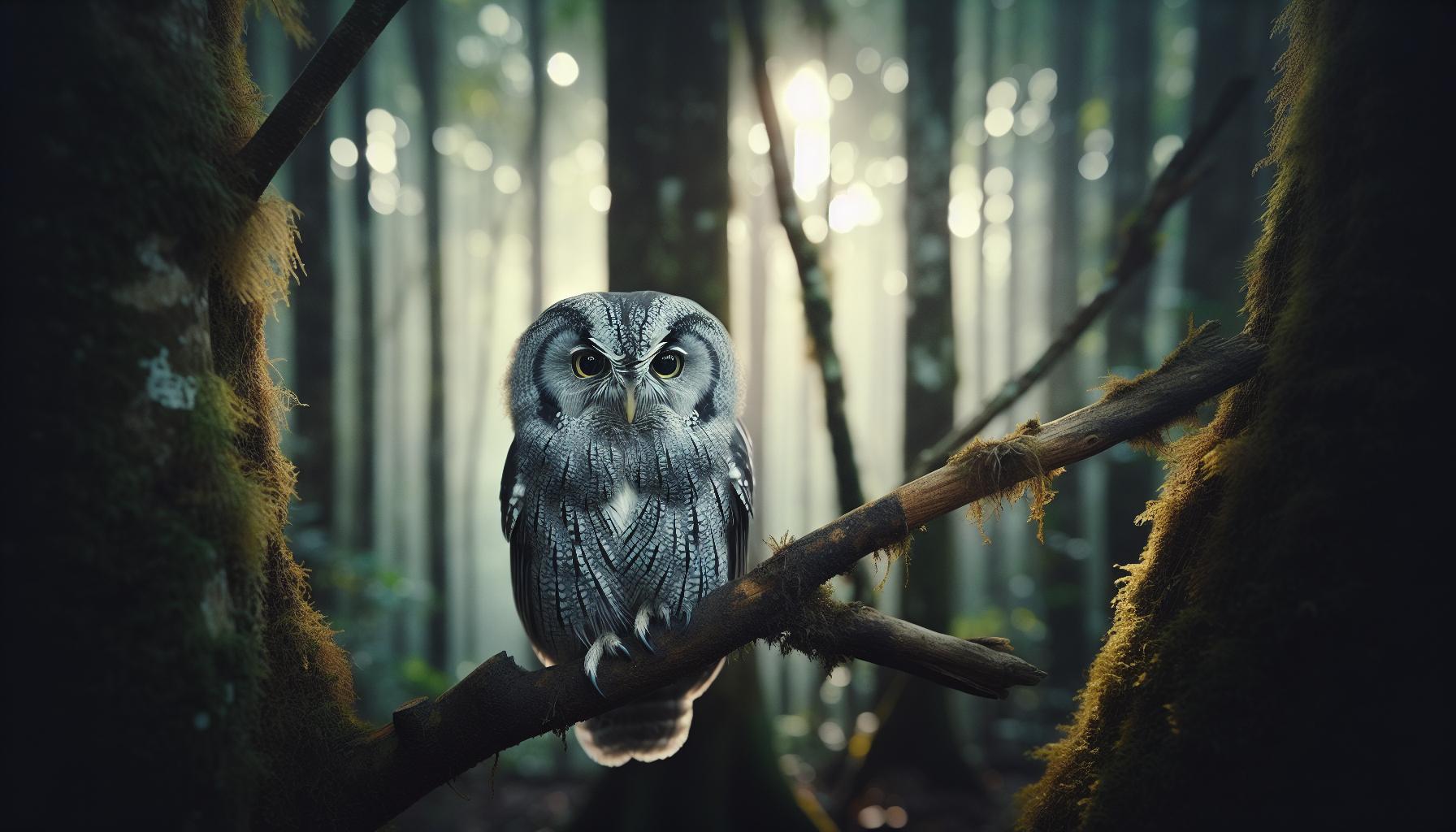
The Cinereous Owl is as captivating as it is elusive, boasting a range of identifying characteristics that set it apart in the diverse world of owls. With a notable wingspan that can exceed 1.5 meters (nearly 5 feet), these magnificent birds are among the largest owls, and their sheer size commands attention. When identifying the Cinereous Owl, one cannot overlook its stunning plumage, which typically showcases a blend of soft gray and rich brown tones. This coloration serves as an excellent camouflage, allowing them to blend seamlessly into their forested environments.
A key feature to note is their distinctive facial disc, which is wider than that of many other owl species. This disc is bordered by soft feathers that create an almost ethereal look, helping to enhance their intense, forward-facing eyes. The eyes themselves are a striking yellow or orange, providing a brilliant contrast to the muted tones of their feathers. Observers often remark on the owl’s piercing gaze, which seems to carry a depth of knowledge and wisdom through the night.
When searching for the Cinereous Owl in the wild, pay attention to their unique vocalizations; they produce haunting hoots that echo through their habitats. These calls can vary in tone and intensity and are often used for communication during mating or territorial displays. Additionally, look for their broad, rounded wings and long, highly adapted legs that aid in silent aerial movement and effective hunting on the ground.
Fledglings exhibit even more unique traits-their downy feathers tend to be fluffier and paler than those of adults, with a creamy coloration that gradually transitions to the characteristic gray and brown as they mature. Understanding these identifying traits not only enhances your birdwatching experience but also fosters a deeper appreciation for this elusive species. Being well-acquainted with the Cinereous Owl’s physical attributes significantly increases your chances of spotting this magnificent bird amid the foliage, encouraging both novice and experienced birders to engage with their mysterious presence in the wild.
Geographical Range: Where to Find the Cinereous Owl
The Cinereous Owl, a majestic bird of prey, primarily inhabits various environments across the vast stretches of Central Asia and parts of Eastern Europe. These owls are notably found in countries such as Mongolia, Russia, and Kazakhstan, where they thrive in a range of habitats from dense forests to more open areas. Intriguingly, their geographical presence extends to the tree-lined river valleys, which provide ample hunting grounds and nesting sites. Spotting a Cinereous Owl can be a thrilling challenge for birdwatchers, as they blend seamlessly into their surroundings, thanks to their exquisite plumage.
Regional variations in the Cinereous Owl’s range can affect where you might seek them out. For instance, in Mongolia, these owls often occupy areas near forest edges or riparian zones, where the convergence of different terrains creates a rich habitat teeming with potential prey. Observers in Russia may find them roosting in old-growth forests or rugged cliffs, showcasing their adaptability to different microhabitats. To improve your chances of an encounter, consider targeting locations during dusk or dawn when they are more likely to be active, and listen for their haunting calls that echo through the woodlands.
In terms of migration patterns, the Cinereous Owl is generally non-migratory; however, local movements may occur in response to food availability. This means that if you’re hoping to see these owls during specific seasons, it’s vital to familiarize yourself with the local ecology to understand their potential movements. Birding enthusiasts often recommend taking note of seasonal changes, as these can influence prey availability, which in turn affects where you might find these magnificent creatures.
Ultimately, part of the allure of the Cinereous Owl lies in its elusive nature and the mystery surrounding its habitat. Engaging with local birdwatching communities or wildlife conservation groups can provide invaluable insights into the best locations and times to explore for sightings. Such experiences not only enrich your understanding of this magnificent creature but also connect you with the broader biodiversity that sustains its existence in these remarkable landscapes.
Habitat Preferences: Understanding Its Environment
The Cinereous Owl is a fascinating creature that thrives in some of the most diverse and rich habitats across Central Asia and Eastern Europe. These owls prefer a mix of environments that allow them to hunt effectively while providing plenty of cover. Their natural habitats range from dense forests to open steppes, making them adaptable and versatile in their choice of living spaces. A common sighting may occur near river valleys, where wooded areas intersect with water sources, offering abundant opportunities for both prey and nesting.
When exploring the habitat preferences of the Cinereous Owl, it’s essential to appreciate the significance of structural diversity in their environment. Areas with a blend of mature trees for roosting, open fields for hunting, and proximity to water are ideal. These owls are known to frequent forest edges and riparian zones because such locations not only offer shelter from harsh weather but also enhance their hunting success. By understanding these preferences, you can increase your chances of observing these majestic birds in their natural habitat.
If you’re planning a birdwatching expedition specifically to spot the Cinereous Owl, aim for locations during the early dawn or just before dusk when they are most active. Being patient and quiet is crucial; these owls possess incredible camouflage abilities, blending seamlessly into the bark of trees or the shadows of thickets. Engage with local birdwatchers or join guided tours that focus on owl spotting to gain more insights about the best habitats and times for sightings. Often, seasoned birders can share tips on recent sightings and behavioral cues that indicate the presence of these enigmatic creatures.
In conclusion, the Cinereous Owl’s habitat reflects an intricate balance of ecological factors, combining both lush forests and open hunting grounds. By aligning your search strategies with their habitat requirements, you’ll not only enhance your birdwatching experience but also cultivate a deeper appreciation for the diverse ecosystems that support such remarkable wildlife.
Behavioral Patterns: Insights into Their Lifestyle
The Cinereous Owl is not just an intriguing element of the nocturnal landscape; it embodies a unique lifestyle suited to its environment. Known for their impressive adaptability, these owls exhibit a complex array of behaviors, especially when it comes to hunting, nesting, and social interactions. Remarkably silent in flight, they have developed excellent stealth skills that allow them to ambush prey effectively. This sophisticated hunting technique involves utilizing their exceptional hearing to detect the faintest sounds made by potential meals, such as rodents and small birds.
During the day, you might find Cinereous Owls perched high in branches, often blending seamlessly into their surroundings. They engage in behaviors such as preening, which not only maintains their feathers but also aids in thermal insulation for those chilly nights. Interestingly, while they are predominantly solitary hunters, adults may share hunting grounds, and youngsters often remain near their nesting sites until they mature enough to fend for themselves. Observers will note how these owls are particularly active during twilight and the dark hours, showcasing their nocturnal nature, as they hunt and call during these prime times.
Social Structure and Communication
The social interactions of the Cinereous Owl are equally fascinating. These creatures are generally solitary but can exhibit communal roosting behaviors in certain conditions, especially in winter months when food sources are more scarce. Their vocalizations, ranging from hoots to screeches, play a crucial role during the mating season, signaling territory and attracting potential mates. The calls can often be distinguished by their deep, booming resonance, which carries over long distances, ensuring they communicate effectively despite environmental obstacles.
Navigating the world of the Cinereous Owl also requires an understanding of their vision. Equipped with large, sensitive eyes, they can see exceptionally well in low-light conditions. This adaptation not only aids in their hunting but also helps avoid potential predators. As you observe these owls, especially in the dim light of dawn or dusk, watch for their head movements; they often rotate their heads in various directions, enhancing their ability to detect movement and assess their surroundings.
Through understanding these behavioral patterns, birdwatchers can better appreciate the intricate life of the Cinereous Owl. Whether you’re hoping to catch a glimpse of one in the wild or learn more about their habits for conservation purposes, observing their unique lifestyle can deepen your connection to these remarkable birds. The more we learn about their behaviors, the better we can appreciate the role they play in our ecosystems and work towards their protection.
Diet and Feeding Habits: What They Eat
The Cinereous Owl, with its impressive hunting skills, possesses a diet that is as fascinating as the bird itself. Primarily nocturnal, these owls are masterful predators, relying on their acute sense of hearing and incredible night vision to locate prey in the darkness. Their diet varies regionally, but they predominantly feed on small mammals, offering a tantalizing glimpse into their ecological role.
When observing these incredible birds in the wild, you’ll notice that their chosen meals often include:
- Rodents: Mice, voles, and rats make up a significant portion of their diet, thanks to their abundance and accessibility.
- Small Birds: They are also known to hunt small to medium-sized birds, especially those that nest close to their hunting territories.
- Invertebrates: Occasionally, they will consume insects or other invertebrates, particularly during seasonal changes when other food sources may be scarce.
Cinereous Owls are not only opportunistic hunters but also strategic ones. They often scout their preferred hunting grounds from high vantage points during twilight, waiting patiently for an unsuspecting meal to draw near. Once spotted, they silently launch themselves into action, using their powerful talons to secure their catch. This stealthy approach, combined with their impressive wingspan, allows them to glide quietly through the night, making them formidable hunters.
Understanding their dietary needs is crucial, especially when considering conservation. Ensuring the availability of prey directly impacts the survival of the Cinereous Owl, highlighting the importance of preserving their natural habitats. The more we learn about their feeding habits, the better equipped we are to protect these enigmatic creatures and their ecosystems.
Conservation Status: Protecting the Cinereous Owl
The Cinereous Owl, known for its impressive appearance and predatory skills, faces numerous conservation challenges that threaten its survival. Habitat loss is one of the most pressing issues these birds confront. As urban development expands and agricultural practices intensify, the natural forests and open spaces that provide essential shelter and hunting grounds are rapidly diminishing. This encroachment not only limits their living space but also reduces the availability of prey, which can lead to population declines.
Active conservation efforts are critical for the protection of the Cinereous Owl. These initiatives often focus on habitat restoration and the establishment of protected areas where these owls can thrive. For instance, reforestation projects can help restore the ecosystems essential for their survival, while the implementation of wildlife corridors can facilitate safe movement between fragmented habitats. Educating local communities about the importance of preserving natural habitats can also foster a more supportive environment for conservation efforts.
Monitoring populations and conducting research play vital roles in understanding the health of Cinereous Owl populations and their ecosystems. By studying their behavioral patterns and movements, conservationists can develop targeted strategies to protect them more effectively. Engaging citizen scientists in monitoring efforts can also raise awareness and encourage public participation in preservation activities.
It’s crucial for bird enthusiasts and the general public to advocate for policies that protect wildlife and their habitats. Supporting organizations focused on conservation and participating in local ecological initiatives can make a tangible difference. The future of the Cinereous Owl depends on our collective efforts to ensure that they not only survive but thrive in their natural environments.
Challenges in Spotting the Cinereous Owl
Spotting the Cinereous Owl can be a thrilling yet challenging endeavor, even for seasoned birdwatchers. This majestic bird, known for its large size and distinctive silvery-gray plumage, has developed a skillful capacity for remaining hidden within its natural habitat. As a nocturnal predator, the Cinereous Owl is most active during twilight hours, relying on its exceptional hearing and silent flight to navigate and hunt. Their cunning nature often puts them out of sight, making the task of locating one a test of patience and skill.
To enhance your chances of encountering a Cinereous Owl, consider these practical tips:
- Best Time to Watch: Focus your efforts during dusk and dawn, the peak activity periods for these owls. They tend to roost in dense overhead cover during the day, making them particularly challenging to spot.
- Know Their Calls: Familiarize yourself with their vocalizations. The Cinereous Owl‘s calls are deep and resonant, allowing you to track their movements even when they’re out of sight.
- Preferred Habitats: They thrive in forested areas with mature trees, particularly regions that provide a mix of open space for hunting and dense foliage for roosting. Investigating these areas can increase your likelihood of an encounter.
- Be Stealthy: Move quietly and avoid large groups. The more discreet you are, the less likely you are to spook these cautious owls.
- Patience is Key: Spend quality time in potential owl territory. Their elusiveness means you might need to invest several hours or even return multiple times to catch a glimpse.
Another intriguing challenge is the Cinereous Owl’s remarkable mimicry of its surroundings. Their plumage, varied shades of gray and brown, allow them to blend seamlessly with tree bark and shadows, making visual identification difficult. Observing their behavior from a distance and looking for subtle movements can often be more effective than scanning the area for their static forms.
Engaging with local birdwatching communities or joining organized owl prowls can significantly enhance your spotting skills. These experiences often bring together groups of enthusiasts eager to share their knowledge, tips, and firsthand encounters which can be instrumental in honing your skills in locating these magnificent birds. Practicing in known habitats where Cinereous Owls reside increases your familiarity with their typical behaviors, helping you become a more adept and thoughtful birder.
Embrace the challenge of spotting the Cinereous Owl; the thrill of discovery is a significant part of birdwatching.
Comparison with Similar Owl Species
When venturing into the realm of owls, discovering the unique characteristics of the Cinereous Owl often invites comparison to several similar species that share overlapping habitats and lifestyles. One of the most prominent contenders is the Eurasian Eagle Owl. Both exhibit a robust physique and are formidable nocturnal predators, but the Cinereous Owl’s striking silvery-gray plumage serves as a key differentiator. The Eagle Owl, on the other hand, is more colorful, featuring rich browns and orange hues along with dramatic ear tufts that make it easily recognizable.
Another owl worth considering is the Great Horned Owl, renowned for its distinctive tufts and powerful presence. Although both species can be found in forested areas, the Great Horned Owl has a more varied diet that includes larger prey such as hares and even other birds of prey. In contrast, the Cinereous Owl primarily hunts smaller mammals and birds, utilizing its acute auditory skills to locate prey in low light. This distinction in dietary habits is essential for birdwatchers when identifying these owls in the wild.
Their vocalizations also provide a subtle but significant means of differentiation. While the Cinereous Owl’s calls are deep and resonant, akin to mellifluous hooting, the sounds of the Great Horned Owl are far more varied, ranging from deep hoots to short, gnarly calls. This auditory clue can be extremely beneficial for enthusiasts who aim to discern between these species even when the birds are hidden from view.
When comparing the Cinereous Owl to the Barn Owl, the divergence becomes even more pronounced. The Barn Owl, with its heart-shaped face and striking white underparts, is a master of silence, specializing in hunting in open fields and grasslands rather than dense forestry where the Cinereous Owl thrives. Each species possesses unique hunting strategies and habitat preferences reflective of their adaptive prowess in different ecosystems, a testament to the incredible diversity within the owl family.
In summary, recognizing the differences among these owls not only enhances your birdwatching experience but also builds a deeper appreciation for the various ecological niches they occupy. Whether you’re out in the field or engaged in backyard observation, understanding these comparisons provides a valuable context to the traits and behaviors of each species, allowing you to cultivate a more informed and enriching engagement with these magnificent creatures.
Cultural Significance and Folklore Surrounding the Owl
Legends and folklore surrounding owls often imbue them with a sense of mystery and reverence, and the Cinereous Owl is no exception. Across various cultures, these majestic birds have been perceived as symbols of wisdom, power, and otherworldly knowledge. In many regions, the haunting hoot of the Cinereous Owl has been associated with omens or spiritual messages, provoking intrigue among those lucky enough to encounter them.
In ancient Greek mythology, owls were linked to Athena, the goddess of wisdom. This reverence for owls extended into various indigenous cultures, where the Cinereous Owl’s striking appearance and elusive nature often led to its portrayal as a guardian spirit. For example, among Native American tribes, certain owls were viewed as protectors of the night and keepers of sacred knowledge, reflecting a deep connection between these birds and the spiritual realm. Their presence was often attributed with the ability to see truths that were hidden from ordinary eyes, thus enhancing the awe and respect they commanded within communities.
Moreover, the Cinereous Owl holds an intriguing place in environmental folklore, often serving as a barometer for the ecological health of their surroundings. Many cultures believe that a thriving owl population indicates a balanced ecosystem, free of pollution and disturbances. This connection underscores the importance of conservation efforts; protecting the habitats of these magnificent creatures contributes not only to their survival but also to the overall health of the environment.
When embarking on a quest to observe these owls in the wild, it can be rewarding to consider the cultural tapestry woven around them. Engaging with local traditions and stories can enrich your birdwatching experience. Whether learning about the owl’s role in ancient rituals or understanding its significance in today’s ecosystems, each encounter with the Cinereous Owl reveals layers of wisdom waiting to be discovered. Embracing this cultural significance encourages a deeper appreciation for not just the owl itself, but the natural world it inhabits.
Captive Care Considerations for Enthusiasts
The Cinereous Owl, with its striking features and elusive nature, captivates bird enthusiasts. For those considering keeping one as a pet or merely hoping to understand their needs better, it’s crucial to grasp the unique aspects of their care. Owning a Cinereous Owl calls for deep commitment, intended not only for the bird’s physical well-being but also for understanding its intricate behavioral patterns that stem from its natural habitat.
To start, providing a spacious and enriched environment is essential. A large aviary mimicking their natural habitat-up high with plenty of perches, branches, and secluded areas-is vital. This setup allows the owl to feel secure as they are inherently solitary creatures. Amidst the design, consider incorporating natural materials like wood and foliage that can enhance their comfort and stimulate their natural instincts.
Dietary Needs play a substantial role in keeping these owls healthy and thriving in captivity. A balanced diet primarily consisting of whole prey items like rodents, small mammals, and birds is recommended. Supplementing their diet with vitamins tailored for birds can ensure they receive essential nutrients, particularly if the diet is limited in variety. Observing feeding habits can also yield insights into their health; any changes in appetite or preferences may require immediate attention.
Behavioral Insights
Understanding the behavioral patterns of Cinereous Owls is crucial when providing care. They are nocturnal hunters, and their most active times are during the early evening and late at night. During the daytime, they prefer solitude and roosting, so offering dark, quiet areas in your aviary will help them rest. Engaging with them during their active periods can create a strong bond but requires patience and subtlety; they respond better to calm, gentle interactions.
Regular health check-ups must not be neglected. Finding an avian vet with experience in raptors ensures that any health woes are addressed promptly. Their captivating nature and unique needs mean that prospective guardians should familiarize themselves with specific care protocols, including safe handling techniques. Joining forums or local bird clubs can also provide support and additional guidance from experienced caretakers.
Keeping a Cinereous Owl is not merely a matter of providing food and space; it’s about fostering an environment that respects their wild instincts and nurtures their unique personality. Enthusiasts need to continually learn and adapt their care practices as they grow closer to these extraordinary birds, enhancing both the caretaker’s and the owl’s quality of life.
Faq
Q: What is the Cinereous Owl’s habitat preference?
A: The Cinereous Owl prefers dense, old-growth forests and wooded areas where they can find sufficient cover and nesting sites. High canopy trees are ideal, as they provide both camouflage and hunting grounds. These preferences highlight the importance of forest conservation, discussed in the “Habitat Preferences” section of the article.
Q: How can I tell if I’ve spotted a Cinereous Owl in the wild?
A: To identify a Cinereous Owl, look for its large size, distinctive gray plumage, and striking yellow eyes. Their silent flight and unique vocalizations, such as deep hoots, are also key identification markers. Refer to “Identifying Characteristics of the Cinereous Owl” in the main article for detailed features.
Q: Why is the Cinereous Owl considered an elusive species?
A: The Cinereous Owl is elusive due to its secretive nature, nocturnal habits, and preference for remote, dense forests. This makes sightings rare and often requires patience and knowledge of their behaviors, which are discussed further under “Challenges in Spotting the Cinereous Owl.”
Q: What conservation efforts are in place for the Cinereous Owl?
A: Conservation efforts for the Cinereous Owl focus on habitat preservation and sustainable forest management to protect their natural environments. Organizations work to raise awareness about their declining population and collaborate with local communities. More on these efforts can be found in the “Conservation Status” section.
Q: What unique behaviors do Cinereous Owls exhibit?
A: Cinereous Owls display unique behaviors such as solitary hunting, where they rely on stealth to capture prey like rodents and small mammals. They are also known to nest in tree cavities, which offers protection from predators. Insights into these patterns are elaborated in the “Behavioral Patterns” section.
Q: Can the Cinereous Owl be found in urban areas?
A: While primarily found in rural, wooded habitats, the Cinereous Owl may occasionally be spotted near urban fringes if adequate green spaces exist. Urban sightings are rare, reflecting their strong preference for undisturbed environments. See more about their geographical range in the article.
Q: How does the diet of the Cinereous Owl impact its habitat?
A: The Cinereous Owl primarily feeds on small mammals like rodents, which necessitates healthy prey populations. Their feeding habits can influence local ecosystems, highlighting the need for balanced environments. For specific dietary details, refer to the “Diet and Feeding Habits” section.
Q: What folklore surrounds the Cinereous Owl?
A: The Cinereous Owl is often enveloped in folklore, symbolizing wisdom or mystery in various cultures. Stories and beliefs associated with this owl add to its allure and significance, explored further in the “Cultural Significance and Folklore Surrounding the Owl” section of the article.
In Conclusion
As we conclude our exploration of the Cinereous Owl, it’s clear that this elusive species holds fascinating intricacies waiting to be uncovered. You now possess key insights into their identification and range, equipping you to appreciate their role in our ecosystem. Don’t miss out on enhancing your birdwatching journey-consider signing up for our newsletter to stay updated on more in-depth guides and the latest findings in ornithology.
If you’re eager to learn how to attract more owls to your backyard or want to venture into more birdwatching techniques, check out our articles on Effective Birdwatching Tips and Backyard Habitats for Owls. Your engagement is vital, so please share your experiences in the comments or connect with fellow birders in our community. Each share helps elevate awareness of these remarkable creatures and inspires others to appreciate the beauty of nature. So, let’s continue this journey together!
Get our latest guides, news, and insights highlighted in your Google Search & AI Overviews.