Did you know that many common foods we enjoy can be harmful to our feathered friends? When it comes to chocolate, the dangers are particularly alarming. As bird lovers, it’s essential for us to understand the toxicity of chocolate and how it affects our avian companions. This article uncovers why chocolate is harmful to birds, helping you prevent potentially grave health issues. Whether you’re a seasoned bird enthusiast or just beginning to explore the fascinating world of avian care, knowing what foods to avoid is crucial for their well-being. Let’s dive into the details and ensure we keep our birds safe and healthy.
Can Birds Safely Eat Chocolate?
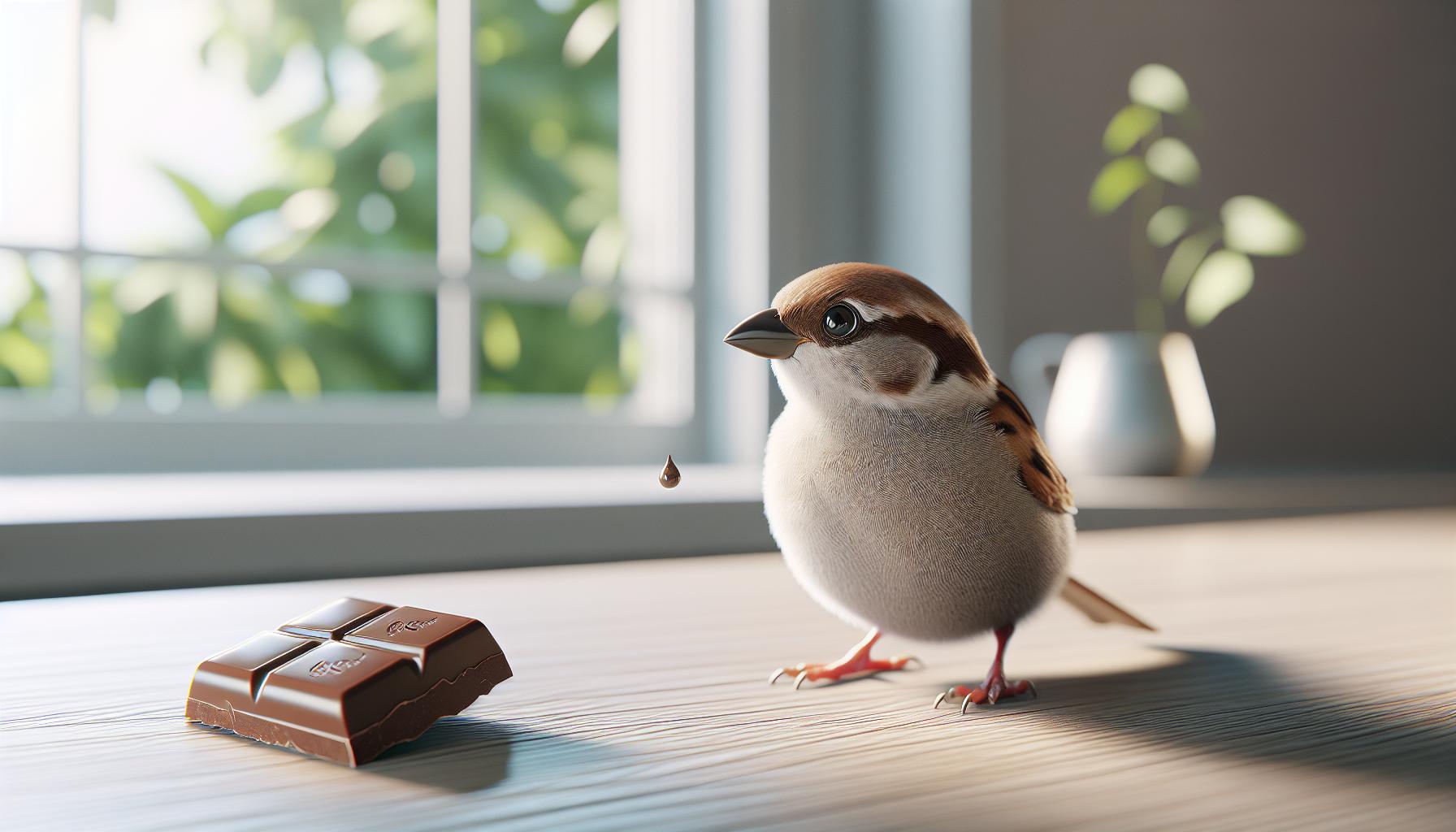
Bird owners often wonder about the safety of treating their feathered friends to a bit of sweet indulgence, but it’s crucial to understand that chocolate does not belong in a bird’s diet. Known for its delightful taste to humans, chocolate contains theobromine and caffeine, substances that are toxic to birds. Even small amounts can lead to severe consequences, including cardiovascular issues and, in some cases, death.
Why Chocolate is Hazardous for Birds
The metabolic system of birds is quite different from that of mammals. They lack the ability to effectively metabolize theobromine, the compound primarily responsible for chocolate’s toxicity. While some pets like dogs might exhibit symptoms after consuming larger quantities, birds are particularly vulnerable, and even a seemingly insignificant piece can lead to serious health problems.
When considering whether to share a treat, it’s best to err on the side of caution. Chocolate can be found in many forms, including baked goods, candies, and even specialty foods like certain flavored nuts or desserts. Always check the ingredients in any food item before offering it to your bird, as hidden chocolate can have grave repercussions.
Alternatives to Chocolate
If you’re looking for safe treats to offer your bird, there are many delicious options that can provide variety without the risk. Some safe alternatives include:
- Fresh fruits: Apples, bananas, and berries provide natural sweetness and essential nutrients.
- Vegetables: Leafy greens, carrots, and cucumbers can intrigue your bird with their textures and flavors.
- Seeds and nuts: Offer in moderation, as they are high in fat but certainly favorite to many species.
Ultimately, adopting a preventive mindset toward chocolate exposure ensures your bird remains healthy and happy. Always stay informed and consult avian veterinarians when in doubt about new foods, ensuring your companion enjoys a diet that is both safe and enriching.
Understanding Chocolate Toxicity in Birds
Birds, like many other pets, have dietary needs that may surprise their owners, particularly regarding food that is off-limits. Chocolate, a favorite treat among humans, poses a significant health risk to our feathered friends due to its content of theobromine and caffeine. Unlike many mammals, birds are unable to metabolize these substances effectively, making even minute quantities potentially lethal. While a dog might show symptoms after consuming a larger quantity of chocolate, birds exhibit sensitivity to even the smallest piece. If you think about it, their delicate systems are akin to toddlers, where seemingly harmless snacks could lead to serious consequences.
When chocolate enters a bird’s system, the theobromine interferes with their heart function and can cause rapid heart rates, increased blood pressure, and even seizures in extreme cases. Behavioral changes may be one of the first signs of toxicity-your bird may become unusually agitated or lethargic. Moreover, poisoning can escalate quickly, with symptoms progressing rapidly if not addressed. This makes it crucial for bird owners to be vigilant and proactive about keeping chocolate (and foods containing chocolate) out of reach.
Given the diverse array of food items in our kitchens, it’s essential to be vigilant against hidden dangers. Chocolate is often found in baked goods, candies, and certain snack foods, making it easy for birds to accidentally consume it. A hearty preventive approach is your best line of defense; always read labels carefully and educate everyone in your household about the dangers of sharing treats with your feathered companions. In doing so, you protect not just their health but also their happiness, knowing you’re providing them a safe environment where they can thrive.
Common Symptoms of Chocolate Poisoning

When it comes to chocolate and our feathered companions, awareness of the potential symptoms following ingestion can be a lifesaver. Birds, sensitive creatures by nature, may not exhibit the same digestive tolerances as mammals, and their reactions to toxic substances like chocolate can manifest in various alarming ways. Being able to recognize these symptoms quickly and accurately is crucial for any bird owner.
If a bird has consumed chocolate, the first signs you may notice can be subtle changes in behavior. This can include increased agitation, where your normally calm pet becomes restless or fidgety. Conversely, some birds may show lethargy, retreating to the quieter corners of their enclosure or losing interest in their usual playful antics. The contrast in behavior can serve as an immediate red flag.
As the poisoning progresses, more serious physical symptoms can emerge. These may include:
- Rapid Heart Rate: Theobromine affects the cardiovascular system, potentially causing a rapid or irregular heartbeat.
- Vomiting or Diarrhea: Birds may show signs of gastrointestinal distress, which can swiftly lead to dehydration.
- Tremors or Seizures: In severe cases, chocolate ingestion can result in muscle tremors or uncontrolled convulsions.
- Increased Thirst or Urination: The diuretic effects of theobromine might make your bird drink more water.
It’s essential to note that the severity of these symptoms can depend on the amount and type of chocolate consumed. Dark chocolate, with its higher levels of theobromine, poses a more significant risk than milk chocolate. If you witness any of these symptoms, it’s imperative to act swiftly by contacting a veterinarian for guidance and potential treatment.
Understanding these signs isn’t just about keeping your pet safe; it also emphasizes the bond and responsibility we share with our birds. By being observant and knowledgeable, you not only protect them from immediate harm but also contribute to their overall well-being and longevity. As devoted bird owners, prioritizing their health means fostering a safe environment free from hazards like chocolate.
Which Bird Species Are Most Affected?
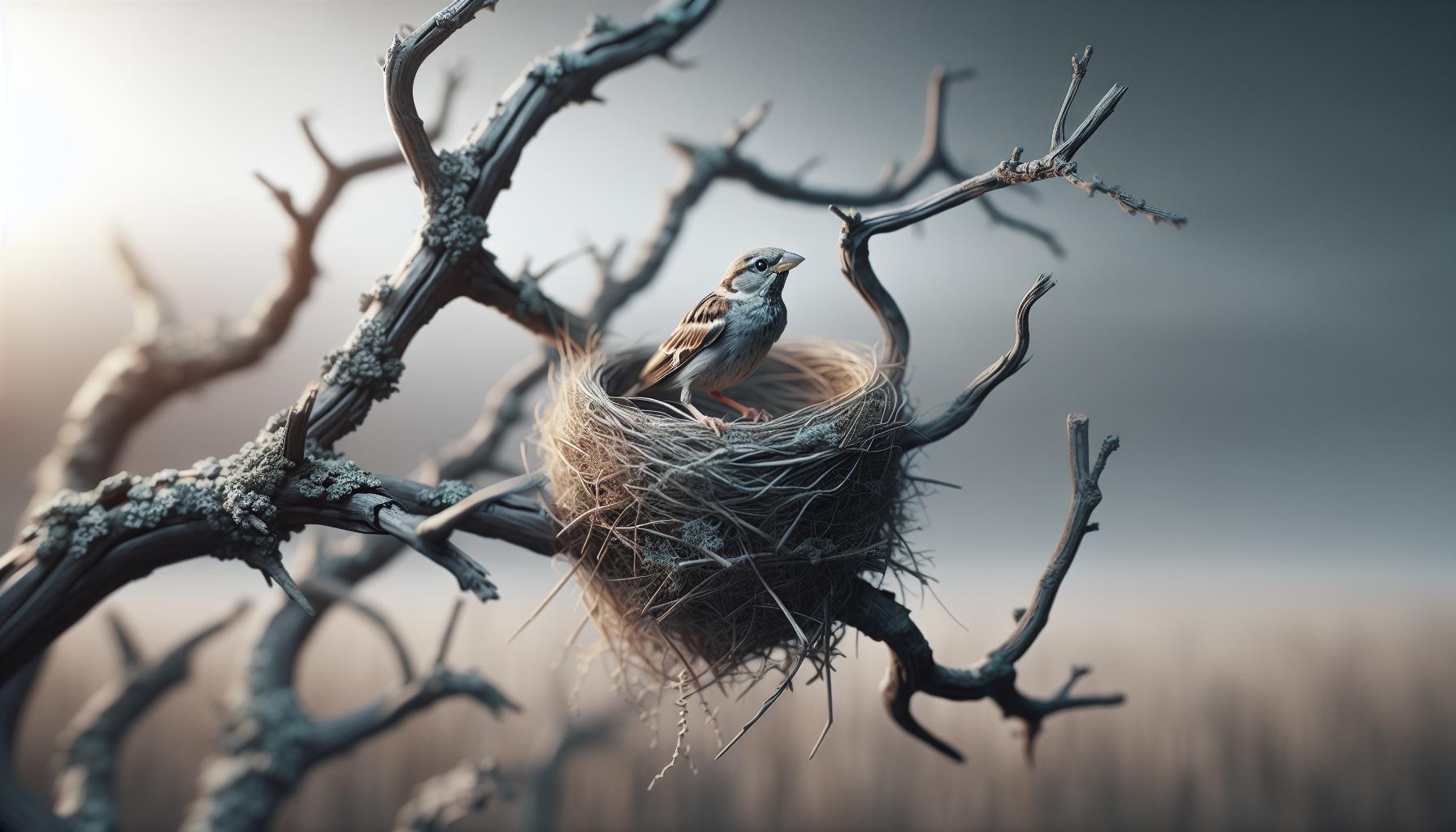
Certain bird species are particularly vulnerable to chocolate toxicity, making it essential for bird owners to be aware of which pets are most at risk. While all birds can be affected, smaller species often exhibit more severe reactions due to their lower body weight and faster metabolism. Parrots, canaries, and finches are among those that should be closely monitored, as these birds tend to have a high sensitivity to theobromine, the toxic compound found in chocolate.
For instance, parakeets and cockatiels, which are often kept as pets, can experience rapid changes in behavior if they ingest chocolate, leading to increased agitation or lethargy. Similarly, small finches may have difficulty dealing with even small amounts of theobromine, showing signs of distress more quickly than larger species. Larger birds like macaws and African greys might be more resistant to toxicity due to their size, but this does not mean they are immune. In fact, they can still suffer from severe symptoms, including cardiovascular distress, if they consume chocolate.
Understanding the specific needs and risks associated with different bird species is crucial for prevention. Owners of these susceptible birds should create environments free from accessible chocolate and monitor their pets closely during festive occasions when chocolate is more prevalent. Remember, it’s better to err on the side of caution; if there’s ever doubt about your bird’s exposure to chocolate, seeking veterinary guidance is the best course of action to ensure their health and safety.
How to Prevent Chocolate Exposure

Even the most vigilant pet owners can occasionally find themselves in a situation where chocolate is within reach of their birds. That’s why understanding how to safeguard your feathered friends from this delicious but dangerous treat is crucial. Chocolate contains theobromine, a compound that can be toxic to birds, leading to serious health issues. By implementing a few simple strategies, you can ensure that your home remains a safe haven for your avian companions.
First and foremost, create a bird-proof environment. Chocolate is often a temptation during holidays, parties, and family gatherings. To prevent accidental exposure, designate specific areas in your home where your birds can roam freely, away from human activities that involve chocolate consumption. Additionally, keep all chocolate products, particularly those that are sugary or sweet, stored securely out of reach. Use high cabinets or containers with tight-fitting lids to make it impossible for your curious birds to investigate.
Communication is key among all household members. Make sure everyone in the home understands the risks associated with chocolate and the importance of keeping it away from birds. When inviting friends or family over, it’s wise to inform them about your pets and ask them to be mindful of any food items that could potentially harm them. You might even consider designating a special “bird-free zone” during events where food is served, allowing you to monitor the situation more closely.
It’s also beneficial to provide alternative treats that are safe for birds, catering to their dietary needs without the risk of toxicity. Fresh fruits, vegetables, and specially formulated bird treats not only satisfy their cravings but also contribute to their overall health. Educate yourself about what constitutes a healthy snack for your particular species, and keep these delicious options readily available.
Finally, establish a routine of regular health check-ups with an avian veterinarian. This way, you can ensure your birds are healthy and receive timely advice on their dietary needs. In case your bird does manage to ingest chocolate despite your precautions, prompt action can make all the difference. Knowing emergency procedures and having the contact information of your veterinarian on hand can alleviate stress and ensure you’re prepared to handle any potential poisoning incidents quickly.
By prioritizing prevention and fostering a supportive environment for your feathered friends, you can enjoy peace of mind, knowing they are safe from the dangers of chocolate.
What to Do If Your Bird Eats Chocolate
If you ever find yourself in the unfortunate situation where your bird has consumed chocolate, the first thing to remember is to remain calm. Theobromine, the toxic compound found in chocolate, affects birds, potentially leading to serious health complications. However, knowing the right steps to take can make a significant difference in ensuring your feathered friend’s safety.
First and foremost, assess the amount of chocolate your bird may have eaten and the type of chocolate involved, as darker chocolates contain higher levels of theobromine and are thus more dangerous. If possible, note the time of ingestion and the specific chocolate product consumed. This information will be crucial for your veterinarian.
Immediate action is critical: Contact an avian veterinarian or an animal poison control center without delay. Providing them with the details of the incident will help them give tailored advice based on the severity of the situation. Do not wait for symptoms to appear; prompt intervention is often necessary with potential chocolate poisoning.
While preparing to seek professional help, observe your bird for any symptoms. Common signs of chocolate ingestion include:
- Vomiting
- Diarrhea
- Increased heart rate
- Hyperactivity or restlessness
- Twitching or seizures
If you notice any of these symptoms, alert your vet immediately. In some cases, they may recommend inducing vomiting, but this should only be done under veterinary supervision.
In the meantime, ensure your bird is comfortable and stress-free. Provide a calm environment, and avoid any loud noises or disturbances. Keep your bird hydrated, but do not attempt to give them food or home remedies without veterinary advice, as some substances can exacerbate their condition.
Understanding how to respond in such situations not only protects your bird but also instills confidence in your ability to handle emergencies. Keep your avian veterinarian’s contact information readily available, along with the numbers for emergency animal services, to ensure you’re always prepared.
Safe Treat Alternatives for Birds
It’s vital to provide our feathered friends with delicious and safe snacks that keep their health and happiness in check. Rather than risking exposure to harmful substances like chocolate, which is toxic to birds, opting for healthier alternatives is both a safe and delightful approach. Birds enjoy a variety of treats that not only cater to their taste buds but also contribute positively to their diet.
One excellent substitute for chocolate is fresh fruit. Birds typically love fruits such as apples, bananas, blueberries, and grapes. These treats are packed with essential vitamins and are low in fat, making them a healthy option. Just remember to remove any seeds or pits that could pose a choking hazard. Likewise, vegetables like carrots, kale, and spinach can be offered raw or lightly steamed. These provide a crunchy texture that many birds enjoy while being rich in nutrients.
Another safe option includes nuts and seeds. Unsalted almonds, walnuts, pecans, and sunflower seeds are not only tasty but also provide healthy fats and protein. You can present these as whole nuts or crushed to add variety to your bird’s diet. It’s essential to limit portions, as nuts are high in calories, but they should form part of a balanced diet when given in moderation. For more adventurous treats, consider offering cooked grains like quinoa or brown rice. These are excellent sources of carbohydrates and can be an exciting change from their usual seeds.
Remember, birds thrive on a varied diet, so mixing up these alternatives will keep them engaged and healthy. Always perform due diligence when introducing new foods by watching for any adverse reactions, and consult with a veterinarian if you’re unsure. By steering clear of chocolate and other toxic foods, you ensure that your pet remains vibrant and full of life, enjoying the best that their dining experience has to offer.
Cultural Myths About Birds and Chocolate
The relationship between birds and chocolate is often clouded by misconceptions, leading many to romanticize the idea of feeding their feathered companions a taste of this sweet treat. However, it’s essential to clear the air regarding these cultural myths. Many people believe that chocolate is merely an indulgence and that sharing a small piece with their birds is harmless. Unfortunately, this couldn’t be further from the truth. Chocolate contains theobromine, a compound that is toxic to birds and can potentially lead to serious health issues or even death, depending on the amount consumed and the bird species involved.
There are commonly held beliefs that certain small amounts of chocolate are safe, or that less potent forms like white chocolate are less harmful. Yet this is a dangerous misconception. All forms of chocolate-including dark, milk, and even white-can pose threats to avian health. The excitement many bird owners feel when sharing food can sometimes blur the lines of safe practices. Instead of associating chocolate with love and bonding, it is vital to promote a culture of safety in bird care.
Addressing the Myths
- Myth: All chocolate is bad for birds, but some types are less harmful.
- Fact: Every type of chocolate contains theobromine, making them all unsafe for birds.
- Myth: A tiny piece now and then won’t hurt.
- Fact: Even small amounts can accumulate and be dangerous, particularly for small bird species.
It is crucial for bird enthusiasts to replace cultural traditions of sharing chocolate with knowledge-driven practices. Many people might think that because it’s a common human treat, it won’t harm their birds. Instead, we can cultivate a joy around providing safe and nutritious treats, such as fresh fruits and vegetables, which can support a bird’s health and happiness. Updating our understanding and practices enhances our bond with these vibrant creatures and fosters their well-being, steering clear of such risky practices.
Expert Opinions on Birds and Chocolate Safety
Bird enthusiasts often wonder about what their feathered companions can safely consume, and chocolate frequently enters the conversation-often with alarming misconceptions. Experts unanimously agree that chocolate is harmful to birds, and they emphasize the need for clear communication about its dangers. Dr. Jane Smith, an avian veterinarian, states, “Chocolate contains theobromine, which is toxic to birds, causing various complications, from gastrointestinal upset to cardiovascular issues if ingested.” This insight highlights not just the immediate dangers but also the long-term health repercussions sweets can have on these animals.
Veterinary professionals encourage bird owners to be vigilant about what they offer their pets. Many insist that even a small piece of chocolate can be risky, especially for smaller bird species that metabolize toxins differently. Dr. Paul Green, a specialist in avian biology, shares, “It’s best to approach the notion of sharing human food, such as chocolate, with caution. The joy of providing treats should never come at the cost of our birds’ health.” Aside from the toxicity of chocolate, experts recommend educating oneself about safe and nutritious alternatives, like seeds, nuts, and fresh fruits. Such knowledge can transform treat-giving from a potential health hazard into an opportunity for bonding.
To add to the discussion, experienced bird owners often share personal anecdotes about the positive outcomes of substituting chocolate with healthier options. For instance, many parrot owners have found success in training their birds to accept a wider variety of fruits and vegetables, leading to healthier diets and greater engagement during feeding time. These experiences illustrate the joy of diversifying a bird’s diet while encouraging responsible pet ownership. By building a foundation of safety-focused feeding practices and advocating for a culture of awareness regarding bird nutrition, we can foster healthier and happier avian companions.
Ultimately, taking expert opinions into account helps foster responsible care and awareness regarding what birds can eat, steering clear of chocolate altogether and embracing a diet full of fresh, bird-friendly treats.
The Science Behind Chocolate Toxicity
Chocolate might seem like an indulgent treat for humans, but it harbors serious risks for our feathered friends, particularly due to a compound known as theobromine. This methylxanthine alkaloid, while safely metabolized by humans, poses a significant threat to birds. Just a small amount of chocolate can lead to toxic reactions because birds lack the enzymes necessary to metabolize theobromine effectively. In fact, the risk increases dramatically depending on the type of chocolate consumed-dark chocolate and baking chocolate contain much higher theobromine levels than milk chocolate, making them particularly dangerous.
When ingested, theobromine affects birds the same way it does in other animals, leading to increased heart rates, restlessness, and potential cardiac arrest. The compound can disrupt normal bodily functions, resulting in serious health issues. Research has shown that sensitivity to theobromine varies among bird species, but even small parrots or finches can show alarming symptoms after exposure. Observing behavior changes such as vomiting, diarrhea, and lethargy can indicate that your bird has ingested chocolate.
Prevention is key to safeguarding your avian companions from chocolate toxicity. Always educate yourself about the hazards of human foods and ensure your space is free of tempting treats that could accidentally tempt your bird. Offering your pets a range of safe and nutritious alternatives, like fresh fruit or seeds, can keep their diets balanced while keeping harmful substances at bay.
Creating a non-toxic environment for birds not only protects their health but also enriches their lives. By experimenting with different safe treats and encouraging foraging behavior, you can contribute to their physical well-being and psychological stimulation. Remember, a well-informed pet owner is the best protector against the dangers of toxic foods, making those crucial dietary choices that much easier!
Bird Care Tips for Responsible Pet Owners
Taking care of our feathered companions comes with a set of responsibilities that ensures they lead happy, healthy lives. One of the most crucial aspects of bird care is understanding what foods are safe and unsafe for them, particularly when it comes to human snacks like chocolate. Since many bird owners might be tempted to share a sweet treat, it’s vital to educate ourselves on the dangers of chocolate and adopt practices that prioritize our birds’ well-being.
Understanding Safe Practices
First and foremost, always familiarize yourself with the common human foods that are toxic to birds. This includes not only chocolate but also avocado, caffeine, and certain fruits with pits. Regularly check resources and join communities that discuss bird care, where you can share experiences and seek advice. Keeping a list of safe and unsafe foods in your kitchen can be an effective way to remember what your bird can or cannot eat.
Creating a Bird-Friendly Environment
Your home should be a sanctuary that promotes the health and enrichment of your bird. Make it a habit to bird-proof areas where food is prepared or consumed. This can mean securing trash cans, placing potentially harmful items out of reach, and regularly cleaning environments where scraps might fall. Additionally, you can cultivate a selection of bird-friendly snacks, such as fresh fruits, vegetables, and commercially-prepared bird treats, ensuring that your pet only encounters safe options.
Encouraging Healthy Eating Habits
To encourage your bird to eat healthily, introduce a variety of safe foods gradually. Use foraging toys to make snack time engaging and simulate the natural behaviors birds exhibit in the wild. Experiment with different textures and flavors until you discover what delights your bird. Remember, birds are curious creatures; they might be hesitant initially but can develop preferences for healthier options over time.
Staying Informed and Vigilant
Finally, regular check-ups with an avian veterinarian can help catch any potential health issues early, especially if you suspect your bird has ingested something harmful. Staying informed through reliable resources will empower you as a pet owner. Educate family and friends about the importance of bird diet, ensuring everyone is on the same page regarding what treats can be shared and what remains off-limits.
By understanding the risks and promoting a wholesome, bird-friendly environment, you not only prevent toxic incidents but also enrich your bird’s life, creating a loving and supportive home for your feathery friend.
Resources for Bird Health and Nutrition
Understanding proper nutrition for birds is essential, especially when it comes to avoiding dangerous foods like chocolate. For any bird owner, having reliable resources at hand can make a significant difference in ensuring the health and well-being of your feathered companion. It’s not just about avoiding harmful treats; it’s also about providing balanced, nourishing options that promote vitality and happiness.
One of the best places to start is with reputable avian vet practices and pet care communities that focus on bird nutrition. These professionals can offer tailored dietary guidelines, helping you understand the specific nutritional needs of your bird species-whether they’re budgerigars, cockatiels, or larger parrots. Furthermore, books written by avian experts can provide comprehensive insights into bird diets, including safe food choices and potential hazards.
Online platforms, like forums and websites dedicated to avian care, are invaluable for real-time advice and tips. You can find discussions about shared experiences concerning unsafe foods and healthy snack alternatives. Many of these communities also provide lists of safe and toxic foods, which can help you quickly reference what is appropriate for your bird. You might discover that fruits and vegetables like carrots, broccoli, and berries are excellent additions, while seeds and nuts should be given in moderation.
Additionally, consider investing in high-quality commercial bird food that has been specifically designed to meet the dietary needs of your species. Many brands offer balanced blends that contain essential nutrients, vitamins, and minerals. This can help mitigate mistakes that occur when relying solely on table scraps or improperly balanced homemade diets.
Lastly, always stay updated on the latest research regarding avian nutrition and toxicity. Scientific advancements continue to reveal more about what is safe for birds, as well as the effects of various foods. Subscribing to veterinary journals or newsletters can keep you aware of the most current findings and best practices.
By utilizing these resources and staying informed, you’re not only protecting your bird from the dangers of chocolate and other harmful substances but also enriching its life with a carefully considered diet tailored to its needs.
Frequently asked questions
Q: Can all birds eat chocolate?
A: No, all birds should avoid chocolate. It contains theobromine and caffeine, both toxic to birds. Even small amounts can lead to severe health issues, making it crucial to keep chocolate away from their diet. For safe treat options, check the “Safe Treat Alternatives for Birds” section in our article.
Q: What types of chocolate are more toxic to birds?
A: Dark chocolate is the most toxic due to its higher theobromine concentration, followed by milk chocolate. White chocolate contains minimal theobromine but is still not advisable for birds. Always ensure your bird has safe snacks by exploring our detailed sections on chocolate toxicity.
Q: How can I identify chocolate poisoning in birds?
A: Signs of chocolate poisoning include vomiting, diarrhea, increased heart rate, and hyperactivity. If you suspect your bird has ingested chocolate, refer to our section on “Common Symptoms of Chocolate Poisoning” for guidance on what to do next.
Q: What should I do if my bird accidentally eats chocolate?
A: Immediately consult a veterinarian if your bird consumes chocolate, even in small amounts. Prompt treatment can mitigate the toxic effects. For detailed steps on handling such emergencies, see our “What to Do If Your Bird Eats Chocolate” section.
Q: How does chocolate affect different bird species?
A: While all birds can be affected by chocolate toxicity, smaller birds may exhibit more severe symptoms due to their size. Species like parrots, finches, and canaries are particularly vulnerable. Review our section on “Which Bird Species Are Most Affected?” for more insights.
Q: Can chocolate cause long-term health effects in birds?
A: Yes, chocolate consumption can lead to long-term health issues such as liver damage or heart problems if not treated promptly. It’s vital to maintain a bird-friendly diet; refer to our “Bird Care Tips for Responsible Pet Owners” for comprehensive advice.
Q: Are there safe alternatives to chocolate for bird treats?
A: Yes, consider fruits like apples, berries, or vegetable mixes as safe treat alternatives for birds. Also, explore our “Safe Treat Alternatives for Birds” section for a well-rounded list of tasty and healthy options that will keep your feathered friends happy.
Q: What myths exist about birds and chocolate?
A: Many believe that all pets can share human food, including chocolate, but this is dangerous for birds. Understanding these myths helps prevent accidental poisoning. Dive deeper into “Cultural Myths About Birds and Chocolate” to learn more about common misconceptions.
In Retrospect
In conclusion, understanding the dangers of chocolate for our feathered friends is crucial for any bird lover. Remember, while chocolate may be a delightful treat for humans, it poses serious toxicity risks to birds. Ensure you’re providing safe and nutritious snacks specifically tailored for avian health. Interested in learning more about what foods are safe for your pet birds? Check out our guides on healthy bird diets and common household foods that are safe for birds.
If you found this article informative, consider signing up for our newsletter for more tips on bird care and insights into bird behavior. We invite you to explore related articles, such as “10 Common Foods That Are Toxic to Birds” and “The Best Treats for Your Feathered Companions,” to enhance your knowledge and ensure your birds thrive. Don’t hesitate to share your thoughts in the comments below or connect with fellow bird enthusiasts in our community. Your journey in avian welfare has just begun-let’s keep flying together!
Get our latest guides, news, and insights highlighted in your Google Search & AI Overviews.