

The Tropical Kingbird, a vibrant and energetic bird found across Central and South America, offers a fascinating glimpse into the avian world. With its striking yellow underbelly and bold personality, this species is not only a delight to observe but also plays a crucial role in its ecosystem as an insectivore. Many birdwatchers seek to understand its intriguing behaviors, migratory patterns, and year-round habitats. Whether you’re an enthusiastic beginner eager to spot your first kingbird or an experienced birder looking to expand your knowledge, this guide will illuminate the Tropical Kingbird’s unique characteristics and habits. Discover how to identify this remarkable bird, appreciate its role in your local environment, and enhance your birdwatching experience. Join us as we explore the engaging world of the Tropical Kingbird!
Tropical Kingbird Behavior: A Detailed Overview
The Tropical Kingbird is a fascinating bird known for its bold personality and dynamic behavior, making it a delightful subject for both novice and seasoned birdwatchers. These striking yellow and gray songbirds are often spotted in open areas, perched on fences or low branches, where they can survey their surroundings. Their behavior is characterized by a playful nature, often seen chasing one another or diving for insects in mid-air with remarkable agility. This species is known for its territorial displays, particularly during the breeding season, when males perform acrobatic flights to defend their territory, showcasing their agility and vibrancy.
In terms of social interactions, Tropical Kingbirds are generally social and can often be seen in pairs or small groups, especially outside of the breeding season. Their vocalizations include a range of whistles and calls that serve various purposes-establishing territory, signaling their presence, or communicating with mates. As an observer, one might note the elevated intensity of their calls during competition for food or in response to potential threats, making them an engaging bird to watch in action.
Feeding habits are another area where the Tropical Kingbird shines. These birds are opportunistic feeders, primarily consuming insects such as grasshoppers and beetles, but they will also eat fruits and berries when available. Watching a Tropical Kingbird hunt can be thrilling; they often hover before diving toward prey, demonstrating impressive aerial maneuverability. As they feed, they may also adopt a vigilant posture, scanning for both prey and potential predators, showcasing their keen awareness of their environment.
For birdwatchers hoping to catch a glimpse of these lively birds, patience and a keen eye are essential. Observing their hunting techniques and social interactions can not only lead to a memorable experience but also provide deeper insights into their fascinating behavior. Whether in open fields or along roadsides, the Tropical Kingbird’s lively presence and vivid character truly enrich any birdwatching outing.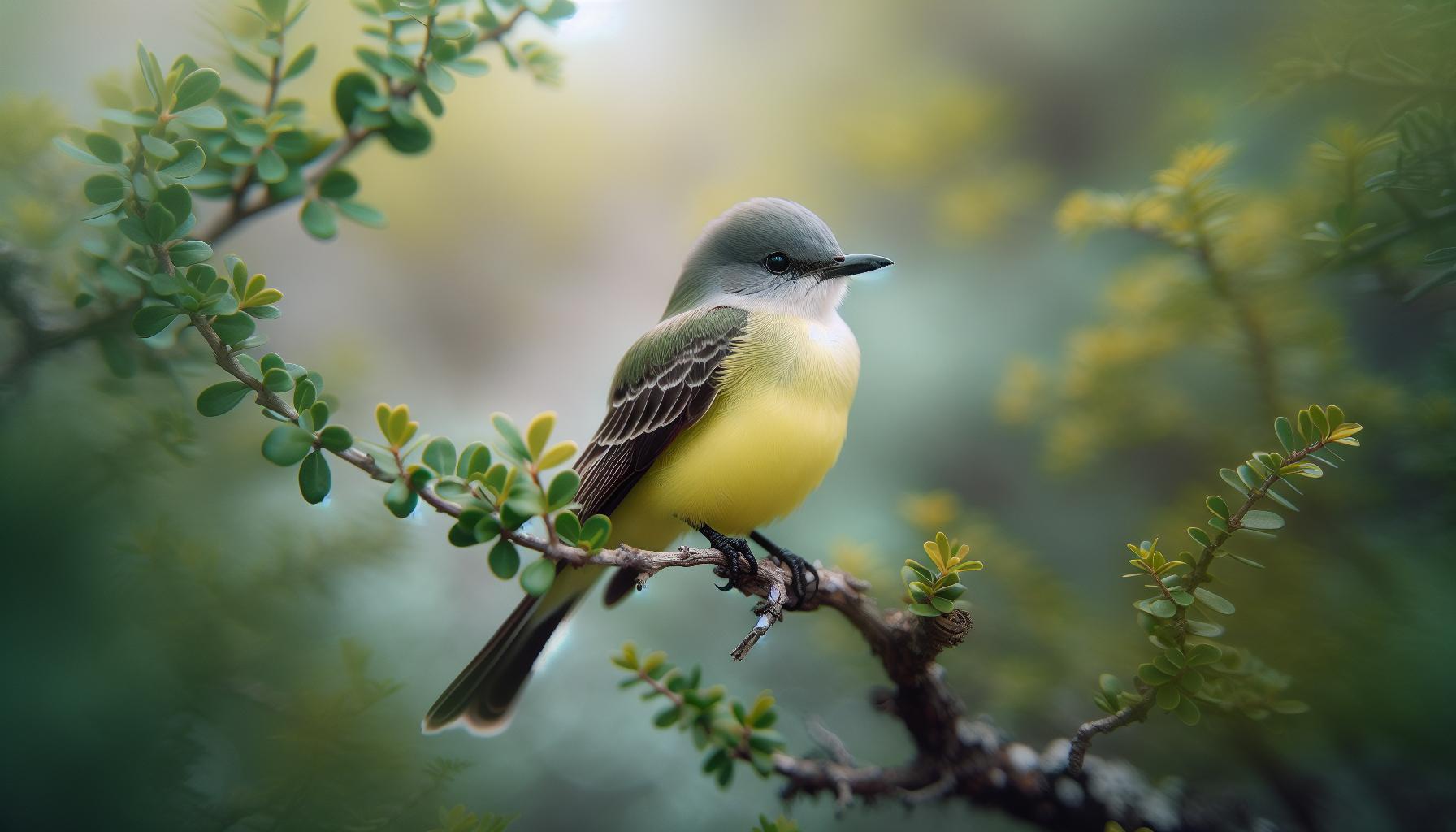
Identifying the Tropical Kingbird: Key Features
The Tropical Kingbird is an eye-catching bird that is often spotted in open areas, its vibrant yellow belly and ash-gray wings making it a striking presence against the sky. Those keen to identify this species will want to pay attention to several defining features. Adult Tropical Kingbirds display a distinctive, bright yellow underbelly contrasted by a slate-gray upper body. Their large heads, adorned with a slightly curved black bill, give them a robust look, while their long tails are usually edged with white, which is particularly visible in flight.
To distinguish the Tropical Kingbird from similar species, specific details are essential. For instance, its vocalizations are a key identifier; the Tropical Kingbird is known for a range of sharp whistles and calls that are often loud and assertive. This vocal quality differentiates it from the closely related Couch’s Kingbird, which has a distinct sound that can be critical in the field. Observers often recommend listening for these calls as a means of narrowing down the identification, particularly in overlapping ranges.
When observing these birds in their natural habitats, their behavior can also provide clues to their identity. Tropical Kingbirds are often seen perched prominently on low branches or fences, scanning their surroundings for potential prey. When hunting, they employ a technique called “sallying,” where they launch from a perch to catch flying insects mid-air-a behavior that showcases their agility and keen hunting skills. This hunting style, combined with their bold demeanor, further aids in distinguishing them from other flycatchers that may inhabit the same areas.
Finally, knowing where to look is half the battle. Tropical Kingbirds are typically found in a variety of open habitats, including fields, scrublands, and urban areas, and they are most common in Central America and parts of the southern United States. Whether you’re a seasoned birder or just starting out, these identifying features can make the search for the Tropical Kingbird both meaningful and exciting. Happy birdwatching!
Understanding the Tropical Kingbird’s Year-Round Range
Despite its name, the Tropical Kingbird is not limited to the tropics; it has a surprisingly wide year-round range that stretches across various landscapes. This bird is predominantly found in Central America, where it thrives in open habitats, but it also expands its presence into the southern United States, primarily in states such as Texas and southern Arizona. Engaging with the world of the Tropical Kingbird gives birdwatchers a chance to experience the diverse ecosystems these birds inhabit, from bustling urban areas to serene fields and scrublands.
One of the fascinating aspects of the Tropical Kingbird’s range is its adaptability. Whether perched on a low branch overlooking a grassy field or scouting from a fence in a suburban backyard, this bird’s ability to thrive in different settings makes it a popular species for bird enthusiasts. Its population is generally stable, and in regions where they are present, Tropical Kingbirds can often be seen year-round, as they do not migrate extensively. Instead, they tend to be resident birds within their established territories, making regular sightings possible throughout the seasons.
For those eager to spot a Tropical Kingbird, understanding its range is key. In the southern parts of the United States, the bird typically inhabits areas from late spring through early fall, coinciding with increased insect activity-its primary food source. As you travel through these regions, keep an eye out for their characteristic calls and agile flying behavior, especially in locales rich in open grassy areas or near water sources where insects are plentiful.
As you plan your birdwatching excursions, remember that the Tropical Kingbird’s presence in warmer climates throughout the year sets a welcoming stage for both novice and experienced birders alike. The thrill of spotting this striking bird-often silhouetted against the sky-can lend each field trip a sense of adventure. Embrace the challenge by focusing on specific locations within their range, as this not only broadens your birdwatching skills but deeply enriches your connection to the avian world. Happy birding!
Preferred Habitats of the Tropical Kingbird
The Tropical Kingbird thrives in environments that offer both open spaces and nearby water sources, showcasing its adaptability across various landscapes. Frequently found in open woodlands and areas with scattered trees, these birds prefer habitats near ponds, rivers, and streams. Ideal locations for spotting them include lush riparian zones with native vegetation like cottonwoods, willows, and mesquite, where they can hunt insects with agility and precision [[1](https://txtbba.tamu.edu/species-accounts/tropical-kingbird/)].
In addition to natural areas, the Tropical Kingbird has made a remarkable adjustment to urban and suburban settings. You might find them perched on fences or power lines, scanning gardens and parks rich in insect life. Their ability to thrive in human-altered environments broadens the opportunities for both novice and seasoned birdwatchers. When visiting cities or towns within their range, look for these kingbirds in residential yards or near any green spaces [[2](https://nhpbs.org/wild/tropicalkingbird.asp)].
The elevation range for the Tropical Kingbird can extend up to 2000 meters, but they are most commonly seen at lower altitudes where their favored habitats exist. During early spring and summer, as they prepare for breeding, they become more conspicuously active in these areas, making them easier to spot [[3](https://animaldiversity.org/accounts/Tyrannus_melancholicus/)]. Understanding these habitat preferences not only enhances your birdwatching experience but also guides you to the best spots for observing their fascinating behaviors.
Feeding Habits of the Tropical Kingbird
The Tropical Kingbird showcases remarkable foraging skills that reflect its adaptability to diverse environments. This vibrant bird primarily feasts on a wide array of flying insects, making it an agile hunter frequently seen capturing its prey mid-air. From crickets to moths, the kingbird’s diet is heavily insectivorous, allowing it to thrive in varying climates year-round, especially during warmer months when insect populations flourish [1].
While insects form the backbone of its diet, the Tropical Kingbird is not averse to diversifying its menu. In regions where fruit is plentiful, they opportunistically include berries and other fruits in their meals, particularly in more tropical habitats [3]. This adaptability in diet not only reflects their ecological versatility but also increases their chances of survival in changing environments.
Birdwatchers might observe the Tropical Kingbird perched conspicuously on high vantage points like fences or power lines-the perfect lookout for potential meals. Their keen eyesight and agile flight allow them to dart after elusive prey with impressive speed. For those keen on birdwatching, recognizing these feeding behaviors is essential; a good place to catch sight of their feeding antics is near riparian zones or gardens where insects are abundant [2]. By understanding and appreciating their feeding habits, bird enthusiasts can enhance their observation experiences and have a deeper connection with these fascinating birds.
Social Behavior: Communication and Interactions
The Tropical Kingbird is not just known for its striking appearance and hunting prowess; it also exhibits a range of fascinating social behaviors that enhance its interactions with fellow birds and its environment. These kingbirds are vocal and communicative, utilizing a variety of calls and songs to express their presence and establish territory. A frequent, sharp “pee pee pee” call serves as a warning to intruders, while their melodic whistles can function as a form of courtship display, or simply a way to maintain contact within their family groups.
During the breeding season, their social interactions become markedly more complex. Males are particularly vocal, defending their territory with aggressive calls while engaging in aerial displays to attract mates. This not only signals their fitness but also helps to establish hierarchical structures within local populations. Observers in the field may notice that these displays often involve impressive dives and swoops, showcasing agility that further reinforces their dominance. During this time, pairs form strong bonds, with both parents participating in nurturing their young.
Tropical Kingbirds are often seen perched in groups or pairs, especially outside of nesting periods. Their interactions can become quite raucous, filled with playful chases and calls that echo throughout their habitats. These gatherings serve as important opportunities for socializing, reinforcing group cohesion, and even engaging in cooperative hunting strategies where individuals might work together to flush insects out of hiding. This social aspect of their behavior not only enriches their lives but also provides birdwatchers with captivating visuals that highlight their dynamic community interactions.
For those observing these remarkable birds, understanding their social behaviors can significantly enrich the birdwatching experience. Paying attention to the nuances in their vocalizations and interactions can offer insights into their social structure and environmental adaptability. Enthusiasts often find that locations with rich insect life, such as gardens or riparian zones, are prime spots not just for spotting them, but also for witnessing the lively social dynamics of the Tropical Kingbird. Whether you’re a novice or a seasoned birder, taking time to appreciate these interactions will deepen your connection to the natural world and enhance your birdwatching adventures.
Nesting and Reproductive Strategies of the Tropical Kingbird
The Tropical Kingbird’s nesting and reproductive strategies are a testament to their adaptability and social nature. These birds typically breed during the warm season, timing their nesting activities to coincide with peak insect abundance, which is crucial for feeding their young. They often construct their nests in a variety of locations, favoring trees, shrubs, or even human structures when suitable options are available. A typical nest is a well-camouflaged cup made of grasses, twigs, and other plant materials, reinforcing their preference for locations that offer protection from predators.
During the courtship phase, males display an array of aerial acrobatics, including impressive dives and chases, to attract a mate. Once pairs form a bond, they engage in cooperative behaviors that strengthen their relationship. Both parents take turns incubating the eggs, which usually number between three to five, for about two weeks. This shared responsibility not only maximizes the chance of successful hatching but also serves as an important bonding activity for the pair.
After hatching, the young kingbirds remain dependent on their parents for food, which is primarily insects. The parents continue their cooperative efforts, with both feeding and protecting the fledglings until they are ready to leave the nest, which typically occurs about two to three weeks after hatching. This collaborative approach to parenting not only ensures the survival of their offspring but also prepares the young kingbirds for the social complexities they will encounter as they mature.
Understanding these nesting strategies can greatly enhance your birdwatching experience. Observers are likely to spot kingbird nests in open habitats near water or urban areas where food is plentiful. Being mindful of their nesting season and locations can provide valuable opportunities for witnessing their unique parenting behaviors and aerial displays, making each encounter with these dynamic birds even more rewarding.
Migration Patterns: What to Expect
As fall approaches, the Tropical Kingbird, known for its vibrant yellow belly and striking black and white wings, embarks on an annual migration that captivates birdwatchers and casual observers alike. These medium-distance migrants typically journey from their breeding grounds in the southern United States and Mexico, heading to their wintering habitats across Central America. What’s fascinating is that these birds might sometimes form flocks during their migration, moving alongside other species which can create a spectacular sight.
While Tropical Kingbirds are primarily found in open habitats, their migration patterns reveal a preference for regions abundant in insects and feeding opportunities. As they traverse diverse landscapes, including urban areas, agricultural fields, and forest edges, observers may be lucky enough to spot them perched high on telephone wires or flitting about in search of a meal. Their migratory journey involves careful navigation, often influenced by weather patterns, food availability, and the need for safe resting spots.
Timing is crucial; many Tropical Kingbirds begin their southward migration as early as September and continue through late October, coinciding with the seasonal shift in insect populations. A keen eye for detail can be advantageous during this time: look out for their characteristic aerial displays as they hunt for insects in flight. Casual birdwatchers might find it rewarding to visit wetlands or coastal areas during these months, where kingbirds are known to congregate in larger numbers, offering a rich opportunity for observation.
As you prepare to witness these avian travelers, be aware of the subtle signals of migration, like shifts in their vocalizations and behavior. Each sighting can serve as a reminder of their remarkable adaptability and the intricate patterns of nature. Whether you’re a seasoned birder or new to the hobby, keeping track of the Tropical Kingbird’s migration can enhance your understanding of their role in the ecosystem and the beauty of seasonal changes in bird behavior.
Conservation Status of the Tropical Kingbird
The Tropical Kingbird boasts a staggering estimated global population of around 200 million individuals, showcasing its aptitude for thriving in a variety of environments. Despite this robust number, the species faces threats primarily from habitat loss and climate change, which can disrupt their breeding and migratory patterns. Understanding the conservation status of this species is crucial for birdwatchers and environmental enthusiasts alike, as it underscores the importance of preserving the ecosystems that sustain these remarkable birds.
One of the primary concerns for the Tropical Kingbird is the degradation of its habitats, particularly in regions where agricultural practices and urban development encroach on open grasslands and riparian zones. These habitats are vital for their nesting and foraging needs. Hence, conservation efforts are increasingly focusing on protecting these areas. Protecting riparian corridors and enhancing habitat connectivity not only benefits the Tropical Kingbird but also supports a diverse range of other wildlife that rely on similar ecosystems.
Birdwatchers can play an essential role in conservation by participating in local bird counts and habitat restoration projects. Reporting sightings contributes valuable data to understanding population trends, while engaging in community outreach can raise awareness about the vulnerabilities facing this species. Joining local chapters of bird conservation organizations can provide tangible ways to participate in the safeguarding of their habitats. By fostering a deeper connection with the Tropical Kingbird and similar species, bird lovers can become advocates for the natural world, ensuring that future generations enjoy the sights and sounds of these stunning birds.
If you’re inspired to contribute to conservation efforts, consider these actions:
- Participate in Citizen Science: Engage in bird counts and submit your sightings to local conservation organizations.
- Support Habitat Preservation: Advocate for policies that protect natural habitats and promote sustainable land use.
- Educate Others: Share your knowledge of the Tropical Kingbird’s behaviors and conservation needs with fellow birdwatchers and your community.
By increasing awareness and taking action, we can help ensure that the Tropical Kingbird continues to thrive in its native habitats for generations to come.
Tips for Birdwatching: Spotting the Tropical Kingbird
Spotting the Tropical Kingbird can be an exhilarating experience for birdwatchers, whether you’re a novice eager to learn or a seasoned enthusiast. Did you know that these vibrant birds can often be found perched conspicuously on low branches or utility wires, keeping a watchful eye on their surroundings? Their assertive presence and striking yellow underparts make them a delightful find in many regions of Central and South America, as well as parts of the southern United States.
To enhance your chances of spotting a Tropical Kingbird, consider visiting open habitats such as grasslands, pastures, or riparian zones, where they prefer to establish their territory. These areas not only provide ample hunting grounds for their insect diet but also suitable nesting sites. Early morning or late afternoon outings are prime times to observe them in action, as they are most vocal during these hours, emitting their distinctive calls that echo across the landscape.
Look for Behavioral Cues
When searching for Tropical Kingbirds, be on the lookout for their characteristic behavior. These birds can often be seen swooping down to catch insects in mid-air or hovering briefly before diving to the ground. If you’re trying to identify them in a mixed flock, focus on their chases; they exhibit bold aggression, especially during the breeding season, defending their territory vigorously against intruders. This behavior not only makes them easier to spot but also provides an opportunity to observe their social interactions.
Tips for Successful Birdwatching
- Patience is Key: Settle in a quiet spot and allow the sounds and movements of the local wildlife to unfold.
- Use Binoculars: A good pair of binoculars can help you focus on distant birds without disturbing them.
- Listen Closely: Familiarize yourself with their calls, which can help locate them even when they’re hidden among foliage.
- Keep a Journal: Document your sightings and experiences; this can enhance your birdwatching skills and serve as a personal record.
By following these tips, you will not only increase your chances of encountering a Tropical Kingbird but also enrich your birdwatching experience. As you embark on your quest to locate these stunning birds, remember to enjoy every moment in their habitat and contribute to conservation efforts by sharing your observations with others.
Cultural Significance of the Tropical Kingbird
The Tropical Kingbird is more than just a vibrant presence in the skies of Central and South America; it holds a special place in the cultural tapestry of the regions it inhabits. In many Latin American countries, these birds are celebrated not only for their striking yellow underparts and energetic behavior but also for their charming calls that resonate through rural landscapes. These vocalizations often serve as a backdrop to daily life, linking communities to the rhythms of nature. As such, the Tropical Kingbird embodies a sense of place, symbolizing both the beauty and the resilience of the ecosystems they thrive in.
In addition to their aesthetic appeal, the Tropical Kingbird has made its mark in local folklore and art. Artists, poets, and musicians draw inspiration from its dynamic nature. The bird often symbolizes vigilance and adaptability in various indigenous and popular narratives, reflecting its assertive behavior as it patrols its territory. By featuring in stories and songs, the Tropical Kingbird helps foster an appreciation for avian life among communities, encouraging a deeper connection to the natural world.
Birdwatchers and nature enthusiasts also find cultural significance in their interactions with these birds. For many, spotting a Tropical Kingbird can be a rite of passage, marking milestones in their birdwatching journeys. This shared experience often leads to a sense of camaraderie among birders, where tales of encounters with these spirited birds are exchanged, creating community bonds that transcend geographical boundaries.
Whether it is through symbolism in local culture, artistic expressions, or the personal stories shared among bird watchers, the Tropical Kingbird serves as a vital link between people and nature, reminding us of the importance of preserving the habitats that sustain such vibrant life. Embracing this connection can inspire individuals to advocate for conservation efforts, ensuring that future generations will also have the opportunity to enjoy the enchanting presence of the Tropical Kingbird in their own environments.
Comparing the Tropical Kingbird with Similar Species
The Tropical Kingbird is often admired for its bold demeanor and bright coloration, but it shares its habitat with several similar species that can make identification challenging. Understanding how the Tropical Kingbird compares to its relatives can enhance your birdwatching experience and deepen your appreciation for avian diversity. One key to differentiating the Tropical Kingbird from similar species lies in its striking appearance and vocalizations, but let’s delve deeper into how it stands out among other flycatchers, particularly the Couch’s Kingbird and the Great Kiskadee.
Physical Characteristics to Look For
The Tropical Kingbird boasts vibrant yellow underparts and a grayish head, which sets it apart from the Couch’s Kingbird, which is often slightly darker and has an olive-tinted back. The Tropical Kingbird also has a longer tail than the Couch’s, which is more rounded. Both species share similar territories in Central America, making immediate identification crucial. In flight, the Tropical Kingbird shows a distinctive slightly notched tail, unlike the Couch’s, which has a more rounded shape.
Vocalizations
Another fascinating way to distinguish the Tropical Kingbird is through its vocalizations. Its call is a sharp, high-pitched “pee pee pee,” easily identifiable from the more melodious whistles of the Great Kiskadee. The Kiskadee, a larger bird with a striking black-and-white head, has a vibrant call that often resembles a “kis-ka-dee!” This difference is pivotal for birders trying to identify these species based on sound, especially in areas where they might coexist.
Behavioral Nuances
Behaviorally, the Tropical Kingbird is known for its assertive territorial nature, often chasing away other birds that intrude into its space. In contrast, the Great Kiskadee is more opportunistic and is frequently seen foraging near water sources, showcasing a different feeding strategy. Observing these behaviors can provide further clues for identification. For example, if you find a kingbird aggressively defending its perch, it’s likely a Tropical Kingbird; however, a bird hovering near a riverbank is probably a Great Kiskadee.
Habitat Preferences
While all these species thrive in open spaces, the Tropical Kingbird typically favors more elevated habitats such as telephone wires or tree branches that provide a strategic vantage point for hunting insects. In contrast, the Couch’s Kingbird may prefer denser vegetation, which can confuse new birdwatchers when trying to spot them.
Natural comparisons help sharpen your birdwatching skills. By paying attention to these subtle differences in appearance, vocalizations, behaviors, and habitat preferences, you can more confidently identify the Tropical Kingbird and appreciate its role within its ecosystem. Happy birdwatching!
Q&A
Q: What are the typical vocalizations of the Tropical Kingbird?
A: The Tropical Kingbird is known for its sharp, distinctive calls, often described as a series of “pee pee pee” sounds. These vocalizations play a crucial role in communication, especially during mating displays and territorial defense. Listening for these calls can aid in identifying them in their natural habitats.
Q: What time of year do Tropical Kingbirds breed?
A: Tropical Kingbirds typically breed throughout the spring and summer months, depending on their geographic location. In warmer climates, they may start breeding earlier in the year. Observing the nest-building phase is an exciting time for birdwatchers looking to spot them during this season.
Q: How do Tropical Kingbirds behave during feeding?
A: Tropical Kingbirds are agile hunters, often seen catching insects in mid-air. They perch prominently to scan the surroundings before swooping down to catch their prey. Understanding their feeding habits can enhance your birdwatching experience, especially in preferred habitats.
Q: Where can I find Tropical Kingbirds year-round?
A: Tropical Kingbirds have a wide year-round range, primarily found in tropical and subtropical regions of the Americas. They are often spotted in open areas, such as fields and roadsides, which help birdwatchers locate them throughout the year.
Q: Do Tropical Kingbirds migrate, and if so, where do they go?
A: Tropical Kingbirds are generally year-round residents in their tropical ranges but may exhibit local movements. In some areas, populations migrate to more temperate zones during the breeding season. Watching migration patterns can reveal fascinating behaviors over the seasons.
Q: What threats do Tropical Kingbirds face in the wild?
A: Tropical Kingbirds face threats from habitat loss due to urban development and agriculture. Additionally, climate change poses risks by altering their natural environments. Awareness of these challenges can guide conservation efforts and informed birdwatching practices.
Q: How significant is the Tropical Kingbird in local ecosystems?
A: The Tropical Kingbird plays a vital role in controlling insect populations, contributing to ecological balance. Its presence indicates a healthy environment, making it significant for both local ecosystems and biodiversity. Learning more about its ecological impact can enhance appreciation for this species.
Q: Can I attract Tropical Kingbirds to my backyard?
A: Yes, you can attract Tropical Kingbirds by creating an open habitat with perches and minimal dense vegetation. Providing food sources, such as insects and fruits, can make your backyard appealing to them. Setting up birdhouses can also encourage nesting behavior, enriching your birdwatching experience.
Closing Remarks
As you embark on your journey to observe the Tropical Kingbird, remember that this striking bird’s unique behavior and year-round range offer an incredible opportunity for birdwatching enthusiasts of all levels. Armed with the knowledge from this guide, you are now well-equipped to identify these charismatic birds and appreciate their fascinating interactions. Don’t miss out-grab your binoculars and head outside today to experience the thrill of spotting a Tropical Kingbird in its natural habitat!
For further exploration, check out our articles on “Finding the Best Birdwatching Spots” and “Top Tips for Attracting Birds to Your Backyard.” Additionally, consider subscribing to our newsletter for exclusive insights and updates on avian wildlife, or browse related products that can enhance your birdwatching experience. Your adventure doesn’t have to end here; dive deeper into the vibrant world of birds and become a part of our growing community. Share your experiences in the comments below-let’s connect and inspire each other!
Get our latest guides, news, and insights highlighted in your Google Search & AI Overviews.










