Have you ever wondered how birds manage their waste? Unlike mammals, birds possess a unique excretion system that combines what we know as urine and feces into a single substance. This fascinating adaptation allows them to conserve water, an essential feature for survival in the wild. Understanding how birds eliminate waste not only satisfies our curiosity but also reveals important insights into their biology and ecological roles. Whether you’re a seasoned birdwatcher or just starting to explore the avian world, delving into the mechanics of their excretion will deepen your appreciation for these incredible creatures. Join us as we unravel the mystery behind how birds pee, explore the intricacies of their digestive system, and discover what it means for their overall health and habitat. You’ll gain valuable knowledge that enriches your birding experience and contributes to responsible bird care.
Does Birds Pee? Understanding Bird Excretion
Birds possess a fascinating and unique excretion system that differs significantly from mammals. While we commonly think of urination as a crucial bodily function, birds don’t actually urinate in the traditional sense. Instead, they excrete waste in a combined form, which includes both solid and liquid components in a single process. This is primarily due to their highly efficient anatomy that helps conserve water-an essential factor for survival, especially in their diverse habitats.
The primary waste product in birds is uric acid, which is excreted as a semi-solid paste. This means that when a bird excretes, it releases white, pasty droppings that contain the byproducts of protein metabolism alongside fecal matter. This adaptation allows birds to minimize water loss, which is especially crucial in arid environments. For example, desert birds have evolved to produce solid waste to retain as much moisture as possible, allowing them to thrive in harsh conditions.
Understanding how birds eliminate waste is essential for avian caregivers and birders alike. The production and consistency of bird droppings can offer crucial insights into their health. For instance, changes in color, consistency, or frequency of droppings may indicate dietary issues or health problems. Providing a balanced diet rich in fruits, vegetables, grains, and seeds not only supports their health but can also affect the quality of their waste. Monitoring these signs helps ensure that our feathered friends remain healthy and lively in their environments.
The Unique Anatomy of Bird Excretion Systems
Birds are remarkable creatures, equipped with an excretion system that is both efficient and biologically fascinating. Unlike mammals, birds do not have a bladder to store urine; instead, they have evolved a unique combination of anatomical features that allow them to excrete waste as a semi-solid mixture. This adaptation not only optimizes their ability to retain water but also facilitates a swift removal of waste from their bodies, which is especially important for birds that are often on the move.
At the heart of this system is the cloaca, a multi-purpose opening that serves as the exit for both waste and reproductive fluids. When a bird excretes, it simultaneously releases a combination of uric acid and feces. The uric acid appears as the white, pasty component commonly seen in bird droppings, while the darker part contains the remnants of consumed food. This excretion method allows birds to conserve water more effectively than mammals, which excrete liquid urine. By limiting the amount of water lost in waste, birds are better adapted to thrive in varying climates, particularly arid environments where hydration is critical.
Understanding this aspect of avian biology is crucial for bird enthusiasts and caregivers. Monitoring the consistency and coloration of bird droppings can provide timely insights into a bird’s health and dietary habits. For instance, healthy droppings are typically a well-defined mixture of white and brown; any significant changes may signal health issues that warrant further investigation. Providing a balanced diet rich in appropriate nutrients not only supports overall health but also influences the quality of their waste, allowing you to better gauge their well-being. By grasping the intricacies of birds’ excretion systems, one can appreciate the evolutionary advantages they confer and apply this knowledge to the care and observation of our feathered companions.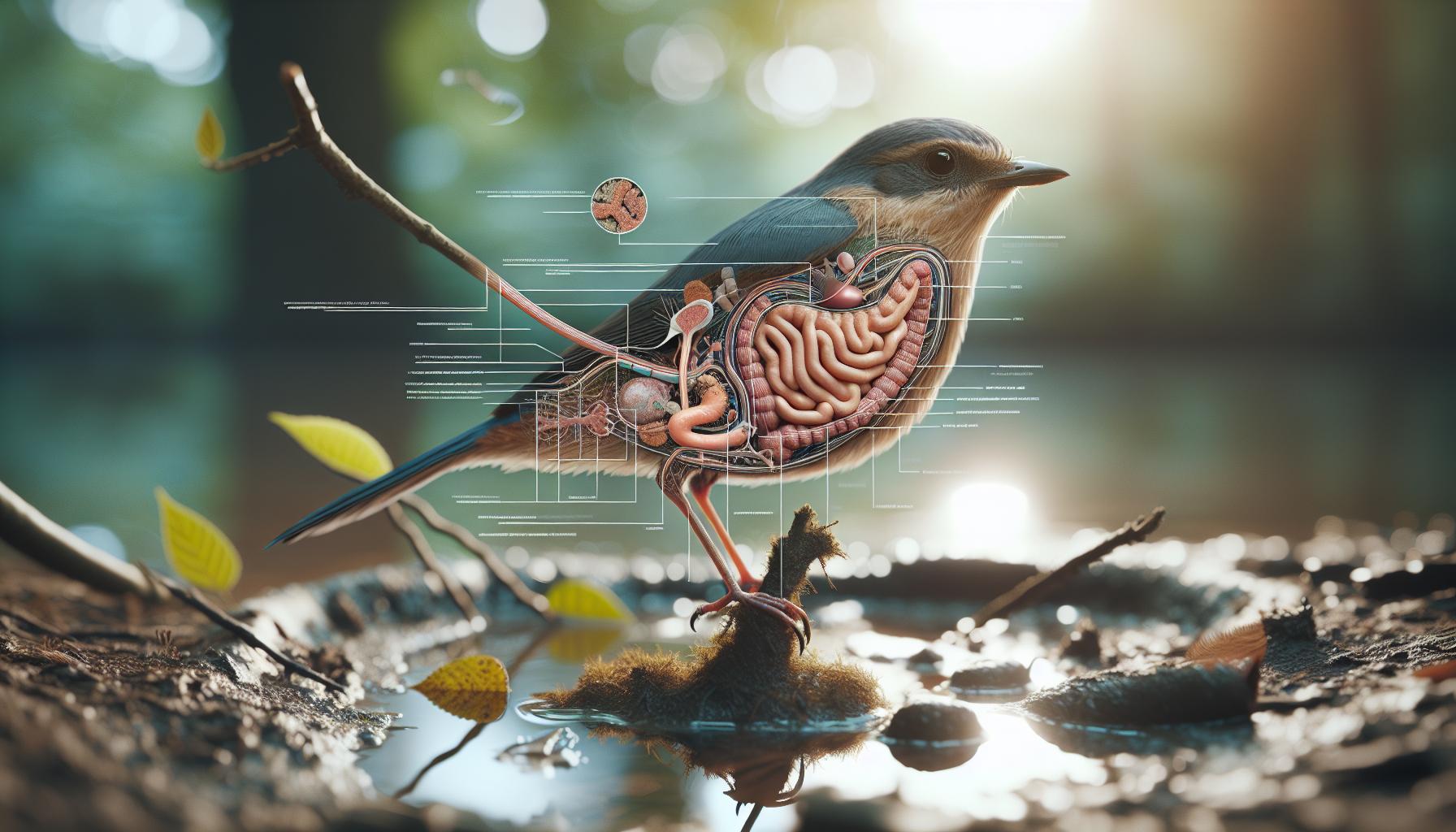
How Birds Eliminate Waste Without Urine
Birds have evolved fascinating adaptations that allow them to efficiently eliminate waste without the need for urine as mammals understand it. Instead of producing liquid urine, birds excrete waste through a combination of feces and uric acid, a process that showcases their unique anatomical and physiological traits. This efficient method not only aids in water conservation-a critical component for survival, especially in arid environments-but also facilitates mobility, as minimizing bodily fluids helps birds maintain their lightweight structure for flight.
At the center of this system is the cloaca, a multi-functional opening that serves as the exit point for digestive and reproductive waste. During excretion, a bird’s cloaca releases a semi-solid mixture, where uric acid is visible as the white, pasty substance commonly found in bird droppings, and the darker fecal matter represents the undigested remnants of their diet. This composition allows birds to conserve water effectively, as uric acid requires less water to be excreted compared to liquid urine, which is particularly advantageous for species living in habitats where freshwater is scarce.
Understanding how birds eliminate waste can significantly enhance your care routine if you’re a bird keeper or enthusiast. For example, the consistency and color of droppings can indicate a bird’s health and diet. Healthy droppings typically exhibit a well-defined mixture of white and brown, while any noticeable changes might suggest dietary adjustments or health concerns. By tailoring your bird’s diet to include water-rich fruits or vegetables, you can help optimize their waste production and overall health, making them not only easier to care for but also more vibrant and energetic companions.
Comparing Birds’ Waste to Mammals
Birds possess a remarkable system for waste elimination, fundamentally different from that of mammals. While we tend to think of waste in terms of liquid and solid excretions-urine and feces, primarily-birds simplify this process through evolution. Their bodies have adapted to release a semi-solid mixture that conserves water more efficiently, a critical feature for survival in various environments.
Unlike mammals, which excrete mostly liquid urine, birds produce uric acid, a substance that is expelled as a white, pasty material often observed in bird droppings. This adaptation is particularly advantageous for birds that inhabit arid areas where water is scarce. By excreting uric acid, which requires less water for elimination, birds can maintain their lightweight structure, an essential factor for flight. The composition of their droppings-typically a combination of uric acid and darker fecal matter-highlights this evolutionary trait, showcasing an efficient biological mechanism tailored for survival.
This distinction is crucial for bird owners or enthusiasts. Understanding the differences in waste composition allows us to monitor our birds’ health more effectively. For instance, while a mammal’s health can often be gauged through urine analysis, bird keepers must pay close attention to the color, consistency, and frequency of droppings. A healthy bird’s droppings usually show a well-defined combination of white and brown, indicating a balanced diet. Conversely, any drastic changes may signal dietary needs, hydration levels, or potential health issues that require immediate attention.
In summary, birds’ waste elimination strategies reflect their unique anatomy and evolutionary paths. By appreciating these differences, bird enthusiasts can ensure their feathered companions thrive in their care, fostering both joy and responsibility in avian companionship.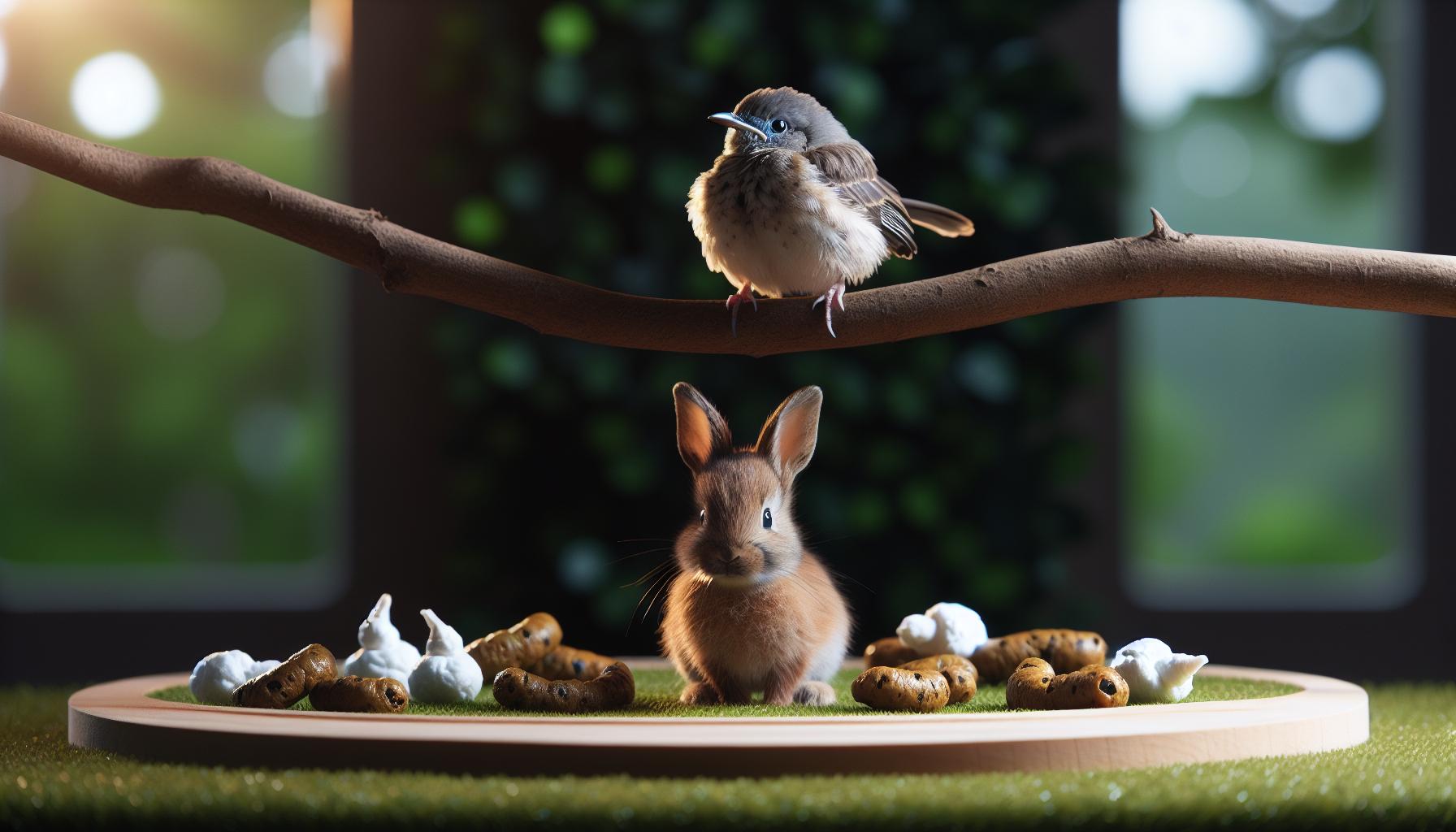
The Role of Uric Acid in Birds’ Health
The unique excretion system of birds presents fascinating insights into their health, particularly through the role of uric acid. Unlike mammals that produce liquid urine, birds release waste primarily as a semi-solid paste. This adaptation is more than just a biological curiosity; it plays a critical role in their overall health and physiology. Uric acid is a byproduct of protein metabolism, and understanding its impact can help bird owners better care for their avian companions.
When a bird excretes waste, it’s a reflection of its diet, hydration level, and systemic health. Healthy droppings typically exhibit a clear distinction: the white component is uric acid, while the darker part consists of fecal matter. This combination allows birds to conserve water-a vital adaptation for species that may not have regular access to freshwater sources. In observing your bird’s droppings, noting changes in color or consistency can provide early warning signals of dietary imbalances or health issues. For instance, a change to a very dark or liquid consistency may indicate dehydration, while a lack of uric acid could hint at liver issues or other metabolic problems.
To ensure that uric acid is being produced at healthy levels, it’s important to provide a balanced diet rich in essential nutrients. This includes a mix of commercial bird feed, fresh fruits, and vegetables, which can influence the quality of waste. For example, vegetables high in water content can enhance hydration, leading to a more balanced waste product. Additionally, stress and illness can alter uric acid production, so maintaining a calm and supportive environment is equally crucial.
Monitoring the consistency and quantity of your bird’s droppings should be routine, as these can serve as key indicators of health. If you notice persistent irregularities, such as an increase in the frequency of droppings or unusual colors, consult a veterinarian familiar with avian medicine. Being attentive to these signals not only helps in early intervention but also enriches your connection to the health and well-being of your feathered friend. Through this awareness, bird owners can become proactive caregivers, ensuring their pets thrive both physically and emotionally.
Do Birds Sweat? Exploring Thermoregulation
Birds have a remarkably efficient way of maintaining their body temperatures, particularly given their high metabolism and the varying climates they inhabit. Unlike mammals, birds do not have sweat glands, which raises an interesting question: without sweat, how do they cool down? The answer lies in a combination of unique anatomical features and behavioral adaptations that allow them to regulate their temperature effectively.
One of the primary ways birds release heat is through a process called panting. When a bird pants, it increases the rate of respiration, allowing for the rapid exchange of air and moisture. The evaporation of water from the respiratory surfaces cools the blood flowing through those areas, effectively lowering the bird’s body temperature. For instance, if you observe a parakeet or a cockatiel on a hot day, you may notice it breathing quickly with its beak slightly open-this is a clear signal that it is attempting to cool down.
In addition to panting, birds also utilize their legs and feet for thermoregulation. Birds can control the cooling of their feet and legs by adjusting the blood flow to these areas. During hotter weather, they may allow blood to flow closer to the surface of their skin, releasing excess heat. Conversely, in colder environments, they can constrict blood flow to conserve heat. This ability is especially well demonstrated in species like the Arctic tundra bird, which employs various strategies to cope with extreme temperature fluctuations.
Behavioral adaptations also play a critical role in how birds manage heat. Many birds will seek shade, take to water, or engage in activities that promote cooling, such as preening. Preening not only keeps their feathers in optimal condition but also aids in temperature control as water from their preening can evaporate and provide a cooling effect. Additionally, certain bird species may alter their activity patterns, becoming more active during the cooler parts of the day-dawn and dusk-while resting in the shade during the hottest midday hours.
Understanding these thermoregulatory behaviors is essential for bird owners and enthusiasts. Providing a comfortable environment that allows for adequate cooling is vital to ensure your avian companions remain healthy and stress-free. Ensuring they have access to shade, fresh water, and suitable microhabitats can significantly impact their well-being during hot weather. Through keen observation and an understanding of their natural behaviors, bird owners can support their pets in thriving, no matter the temperature.
Common Misconceptions About Bird Peeing
Birds possess a unique and efficient excretion system that often leads to misconceptions about their waste elimination processes, particularly regarding whether they “pee.” Unlike mammals, birds do not excrete liquid urine. Instead, they eliminate waste products through a combination of solid and semi-solid forms, primarily uric acid and feces, in a single expulsion known as uropygial excretion. This phenomenon can easily confuse bird enthusiasts, as the cloaca serves as the exit point for both digestive and urinary waste.
One common misconception is that birds produce liquid urine. In reality, they excrete a thick, white paste that contains uric acid, which allows them to conserve water while still effectively eliminating metabolic waste. This adaptation is particularly advantageous for birds, as it reduces the risk of dehydration during flight or in arid environments where water is scarce. The appearance of bird droppings, which often includes a white cap (the uric acid), can lead to the false assumption that they “pee” just like mammals. It’s important for bird owners to understand that this white component is not liquid urine but rather a waste product that birds are specially adapted to excrete.
It’s also a misconception that birds cannot control their waste elimination. While some birds may appear to relieve themselves at random, they, in fact, have the ability to hold their waste until they find a suitable spot. This behavior is often seen in parrots, who might use specific areas in their cage for their droppings. Training your bird to use designated areas can be beneficial not only for hygiene but also for maintaining the cleanliness of their living space.
Another myth concerns the smell of bird waste; many believe it has a strong odor similar to that of mammalian urine. However, due to the solid and less aqueous nature of their excretions, bird droppings often carry less odor than those of many mammals. Keeping cages clean and managing their diet can further minimize odors, enhancing the overall environment for both the bird and its owner.
Understanding these misconceptions allows bird enthusiasts to appreciate the intricacies of avian biology and care better for their feathered friends. By clarifying how birds actually eliminate waste, we can foster a more informed and respectful engagement with these remarkable creatures.
Understanding Bird Behavior Related to Excretion
Bird behavior regarding waste management is more fascinating than it might initially seem. To many, it’s surprising that these feathered creatures display a meticulous approach to excretion, which can be quite telling about their overall health and well-being. Understanding how birds relate to their waste can enrich your experience as a bird owner or enthusiast, allowing you to cater to their needs more effectively.
Birds are remarkably adept at managing their elimination habits. Unlike mammals, many species can hold their waste until they find an appropriate place to relieve themselves. This behavior is particularly evident in pet birds like parrots or cockatiels, which often develop specific areas in their cages for their droppings. Observing your bird’s habits can provide insights into its comfort levels and environmental preferences. If you’re considering training your bird, you might encourage it to use a designated area, enhancing hygiene while instilling a sense of security in its surroundings.
Contrary to common assumptions, birds are not indiscriminate in their excretion. In the wild, their elimination strategy serves a crucial role in territory marking and communication. The droppings of certain birds can provide vital information about their diet and health to others, while also enriching the soil in their habitats. This means that what they eliminate is not just waste but a fundamental component of their ecological contributions. Recognizing this can inspire bird owners to appreciate their pets more, understanding that even something as simple as droppings serves broader biological purposes.
Maintaining a clean living space for your bird can enhance its quality of life significantly. Regularly cleaning cages and providing a varied diet will not only minimize odors but also promote your bird’s proper digestion and overall health. For instance, fresh fruits and vegetables not only enrich their diet but can also influence the consistency and odor of their droppings. Engaging with your bird’s elimination behavior actively can empower you to form a deeper bond and create a more harmonious home environment for your feathery companion.
How Diet Affects Bird Waste Production
Birds have a fascinating relationship with their diet and waste production, particularly because their unique anatomy and physiology dictate how they process food and excrete waste. The composition of a bird’s diet directly impacts the quantity and quality of its droppings, making it essential for bird owners to understand this connection. For instance, a diet rich in fruits and vegetables tends to produce softer droppings due to the high water content, while a seed-based diet might yield drier, more compact waste.
The Impact of Nutritional Choices
When it comes to bird waste, it’s crucial to consider the nutritional balance in their meals. A well-rounded diet comprised of high-quality pellets, greens, and occasional treats like fruits or nuts can lead to healthier digestion and, consequently, more manageable droppings. If birds consume too many high-fat or low-nutrient foods, they may produce waste that is not only more odorous but can also indicate poor health. For example, a high intake of sunflower seeds can result in oily droppings that may raise concerns for owners.
Furthermore, changes in diet can lead to noticeable changes in waste production. Transitioning birds from an all-seed diet to a more varied menu often demonstrates a shift in the volume and texture of their droppings. Owners should implement changes gradually to prevent digestive upset and monitor their pets for any adverse reactions. Keeping a food diary to track what the bird eats can also help identify any links between dietary changes and alterations in waste.
Hydration and Waste Consistency
Another factor to consider is hydration. Birds that consume plenty of fresh water and juicy fruits tend to have softer, more hydrated droppings, while those that do not drink enough may produce harder, more pellet-like waste. Not only does hydration play a significant role in digestive health, but it also supports overall bodily functions.
To optimize your bird’s waste production for health and cleanliness, provide a diet using a variety of sources, monitor their water intake, and keep an eye out for any unusual changes. Such diligence helps ensure that your feathered friend remains healthy while making their waste easier to manage. By understanding these dietary connections, bird owners can contribute significantly to their pets’ well-being, resulting in a happier, healthier bird and cleaner living space.
Tips for Caring for Birds’ Hygiene
Caring for your bird’s hygiene is crucial not only for its health but also for maintaining a pleasant environment in your home. Birds, unlike mammals, have unique excretory systems that can affect how often and in what form they produce waste. Understanding these systems helps you manage your bird’s cleanliness and overall well-being effectively.
Regular Cage Maintenance
One of the first steps in ensuring a healthy environment is to maintain your bird’s cage. Daily droppings should be cleaned up to prevent bacteria from building up, which can lead to health issues for both you and your pet. Use cage liners that can be easily removed and disposed of. Every week, conduct a thorough cleaning, including disinfecting all surfaces, perches, and toys. This not only reduces odors but also helps in monitoring your bird’s droppings for any signs of health changes.
Monitoring Diet and Hydration
Paying close attention to your bird’s diet and hydration is essential for controlling waste quality and quantity. A well-balanced diet contributes to firm, manageable droppings, while a diet high in unhealthy fats may lead to oily waste that is harder to clean. Ensure that your bird always has access to fresh water, as hydration influences the consistency of droppings. Observe how dietary changes affect waste; a journal can help correlate food intake with changes in droppings.
Behavioral Observations
Birds often exhibit specific behaviors regarding their excretion habits. For instance, they tend to prefer certain spots for dropping waste, which is a natural instinct to avoid contamination in their living area. Providing a designated area or perch can help in managing where they relieve themselves. Additionally, behavioral changes, such as reluctance to perch or altered posture, can indicate discomfort or health issues. Regularly observing your bird’s behavior can inform you about its health and hygiene needs.
Specific Cleaning Products
Using appropriate cleaning products is also essential in bird care. Harsh chemicals can be harmful to birds’ sensitive respiratory systems. Instead, opt for bird-safe cleaners that disinfect without leaving harmful residues. Vinegar and baking soda are excellent natural alternatives that can effectively clean and deodorize the cage space.
By implementing these practices, you contribute significantly to your bird’s health and happiness. Making hygiene a routine part of bird care fosters not only a clean living space but also strengthens the bond you share with your feathered companion. Knowing what to look for and how to respond goes a long way in ensuring your bird thrives.
Signs of Health Issues in Bird Waste
Bird droppings can reveal a great deal about the health and well-being of your feathered friend. Unlike mammals, birds excrete waste in the form of droppings that consist of both feces and uric acid combined – a unique characteristic stemming from their evolutionary needs. Monitoring these droppings closely can provide critical insights into whether your bird is healthy or if it may be suffering from an underlying health issue.
One of the first signs to watch for is the color and consistency of the droppings. Healthy bird droppings typically feature a blend of brownish waste and white uric acid. If you notice a shift in color-such as bright green, yellow, or even red-it could indicate an infection, liver issues, or dietary problems. For instance, green droppings may signal a lack of proper nutrients, while red droppings might suggest blood in the stool, requiring immediate veterinary attention.
In addition to color changes, the texture and quantity of droppings are also important indicators. Excessively watery droppings or those that appear too dry can suggest digestive issues or dehydration. It’s crucial to note any significant changes in your bird’s elimination patterns; increased frequency or straining to eliminate waste could point to a gastrointestinal blockage or other health complications. Regularly cleaning and monitoring the droppings in your bird’s environment will help you detect these signs early on.
Lastly, changes in your bird’s behavior can also be a telling factor when assessing health through waste. If your bird seems lethargic, is eating less, or is not perching comfortably, these signs can accompany abnormal droppings and should prompt a visit to a veterinarian. By paying close attention to these indicators, you can ensure your pet remains healthy and vibrant, allowing for a more enjoyable companionship. Taking proactive steps and staying observant is the best method to catch potential health issues before they escalate.
The Environmental Impact of Bird Waste
Bird waste is not just a byproduct of avian biology; it plays a significant ecological role in our environment. Bird droppings are rich in nutrients, particularly nitrogen, phosphorus, and potassium-key elements for plant growth. When birds excrete waste, it contributes to soil fertility, benefiting ecosystems, agricultural lands, and gardens alike. This natural fertilization can help promote biodiversity, facilitating the growth of various plant species that form the foundation of food webs.
Yet, this contribution comes with responsibilities. Birds that congregate in large numbers, especially in urban areas or near water bodies, may produce excessive waste, leading to environmental challenges. High concentrations of bird droppings can contribute to nutrient runoff, which can harm aquatic ecosystems through processes like eutrophication. This can cause algal blooms that deplete oxygen levels in water bodies, endangering fish and other aquatic life.
For bird enthusiasts and homeowners, understanding is essential. While providing natural benefits, it can also necessitate strategies for management, especially if bird populations become abundant near residential areas. Regular cleanup and mindful landscaping practices that accommodate bird habitats can minimize negative impacts while allowing these creatures to thrive.
In conclusion, bird waste is a fascinating intersection of ecology and care. It illustrates how interconnected our natural systems are and reminds us of the delicate balance we must maintain to protect both bird populations and our shared environment. By monitoring local bird activity and being proactive in our interactions, we can help sustain the ecosystems that both we and these beautiful creatures depend on.
Q&A
Q: Do birds urinate like mammals?
A: No, birds do not urinate like mammals. Instead of liquid urine, birds excrete nitrogenous waste primarily in the form of uric acid, which is a pasty substance. This adaptation helps conserve water and is often excreted alongside feces [7].
Q: What is the purpose of uric acid in birds?
A: Uric acid serves as a waste product that birds excrete to eliminate nitrogen from their bodies. This substance is less toxic than ammonia and conserves water, making it essential for birds’ survival in various environments [7].
Q: How do birds manage their waste during flight?
A: Birds manage waste by excreting it before takeoff or while flying. This instinctive behavior helps minimize weight and prevents soiling their feathers during flight, ensuring they remain agile and aerodynamic [7].
Q: Can bird droppings indicate health problems?
A: Yes, bird droppings can be indicators of health issues. Abnormal color, consistency, or smell can signal dietary problems or diseases. Regular observation of droppings can help in early detection of potential health problems [7].
Q: Why don’t birds drink as much as mammals?
A: Birds have a highly efficient kidney system that conserves water, allowing them to survive on less liquid. They get moisture from their food, which reduces the need for drinking water compared to mammals [7].
Q: What happens if a bird consumes too much protein?
A: Consuming excess protein can lead to increased uric acid production, which may result in health issues such as gout. It’s important to balance a bird’s diet to ensure proper metabolic function [7].
Q: How do environmental factors affect bird excretion?
A: Environmental conditions, such as temperature and humidity, can influence a bird’s hydration levels and waste production. Birds may excrete more or less waste depending on these factors, illustrating their adaptive physiology [7].
Q: What should I do if I notice changes in my bird’s droppings?
A: If you notice any changes in your bird’s droppings, such as color or texture, it’s advisable to consult an avian veterinarian. Early intervention can help prevent serious health issues [7].
The Way Forward
Understanding how birds excrete waste isn’t just a quirky fact; it sheds light on their unique physiology and ecological roles. Now that you know how the avian excretion system works, you’re well-equipped to appreciate these fascinating creatures even more. If you’re curious about more stunning avian facts or have questions about bird care, don’t miss our guides on “Bird Behavior Basics” and “Essential Bird Care Tips”-your next adventure in ornithology awaits!
Don’t hesitate to share your thoughts or experiences in the comments below; engaging with fellow bird lovers enhances our community! For those keen to dive deeper into the world of birds, sign up for our newsletter, where we share exclusive insights and resources to elevate your birding experience. Explore, learn, and connect with us as we journey together through the wonders of avian life!