Did you know that millions of birds die each year due to collisions with windows? This surprising fact emphasizes the importance of understanding how birds perceive their environment, particularly regarding glass, which often reflects the sky and surrounding vegetation. As bird lovers and stewards of our shared ecosystem, we have a unique responsibility to mitigate these dangerous encounters. Not only do window strikes impact bird populations, but they also reflect a broader environmental challenge that connects us all. By exploring whether birds can see glass and implementing effective prevention strategies, you can create a safer habitat for our feathered friends. Join us as we delve deeper into the fascinating world of avian vision and discover practical tips that can help protect birds from window strikes while enriching your knowledge and appreciation of these remarkable creatures.
Can Birds See Glass? Understanding Their Vision
Birds possess remarkable vision, which plays a crucial role in their survival, navigation, and feeding. Unlike humans, many birds can see ultraviolet light, allowing them to perceive a world that includes colors invisible to us. This unique vision helps them detect food, identify mates, and navigate through complex environments. However, this very advantage can turn into a peril when navigating urban areas, where glass windows pose a hidden threat.
Research indicates that birds do not perceive glass as a solid barrier. This misconception arises because glass, particularly clear or reflective surfaces, can blend seamlessly with their surroundings. As a result, birds may fly toward a glass window, mistaking it for open air or vegetation, which often leads to fatal collisions. The ability of a bird to see and interpret the world around it is instrumental in understanding why these accidents occur and highlights the urgent need for strategies to mitigate such risks.
To better understand bird vision, it is essential to consider the key factors influencing their ability to navigate successfully. Birds have a wider field of view due to their eye placement on the sides of their heads, offering them panoramic awareness. Their acute motion detection allows them to react swiftly to potential threats. However, this combination does not help them recognize glass. Consequently, incorporating designs and materials that disrupt reflections or increase visibility is vital for creating bird-friendly environments. Adjustments such as using patterned glass or applying film can significantly enhance their safety and reduce the frequency of strikes.
By fostering an awareness of how birds see their world, we can take actionable steps to protect them. Understanding that while glass provides a barrier, it can also create an illusion poses a vital consideration for architects, homeowners, and conservationists alike as they endeavor to create habitats that coexist harmoniously with avian populations.
How Glass Affects Birds: The Science
Birds have a unique relationship with their environment, and their vision is a crucial aspect of their survival. These remarkable creatures perceive the world differently than we do, including the ability to see ultraviolet light. This exceptional visual capability grants them access to a vibrant lexicon of colors and patterns, enabling them to identify food sources and potential mates. However, this advantageous adaptation becomes a disadvantage when birds encounter human-made structures, particularly glass windows.
One of the critical sciences affecting birds is their inability to recognize glass as a solid barrier. Clear and reflective surfaces create an optical illusion that can easily trick birds into thinking they are flying into open space or natural landscapes. When a window reflects trees or sky, birds can rapidly approach these barriers without realizing the danger, leading to collisions that can be fatal. Research shows that millions of birds die each year from striking windows, making this an urgent issue for avian conservation.
To mitigate these risks, it’s essential to understand and implement effective strategies that enhance visibility and reduce reflections. Bird-friendly designs can incorporate various techniques, such as using patterned glass, applying window films, or adding decals that disrupt the glass’s reflective surface. These measures can significantly reduce the likelihood of window strikes by making glass more easily recognizable to birds. Additionally, considerations for window placement-such as adjusting the angle, using screens, or landscaping to block reflections-can further protect avian populations.
Creating bird-safe environments requires a combination of awareness and action. By recognizing how glass affects birds, we can inspire architectural choices that prioritize their safety. Whether you are an architect, a homeowner, or simply a bird enthusiast, there are impactful steps you can take to harmoniously coexist with our feathered friends, ensuring they can thrive without the looming threat of glass barriers.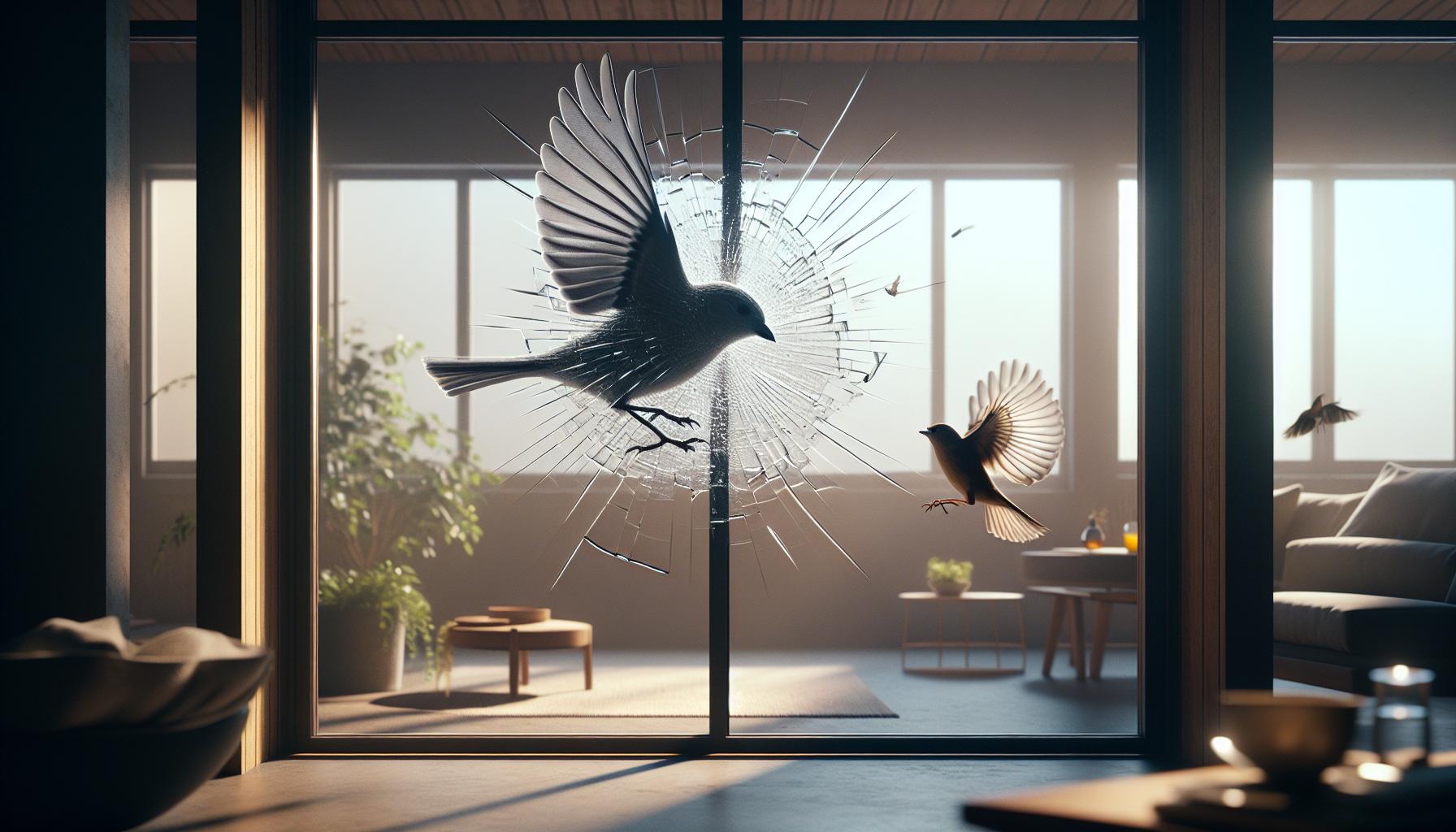
Why Do Birds Collide With Windows?
Birds are remarkable navigators, adept at detecting the nuances of their environments. However, many species are tragically unaware of one of the biggest dangers they face in urban settings: glass windows. The fact that millions of birds collide with windows each year highlights a significant problem in contemporary architecture and city planning that we can’t afford to ignore.
The core of the issue lies in the way birds perceive their surroundings. While they can see a broader spectrum of colors, including ultraviolet light, their brains do not register clear glass or reflective surfaces as solid obstacles. Instead, these surfaces create a visual illusion of open space. This misunderstanding is particularly dangerous near areas landscaped with trees or open fields; the reflections of natural scenery can entice birds to fly into what they mistakenly perceive as an inviting path or habitat. When you consider that many species, like the American Robin or Red-winged Blackbird, frequently inhabit environments with plentiful vegetation, the risk of collision becomes even more pronounced.
Bird collisions generally peak during migration seasons when birds are traveling in large numbers, often tired and disoriented. During these critical moments, even minor distractions can lead to dangerous miscalculations. Buildings with expansive glass façades or those that aren’t designed with bird safety in mind contribute heavily to these incidents. Innovative solutions have emerged in architectural design that prioritize habitat sharing with avian populations.
To safeguard the well-being of birds, it’s essential to adopt practical strategies that readers can incorporate into their own spaces or communities. For instance, using window treatments such as screens, applying bird-safe films with patterns, or even opting for decorative decals can help break up the glass’s transparency, making these structures more recognizable to our feathered friends. By thoughtfully addressing how we utilize glass in our buildings, we can significantly reduce the tragic loss of bird lives and foster a more harmonious coexistence.
Identifying High-Risk Areas for Bird Strikes
Birds are magnificent marvels of nature, capable of stunning aerial maneuvers and vibrant migrations. Yet, an astonishing number of them fall victim to collisions with glass, primarily because they do not perceive clear or reflective surfaces as barriers. To mitigate these tragic encounters, it’s crucial to identify high-risk areas where these strikes are most likely to occur. Understanding these hotspots is the first step in developing effective prevention strategies.
Certain locations are particularly problematic, especially in urban environments. Areas near green spaces, such as parks or gardens, pose a high risk, as birds often misinterpret glass structures as extensions of their habitat. Buildings that feature large windows or balconies overlooking green areas are notorious for causing bird strikes. This misleading visual cue can attract birds that are swooping down to forage or seek shelter. Moreover, multi-story buildings with glass exteriors can create deadly reflections of trees, open skies, or water bodies, further confusing birds.
High-traffic areas, particularly those along migration routes, also demand attention as potential strike zones. During these critical times, birds are often flying at lower altitudes, exhausted from their long journeys, making them more susceptible to accidents. To identify these risk areas effectively, consider the following:
- Location Proximity: Assess the vicinity of buildings to natural landscapes. Buildings near wetland areas or forests are particularly hazardous.
- Architectural Features: Analyze structures with large expanses of glass or reflective surfaces. High-rise buildings in city centers are notorious for this issue.
- Lighting Conditions: Evaluate nighttime conditions, as bright lights can disorient birds and lead them towards glass.
- Seasonal Changes: Monitor areas during migration seasons. These times often show increased bird activity and a higher likelihood of collisions.
By understanding and mapping out these high-risk areas, we can implement targeted interventions, such as applying bird-friendly films or installing visual markers on windows. Each measure taken transforms our urban landscape into a safer place for our avian friends, creating an environment where they can thrive without fear of unseen hazards. Every effort counts in our quest to harmonize urban living with wildlife preservation.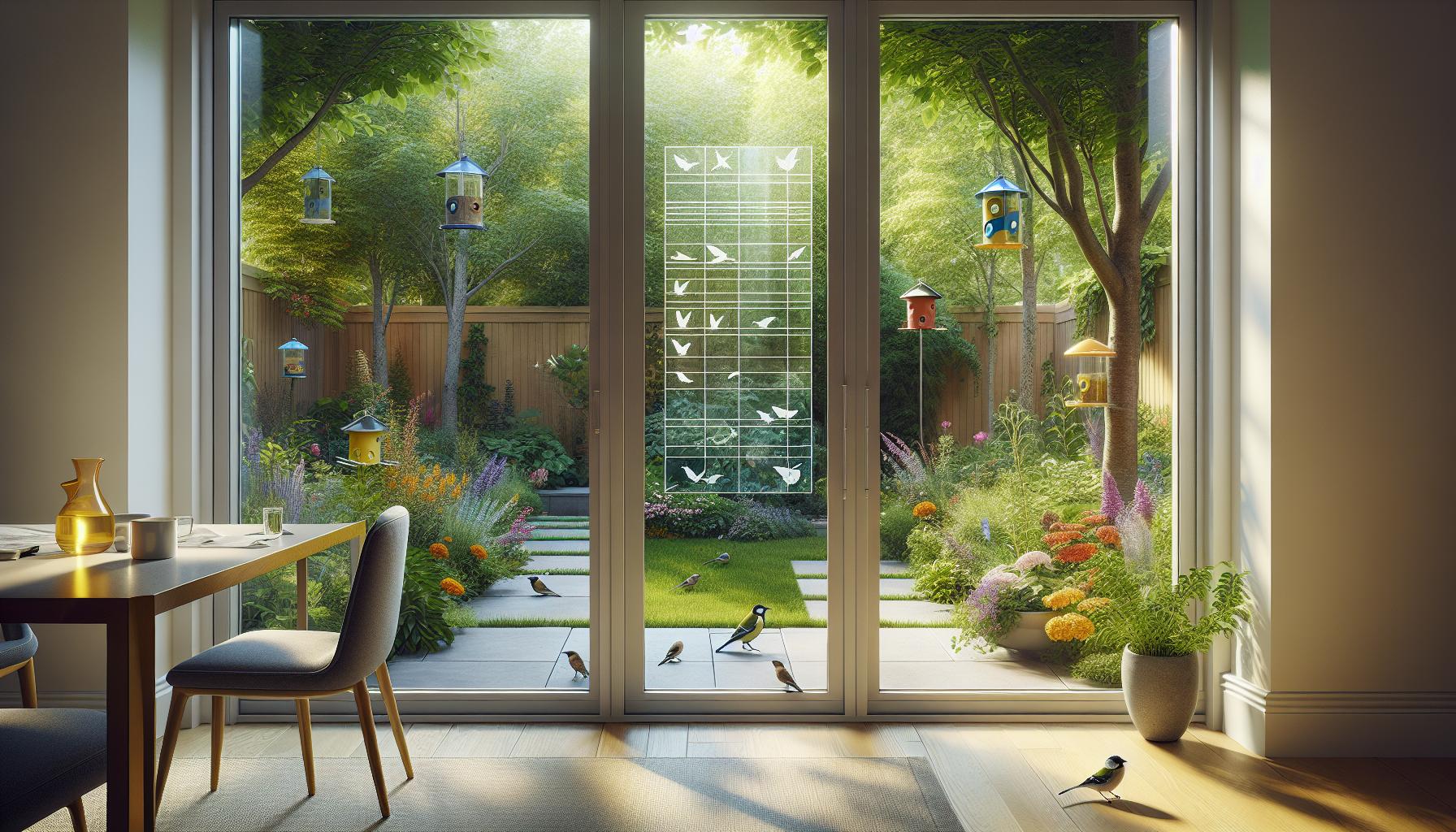
Window Strike Prevention Strategies You Can Use
Every year, millions of birds are killed in collisions with windows, a sobering statistic that illustrates the urgency of this issue. Fortunately, there are numerous strategies you can employ to reduce these tragic incidents around your home or community. Implementing these measures not only protects birds but can also enhance your own living environment by integrating natural elements into urban areas.
One of the simplest yet most effective measures is to modify your windows. You can apply bird-friendly films or decals that break up reflections and create visual markers that alert birds to the hazards ahead. These products are specifically designed to enhance visibility without obstructing your own view. Additionally, consider using window screens, which not only provide a physical barrier but also introduce textures that birds can detect.
Another crucial strategy is to manage lighting, particularly during migration seasons when birds are more likely to collide with glass. You can turn off unnecessary lights, especially in high-risk zones, to minimize disorientation. If you enjoy having indoor plants near your windows, ensure that they are positioned away from the glass to prevent birds from attempting to fly toward them. Furthermore, keeping window shades or outdoor shutters slightly closed can help reduce reflections that may confuse birds.
To further support bird safety, opt for landscaping that discourages birds from nesting too close to heavily glazed areas. This can involve strategically planting dense vegetation that provides cover without making them feel trapped between glass surfaces. For larger buildings, consider engaging architects or builders in implementing bird-safe designs that incorporate materials known to be less reflective or that include overhangs which minimize surface area for collisions.
Each action taken towards making windows safer for birds counts significantly in the collective effort to reduce the number of bird strikes. By using a combination of products, thoughtful designs, and lighting awareness, you can create environments where birds can thrive without the constant threat of flying into unseen barriers. This proactive approach not only enhances community well-being but also cultivates a harmonious relationship with our avian companions.
Best Materials and Products for Bird-Friendly Windows
Every year, countless birds fall victim to collisions with windows, a sobering reality that underscores the importance of creating bird-friendly environments. Fortunately, there are effective materials and products that can significantly reduce these tragic incidents while maintaining the aesthetic appeal of our homes and buildings. By integrating these solutions, we can enhance bird safety without sacrificing the beauty of our surroundings.
Utilizing bird-friendly window films is one of the most effective strategies. These specialty films are designed to alter the glass’s reflectivity while allowing natural light to filter through. They create patterns that break up reflections and make glass surfaces more visible to birds. Products like these often come with UV markings that are invisible to humans but strikingly visible to birds, giving them a clear signal to avoid the hazardous surface. Research shows that applying these films can reduce bird strikes by up to 90%.
Another great option is the use of decals or stickers that can be placed on windows. These visual markers can be both functional and decorative, with many manufacturers offering a variety of designs and colors. To maximize their effectiveness, it’s crucial to space decals no more than 4 inches apart vertically and 2 inches apart horizontally, creating a grid that birds can clearly perceive. This simple implementation not only enhances safety but allows homeowners to express their personal style while contributing to bird conservation.
Mesh and Screens
Installing mesh screens or netting in front of windows is another excellent preventative measure. These screens provide a physical barrier that birds simply cannot penetrate. They also help reduce reflections and serve to break up the surface of the glass, making it easier for birds to recognize obstacles. Whether it’s fine mesh or stronger netting designed specifically for avian safety, these products effectively prevent collisions without obstructing the view too dramatically.
Innovative Window Design
For those engaged in new construction or major renovations, consider bird-safe glass options that feature embedded patterns or grids throughout the product. Many manufacturers now offer glass that has been treated during production to incorporate designs that deter birds. These integral designs not only adhere to safety standards but also add a modern touch to architectural designs.
Choosing the right materials for bird-friendly windows is not just a responsible choice; it’s essential in fostering an environment where wildlife can coexist harmoniously with urban living. By employing films, decals, screens, and innovative glass designs, we can make significant strides in preventing bird strikes, thus preserving our avian friends for future generations.
Bird Behavior: Understanding Their Flight Patterns
Birds are fascinating creatures with highly adaptable flight patterns shaped by a variety of factors, including species, habitat, and the environment they navigate. One captivating aspect of their behavior is their incredible agility and speed while in flight, but this also makes them vulnerable to collisions, especially with transparent structures like windows. Understanding their flight behavior can illuminate why these collisions occur and how we can better mitigate the risks.
Birds are generally wired for instinctive flight responses, allowing them to quickly evade predators and navigate through their environments. For example, many species exhibit rapid take-off patterns and swift turns, especially when startled. However, this innate behavior can be their undoing when confronted with reflective glass surfaces that mimic their natural surroundings. The more urbanized our landscapes become, the more the risk of bird-window collisions escalates, particularly in areas with high glass concentrations.
Birds rely heavily on visual cues to navigate, and their vision is adapted for detecting movement and light. However, they see a different spectrum of light than humans do, including ultraviolet light, which helps them spot food and navigate effectively. Unfortunately, this means they might not perceive glass as an obstacle; instead, they interpret it as an extension of their flight space. The phenomenon of “window reflection” can confuse birds as they spot trees, sky, or even feeders reflected in windows, prompting them to fly straight toward these illusory landscapes.
To effectively reduce collisions, it’s crucial to understand the specific species frequenting a local area. For instance, migratory birds often follow set flight paths dictated by long-standing routes, while resident birds might display habitual patterns based on feeding or nesting grounds. By identifying peak movement times-especially during migration seasons-there can be a more impactful implementation of protective measures targeted at times where bird strikes are more likely to occur.
Ultimately, the intersection of bird behavior and flight patterns provides invaluable insights into mitigating window strikes. By applying knowledge of their natural tendencies, we can foster environments that promote safer flight paths. Whether through thoughtful window design that minimizes reflections or educational efforts that encourage community members to recognize and address these hazards, our shared responsibility in protecting avian life can make a significant difference. Making informed changes isn’t just beneficial for birds; it helps cultivate a deeper connection between wildlife and the urban habitats we inhabit together.
The Role of Window Design in Bird Safety
The design of windows plays a critical role in enhancing bird safety and minimizing collisions, making the built environment more compatible with avian life. Birds are often unable to see glass as a barrier, mistaking clear and reflective surfaces for open air or their natural habitats. This foundational misunderstanding stems from their dependence on visual signals for navigation, which are significantly influenced by light and surroundings. Implementing thoughtful window design can significantly reduce collision rates and create safer urban landscapes for our feathered friends.
One effective strategy is to use bird-safe glass, which incorporates features like patterned or etched designs that disrupt reflections. Many manufacturers now create glass that is visible to birds but still aesthetically pleasing for human observers. For instance, glass with a fine grid or dot pattern can break up reflections, making the surface more easily recognizable as a barrier to birds. Research indicates that patterns spaced appropriately can reduce strikes by more than 50%.
Additionally, the orientation and placement of windows are equally important.
- Lower window heights: Installing windows lower to the ground can help birds avoid collisions, especially in areas where ground-feeding species are prevalent.
- Limit reflective surfaces: Designating window areas that minimize reflective surfaces or placing screens can further reduce mistakes, particularly in urban environments where natural vegetation is scarce.
- Utilizing window films and screens: Applying specialized window films or external screens that are visible to birds can deter them from approaching altogether.
Incorporating greenery around buildings also enhances safety by decreasing the visual appeal of windows as flight paths. By planting shrubs and trees a safe distance from windows, the illusion of open space caused by reflections can be diminished, guiding birds towards natural habitats instead. Moreover, community projects that utilize bird-friendly design elements can inspire broader awareness and adoption of safety measures.
In summary, enhancing window design is a proactive approach to conserving bird populations and fostering coexistence between urban development and wildlife. Adopting these strategies not only aids in conserving bird species but also encourages a healthier ecological balance within our communities. Embracing these practices is a step towards a more sustainable environment where both humans and birds can thrive together.
Case Studies: Successful Window Strike Mitigation
Through innovative design and community action, numerous successful case studies illustrate effective strategies to mitigate bird-window strikes. One standout example is the Calgary Zoo in Alberta, Canada, which undertook a comprehensive retrofit of its buildings using bird-safe glass. By integrating glass that featured a visually disruptive pattern, resembling a grid, collisions dropped significantly. The zoo’s commitment to avian safety not only protected wildlife but also enhanced the overall visitor experience, allowing clear visibility of exhibits without compromising bird safety.
Another notable instance occurred at the University of North Texas, where architectural teams collaborated with conservationists to address the high number of bird strikes within their campus. By strategically applying window films that displayed UV patterns visible to birds, they successfully reduced collisions by over 80% on key high-risk buildings. This initiative not only protected local bird populations but also served as a model for other educational institutions, highlighting the importance of integrating wildlife-friendly practices in architectural planning.
In urban environments, New York City has implemented wide-reaching policies promoting bird-friendly building designs. Since the launch of their “NYC Bird-Safe” initiative, which encourages the adoption of bird-safe materials and designs, several skyscrapers have led the charge in urban conservation efforts. The Torre Verre, a modern tower, features external sunshades that provide functional benefits while simultaneously reducing reflective glass areas. This thoughtful design has reportedly decreased collisions, aligning urban development with wildlife preservation.
Collectively, these case studies emphasize the critical role of architectural innovation and community collaboration in reducing bird strikes. By drawing on successful examples, stakeholders across various sectors can inspire broader adoption of bird-safe practices, fostering a more harmonious coexistence between urban environments and avian wildlife.
Bird Conservation Organizations and Their Impact
The plight of birds in urban environments is becoming increasingly dire, with collisions against glass surfaces being a leading cause of mortality. Conservation organizations play a pivotal role in addressing this issue, leveraging science, advocacy, and community engagement to create safer environments for our feathered friends. Groups like the American Bird Conservancy and BirdLife International are at the forefront, not only advocating for bird-friendly legislation but also providing resources and education aimed at mitigating window strikes.
Innovative Approaches to Impact
One effective initiative is the Lights Out program, spearheaded by many conservation organizations throughout North America. The objective is simple yet powerful: during migration seasons, buildings are encouraged to turn off non-essential lights at night, dramatically reducing the risk of bird collisions. This program has seen participation from thousands of buildings in major cities, resulting in a noticeable drop in avian fatalities. While it may seem like a small step, collective action can make a significant difference in bird survival rates.
Another noteworthy approach is the promotion of bird-safe design practices through workshops and collaboration with architects. Organizations often provide building professionals with guidelines and resources on incorporating bird-friendly materials and designs into new constructions. This includes the use of patterned glass, which can deter birds without compromising aesthetics, and films that create visual markers invisible to humans but visible to birds. Such initiatives not only make a tangible impact on bird safety but also foster a culture of ecological responsibility among professionals in the architecture and construction industries.
Community Engagement and Education
Beyond advocacy and design, conservation organizations place significant emphasis on community involvement. Educational programs aimed at schools and local communities are vital for raising awareness about bird conservation. Workshops may teach citizens how to assess the risk of their properties to birds and implement simple measures that can save lives, such as applying window treatments or strategically placing bird feeders away from glass.
Additionally, community science projects encourage individuals to report bird strikes, contributing valuable data that helps shape further conservation efforts. Through these collaborative efforts, communities not only become more informed about local wildlife but also develop a sense of stewardship, feeling empowered to protect the birds that share their environment.
In summary, the impact of bird conservation organizations is profound and multifaceted. Through legislative advocacy, innovative design, community engagement, and educational initiatives, they are crucial allies in the fight against bird-window collisions, shaping a future where birds can thrive even in bustling urban landscapes.
Legislation and Initiatives for Bird Protection
The growing concern for bird conservation has led to significant advances in legislation aimed at protecting our avian friends from glass-related hazards. With millions of birds falling victim to window strikes each year, actionable policies can have profound effects. In many urban areas, initiatives have emerged that mandate bird-safe building practices, such as the incorporation of visual markers on glass surfaces and the use of specially designed mesh that reduces reflections. These laws not only call for new constructions to adopt bird-friendly designs but also encourage retrofits in existing buildings, thus making immediate improvements in avian safety.
Collaboration between various stakeholders, including government bodies, conservation organizations, and private developers, has proven crucial. For instance, the Bird-Safe Buildings Act introduced in several cities requires that all municipal buildings utilize bird-friendly materials and designs. Such legislation drastically lessens the potential for collisions by selecting safer materials during the planning phase. Additionally, advocacy groups play a vital role by pushing for state-level regulations to create standardized practices across regions. Their efforts have popularized successful models like Lights Out, where cities dim non-essential lights during peak migration times, helping to safeguard birds who navigate at night.
Beyond municipal efforts, national organizations often engage in lobbying for broader legislative action. They provide valuable resources such as research reports demonstrating the impact of window strikes and the effectiveness of preventative measures. Some of these organizations even mobilize grassroots campaigns to raise public awareness, igniting community support for local protection laws. This multifaceted approach engages citizens and empowers them to advocate for change, turning concern into tangible action.
In conclusion, effective legislation combined with community engagement creates a robust framework for bird protection. By integrating laws that support bird-friendly designs and reducing light pollution, we take significant steps toward creating safer environments for our feathered companions. Implementing these initiatives not only aids in the survival of bird populations but also nurtures a culture of conservation that values all wildlife.
Engaging Your Community in Bird Safety Efforts
Birds around us are fascinating creatures, yet their lives are often cut short by human-made structures, especially large panes of glass that reflect the sky or surrounding trees. With up to a billion birds killed each year in the U.S. alone due to window strikes, it’s essential for communities to act together in addressing this critical issue. Engaging your community not only raises awareness about the dangers of glass but also fosters a proactive spirit to implement changes that protect our avian friends.
One of the most effective ways to mobilize local efforts is through educational campaigns. Organizing workshops and informational sessions can equip neighbors with knowledge about bird behavior and the risks posed by unmarked glass. Materials such as brochures or posters featuring statistics on bird collisions, alongside simple tips for making their homes and yards safer for wildlife, can be distributed at community centers, schools, and local businesses. Utilizing social media platforms also offers a powerful way to spread information and inspire action.
Volunteering for local environmental organizations or bird conservation groups can amplify your community’s impact. Many of these organizations often seek volunteers for habitat improvement projects, informational outreach, and even installation of bird-safe window treatments in public spaces. For example, community initiatives like “Lights Out” campaigns, where lights in buildings are dimmed or turned off during peak migration times, can be enacted through collective effort to significantly reduce the risk of collisions. These projects not only enhance community involvement but also bolster local biodiversity.
Engaging local businesses in bird-safe practices can yield significant benefits as well. Encourage local architects and builders to adopt bird-friendly designs that consider the visual perception of birds. This collaboration can lead to the development of community guidelines promoting the use of window treatments that prevent reflections and provide visibility cues for birds. Creating incentives for companies to display bird-safe designs in their advertisements can further raise awareness. By harnessing collective energy and fostering a culture of stewardship for our feathered neighbors, communities can make tangible strides toward minimizing bird fatalities, ultimately uniting people in a shared passion for conservation and wildlife welfare.
Faq
Q: Can birds see windows?
A: Birds generally have excellent vision, but they may struggle to perceive glass windows because they reflect surroundings and create optical illusions. This can lead to fatal strikes. Implementing bird-friendly designs can help reduce these accidents and enhance their ability to navigate around glass.
Q: Why do birds fly into glass windows?
A: Birds collide with glass windows primarily due to the reflections and transparency of the glass, which creates a misconception of open space. They may also be attracted to nearby vegetation, making it crucial to employ strike prevention measures to safeguard them.
Q: How can I prevent birds from hitting my windows?
A: To prevent birds from striking windows, consider using window films, decals, or netting that create visible barriers. Applying these solutions can significantly reduce the risk of collisions, especially in areas with high bird traffic.
Q: What materials are best for bird-friendly windows?
A: Bird-friendly window materials include those treated with specialized coatings that reduce reflectivity and enhance visibility. Additionally, installing fritted glass with patterns can improve bird perception of glass barriers, minimizing striking incidents.
Q: When is bird collision most likely to happen?
A: Bird collisions are most likely during migration seasons, early morning, and late afternoon when birds are most active. Providing awareness and preventive measures during these peak times can significantly reduce fatal strikes.
Q: Where are high-risk areas for bird strikes?
A: High-risk areas for bird strikes include urban environments with many glass buildings, homes near natural habitats, and migratory pathways. Frequent assessments of these locations can help implement proactive measures to protect avian populations.
Q: What are common signs of bird strikes at windows?
A: Common signs of bird strikes include feather fragments, blood smudges, or deceased birds found near windows. Regularly checking window areas can help identify and address potential hazards quickly.
Q: How do different bird species react to glass?
A: Different bird species have varied reactions to glass; smaller species may be more prone to collisions due to their flight patterns, while larger birds might navigate better. Understanding these differences can inform tailored prevention strategies.
In Summary
By understanding that birds have limitations in perceiving glass, we can take proactive steps to prevent window strikes and protect these beautiful creatures. Implementing simple solutions like window films, screens, or patterned decals can significantly reduce the risk of accidents while enhancing your home’s aesthetic. Don’t wait-act now to make your environment safer for birds!
For more insights, check out our guides on bird-friendly landscaping and how to choose the best bird deterrents. If you’re keen to stay updated on bird conservation tips, sign up for our newsletter. Join the conversation by sharing your experiences below or exploring our resource pages for deeper dives into related topics. Together, let’s create safer habitats for our avian friends!
Get our latest guides, news, and insights highlighted in your Google Search & AI Overviews.