Did you know that owls are often mistaken for a completely different kind of bird due to their unique characteristics? While they are undoubtedly fascinating, many people wonder if owls truly fit the definition of raptors, or birds of prey. Understanding this classification isn’t just trivia; it connects to how we appreciate these nocturnal hunters within the avian world. In this article, we’ll simplify the nuances of bird classification, showcasing why owls are indeed considered raptors and what this means for birdwatchers and wildlife enthusiasts alike. As we delve into their hunting tactics, behaviors, and ecological significance, you’ll gain a deeper appreciation for these mysterious creatures. So, let’s explore the fascinating world of owls and their rightful place among the raptors!
Understanding Bird Classification: Are Owls Raptors?
Owls captivate the imagination not only for their elusive nature and nocturnal habits but also for their classification within the avian world. Are they raptors? Yes, indeed! Owls belong to the order Strigiformes, which is distinct yet inherently linked to the raptor classification. Raptors, or birds of prey, typically encompass species that hunt and feed primarily on meat, utilizing their keen senses and formidable hunting skills. Owls fit this definition snugly as they are proficient predators equipped with exceptional hearing and night vision, aiding them in capturing rodents, insects, and even other birds.
One of the distinguishing features that connects owls to other raptors is their hunting style. While hawks and eagles are diurnal hunters, owls thrive in the night, employing a unique set of adaptations that make them formidable nocturnal predators. Their silent flight, attributed to the special structure of their feathers, allows them to approach unsuspecting prey with stealth. Furthermore, their large eyes and facial discs enhance their ability to locate sounds in complete darkness, making them masters of the night hunt.
The hunting prowess of owls is not just a testament to their classification as raptors but also highlights their ecological role. By controlling rodent populations, owls maintain a balance within ecosystems, demonstrating the critical importance of their presence in nature. For bird enthusiasts, understanding these dynamics is essential for appreciating the unique position owls hold among raptors. Whether you are a novice birder or a seasoned ornithologist, recognizing owls as raptors enriches the experience of observing these magnificent creatures in the wild.
The Fascinating World of Raptors Explained

Raptors, a term derived from the Latin word meaning “to seize,” encompass a fascinating variety of birds that have evolved remarkable adaptations for capturing and consuming prey. Among these formidable predators, owls hold a unique place as nocturnal hunters, showcasing exceptional adaptations that set them apart within the broader raptor classification. Owls are distinguished not solely by their hunting prowess and carnivorous diet, but also by their specialized morphology and behaviors that enable them to thrive in darkness.
The world of raptors is diverse, including not only owls but also hawks, eagles, and falcons, each exhibiting unique hunting strategies tailored to their environments. For instance, while hawks and eagles generally hunt during the day, owls have developed intricate adaptations that allow them to navigate and hunt effectively under the cover of night. Their large, forward-facing eyes enhance their ability to gather light, giving them excellent night vision. This adaptation is complemented by a facial disc that helps funnel sound to their ears, allowing them to locate prey even in complete darkness.
Raptors, including owls, are driven by their physiological need to hunt live animals, which makes their role in ecosystems critical. As apex predators, they help maintain the balance of various animal populations, particularly rodents. This balance is not only essential for ecological health but also offers insight into the vital role these birds play in their habitats. For birdwatchers and nature enthusiasts, understanding the characteristics and interactions of raptors enhances the field experience. Observing an owl’s hunting techniques or a hawk’s agile flight can evoke a deeper appreciation for the natural world, emphasizing the interconnectedness of all living things.
In exploring the fascinating world of raptors, one can find a blend of behaviors, characteristics, and ecological functions that invite engagement and admiration. Whether you are captivated by their incredible hunting skills or their ecological importance, learning about these birds enriches your understanding of the avian community and its intricate dynamics.
Key Differences Between Owls and Other Raptors

Owls, with their enigmatic silhouettes and ghostly flights through the night sky, stand apart from their day-hunting raptor cousins like hawks and eagles. While all raptors possess the signature traits of powerful talons and keen eyesight, it’s the unique adaptations of owls that distinguish them in the avian hierarchy. One of the most striking differences is their hunting behavior. Owls are primarily nocturnal, utilizing specialized attributes that enhance their effectiveness in low-light conditions. Their large, forward-facing eyes are a marvel of evolution, featuring a unique combination of high sensitivity to light and a wide field of vision, which allows them to spot even the faintest movements in the darkness.
Another critical distinction lies in the auditory capabilities of owls. Unlike most raptors, owls have asymmetrically positioned ear openings, giving them the extraordinary ability to triangulate sounds. This adaptation enables them to pinpoint the exact location of prey, even amidst the din of the nocturnal world. In contrast, diurnal raptors like eagles and hawks rely more on their eyesight during the day, typically engaging in soaring flights high above the ground to spot potential food sources. Their hunting strategies are often based on long-distance vision and swift aerial skills, making them formidable predators in bright light.
The physical structure of owls also sets them apart. Their wings are broader and rounded, allowing for silent flight-a crucial advantage when stalking prey. This silent flight contrasts sharply with the more pointed wings of other raptors, which are designed for speed and agility when catching prey in open habitats. Additionally, owls showcase a bulkier body type that is less streamlined than their daytime counterparts, providing them with the strength needed to carry disproportionately large prey, often two to three times their own body weight.
In summary, while both owls and other raptors share the primal instincts of hunters at the top of the food chain, it is these specific adaptations-nocturnal activity, acute hearing, and silent flight-that grant owls their unique niche in the avian world. Understanding these differences enriches our appreciation of these magnificent creatures and their roles within their respective ecosystems.
How Are Owls Classified in Ornithology?

Owls are captivating creatures that intrigue both birdwatchers and casual observers alike. To understand owls within the framework of ornithology, it’s essential to recognize that they belong to the order Strigiformes, which encompasses about 200 species worldwide. This distinct classification highlights their evolutionary adaptations and ecological roles as nocturnal hunters. The two primary families within this order are Tytonidae (barn owls) and Strigidae (true owls), each showcasing unique characteristics that further define their place in avian taxonomy.
Classification Breakdown
Owls have adapted remarkably well to their nocturnal lifestyle. They exhibit physical features that enhance their hunting efficiency in low-light conditions. Here’s a brief overview of their taxonomic hierarchy:
- Kingdom: Animalia
- Phylum: Chordata
- Class: Aves
- Order: Strigiformes
- Families:
- Tytonidae (Barn Owls)
- Strigidae (True Owls)
This classification assists birdwatchers in identifying owls by grouping them with similar species. Each family has several genera, which further categorize the various species based on shared physical traits and behaviors. For instance, within Strigidae, you will find well-known species such as the Great Horned Owl, Barred Owl, and Eastern Screech Owl, each adapted to specific habitats and prey types.
Key Characteristics That Define Owls
Owls are easily recognized by several distinctive features which not only aid in their classification but also enhance their predatory skills. They are characterized by:
- Flat faces: These allow for better sound localization, crucial for hunting in the dark.
- An extraordinary range of vision: Owls possess large eyes that provide exceptional night vision.
- Unique feather structures: Their feathers are specially adapted for silent flight, aiding in stealthy approaches to prey.
These characteristics are fundamental in distinguishing owls from other raptors, despite the fact that they share the common traits of sharp talons and predatory instincts. Understanding these classifications enhances our appreciation of owls, allowing bird enthusiasts to engage more deeply with their local wildlife and conservation efforts.
Identifying Common Owl Species: A Quick Guide

Owls are some of the most intriguing birds in the sky, renowned for their iconic appearance, silent flight, and haunting calls. With approximately 200 species categorized under the order Strigiformes, these nocturnal hunters can vary significantly in size, color, and behavior. Understanding how to identify common owl species not only enhances your birdwatching experience but also deepens your appreciation of their ecological roles.
When observing owls, consider their sizes and distinctive markings. For example, the Great Horned Owl is easily recognizable by its tufted “horns” and powerful presence. It can be found across North America in various habitats, from forests to urban areas. In contrast, the Eastern Screech Owl, a smaller species, boasts a range of color morphs, including gray and reddish-brown, and hides well among tree bark. A few distinctive characteristics to help identify these species include:
- Great Horned Owl: Large and robust, with prominent ear tufts and yellow eyes. Its deep hoots echo in the night, marking territory.
- Eastern Screech Owl: Small, with ear tufts that vary in color. Its soft, trilling calls make it an elusive sound to locate.
- Barred Owl: Distinguished by its horizontal barring and dark eyes, this medium-sized owl is often heard calling “who cooks for you?” in the woods.
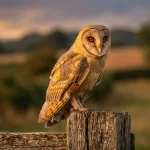
- Barn Owl: Recognizable by its heart-shaped face and white underbelly, this owl is known for its ghostly appearance and is often active at dusk and dawn.
Before heading out to spot these magnificent birds, consider the best practices for identification. Familiarizing yourself with their calls can significantly enhance your ability to locate them. Many owls are more active at twilight, so dusk is an ideal time for observing them in their natural habitats. Keep your eyes peeled for silhouettes in trees or listen for their characteristic hoots and screeches
In birdwatching, patience is key. Whether you’re hoping to catch a glimpse of a majestic Great Horned Owl or hear the soft call of the Barred Owl, spend some time in known owl habitats. Forest edges, wetlands, and even urban parks can provide excellent opportunities for owl sightings. As you become more acquainted with their characteristics and habits, spotting owls will transform from a challenge into a rewarding experience.
The Role of Owls in Ecosystems: Importance as Predators
The ability of owls to hunt at night makes them essential players in maintaining ecological balance. As formidable predators, they exert a significant influence on prey populations, particularly small mammals such as mice and voles. This predatory prowess not only helps control these populations but also indirectly supports the health of the ecosystems they inhabit. By regulating these populations, owls prevent overgrazing of vegetation, which can lead to habitat degradation, as well as helping to mitigate the spread of rodent-borne diseases.
Owls employ unique hunting strategies that are finely tuned to their nocturnal lifestyles. Equipped with exceptional night vision and acute hearing, they can detect even the slightest movement in complete darkness. For example, the Great Horned Owl, known for its versatility, can adapt its hunting techniques to various environments-from dense forests to open fields-targeting a range of prey that includes rabbits and even larger birds. This adaptability highlights how owls fit within the broader raptor family, sharing common traits such as strong talons and sharp beaks, which makes them efficient hunters.
Their role as apex predators extends beyond mere hunting. Owls contribute to the health of local ecosystems by serving as indicators of environmental quality. When owl populations decline, it often signals underlying issues like habitat loss or pesticide use, prompting conservation efforts. Moreover, their presence can enhance biodiversity; as they help keep prey species in balance, they also ensure that the ecosystem’s food web remains robust and diverse.
For birdwatchers and nature enthusiasts, understanding the ecological role of owls enhances the appreciation of these magnificent creatures. Observing owls in their natural habitat offers valuable insights into the delicate interconnections that sustain ecosystems. When you spot an owl, consider not just its beauty, but also the vital functions it serves, reinforcing why conservation efforts for these raptors are so critical. Whether you’re an experienced birder or a novice, engaging with owls in this way fosters a deeper respect for wildlife and the environments they inhabit.
Common Misconceptions About Owls and Raptors
Many enthusiasts new to the realm of birdwatching often carry misconceptions about owls and their classification. A prevalent belief is that owls are not true raptors; however, this notion couldn’t be further from the truth. Owls belong to the order Strigiformes and are indeed classified as raptors, sharing essential traits with other birds of prey like hawks and eagles. They share the characteristic strengths of raptors, such as sharp talons and excellent hunting skills, which position them as formidable predators in their ecosystems.
Another common misunderstanding revolves around the perception that all owls are silent hunters. While it’s true that many owl species excel in stealth due to their unique feather structure that minimizes sound during flight, this doesn’t mean they are completely silent. Various species, such as the Great Horned Owl, are known for their distinctive hooting calls that can be heard over long distances. This vocal communication plays a crucial role during mating season and in establishing territory.
Furthermore, some people believe that owls only hunt mice and small rodents, overlooking the diverse diet of these fascinating birds. Depending on the species and their habitat, owls can also prey on larger mammals like rabbits, birds, and even insects. The variability in their diet often reflects their adaptability to different environments, an impressive trait that many novice birdwatchers might not recognize. This flexibility in feeding habits further solidifies their role as apex predators and underscores their significant contribution to maintaining balance in various ecosystems.
Ultimately, a better understanding of owls as raptors allows bird lovers to appreciate their complex behavior and ecological importance. For those keen on birdwatching, observing these majestic hunters brings insights that deepen the appreciation for the intricate web of life that they represent. Whether you’re just beginning your birdwatching journey or have years of experience, debunking these myths helps cultivate a richer connection with these avian wonders.
Behavioral Traits: What Sets Owls Apart from Other Raptors
Owls present a fascinating contrast to other raptors that not only enhances their allure but also defines their unique position within the avian community. One striking feature that sets them apart is their nocturnal predation style. While many raptors, such as hawks and eagles, tend to hunt during the day, owls have adapted to thrive in the darkness. Their large eyes contain a high number of rod cells, which boosts their night vision, allowing them to detect movement even in low-light conditions. This exceptional adaptation makes them formidable hunters when most other birds are settling for the night.
In addition to their extraordinary vision, owls also employ unique hunting tactics. Their silent flight is a result of specialized feathers that reduce turbulence, letting them glide silently through the night. This stealth allows them to surprise unsuspecting prey, which can include small mammals, birds, and even reptiles, depending on the species. While other raptors may rely on speed or soaring to catch their meals, owls master the art of ambush, showcasing a different aspect of predatory behavior.
Social Behavior and Communication
Owls are often more solitary than other raptors, which typically hunt in pairs or small groups. Most owl species maintain strict territories and tend to remain alone or with a mate, employing vocalizations to communicate and establish their presence. The haunting calls of a Great Horned Owl or the soft hoots of a Barred Owl not only serve to mark territory but also play a significant role in mating rituals. This vocal repertoire adds a layer of complexity to their behavioral traits, inviting birdwatchers to listen for these distinct sounds as a key part of identifying various species.
Adaptability and Diet
An interesting aspect of owl behavior is their remarkable adaptability. While many raptors have specific dietary preferences, owls can exhibit considerable flexibility in what they consume. Some species can adjust their hunting based on what prey is available in their environment, whether it be a preference for small rodents such as voles and mice, or larger prey when the opportunity arises. This dietary versatility not only highlights their role as apex predators but also emphasizes their importance in maintaining ecological balance, controlling rodent populations and contributing to the health of their ecosystems.
Understanding these distinctive traits allows bird enthusiasts and casual observers alike to appreciate the complexity and adaptability of owls compared to their diurnal raptor cousins. Whether spotting them during a night outing or hearing their calls in the secluded woods, there’s no denying the unique charm and vital role these avian hunters play in our natural world.
The Art of Birdwatching: Spotting Owls vs. Raptors
The thrill of birdwatching becomes even more exhilarating when you have the chance to spot raptors in their natural habitat, and owls add a unique dimension to this experience. Understanding how to identify and differentiate these fascinating birds of prey can enhance your appreciation for them and improve your skills as a birdwatcher. Whether you’re out during the day seeking hawks and eagles or venturing into the night for elusive owls, knowing where and how to look can make all the difference.
During the day, diurnal raptors such as hawks and eagles can typically be found soaring over open fields or perching on high branches, scouting for prey. Look for their characteristic wing shapes and flying patterns: while hawks often glide in circles, eagles tend to flap their wings vigorously. Focus your attention on the edges of forests, near water sources, or open grasslands, and consider using binoculars to get a closer look at their plumage and behavior from a distance.
In contrast, to observe owls, you’ll need to adjust your approach given their nocturnal habits. Owls are best spotted at dusk or dawn when they are most active. Begin your search in wooded areas or regions with dense stands of trees. When the sun begins to set, listen carefully for their distinctive calls, which can guide you to their location. Shine a flashlight softly through the trees; you may catch a glimpse of their reflective eyes peering out from the darkness. The best time for an evening outing is during a full moon when their hunting activity peaks, providing ample light for your exploration.
A few quick tips to enhance your owl and raptor spotting experience include:
- Be patient and observant: Both raptors and owls can be masters of disguise, so take your time scanning your surroundings.
- Learn their calls: Familiarize yourself with the sounds they make. Each owl species, for instance, has a unique call that can help you locate them.
- Use proper gear: A good pair of binoculars is essential for seeing details from a distance, while a camera can help capture your sightings for later reflection.
- Keep your distance: Always respect their space and avoid disturbing these magnificent creatures. It’s best not to approach nests or use playback calls excessively.
Incorporating these strategies will not only aid in spotting raptors and owls but also deepen your connection with the natural world around you, allowing for memorable birdwatching experiences. Whether perched majestically in a tree or gliding silently through the night, these raptors are a reminder of nature’s complexity and beauty, adding excitement to every outing.
Caring for Owls: Insights for Bird Enthusiasts
Owls are extraordinary creatures that captivate both casual observers and dedicated bird enthusiasts alike. Their remarkable adaptations for nocturnal life and unique hunting techniques can provide a rich learning experience for anyone interested in bird care or observation. One notable aspect of owls is their classification as raptors, and understanding their needs will not only enhance your appreciation for them but also support their conservation and welfare.
When caring for owls, whether in a rehabilitation context or as a pet-where legal-it’s vital to consider their specific dietary and environmental requirements. Owls primarily consume small mammals, birds, and insects, with species-specific preferences. For instance, Great Horned Owls may devour rabbits or rodents, while Barn Owls usually hunt for small mammals like mice. A diet rich in natural prey is essential for maintaining their health, so finding appropriate sources of fresh mice or other small animals is critical.
Their living environment should mimic their natural habitat as closely as possible. Owls need ample space for flight and perching, along with appropriate nesting materials. If you venture to create an artificial habitat, ensure it contains trees or platforms where they can perch, as well as places for them to hide and feel secure. Consider using a flight aviary that provides opportunities for exercise, which is vital for their physical and mental well-being.
It’s also crucial to understand their behavioral traits. Owls are naturally solitary and territorial, exhibiting unique communication methods through calls specific to their species. During your interactions, ensure you respect their space and limit handling, as excessive human contact can stress these sensitive birds. Regular observation can offer insights into their behavior, such as their hunting techniques and social interactions, which can be both enjoyable and educational.
Lastly, educating yourself about the local owl species can greatly enhance your ability to care for or observe these majestic birds in the wild. Keeping a journal of sightings, nesting behavior, or unusual activities can build your understanding of owl behavior and contribute to citizen science efforts in your area. By fostering a deeper connection with owls through respectful observation and care, we can help ensure these remarkable raptors thrive for generations to come.
Owls in Culture: Myths and Symbolism Unveiled
Owls have long captivated human imagination, serving as symbols of wisdom, mystery, and even foreboding across various cultures. In ancient Greece, the owl was associated with Athena, the goddess of wisdom, symbolizing knowledge and foresight. This connection endures in modern times, where the image of an owl often represents educational pursuits and enlightenment. Beyond wisdom, owls have played prominent roles in folklore and mythology around the globe, often viewed as omens or guardians.
In many Native American cultures, owls are revered as protectors and bearers of messages from the spirit world. However, attitudes can vary; some tribes perceive them as omens of death or misfortune, often grounded in the nocturnal nature of these birds and their hunting prowess. This duality reflects a deeper understanding of the owl’s role as both a predator and a symbol of the unknown, embodying the balance between life and death.
The symbolism of owls extends into literature and art as well, where they commonly represent insight and perception. A classic example is found in Harry Potter, where Hedwig, Harry’s owl, symbolizes companionship and loyalty. This portrayal contributes to the modern perception of owls, merging their ancient mystique with contemporary themes of friendship and guidance.
While admiring these creatures for their symbolic significance, it’s also essential to respect their role in the ecosystem as raptors. Understanding their predatory nature, and the habitats they occupy, can enhance conservation efforts and foster a greater appreciation for what these magnificent birds contribute to biodiversity. By valuing owls not only for their cultural symbolism but also for their ecological importance, we can engage in more meaningful efforts to protect them and their environments for future generations.
Comparing Raptors: Owls vs. Hawks and Eagles
The elegant gliding of an owl through the night sky inspires wonder, but how does it stand up to the formidable presence of hawks and eagles? All three belong to the broad group known as raptors, defined primarily by their keen eyesight and powerful talons, which they use for hunting. Yet, while these birds share this raptor classification, they exhibit distinct characteristics and behaviors that set them apart.
Owls are predominantly nocturnal, employing their extraordinary night vision and silent flight to hunt in darkness. For example, the Great Horned Owl can detect prey in near-total darkness, thanks to its large eyes adapted for low-light conditions. In contrast, hawks and eagles are generally diurnal, active during the day. The Red-tailed Hawk is a prime example, using its exceptional sight to spot potential prey from great heights. This difference in activity patterns not only influences their hunting strategies but also their habitat preferences, with owls favoring wooded areas or open fields that offer cover during the night, while hawks and eagles often prefer open spaces that allow for expansive visibility.
When it comes to size, eagles often take the crown, boasting impressive wingspans that facilitate soaring at high altitudes. The Bald Eagle, for instance, can have a wingspan of up to 7 feet, enabling it to cover vast territories in search of food. In comparison, most owls are smaller, although some, like the Eurasian Eagle Owl, can rival eagles in size. Their hunting techniques also differ; owls tend to rely on stealth and a surprise attack, often using their silent wings to swoop down on unsuspecting prey. In contrast, hawks and eagles often employ a high-energy chase, utilizing speed and maneuverability to capture their targets.
Engaging with these raptors offers a unique experience for bird enthusiasts. Using field guides or birdwatching apps can provide insights into their habitats, behaviors, and identification tips. Whether you’re hoping to spot an elusive owl or observe a hawk in flight, understanding their differences not only enhances your appreciation of each species but also fosters a deeper commitment to protecting their diverse ecosystems. Each raptor, from the celebrated owl to the majestic eagle, plays a vital role in maintaining ecological balance, making it essential for us to cherish and conserve their habitats.
Frequently Asked Questions
Q: Are owls considered true raptors?
A: No, owls are not classified as true raptors. While they share some hunting characteristics with raptors like hawks and eagles, owls belong to their own order, Strigiformes, distinct from the Falconiformes, which includes true raptors. For more on bird classification, see our section on “How Are Owls Classified in Ornithology?”
Q: What defines a bird as a raptor?
A: A bird is classified as a raptor if it is a bird of prey that hunts and feeds on other animals. Key traits include keen eyesight, strong talons, and a hooked beak. Raptors include species like hawks, eagles, and falcons, but not owls, which have unique adaptations. Learn more about raptors in our article.
Q: How can I identify the difference between owls and other raptors?
A: Owls can be distinguished from other raptors by their nocturnal behavior, distinct facial discs, and unique feather adaptations for silent flight. Unlike most raptors, owls primarily hunt at night, which sets them apart in behavior and hunting style. More details can be found in our “Key Differences Between Owls and Other Raptors” section.
Q: Do owls hunt like other raptors?
A: Yes, owls do hunt, but their methods differ from those of diurnal raptors. Owls rely on silent flight and acute hearing to locate prey at night, contrasting with the visual prowess of daytime hunters. You can explore their hunting strategies in “Behavioral Traits: What Sets Owls Apart from Other Raptors.”
Q: Are there different species of owls?
A: Yes, there are over 200 species of owls, each with unique characteristics and adaptations. Common types include the Great Horned Owl, Barn Owl, and Snowy Owl. For identification tips, refer to our “Identifying Common Owl Species: A Quick Guide.”
Q: What role do owls play in the ecosystem?
A: Owls are essential predators in their ecosystems, controlling populations of rodents and insects. This predation helps maintain ecological balance. For insights on their ecological importance, refer to “The Role of Owls in Ecosystems: Importance as Predators.”
Q: Can owls be kept as pets?
A: While some may dream of keeping owls as pets, they require specialized care and are not domesticated. Legally, many species are protected, making them unsuitable for ownership. Explore “Caring for Owls: Insights for Bird Enthusiasts” for guidance on ethical considerations.
Q: What cultural significance do owls have?
A: Owls are often symbols of wisdom or mystery in various cultures. In some traditions, they represent protection and insight, while in others, they are viewed as omens. Learn more in “Owls in Culture: Myths and Symbolism Unveiled.”
Future Outlook
As we’ve explored, owls are indeed raptors, displaying numerous fascinating traits that set them apart in the avian world. Understanding their classification not only enriches your knowledge but also deepens your appreciation for these incredible birds. If you found this insight into owl behavior and identification helpful, you won’t want to miss our articles on common North American raptors and tips for birdwatching-discover new aspects of birding that will enhance your experience.
Act now and bookmark our site for more engaging content on avian adventures! Dive deeper into related topics and consider signing up for our newsletter, where we share exclusive insights, tips, and resources to help you connect with the birding community. Whether you’re a beginner or an experienced birder, there’s always more to learn. Join us on this exciting journey, and let’s keep the conversation going in the comments below-share your thoughts on owls or your favorite birding moments!
Get our latest guides, news, and insights highlighted in your Google Search & AI Overviews.