Are Chickens Birds? Their Classification Revealed

Are Chickens Birds? Their Classification Revealed

Have you ever wondered about the true nature of chickens? These creatures, often seen as mere farm animals, are fascinating members of the avian family. Classified scientifically as birds, chickens share many traits with their feathered relatives, from their unique anatomy to their social behaviors. Understanding their classification not only satisfies our curiosity but also highlights their importance in ecosystems and agriculture. By exploring the connection between chickens and other birds, you’ll gain insights into their behaviors, needs, and the vital roles they play in our lives. Dive into the remarkable world of chickens and discover how these clucking companions are more than just a source of eggs-they are a pivotal part of the avian family tree!

Are Chickens Birds? Understanding Their Classification

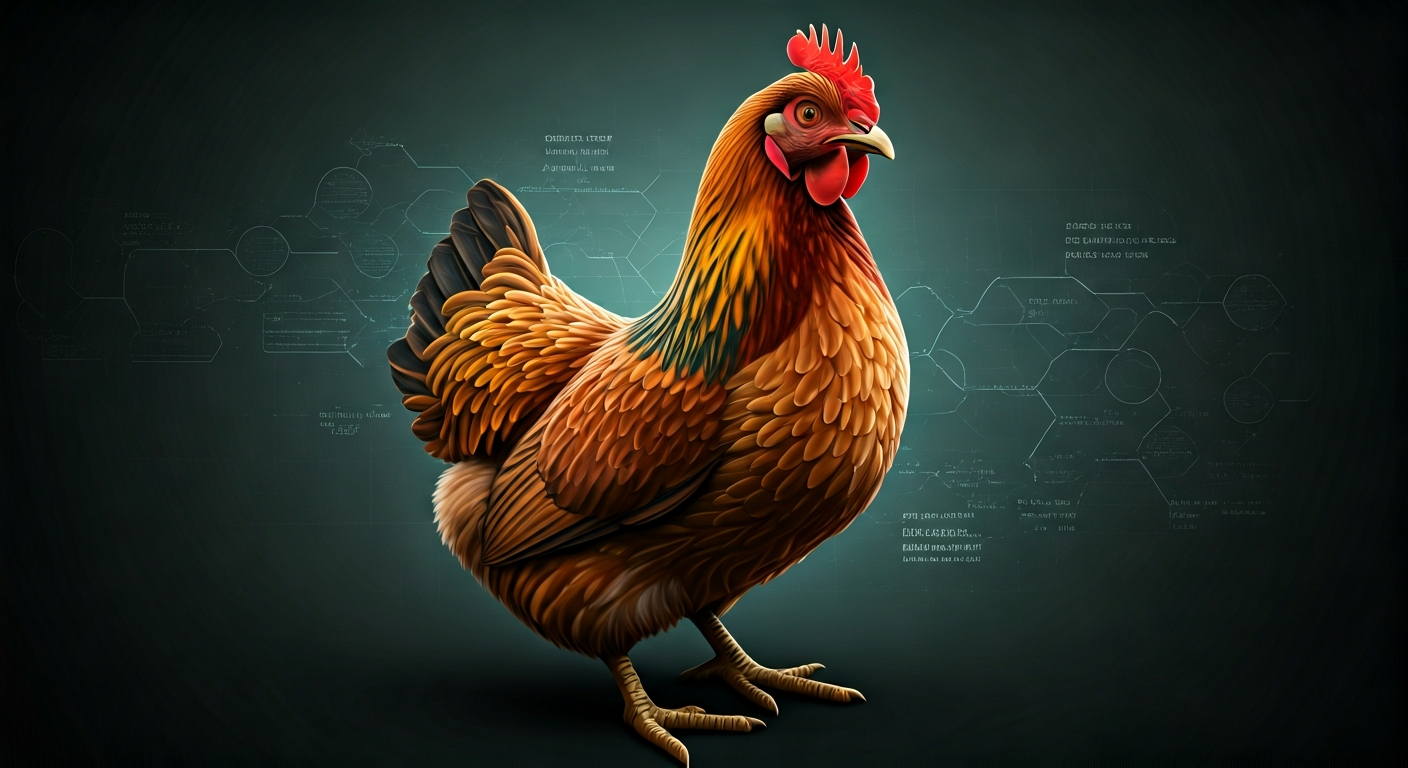
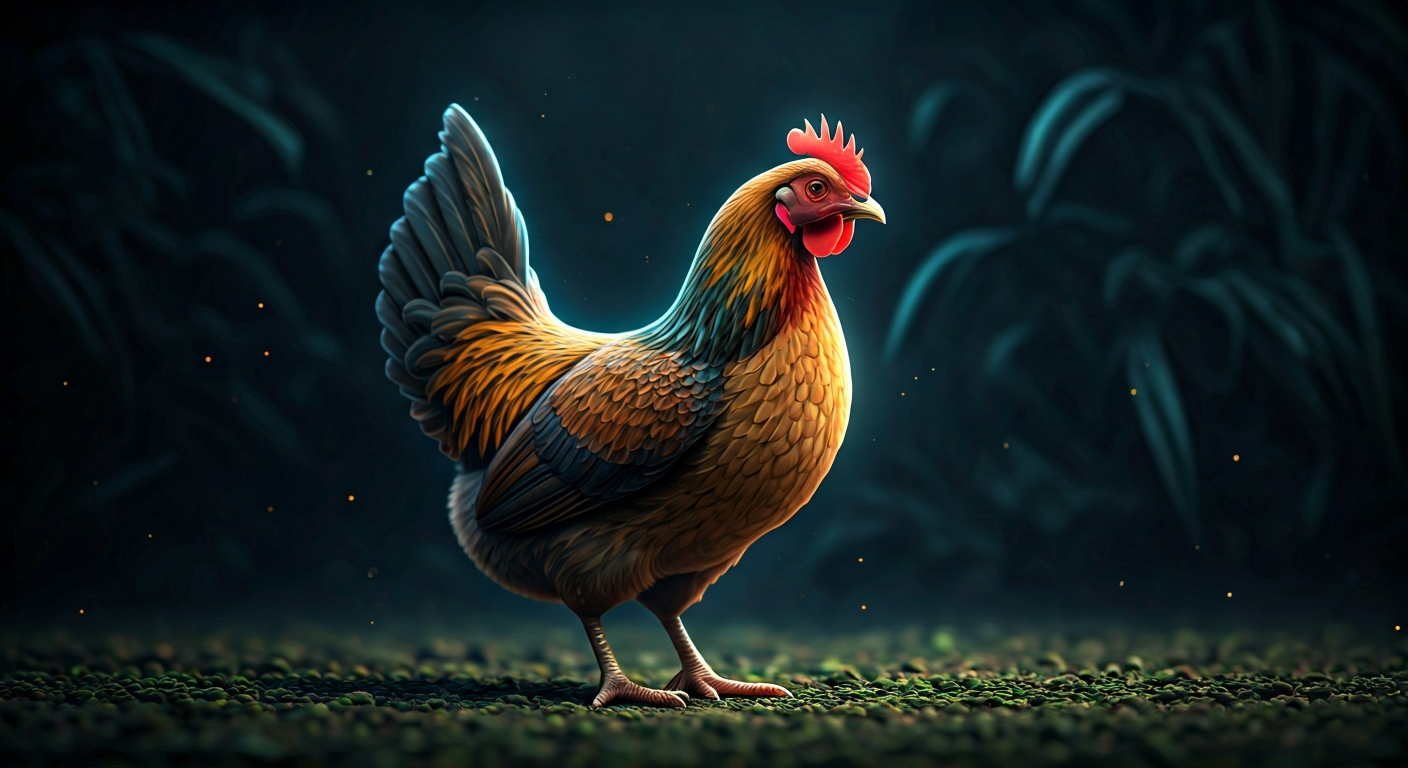
Chickens are fascinating creatures that frequently surprise us with their complex behaviors and social structures, exemplifying their classification within the avian family. As members of the class Aves, chickens share common characteristics with all birds, such as feathers, wings, and the ability to lay eggs. Despite popular perception that may reduce them to mere farm animals, chickens are a vital part of the bird family tree and exhibit a wide array of traits that define them as birds.

A key feature of chickens is their adapted body structure, which includes a lightweight skeleton and a special respiratory system that allows for more efficient oxygen exchange – critical for their activity levels, which can sometimes rival that of other, more widely revered birds. Chickens possess strong social skills, exhibiting behaviors such as pecking order dynamics, vocal communication, and even parental instincts that align with avian characteristics. These traits not only distinguish them within the bird kingdom but also highlight their evolutionary journey from wild ancestors to the diverse domestic breeds we see today.

Understanding the classification of chickens extends beyond their biological attributes. It helps us appreciate their role within agricultural ecosystems and the various cultural contexts that define their existence around the world. By recognizing chickens as birds endowed with unique characteristics, we can foster deeper appreciation and enhanced care practices for these remarkable animals in our backyards. Whether you’re an aspiring chicken keeper or a seasoned bird enthusiast, the exploration into their classification reveals just how significant these birds are in our lives and the ecosystems they inhabit.
Are Chickens Birds? Understanding Their Classification

The Evolutionary Journey of Chickens

The history of chickens is a remarkable tale of adaptation and domestication that reflects not only their evolutionary journey but also their integration into human culture. Domesticated approximately 8,000 years ago, chickens descend primarily from the red junglefowl (Gallus gallus), indigenous to Southeast Asia. This ancestor adapted well to varied environments, leading to the diverse breeds we recognize today, tailored for specific traits like egg production, meat quality, or resilience.

Chickens’ evolutionary path showcases their ability to thrive in numerous habitats. As wild birds, they developed robust foraging behaviors and social dynamics that enable them to navigate the complexities of their environment. These traits remain evident in domestic chickens, which maintain a complex social hierarchy often referred to as the “pecking order.” This behavioral trait facilitates group coherence and resource allocation, reflecting their instinctual roots in the wild.

Over centuries, selective breeding has significantly influenced chickens’ evolutionary trajectory. Early farmers sought traits that enhanced utility-such as laying eggs or producing meat-which led to the formation of distinct breeds. Today, there are over 25 billion chickens worldwide, highlighting their status as the most populous bird species. This extensive breeding has also resulted in variations in behavior, size, and adaptability, allowing chickens to fill various roles in agricultural systems and human diets.

In recognizing their evolution, we also acknowledge chickens’ role in our ecosystems, contributing to soil health and pest control through their natural behaviors. This relationship underscores the interconnectedness of species and the importance of chickens in sustainable farming practices. Understanding their evolutionary journey not only deepens our appreciation of these birds but also informs better care and management strategies, enriching our experience as poultry keepers.
The Evolutionary Journey of Chickens

Distinct Traits That Define Chickens as Birds

Chickens are fascinating creatures that embody numerous traits defining them as birds, distinguishing them from mammals and reptiles. One of the most notable characteristics of chickens is their feathers, which serve essential functions for insulation, waterproofing, and enabling flight, albeit limited in domestic breeds. The unique structure of feathers, consisting of a central shaft with branching barbs, allows chickens to maintain body temperature and aids in their often vibrant displays during mating rituals.

Physical Adaptations

Chickens possess a lightweight skeletal structure, vital for their survival and mobility. Their beaks, adapted for pecking, facilitate foraging behavior-scratching at the ground to uncover seeds, insects, and other forms of sustenance. Interestingly, chickens are omnivores, which adds to their adaptability in various environments and further supports their classification within the avian family. Their digestive system also reflects bird-like traits; the gizzard, a specialized stomach, grinds food using small stones that the chicken ingests, highlighting their evolutionary adjustments to diet and habitat.

Behavioral Traits

An intriguing aspect of chickens is their social behavior, which closely mirrors that of other bird species. They establish complex social hierarchies known as “pecking orders,” where each bird has a rank that influences its access to resources, such as food and nesting sites. This behavior is typical among many bird species, showcasing their need for social structure and community. Furthermore, chickens communicate using a variety of vocalizations, from clucks to crows, which serve different purposes ranging from alerting the flock to potential danger to signaling you are a proud parent to newly hatched chicks.

In terms of care, understanding these avian traits is crucial for those looking to raise chickens. Providing a spacious coop equipped with perches and nesting boxes can help chickens feel secure and encourage natural behaviors. Fostering a balanced diet that includes grains, greens, and protein sources supports their health and mirrors their natural foraging style. By recognizing and catering to these distinct traits, both novice and experienced poultry keepers can ensure their chickens thrive, bounding through the yard with the essence of true birds.

Exploring the Bird Family Tree: Chickens and Their Relatives

The world of birds is vast and interconnected, with chickens being an intriguing part of this dynamic family tree. Curious about where chickens fit within the avian classification? Chickens belong to the Phasianidae family, which encompasses not only domestic chickens but also game birds like pheasants and quail. This family, along with the broader order Galliformes, is characterized by ground-dwelling habits, robust bodies, and a tendency to roost in trees or other sheltered locations to rest at night.

Understanding the evolutionary journey of chickens reveals fascinating links to their relatives. Domestic chickens (Gallus gallus domesticus) are descended from the red junglefowl (Gallus gallus), a wild bird native to Southeast Asia. This lineage showcases how domestication has shaped the traits we observe in modern chickens, including their diverse sizes, feather patterns, and behaviors. The red junglefowl’s adaptability to various environments is mirrored in the domesticated varieties, which can thrive in backyards, farms, or even urban settings.

Understanding Their Relatives

In the expansive bird family tree, chickens are closer related to other ground-nesting birds. Here’s a concise look at some of their notable relatives:

  • Quail (Coturnix spp.): Smaller and quicker than chickens, quail are also popular for their eggs and can thrive in a similar backyard environment.
  • Pheasants (Phasianus spp.): Known for their colorful plumage, these birds exhibit complex courtship behaviors similar to those of chickens.
  • Turkeys (Meleagris gallopavo): Much like chickens, turkeys are domesticated for meat and show similar social behaviors.

Interestingly, the social structures of these birds often mirror one another. Just like chickens establish a pecking order, quail also maintain social hierarchies, highlighting the intricate behaviors shared among Galliformes.

Understanding the relationships between chickens and their relatives not only enriches our appreciation of these birds but also enhances our ability to care for them effectively. Knowledge of their natural behaviors can help anyone looking to raise chickens to create an environment that reflects their wild ancestry, ensuring they remain healthy and happy as they adapt to life alongside us.

Behavioral Insights: How Chickens Act Like Birds

Chickens are more than just barnyard staples; they are fascinating creatures that display a range of behaviors characteristic of birds. One captivating aspect is their innate social structure. Chickens naturally establish a hierarchy known as the “pecking order.” This social system is not just about dominance but is crucial for maintaining peace within the flock. Each chicken understands its place, which reduces conflicts over resources. Interestingly, this behavior mirrors that of their wild ancestors and relatives, such as quail and pheasants, showing a deeply rooted instinct in avian species to establish social dynamics.

Chickens also exhibit a variety of vocalizations, which serve as a form of communication among them. Each sound conveys specific meanings, from alarming others about potential danger to signaling when they have found food. For instance, the clucking sound often indicates contentment or safety, while a series of rapid crows might indicate excitement or aggression. Observing these interactions provides insight into their social lives, emphasizing the importance of behavioral cues in avian communication.

Another remarkable behavior is their instinctual scratching and foraging. Chickens possess strong legs and claws that enable them to scratch the ground effectively, searching for insects, seeds, and other treats. This natural foraging behavior stems from their evolutionary past and is essential for their physical and mental well-being. Allowing chickens to explore a safe area not only keeps them engaged but also satisfies their instincts, fostering a more enriching environment.

In summary, understanding how chickens behave like birds provides valuable insights for anyone interested in keeping these remarkable animals. By creating environments that reflect their natural behaviors, you can ensure a healthy, happy flock that thrives both physically and socially.

The Role of Chickens in Ecosystems

Chickens play a surprisingly versatile role in ecosystems, serving not just as farm animals but as active participants in their environments. By their very nature, chickens are omnivores and foragers, which means they contribute both to nutrient cycling and pest control. When allowed to roam, they scratch at the soil to find seeds, insects, and other edibles, helping to aerate the ground and stimulate plant growth. This behavior can significantly enhance soil health and prevent the overgrowth of pests in garden areas, making them invaluable allies for gardeners and farmers alike.

Furthermore, this foraging behavior can lead to an organic form of pest management. Chickens naturally hunt for pests, which helps reduce the population of harmful insects and parasites, minimizing the need for chemical pesticides. By integrating chickens into cropping systems, farmers can create a more balanced ecosystem where chickens act as natural fertilizers through their droppings and reduce the reliance on synthetic inputs. This process not only benefits crop yield but also fosters a sustainable agricultural practice that supports overall biodiversity.

Chickens also contribute to seed dispersal, which is critical for maintaining diverse plant communities. When chickens consume fruits and seeds, they help with seed distribution through their droppings. This aids in the regeneration of plants, supporting local flora and providing food and shelter for various wildlife species. By adding chickens into an ecosystem, we promote a more robust food web that supports larger ecological health.

In a broader context, the presence of chickens in agricultural landscapes contributes to a more complex web of interactions among species. They can serve as prey for local predators and enable a cycle of energy transfer that enriches the food web. Their integration into a farming or backyard setting not only promotes healthier food systems but also preserves important ecological processes that benefit the planet. Thus, chickens are much more than just producers of eggs and meat; they are pivotal players in the ecosystems they inhabit, demonstrating the interconnectedness of agriculture and ecology.

Feathers, Eggs, and More: Chicken Biology Explained

Chickens are remarkable creatures that exhibit a fascinating blend of traits characteristic of birds and unique adaptations that set them apart in the avian realm. From their vibrant feathers to the eggs they produce, understanding the biology of chickens helps us appreciate their role within our ecosystems and their significance as domesticated birds. Chickens belong to the family Phasianidae and are classified under the genus Gallus, specifically Gallus gallus domesticus, highlighting their domesticated status derived from the red junglefowl.

One of the most distinguishable features of chickens is their feathers, which play a crucial role in their life. Feathers are not just for appearance; they serve multiple functions, including insulation, waterproofing, and aiding in communication with other chickens through body language. The plumage can vary widely across breeds, showcasing a spectrum of colors and patterns that not only appeal to aesthetics but also serve important evolutionary roles. Molting is a natural process where chickens shed their old feathers to make way for new growth, often occurring in late summer to prepare for the cold months ahead.

Egg production is another critical aspect of chicken biology that captures the interest of many. Chickens have a unique reproductive system that allows for the formation of eggs, a process involving the ovary, oviduct, and various layers of albumen and shell. A hen generally lays one egg every 24-26 hours, with factors such as breed, age, and environmental conditions influencing laying frequency. Understanding this cycle is vital for those caring for chickens, as it allows breeders and egg producers to create optimal conditions for their flocks. The presence of eggs not only fosters the continuation of species but also serves as a primary source of protein for humans worldwide.

Moreover, chickens exhibit complex social behaviors and communication methods that reinforce their status as birds. They are social animals with hierarchies known as pecking orders, which dictate their interactions and roles within the flock. Chicken vocalizations, ranging from clucks to crows, signal various messages including alerts about predators or calls to gather. This form of communication is essential for the maintenance of social order and enhances their survival in the wild. Understanding these behaviors allows chicken keepers to foster a healthier, more harmonious environment in their coops.

Lastly, chickens are not merely egg-layers or meat providers; their biology reveals their intricate connection to the environment. Their foraging habits help maintain a balanced ecosystem, as they control insect populations and enrich the soil through their droppings. By integrating chickens into agricultural practices, we witness the remarkable interplay of nature and domestication-a true testament to their biology as birds performing vital roles beyond their primary purpose of egg and meat production.

Cultural Significance of Chickens Throughout History

Chickens have woven themselves into the fabric of human culture for thousands of years, transcending mere agricultural utility to become symbols of fertility, domesticity, and even divination. In many cultures, these remarkable birds are celebrated in folklore, art, and cuisine, showcasing their multiplicity of roles throughout history. For instance, ancient Egyptians revered sacred hens, linking them to the goddess Hathor, who represented motherhood and feminine principles. In contrast, the indigenous cultures of North America incorporated chickens into ritual practices, celebrating them as sacred animals with spiritual significance.

Beyond symbolism, chickens also play a pivotal role in cultural cuisines around the globe. From the spicy curries of India to the delicate dishes of French coq au vin, their versatility as a protein source has made them central to daily diets and festive gatherings. In many cultures, the act of cooking a chicken dish signifies family unity and hospitality, making it more than just a meal but a shared experience that strengthens social bonds. Their eggs, too, have been historically viewed as a symbol of new life and renewal, featured prominently in celebrations like Easter and Spring festivals across various societies.

Chickens’ influence extends to literature and idiomatic expressions as well. The phrase “don’t count your chickens before they hatch” is a well-known idiom reflecting the cautious optimism that one should exercise when contemplating future success. This saying encapsulates broader human experiences and aspirations, demonstrating how deeply interwoven chickens are in our linguistic landscape. Such phrases reveal our reverence and connection to these birds, acknowledging their role not only as livestock but as continual companions in our cultural narrative.

While the practical aspects of raising chickens-such as egg production and pest control-are often discussed, it’s essential to appreciate their broader cultural impact. As backyard chicken coops gain popularity, they represent a resurgence in sustainable practices and a connection to one’s food sources. This modern phenomenon reflects a growing desire for organic, farm-fresh ingredients while rekindling the ancestral practices that have long bonded humans to these chickens, offering a blend of tradition and contemporary living. In this way, chickens remain not just birds within our ecosystem but integral members of our social and cultural environments, continually evolving alongside us.

Caring for Chickens: A Bird Owner’s Guide

Caring for chickens is both a rewarding and an enriching experience. Did you know that chickens are not just excellent egg layers but also have fascinating personalities that can brighten your day? Understanding how to care for these remarkable birds involves several key factors, from their physical needs and social behaviors to their health and nutrition.

To begin with, ensuring a comfortable and safe living environment for your chickens is crucial. A well-designed coop provides protection from predators and harsh weather conditions while offering ample ventilation. Aim for at least 4 square feet of space per bird inside the coop and 10 square feet in an outdoor run. Remember to include nesting boxes-one box for every 3-4 hens should suffice-to maintain comfort during egg-laying. Regular cleaning of the coop helps prevent disease and keeps your flock healthy.

Nutrition and Feeding

Chickens thrive on a balanced diet tailored to their life stages. A typical diet should consist of high-quality poultry feed, which is usually available in various formulations-starter feed for chicks, grower feed for young birds, and layer feed for hens producing eggs. Supplementing their diet with kitchen scraps, grains, and fresh greens can enhance their health and well-being. Here’s a quick overview of their dietary needs:

Life Stage Recommended Feed Type
Chicks Starter feed (20% protein)
Growers Grower feed (16-18% protein)
Layers Layer feed (16% protein)

Social Dynamics and Behavior

Chickens are inherently social animals that thrive in flocks. Understanding their behavioral signs can enhance their care. Establishing a pecking order is natural, and observing interactions among your birds can help you identify any stress or aggression. Providing ample space, perches, and hiding spots can help reduce conflicts. Moreover, chickens communicate through a variety of vocalizations, each serving a specific purpose, from alerting others to danger to calling their chicks. Engaging with your flock through gentle handling and treats can also foster a bond-beyond their care, they can become delightful companions.

Maintaining vigilance over your chickens’ health is vital. Regularly check their feathers, eyes, and beaks; a soft, shiny coat is a good sign of a healthy bird. Also, vaccinations and parasite control should be part of your routine care plan.

By embracing responsible and informed care techniques, you not only provide a healthy environment for your chickens but also enrich your own life. Watching your flock flourish will deepen your appreciation for these incredible birds and their role in our ecosystem-all while enjoying the pleasure they bring into your home.

Connecting with Chickens: Social Behavior and Communication

Chickens are surprisingly communicative creatures, boasting a rich repertoire of sounds and behaviors that reveal their social nature. Did you know that chickens have over 30 distinct vocalizations? Each sound corresponds to a specific situation, whether it’s signaling danger, calling their chicks, or indicating they’ve found food. By tuning into these calls, you can deepen your understanding of your flock’s dynamics and the environment around them.

To connect with your chickens, it’s vital to observe their interactions. Chickens establish a social hierarchy known as the “pecking order.” This social structure is not merely about aggression; it helps to maintain harmony within the flock. For example, dominant birds often have priority access to food and nesting spots, whereas lower-ranking members may display submissive behaviors, like crouching or avoiding eye contact. Providing plenty of space, perches, and hiding spots allows all your chickens to feel secure, reducing stress and aggression. Remember, a calm flock is a happy flock!

Engaging with your chickens can enhance their social bonds with you as well. Regular gentle handling and offering treats like fruits and vegetables can foster trust. Additionally, spending time simply observing your flock can be enlightening; you’ll notice their unique personalities and preferences. Some chickens may be bold and adventurous, while others are more reserved. Understanding these traits helps you cater to their needs effectively, promoting a thriving, contented flock.

Moreover, it’s essential to recognize that chickens are not just egg producers but full of personality worthy of appreciation. Their behaviors are influenced not only by their environment but also by their individual experiences, much like other bird species. By observing and interacting with your flock, you are tapping into a rich world of avian communication that extends beyond clucking and scratching. Embrace this opportunity to connect, and you will find joy in caring for these amazing birds while enriching your own life as well.

Myths and Misconceptions About Chickens as Birds

Chickens are often misunderstood in the avian world, and several common myths can lead to misconceptions about their nature and behaviors. One prevalent myth is that chickens are unintelligent or lack the complexity associated with other bird species. In reality, studies have shown that chickens are quite adept at problem-solving and exhibit social intelligence comparable to that of some mammals. They can remember over 100 different faces of both their flock mates and humans, showcasing their ability to navigate complex social interactions. This cognitive capacity is essential in their natural behaviors, such as establishing social hierarchies within the flock.

Another common misconception is that chickens are strictly land-bound and lack the ability to use their wings. While it’s true that domestic chickens generally prefer to stay terrestrial, they can fly short distances when necessary-especially when startled or to reach a roosting spot. In fact, allowing chickens access to elevated perches or structures encourages their natural instincts and promotes healthier social dynamics within the flock. Many chicken keepers notice a marked improvement in their flock’s behavior simply by providing different levels within their coop or run.

Chickens are also frequently viewed merely as passive egg layers, stripped of any behavioral richness. However, they are social animals with intricate communication systems consisting of various vocalizations and body language. For instance, the specific clucks they emit can indicate a range of emotions and alerts, from warning of a predator to announcing the discovery of food. Understanding these communications not only enhances the human-chicken bond but is also crucial for flock management.

Understanding these myths allows us to appreciate chickens as dynamic, engaging creatures that enrich the biodiversity of our ecosystems. Their role extends beyond mere agriculture; recognizing their evolutionary traits and social behaviors emphasizes the importance of caring for them holistically, celebrating their unique contributions to our lives and the environment.

The Future of Chickens in Avian Research and Breeding

The complexity and adaptability of chickens make them a focal point in avian research and breeding, positioning them at the intersection of agriculture, conservation, and understanding avian evolution. Chickens have been domesticated for thousands of years, making them not only a vital source of food production but also a compelling subject for scientific exploration. Recently, advancements in genetics and breeding techniques have provided researchers with unprecedented opportunities to study chickens, offering insights that extend beyond their agricultural value.

One of the most promising areas of research involves breeding programs aimed at enhancing disease resistance. With the rise of avian diseases, such as avian influenza, scientists are exploring genetic traits that confer resilience. By identifying and incorporating these traits into breeding programs, we can cultivate healthier chicken populations that thrive under various farming conditions. These programs not only improve food security but also promote sustainable farming practices by reducing reliance on antibiotics and other treatments.

Additionally, the study of chickens can significantly contribute to our understanding of evolution and behavior in birds. Given that all domestic chickens trace their lineage back to the red junglefowl, researchers can examine how domestication has altered traits and behaviors over generations. By comparing wild ancestors with domesticated breeds, scientists gain valuable insights into the impacts of human intervention on animal behavior and welfare. Such studies enhance our comprehension of avian biology while also informing better management practices in poultry farming.

Another integral aspect of future research is focused on the environmental impact of chicken farming. As consumer demand for ethically raised poultry grows, there’s a push for more sustainable practices. Research is being conducted to identify feeding strategies and housing designs that minimize the ecological footprint of chicken farming. Innovations in this area could lead to more responsible farming techniques that benefit the health of the birds and the planet alike.

Overall, is bright, promising to enrich our understanding of these fascinating birds while contributing positively to agriculture and sustainability. Embracing this research not only allows us to appreciate the intricate lives of chickens but also encourages a holistic approach to their care and management within our ecosystems.

Faq

Q: Are chickens considered birds?
A: Yes, chickens are classified as birds. They belong to the class Aves, characterized by feathers, beaks, and the ability to lay eggs. Understanding their biological and ecological traits highlights their classification as avians.

Q: What family do chickens belong to?
A: Chickens belong to the Phasianidae family, which includes other game birds. This classification places them within the order Galliformes, showcasing their evolutionary ties to other bird species.

Q: How are chickens related to other birds?
A: Chickens are closely related to other birds, particularly within their family, Phasianidae, which includes pheasants and turkeys. Genetic studies reveal their common ancestry and evolutionary adaptations over time.

Q: Why do chickens exhibit bird-like behaviors?
A: Chickens exhibit bird-like behaviors such as pecking, scratching, and vocalizing, which are instinctual and essential for their foraging and social interaction. These behaviors are rooted in their avian biology.

Q: What distinguishes chickens from other birds?
A: Chickens are distinguished by their domestication, size, and egg-laying capabilities. Unlike many wild birds, chickens have been bred for specific traits, including color variations and production efficiency.

Q: Do chickens have the same biological features as other birds?
A: Yes, chickens share key biological features with other birds, including feathers, hollow bones, and a unique respiratory system. These adaptations support their flight and overall survival tactics.

Q: Where do chickens fall in the bird classification hierarchy?
A: Chickens fall under the domain Eukaryota, kingdom Animalia, phylum Chordata, class Aves, order Galliformes, and family Phasianidae. This classification illustrates their place within the broader avian family tree.

Q: When did chickens first appear in evolutionary history?
A: Chickens first appeared in evolutionary history about 10,000 years ago, likely stemming from wild junglefowl species in Southeast Asia. Their domestication marked a significant moment in human-animal relationships and agricultural development.

Feel free to explore more about the fascinating traits and history of chickens in the dedicated sections of our main article.

The Conclusion

In conclusion, understanding that chickens are indeed classified as birds not only deepens our appreciation for these fascinating creatures but also emphasizes the rich diversity within the avian world. If you’re eager to learn more about the behaviors and care of different bird species, don’t miss our guides on backyard bird watching and poultry care-both invaluable resources for enthusiasts at any level.

Now that you’ve uncovered the classification of chickens, why not dive deeper? Check out our article on “The Fascinating World of Domesticated Birds” or explore our tips on creating a bird-friendly garden. Engaging with our content enhances your knowledge and contributes to a vibrant online birding community.

Join our newsletter for updates, exclusives, and more insights into the wonderful world of birds. Your curiosity and passion can make a difference, so leave a comment below sharing your thoughts or experiences with chickens. Let’s keep this conversation going-your next avian adventure awaits!

🔍 Search WorldBirds
🦜 Trending Bird Guides
🕊️ Explore Bird Species

🦉 Quick Bird ID Help
Want to identify a backyard or pet bird? Check our visual tips and key features to spot each species quickly—even if you’re brand new to birding. Save time, spot more!

🐦 Bird Symbolism Insights
Curious about what seeing a cardinal, dove, or owl might mean? Learn the most common bird symbols and their spiritual stories, rooted in global traditions and nature.

🌱 Bird-Friendly Backyard Tips
Grow your bird sanctuary! Get actionable steps for feeder placement, safe foods, and habitat ideas. Make your garden a safe, lively haven for birds year-round.

🛠 Creative Bird DIY Ideas
Explore handpicked, bird-themed art and craft projects for every skill level. Find new tutorials and fun inspirations to connect nature with creativity—great for adults and kids alike.

🐣 Care for Baby Birds
Rescue or raise with confidence. Get essential advice on feeding, warmth, and safety to help fledglings and nestlings thrive—humane and practical tips for any situation.

💡 Expert Bird Tips
Uncover trusted tricks for pet bird bonding, safe handling, and solving common behavioral challenges. Build your skills and enjoy happier, healthier birds at home or outdoors.