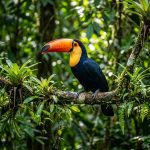
Did you know that the vibrant Toco Toucan, with its iconic colorful beak, is not just a stunning sight in the rainforest but also a vital part of its ecosystem? While these fascinating birds captivate birdwatchers and nature enthusiasts alike, understanding their predators and the threats they face is crucial for their conservation. From snakes to larger birds of prey, the Toco Toucan navigates a world filled with challenges that can impact their survival. By exploring what eats a Toco Toucan, we uncover not only the natural checks in their environment but also the broader implications for biodiversity and ecosystem health. Join us as we delve into the predator list and threats faced by this remarkable bird, and discover how you can contribute to protecting their habitat. Your curiosity and commitment can help ensure that future generations continue to appreciate these extraordinary creatures!
What Are the Natural Predators of Toco Toucans?
Toco toucans, with their strikingly colorful bills and lively personalities, are a fascinating sight in the canopy of South American rainforests. However, these iconic birds also face significant threats from a variety of natural predators. Understanding these predators not only helps in appreciating the complexities of their ecological niche but also highlights the challenges they encounter in their wild habitats.
Among the primary natural predators of toco toucans are large birds of prey, such as hawks and eagles, which have keen eyesight and swift aerial agility, making them formidable hunters. These raptors can spot a toucan from a distance, swooping down to seize an opportunity. Additionally, snakes are a danger, especially when toucans are nesting; arboreal snakes may invade nests to prey on eggs or even young chicks. Ground-based predators, like felines (jaguars and ocelots), can also pose threats when toucans venture out of the trees for foraging.
Despite their vibrant colors and considerable size, toco toucans must remain vigilant to survive. They have developed certain behaviors as defense mechanisms, such as nesting high in the trees and using their formidable beaks not just for feeding but also as a tool to deter smaller threats. However, these natural defenses are sometimes not enough against the growing pressures of habitat destruction and human encroachment, which further complicate their interactions with native predators. Understanding these dynamics is crucial for anyone interested in avian ecology or conservation efforts aimed at protecting these breathtaking birds.
Understanding the Toco Toucan’s Role in the Ecosystem
The role of toco toucans in their ecosystem is both vital and fascinating, acting as both prey and key players within the tropical rainforest community. Known for their impressive size and brightly colored bills, toco toucans are not just iconic symbols of the rainforest; they also contribute significantly to the health of their habitat through various ecological functions. For instance, their feeding habits make them essential for seed dispersal, allowing various plant species to thrive in areas where toucans forage. By eating a wide range of fruits and occasionally insects, they help maintain the balance of plant life, which in turn supports countless other species.
Toco toucans primarily feed on fruits, making them important agents of plant reproduction. When they consume fruit, they excrete the seeds in a different location, promoting forest diversity. This not only aids in the growth and spread of numerous plant species but also supports the overall biodiversity of the rainforest. As they help sustain the vegetation, they also create habitats for other wildlife, including insects, mammals, and birds that depend on a rich, diverse ecosystem.
The interdependent relationships within the ecosystem mean that the presence or absence of toco toucans can have cascading effects. For example, their nesting habits, often in tree cavities, not only provide shelter for their own young but can be utilized by other species, such as small mammals and various birds, when they abandon the nests post-breeding. These dynamics illustrate the multi-faceted role of toco toucans in their environment, showcasing their importance beyond merely being a food source for predators.
Ultimately, protecting toco toucans and their habitat ensures the survival of many other species that rely on the intricate web of life in which these toucans play a crucial part. Each toucan contributes to the resilience and vibrancy of the tropical forests, underscoring the need for ongoing conservation efforts to safeguard their populations and the broader ecosystem they inhabit.
Top Threats Facing Toco Toucans in the Wild
Toco toucans, with their vibrant bills and striking appearance, might seem like invincible icons of the canopy, but they face significant threats in the wild that can jeopardize their survival. One of the most pressing issues is habitat loss due to deforestation. As tropical rainforests are cut down for agriculture and urban development, the critical nesting sites and food sources that toucans depend on are rapidly diminishing. This not only increases competition for the remaining territory but also exposes them to increased predation as they must navigate fragmented habitats.
Additionally, hunting poses a direct threat to these magnificent birds. Although illegal in many regions, hunting for bushmeat and the pet trade continues to impact local populations. Toco toucans are particularly appealing due to their unique appearance, making them targets for collectors and illegal wildlife traders who are unaware or unconcerned about the consequences of their actions. Each bird taken from the wild further destabilizes their already vulnerable numbers.
Climate change is also a growing concern, as it disrupts the delicate balance of their rainforest ecosystems. Altered weather patterns influence the availability of food, as fruiting cycles can become unpredictable. Inclement weather events, such as storms and droughts, can destroy feeding grounds and nesting sites, making it difficult for toucans to find sustenance and raise their young. This disruption has cascading effects throughout the ecosystem, diminishing the toucan’s role as a seed disperser and the numerous relationships that depend on their ecological contributions.
To protect these vibrant birds, it’s essential for conservation efforts to focus on habitat preservation and stricter enforcement against hunting and trade. By supporting conservation initiatives and raising awareness about the plight of the toco toucan, enthusiasts can play a vital role in ensuring that these iconic keepers of the rainforest continue to thrive.
How Climate Change Affects Toco Toucan Survival
The toco toucan, with its vivid bill and striking plumage, may appear emblematic of tropical rainforests, but the impact of climate change is rendering its future increasingly precarious. As temperatures rise and weather patterns become erratic, the delicate balance of the ecosystems that the toucans inhabit is under severe threat. Changes in climate can lead to unpredictable fruiting cycles, directly affecting the availability of food that these birds rely on for survival. Toco toucans predominantly feed on fruits, and their role as seed dispersers is essential for maintaining the health of their habitats. If their food sources diminish due to climate variability, this can lead to cascading effects not only on their population but on the entire rainforest ecosystem.
Moreover, extreme weather events-such as intense storms, droughts, and flooding-compromise nesting sites and feeding grounds. These events can devastate the complex structures of trees that toucans typically use for nesting and shelter. For instance, if a severe storm uproots a significant number of trees, the toucans may lose critical breeding sites, which is particularly concerning as these birds often rely on the same trees year after year for nesting. Such habitat destruction exacerbates their vulnerability to both predators and competition from other species for the remaining, reduced resources.
Conservation efforts must adapt to these changing conditions. This means not only protecting existing habitats but also facilitating migration corridors that allow toucans and other wildlife to seek new areas that can support them as their traditional homes become inhospitable. Additionally, raising awareness and involving local communities in sustainability practices can help mitigate the impacts of climate change. Engaging in reforestation efforts and preserving the integrity of biodiversity hotspots are crucial steps in ensuring that these lively creatures continue to play their role in the rainforest. By understanding the intricate relationship between climate change and the survival of the toco toucan, we can better appreciate the need for proactive measures aimed at their conservation.
Human Impact: Habitat Loss and Its Consequences
The lush canopy of tropical rainforests is not just home to the vibrant Toco Toucan; it is a critical environment that supports a vast array of species, including plants, insects, and other birds. However, the unrelenting advance of human activity is leading to the gradual unraveling of this delicate ecosystem. Habitat loss, primarily driven by deforestation for agriculture, logging, and urban development, poses a significant threat to the survival of Toco Toucans. As natural habitats are cleared, the toucans lose vital nesting sites and the abundant fruit sources they rely on for nutrition.
As logging activities strip away the trees and clear-cutting opens up the forest to agriculture, not only do toucans lose their homes, but the very fabric of their ecosystem begins to fray. Without sufficient canopy cover, the birds face increased exposure to predators, such as snakes and raptors, which can thrive in open spaces. Furthermore, the fragmentation of their habitat forces toucans into smaller, isolated patches of forest, often leading to inbreeding and decreased genetic diversity, reducing the long-term viability of their populations.
The consequences of habitat loss do not end with the elimination of nesting sites and food sources; they ripple through the entire ecosystem. Toco Toucans play a pivotal role as seed dispersers, aiding in the regeneration of the forest. Their decline can lead to reduced plant diversity and compromised habitat for countless other species, creating a cascading effect on ecology. Thus, protecting their environment is not only about saving the toucan; it is about preserving the intricate web of life that thrives in these biodiverse ecosystems.
To combat these threats, it is essential for conservation efforts to focus on sustainable practices. Initiatives such as reforestation, the establishment of wildlife corridors, and community engagement in sustainable land use can help mitigate the effects of habitat loss. Public education plays a crucial role in fostering appreciation for these magnificent birds and the vital ecosystems they inhabit. By rallying local communities around conservation efforts, we can protect the Toco Toucan and the rich biodiversity of the tropical rainforest for generations to come.
Predatory Behavior: Unique Traits of Toco Toucans
Toco Toucans, with their strikingly colorful bills and vibrant plumage, are not only fascinating to observe but also hold unique traits that help them navigate their predatory threats in the wild. These birds inhabit the canopies of South American rainforests, where they often find themselves targeted by various predators. Understanding their behaviors and adaptations can provide insight into how they survive in a world filled with threats.
One of the remarkable features of Toco Toucans is their incredible agility despite their size. Their strong, lightweight bones and specialized wing structure enable them to maneuver swiftly among branches, allowing them to evade raptors and other predators. In addition to quick flight, Toco Toucans utilize their keen eyesight to spot potential dangers from a distance. Their large, brightly colored bill, while seemingly a target, also plays a crucial role in their predatory behavior. It helps them forage for food, primarily fruits, but also serves as a tool to distract and intimidate predators during an encounter.
Effective Camouflage and Nesting Behavior
Toco Toucans also exhibit clever nesting habits that protect them from predation. They typically nest in tree cavities-often abandoned by woodpeckers-offering a safe refuge for their eggs and chicks. This nesting strategy reduces vulnerability to ground predators like snakes and even larger birds that might attack nests. The toucans will often guard their nests vigorously, and their loud, distinctive calls serve as a warning to would-be intruders.
Moreover, Toco Toucans possess a social behavior where they often dwell in small groups. This flocking allows for increased vigilance; while some birds remain watchful for threats, others can forage for food. This cooperative behavior not only enhances their safety but fosters social bonds that are vital for their well-being. Additionally, their ability to engage in playful activities-such as chasing and playing games with one another-helps strengthen these social ties while promoting a sense of security among the members of the group.
By understanding the unique traits and behaviors of Toco Toucans, we can appreciate their adaptations to a life of constant threats in the wild. These vibrant birds are a testament to the intricate balance of ecosystems where survival relies not just on physical traits but also on social structures and behavioral strategies.
How Toco Toucans Defend Themselves Against Predators
In the lush canopies of South American rainforests, Toco Toucans have developed an array of fascinating defensive strategies that enable them to navigate the many threats posed by predators. One of their most impressive attributes is their agility in flight. Despite their relatively large size and the weight of their distinctive beaks, Toco Toucans display remarkable maneuverability, flitting skillfully among branches to evade birds of prey. This ability to escape can be attributed to their strong, lightweight skeletons combined with their specialized wing structure, allowing for quick pivots and rapid changes in direction.
A standout feature of Toco Toucans is their vibrantly colored bill, which serves multiple purposes. While it is a striking visual target, this prominent bill can also be used to deter predators. During confrontations, Toco Toucans may posture aggressively, using their bill to appear larger and more intimidating. Moreover, the bill aids in foraging for fruits and insects, but in dire situations, it can also help to distract or confuse a would-be attacker, giving the toucan precious seconds to escape.
Nesting behaviors also play a crucial role in their survival. Toco Toucans typically choose tree cavities that have been abandoned by woodpeckers, a strategy that provides safety from ground predators such as snakes and larger birds. These cavities not only shield their eggs and chicks but also allow for vigilant guarding from within. When defending their nests, Toco Toucans can be quite vocal, utilizing loud calls to ward off intruders. Their social structure enhances this defensive behavior; living in small flocks allows them to keep a lookout for potential threats while some members forage for food, fostering a collective sense of security.
In addition to physical attributes and nesting strategies, Toco Toucans engage in playful behaviors that further contribute to their well-being. This playful nature, often expressed in games with flock mates, not only strengthens social bonds but also promotes an environment of alertness and cooperation, crucial for quick responses to threats. Overall, the combination of their agility, unique physical structures, intelligent nesting practices, and social behaviors equips Toco Toucans with effective means to defend themselves against the myriad dangers lurking in their vibrant habitat.
The Importance of Toco Toucans in Biodiversity
The vibrant Toco Toucan plays a crucial role in the ecosystems of South American rainforests, functioning as both a seed disperser and an indicator of environmental health. These birds, with their striking appearance and boisterous nature, are not only a delight to observe but also serve vital ecological functions that help maintain the balance of their habitats. By eating a variety of fruits and berries, Toco Toucans aid in the propagation of many plant species. As they consume fruits, their droppings scatter seeds throughout the forest, promoting biodiversity and aiding in forest regeneration.
One fascinating aspect of Toco Toucans is their interaction with other species within their ecosystem. They often find themselves in mutualistic relationships with various trees and plants, which rely on their feeding habits for reproduction. The toucans are known to prefer certain fruits that are high in nutritional value, and in turn, their feeding promotes the growth of those trees. This highlights the interconnectedness of life in these lush environments, where the decline or increase of one species can significantly impact many others.
Furthermore, Toco Toucans serve as indicators of environmental changes. Their presence in a habitat can signify a healthy ecosystem, as they require specific conditions such as abundant food sources and suitable nesting sites. As such, monitoring their populations can provide critical insights into the overall health of rainforest ecosystems. Unfortunately, habitat destruction due to logging, agriculture, and urbanization poses significant threats to Toco Toucans and their environments. Protecting these remarkable birds not only ensures their survival but also preserves the intricate web of life they support.
Conservation efforts directed at Toco Toucans and their habitats are essential for maintaining the rich biodiversity of the rainforest. By supporting initiatives that promote sustainable practices and habitat restoration, we can help safeguard not only the Toco Toucan but also the numerous species that rely on healthy forest ecosystems for their survival. Engaging in educational outreach about the importance of biodiversity and the specific roles species like the Toco Toucan play can further promote awareness and inspire collective action. Through a united effort to protect these magnificent birds, we can take meaningful steps toward a more sustainable future for our planet’s biodiversity.
Toco Toucans and Their Nesting Vulnerabilities
In the lush canopies of South America, Toco Toucans cleverly nest in tree cavities, but these seemingly safe havens come with a host of vulnerabilities. One critical aspect of their nesting strategy involves the choice of nesting sites-typically abandoned woodpecker holes-providing an insufficient defense against predators and environmental threats. While the colorful beaks of these birds may be captivating, it’s their nesting behavior that greatly influences their survival.
Toco Toucans face several natural predators that pose significant risks to their eggs and fledglings. Birds of prey, such as hawks and owls, are formidable threats, often swooping in to snatch young toucans or raid nests. Additionally, snakes and climbing mammals, like monkeys and squirrels, can reach their nests with alarming efficiency. Each of these predators highlights the precarious balance the Toco Toucan must navigate as they raise their young. To increase their chances of survival, nesting is typically synchronized with a time of year when food is abundant, offering fledglings the best chance of healthy development.
To further protect themselves, Toco Toucans exhibit certain behaviors that can mitigate these risks. For example, they often remain close to their nests during the nesting season, showcasing a communal approach where adult toucans collaborate to monitor their surroundings and deter threats. This vigilance is crucial not just for the safety of their immediate brood, but also to maintain the stability of their population against the backdrop of rising environmental challenges.
In the face of worsening habitat loss and climate change, these nesting vulnerabilities become even more pronounced. Trees that provide nesting sites are increasingly cut down for agriculture and urban development, pushing Toco Toucans to the brink as they search for suitable environments to raise their young. Protecting their nesting sites through conservation efforts not only safeguards future generations of Toco Toucans but also ensures the continuation of their vital roles within their ecosystems.
Conservation Efforts to Protect Toco Toucans
In a world where lush canopies provide a vibrant backdrop, conservation efforts stand as a crucial bulwark against the threats facing the Toco Toucan. These magnificent birds, known for their striking beaks and wide-ranging diets, are increasingly challenged by habitat loss and predation. Engaging in focused initiatives can significantly ameliorate their plight, ensuring that future generations may marvel at their brilliance in the wild.
Organizations dedicated to the conservation of Toco Toucans are working tirelessly on various fronts. One effective strategy involves habitat preservation, where initiatives aim to protect the tropical forests that serve as crucial nesting sites. By enforcing stricter regulations against deforestation and engaging in reforestation projects, conservationists are restoring natural habitats that allow Toco Toucans to thrive. A vivid example is the collaboration between local governments and NGOs to create protected areas that remain untouched by agricultural encroachment.
Furthermore, raising awareness is vital. Educational programs that inform local communities about the ecological importance of Toco Toucans play a significant role in their conservation. By fostering a sense of pride and responsibility towards these creatures, residents are more likely to engage in protective measures, thus reducing hunting and habitat destruction. In practical terms, this can involve eco-tourism opportunities that not only provide economic benefits but also promote a sustainable environmental ethos.
Active monitoring of Toco Toucan populations is also essential. By employing citizen scientists and local birdwatchers in data collection and monitoring efforts, researchers are able to gather critical information about the health of toucan populations and the effectiveness of conservation measures. This grassroots involvement not only empowers communities but also enriches the data pool, leading to more effective conservation strategies that embrace local knowledge and dedication.
are multifaceted, involving habitat protection, community engagement, and ongoing research. By combining these strategies, we can form an effective defense against the threats these colorful birds face, ensuring that they continue to flap their vibrant wings in our forests for years to come.
Educational Resources: Learn More About Toco Toucans
Learning about Toco Toucans opens a vibrant window into the colorful world of tropical birds, revealing their remarkable adaptations and the ecological roles they play. For those eager to delve deeper into the lives of these fascinating creatures, a wealth of educational resources is readily available, catering to both novice enthusiasts and seasoned birdwatchers.
To start, consider engaging with interactive online platforms that focus on avian education. Websites such as the Cornell Lab of Ornithology offer extensive bird identification resources, including in-depth profiles of Toco Toucans. Here, you can find information on their habitat, diet, and behaviors, enriched with stunning visuals that capture their beauty. Furthermore, many of these resources provide tools for tracking sightings and sharing data with the ornithology community, promoting active participation in bird conservation.
Books also serve as invaluable tools for learning. Titles like “Toucans: The Complete Guide” provide detailed insights into the natural history of Toco Toucans and their relatives. Look for publications authored by ornithologists that discuss the challenges faced by these birds, particularly those related to predation and habitat loss. These texts often combine scientific rigor with engaging narratives, making the information accessible to readers of all backgrounds.
Additionally, engaging documentaries can be an excellent way to connect with Toco Toucans. Platforms like National Geographic and BBC Earth often feature segments focusing on tropical wildlife, where viewers can witness Toco Toucans in their natural habitats. These visual stories not only illuminate the beauty and complexity of their ecosystems but also highlight the threats they face from predators and environmental changes.
Lastly, joining local birdwatching clubs or online communities can enhance your understanding. These groups frequently organize outings to observe Toco Toucans and share personal experiences and knowledge. Participation in such communities fosters a deeper connection to the wildlife and encourages advocacy for habitat protection, ensuring that these stunning birds can thrive for future generations.
By exploring these educational avenues, you can cultivate a richer appreciation for Toco Toucans and contribute to their conservation in meaningful ways. Whether through reading, viewing, or direct engagement, each step taken toward awareness enhances the collective effort to understand and protect these extraordinary birds.
Toco Toucan Facts: What Makes Them Unique?
The Toco Toucan, with its strikingly vibrant plumage and distinctive oversized bill, is not only a visual marvel but also an essential player in the ecosystem of the tropical rainforests it inhabits. One captivating fact about these remarkable birds is that their bill, while it may seem cumbersome, is actually an evolutionary adaptation that aids in thermoregulation, allowing them to control their body temperature. These toucans primarily feed on fruits, insects, and small animals, which makes them important seed dispersers in their environment. This feeding behavior not only contributes to forest growth but also reflects the intricate balance of their ecosystem.
In addition to their physical attributes, Toco Toucans boast unique social behaviors. They are often found in small groups, which can include both family members and other toucans. This social structure aids in protection against predation, as visually striking birds can have a hard time avoiding dangers. Their vocalizations are a crucial component of their interactions, ranging from soft coos to loud clacks, which help establish territory and maintain group cohesion.
Moreover, Toco Toucans have developed innovative nesting strategies to protect themselves from threats. They often nest in tree cavities, which provide shelter from predators. However, this choice also comes with vulnerabilities; their nesting sites can be vulnerable to arboreal snakes and larger raptors. Understanding these facets of their lives not only enhances our appreciation of Toco Toucans but also emphasizes the need for continued conservation efforts to protect their habitats – an endeavor crucial for their survival against the many challenges posed by both natural predators and human impact.
Engaging with Toco Toucans offers an enthralling glimpse into the complexities of avian life in the tropics, making them a favorite subject for both novice birdwatchers and seasoned ornithologists alike. Their role as both beautiful creatures and ecological keystones underlines the importance of ongoing efforts to safeguard the rich biodiversity of their environments.
Frequently asked questions
Q: What are the main predators of Toco Toucans?
A: The main predators of Toco Toucans include mammalian carnivores like jaguars and ocelots, as well as birds of prey, such as hawks and eagles. Nestlings are particularly vulnerable to snakes and larger predatory birds, highlighting the importance of nesting site safety.
Q: How do Toco Toucans protect themselves from predators?
A: Toco Toucans utilize various strategies for protection, including their vibrant coloration for camouflage, nesting high in trees, and using their large bills to defend against threats. These adaptations help them evade potential predators effectively.
Q: What environmental threats do Toco Toucans face?
A: Toco Toucans face numerous environmental threats, primarily habitat loss due to deforestation and agricultural expansion. Climate change also impacts their food sources and nesting sites. Conservation efforts are critical to ensure their survival.
Q: Are there any specific bird species that prey on Toco Toucans?
A: Yes, larger raptors, such as the harpy eagle and the crowned eagle, are known to prey on adult Toco Toucans. Their hunting capabilities pose a significant threat, particularly in regions where toucan populations overlap with these predators.
Q: How does habitat loss impact Toco Toucans?
A: Habitat loss significantly threatens Toco Toucans by reducing available nesting sites and food sources. Loss of forest cover can lead to decreased population levels, making conservation initiatives essential to protect their habitats and ensure their survival.
Q: What role do Toco Toucans play in their ecosystem?
A: Toco Toucans play a vital role in their ecosystem as seed dispersers. By consuming fruits and moving through the forest, they help in the growth of various plant species, contributing to biodiversity and forest regeneration.
Q: Why is conservation important for Toco Toucans?
A: Conservation is crucial for Toco Toucans because they are indicators of ecosystem health. Protecting them ensures the preservation of their habitats and the overall biodiversity of tropical forests, which benefits other species as well.
Q: How can individuals contribute to Toco Toucan conservation?
A: Individuals can contribute by supporting conservation organizations, participating in reforestation projects, and promoting sustainable practices that reduce habitat destruction. Educating others about the importance of biodiversity helps raise awareness for Toco Toucans.
Final Thoughts
Understanding what eats a toco toucan is crucial for appreciating these vibrant birds and the ecosystems they inhabit. While they face threats from predators like reptiles and larger birds, knowing this can empower us to protect their natural habitats. If you’re passionate about birdwatching or want to learn more about avian conservation, check out our articles on bird behavior and habitat preservation. Don’t forget to share this guide with fellow bird enthusiasts and leave your thoughts in the comments below!
Ready to dive deeper? Explore related topics such as “Toco Toucan Care Requirements” or learn about “Tropical Bird Habitats.” Sign up for our newsletter for the latest updates on bird conservation efforts and expert insights. Your engagement makes a difference-together, we can help ensure a bright future for these stunning creatures!
Get our latest guides, news, and insights highlighted in your Google Search & AI Overviews.