Toucans, known for their strikingly colorful beaks and vibrant plumage, are one of the most distinctive birds in the world. These fascinating creatures play a crucial role in their ecosystems, contributing to seed dispersal and forest regeneration. Whether you’re a seasoned birdwatcher or simply curious about the animal kingdom, understanding the unique characteristics of toucans can enhance your appreciation for biodiversity. In this visual guide, we’ll explore the physical features, behaviors, and habitats of various toucan species. Get ready to delve into the remarkable world of these enchanting birds, and discover what makes them stand out in the rich tapestry of wildlife!
What Does a Toucan Look Like: An Overview of Features

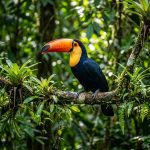
Toucans are truly remarkable birds, captivating anyone who encounters them with their striking appearance and vibrant colors. These large, tropical birds are best known for their distinctive, oversized bills, which can be nearly as long as their bodies. The bill’s vivid hues-ranging from bright yellow to deep orange and striking black-not only serve aesthetic purposes but also play a role in thermoregulation and foraging. Their plumage is typically a mixture of bold colors, including greens, blacks, and whites, which add to their enchanting look.
Physical Features
The most defining feature of toucans is undoubtedly their beak. This unique adaptation allows them to reach fruit and berries high up in the trees, making them effective foragers in their forest habitats. Their bodies are generally stout with short necks, and they possess strong, zygodactyl feet-two toes facing forward and two backward-perfect for grasping branches and climbing. Adult toucans measure between 18 and 25 inches in length, depending on the species, with the largest, the Toco Toucan, being the most recognizable.
Color Variations
Toucans showcase a variety of colors and patterns depending on the species. For instance, the Keel-billed Toucan has a distinctive green bill with a red tip and a bright yellow face, while the Rainbow-billed Toucan is adorned with a flamboyant mix of blue, red, and yellow hues. These color variations not only contribute to their visual appeal but also aid in species recognition, especially for mating purposes.
In summary, the toucan’s vibrant appearance combines a unique beak structure, bold coloration, and a stout body, creating one of nature’s most visually stunning birds. The combination of their eclectic colors and eye-catching features makes them a favorite among birdwatchers and photographers alike.
Exploring the Vibrant Colors and Patterns of Toucans
The vivid colors and mesmerizing patterns of toucans are a spectacle that captivates anyone lucky enough to see them in the wild. These tropical birds are not only recognized for their impressive, oversized bills but also for the vibrant hues that adorn their plumage. The colors serve not just for beauty; they play critical roles in signaling, mating, and survival in their lush environments.
Take the Keel-billed Toucan, for instance, whose vibrant green bill is tipped with red and complemented by a bright yellow face. This striking coloration creates a visual contrast that is particularly appealing and recognizable. Likewise, the Rainbow-billed Toucan showcases a stunning array of colors including blue, yellow, and red, enhancing its presence among the greenery. Such differences are not just ornamental; they help in distinguishing species, especially during courtship displays where brilliant colors can attract potential mates.
In terms of behavioral implications, the colors of a toucan can also influence their social interactions. For example, brighter colors may indicate a healthy, well-fed individual, which could be more appealing to mates. Additionally, variations in color density and pattern can provide clues to an individual’s emotional state or health, which is essential in the often-competitive environments these birds inhabit.
For bird enthusiasts, understanding these color patterns enhances the experience of birdwatching. By observing these features, one can identify different species more easily and appreciate the rich biodiversity within toucan habitats. Even beginners can quickly learn to recognize the unique attributes of different toucan species, enriching their understanding and enjoyment of avian wildlife. Whether in photographs or in the field, the vibrant colors of toucans promise a delightful adventure for bird lovers and naturalists alike.
Understanding Toucan Size: A Comprehensive Guide

The diversity and size of toucans are both fascinating and significant for understanding these birds. Toucans vary widely in size, which can influence their behavior, habitat requirements, and ecological roles. The largest of them all, the Toco Toucan, measures up to an impressive 65 cm (2.13 ft) in length, boasting a bill that can reach 23 cm (9 in) long. This distinctive bill, often seen as a defining feature of toucans, is surprisingly lightweight despite its size, allowing these birds to maneuver easily through the canopies of tropical forests.
In contrast, smaller species, like the Chestnut-tipped Toucanet, typically range from 33 to 41 cm in length and weigh significantly less, around 141 to 262 grams. These variations in size not only contribute to the toucans’ aesthetics but also play crucial roles in their feeding habits and social structures. For example, larger toucans are often more competitive for food, whereas smaller species may have adapted feeding strategies that allow them to thrive in more restricted areas of their habitat.
When considering size for birdwatching or keeping toucans as pets, it’s essential to understand these differences. Larger toucans, like the Toco, require more spacious enclosures and a diet tailored to their more expansive needs, while smaller species might be more suitable for those with limited space. Familiarity with the size and weight of various species can help enthusiasts and caretakers provide proper care and create appropriate environments, ensuring these vibrant birds flourish both in the wild and in captivity.
Identifying Different Toucan Species and Their Unique Traits

Identifying the various species of toucans is a delightful venture into the avian world, showcasing their unique traits and vibrant differences. With over 40 species of toucans, these birds stand out not only for their striking appearance but also for their diverse behaviors and habitats. For instance, the Toco Toucan (Ramphastos toco), known for its iconic large, brightly colored bill, is the largest of the species and typically exhibits a black body with a striking orange-yellow throat and an impressive bill length of up to 25 centimeters (10 inches). This species is commonly found in open canopies and is often seen in pairs.
Distinctive Species Traits
Each toucan species has unique characteristics that set it apart. Take the Keel-billed Toucan (Ramphastos sulfuratus), which is recognized for its colorful bill adorned with shades of green, red, and blue. This bird not only has a fascinating appearance but also plays a crucial role in its ecosystem by helping to distribute seeds through its frugivorous diet. Conversely, the Emerald Toucanet (Aulacorhynchus prasinus), smaller than its cousins, boasts vibrant green plumage accented by a yellow throat and a significant bill, making it a standout in the forests.
When identifying these birds, the shape and color patterns of their bills are especially notable. For example:
- Toco Toucan: Large and bright orange-yellow
- Keel-billed Toucan: Multi-colored with green and blue tones
- Channel-billed Toucan (Ramphastos vitellinus): Long bill curving slightly downwards
Behavioral Insights
Not only does each species exhibit various physical characteristics, but their behaviors can also be quite distinct. For instance, Saffron-crowned Toucans (Ramphastos vitellinus) are known for their social nature, often living in familial or small group units, unlike the more solitary Chestnut-mandibled Toucan (Ramphastos ambiguus), which tends to be more territorial. Their social structures influence their feeding habits and breeding patterns, making them fascinating subjects for birdwatchers and researchers alike.
Understanding these unique traits not only aids in identification but also enhances appreciation for these remarkable birds. Whether you’re a novice birdwatcher or an experienced ornithologist, knowing the differences in their physical characteristics and behaviors will enrich your avian encounters, whether in the wild or in a pet setting.
The Habitat of Toucans: Where to Find These Birds

Toucans are a breathtaking sight in their natural habitats, thrumming with the vibrant energy of the rainforests in Central and South America. These bright, beaked birds are predominantly found in tropical and subtropical forests, where their colorful bills contrast strikingly against the lush foliage. Toucans thrive in various forest types, including primary and secondary rainforests, as well as some deciduous forests, making them versatile inhabitants of the avian world.
Their preference for the canopy layer of forests is crucial to their lifestyle. The tall trees provide ample space for roosting, nesting, and finding food, primarily consisting of fruits, insects, and occasionally small animals. Among the most notable species, the Toco Toucan (Ramphastos toco) can be spotted in open forests and edges, while species like the Keel-billed Toucan (Ramphastos sulfuratus) favor the denser, humid areas of rainforests, where they play a vital role in seed dispersal by consuming a wide variety of fruits.
When considering where to observe these magnificent birds, regions with rich biodiversity, such as the Amazon Basin and the Central American rainforests, are ideal. For those interested in birdwatching, local hotspots include eco-tourism parks and reserves that promote sustainable practices to protect these habitats. Engaging in responsible observation not only enhances the experience but also supports conservation efforts, ensuring that future generations can appreciate the beauty and ecological importance of toucans in their environments.
By learning about the specific habitats that different toucan species prefer, birdwatchers and wildlife enthusiasts can tailor their explorations to maximize their chances of sighting these avian wonders. Remember, the vibrant colors of toucans are best appreciated amidst the rich tapestry of their natural settings, where they truly come alive.
Behavioral Traits of Toucans: Social and Feeding Habits
Toucans are not just strikingly beautiful birds; they exhibit fascinating social and feeding behaviors that add to their allure. One of the most captivating aspects of toucan behavior is their social structure. Often found in small groups or flocks, these birds communicate through a series of unique vocalizations, ranging from croaks to whistles. Their loud calls serve not only to maintain social bonds but also to establish territory, especially during the mating season. When you observe a flock of toucans, you might notice how they playfully engage with each other, soaring and diving through the tree canopies, showcasing their agility and vibrant plumage.
Feeding habits of toucans are equally intriguing. Though they are primarily frugivorous, consuming a variety of fruits, they also incorporate insects, small reptiles, and occasionally eggs into their diet. Their large, colorful bills are not just for show; they play a crucial role in their feeding strategy. Toucans use their bills to reach fruits that are out of reach and can even store food temporarily in their mouths. This ability to carry food allows them to feed on fruits that other birds can’t access, which is especially beneficial in their competitive environment. Furthermore, their feeding habits contribute to their ecosystem, as they aid in seed dispersal, ensuring the growth of new plants in their habitat.
When caring for toucans in captivity, it’s essential to understand their natural social tendencies. Providing a spacious environment where they can interact and engage with their surroundings is vital, as isolation can lead to stress. As with their wild counterparts, a varied diet that mimics their natural intake-comprising high-quality fruits and occasional protein sources-will help maintain their health and vibrancy. Encouraging social interaction is key, whether through providing companions of the same species or ample environmental enrichment that keeps them mentally stimulated.
In summary, toucans are superbly social and adaptable birds that thrive in community settings, showcasing whimsical and intelligent feeding habits that significantly impact their ecosystem. Observing these behaviors in the wild or in a controlled environment not only heightens appreciation for their beauty but also highlights their ecological importance.
Caring for Toucans: Key Considerations for Pet Owners
Toucans are not only vibrant and eye-catching birds, but they also come with specific care requirements that every potential owner should understand. Unlike common pet birds, toucans have unique needs that reflect their wild habits and natural behaviors. Their striking bills are not just for show; they play an essential role in how toucans interact with their environment-both for feeding and socializing. If you’re considering bringing a toucan into your life, it’s crucial to appreciate the commitment involved in their care to ensure a happy and healthy pet.
Caring for a toucan starts with providing an appropriate habitat. They need a spacious enclosure, ideally an aviary that allows for flight and ample space to explore. Toucans are social creatures, so consider housing them with their kind for companionship, which helps alleviate stress. Their living environment should be enriched with various perches and toys to promote exercise and mental stimulation. Keep in mind that toucans thrive in warm and humid conditions, akin to their natural tropical habitats.
Diet plays a critical role in maintaining your toucan’s health. In captivity, they should be fed a diet rich in fresh fruits-such as papaya, bananas, and berries-supplemented with specialized low-iron pellets designed for soft-billed birds, as they are particularly susceptible to iron storage diseases. A variety of foods not only enriches their diet but also mimics the diverse selections found in the wild. Additionally, providing some protein sources, like insects or cooked egg, can enhance their nutrition. When feeding, be prepared for some mess; toucans are known for being quite the mess-makers due to their eating style.
Regular veterinary checks are also crucial for a toucan’s well-being, especially since they can be more prone to certain health issues than other birds. It’s essential to find a vet experienced with exotic birds to monitor their diet and overall health. Pay attention to their behavior, as changes may indicate health problems. By understanding and responding to your toucan’s unique needs, you can ensure a happy, long-lasting companionship with these magnificent creatures.
Toucans may be stunning and engaging pets, but their care requires dedication and knowledge. By embracing their vibrant lifestyle and catering to their specific needs, you’ll not only provide a nurturing environment but also enjoy the rewards of sharing your life with one of nature’s most colorful birds.
The Role of Toucans in Ecosystems: Importance in Nature
Toucans are not just beautiful birds; they play a crucial role in their ecosystems. These vibrant creatures, with their iconic large bills, contribute significantly to seed dispersion, which is vital for the health of tropical forest environments. As toucans consume various fruits, they inadvertently transform into agents of reforestation. The seeds they consume often pass through their digestive systems intact and are deposited in new areas, which aids in the growth of diverse plant species. Hence, toucans help maintain the biodiversity of their habitats, fostering lush environments that support numerous other animal species.
Moreover, toucans inhabit a niche within their ecosystems that involves both foraging and social interactions. They often feed in mixed-species flocks, which enhances their foraging success and helps maintain social bonds. By feeding on fruits, insects, and small vertebrates, toucans influence insect populations and contribute to plant health, as their foraging habits encourage fruit-bearing plants to thrive. This dynamic interplay between consumer and producer ensures ecological balance and resilience in their tropical habitats.
Another fascinating aspect of the role toucans play is their contribution to the food web. They serve as prey for larger predators, thus linking them to various levels of the food chain. By being part of this intricate network, they maintain ecosystem stability. Their presence is a key indicator of the health of their environment; a decline in toucan populations often signals environmental distress, which could lead to broader ecological repercussions.
In sum, understanding the role of toucans in ecosystems extends beyond their stunning appearance. It invites us to appreciate their vital functions in promoting biodiversity, sustaining the health of tropical forests, and preserving the delicate balance of nature. Protecting these remarkable birds is not just about conserving a visually captivating species; it’s about safeguarding the intricate web of life they support within their habitats.
Cultural Significance of Toucans: Myths and Symbolism
Throughout history, toucans have captivated human imagination and incorporated themselves into various cultural myths and symbols across Central and South America. Their vibrant plumage and distinctive bill make them not only a visual delight but also a powerful symbol in indigenous traditions. In many cultures, toucans are seen as messengers of the spirit world, linking the earthly realm with the mystical. For instance, in some indigenous Amazonian tribes, the toucan represents communication and intelligence, often associated with the ability to convey messages effectively.
Symbolism in Mythology
In several mythological narratives, the toucan appears as a significant character. The bird’s large, colorful bill often symbolizes strength and power. In ancient stories from the Maya civilization, the toucan is sometimes depicted as a creator of the world or as a guardian of the forest, demonstrating both its importance in nature and its revered status among people. The legend of the toucan often involves themes of transformation and renewal, reflecting the bird’s role in the ecosystem as a seed disperser that promotes growth and regeneration of plant life.
Cultural Significance
Beyond mythology, toucans hold important cultural significance in modern contexts. They have become icons of biodiversity and are frequently used in art and design, highlighting the beauty and uniqueness of tropical ecosystems. The toucan’s striking appearance has inspired artists, from traditional paintings to contemporary logos, symbolizing the vibrancy of nature and the need for conservation efforts. This representation extends to environmental movements, where toucans are utilized to raise awareness about ecological balance and the conservation of their habitats.
Toucans also serve as a reminder of the rich biodiversity found in tropical forests. When people see these birds, it often evokes a sense of wonder and appreciation for wildlife, promoting a deeper understanding of the intricate relationships within ecosystems. As a popular choice for tourism illustration, toucans exemplify the allure of rainforests, encouraging both locals and visitors alike to engage in protective measures for these environments.
Ultimately, the cultural significance of toucans extends beyond their role as beautiful birds; they are entrenched in the narratives that connect human experiences to the natural world. By embracing the toucan as a symbol of communication, strength, and biodiversity, societies can foster a greater respect and commitment to environmental stewardship.
Comparing Toucans with Similar Birds: Key Differences
When observing a toucan for the first time, it’s hard not to be drawn to its striking appearance-particularly its oversized bill and vivid plumage. Yet, the world of birds includes other species that bear a passing resemblance to toucans but differ significantly in traits and behaviors. Understanding these similarities and differences can enhance your appreciation for toucans and aid in identification for birdwatching enthusiasts.
Among the birds that are often compared to toucans are the aracaris, which belong to the same family, Ramphastidae. Aracaris are smaller, generally measuring around 11-20 inches in length compared to large toucans that can reach up to 25 inches. One of the most noticeable differences is in the bill; while toucans sport longer, more robust bills for cracking larger fruits, aracaris have smaller, more slender bills better suited for their varied diets, which include insects and smaller fruits. These differences shape their respective lifestyles: toucans tend to be more solitary and territorial, while aracaris are more social, often found in flocks of up to a dozen.
Another bird that people sometimes confuse with toucans is the honeyguide. Although honeyguides have impressive plumage, they lack the hallmark bill length and shape of toucans. Honeyguides are typically smaller and possess a more inconspicuous coloration, which aids in their camouflage within the forest canopy. Their diet is predominantly made up of beeswax and insects, driving them to nest in more diverse habitats compared to the fruit-dependent toucans.
For a detailed comparison, here’s a quick chart illustrating key differences between toucans, aracaris, and honeyguides:
| Feature | Toucans | Aracaris | Honeyguides |
|---|---|---|---|
| Size | Large (up to 25 inches) | Small (11-20 inches) | Medium (8-12 inches) |
| Bill Shape | Long and heavy | Shorter and more delicate | Moderate, not as elongated |
| Social Behavior | Solitary or pairs | Social, often in flocks | Solitary or small groups |
| Diet | Primarily fruit | Fruits and insects | Beeswax, insects |
By keeping these distinctions in mind, birdwatchers can not only better identify these captivating birds but also gain insights into their ecological roles and individual quirks. Whether you’re seeing a toucan in its natural habitat or admiring an aracari at a local aviary, the diversity within this avian family highlights the beauty of our natural world.
How to Photograph Toucans: Tips for Bird Enthusiasts
Capturing the essence of a toucan in photographs is a rewarding endeavor, especially given their vibrant colors and striking features. When photographing these iconic birds, you’ll want to ensure you’re prepared and in the right settings to catch them at their best. One of the best tips is to use a telephoto lens since toucans are often found perched high in trees or hiding in dense foliage. A lens with a focal length of 300mm or more will help you get the close-up shots that show off their colorful bills and plumage without disturbing their natural behavior.
Timing is crucial when it comes to wildlife photography, particularly with toucans. Early mornings or late afternoons provide the best light for clear images, as the soft golden rays can enhance the vivid colors of their feathers. Consider using a faster shutter speed to freeze their movements, especially since toucans can be quite active and quick to flap their wings or maneuver through the branches. If your camera allows it, setting the ISO to 1600 can help capture those moments without introducing too much noise, especially in the subdued lighting of their jungle habitats [[3]].
To get the most out of your photography sessions, try to familiarize yourself with toucan behavior. Knowing when they are likely to be feeding or interacting can guide you to the best spots. For instance, many toucans are frugivores and often gather around fruiting trees, so scouting ahead can yield brilliant shots of them in action. Additionally, incorporating elements of their environment, such as leaves or flowers, can create more dynamic compositions. Utilize natural frames to draw attention to the toucan, using tree branches or flower blooms to add depth to your photos [[2]].
Finally, patience is key. Wildlife photography often requires waiting quietly for the subject to come into view. Enjoy the process and observe the toucan’s interactions with its surroundings; you might be rewarded with stunning captures of these fascinating birds. Whether you’re a beginner or an experienced photographer, immersing yourself in the environment and understanding the unique characteristics of toucans will greatly enhance your bird photography experience.
Conservation Status of Toucans: Protecting Their Future
The dazzling toucan is not just a treat for the eyes; it’s also a species facing significant challenges in its bid for survival. Despite their vibrant appearance and ecological importance, many toucan species are experiencing population declines due to habitat loss, poaching, and the illegal pet trade. To truly protect these remarkable birds, we must understand the risks they face and the actions that can be taken to ensure their survival.
Habitat destruction is the primary threat to many toucan species, largely driven by deforestation for agriculture and urban development. As vast stretches of tropical rainforests are cleared, these birds lose their natural habitat, which not only affects their ability to find food but also disrupts their breeding patterns. Engaging in local conservation efforts can be one powerful way to make a difference. Supporting organizations dedicated to reforestation and habitat preservation, such as the Toucan Rescue Ranch, helps create safe environments for these birds to thrive. Participating in community awareness programs can also educate others about the importance of conserving toucan habitats.
Moreover, you can contribute by adopting ethical practices in your daily life. Consider reducing the use of products that contribute to deforestation, such as palm oil and certain types of paper. By making conscious purchasing decisions, you can help reduce demand for goods that lead to habitat destruction. Additionally, spreading the word about the plight of toucans can inspire others to contribute to their conservation.
Education is also vital for the future of toucans. As fascinating as they are, many people are unaware of the ecological roles these birds play, such as seed dispersal, which is crucial for the regeneration of forest ecosystems. By sharing knowledge about the importance of toucans and their contributions to biodiversity, we can help foster a greater appreciation and commitment to their conservation.
In conclusion, while the future of toucans is uncertain, concerted efforts through habitat protection, responsible consumer choices, and education can pave the way for their survival. Each small action contributes to a larger goal; by championing the cause of toucans, we can help secure their vibrant presence in the wild for generations to come.
Frequently Asked Questions
Q: What are the main colors of a toucan’s feathers?
A: Toucans are renowned for their vibrant plumage, primarily featuring bold colors like yellow, bright orange, and contrasting black. The specific shades can vary by species, but their striking, colorful beaks often dominate their appearance, with hues ranging from deep reds to brilliant blues.
Q: How do toucans’ beaks contribute to their appearance?
A: The large, colorful beaks of toucans are one of their most distinctive features. These impressive beaks can be as long as their body and are often brightly colored, aiding in visual attraction and enabling them to reach food in hard-to-access areas, enhancing their overall aesthetic appeal.
Q: Are male and female toucans visually different?
A: Male and female toucans typically have similar appearances, making it challenging to distinguish between the sexes based on looks alone. However, subtle differences in size and possibly beak coloration can exist among certain species, with males generally being slightly larger.
Q: What are the different species of toucans and their appearances?
A: There are over 40 species of toucans, each exhibiting unique traits. For instance, theKeel-billed Toucan showcases a vibrant multicolored beak, while the Toucan Barbet displays a more subdued color palette and shorter beak. Each species can exhibit different feather patterns and sizes.
Q: How do the habitats of toucans influence their coloration?
A: Toucans’ vibrant colors serve as camouflage in their natural rainforest habitats. Their bright hues help them blend into the colorful foliage, while their dark feathers provide contrast against the vibrant greens, adapting to the environment while also attracting mates.
Q: What is the size range of toucans?
A: Toucans vary widely in size, with smaller species like the Toucanet measuring around 15 inches in length, and larger species such as the Toco Toucan reaching up to 25 inches. Their size, combined with distinctive beak proportions, contributes to their unique look.
Q: Can toucans change color over time?
A: Toucans do not change color significantly over their lifetime; however, juvenile birds may have duller plumage that brightens as they mature. Environmental factors and health can influence feather quality and vibrancy, but structural color remains stable in adults.
Q: How do you care for a pet toucan to maintain its colorful appearance?
A: To maintain a pet toucan’s vibrant appearance, provide a diverse diet rich in fruits, vegetables, and insects. Ensure they have access to fresh water and a stimulating environment with toys. Regular vet check-ups will help maintain their health and vibrant feathers.
For more insights into toucan features, check our section on “Exploring the Vibrant Colors and Patterns of Toucans.” Discover the fascinating world of these stunning birds!
Concluding Remarks
Thank you for diving into the vibrant world of toucans with our complete visual guide! Now that you have a clearer picture of what these magnificent birds look like, it’s time to explore how you can attract them to your backyard or learn more about their fascinating behaviors. Don’t miss out on our articles detailing how to create an inviting habitat for toucans and the top five toucan species to observe in the wild-both packed with valuable insights!
If you enjoyed this guide and want to stay updated on all things avian, consider signing up for our newsletter. Your journey into the realm of birds is just beginning! Have thoughts or questions? We’d love to hear from you in the comments below. Let’s keep this conversation going! As you continue your exploration, check out our resources on birdwatching tips and species identification to deepen your knowledge and appreciation of these stunning creatures. Your adventure awaits!
Get our latest guides, news, and insights highlighted in your Google Search & AI Overviews.