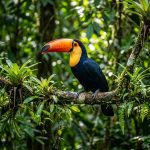
What do toucans eat in their native Neotropical rainforest canopies? While primarily specialized frugivores consuming over 100 species of tropical fruits (figs, palm fruits, Cecropia catkins), toucans are opportunistic omnivores that actively prey upon tree frogs, cicadas, winged termites, small reptiles, and nestling songbird eggs for essential dietary protein.
Did you know that toucans are not only iconic for their vibrant beaks but also play a crucial role in their rainforest ecosystem? Understanding what these stunning birds eat in the wild can deepen our appreciation for them and their habitat. Toucans are opportunistic feeders, primarily consuming a diet rich in fruits, insects, and occasional small animals, which helps in seed dispersal and supports the forest’s biodiversity. By exploring the wild diet of toucans, we uncover the intricate connections within their environment and learn how we can contribute to conservation efforts. Whether you’re a seasoned birdwatcher or just starting your avian journey, this insight into toucan nutrition will fascinate and inspire you. Join us as we delve into the delicious and diverse menu that sustains these beautiful birds of the rainforest!
What Do Toucans Eat in the Rainforest?
Toucans are remarkable creatures, easily recognized by their vibrant plumage and distinctive large bills, which actually play a critical role in their foraging habits. In the lush rainforests where they thrive, toucans primarily embrace a frugivorous diet, favoring a variety of fruits that are vital for their survival. However, their dietary preferences extend beyond just fruit; these colorful birds are true omnivores. Insects, small reptiles, and even eggs are often on the menu, allowing them to obtain essential proteins that fruit alone cannot provide [[1](https://avibirds.com/what-do-toucans-eat/)].
The Importance of Fruit: Toucans’ Favorite Foods
In the dense canopies, toucans indulge in soft, succulent fruits, which make up the bulk of their diet. Fruits like berries, figs, and other tropical varieties are not just delicious but also crucial for the birds’ health and energy. This love for fruit not only caters to their nutritional requirements but also aids in the dispersal of seeds, fostering the growth of new plants within their habitat. As they consume these fruits and then move about the forest, they inadvertently plant seeds, contributing to the biodiversity of the ecosystem [[2](https://www.rainforest-alliance.org/species/keel-billed-toucan/)].
Insects and Small Animals: A Crunchy Treat
Despite their fondness for fruits, toucans’ diets are cleverly supplemented with other food sources that provide protein. They skillfully hunt for insects, tree frogs, and occasionally small lizards, showcasing their adaptability. This hunting not only enriches their diet but ensures that they remain robust and healthy. Interestingly, the nutritional aspect of their diet becomes especially important during the breeding season when adult toucans must feed their chicks, who rely initially on soft fruits and insects as they transition into more solid foods such as seeds and harder fruits [[1](https://avibirds.com/what-do-toucans-eat/)].
In summary, toucans exhibit a fascinating blend of dietary habits that combine their love for fruits with the need for other protein sources, allowing them to thrive in their rich rainforest homes. These dietary choices not only support their well-being but also play a significant role in maintaining the health of their ecosystem.
The Importance of Fruit: Toucans’ Favorite Foods

In the vibrant ecosystems of the rainforest, toucans have established themselves as the colorful connoisseurs of fruit. Their striking beaks, both a fascinating feature and a practical tool, allow these birds to reach and manipulate the fruits that grow high in the canopy. Toucans primarily feast on a variety of soft, succulent fruits such as berries, figs, and the delectable fruit of the Moraceae family, which includes mulberries and jackfruits. These fruits are not just delectable treats; they are also critical for providing the essential sugars and nutrients that fuel the toucans’ active lifestyles.
What sets toucans apart from many other frugivorous birds is their role as excellent seed dispersers. As they indulge in their favored fruits, toucans consume seeds that pass through their digestive systems unscathed. When the birds move throughout their habitat after feeding, they effectively plant these seeds in new locations, promoting forest regeneration and biodiversity. This mutualism between toucans and the vegetation of the rainforest underscores a crucial ecological relationship that benefits both parties. In turn, the availability and variety of fruits can vary by season, directly influencing diet and foraging behavior.
Moreover, toucans are more than just fruit gluttons; they possess a keen sense for ripe fruits. Their dietary preferences dictate a specific foraging behavior that involves a mix of vocal communication and visual cues to identify the best feeding spots. By observing their surroundings and social interactions, toucans can locate the most delectable fruits, ensuring a balanced diet that sustains their energetic nature. This sophisticated foraging strategy not only enhances their own survival but also reinforces their significance within the complex web of life in the rainforest. Understanding the toucan’s dietary habits thus reveals much about their cultural and ecological significance, celebrating their role as ambassadors of the vibrant rainforests they call home.
Insects and Small Animals: A Crunchy Treat

Amidst the lush canopies of the rainforest, toucans indulge in a rich array of food that extends far beyond the colorful fruits they are renowned for. When you delve into their diet, you’ll discover that insects and small animals form a crunchy and vital component of their culinary repertoire. Toucans, being omnivores, actively seek out these protein-rich sources to complement their fruity feasts, providing them with the essential nutrients to thrive.
Insects like beetles, ants, and grasshoppers are particularly favored, delivering not just protein but various vitamins and minerals crucial for their health. Toucans use their remarkable beaks to help catch these agile creatures. Their beak acts like a versatile tool: it can delicately pick insects from foliage or snag them mid-air. This behavior highlights an impressive adaptability, showcasing their ability to exploit diverse food sources depending on accessibility and seasonal changes.
Additionally, young toucan chicks require a diet that includes these small animals, particularly during their growth phase, as the protein aids in their development. It’s fascinating to note that, as they mature, toucans refine their hunting techniques, learning to recognize the best spots where insects congregate, such as under leaves or near tree trunks. This not only demonstrates their intelligence but also emphasizes the complexity of their foraging behavior.
Understanding the importance of insects in a toucan’s diet also sheds light on their ecological role within the rainforest. By preying on insects, toucans help regulate insect populations, contributing to the broader balance of their ecosystem. Therefore, when considering how toucans thrive in the wild, it becomes clear that their dietary preferences-ranging from lush fruits to crunchy insects-are integral to their survival and that of their vibrant rainforest environment.
Nutritional Needs: Balanced Diet for Toucans

Toucans possess an extraordinary dietary flexibility that allows them to thrive in the diverse ecosystem of the rainforest. Omnivorous by nature, their nutritional needs are met through a combination of fruits, insects, and small animals, which provide vital nutrients for their health and well-being. A balanced diet is crucial, especially for growing chicks who require more protein and calcium for development.
One of the primary components of a toucan’s diet is fruit, which not only offers essential vitamins but also serves as a source of hydration. Toucans are particularly fond of soft, ripe fruits like figs, berries, and bananas, which they consume in large quantities. Their unique beaks, designed for handling fruits of various sizes, enable them to easily reach high branches and extract the flesh of the fruit without damaging the seed. This feeding behavior plays an important ecological role, as toucans inadvertently aid in seed dispersal, promoting forest regeneration.
In addition to fruit, insects are a significant part of their balanced diet. Toucans capture insects like beetles, ants, and caterpillars to meet their protein requirements. This hunting is not only vital for their health but also showcases their adaptability and intelligence in foraging. Toucans have been observed developing situational tactics, such as hunting near tree trunks where insects congregate, reflecting their understanding of their environment.
Ensuring a Nutritionally Rich Environment
To ensure that toucans receive a balanced diet in the wild, it’s essential to maintain a healthy ecosystem. Conservation efforts play a crucial role in protecting their habitat, ensuring that the variety of food sources remains abundant. In terms of captive care, providing a diet that mimics their natural feeding habits is key. A combination of fresh fruits, quality pellets formulated for toucans, and occasional insects can help replicate their wild diet.
By understanding and catering to the nutritional needs of toucans, we can appreciate not only their role in the ecosystem but also the intricate balance required for their survival. This knowledge fosters better care practices and deeper connections to the vibrant world of rainforest biodiversity.
How Toucans Forage in Their Habitat

Toucans are remarkable foragers, utilizing their vibrant beaks and keen intelligence to navigate their lush rainforest habitats in search of food. In an environment rich with diverse plant life, these birds have honed their foraging techniques to exploit a variety of food sources, particularly fruits, which form the cornerstone of their diet. With their long, curved bills, toucans can reach into the dense foliage of trees, snatching up ripe figs, berries, and other fruits that might be beyond the reach of many other animals. This adaptability not only showcases their physical prowess but also underscores their role within the ecosystem.
When it comes to foraging behaviors, toucans are known to be opportunistic. They often feed in groups, which enhances their ability to locate food more efficiently. By foraging as a flock, they can alert one another to the presence of ripe fruits or swarms of insects, benefiting from collective knowledge about the landscape. This social aspect of their feeding behavior allows them to cover a larger area in search of sustenance, making the most of their surroundings. Additionally, toucans have been observed to experiment with different feeding techniques, such as shaking branches to dislodge fruits or pecking at the bark to uncover hidden insects, demonstrating a sophisticated understanding of their environment.
As with many creatures in the rainforest, the availability of food can fluctuate throughout the seasons. Toucans may shift their foraging patterns based on what is ripe and abundant. During periods when certain fruits are in season, such as figs, they may focus their efforts on those specific food sources. Conversely, when fruiting trees are less plentiful, toucans will adapt by hunting for insects or small animals, ensuring their dietary needs are consistently met. This flexibility in diet is crucial for their survival and further highlights their role as key players in the forest ecosystem.
Ultimately, the foraging strategies of toucans go beyond mere survival; they play a significant ecological role. While they feed on fruits, they also aid in seed dispersal, as many seeds pass through their digestive systems intact, leading to new plant growth. This symbiotic relationship benefits both the toucans and the plants, allowing for a dynamic interplay that contributes to the vibrancy of the rainforest habitat. As we observe these fascinating birds, we gain insight not only into their feeding habits but also into the broader intricacies of rainforest ecology.
Seasonal Diet Changes: What Affects Food Choices?
Toucans, with their striking beaks and vibrant plumage, are not just eye-catching but also incredibly adaptive eaters. One fascinating aspect of their feeding habits is their seasonal diet changes, influenced by the availability of food sources within their rainforest habitats. The dynamic nature of the rainforest, marked by distinct wet and dry seasons, plays a crucial role in determining what these amazing birds consume throughout the year.
During the wet season, when rainfall promotes lush vegetation and abundant fruiting trees, toucans particularly thrive on a wide variety of fruits such as figs, berries, and other soft-skinned fruits. Their long, curved beaks give them an advantage, allowing them to reach new heights in branches that many other creatures can’t. As these fruits ripen, toucans flock to areas with high fruit abundance, often foraging in groups that enhance their food-finding efficiency. Interestingly, this social foraging behavior enables them to communicate and alert one another to ripe food sources, showcasing a beautiful blend of instinct and collaboration in their daily lives.
However, as the seasons change and the dry season sets in, the availability of fruits can significantly decrease. Toucans adapt by adjusting their dietary preferences, turning to alternative food sources such as insects, small reptiles, and even the eggs of other birds. This flexibility is crucial for their survival, as it allows them to maintain a balanced diet despite shifting environmental conditions. Additionally, their adaptability helps sustain the ecosystem; while searching for insects or nesting materials, they incidentally contribute to seed dispersal by carrying fruit seeds away from the parent tree.
Understanding these seasonal diet changes is not just an academic exercise; it highlights the importance of conserving their habitats. Deforestation and climate change can disrupt these delicate seasonal cycles, leading to food scarcity for toucans and other rainforest species. Ensuring the integrity of rainforests is essential for maintaining not only the dietary needs of toucans but also the broader ecological balance. By keeping the forests intact, we help ensure that these remarkable birds continue to thrive in their dynamic, ever-changing homes.
Toucans and Their Role in Seed Dispersal
Toucans hold a vital role in the health and sustainability of their rainforest ecosystems, primarily through their remarkable ability to disperse seeds. As these birds feast on a diverse array of fruits, they inadvertently become nature’s gardeners, helping to propagate various plant species. When a toucan consumes fruit, its unique digestive system contributes to the dispersal process. The seeds often pass undamaged through their digestive tract, allowing them to be excreted farther away from the parent tree. This mechanism not only aids in the spread of plant species but also enhances genetic diversity in the ecosystem.
Their preference for fleshy fruits, especially during the lush wet season, means that toucans regularly visit fruiting trees, and different species of toucans may prioritize different types of fruit. This specific feeding behavior serves to target various plants that might be otherwise underrepresented in certain areas of the forest. For instance, by consuming fruits from specific trees, a toucan can carry seeds of that tree species to new, potentially suitable locales where those plants can further thrive.
Moreover, toucans’ role in seed dispersal has broader implications for the rainforest’s ecological balance. By facilitating plant reproduction, they contribute to habitat stability and provide food and shelter for a multitude of other wildlife species. Their foraging habits lead to a nuanced interaction with the ecosystem; as some seeds are buried in the ground (through behavioral practices such as caching) or simply dropped along their flight paths, new plants emerge in different areas, effectively shaping the forest over time.
In understanding the significance of toucans in seed dispersal, we also recognize the threats they face from habitat loss and deforestation. Protecting their feeding grounds is crucial not only for the survival of these vibrant birds but also for maintaining the rich biodiversity that their actions promote. Advocating for rainforest conservation is vital for ensuring that both toucans and the myriad of species they support continue to flourish in these unique and intricate ecosystems.
Threats to Toucan Diet in the Rainforest
The vibrant life of toucans in the rainforest isn’t just a spectacle of color and sound; it’s a precarious existence threatened by several factors that can dramatically impact their diet. One of the most significant threats to toucans’ food sources is deforestation. As large swathes of rainforest are cleared for agriculture, logging, and urban development, the natural habitats where toucans forage for fruits diminish. This loss means fewer fruiting trees-essential for their main diets during crucial feeding seasons. Moreover, it disrupts the delicate balance of the ecosystem, leading to reduced food availability not just for toucans, but for countless other species.
In addition to habitat loss, climate change poses a serious challenge. Altered rainfall patterns and increasing temperatures can affect the flowering and fruiting cycles of plants that toucans depend on for nourishment. For instance, if trees do not bear fruit during the usual wet season, toucans may struggle to find enough food, leading to decreased survival rates. The interdependence of toucans and their food sources highlights how changes in climate can ripple through the food web, severely impacting their reproductive success and overall population health.
Another emerging threat is the rise of invasive species, which can outcompete native flora, further reducing the availability of the high-calorie fruits toucans favor. As these non-native plants spread, they can alter the habitat in ways that disrupt the feeding grounds critical to toucans and other wildlife. Conservationists have observed that protecting native biodiversity is crucial for ensuring that toucans have continued access to their natural diets.
Addressing these threats requires a concerted effort toward habitat conservation and restoration. Protecting rainforests and implementing sustainable harvesting practices can help safeguard the rich array of fruit-bearing plants toucans rely on. Also, community engagement and education about the importance of these birds in rainforest ecosystems can foster an appreciation that translates into protective actions. By contributing to conservation initiatives, everyone can play a part in ensuring that toucans continue to thrive, along with the rich tapestry of life in the rainforest they help sustain.
Captive Care: Feeding Toucans at Home
When considering adding a toucan to your home, understanding their dietary needs is crucial for their health and happiness. Unlike your average pet bird, toucans have a unique diet that mirrors their wild feeding habits, primarily consisting of fruits, insects, and some small animals. Captive care for toucans requires a commitment to replicate these dietary preferences as closely as possible, as proper nutrition plays a major role in their overall well-being.
To mimic their natural diet, you should focus on providing a variety of fresh fruits such as bananas, papayas, berries, and melons, which are all favorites of toucans. These fruits should be chopped into manageable pieces to facilitate easy eating. Additionally, it’s vital to include some protein sources, such as boiled eggs or specialized insectivorous bird formulas. Insects, like mealworms and crickets, can also be offered occasionally to fulfill their craving for crunchy treats. It’s important to avoid feeding toucans overly sugary fruits or processed foods, which can lead to health issues such as obesity or liver problems.
Feeding Strategies
Creating a balanced feeding schedule will ensure that your toucan receives all the necessary nutrients. Here’s a simple daily feeding plan you might consider:
| Time of Day | Food Type | Quantity |
|---|---|---|
| Morning | Fresh Fruits | 1 cup (variety) |
| Afternoon | Protein Source (eggs or insects) | 1/4 cup |
| Evening | Specialized Pellets | 1/4 cup |
Keep in mind that toucans’ bills are designed for handling fruit, so they often enjoy spending time manipulating their food. Providing enrichment, such as scattered fruits on branches or inside foraging toys, can help stimulate their natural foraging behavior.
Monitoring Health.
Monitoring your toucan’s health is essential, too. Changes in eating habits can be a sign of stress or illness, so keep an eye on their consumption patterns. If you find that your toucan is consistently refusing food or shows signs of weight loss, it’s crucial to consult with an avian veterinarian.
By providing a diet that closely resembles their natural feeding habits while offering variety and enrichment, you can support your toucan in thriving within a captive environment. This not only ensures they maintain optimal health but also enhances the joy of having such a vibrant and intelligent bird as part of your family.
Cultural Significance of Toucans in Local Diets
In many rainforest communities, the toucan transcends its role as a mere avian inhabitant; it serves as an important symbol intertwined with local culture, food practices, and ecological awareness. Toucans are celebrated not only for their vibrant aesthetics but also for their role in maintaining the health of forest ecosystems, influencing local diets and agricultural traditions. These birds often signal the abundance of certain fruits within their habitat, and their feeding habits can directly impact the cultivation of these plants, forging a strong connection between humans and their environment.
The colorful beaks of toucans make them a visually striking subject in folklore and art, often representing abundance and vibrancy in native cultures. Many indigenous groups revere toucans for their role in seed dispersal, which is vital for plant reproduction and regeneration in the rainforest. As toucans consume a variety of fruits, they help to ensure the propagation of countless tree species, leading to a rich and diverse plant life that local communities depend on for both food and resources. Consequently, the presence of toucans can influence the types of crops grown, contributing to a diet rich in tropical fruits that echoes the toucan’s own preferences.
For those living in proximity to toucan habitats, these birds can also serve as an educational bridge, emphasizing the need for conservation and sustainable practices. Initiatives that promote the preservation of toucan populations often encourage local diets that are sustainable and based on the fruits naturally grown in the rainforest. By advocating for the protection of these beautiful birds, communities can not only enjoy the natural bounty of the forest but also foster a sense of responsibility towards environmental stewardship.
In summary, toucans play a multifaceted role in local diets that goes beyond their role as fruit consumers. They are crucial to ecological balance, cultural symbolism, and the promotion of sustainable practices, making them an integral part of rainforest ecosystems and the diets of those who live there. By understanding and respecting the significance of toucans, communities can appreciate the delicate balance of nature and the shared responsibilities of human and avian inhabitants in conserving their vibrant environments.
Comparing Diets: Toucans vs. Other Rainforest Birds
When exploring the diets of rainforest birds, the striking toucan stands out not only for its vivid beak and plumage but also for its unique dietary habits. Toucans are omnivorous, with an affinity for fruits, insects, and even small animals like rodents and reptiles. This diet contrasts sharply with that of many other rainforest birds, particularly those that specialize in specific food sources, such as nectar or seeds.
Toucans play a crucial ecological role by consuming a variety of fruits, which they help to propagate through their feces, thus aiding in seed dispersal. This contrasts with birds like hummingbirds, which primarily thrive on nectar and have evolved long, specialized beaks and tongues to access flowering plants. Similarly, seed-eating birds such as parrots have strong beaks adapted to cracking open hard seeds, while toucans rely on their large, adapted beaks to forage for fruits and insects high in the canopy. These dietary preferences not only delineate their feeding strategies but also illustrate a fascinating aspect of biodiversity within the rainforest ecosystem.
Adaptations and Foraging Techniques
Toucans utilize their impressive beaks for more than just eating; these tools aid in their foraging techniques. When reaching for fruit, they often drop small pieces to the ground, creating opportunities for smaller birds and mammals to feed. This behavior exemplifies the interconnected nature of forest life, where a single species can affect the dietary habits of many others. Their daily feeding routines often occur in the early morning or late afternoon, allowing them to take advantage of the fruits’ ripening cycles while avoiding peak heat.
In contrast, smaller insectivorous birds, such as flycatchers, spend much of their day actively hunting flying insects. Their diets are rich in protein, relying on quick reflexes and agility in flight. This varied foraging behavior demonstrates how different birds occupy unique niches within the same habitat, minimizing competition for resources and promoting a rich diversity of life.
Contextual Comparison
Understanding these differences in diet is essential for bird watchers and conservationists alike. For instance, while recognizing the toucan’s role in seed dispersal emphasizes its importance in maintaining forest health, it also highlights the fragility of these ecosystems. Deforestation and habitat destruction threaten not only the toucans but also the myriad of bird species that share their environment and dietary needs.
By appreciating the dietary contrasts among rainforest birds, enthusiasts can better support conservation efforts that protect these vibrant avian populations. Whether observing the toucan’s fruit foraging or the agile movements of insectivorous species, bird watchers are reminded of the intricate weave of life within the rainforest and the essential roles each species plays in sustaining its ecosystem.
Conservation Efforts: Protecting Toucans and Their Food Sources
Toucans are not just a vibrant symbol of the rainforest; they are also essential to maintaining the ecological balance of their habitats. As they thrive on a diverse diet that includes a variety of fruits, insects, and small animals, addressing the conservation of both toucans and their food sources has become increasingly crucial. Protecting these magnificent birds involves safeguarding their habitats, which are often threatened by deforestation, agricultural expansion, and climate change.
To champion toucan conservation, efforts must focus on preserving the rich biodiversity of tropical rainforests where they live. Sustainable forestry practices can play a significant role in this, allowing for the selective harvesting of wood while maintaining crucial fruit-bearing trees that support toucan populations. Additionally, establishing protected areas ensures that vital habitats remain intact, enabling toucans to forage and breed without disturbance. Community-led initiatives that promote reforestation and the planting of native fruit trees can also restore degraded habitats, providing both food sources and shelter for these magnificent birds.
Public education campaigns are essential in raising awareness about the role toucans play in seed dispersal, which aids in forest regeneration. By engaging with local communities and teaching them about the ecological importance of toucans, we can inspire stewardship that leads to better protection practices. Encouraging eco-tourism can also support conservation efforts by providing alternative income sources for local communities while promoting the significance of toucans in their natural ecosystems.
Practical Steps for Support
Engaging in conservation doesn’t require you to be an expert. Here are practical steps anyone can take to support toucan conservation:
- Support Sustainable Products: Opt for products made from sustainably harvested materials and food items sourced from eco-friendly farms.
- Participate in Local Conservation Efforts: Join or donate to groups that focus on rainforest preservation and wildlife protection.
- Educate Others: Share knowledge about toucans and their habitats to inspire friends and family to appreciate and protect these beautiful birds.
- Visit Eco-Tourism Sites: Choose eco-friendly travel options that prioritize conservation, allowing you to experience toucans in their natural environment while contributing to their protection.
By actively participating in these initiatives, we can help ensure that toucans not only thrive in their natural habitats but also continue to enrich the biodiversity of the rainforest for generations to come.
Q&A
Q: What fruits do toucans primarily eat in the rainforest?
A: Toucans primarily feast on a variety of fruits, including berries, figs, and other fleshy fruits. Their strong beaks are perfectly adapted to reach fruit in trees, allowing them to eat what’s abundant during different seasons. For more on their favorite foods, check our section on the importance of fruit.
Q: How do toucans find food in the rainforest?
A: Toucans use their excellent vision and strong sense of hearing to locate food. They forage in trees, using their large beaks to extract fruit from branches. For detailed insights into their foraging behaviors, refer to our section on how toucans forage in their habitat.
Q: Do toucans eat insects? If so, which types?
A: Yes, toucans do eat insects and small animals, including beetles, grasshoppers, and caterpillars. These protein sources supplement their diet, especially during breeding seasons. Learn more about their diverse diet in our section on insects and small animals.
Q: What impact do toucans have on their ecosystem through their diet?
A: Toucans play a vital role in their ecosystem by dispersing seeds through their droppings. Eating fruits allows them to spread seeds across vast areas, promoting forest growth. For more details on their ecological role, explore our section on toucans and their role in seed dispersal.
Q: Are toucans affected by seasonal changes in food availability?
A: Yes, toucans adapt their diets based on seasonal changes, often shifting from fruit-heavy diets to include more insects when fruit is scarce. This dietary flexibility helps them thrive in varying conditions. Check out our discussion on seasonal diet changes for more insights.
Q: How do toucans’ diets compare to those of other rainforest birds?
A: Toucans tend to have a diet rich in fruits and insects, similar to some other rainforest birds, but their unique beak shape allows them to eat larger fruits that many birds cannot manage. For comparisons with other species, see our section on comparing diets.
Q: Why are toucan diets significant for rainforest conservation?
A: The diet of toucans supports rainforest conservation by fostering biodiversity. As they disperse seeds, they help maintain the health of the forest, crucial for other species. Explore our conservation efforts section to understand their importance in preserving ecosystems.
Q: Can toucans be fed a similar diet in captivity as they eat in the wild?
A: In captivity, toucans can be fed a diet similar to their wild diet, including fresh fruits and insects. However, it’s essential to ensure that their nutritional needs are met. For comprehensive feeding guidelines, refer to our captive care section.
In Summary
Understanding what toucans eat in the rainforest is crucial for appreciating these vibrant birds and their role in the ecosystem. Their diverse diet not only helps them thrive but also highlights the importance of seasonal food availability in their habitat. If you’re captivated by these feathery foragers, don’t miss our articles on how to create a sustainable bird-friendly garden and the health considerations for pet toucans.
Feeling inspired? Share your thoughts in the comments below or explore our comprehensive guide to toucan care-your next step towards becoming a toucan expert! Remember, every bit of knowledge helps protect these stunning creatures and their rainforest home. For more insights and updates, consider signing up for our newsletter. Join our community of bird enthusiasts today!
What Do Toucans Eat in the Rainforest? Wild Frugivory & Opportunistic Carnivory
Answering what do toucans eat reveals a sophisticated ecological balance between botanical frugivory and opportunistic animal predation. In the canopy layers of the Amazon basin and Central American rainforests, toucans (family Ramphastidae) function as vital seed dispersers and apex arboreal foragers.
Canopy Fruit Ecology and Keystone Seed Dispersal
Between 80% and 90% of the wild toucan’s annual diet consists of canopy-borne fruits. Their digestive morphology is uniquely suited to forest propagation:
- Rapid Gastrointestinal Transit: Unlike folivorous birds that slowly ferment fiber, toucans possess an abbreviated digestive tract. Ingested fruit pulp is chemically stripped within 20 to 40 minutes, leaving seeds mechanically undamaged.
- Epizoochorous Seed Dispersal: Large seeds (such as nutmeg and laurel) are regurgitated intact within minutes of swallowing, while small seeds pass unharmed through feces. Because toucans fly extensively between canopy foraging trees, they are recognized as keystone regenerators of tropical timber diversity.
- Primary Wild Fruit Genera: Preferred wild fruits include wild figs (Ficus), palm berries (Euterpe precatoria, Attalea), trumpet tree catkins (Cecropia), and Lauraceae avocados.
Opportunistic Animal Predation
While fruit provides abundant sugars, carbohydrates, and moisture, it lacks vital proteins, lipids, and amino acids. During the energetically taxing breeding and nesting season, toucans shift their foraging strategy:
- Nest Predation: Toucans use their long serrated bills to raid deep tree hollows and pendant woven nests of yellow-rumped caciques and crested oropendolas, consuming eggs and nestling chicks.
- Arboreal Invertebrates and Amphibians: Large katydids, stick insects, wood-boring beetle larvae, and hylid tree frogs provide indispensable minerals and protein for growing toucan chicks.
Wild Toucan Diet Composition Matrix
The table below summarizes the seasonal proportions of wild toucan dietary intake:
| Nutritional Source | Specific Rainforest Taxa | Seasonal Percentage | Nutritional Contribution |
|---|---|---|---|
| Canopy Fleshy Fruits | Ficus (figs), Cecropia, Cymbopetalum | 65–75% (Year-round) | Rapid carbohydrates, simple sugars, water content |
| Palm Fruits & Nuts | Açai (Euterpe), peach palm (Bactris) | 15–20% (Dry season peak) | Concentrated plant lipids, carotenoid pigments for plumage |
| Animal Protein (Vertebrates) | Songbird eggs, nestlings, anole lizards, tree frogs | 5–10% (Breeding season peak) | Essential amino acids, calcium for eggshell production |
| Arthropods & Insects | Cicadas, beetles, spiders, termites | 5–8% (Year-round opportunism) | Structural chitin, bioavailable phosphorus and iron |
For more details on toucan bill morphology during foraging, consult our guide on how does a toucan eat, or explore captive nutritional rules in what food does a toucan eat.
Get our latest guides, news, and insights highlighted in your Google Search & AI Overviews.