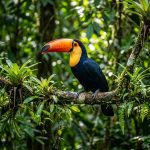
The animated advertising icon Toucan Sam is modeled after the keel-billed toucan (Ramphastos sulfuratus), native to Central and South American tropical rainforests. Created in 1963 by Manuel Vega for Kellogg’s Froot Loops, the character features a rainbow-striped bill representing cereal fruit flavors, departing from real biological pigmentation.
Did you know that the beloved mascot Toucan Sam has enchanted cereal lovers since the 1960s? Initially captivating audiences with his cheerful personality and catchy slogan, this vibrant bird is more than just a cartoon character; he’s a gateway to a fascinating avian world. In this guide, we’ll explore the species behind Toucan Sam, diving into the characteristics, behaviors, and enchanting aspects of toucans that have made them iconic. Whether you’re a lifelong fan of this fruity figure or a newcomer curious about the real-life bird, understanding Toucan Sam’s inspiration can deepen your appreciation for these colorful creatures. Join us as we uncover the vibrant world of toucans, their care requirements, and how they connect to our favorite breakfast moments. Your journey into the colorful realm of toucans starts here!
Understanding the Toucan: Overview of the Species

Toucans are truly fascinating birds, renowned not just for their oversized, colorful bills but also for their vibrant personalities and social behavior. These tropical birds belong to the family Ramphastidae and are primarily found in Central and South America. They thrive in humid, subtropical, or tropical forests where they live in the canopy, often in small groups. The toucan’s striking appearance and unique characteristics make it one of the most iconic birds in the world, capturing the hearts of bird enthusiasts and casual observers alike.
Toucans exhibit a wide range of sizes and colors, with over 40 species known, each displaying a distinctive bill that serves several functions beyond attracting mates. While it appears unwieldy, the bill is relatively lightweight due to its hollow structure, enabling the toucan to forage for fruits, insects, and small vertebrates effectively. In fact, about 70% of a toucan’s diet consists of fruit, which is crucial for seed dispersal, making them important players in their ecosystems. Their strong bills enable them to reach food that other birds can’t, allowing for a diverse diet and vital ecological roles.
Socially, toucans are known for their vocalizations and playful interactions. They can communicate using a variety of sounds, from croaking to squawking, which is vital for maintaining social bonds and territory. Furthermore, toucans often engage in mutual preening, showcasing their strong social structures and cooperative behavior. If you’re considering caring for a toucan as a pet, understanding their social needs and environmental requirements is crucial. They thrive in aviaries with ample space for flying and climbing, along with a diet rich in fruits and specialized pellets. This ensures their physical and mental well-being, making them not only captivating companions but also a responsibility requiring informed care.
As we delve deeper into the specifics of different toucan species, their habitats, and other engaging traits, it becomes clear that these birds are much more than a mascot; they play essential roles in biodiversity and the delicate balance of their ecosystems.
Toucan Sam: The Iconic Cartoon Character
Toucan Sam is more than just a colorful mascot; he represents a cultural phenomenon that has delighted cereal lovers since the dawn of Froot Loops in 1963. Originally designed by artist Manuel R. Vega and given voice by the legendary Mel Blanc, Toucan Sam has undergone various transformations, adapting to changing times while still embodying the playful spirit and adventurous nature of the toucan bird. His bright plumage and humorous personality have made him an enduring figure in advertising, often serving as a guide to children exploring a vibrant breakfast world filled with fruity flavors.
This cartoon character cleverly integrates anthropomorphic traits with the real-life behaviors of toucans. Just as real toucans are social creatures that thrive in groups, Toucan Sam is often depicted with his friends, creating a community vibe that resonates with young audiences. His iconic catchphrase, “Follow your nose!,” highlights his keen sense of smell-an essential feature of the real toucan’s foraging behavior, as they use their strong beaks to reach and choose ripe fruits while navigating dense forests.
Understanding Toucan Sam’s modern iterations also reflects society’s evolving tastes. Recently, the character has been revamped, presenting a more psychedelic and stylized look that sparked mixed reactions among fans, with many expressing their sentiments through social media hashtags like #notmytoucan [1]. This evolution mirrors how brands adapt their mascots to stay relevant while acknowledging the longstanding connection that audiences have developed with these characters over decades.
While appreciating the whimsical nature of Toucan Sam, it’s essential to remember that he draws inspiration from the real-life toucan species, which are vital for their ecosystems, particularly through seed dispersal. By promoting toucans via a character like Sam, Kellogg’s not only market their product but also inadvertently raise awareness about these incredible birds, encouraging a greater understanding and appreciation of wildlife diversity among younger generations. Thus, Toucan Sam serves as both a delicious distraction and a bridge to a wider ecological conversation about the importance of preserving our planet’s stunning avian diversity.
Exploring Different Toucan Species

The vibrant world of toucans is as colorful as their plumage, boasting about 40 species that each contribute uniquely to our planet’s biodiversity. Among these, the most famous member is the Keel-billed Toucan, often recognized for its strikingly large, multicolored bill, which not only provides a visual treat but also plays a crucial role in attracting mates and regulating temperature. This iconic species is a staple in tropical rainforests from Central America to northern South America and has become synonymous with the toucan image, even inspiring the character of Toucan Sam.
The Toco Toucan, with its enormous orange bill and mostly black body, stands out as the largest toucan species and is a crowd favorite among birdwatchers. Found primarily in South America, its diet primarily consists of fruits, though it will also indulge in insects and small vertebrates. Fascinatingly, Toco Toucans are often seen in pairs or small groups, showcasing their social nature, making wildlife spotting both a colorful and engaging experience.
Other notable species include the Sirystes Toucan, which is known for its distinctive and elongated bill, suited perfectly for its diet of fruits, seeds, and small arthropods. This species tends to be more elusive, inhabiting dense forest areas, which highlights the critical need for undisturbed habitats to support their populations. Similarly, the Channel-billed Toucan, distinguishable by its distinctive black and yellow bill, is a unique member of the toucan family, often found in the woodlands of the Amazon Basin.
When exploring toucans, understanding their habitat preferences and behavior can significantly enhance the experience of observing them in the wild. While they thrive in the tree canopies, their need for a specific diet means that they play a pivotal role in their ecosystems as seed dispersers. This activity promotes healthy forest growth and regeneration, making them invaluable ambassadors of their habitats. For anyone looking to immerse themselves in the study or observation of these incredible birds, visiting tropical regions during the early morning or late afternoon is ideal, as toucans are most active during these hours, often vocalizing and showcasing their splendid colors against the lush backgrounds.
So, whether you’re fostering a budding interest in ornithology or you’re a seasoned birdwatcher, the toucan species offer a mesmerizing glimpse into nature’s artistry and the intricate web of life they uphold.
Physical Characteristics of Toucans
The fascinating make them some of the most recognizable birds across the globe. With their strikingly large and colorful bills, toucans are not just visually stunning; their unique anatomy serves significant ecological roles. The bill, which can measure up to one-third of the bird’s body length, is lightweight yet robust, composed of a keratin-based structure that allows for efficient foraging. It plays a crucial role in attracting mates, thermoregulation, and, most importantly, in their diet. Their impressive beaks are particularly adept at reaching and extracting fruit from branches that would otherwise be inaccessible.
Toucans are characterized by their bright plumage which varies across species, often displaying bold yellows, oranges, and reds contrasted against deep blacks and greens. For instance, the Toco Toucan showcases a prominent orange bill that contrasts beautifully with its black body. The colors aren’t merely for show; they help these birds blend into their vibrant forest surroundings, allowing them to evade predators and attract mates. Their feathers are tailored for life in the treetops, providing a sleek, aerodynamic body that allows for agile movements through dense foliage.
In addition to their beaks and feathers, toucans possess distinctive feet adapted for gripping branches. Their zygodactyl feet, having two toes that face forward and two that face backward, give them a sturdy grip and excellent climbing abilities. This physical adaptability is vital, allowing them to easily navigate the upper canopies of their rainforest habitats while foraging for fruits, insects, and small animals.
Additionally, the body size of toucans varies significantly among species, with the Toco Toucan being the largest, reaching up to 25 inches in length. Smaller species, such as the Channel-billed Toucan, are equally interesting but display different proportions and coloration. Understanding these differences can enhance your ability to identify and appreciate the diverse toucan family. Whether you’re observing them in the wild or through the lens of beloved characters like Toucan Sam, the physical features of these birds evoke a sense of wonder and highlight their unique ecological niche.
Habitat and Range of Toucans
Toucans are an enchanting symbol of the tropical rainforests of Central and South America, thriving in lush, humid environments where their colorful plumage and distinctive bills can shine against the vibrant backdrop of their habitat. These birds are primarily found in forested areas, particularly in lowland rainforests, cloud forests, and secondary growth forests, which provide ample food sources and nesting sites. This habitat is rich in diversity, allowing toucans to engage in their favorite pastime: foraging for fruit.
Most toucan species prefer habitats that are moist and densely vegetated, where they can easily maneuver through the treetops. Notably, the Toco Toucan, one of the most recognized species due to its association with popular culture icons like Toucan Sam, is commonly found in open forests, woodland edges, and partially cleared areas. In contrast, species such as the Keel-billed Toucan and the Chestnut-mandibled Toucan inhabit higher altitude regions within Central America, showcasing adaptability to varying forest types.
Toucans are most likely to be spotted from mid to high elevations, often residing in the canopy layer of trees where they nest in cavities created by decay or woodpeckers. Their ability to thrive in diverse environments speaks to their ecological versatility, but it’s crucial to acknowledge that habitat destruction poses a significant threat to their populations. Global deforestation and changes in land use not only reduce their living space but also limit their food sources, making habitat preservation vital for their survival.
When observing toucans, whether in the wild or through the lens of media representations, it’s helpful to understand their preferred ranges and habitats. As you explore their environments, you may witness them engaging in social behaviors, vocalizing distinct calls, or even glimpsing them perched majestically against a backdrop of shimmering leaves. Protecting these habitats ensures that future generations can continue to marvel at the beauty and ecological importance of toucans in our world.
Diet and Feeding Habits of Toucans
Toucans are extraordinary foragers, known for their vibrant bills and strong appetites, primarily favoring a fruit-based diet. While they are indeed fond of fruits, more specifically, they are omnivorous, often including insects, small reptiles, and even the eggs of other birds in their menus. This varied diet not only supports individual health and growth but also plays a significant role in their ecosystem.
One fascinating aspect of toucan feeding is the way they manipulate their unique bills to acquire food. The bill, which can be up to one-third the length of their body, is lightweight and perfectly adapted for reaching out to grab fruit from branches that are too flimsy to support their weight. In addition to foraging for fruits such as figs, berries, and other tropical delights, toucans also engage in a behavior known as “caching,” where they will hide surplus food in nooks and crannies for later consumption. This behavior not only aids their nutritional needs but also helps in seed dispersal, contributing to the regeneration of their forest habitats.
When caring for toucans in captivity, it’s essential to replicate their natural feeding habits as closely as possible. A balanced diet should include a variety of fruits, complemented by high-quality pellets specifically designed for toucans. It’s also beneficial to include protein sources like insects or protein-rich treats. Always ensure that any food provided is fresh and free of pesticides, as toucans are sensitive to chemicals. Creating an engaging feeding environment, where food is hidden or presented in a challenging way, can encourage natural foraging behaviors and keep them mentally stimulated.
In summary, toucans’ feeding habits are not only an incredible display of their adaptability and intelligence but also pivotal to their ecological roles. From their delightful eating preferences to ensuring their dietary needs are met in captivity, understanding these dynamics opens a window into the rich lives of these captivating birds. By fostering a deeper appreciation of their dietary habits, we can better contribute to their conservation and the protection of their habitats.
Behavioral Traits of Toucans
Toucans are not only visually striking with their colorful bills, but they also exhibit a range of fascinating behavioral traits that make them captivating to observe. Known for their social nature, toucans often form small groups known as “flocks,” which can enhance their foraging success and provide safety in numbers. These flocks typically consist of three to twenty birds and are commonly seen moving through the canopy together, communicating with a series of calls that echo through their forest habitats.
One of the most intriguing aspects of toucan behavior is their use of the bill. Beyond its role in feeding, the bill is a tool for social interaction. Toucans engage in a behavior called “bill fencing,” where they will playfully clash their bills with those of others, establishing social hierarchy and strengthening bonds within the flock. This behavior is not only a form of play but also serves to display fitness among individuals, which can play a critical role in mate selection and social dynamics within their groups.
Issues of nesting and parenting also showcase the unique . They typically nest in tree cavities, which provide shelter from predators. Both parents participate in incubating the eggs and feeding the chicks, demonstrating a strong level of cooperation. Chicks will rely on their parents for food in their early stages, during which time they will learn essential foraging skills and social behaviors by mimicking their parents.
For those considering toucans as pets, understanding their behavioral needs is crucial. Providing a stimulating environment is key to their well-being. This includes offering a variety of perches, toys, and foraging opportunities that encourage natural behaviors. It’s important to ensure they have enough social interaction, either with other birds or with their human caregivers, to prevent boredom and promote their mental wellness.
In summary, the are multifaceted and contribute significantly to their social structure, feeding habits, and reproductive success. By appreciating these behaviors, we can gain insights into their lives in the wild and create suitable environments for those in captivity.
Caring for Toucans as Pets
is an exciting yet challenging endeavor, given their unique needs and complex behaviors. These birds, known for their stunning bills and vibrant personalities, require more than just a spacious cage and proper diet to thrive. For anyone considering bringing a toucan into their home, understanding their environmental, social, and dietary needs is paramount.
One of the most critical aspects of toucan care is ensuring they have an engaging environment. Their enclosures should be spacious and enriched with various perches, swings, and safe toys that encourage natural behaviors such as climbing, foraging, and playing. Toucans are social creatures and thrive on interaction-not just with their human caregivers but potentially with other birds as well. Providing companionship is essential, but if keeping more than one bird is not feasible, regular, dedicated playtime is crucial to prevent boredom. A toucan that feels socially isolated can develop behavioral issues, such as feather plucking or excessive squawking.
Diet is another vital factor in toucan care. In the wild, their diet consists mainly of fruits, so it’s important to replicate this by providing a well-balanced diet rich in fresh, high-quality fruits along with specialized diets made for toucans or toucan-specific pellets. Avoid feeding them avocados, chocolate, or caffeine, as these can be toxic. Additionally, providing calcium-rich foods, like cuttlebone or certain vegetables, will help support their health.
Ultimately, understanding the behaviors and needs of toucans allows for a fulfilling relationship between human and bird. Equipping yourself with knowledge about common health issues, grooming needs, and behavioral traits-such as their love for bill-fencing-will pave the way for a happy home and a well-adjusted pet. For those willing to invest the time, patience, and love into caring for these remarkable birds, the rewards can be immeasurable, enriching both your life and theirs.
The Role of Toucans in Ecosystems
The vibrant toucan is not just a striking figure in the rainforest canopy but also plays a crucial role in the ecosystems it inhabits. One of the most significant contributions of toucans to their environment is their role as seed dispersers. Their diet, which largely consists of fruits, enables them to consume and then excrete seeds far and wide. This behavior not only helps in the proliferation of various plant species but also maintains the diversity of the rainforest. As toucans travel from tree to tree, they effectively plant the seeds that will grow into new vegetation, creating a healthier and more robust ecosystem.
Beyond seed dispersal, toucans also help balance insect populations. While primarily fruit eaters, these birds can consume insects and small vertebrates, thus keeping pest populations in check. This natural pest control can contribute to the health of the forest, reducing the need for chemical interventions in agricultural areas adjacent to their habitats. The toucans’ interactions with other animal species, such as competing for food and nesting spots, further emphasize their integral role within their communities.
Moreover, their colorful presence and loud calls help maintain social structures among other birds in the forest. Toucans often engage in social behaviors that strengthen bonds within mixed-species flocks, improving the survival chances of various species as they navigate the challenges of their environment together. They also serve as prey for larger predators, thus helping to maintain the food web dynamic in their ecological niches.
Understanding enhances our appreciation for these remarkable birds. Their contributions highlight the intricate relationships within rainforest environments, underlining the importance of conservation efforts aimed at preserving their natural habitats. As we seek to protect toucans, we also protect the broader ecosystem upon which they-and many other organisms-depend.
Cultural Significance of Toucans in Media
Colorful and charismatic, toucans have not only captured the hearts of bird enthusiasts but have also made significant cultural impacts, especially through media and advertising. One of the most notable representations is Toucan Sam, the iconic mascot of Froot Loops cereal. With his vibrant plumage and playful demeanor, he has become a symbol not just of the cereal brand but also of childhood nostalgia for many. Introduced in the 1960s, Toucan Sam’s catchy tagline, “Follow your nose!,” invites children to embark on a flavorful adventure, effectively merging the image of toucans with fun and discovery.
In addition to advertising, toucans have made their mark in various forms of entertainment, appearing in animated shows and documentaries. Their striking appearance makes them a popular choice for filmmakers and artists aiming to depict the rich biodiversity of tropical environments. Shows that focus on wildlife or tropical rainforests often feature toucans to highlight their unique characteristics, such as their large, colorful beaks and social behavior, thus educating viewers about their natural habitats and ecological roles.
Culturally, toucans are often associated with themes of joy and celebration. Their vibrant colors and playful nature have led to their use in decorations, art, and merchandise that celebrate nature and the tropics. This representation can be seen globally, from Hawaiian-themed parties to environmental awareness campaigns, where toucans symbolize the beauty and fragility of rainforest ecosystems. By including toucans in such contexts, creators emphasize the importance of conservation and the protection of biodiversity, leveraging the charismatic appeal of these birds to inspire action and appreciation for the natural world.
Ultimately, toucans and their portrayal in media not only entertain but also serve to educate and advocate for environmental awareness. By understanding their role in culture, we can appreciate how these amazing birds connect us to the concepts of adventure, nature, and the necessity of safeguarding our planet’s ecosystems.
Comparing Toucans with Other Bird Species
Toucans, with their remarkable beaks and vibrant plumage, are often compared to other colorful birds found in tropical regions, but they possess unique traits that set them apart. For example, when juxtaposed with parrots, which are also known for their stunning colors and intelligent behavior, toucans are less vocal and have a more docile demeanor. While both groups thrive in the lush canopies of tropical forests, toucans specialize in a fruit-dominant diet that includes berries and nectar, whereas parrots often enjoy seeds, nuts, and even insects.
Social Behaviors
In terms of behavior, toucans are known for their playful social interactions and are often seen in small groups, which distinguishes them from many solitary bird species. Their social nature allows for the development of strong bonds within their groups, often seen in their grooming behaviors. In contrast, birds like the solitary kingfisher exhibit aggressive tendencies and are primarily focused on their own hunt for fish. This contrast highlights the toucan’s more communal lifestyle, making them a fascinating subject for birdwatchers and enthusiasts alike.
Caring for Toucans
If you’re considering toucans as pets compared to other birds, it’s essential to remember their specific needs. Unlike parakeets or lovebirds that may thrive on a diet of seeds and pellets, toucans require a more varied diet rich in fruits and soft foods. Their larger beak plays a critical role in their feeding habits, as they are designed to reach fruit in high branches.
- Dietary Needs: Emphasize fruits, vegetables, and high-quality pellets specifically formulated for toucans.
- Space Requirements: Provide a large, enriching cage where they can fly and climb because they are very active.
- Social Needs: Consider keeping more than one to prevent loneliness, as they are very social by nature.
Even in captivity, it’s vital to replicate their natural environment to keep them healthy and happy. This highlights the importance of understanding the care specifics for these extraordinary birds compared to more common pet species.
Conclusion
Ultimately, understanding the distinct characteristics and behaviors of toucans in relation to other bird species-such as parrots, kingfishers, and even finches-offers a deeper appreciation for their role in the avian world. Whether it’s their striking appearance or their playful sociality, toucans are not just captivating creatures but also serve as vital ecological players, showcasing the beauty and complexity of tropical ecosystems.
Conservation Status and Efforts for Toucans
With their vibrant colors and unique beaks, toucans are often regarded as icons of the tropical wildlife, but their future hangs in the balance due to increasing threats from habitat loss and climate change. The deforestation of their natural habitats, particularly in Central and South America, poses a significant risk to these birds. As forests are cleared for agriculture, urban development, and logging, toucans lose their homes, which impacts not just their population but also the entire ecosystem they help maintain by dispersing seeds and pollinating plants.
Current Conservation Status
Many toucan species are listed as vulnerable or near threatened on the IUCN Red List, indicating that urgent conservation measures are needed. For instance, the Keel-billed Toucan (Ramphastos sulfuratus) is often subjected to pressures from hunting and the illegal pet trade, compounding the challenges of living in fragmented habitats. Awareness is fundamental; educating the public about the importance of preserving toucans and their habitats is crucial for successful conservation efforts.
Conservation Efforts
Various organizations have initiated programs aimed at conserving toucan populations and their habitats. For instance, some groups emphasize community-based conservation, involving local residents in protecting forest areas by demonstrating the economic benefits of ecotourism. As tourists flock to see these majestic birds in their natural surroundings, local economies can flourish without decimating the forests that sustain toucan populations.
Additionally, habitat restoration projects are vital. These efforts often focus on replanting native tree species and creating wildlife corridors to facilitate the movement of toucans and other wildlife between fragmented habitats. In some regions, organizations have collaborated with governments to implement strong legal protections against illegal logging and hunting, ensuring that toucans have a fighting chance against some of the pressures they face.
How You Can Help
You can contribute to toucan conservation in several ways:
- Support Sustainable Products: Choose products that are certified as sustainably sourced, helping to reduce habitat destruction.
- Participate in Local Conservation Initiatives: Join or support local environmental organizations working to protect wildlife habitats.
- Educate Others: Share knowledge about the importance of biodiversity and the specific threats faced by toucans.
- Eco-Tourism: Consider eco-tourism as a way to not only see toucans in their natural habitat but also to ensure that local communities benefit from protecting these environments.
By understanding and actively supporting conservation efforts, we can help ensure that future generations will continue to marvel at toucans and appreciate their vital role in the ecosystem.
Frequently asked questions
Q: What species does Toucan Sam represent in popular culture?
A: Toucan Sam represents the Toco Toucan, known for its vibrant bill and distinctive markings. This species is primarily found in South America and is the largest of the toucan family, capturing the colorful essence that the cartoon character embodies.
Q: How did Toucan Sam become a mascot for Froot Loops?
A: Toucan Sam was chosen as the mascot for Froot Loops in 1963 due to his colorful appearance and nature as a fruit-eating bird. His adventurous personality aligns with the fun and playful marketing strategies of the cereal brand, making him memorable to consumers.
Q: What are the main colors of Toucan Sam?
A: Toucan Sam features bright colors such as blue, yellow, orange, and red, resembling the actual Toco Toucan. His vibrant plumage is designed to attract attention and reflect the diverse fruity flavors of Froot Loops, appealing to both children and adults.
Q: How can I identify a Toco Toucan in the wild?
A: To identify a Toco Toucan, look for its large, colorful bill, predominantly black body, and white throat. They typically inhabit tropical forests in South America and are often seen perched high in trees, making loud, distinctive calls.
Q: Are Toco Toucans good pets?
A: Toco Toucans can be kept as pets, but they require a spacious environment, specialized diets, and social interaction. Due to their specific care needs and potential health issues, it’s crucial to research thoroughly before considering one as a pet.
Q: What fruits do Toco Toucans eat in their natural habitat?
A: In the wild, Toco Toucans primarily eat a diet of fruits, including figs, berries, and other soft fleshed fruit. Their diet is supplemented with insects and small animals, which provides a well-rounded nutritional profile essential for their health.
Q: Why are Toco Toucans important for ecosystems?
A: Toco Toucans play a crucial role in their ecosystems by dispersing seeds through their droppings. This helps maintain forest diversity and encourages the growth of various plant species, contributing to a balanced environment.
Q: What challenges do Toco Toucans face in the wild?
A: Toco Toucans face threats from habitat loss due to deforestation and hunting. Conservation efforts are vital to protect their populations, making awareness and support for environmental initiatives crucial for their survival.
To Wrap It Up
Now that we’ve explored the vibrant world of Toucan Sam and the fascinating species behind this beloved character, it’s time for you to dive deeper into the avian universe! Understanding the unique characteristics and behaviors of toucans not only enriches your birding knowledge but also enhances your appreciation for these incredible creatures. If you enjoyed this guide, make sure to check out our detailed article on the diverse toucan species and their habitats, or explore our beginner’s guide to birdwatching to elevate your experience even further.
Don’t miss out on keeping up with the latest in bird care and fascinating species insights-subscribe to our newsletter for tips and updates straight to your inbox! Whether you’re a seasoned birder or just starting your journey, every new piece of information adds to your toolkit. Have questions, or want to share your experiences with toucans? We love hearing from you, so drop a comment below!
Each click you make helps support our mission to educate and inspire the next generation of bird enthusiasts. Keep exploring, and remember, the world of birds is vast-your next favorite feathered friend is just a click away!
What Bird Is Toucan Sam? Kellogg’s Mascot Species & Real Anatomy
The cultural character Toucan Sam is one of the most recognizable corporate avian mascots in commercial history. Introduced by the Kellogg Company in 1963 to promote Froot Loops breakfast cereal, the character was directly inspired by the keel-billed toucan (Ramphastos sulfuratus), also known as the rainbow-billed toucan or sulfur-breasted toucan.
Character Creation and Cartoon Evolution
The genesis of Toucan Sam reflects the mid-century golden age of American advertising animation:
- Creation by Manuel R. Vega (1963): Commercial artist Manuel Vega developed the original sketches at the Leo Burnett advertising agency. The original television spots featured Toucan Sam speaking Pig Latin before transitioning to his distinguished Mid-Atlantic accent.
- Iconic Voice Talents: The legendary voice artist Mel Blanc provided the original voice in 1963, succeeded by Paul Frees, and later Maurice LaMarche. The bird’s famous olfactory catchphrase—’Follow your nose! For the fruity taste that shows!’—celebrated his heightened sense of smell.
- Bill Stripe Symbolism: While wild keel-billed toucans possess vibrant green, yellow, orange, and blue bills, Toucan Sam’s beak was originally styled with three bold stripes (cherry red, lemon yellow, and orange) corresponding directly to the initial three cereal ring colors. Later reformulations added purple, blue, and green bands.
Toucan Sam vs. Wild Keel-Billed Toucan (Ramphastos sulfuratus)
The table below contrasts the commercial animated character against real neotropical ornithological biology:
| Trait | Toucan Sam (Kellogg’s Mascot) | Keel-Billed Toucan (Ramphastos sulfuratus) |
|---|---|---|
| Body Plumage | Bright cobalt blue with yellow collar | Jet-black body with lemon-yellow throat & scarlet undertail |
| Beak Coloration | Concentric bands of pink, yellow, blue, red | Green body, sky-blue edges, orange sides, dark maroon tip |
| Olfactory Ability | Supernatural olfactory tracking (‘Follow your nose!’) | Extremely weak avian olfaction; relies strictly on acute binocular vision |
| Geographic Range | Fictional tropical island / cereal commercial sets | Tropical evergreen forests from southern Mexico to northern Colombia |
| Dietary Reality | Extruded multi-colored sugary grain loops | Rainforest canopy figs, palm fruits, insects, small tree frogs |
To examine the remarkable biomechanics of genuine toucan bills, see our analysis on how does a toucan eat, or explore wild canopy feeding habits in what does a toucan eat in the rainforest.
Get our latest guides, news, and insights highlighted in your Google Search & AI Overviews.