

Toucan beaks are not just strikingly colorful-they are remarkable structures made of unique materials that play crucial roles in feeding, social interaction, and thermoregulation. Understanding what toucan beaks are made of can deepen your appreciation for these fascinating birds and enhance your knowledge of avian adaptations. Have you ever wondered why toucans have evolved such large, vibrant beaks? This article will explore the composition of toucan beaks, revealing how their lightweight yet sturdy construction allows for such versatility in their feeding habits. Whether you’re a seasoned birdwatcher, a budding ornithologist, or simply curious about the natural world, this exploration will equip you with insights that highlight the intricate relationship between form and function in these iconic birds. Dive in with us to discover the remarkable material science behind the toucan’s striking beak!
Understanding Toucan Beak Structure and Functionality
The toucan’s beak is one of the most distinctive features of this fascinating bird and serves multiple purposes that are integral to its lifestyle and survival. The beak, which can be up to one-third of the toucan’s body length, is not only an astonishing example of nature’s design but also a multifunctional tool. Toucans use their large, colorful beaks primarily for foraging fruits, flowers, and insects. The long reach of their beaks allows them to access food in tightly packed trees where other birds might struggle.
A remarkable aspect of toucan beaks is their structure; they’re made mostly of a lightweight, foam-like material called keratin, which makes them surprisingly light despite their size. This unique composition enables toucans to maneuver swiftly through the treetops without the burden of a heavy beak affecting their balance. This lightweight structure, combined with a hard external layer, provides durability for everyday challenges, such as cracking open fruit and deterring potential predators.
Interestingly, the beak’s vibrant colors serve more than just aesthetic purposes. The brightness can attract mates during the breeding season, playing a crucial role in their reproductive success. Additionally, the varied colors may help with thermoregulation; by adjusting the amount of blood flow to their beaks, toucans can maintain a stable body temperature in fluctuating environments.
For those who are particularly interested in avian care, it’s essential to recognize the role of diet in maintaining a toucan’s beak health. A diet rich in fruits and vegetables provides the necessary nutrients that support not only the beak’s strong structure but also the overall health of the bird. When caring for toucans, understanding the significance of their beaks in both feeding and social interactions can enhance your appreciation for these extraordinary birds.
The Unique Materials Behind Toucan Beaks

The beak of a toucan is a marvel of nature, composed primarily of keratin, the same protein that forms human hair and nails. This lightweight, foam-like substance not only adds to the beak’s impressive size- which can constitute up to one-third of the bird’s body length- but also allows toucans to maneuver effortlessly through dense forest canopies. The unique structure of their beaks enables them to reach fruits and flowers that are often inaccessible to other birds, providing a crucial advantage in their arboreal habitat.
One fascinating aspect of toucan beaks is their layered construction. The outer layer is hard and durable, helping to protect against wear and tear, while the inner structure is spongy and provides that necessary lightness. This combination offers both strength and flexibility, which are vital for everyday tasks such as foraging, feeding, and even engaging in social displays. The brilliant colors of toucan beaks are not just for show; they may also have functional roles, such as attracting mates during the breeding season and aiding in thermoregulation.
To properly care for toucan beaks, understanding their unique material composition is essential. A diet high in fruits-rich in vitamins and fibers- will not only keep the beak strong but also support overall health. Regular veterinary check-ups can help monitor beak condition and any potential issues related to diet or injuries. For bird enthusiasts, knowing the intricate details behind the toucan’s remarkable beak can deepen your appreciation for one of nature’s most extraordinary adaptations.
How Toucan Beaks Evolved Over Time

The evolution of toucan beaks is a remarkable story of adaptation and survival. Over millions of years, toucans have honed their distinctive beak structure to thrive in their tropical habitats. Understanding this evolutionary journey sheds light on how their impressive beaks, made mainly of keratin, have become perfectly suited for their specific ecological niche.
Research suggests that the toucan’s beak evolved not only for foraging but also for social interactions. The beak’s vibrant colors and large size are believed to play a significant role in attracting mates and displaying dominance among peers. This is fascinating when we consider that these traits may have provided evolutionary advantages in mate selection, ultimately influencing reproductive success. In evolutionary terms, the attractive coloration and remarkable size can signal good health and genetic fitness, making a toucan more appealing to potential partners.
Moreover, the lightweight and efficient construction of the beak demonstrates an evolutionary balance between functionality and weight. Toucans, particularly the toco toucan, have beaks that can reach a length of up to 8 inches, making them one of the largest proportional to body size in the avian world. This size allows for a broad dietary range, including fruit, insects, and small vertebrates, giving them access to resources that many other birds cannot exploit.
Notably, as habitats change due to environmental pressures, toucans continue to rely on their beaks for survival; they can manipulate their environment, gather food, and even help in thermoregulation thanks to their vascular structure, which regulates heat. The dynamic evolution of toucan beaks is a testament to nature’s ingenuity, showcasing how evolutionary pressures sculpt the remarkable features we see in these birds today.
Ultimately, as we observe toucans in their natural settings, we witness a living example of evolutionary success, illustrating how specialized adaptations like their extraordinary beaks are essential not only for survival but also for thriving in the diverse ecosystems they inhabit.
The Role of Keratin in Beak Composition
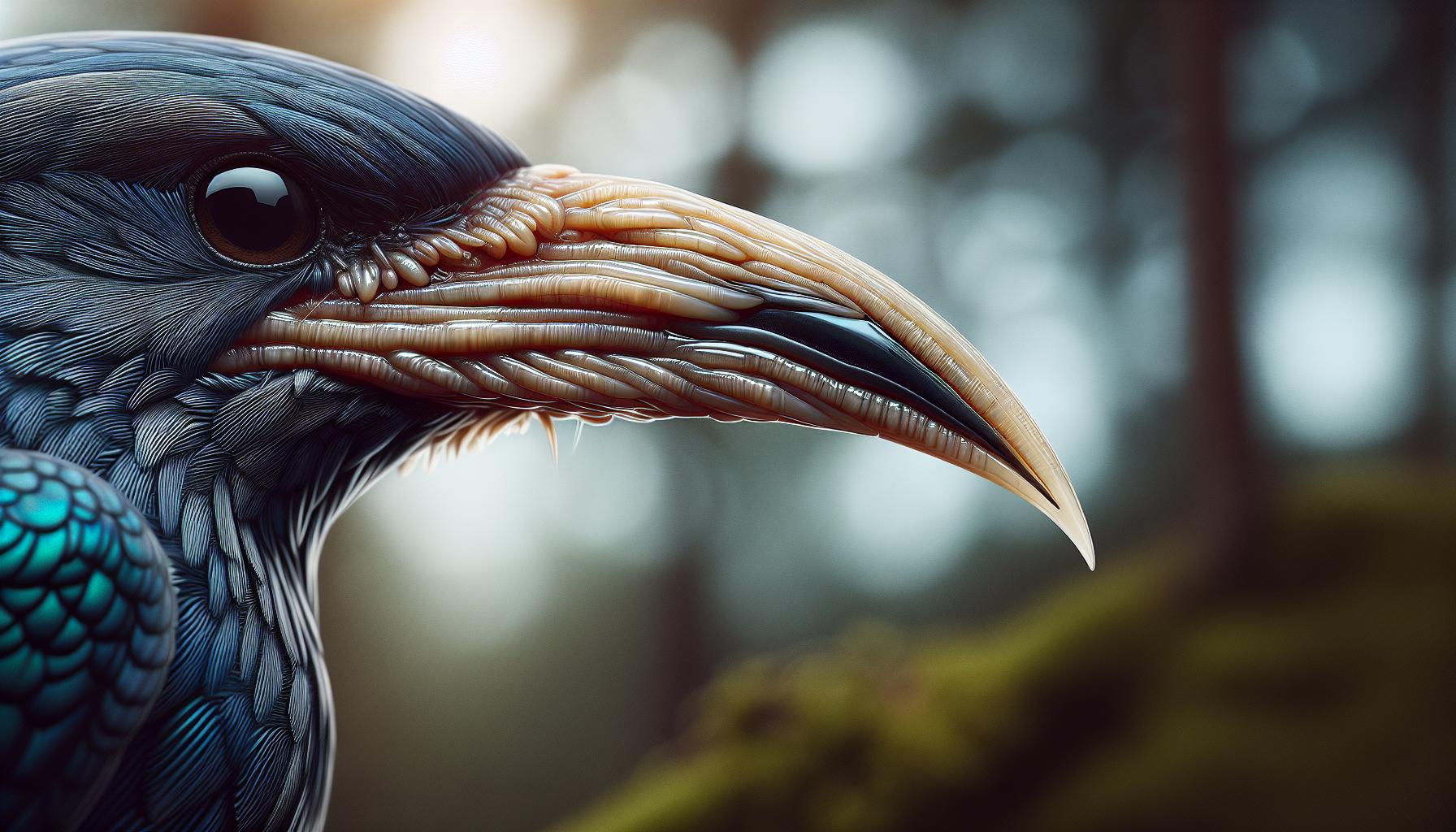
The striking beak of the toucan is as fascinating as it is functional, and at its core lies keratin-a remarkable protein that also forms human hair and nails. This key component not only lends durability and lightweight characteristics to the beak but also contributes to its vibrant colors. The beak’s outer layer is composed primarily of keratin, which makes it tough enough to withstand the rigors of foraging while still being light enough to avoid hindering the bird’s agility. Remarkably, despite its large size-some toucan beaks can reach up to 8 inches long-the beak is a masterpiece of biological engineering, offering both resilience and efficiency.
One of the most interesting aspects of toucan beaks is how their keratin structure allows for a great deal of manipulation. The shape and flexibility of the beak enable toucans to grasp and peel fruit, which forms a significant part of their diet. This adaptability extends to their ability to use their beaks to forage for insects and small animals. Moreover, the keratin’s lightweight nature means the toucan can engage in acrobatic feats among the trees, darting swiftly between branches in search of food. In a practical sense, keeping a toucan’s beak healthy involves ensuring they have access to a varied diet rich in fruits, as the necessary nutrients support the growth and maintenance of this keratin-rich beak.
In terms of care, toucans generally require a diet that promotes strong keratin production. Supplementing fresh fruits with high-quality pellets specifically designed for toucans can help maintain their beak health. Avoiding too many hard items, which can wear down the delicate keratin, is advisable-thus, an ideal balance of soft and hard foods contributes positively to the condition of their iconic beaks. Furthermore, regular observation of the beak for any signs of overgrowth or damage is essential as well; in captivity, certain beak abnormalities can be managed through diet and care.
Ultimately, understanding the role of keratin in toucan beaks emphasizes the intricate relationship between diet, health, and the toucan’s unique ecological role. A knowledgeable caretaker can ensure these magnificent birds thrive, admiring not just their beauty but the biological wonders that enable such remarkable adaptations.
Comparing Toucan Beaks to Other Bird Species

The toucan’s beak is a standout feature, not just for its vibrant colors and large size but also for its remarkable composition that sets it apart from other bird species. Unlike the solid, heavy beaks of many birds, the toucan’s beak is primarily made of keratin-providing a unique blend of lightweight structure and durability. When comparing to species like parrots or woodpeckers, which have denser beaks suited for cracking nuts or boring into wood, toucans utilize their beaks for different purposes reflected in their ecological niche.
Toucans primarily feast on soft fruits, insects, and small animals, which their beaks are perfectly adapted to grasp and manipulate. The curvature and length of the toucan’s beak allow it to reach fruit that other birds might struggle to access, demonstrating an evolutionary advantage tied directly to its specific diet. In contrast, birds like hawks have sharp, hooked beaks designed for tearing flesh, showcasing a different adaptation style influenced by their carnivorous diet.
Furthermore, if you consider the beaks of finches versus those of toucans, the distinction is stark. Finches possess short and conical beaks ideal for seed cracking, while the toucan’s elongated beak facilitates a diverse feeding strategy, from pulling fruit off branches to foraging for insects hidden in foliage. The structure and placement of beak materials can also dictate social behaviors; toucans often use their beaks in social displays, a factor less pronounced in seed-eating birds.
Understanding these differences highlights the intricate relationship between a bird’s feeding habits, evolutionary adaptations, and beak composition. For bird enthusiasts and caretakers, recognizing these nuances is crucial. It’s not just about appreciating the toucan’s unique beauty; it’s about acknowledging the evolutionary journey that has led to this stunning example of adaptability in the avian world. Proper care for these magnificent birds in captivity should take into account their beak structure and its implications for diet and behavior-for instance, providing adequate fruit varieties to promote healthy keratin production.
Daily Maintenance: How to Care for Toucan Beaks
Caring for the beaks of toucans is not just about maintenance; it’s an essential aspect of their overall health and well-being. These remarkable structures, primarily made of keratin, are lightweight yet surprisingly durable. Proper care ensures that their beaks remain functional and vibrant, allowing toucans to thrive both in the wild and in captivity. Here are some essential considerations for maintaining the health of toucan beaks.
One of the most vital aspects of beak care is diet. Toucans need a varied diet rich in fruits, as this is crucial for keratin production and overall beak health. Providing a mix of soft fruits like bananas, papayas, and berries, along with insects and occasional protein sources, helps meet their nutritional needs. It’s also important to ensure that the fruits are fresh and free from pesticides, as harmful chemicals can affect the health of their delicate beaks and overall health.
In addition to diet, regular observation is key. Keep an eye on the beak for any signs of wear or damage, which could indicate dietary deficiencies or other health issues. If the beak appears overly dry or has cracks, it could be a sign that your toucan needs more moisture or a different nutritional balance. You can also provide fresh branch materials or utilize natural wood toys in their environment. This will encourage natural behaviors like foraging and chewing, which helps keep their beaks in good condition.
Regular Hygiene Practices
Hygiene plays a critical role in maintaining the integrity of toucan beaks. Regular cleaning of their feeding area and water dishes minimizes the risk of bacteria, which can adversely affect their health. Ensuring that toucans have access to clean, fresh water daily is also essential for their hydration and keratin maintenance. By incorporating these practices, you can help ensure that their beautiful beaks remain strong and healthy.
By attending to the nutritional, observational, and hygiene needs of toucans, you facilitate a thriving environment. A well-cared-for beak is not just about aesthetics; it’s a reflection of a healthy bird ready to engage with its environment, showcasing the exquisite functionality and beauty of toucan anatomy.
The Impact of Diet on Beak Health
The health of a toucan’s beak is intricately connected to its diet, making the right nutritional choices vital for maintaining this striking feature. Toucans are known for their large, colorful beaks, which, while lightweight, are made predominantly of keratin, the same protein found in human hair and nails. A diet rich in various fruits and occasional protein not only supports keratin production but also influences the structure and vitality of their beaks.
Feeding toucans a combination of soft fruits, such as bananas, papayas, and berries, is essential. These fruits provide not just hydration but also the nutrients necessary to promote healthy beak growth. For example, fruits high in vitamin A, like mangoes, can contribute to beak health by supporting overall cellular health. Additionally, incorporating insects or protein sources can further enrich their diet, ensuring they receive a balanced intake of nutrients. It’s crucial to avoid fruits that may contain pesticides; opting for organic options helps safeguard their health.
Observing your toucan closely can also signal dietary needs. If you notice signs like cracks or excessive dryness in the beak, it might indicate a deficiency. This could suggest a lack of moisture or an imbalance in their diet. Providing fresh branches and wood for chewing not only reinforces natural behaviors but also helps wear down the beak appropriately, promoting a healthy shape and structure.
Ultimately, the impact of diet on toucan beaks cannot be understated. Regularly revisiting and adjusting their nutritional intake will ensure that you are cultivating a robust and vibrant beak, which is a testament to the toucan’s overall health and resilience. Making informed dietary choices enables toucans to thrive, showcasing the beauty and functionality of their unique anatomy.
Common Myths About Toucan Beaks Debunked
One of the most captivating aspects of toucans is their beaks, which are among the largest relative to body size in the bird kingdom. Yet, despite their prominence, many misconceptions surround the nature and function of these distinctive structures. Debunking these myths is crucial not only for budding bird enthusiasts but also for experienced caretakers who wish to ensure the well-being of their toucan companions.
A common belief is that toucan beaks are heavy and cumbersome, which would seem impractical for their feeding habits. In reality, toucan beaks are remarkably lightweight due to their unique structure. The interior is composed of a network of spongy, air-filled cells which significantly reduces weight without compromising strength. This adaptation allows toucans to manipulate fruits and other food items with ease, supporting their predominantly frugivorous diet.
Another myth suggests that toucans’ vibrant beak colors serve no purpose other than aesthetics. While their striking coloration is certainly eye-catching, these hues play a vital role in thermoregulation. Toucans can control their body temperature by adjusting blood flow to their beaks, effectively using them as radiators. The coloration may also have social significance, helping to attract mates and convey dominance during interactions with other toucans.
There’s also the misconception that toucans are solely fruit eaters. While fruits make up a significant part of their diet, toucans are opportunistic feeders and will consume insects, small animals, and even eggs when available. This versatility is critical for their survival in the wild, especially in areas where food sources may vary seasonally.
To care for toucan beaks properly, it’s essential to provide enriching dietary options that support their unique composition. A balanced diet rich in fruits, along with added protein sources, not only maintains beak health but also fosters vibrant beak coloration. Understanding these aspects can enhance the appreciation of these magnificent birds and promote a healthier life for them in captivity.
Toucan Beaks in Popular Culture and Media
The toucan’s beak is not just a striking feature-it has captured the imagination of artists, filmmakers, and marketers alike, becoming a symbol of tropical biodiversity and vibrant ecosystems. In popular culture, toucan beaks often represent exoticism and playfulness, finding their way into animations, advertisements, and even logo designs. Iconic characters like Toucan Sam from the Froot Loops cereal brand embody this imagery, leveraging the beak’s bright colors and unique shape to convey a fun and fruity personality that resonates with children and families.
Beyond playful representations, toucan beaks are frequently featured in educational materials, documentaries, and wildlife programs. These platforms highlight not only their beauty but also the beak’s functionality in the animal’s feeding habits and social behaviors. For example, nature documentaries often capture toucans using their beaks to skillfully forage for fruit, providing viewers with insight into the ecological role this species plays in seed dispersal and forest regeneration.
Moreover, in art and design, the toucan beak has inspired a range of products from home décor to fashion accessories, often celebrated for its visually striking aesthetics. Graphic designers frequently use the imagery of toucans, leaning on their vivid colors to inject life into their projects. This celebration of the toucan in modern media showcases a deep appreciation for nature’s artistry, reminding us of the role these birds play in the ecosystem and the importance of wildlife conservation.
As toucans continue to strut their colors across screens and store shelves worldwide, they remain an emblem of beauty and ecological significance. Understanding the structure and material composition of their beaks can deepen our appreciation for these remarkable birds, encouraging us to protect their habitats and advocate for biodiversity. By taking care of our natural world, we ensure that future generations will also be enchanted by the extraordinary toucan and its magnificent beak.
The Importance of Beak Size and Shape
The iconic toucan beak is not only a hallmark of beauty but also a masterpiece of evolutionary design, intricately adapted to the bird’s feeding behaviors and environmental interactions. The size and shape of a toucan’s beak play critical roles in its ability to thrive in the diverse ecosystems where it lives. Toucans possess long, curved beaks that can reach lengths of up to 8 inches, allowing them to reach and grasp fruit that is often located in hard-to-reach areas within tree canopies. This design emphasizes the beak’s functionality, enabling the toucan to access food sources that smaller birds cannot, thus reducing competition.
Functional Adaptations of Beak Morphology
In general, larger beaks allow for a greater intake of food, and for toucans, this is particularly advantageous in their frugivorous diet. Their beaks are structured to break apart tough-skinned fruits and can even be used to slice through softer ones. The considerable size also serves as a tool for social interaction and mating displays, where vibrant colors and impressive dimensions can signify a healthy mate to potential partners.
Interestingly, the shape of a toucan’s beak is also a key factor in thermoregulation. The large surface area allows for the dissipation of excess heat, which is crucial in the warm climates that these birds inhabit. By adjusting their orientation in the sunlight, toucans can effectively manage body temperature, showcasing how evolutionary adaptations go beyond mere aesthetics.
Comparative Insights on Beak Evolution
When we compare toucan beaks to those of other bird species, we see distinct differences that highlight the evolutionary pressures each species faces. For example, parrots possess strong, hooked beaks designed for cracking nuts and seeds, while hummingbirds have long, slender beaks suited for extracting nectar from flowers. In contrast, toucan beaks are specialized for their role as frugivores, illustrating how beak size and shape can reflect dietary needs.
For bird enthusiasts and ornithologists alike, understanding the significance of beak size and shape in toucans enriches our appreciation of their role in the ecosystem. By recognizing the multifaceted functions of toucan beaks, we foster a deeper connection to these extraordinary birds and their environments, encouraging stewardship and conservation efforts aimed at protecting their habitats for generations to come.
Research Advances in Avian Beak Studies
Recent advancements in avian beak studies are illuminating the complex materials that form the toucan’s iconic beak, revealing not just structural functions but also insights into the evolutionary processes that shaped these remarkable adaptations. Interestingly, toucan beaks are primarily composed of keratin, the same resilient protein that makes up human hair and nails. This fundamental component provides not only strength but also flexibility, enabling toucans to navigate their environment and access food efficiently. Research has shown that despite their large size, the beaks are relatively lightweight, which is crucial for maintaining agility in the trees where they spend most of their time.
One of the most fascinating aspects of avian beak research involves how the external structure, including coloration and pattern, can play significant roles in species recognition and mating behaviors. The vibrant colors of a toucan’s beak are not merely aesthetic; they can signal health and genetic fitness to potential mates. This connection between beak morphology and reproductive success has sparked interest in studies that combine genetic analysis with ecological assessments to better understand the factors influencing beak diversity across different species.
Moreover, scientists are increasingly utilizing advanced imaging technologies, such as micro-CT scanning, to analyze the internal structures of toucan beaks. This technology enables them to explore the intricate designs of beak shapes and how they correlate with specific feeding strategies. Such research has potential implications not just for ornithology, but also for biomimetics, where the unique designs of bird beaks inspire innovations in engineering and design, such as in developing new tools that mimic the feeding mechanisms of toucans.
In practical terms, knowledge of toucan beak composition and functionality can also enhance conservation efforts. By understanding how environmental changes impact their feeding ability or health, conservationists can formulate strategies to protect these beautiful birds and their habitats. For anyone interested in avian biology, staying updated on these research advancements not only enriches our understanding of toucans but also fosters a deeper appreciation for avian diversity as a whole.
Frequently asked questions
Q: What materials make up a toucan’s beak?
A: A toucan’s beak is primarily made of keratin, which is the same protein found in human hair and nails. Its beak structure also includes a lightweight bony core which contributes to its strength and versatility while keeping it light for easier movement.
Q: How does the composition of a toucan’s beak benefit its lifestyle?
A: The unique composition of a toucan’s beak allows for various functions, including foraging for fruit and insects, communicating with other toucans, and thermoregulation. This structure helps toucans thrive in their tropical habitats by enabling them to utilize resources efficiently.
Q: Can toucan beaks change color?
A: Yes, toucan beaks can appear to change color due to light reflection and angle. The pigmentation in their keratin structure gives rise to vibrant hues, which can vary slightly based on environmental factors and the bird’s health.
Q: What is the role of keratin in toucan beak composition?
A: Keratin is crucial as it forms the outer layer of the beak, providing durability and resistance to wear. Its flexibility helps prevent breakage, allowing toucans to use their beaks effectively without risking injury during daily activities.
Q: How do the beaks of toucans compare to those of other birds?
A: Toucans have some of the largest beaks relative to body size in the bird kingdom. Unlike many other birds, their beaks are designed to be lightweight, yet strong, allowing them to easily access food sources that are often out of reach for other species.
Q: What factors affect the health of a toucan’s beak?
A: A toucan’s beak health can be influenced by diet, environmental factors, and overall well-being. A balanced diet rich in fruits and insects helps maintain keratin integrity, while avoiding deficiencies can prevent beak malformation or damage.
Q: Are toucan beaks used for anything other than eating?
A: Yes, toucan beaks serve multiple functions beyond foraging. They are used for communication, regulating body temperature, and even as tools for nesting and defending territory, showcasing their versatility in the toucan’s daily life.
Q: How do toucans care for their beaks?
A: Toucans naturally maintain their beaks through preening, which removes debris and stimulates the production of natural oils. Additionally, a proper diet ensures that their beaks remain healthy and functional, preventing deterioration or infections.
Insights and Conclusions
Thank you for exploring the fascinating world of toucan beaks! We’ve uncovered the unique material composition that makes these colorful features not just beautiful, but also essential for their survival and behavior. If you found this topic intriguing, don’t miss our articles on “The Role of Beaks in Bird Adaptations” and “How to Care for Your Pet Bird’s Diet” for deeper insights into avian biology and care tips.
Now, let’s keep the conversation going! Share your thoughts or questions in the comments below, and consider subscribing to our newsletter for the latest updates on bird care, behaviors, and conservation efforts. Don’t forget to check out our interactive tools and resources designed to enhance your birdwatching experiences. Your journey into the avian world starts here-let’s discover more together!
Get our latest guides, news, and insights highlighted in your Google Search & AI Overviews.










