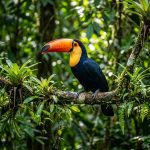
The Toco Toucan, with its vibrant plumage and iconic oversized bill, is a symbol of tropical rainforests and a beloved sight for bird enthusiasts worldwide. However, this stunning bird faces increasing threats due to habitat loss and illegal trapping. Understanding whether the Toco Toucan is endangered is crucial not only for the avian community but also for the health of the ecosystems they inhabit. By delving into conservation facts, we can uncover the challenges these magnificent birds face and what can be done to protect them. Join us as we explore the status of the Toco Toucan and discover how you can contribute to its preservation, ensuring that future generations can enjoy its beauty in the wild.
Understanding the Toco Toucan’s Habitat and Range
The Toco Toucan, known for its striking appearance and oversized, colorful beak, is not just a symbol of wildlife in South America but also a vital member of its lush ecosystem. These birds primarily inhabit tropical forests, making them particularly fond of the edges of rainforests, as well as semi-open areas and low wetlands. Their range extends from central and eastern Brazil, through southern Venezuela, and into Argentina, with sightings recorded as far as Peru and Paraguay. Notably, they are the only toucans that are often found in low wet grasslands, showcasing their adaptability to a variety of habitats within the Neotropical region [2].
Their habitat is not just a backdrop for their vibrant existence but plays a crucial role in sustaining their dietary preferences- predominantly fruit, but also insects and small reptiles. Toco Toucans use their distinctive beaks to reach fruit that other birds cannot, contributing to seed dispersal in their ecosystem, which is critical for maintaining the health and regeneration of forests [3]. This relationship highlights the importance of protecting their habitats, as the loss of forest and wetland areas can have detrimental effects not only on Toco Toucans but on the broader ecological tapestry they help to weave.
In addition to their primary habitats, the adaptability of Toco Toucans allows them to thrive in altered landscapes, including agricultural areas and urban outskirts, although these environments may not provide the same levels of food availability or nesting opportunities. As such, understanding where these birds live is essential for conservation efforts aimed at preserving their populations and, by extension, the ecosystems they support. Protecting their habitats involves not only conserving existing forests and wetlands but also implementing sustainable land use practices that allow for a coexistence of agriculture and wildlife.
The Current Conservation Status of Toco Toucans
The Toco Toucan, with its vibrant plumage and iconic oversized bill, occupies a unique niche in the ecosystems of South America. Despite its striking presence and adaptability, the conservation status of these magnificent birds warrants attention. Currently, Toco Toucans are classified as “Least Concern” on the IUCN Red List, yet this status should not lead to complacency. Their populations are facing pressures from habitat loss primarily due to deforestation and agricultural expansion, which harm their natural habitats and food sources.
It is essential to recognize that while Toco Toucans can inhabit altered landscapes, they thrive best in healthy, biodiverse environments. Their role as seed dispersers is crucial for forest regeneration, meaning the health of their populations directly impacts the ecosystems they help sustain. Conservation efforts must focus on habitat protection and restoration, ensuring that these birds can continue to roam their native ranges, from the central and eastern regions of Brazil to parts of Bolivia and Paraguay.
To support the conservation of Toco Toucans, individuals can take practical steps. Engaging in or supporting local conservation projects, advocating for sustainable land use practices, and promoting awareness about the importance of these birds can significantly impact protecting their environments. Moreover, fostering an appreciation for Toco Toucans in popular culture-such as through art, media, and eco-tourism-can raise awareness about their conservation needs and inspire collective action towards their preservation.
In conclusion, though currently not endangered, the Toco Toucan’s future relies heavily on our commitment to habitat conservation and sustainable practices. By actively participating in these initiatives, we can help ensure that future generations will continue to marvel at these vibrant birds and their vital roles in South America’s ecosystems.
Threats Facing Toco Toucans Today
The Toco Toucan, celebrated for its striking appearance and vital ecological role, faces several challenges that threaten its populations, despite its current classification as “Least Concern.” Chief among these threats is habitat loss, primarily driven by deforestation and agricultural expansion. As forests are cleared for farming and urban development, the natural habitats of Toco Toucans diminish, leading to a reduction in their food sources and nesting sites.
Habitat Destruction
Most Toco Toucans thrive in lush, biodiverse tropical rainforests. When these habitats are fragmented, it doesn’t just cut off their access to food but also isolates populations, making it more challenging for them to find mates and leading to a decrease in genetic diversity. Specific practices, such as intensive logging and the conversion of forests into monoculture plantations, exacerbate these issues. Unfortunately, even in altered landscapes, their adaptability has limits; they do well in disturbed areas but cannot thrive as they do in diverse and healthy ecosystems.
Human Encroachment
Moreover, the encroachment of human settlements has introduced additional pressures. This includes not only habitat loss but also increased human-wildlife encounters that can lead to conflict. Toco Toucans may be shot or captured as pests, especially when they feed on fruit crops, which can further reduce their numbers in certain areas.
Climate Change Implications
Additionally, climate change poses a looming threat. As weather patterns shift, the availability of food sources and suitable nesting sites may change, leading to increased competition among individuals and species. Rising temperatures and changing precipitation patterns could disrupt the delicate balance of the ecosystems that support Toco Toucans, pushing them toward areas that may not be as hospitable.
Conservation Considerations
Awareness and action are crucial to combat these challenges. Supporting conservation initiatives, promoting sustainable agriculture, and engaging in habitat protection efforts can make a significant difference. Individuals can also advocate for policy changes that aim to protect natural habitats and address the impacts of climate change. By understanding the threats Toco Toucans face, we can better contribute to their conservation and ensure these magnificent birds continue to thrive in the wild.
Key Conservation Efforts for Toco Toucans
The vibrant Toco Toucan, with its iconic colorful beak, plays a crucial role in maintaining the health of its tropical rainforest habitat. Conservation strategies aimed at safeguarding this species are as dynamic as the bird itself. One of the most effective measures involves habitat restoration and protection, which seeks to reestablish the lush environments that these birds depend on for food and nesting. Initiatives focused on preserving large tracts of rainforest play a key role in ensuring the survival of not only Toco Toucans but also countless other species that share their ecosystem.
Collaborative Conservation Efforts
Collaboration with local communities is essential. Many conservation organizations work closely with indigenous and rural populations to promote sustainable land practices. Educating these communities about the ecological importance of Toco Toucans can foster local stewardship, making residents allies in conservation efforts. Programs that offer economic incentives for preserving natural habitats-such as eco-tourism ventures that highlight the beauty and uniqueness of Toco Toucans-can enhance community investment in conservation.
Legal Protections and Policies
Moreover, implementing and enforcing legal protections is critical. Certain regions have designated wildlife reserves where activities detrimental to Toco Toucans are restricted. Advocacy for policies that prioritize biodiversity and combat deforestation is instrumental in creating a legal framework that supports conservation initiatives. Regulations that limit agricultural expansion into vulnerable rainforest areas are particularly important, ensuring that Toco Toucans have access to their natural habitats.
Research and Monitoring
Continuous research and monitoring of Toco Toucan populations help identify trends and threats, facilitating proactive measures. Scientists study nesting habits, food sources, and migration patterns to understand how environmental changes affect these birds. Citizen science initiatives, where volunteers contribute to data collection, can also enhance monitoring efforts and increase public engagement in conservation.
Through these concerted efforts, we can protect the Toco Toucan and ensure that its vibrant presence continues to grace our rainforests, enriching biodiversity and inspiring future generations to appreciate and protect these remarkable birds.
How to Help Toco Toucan Conservation
To engage in the protection of Toco Toucans, consider the profound impact that even small actions can create. These striking birds are not just a visual marvel; they are critical to the health of their rainforest ecosystems. Their unique beak allows them to play a vital role in seed dispersal, making their conservation essential for the biodiversity of their habitats. Here are some actionable ways to contribute to the conservation of Toco Toucans and their environments.
Support Conservation Organizations
Many organizations focus on the preservation of Toco Toucans and their habitats. By donating to or volunteering with these groups, you can help fund initiatives aimed at habitat restoration, research, and education. Organizations often need support in various forms, from financial contributions to hands-on help in planting trees or participating in awareness campaigns. Look for NGOs that have projects specifically aimed at protecting rainforest regions where Toco Toucans thrive.
Advocate for Sustainable Practices
Encouraging sustainable practices in agriculture and forestry can significantly lessen the threats to Toco Toucans. Informing your community about the importance of preserving natural habitats and advocating for policies that protect wildlife can create a ripple effect of positive change. Participate in local forums or online communities that focus on environmental issues. The more people understand the role of Toco Toucans in maintaining the ecological balance, the more likely they are to support conservationist efforts.
Engage in Eco-Tourism
When traveling in regions where Toco Toucans are native, consider eco-tourism opportunities that respect local wildlife and habitats. Eco-tourism helps generate funding for conservation efforts and raises awareness about the challenges these birds face. Choose options that promote responsible wildlife viewing and support local communities that are working to protect their ecosystems. By participating in these activities, you can directly contribute to the conservation of Toco Toucans while enjoying the beauty of their natural environment.
By taking these steps, you can become an integral part of the movement to protect Toco Toucans and ensure that their vibrant calls continue to echo through the rainforests for generations to come. Whether through support, advocacy, or responsible travel, every effort counts in the fight for these remarkable birds.
Unique Behavior and Traits of Toco Toucans
When you witness a Toco Toucan in its natural habitat, you’re not just observing a colorful bird; you’re watching an avian performer that captivates with its unique behaviors and striking traits. One of the most distinctive characteristics of the Toco Toucan is its enormous, brightly colored bill, which can measure up to 8 inches long. This iconic beak, while seemingly unwieldy, plays an essential role in feeding and social interactions. The bill is useful for reaching fruit high in the canopy and is also a thermoregulatory tool, helping to dissipate heat during sunny days. Toco Toucans have a varied diet that primarily consists of fruits, but they also consume insects, small reptiles, and occasionally bird eggs.
Another fascinating aspect of Toco Toucans is their social structure and communication skills. These birds are highly social creatures, often found in groups of 6 to 12, and they engage in playful interactions that include chasing each other and gentle grappling. Their vocalizations-ranging from low croaks to high-pitched cries-serve various purposes, from territory marking to keeping their flock together. Observing their social behavior can provide insights into their intelligence and adaptability within their environments.
Toco Toucans also exhibit unique nesting behaviors. They typically nest in tree cavities, which they may excavate themselves or take over from woodpeckers. The female lays two to four eggs, and both parents participate in incubation and feeding the chicks once hatched. This cooperative breeding behavior is vital for the survival of the young birds, especially in the competitive jungle ecosystem where predators lurk.
For those interested in caring for Toco Toucans in captivity, it’s important to mimic their natural behaviors. They require spacious aviaries that allow for flight and social interactions, as well as a varied diet rich in fruits and supplemented with protein sources. Just observing how Toco Toucans interact can inspire bird enthusiasts to create enriching environments that cater to their playful and social nature. In essence, understanding the unique behaviors and traits of Toco Toucans not only enhances the joy of watching them but also underscores the importance of their conservation, particularly as their habitats face increasing threats.
Toco Toucans in Popular Culture and Media
When considering the vibrant and iconic Toco Toucan, it’s hard not to mention its prominent place in popular culture and media. Known for its striking beak and colorful plumage, the Toco Toucan has captured the imagination of many artists, filmmakers, and brands, emerging as a symbol of tropical beauty and biodiversity. One of the most notable appearances is in the animated film “Rio,” where a group of exotic birds, including a Toco Toucan, embarks on an adventurous journey. This portrayal not only entertains but also raises awareness about the diverse avian species found in South America, emphasizing the importance of conservation efforts.
In addition to films, Toco Toucans have made their mark in advertising and branding. Their vibrant colors and distinctive shape make them ideal mascots for various products, often used to evoke a sense of exoticness and fun. Brands like Froot Loops have leveraged the toucan as a playful character, associating the bird with a colorful and lively lifestyle. This representation in media can both highlight the beauty of Toco Toucans and contribute to a greater understanding of their role in ecosystems, encouraging people to think about conservation as they engage with these familiar images.
Furthermore, social media platforms are teeming with toucan enthusiasts sharing captivating videos and images of Toco Toucans in their natural habitats. These platforms provide a space for bird watchers and nature lovers to connect, share tips, and advocate for conservation. Engaging with these communities not only enriches one’s knowledge about Toco Toucans but also encourages responsible observation practices that respect their natural environments.
Lastly, educational programs and documentaries focusing on wildlife and environmental conservation frequently highlight Toco Toucans. Such media serve to educate viewers on the challenges these birds face and the conservation efforts required to ensure their survival. By showcasing Toco Toucans, filmmakers and educators aim to instill a sense of responsibility for protecting these remarkable creatures and their habitats.
By understanding the Toco Toucan’s presence in popular culture, we can appreciate their significance beyond mere aesthetics. They serve as ambassadors for biodiversity, reminding us of the urgent need to advocate for conservation efforts and maintain the rich tapestry of life in our ecosystems.
Recommended Resources for Toco Toucan Enthusiasts
For those passionate about Toco Toucans, there are a plethora of resources available to enhance your understanding and support for these intriguing birds. Whether you’re a seasoned bird watcher or a curious beginner, engaging with the right materials can enrich your appreciation and promote active conservation efforts.
Start your journey by exploring dedicated online platforms such as the Cornell Lab of Ornithology, which offers comprehensive insights into avian behavior, habitats, and conservation initiatives. Their Bird Academy section features courses that not only cover birdwatching techniques but also delve into conservation strategies specifically aimed at species like the Toco Toucan. Additionally, the IUCN Red List provides the latest status updates and potential conservation measures related to the Toco Toucan, helping you stay informed on its ecological standing and threats.
Books can also provide valuable information. For instance, titles like “The Birds of South America” and “Toucans, Hornbills, and Their Relatives” give detailed accounts of tropical birds, including their behaviors, habitats, and conservation needs. These resources often feature beautiful illustrations and photographs that can deepen your appreciation for the Toco Toucan’s unique characteristics.
Moreover, consider joining local birdwatching clubs or online communities like BirdForum or Facebook groups dedicated to tropical birds. These platforms allow you to connect with other enthusiasts, share experiences, and partake in discussions about Toco Toucan conservation, behavior, and care.
Lastly, if you enjoy visual media, check out documentaries and educational series on platforms like Netflix and BBC Earth that focus on wildlife and include segments on the Toco Toucan. These programs not only showcase their natural beauty but also highlight pressing conservation issues, inspiring viewers to take action.
By utilizing these resources, you can become an informed advocate for Toco Toucans, helping ensure that these vibrant birds continue to thrive in their natural habitats.
Comparative Analysis: Toco Toucan vs. Other Toucans
The Toco Toucan stands out among its toucan relatives not only for its vibrant appearance but also for its behavior and habitat preferences. This bird, the largest toucan species, is known for its striking black and white plumage and its oversized, colorful bill, measuring about 8 inches long. In comparison to other toucan species, the Toco’s bill is proportionally larger, which allows it to consume a wider variety of fruits, nuts, and even small insects. This adaptability in diet gives the Toco an edge in competing for resources, particularly in the lush environments of South America where it thrives.
When examining other toucans, such as the Keel-billed Toucan or the Lettered Aracari, we note distinct differences. For example, the Keel-billed Toucan, while also colorful, has a smaller bill with a unique green hue and tends to prefer more humid tropical environments. This species often forages for fruit in the canopy, relying on its smaller size to navigate through dense foliage. In contrast, the Toco Toucan, with its larger bill, can reach fruits that other toucans might struggle to access, which highlights its evolutionary advantages.
Another factor distinguishing the Toco Toucan from its cousins is its social behavior. The Toco is known for its gregarious nature, often found in pairs or small flocks, where it engages in communal activities such as foraging and preening. Some smaller toucans, such as the Ivory-billed Aracari, naturally tend to be more solitary or found in smaller groups. This sociable behavior of the Toco not only enhances its survival through cooperative foraging but also contributes to vibrant displays of interaction, making them a favorite among birdwatchers.
To deepen the understanding of their similarities and differences, consider creating a comparison table that encapsulates key aspects of each species:
| Toucan Species | Bill Length | Diet | Social Structure | Habitat Preferences |
|---|---|---|---|---|
| Toco Toucan | 8 inches | Fruits, nuts, insects | Pairs or small flocks | Open woodlands, savannas |
| Keel-billed Toucan | 5-7 inches | Fruits, insects | Pairs or small groups | Humidity-rich forests |
| Ivory-billed Aracari | 3-4 inches | Fruits, insects | Solitary or small groups | Lowland forests |
Understanding these comparisons not only enriches our appreciation of the Toco Toucan but emphasizes the importance of habitat conservation for all toucan species. As environmental changes continue to threaten their ecosystems, recognizing these differences helps in formulating targeted conservation strategies that focus on the specific needs and behaviors of each species, ensuring that these remarkable birds can thrive alongside one another in the wild.
Beginner’s Guide to Toco Toucan Care and Maintenance
Caring for a Toco Toucan can be an incredibly rewarding experience for bird enthusiasts and beginners alike. These magnificent creatures, with their striking plumage and vibrant personalities, require specific care to thrive. If you’re considering welcoming a Toco Toucan into your home, it’s essential to understand their needs to ensure a healthy, happy companion.
One of the most critical aspects of Toco Toucan care is diet. In the wild, these birds primarily consume a variety of fruits, nuts, and insects. Therefore, a well-balanced diet in captivity should focus on high-quality, fresh fruits (such as berries, bananas, and apples) and a specialized toucan diet available at pet stores. Supplementing their diet with occasional insects can add additional protein. It’s also crucial to provide fresh water daily, as hydration plays a vital role in their overall health.
Housing is another important factor. Toco Toucans require spacious aviaries that mimic their natural habitat, ideally with plenty of perches and toys for enrichment. A minimum cage size should be at least 6 feet long, 4 feet wide, and 4 feet high, allowing them ample room to move and explore. Incorporating branches, swings, and foraging toys can keep them mentally stimulated. Additionally, Tocos are social birds that thrive in companionship, so consider having more than one to fulfill their social needs.
Behavior and Training
Understanding Toco Toucan behavior is key to fostering a strong bond with your pet. These birds are known for their playful and curious nature, often exploring their surroundings. Providing a routine can help them feel secure and reduce stress. Start with basic commands and utilize positive reinforcement techniques, such as treats and praise, to encourage good behavior. Socialization is essential; interact frequently with your toucan through gentle handling and playtime.
To enhance your Toco’s habitat, consider these tips:
- Rotate toys regularly to maintain interest.
- Provide safe, natural wood perches to support foot health.
- Ensure they have access to sunlight, as natural light is vital for their wellbeing.
In summary, while caring for a Toco Toucan requires commitment and understanding, the rewards of watching them thrive and interact are immeasurable. By meeting their dietary, housing, and social needs, you can create a nurturing environment that allows these beautiful birds to flourish in your care.
Engaging with Toco Toucan Conservation Initiatives
is a vital part of ensuring the survival of these stunning birds. Did you know that habitat loss and poaching pose significant threats to Toco Toucans and their populations? By actively participating in conservation efforts, not only do you help protect these iconic birds, but you also contribute to the overall health of the ecosystems they inhabit.
One effective way to engage is through joining local and international conservation organizations focused on bird and rainforest preservation. Many of these groups offer volunteer opportunities, where you can help with habitat restoration projects or participate in educational programs aimed at raising awareness about the importance of Toco Toucans. Additionally, donating to these organizations can aid in funding research and conservation activities crucial for protecting Tocos and their environments.
Advocacy is another powerful tool. Educate yourself and others about the challenges Toco Toucans face and share this knowledge through social media or community events. You can also encourage policymakers to prioritize bird conservation in environmental legislation. By teaming up with dedicated groups or even leading initiatives in your community, you can raise awareness and inspire action around these beautiful birds.
Lastly, consider adopting a Toco Toucan through symbolic adoption programs offered by various wildlife organizations. This not only provides financial support for their efforts but also helps raise awareness and fosters a sense of connection and responsibility for the welfare of these magnificent birds. Through these actions, you can make a meaningful impact in the world of Toco Toucan conservation and inspire others to join in the effort.
The Role of Toco Toucans in Their Ecosystem
Toco Toucans are not just stunning with their vibrant colors and oversized bills; they play a significant role in their ecosystems, acting as both seed dispersers and indicators of environmental health. Their natural habitat-tropical and subtropical forests in Central and South America-is crucial for maintaining biodiversity, and these birds contribute to this balance through their foraging behavior. By feeding on various fruits, flowers, and insects, Toco Toucans aid in the germination and spread of seeds, promoting forest regeneration and diversity.
One captivating aspect of their ecology is their relationship with specific trees, such as the Bertholletia excelsa, or Brazil nut tree. Toco Toucans are known to feed on the nuts, assisting in the seed dispersal crucial for the growth of these trees. This mutual benefit showcases the intricate connections within their habitat, highlighting the impact that the decline in Toco Toucan populations can have on forest dynamics. Their presence also indicates a healthy ecosystem; when populations dwindle, it can be a sign of environmental distress, prompting conservation actions that benefit many other species sharing the same habitat.
Moreover, Toco Toucans exhibit remarkable social behavior, often found in small flocks. This social structure plays a vital role in their survival, as they engage in cooperative foraging and protect each other from predators. Observing these interactions provides valuable insights into avian behaviors and the importance of social dynamics in wildlife conservation. Understanding the role that Toco Toucans play helps underline the necessity of protecting their habitats not only for their survival but for the overall health of the ecosystems they inhabit. Engaging with local conservation efforts to restore and preserve their natural environments can lead to a ripple effect of benefits for multiple species, fostering rich biodiversity and vibrant ecosystems.
Frequently asked questions
Q: Is the Toco Toucan endangered?
A: The Toco Toucan is not currently classified as endangered; it is listed as “Least Concern” by the IUCN. However, habitat loss and hunting pose significant threats to their populations, prompting ongoing conservation efforts to ensure their future stability.
Q: What is the primary threat to the Toco Toucan?
A: The primary threat to the Toco Toucan is habitat destruction due to deforestation and agriculture. This reduces their natural living spaces and food sources, making conservation efforts essential to mitigate these impacts and preserve their populations.
Q: How do conservation efforts help Toco Toucans?
A: Conservation efforts for Toco Toucans involve habitat restoration, legal protection, and raising awareness about their ecological role. These initiatives help maintain healthy populations and ecosystems, benefiting not just the toucan but also other species sharing their habitat.
Q: Are Toco Toucans protected by law?
A: Yes, Toco Toucans are protected under various local and national laws in countries where they are found, aimed at preventing illegal hunting and habitat destruction. These regulations are crucial for sustaining their populations in the wild and ensuring their ecological balance.
Q: What can individuals do to support Toco Toucan conservation?
A: Individuals can support Toco Toucan conservation by donating to wildlife organizations, participating in habitat restoration projects, and spreading awareness about the importance of preserving their ecosystems. Engaging in responsible ecotourism also helps sustain local communities and wildlife conservation efforts.
Q: What role do Toco Toucans play in their ecosystem?
A: Toco Toucans play a vital role in their ecosystem as seed dispersers. By consuming various fruits and seeds, they promote plant growth and biodiversity. This ecological function is essential for maintaining the health of the forests in which they reside.
Q: How has climate change impacted Toco Toucans?
A: Climate change impacts Toco Toucans by altering their habitat and food availability. Changes in temperature and precipitation patterns can disrupt the ecosystems they depend on, leading to further challenges in their survival and conservation status.
Q: Where can I find Toco Toucans in the wild?
A: Toco Toucans can be found in a variety of habitats, including tropical rainforests, savannas, and near forest edges across South America, specifically from Guyana to Argentina. Observing them in their natural habitat provides an opportunity to appreciate their behavior and ecology.
Key Takeaways
As we conclude our exploration of the Toco Toucan and its conservation status, it’s clear that protecting these vibrant birds is crucial for maintaining biodiversity in their native habitats. Your engagement, whether through awareness or action, can contribute to their survival. By understanding the threats they face and how we can help, we empower ourselves to make a difference.
For more insights into bird conservation, be sure to check out our articles on the importance of rainforests in preserving avian species and effective ways to support wildlife organizations. If you’re keen to stay updated, consider signing up for our newsletter for the latest in bird conservation news and tips. Your passion for nature matters-together, we can ensure the Toco Toucan thrives for generations to come.
What are your thoughts on conservation efforts? Share your ideas in the comments below, and let’s keep the conversation going!
Get our latest guides, news, and insights highlighted in your Google Search & AI Overviews.