Have you ever dreamt of owning a toucan, with its vibrant plumage and playful personality? While these stunning birds may seem like the ultimate pet, there’s more to consider than just their appearance. This guide will explore the legalities and logistics of buying a toucan, ensuring you’re well-informed about the laws, best practices, and ethical considerations involved in bringing one of these exotic creatures into your home. Understanding the nuances of ownership is crucial-not only to satisfy your curiosity but also to ensure the well-being of these magnificent birds. Whether you’re a seasoned bird enthusiast or a budding avian lover, this article will equip you with the knowledge to responsibly navigate the exciting yet complex journey of toucan ownership. Read on to discover everything you need to know about acquiring a toucan legally and providing it with a loving, suitable environment!
Understanding the Legalities of Owning a Toucan
Owning a toucan is a delightful venture for bird enthusiasts, but it comes with a complex web of legalities that prospective owners must navigate. Before making any commitments, it’s crucial to understand that the legality of toucan ownership varies significantly based on location. Many states and countries impose strict regulations on exotic pet ownership, often requiring permits or licenses. Toucans, being non-native species in many areas, frequently fall under these regulations, sometimes categorized as illegal to own without specific permits.
To begin your journey, start by researching local and state laws concerning exotic animals. Resources such as the U.S. Fish and Wildlife Service can provide guidance, as they regulate the importation and sometimes the possession of exotic animals, including toucans. Beyond state regulations, some municipalities may have their own ordinances, so getting in touch with local wildlife authorities is essential. This ensures you’re not only compliant but also informed about any potential changes in the law.
It’s also worth considering the ethical implications of owning a toucan. Many toucans in captivity come from breeding programs that prioritize animal welfare, but some may have been captured from the wild, which is illegal in various jurisdictions. When purchasing a toucan, seek out reputable breeders who provide documentation proving the legal status of their toucans. This not only guarantees that your new companion is legally obtained but also confirms the bird was raised in a healthy environment, crucial for its well-being.
Lastly, be prepared for the commitment that comes with owning a toucan. These birds often require special care and handling, and ignorance of their needs may lead to unfortunate consequences both for the owner and the bird. As you consider bringing one of these magnificent creatures into your home, embracing the responsibilities while adhering to the legalities will ensure a rewarding experience for both you and your toucan.
Factors to Consider Before Purchasing a Toucan
Owning a toucan can be a fascinating journey filled with vibrant colors and unique personalities, but potential owners must approach the decision with careful consideration. Toucans, known for their striking beaks and engaging antics, are not your average pets; they come with special requirements and responsibilities that differ significantly from more traditional pets like dogs or cats. Before making the leap into bird ownership, think about your lifestyle and whether you can accommodate the needs of these captivating birds.
First, consider the time commitment required for proper care. Toucans are social creatures that thrive on interaction and can develop deep bonds with their owners. They need mental stimulation and socialization, which means spending time with them every day. A lonely toucan can exhibit behavioral issues such as feather plucking or excessive vocalization. Therefore, it’s essential to evaluate your daily schedule and ensure you have the time to dedicate to your feathered friend.
Diet is another crucial aspect to contemplate. Toucans have specific dietary needs; they primarily eat fruits and must have a well-balanced diet that includes a variety of fruits, nuts, and specialized pellets. Ensuring access to these foods can be a challenge, as not all grocery stores carry what a toucan requires. Additionally, it’s vital to be mindful of their feeding schedule and avoid providing too much sugar or fat at once. If you’re committed to creating an environment that meets their dietary needs, you’ll set the stage for a happy and healthy pet.
Another important factor to consider is the space available for a toucan. Toucans need ample space to fly and explore, which means a large cage and a safe environment are non-negotiable. The setup should mimic their natural habitat as closely as possible, incorporating perches, climbing structures, and safe toys. Before you even think about bringing a toucan home, ensure that you can create this enriching environment that allows them to thrive. Failing to provide adequate space can lead to stress and health issues for your new companion.
Finally, investigate local laws and regulations regarding exotic pet ownership. Many regions have specific permits for keeping a toucan, so it’s vital to research these legalities before proceeding with a purchase. Not only does this ensure ethical ownership, but it also protects you from potential legal ramifications. By taking the time to evaluate your capacity to meet the needs of a toucan, you can embark on this adventure with the knowledge and preparation necessary for a rewarding partnership with your new avian companion.
Finding Reputable Breeders for Toucans
When considering the exciting journey of welcoming a toucan into your home, finding a reputable breeder is a crucial step that can ensure the health and well-being of your new avian companion. Unlike more common pets, toucans require specialized care and often have specific needs that can only be met when sourced from responsible breeders. A reliable breeder will not only provide a healthy bird but will also share vital information regarding its care, diet, and social needs.
To successfully locate a reputable breeder, start by conducting thorough research. Utilize online resources such as avian forums and social media groups dedicated to bird lovers, which often share recommendations and experiences. In addition, professional organizations like the Association of Avian Veterinarians or the American Federation of Aviculture can provide you with lists of certified breeders. Always check for licenses and certifications that show compliance with local regulations, as these indicate a commitment to ethical breeding practices.
When you’ve narrowed down potential breeders, pay them a visit if possible. Observing the environment where the toucans are raised can provide valuable insights. Look for signs of cleanliness, adequate space, and, importantly, healthy and active birds. A reputable breeder will happily share information about their breeding practices, the birds’ health history, and their socialization efforts. Don’t hesitate to ask about the lineage of the bird; understanding its genetics can help you anticipate certain behaviors and health issues, ensuring a more harmonious relationship in your home.
Lastly, consider the breeder’s commitment to your education. A passionate breeder will be eager to provide advice on care requirements and might even offer resources or training on how to bond with and train your toucan effectively. Remember, the journey of owning a bird focuses not just on the initial purchase but also on the ongoing relationship and care that you will provide. By making a well-informed choice in selecting a breeder, you set the stage for a rewarding experience with your vibrant feathered friend.
Permits and Regulations for Toucan Ownership
Owning a toucan can be an exhilarating experience, but before you dive into this colorful adventure, it’s essential to navigate the maze of permits and regulations surrounding their ownership. Many prospective owners might not realize that toucans, like other exotic pets, are subject to a variety of legal requirements that can vary widely based on location. This complexity serves to protect both the birds and biodiversity as a whole.
First and foremost, you should check local laws and regulations regarding exotic pet ownership. In many areas, toucans are classified as exotic or restricted species. This means that in order to own one legally, you may need specific permits, which often involve a formal application process. Some regions may require a general exotic pet permit, while others may have stricter rules that apply only to certain species of toucans, necessitating detailed documentation about the bird’s lineage and health status.
Another critical aspect is ensuring that your planned acquisition is compliant with federal laws. In the United States, the Migratory Bird Treaty Act protects many bird species, which may include some toucans. Therefore, it is crucial to confirm that your chosen species is not a protected one that would require special permissions to keep. Similarly, if you are considering importing a toucan from another country, be aware that CITES (the Convention on International Trade in Endangered Species of Wild Fauna and Flora) regulations may apply, potentially complicating or prohibiting your purchase.
To help simplify your search, consider compiling a checklist of requirements based on your state or country, which can include:
- Research state and local restrictions on toucan ownership.
- Determine if a pet permit or license is necessary.
- Add any necessary health and veterinary documentation for the specific species.
- Consider checks on the source of the toucan to ensure it is from a legally compliant breeder.
In conclusion, the journey to owning a toucan begins with due diligence regarding permits and regulations. It’s not just about the joy of having a vibrant bird; it’s about ensuring you are providing a safe and legal environment for your avian companion. As with any pet ownership, being informed and compliant sets the foundation for a fulfilling and responsible relationship with your exotic new friend.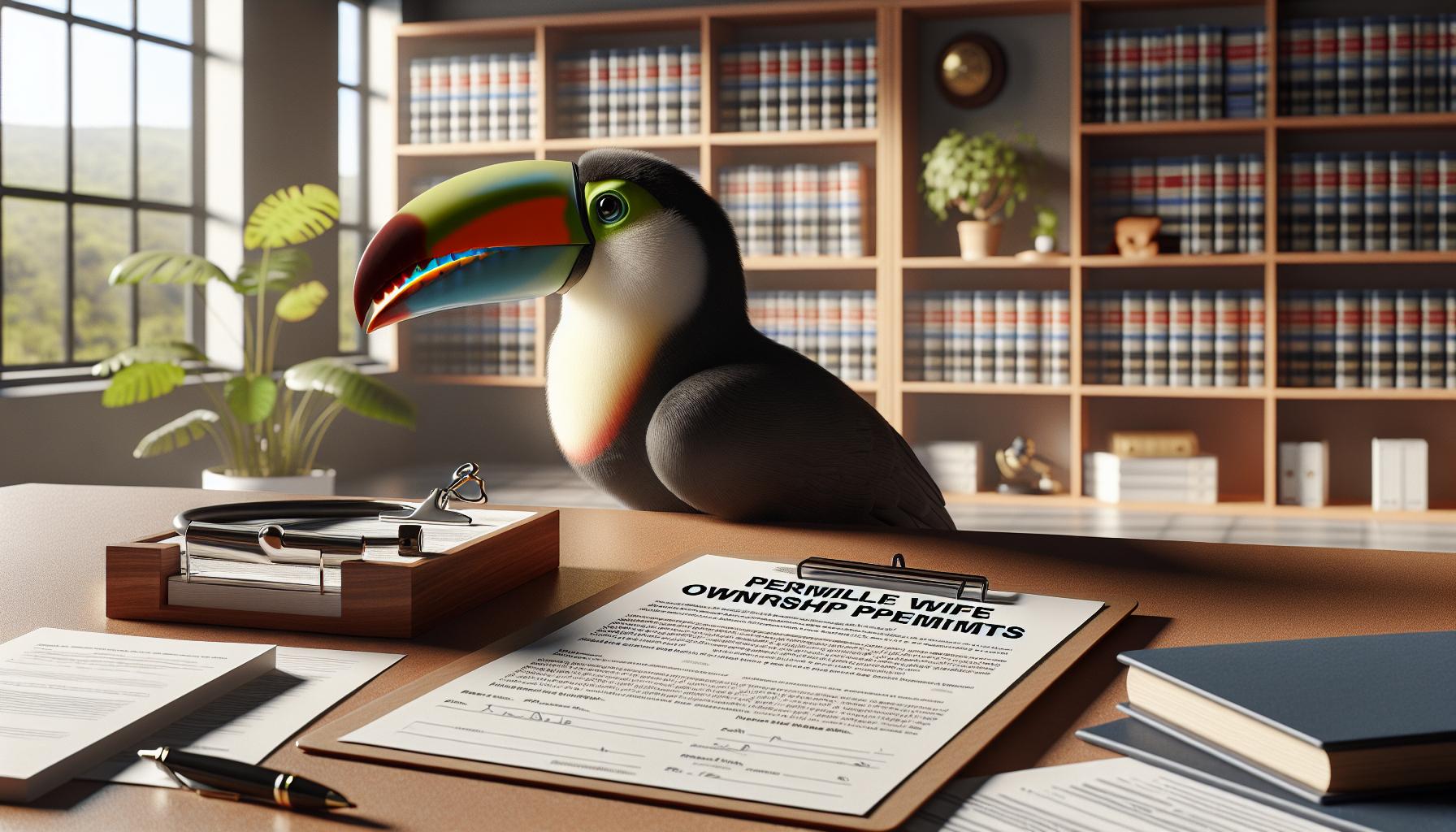
Essential Care Requirements for Toucans
Caring for a toucan is not just about providing food and shelter; it is a multifaceted commitment that requires attention to their unique physical and psychological needs. These vibrant birds are known for their striking beaks and lively personalities, but they also require specific care to thrive in a domestic environment. With the right preparation, you can ensure that your toucan enjoys a happy and healthy life.
To start, you should choose an appropriate habitat for your toucan. They require spacious enclosures, as these birds are naturally active and social. A minimum cage size of 6′ x 4′ x 4′ is recommended, with plenty of horizontal space to allow for flying and climbing. Enrich their living area with natural wood perches, branches, and toys that encourage exercise and stimulate their inquisitive nature. Avoid using plastic perches, as they can be harmful to their feet. Additionally, ensure the cage is secure to prevent any escape, given their curious and explorative behavior.
Dietary Needs: What Do Toucans Eat?
Feeding your toucan a balanced diet is crucial for its health. In the wild, toucans primarily consume a variety of fruits, insects, and small animals. In captivity, you should mimic this diet as closely as possible. A staple of their diet should be fresh fruits, particularly those that are soft and high in moist content, such as bananas, berries, and papayas. You can supplement their diet with specially formulated toucan pellets or a mix of chopped vegetables and cooked beans. It’s important to note that avocados and chocolate are toxic to birds, so they must be kept out of reach at all times. Moreover, fresh, clean water should always be available for your toucan to stay hydrated.
Common Health Issues in Toucans and Their Prevention
Understanding common health challenges is key to successful toucan care. Toucans are prone to obesity, so monitoring their weight and ensuring they get enough physical exercise is essential. Regular vet check-ups are important; avian veterinarians can provide routine health assessments and vaccinations. Keep an eye out for signs of distress or illness, such as changes in appetite, lethargy, or unusual droppings. These could indicate underlying health issues that should be addressed promptly.
With dedication and the right knowledge, toucan ownership can be a rewarding experience. Ensuring a proper environment, balanced diet, and regular health care will not only enhance your pet’s quality of life but also foster a deeply enriching relationship between you and your new feathered companion.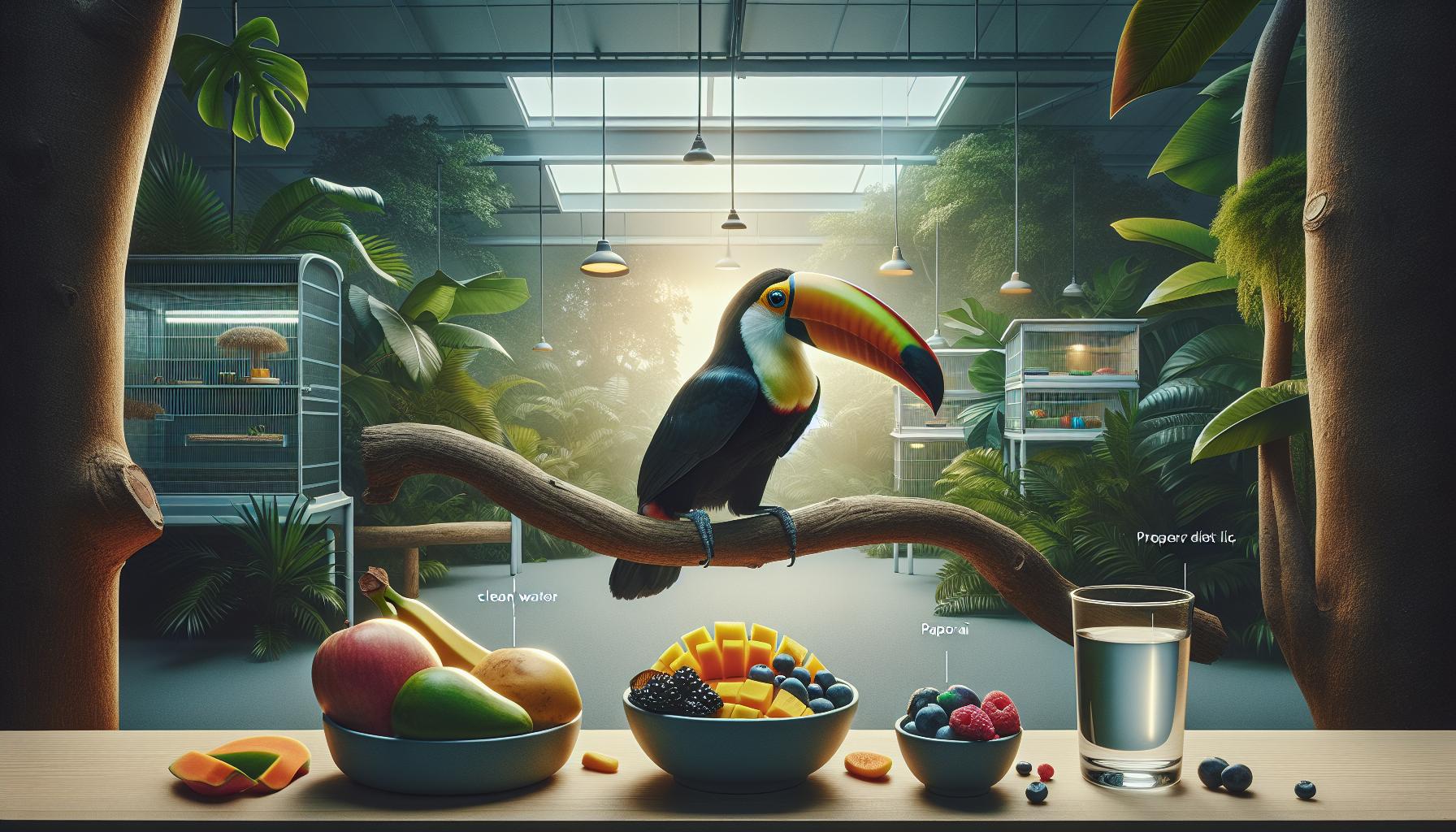
Dietary Needs: What Do Toucans Eat?
Feeding a toucan is an exciting venture that connects you to the natural world, reflecting their vibrant and diverse diet found in the wild. These colorful birds are not just visually stunning but also have unique nutritional needs that must be met for optimal health. Toucans are primarily frugivorous, meaning their diet mainly consists of fruits, with a preference for soft, juicy varieties. However, introducing a balanced diet that mimics their natural intake is crucial for their well-being in captivity.
To ensure your toucan thrives, focus on providing a variety of fresh fruits such as bananas, berries, mangoes, and papayas. Toucans also benefit from insects and small animal protein, which are essential in their wild diet. You can supplement their fruit intake with specially formulated toucan pellets, a specific mix designed to provide complete nutrition. Additionally, incorporating chopped vegetables and cooked beans into their meals can help maintain a balanced diet.
It’s crucial to be cautious about what you include in your toucan’s diet, as some common foods can be toxic to them. Avocados, for instance, are highly toxic, as are chocolate and caffeine, so be vigilant about keeping these items out of their reach. Always provide clean, fresh water to keep them hydrated, as proper hydration supports their digestion and overall health.
Creating a feeding routine not only enhances your toucan’s nutrition but also enriches their environment. Toucans are intelligent birds, and offering food in various forms-like whole fruits, sliced fruits, or hidden treats within foraging toys-can stimulate their natural foraging instincts. This engagement is vital to their psychological well-being, making feeding time an excellent opportunity for interaction and bonding with your feathered friend.
Creating a Suitable Habitat for Toucans
Creating a suitable habitat for your toucan is crucial for its well-being and happiness. These beautiful birds thrive in environments that mimic their natural habitat as closely as possible. Toucans are found in the canopy of tropical rainforests, so providing them with a spacious and enriched living space is essential. A large aviary or birdcage, ideally measuring at least 4 feet high and 6 feet wide, is recommended. This space allows them to move about freely, stretch their wings, and engage in natural behaviors, such as climbing and foraging.
To enhance their habitat, consider adding branches of varying diameters for climbing and perching. Toucans enjoy exploring their surroundings, so include a variety of perches at different heights and angles. Adding leafy plants, safe for birds, can simulate the lush environment they would experience in the wild. Ensure that any plants you include are non-toxic and sturdy enough to support their activity. The use of enrichment toys is also important; such items stimulate their curiosity and provide mental exercise. Foraging toys that allow them to uncover treats or hidden food help keep your toucan mentally engaged and can alleviate boredom.
Environmental Considerations
Maintaining the right temperature and humidity levels is another vital aspect of creating an ideal habitat. Toucans thrive in warm, humid environments, so aim for a temperature range of 70-80°F (21-27°C). A humidifier can be beneficial to achieve the necessary humidity levels, especially in drier climates. Regular monitoring ensures conditions remain optimal, supporting their health and comfort.
Moreover, treatment of the living area is essential. Frequent cleaning of the cage or aviary is necessary to prevent the buildup of waste and bacteria. Use bird-safe cleaning products to disinfect the space regularly, ensuring a healthy environment for your toucan. By providing a thoughtfully designed habitat that reflects their natural environment, you create a loving and enriching space that allows your toucan to thrive, showcasing their unique personality and vibrant behavior.
Behavioral Traits and Socialization of Toucans
Toucans are fascinating birds known for their vibrant beaks and curious personalities. Understanding their behavioral traits and socialization needs is crucial for anyone considering adopting one of these tropical beauties. Toucans are inherently social creatures, often found in small flocks in the wild. This social nature means they thrive on interaction, both with humans and other birds. In captivity, providing ample social engagement is essential to their well-being and mental health. If they feel lonely or bored, they can develop behavioral issues such as feather plucking or excessive vocalization.
To adequately socialize a toucan, frequent interaction is necessary. Daily handling and playtime can help them become accustomed to your presence, fostering a bond that enhances their overall happiness. It’s also beneficial to introduce them to a routine, as this can create a sense of stability. When interacting with your toucan, be sure to use gentle movements and soothing tones to build trust. Additionally, consider pairing them with a companion bird, as long as both birds are compatible species and properly introduced, which can fulfill their need for companionship.
Vocalization and Communication
Toucans are known to be quite vocal, using a range of sounds to communicate with one another. In domestic settings, they will often mimic sounds they hear frequently. Encouraging vocalization can be a delightful part of your relationship with your toucan. Providing different sounds through toys or recordings can stimulate their natural curiosity and lead to entertaining interactions. However, it’s essential to be mindful of their noise levels, as their calls can be loud, and some neighbors may not appreciate a cheerful toucan call at dawn!
Behavioral Enrichment
To keep your toucan engaged, incorporate a variety of enrichment activities into their daily routine. This can include puzzle toys, foraging opportunities, and safe materials for shredding and exploration. Even simple activities, such as hiding treats in different areas of their habitat or rotating toys regularly, can keep their environment stimulating. Toucans are highly intelligent and will flourish when given challenges that cater to their natural instincts to forage and explore.
In summary, embracing a toucan into your home is an enriching experience that requires understanding their unique behavioral traits. By fostering social interactions and providing a stimulating environment, you’ll create a fulfilling life for your toucan, allowing their vibrant personality to shine.
Comparing Different Toucan Species for Pets
When considering the world of pet toucans, it’s essential to recognize that not all toucans are created equal. Each species brings a unique set of characteristics, care requirements, and personalities to the table, making it critical to choose the right one that aligns with your lifestyle and experience level. One of the most popular species among bird enthusiasts is the Toco Toucan (Ramphastos toco), known for its iconic and vibrant orange bill. These birds are not only stunning but also quite social, requiring plenty of interaction and stimulation. Their playful nature makes them ideal for experienced bird owners who can provide the necessary environment and engagement.
Conversely, the smaller Channel-billed Toucan (Ramphastos vitellinus) presents a compelling option for those seeking a slightly less demanding pet. While they still require attention and interaction, they may be easier to manage in terms of space and care compared to their larger cousins. Their charming and inquisitive behavior can be equally rewarding, making them suitable for both novice and seasoned bird keepers. Understanding the differences in size, temperament, and social needs can significantly influence your decision on which species suits your home.
Moreover, prospective toucan owners should consider factors like lifespan and dietary needs, as some species have more specific requirements than others. For example, the Keel-billed Toucan (Ramphastos sulfuratus) not only captivates with its colorful bill but also needs a specialized diet rich in fruits, vegetables, and proteins. Neglecting their dietary needs can lead to serious health issues. Additionally, the social nature of toucans means they thrive on companionship, so you might find that investing in a pair could enrich their lives significantly-but this requires additional commitment regarding space and resources.
In summary, choosing the right species of toucan involves examining not just their physical allure but also their behavioral and dietary needs. Potential owners should weigh their ability to meet these needs against their personal lifestyle, as each toucan species offers a different experience. Whether you’re drawn to the lively Toco Toucan or the playful Channel-billed Toucan*, understanding the unique traits of each will pave the way for a fulfilling relationship with your new feathered friend.
Cost Breakdown of Owning a Toucan
Owning a toucan can be a thrilling experience, but it’s essential to understand the financial commitment involved in bringing one of these vibrant birds into your home. The cost of owning a toucan extends beyond the initial price of the bird itself; it also encompasses ongoing expenses related to care, habitat, and nutrition that can accumulate significantly over time.
The price of a toucan can vary depending on the species and the breeder you choose. On average, expect to pay anywhere from $1,000 to $10,000. Rare species like the Toco Toucan may be on the higher end of that spectrum. In addition to the purchase price, consider these long-term costs:
Initial Setup Costs
- Habitat & Enclosure: A large, secure cage is necessary to accommodate a toucan’s active nature. High-quality enclosures can cost $500 to $1,500 depending on size and materials.
- Accessories: Food dishes, water bottles, perches, and toys can add another $100 to $300 to your startup costs.
Monthly Expenses
- Diet and Nutrition: Toucans require a specialized diet rich in fruit, vegetables, and sometimes specific pellets or protein sources. Monthly food costs can range from $30 to $100.
- Veterinary Care: Routine check-ups and vaccinations are crucial. Annual veterinary expenses can go up to $300 or more, with additional costs for treatments in case of illness or injury.
Miscellaneous Expenses
- Insurance: Some owners choose pet insurance, which varies in cost, typically ranging from $15 to $50 per month.
- Enrichment and Training Supplies: Ongoing investment in toys and training resources can add another $25 to $100 monthly, as these are essential for your toucan’s mental health.
In total, potential toucan owners can expect an annual budget of $1,500 to $3,000 after the initial investment. It’s a significant commitment, but for many bird lovers, the joy and companionship toucans provide are well worth the cost. By planning ahead and budgeting appropriately, you can ensure a happy, healthy, and enriching life for your new feathered friend.
Common Health Issues in Toucans and Their Prevention
Toucans, with their vibrant colors and distinctive beaks, are not just visually captivating; they also come with their own set of health challenges. Understanding these common health issues can significantly enhance the quality of life for your pet toucan. One of the most prevalent concerns is obesity, often resulting from an inadequate diet or lack of exercise. Toucans are naturally active birds, and their enclosures should be spacious enough to allow for frequent movement. To combat obesity, provide a balanced diet and ensure they have plenty of opportunities for physical activity.
Another serious issue is psittacosis, a bacterial infection that can be transmitted to both birds and humans. Symptoms to watch for in your toucan include lethargy, nasal discharge, and difficulty breathing. Regular veterinary check-ups are essential for early detection and treatment of such diseases. It’s crucial to maintain a clean living environment and monitor your bird closely for any changes in behavior or health.
Toucans can also suffer from vitamin deficiencies, particularly vitamin A, due to an improper diet. This deficiency can lead to respiratory issues and skin problems. To prevent this, offer a varied diet rich in fruits and vegetables, ensuring your toucan receives all necessary nutrients. Incorporating foods high in beta-carotene, such as carrots and sweet potatoes, can help maintain their health.
Lastly, be mindful of feather plucking, which can stem from stress, boredom, or health issues. Provide mental stimulation through toys, social interaction, and regular playtime outside the cage. A well-rounded environment drastically reduces the likelihood of behavioral problems.
By staying informed and proactive, you can prevent or mitigate health issues in your toucan, leading to a happy and vibrant life filled with interaction and joy.
Tips for Training Your Toucan Effectively
Training a toucan can be one of the most rewarding experiences for any bird enthusiast. These highly intelligent and social creatures thrive on interaction, making them capable of learning various tricks and behaviors. However, effective training relies heavily on understanding their unique traits and needs. Creating a positive environment is essential; toucans can be sensitive to stress, so training sessions should always feel safe and enjoyable.
To start, establish a routine that incorporates short, frequent training sessions. Toucans have relatively short attention spans, so aim for 5 to 10 minutes per training session several times a day. Use positive reinforcement techniques, such as treats or verbal praise, to encourage desired behaviors. For instance, if you’re teaching your toucan to step up onto your hand, hold out a treat and gently tap your finger against their belly once they show interest. Consistency is key; rewarding them every time they complete the action reinforces learning.
Socialization and Bonding
Socialization is a crucial aspect of training. Engage in interactive play, allowing your toucan to become accustomed to your presence and voice. Encourage exploration and curiosity by providing safe toys, such as foraging puzzles or bells. Toucans enjoy puzzles that stimulate their natural instinct to forage for food. This activity not only fosters a strong bond between you and your bird but also encourages mental stimulation, keeping them happy and healthy.
Common Commands
As your toucan becomes more comfortable, you can introduce basic commands such as “come” or “stay.” Use a consistent command paired with a hand signal to help reinforce the behavior you’re trying to teach. For example, use a steady tone when you say “come,” and when they approach, reward them instantly. Establishing a command early on helps create a structured learning environment, allowing your toucan to understand what is expected.
Remember, patience is essential in training-a toucan’s learning style may not mirror that of other birds. Celebrate their progress, no matter how small, and avoid any negative reinforcement. By fostering a trusting relationship through patience and love, you will build a fulfilling partnership with your toucan that lasts a lifetime.
Frequently Asked Questions
Q: Where can I legally buy a toucan?
A: You can legally buy a toucan from licensed breeders and exotic pet stores. Always check local regulations, as some areas may require permits. Look for breeders who prioritize the health and well-being of their birds. For more details, refer to the section on “Finding Reputable Breeders for Toucans.”
Q: What documents do I need to buy a toucan?
A: To buy a toucan legally, you may need permits depending on your location. Typically, you should prepare documentation proving the bird’s legal ownership and health certification from the breeder. Check local wildlife laws to ensure compliance.
Q: Are there any specific laws regarding owning a toucan in my state?
A: Yes, laws vary significantly by state and even by city. It’s crucial to research local wildlife legislation, as some states have restrictions on exotic pets. Refer to the section discussing “Permits and Regulations for Toucan Ownership” in our article for guidance.
Q: Can toucans be sold as pets in any country?
A: Toucans can be legally sold as pets in many countries, but regulations differ. Some countries may have restrictions on the types of toucans allowed for private ownership. Always verify the legal status in your country before considering a purchase.
Q: What should I consider before buying a toucan?
A: Before buying a toucan, consider factors like their dietary needs, habitat requirements, and social nature. Toucans require specific care and a commitment to their needs. Check the “Factors to Consider Before Purchasing a Toucan” section for more insights.
Q: How much do toucans typically cost?
A: The cost of a toucan can vary widely based on species and breeder. Prices usually range from $500 to $2,500. Check the “Cost Breakdown of Owning a Toucan” section for detailed pricing information, including ongoing expenses like food and habitat setup.
Q: Is it difficult to care for a toucan?
A: Caring for a toucan can be challenging due to their specialized dietary and habitat needs. They require a diverse diet and adequate space for flying. Refer to the sections on “Essential Care Requirements for Toucans” and “Dietary Needs: What Do Toucans Eat?” for detailed guidance.
Q: What are common health issues in pet toucans?
A: Common health issues in pet toucans include respiratory problems and nutritional deficiencies. Regular veterinary check-ups and a balanced diet can help prevent these issues. Check the section on “Common Health Issues in Toucans and Their Prevention” for more details.
Final Thoughts
Now that you know where and how to legally buy a toucan, it’s time to take the next step towards inviting this vibrant bird into your life! Remember, owning a toucan is not just about the purchase; it’s about understanding their unique needs and ensuring a suitable environment for them to thrive. If you have any lingering questions or concerns, don’t hesitate to explore our comprehensive guides on toucan care and bird ownership tips.
For those ready to dive deeper, check out our articles on “Bird-Friendly Home Setup” and “Nutritional Needs of Exotic Birds” to ensure you’re fully prepared. We encourage you to share your thoughts in the comments; we love hearing from fellow bird enthusiasts! Don’t forget to subscribe to our newsletter for the latest updates and resources on toucans and other exotic birds. Your journey to becoming a toucan owner starts now-take action today and embrace the joy of these extraordinary creatures!
Get our latest guides, news, and insights highlighted in your Google Search & AI Overviews.