Have you ever wondered why the phrase “the birds and the bees” is commonly used to discuss the topic of reproduction? This idiom has deep cultural roots and serves as a gentle springboard into the complexities of explaining where babies come from. By exploring the origins and significance of this phrase, we not only gain insight into societal attitudes towards sexuality and biology but also understand its role in shaping conversations between parents and children. Whether you’re a curious learner, a parent needing to navigate these discussions, or simply interested in linguistics, this exploration invites you to uncover how such a simple metaphor carries immense weight. Join us as we delve into the captivating history and meaning behind “the birds and the bees,” encouraging a more thoughtful understanding of life’s beginnings.
Understanding the Origin of “The Birds and the Bees
The term often used to initiate conversations about sexuality and reproduction, “the birds and the bees,” has a rich and somewhat ambiguous origin. At its core, this phrase serves as a comforting metaphor, linking the natural world to the often awkward discussions parents have with their children about how life begins. The reason birds and bees are chosen is likely due to their roles in reproduction: birds lay eggs, and bees are known for pollinating flowers, facilitating the growth of new plants. This allegory simplifies complex biological processes into a more relatable and less intimidating framework for children.
Historically, the expression can be traced back to various literary sources, with some of its earliest appearances linked to the poetic references of nature made by authors like Samuel Taylor Coleridge. In his poem “The Garden of Love,” he alluded to both birds and bees as symbols of natural life, possibly suggesting that they were representative of love, mating, and the continuity of life itself. Over time, this imagery has evolved into a euphemistic phrase that receives wide usage in discussions about sex education. As parents explain the birds and the bees, they draw upon these familiar creatures to demystify the biological processes of reproduction, making them less daunting for young minds.
This simplification through nature offers a valuable perspective; it indicates that reproduction is a natural and essential part of life, not something to be ashamed of or feared. By framing the conversation in terms of common animals and their behaviors, the phrase normalizes these discussions, allowing parents to approach a sensitive subject with warmth and accessibility. The charm and innocence of the birds and bees serve as a gentle introduction to the realities of human sexuality, positioning these conversations as a rite of passage rather than a taboo topic.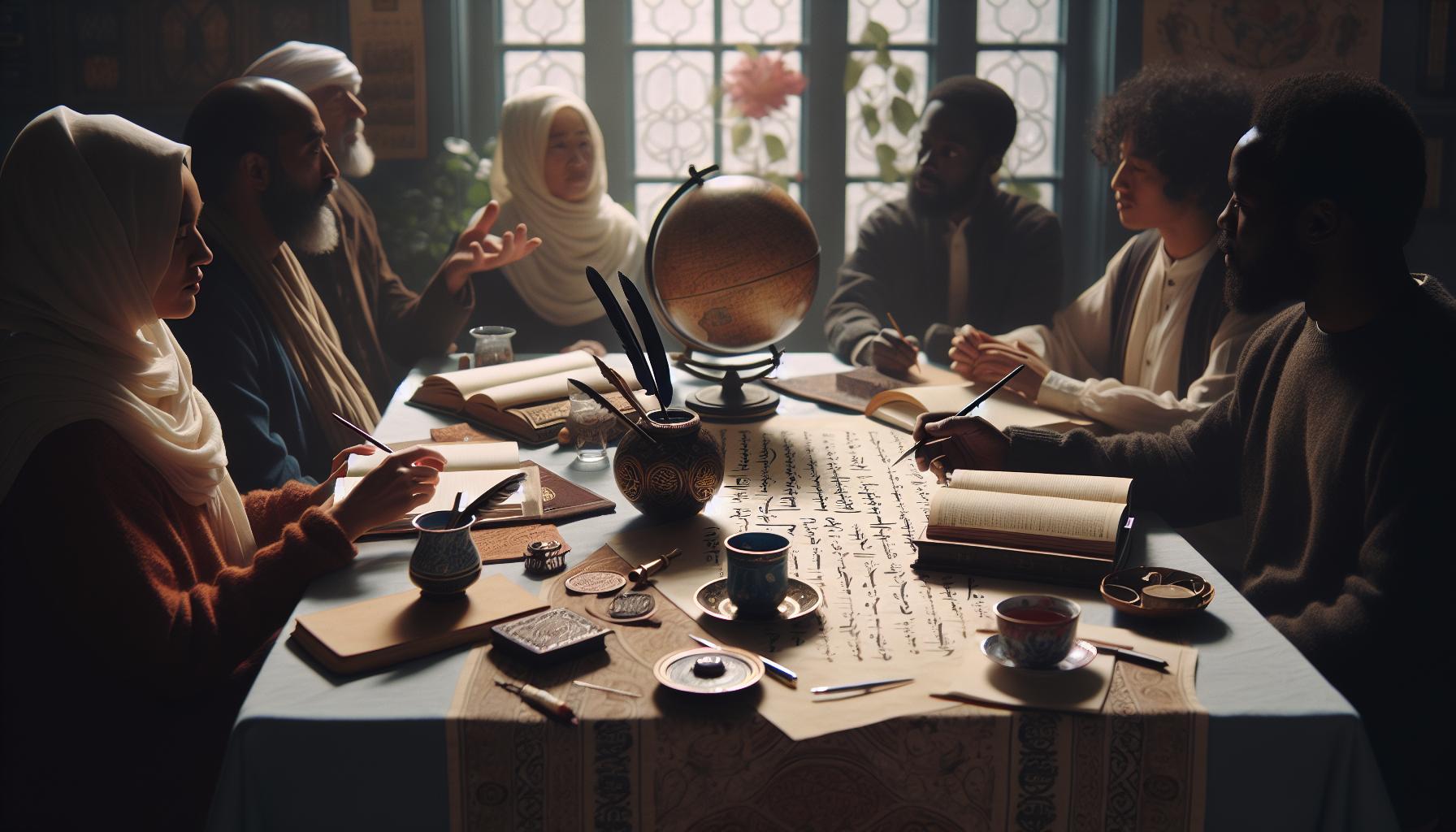
Exploring the Cultural Significance of This Phrase
The phrase has become a staple in discussions about sex education, often breaking the ice during what can be an awkward conversation between parents and children. Its cultural significance lies in its ability to provide a gentle entry point into the often-taboo topic of reproduction, cloaking complex biological processes in the whimsical language of nature. By referencing common creatures like birds and bees, parents can approach the topic in a familiar, relatable manner, helping to demystify sexuality for young minds.
The imagery invoked by this phrase evokes a sense of innocence and wonder, making it less intimidating for children. Birds are often associated with freedom and life, while bees symbolize industriousness and the importance of pollination in maintaining ecosystems. Together, they create a vivid picture that underlines the beauty of life cycles, allowing children to grasp the concepts of reproduction and growth without fear or shame. In this way, the phrase acts not only as a tool for education but also as a means of fostering an appreciation for the natural world.
Culturally, “the birds and the bees” also reflects societal attitudes towards sexuality over time. As current attitudes shift towards more open discussions about sexual education, the phrase can signify both a traditional sentimental view of these conversations and a bridge to modern, more candid dialogues about human relationships and reproductive health. By using a metaphor that draws from nature, parents can encourage curiosity and questions, creating an environment where children feel safe to explore these important topics without judgment.
Ultimately, the phrase serves as a reminder that discussions about sexuality need not be shrouded in embarrassment. Instead, they can be part of a broader conversation about love, respect, and the natural processes that connect us all. By grounding these discussions in the familiar language of the birds and the bees, we empower the next generation to embrace their curiosities and approach these themes with understanding and openness.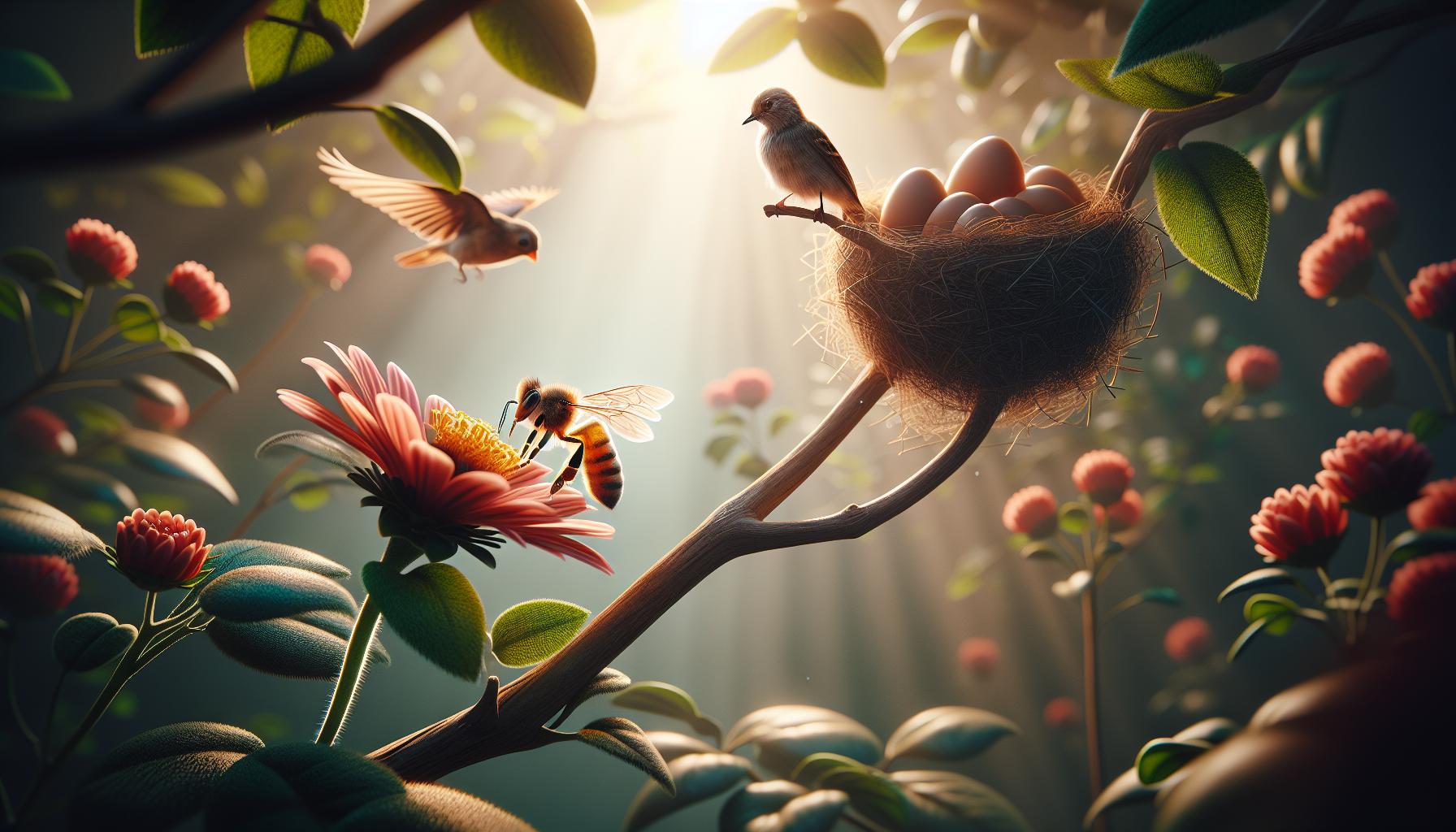
How “The Birds and the Bees” Explains Reproduction
Understanding the natural processes of reproduction can often seem complicated, but the metaphor of “the birds and the bees” offers a gentle and relatable entry point for discussions about these fundamental aspects of life. Just as birds and bees serve crucial roles in the ecosystem, they also help simplify the concept of human reproduction for young minds. The imagery invoked by these creatures not only makes the topic more approachable, but it also aligns with the broader themes of life’s cycles and connections.
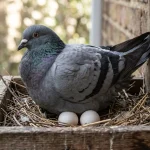
At its core, birds symbolize freedom, nurturing, and the continuation of life. The act of birds laying eggs parallels the female reproductive process, representing creation and the potential for new life. In this way, discussing birds can help children understand the biological aspect of female ovulation in a non-threatening manner. For example, when a parent explains how birds build nests and care for their eggs, they can draw a connection to the nurturing element of pregnancy and parenting in humans, reinforcing the message that life beginning is a natural and beautiful process.
Bees contribute a different perspective, illustrating the importance of pollination, which is essential for plants to produce fruits and vegetables. This not only reflects male fertilization but also introduces the concept of partnership in reproduction. Just as bees work tirelessly to transfer pollen between flowers, emphasizing teamwork and collaboration, so too do humans rely on relationships and partnerships in parenting. This analogy can open up conversations about respect, consent, and the importance of mutual care in relationships, vital components for children to grasp as they grow.
By using the relatable terms “birds and bees,” parents can demystify reproduction within the broader context of life and nature. It invites curiosity and thoughtful questions, allowing children to explore these important topics at their own pace. Ultimately, this approach not only conveys essential biological facts but also fosters an appreciation for the interconnectedness of life, encouraging a sense of responsibility and respect for all living beings.
Historical Context: Origins of the Expression
The phrase that links birds and bees to the topic of reproduction has a rich historical context that dates back to the early 20th century. While the exact origin of the expression is uncertain, it is thought to be influenced by the roles these creatures play in the natural world and their symbolic association with life and fertility. For instance, the act of birds nesting and laying eggs serves as a metaphor for the human reproductive process, while bees are crucial for pollination, supporting the growth of plants that produce fruits and seeds. This natural imagery provides a familiar framework for discussing the complexities of human reproduction, making the topic less intimidating for young minds.
The cultural significance of birds and bees can be traced through various literary and educational references. Notably, the phrase gained popularity in the 1920s within children’s literature and advice texts aimed at parents. It was used as a gentle euphemism to facilitate conversations about reproduction without delving into explicit details. The innocence associated with birds and bees made them ideal symbols for such discussions, allowing parents to communicate important life lessons while maintaining a sense of comfort and safety.
Throughout the decades, this metaphor has been embraced in diverse contexts, from songs and poetry to movies and television shows. Each usage reinforces the connection between nature and human experience, highlighting how deeply interwoven our lives are with the natural world. By understanding the historical roots of this phrase, we can appreciate its continued relevance in conversations about reproduction and relationships, acknowledging the timeless wisdom that nature imparts about life’s cycles.
In conclusion, the expression “the birds and the bees” has evolved into a culturally recognized metaphor that stands the test of time. It not only simplifies the complex topic of reproduction but also fosters a connection to nature, inviting curiosity and learning in a nurturing way.
The Role of Nature in Sexual Education
The intricate dance of nature is a captivating lens through which to understand the basics of reproduction. In discussing the concept of “the birds and the bees,” we naturally draw on the beauty and cycles of the natural world, providing a relatable context for young minds. Nature serves as a masterful teacher, illustrating the processes of life in ways that are both simple and profound. For instance, the nurturing behaviors of birds caring for their young or the role of bees in pollinating plants not only represent biological principles but also embody themes of love, partnership, and responsibility.
Using nature as a framework for sexual education allows parents to communicate complex ideas in a familiar and accessible manner. By highlighting the reproductive habits of various animals, parents can introduce children to concepts such as mating, gestation, and nurturing. This natural imagery not only softens the initial shock of these discussions but also reassures children about the normalcy and beauty of life’s cyclical nature. For example, explaining the process of a flower blooming or an egg hatching can parallel human experiences, bridging the gap between biological fact and emotional understanding.
Moreover, the use of nature as a teaching tool encourages curiosity and questions. When children observe how animals interact and reproduce, they often become more engaged and eager to learn. Introducing books or videos featuring wildlife can spark conversations about reproduction and growth in a comfortable setting, nurturing a positive mindset. As these discussions unfold, it becomes clear that nature fosters a deeper understanding of oneself and the connectedness of life, reinforcing valuable lessons about empathy and care.
In essence, leveraging nature’s lessons in sexual education not only demystifies the topic of reproduction but also enhances appreciation for the interconnectedness of all living beings. By fostering these conversations through the lens of the natural world, parents can equip their children with knowledge, confidence, and respect for life’s fundamental processes.
How Parents Use “The Birds and the Bees” in Conversations
Conversations centered around “the birds and the bees” can often feel daunting for parents. However, these discussions serve as essential gateways for teaching children about reproduction, relationships, and the natural world. By using the imagery of birds and bees, parents can create a more relaxed atmosphere for explaining the fundamental principles of life, fostering both understanding and curiosity in young minds.
When initiating these conversations, many parents find it helpful to weave in real-life examples from nature that can anchor the discussion. For instance, narrating the life cycle of a bird-from mating to nesting to the nurturing of chicks-can effectively illustrate critical concepts in a relatable way. Parents might say, “Just like how birds build nests and care for their young, human relationships also involve nurturing and love.” This connection not only clarifies the topic but also reinforces the idea that these processes are natural and part of life’s tapestry.
Moreover, parents can employ creative tactics, such as storytelling or using children’s books that feature animals and their life cycles. These tools allow for an exploration of the subject without the overwhelm that might come from a direct conversation about human reproduction. For many parents, introducing materials that cover the topic in a gentle manner can lead to thoughtful discussions that unfold organically. Humor can also help lighten the mood; sharing funny stories about the quirks of animal courtship or amusing anecdotes about bees can make the subject more engaging.
In essence, using the allegory of “the birds and the bees” opens up pathways for deeper conversations about love, respect, and growth. This approach not only educates but also strengthens the parent-child bond by sharing knowledge in a thoughtful, approachable way. The goal is to foster an environment where questions are welcomed and answered honestly, ensuring children feel comfortable discussing their curiosities and understanding their world in an informed, respectful manner.
Common Misunderstandings About the Allegory
Misunderstandings about the expression “the birds and the bees” often stem from its metaphorical nature, which can oversimplify complex topics related to reproduction and sexuality. One common belief is that the phrase exclusively pertains to the mechanics of sex, implying a straightforward biological process. However, this interpretation overlooks the broader themes of love, relationships, and emotional connections that are vital in human experiences. The allegory uses birds and bees not just to convey biological concepts, but also to introduce the idea of nurturing relationships and the lifecycle that involves care and responsibility, much like how these animals interact in their environments.
Another misconception is that this phrase is universally understood across all cultures and age groups. While many people in Western societies may readily grasp the reference, its meaning may be less clear for others. In some cultures, the metaphor may not resonate at all, leading to confusion or misinterpretation. Additionally, as young children might not yet fully comprehend the complexities of relationships and sexuality, they might confuse the playful imagery with literal interpretations, focusing solely on the birds and bees themselves, rather than the intended lessons about human relationships.
Moreover, some people might assume that the conversation around “the birds and the bees” should happen at a specific age or in a particular manner. This can set unrealistic expectations for parents, leading them to think they must deliver a comprehensive sex education talk at once. In reality, these discussions can-and should-be ongoing and tailored to the child’s developmental stage and unique temperament. Engaging children in natural conversations as they ask questions helps alleviate pressure and fosters an open environment for exploring their curiosities.
Lastly, there is a tendency to view the term as a relic of outdated notions about sex education, believing it lacks relevance in modern discussions about relationships and sexual orientation. However, this phrase can still be a valuable starting point; it simply needs to evolve alongside advances in education about consent, inclusivity, and emotional intelligence. By embracing the foundational aspects of “the birds and the bees” while incorporating these contemporary perspectives, we can ensure that children receive a well-rounded understanding of the complexities of human relationships and sexuality.
Broader Implications: Nature and Nurture in Life Lessons
The interplay between nature and nurture is not just a philosophical debate; it manifests vividly in the lessons conveyed by the phrase involving the birds and the bees. This expression serves as a critical framework for understanding the dynamics of both biological instincts and the nurtured relationships that foster emotional growth. In nature, birds and bees represent a cycle of life that revolves around reproduction, but they also illustrate the importance of care, community, and the responsibilities that come with creating new life.
When we observe birds building nests or bees developing hives, we witness innate behaviors that are instinctual yet also teach us profound lessons about nurturing. Birds meticulously gather materials to create safe environments for their young, showcasing how foundational structures support growth. Similarly, bees exhibit cooperative behaviors that highlight the significance of working together for the survival and well-being of the hive. These examples not only inform our understanding of reproduction but also draw parallels to how humans must balance instinctive impulses with learned behaviors to navigate relationships successfully.
For parents embarking on discussions about these topics, incorporating stories of wildlife can enrich conversations around love, responsibility, and respect. By relating these natural behaviors to human experiences, parents can provide a comprehensive overview that blends the biological with the emotional. Explaining how birds mate and nurture their offspring can lead to deeper discussions on commitment and care, while the social structure of a bee colony can spark dialogues about teamwork, empathy, and the diverse roles individuals play in society.
Ultimately, the lessons of nature, as embodied in the phrase about birds and bees, encompass far more than mere mechanistic views of reproduction. They remind us of the intertwined paths of instinct and upbringing, reinforcing the idea that while biology may set the stage for life, it is the nurturing that ensures its richness and depth. Thus, as we guide the next generation through their understanding of relationships, reflecting on these natural alliances can provide a valuable foundation for healthy emotional development.
Variations of the Phrase Across Cultures
In different cultures around the world, the expression involving “the birds and the bees” takes on various forms, each reflecting unique societal norms and educational philosophies surrounding reproduction and relationships. While the phrase often serves as a euphemism to discuss sex and procreation in English-speaking contexts, similar expressions exist that translate these ideas into local beliefs and values.
For instance, in Spanish-speaking countries, a common analogy used is “el pato y la pata,” which translates to “the duck and the female duck.” This phrase conveys the basics of mating and is often used in conversations with children about where babies come from, emphasizing simplicity and clarity in communication. In contrast, some indigenous cultures may refer to natural cycles, using elements such as seasons or plants to illustrate the principles of reproduction and renewal, framing the conversation within a broader ecological context.
Furthermore, in some Asian cultures, parents might opt for more indirect methods, referring to natural elements like flowers and bees but focusing on the nurturing aspect. For example, in Japan, the phrase “花と蜜蜂” (hana to mithubee), meaning “flowers and honeybees,” is often employed to symbolize the natural relationship of attraction and mutual benefit rather than explicitly addressing procreation. This approach reflects a cultural tendency to discuss topics of intimacy and reproduction in a more subtle, poetic manner, allowing space for interpretation and drawing on the beauty of nature.
Overall, these variations signify more than just linguistic differences; they highlight each culture’s approach to discussing life’s fundamental processes. By understanding these alternatives, parents and educators can appreciate the rich tapestry of metaphors available to guide conversations about reproduction in ways that resonate with their cultural values, fostering an environment where knowledge and understanding flourish. Engaging with these diverse perspectives can make the “birds and the bees” talk a more relatable and meaningful experience for both adults and children.
The Impact of Media on Our Understanding
In our modern world, media plays a pivotal role in shaping perspectives, particularly when it comes to delicate subjects like reproduction and relationships. From children’s animated shows to educational documentaries, the portrayal of “the birds and the bees” not only informs but also influences how society perceives sexual education. Engaging visual narratives often simplify complex biological processes, making them more approachable for younger audiences. For example, carton series might depict animal mating rituals in fun, lighthearted ways, introducing concepts of reproduction without heavy discussions.
Moreover, media platforms-especially social media-serve as vital spaces for discussion and exploration. Young adults often turn to TikTok, Instagram, or YouTube for relatable content about love, sex, and parental guidance. Here, content creators share personal experiences and interpretations of the “birds and the bees” conversation, reflecting various cultural attitudes and societal norms. This democratization of information allows for diverse perspectives, leading to a richer understanding of intimacy beyond traditional frameworks.
However, with the accessibility of information comes the challenge of misinformation and oversimplification. While some media representations can be enlightening, others may perpetuate myths or unrealistic expectations. Parents and educators can benefit from being media literate, critically engaging with the content to discern what serves as a positive educational tool versus what can lead to confusion. By encouraging open dialogues and discussions around the media’s portrayal of reproduction, families can foster a more informed context for kids navigating these topics.
Ultimately, as media continues to evolve, it remains an essential part of how we understand and discuss “the birds and the bees.” By leveraging engaging content, fostering critical discussions, and embracing diverse contexts, we can ensure that foundational lessons about reproduction and relationships are both meaningful and accessible to all.
How to Approach the Birds and Bees Talk Today
Engaging in conversations about reproduction and relationships can feel daunting for many parents, but it doesn’t have to be. A great starting point is to familiarize children with natural phenomena that surround them, such as the behaviors of birds and bees. By using nature as your backdrop, you can present these discussions in a relatable and less intimidating way. For example, discussing how bees pollinate flowers can seamlessly transition into talking about fertilization and reproduction.
To make this talk more approachable, consider using open-ended questions that invite curiosity. Questions such as “What do you think happens when a bee visits a flower?” can lead to a discussion about life cycles, growth, and the basics of reproduction in a gentle manner. This approach not only helps to alleviate the pressure on both you and your child but also promotes an environment of learning and openness.
### Practical Tips for the Talk
- Timing is Everything: Choose a moment when both you and your child are relaxed, such as during a quiet evening or while engaging in another activity, like walking or cooking.
- Be Honest but Age-Appropriate: Tailor your information to fit your child’s developmental stage. Younger children might need a simple overview, while older kids can handle more complex discussions.
- Use Resources: Books and educational media can be excellent tools for framing the conversation. Look for resources that present factual information in a respectful and age-appropriate manner.
- Encourage Questions: Let your child know that it’s okay to ask anything, and answer their questions honestly. If you don’t know the answer, it’s alright to say so and find out together.
### Finding Natural Connections
Connecting these discussions to the wider world can also show children that these topics are natural parts of life. For instance, noticing the seasonal behaviors of birds, such as nesting or migration, can lead to discussions about growth, family, and nurturing. This not only helps ground the conversation in reality but also empowers children to understand that these topics span the animal kingdom, creating a richer context for their understanding.
By fostering an open dialogue rooted in both nature and daily life, you lay a solid foundation for your child’s understanding of reproduction and relationships. Embrace this opportunity to strengthen your bond through honest conversations, and remember, it’s about creating an ongoing dialogue rather than a one-time talk.
Frequently asked questions
Q: What does the phrase “the birds and the bees” symbolize?
A: The phrase “the birds and the bees” symbolically represents natural reproduction and the basics of sexual education. It serves as a gentle introduction for parents to explain concepts of love, nature, and procreation to children in an approachable manner, bridging the gap between innocence and knowledge.
Q: When did the term “the birds and the bees” first appear?
A: The expression “the birds and the bees” dates back to the early 20th century, with its origins linked to nature as a metaphor for explaining human reproduction. It combines elements of animal behavior with botanical reproduction, highlighting natural patterns that can help explain complex topics to children.
Q: Why do parents use “the birds and the bees” in conversations?
A: Parents often use the term “the birds and the bees” as a soft entry point into discussions about sex and reproduction. It allows them to address sensitive topics in a relatable way, fostering open communication while minimizing potential discomfort for both parents and children.
Q: How can “the birds and the bees” discussion vary culturally?
A: Cultural interpretations of “the birds and the bees” can differ significantly. Some cultures may focus more on the emotional aspects of relationships, while others might emphasize biological processes. This diversity reflects varying educational values and norms regarding sexuality and reproduction.
Q: What are common misconceptions about “the birds and the bees”?
A: A common misconception about “the birds and the bees” is that it only pertains to biological facts without addressing emotional components of relationships. Understanding the phrase includes recognizing its role in teaching respect, consent, and love alongside the mechanics of reproduction.
Q: How has media influenced the understanding of “the birds and the bees”?
A: Media influences our understanding of “the birds and the bees” by shaping societal narratives around sexuality and relationships. Movies, books, and TV shows often present these topics in ways that can reinforce or challenge traditional views, highlighting the importance of context in discussions about reproduction.
Q: What is the importance of a “birds and the bees” talk today?
A: The “birds and the bees” talk is crucial today as it establishes foundational knowledge about sexuality in an era filled with diverse information sources. It empowers children to understand their bodies, respect others, and foster healthy relationships by discussing consent, boundaries, and emotional wellbeing.
Q: How can I prepare for a “birds and the bees” conversation with my child?
A: Preparing for a “birds and the bees” conversation involves understanding the child’s maturity and readiness. Gather age-appropriate resources, anticipate questions, and create a safe space for dialogue. Engaging in ongoing conversations rather than a one-time talk fosters a comfortable environment for your child to learn and ask more questions.
Closing Remarks
Understanding why it’s called “the birds and the bees” enriches our appreciation of nature’s cycles and the lessons they impart. This charming phrase encapsulates essential life concepts, reminding us of the beautiful interplay between reproduction and growth. If you’re intrigued and want to explore more about the fascinating behaviors of birds, check out our guide on [Top Bird Facts for Beginners] and delve deeper into [The Role of Bees in Our Ecosystem].
Don’t miss out on additional resources that can enhance your understanding even further. Whether you want to learn about bird watching, gardening for pollinators, or simply gaining insights on nature’s wonders, there’s more to discover. Join our community by signing up for our newsletter to get expert tips and exciting updates directly to your inbox.
We invite you to share your thoughts in the comments below, or explore other engaging articles on our site. Your journey into the world of nature has just begun-let’s keep it going!
Get our latest guides, news, and insights highlighted in your Google Search & AI Overviews.