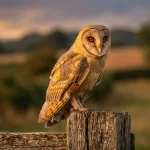
Did you know that white owls are often seen as powerful symbols of purity and transformation across various cultures? These majestic birds capture our imagination not just because of their ethereal beauty, but also due to their deep spiritual meanings. For many, encountering a white owl can signify moments of change or clarity, resonating with feelings of hope and new beginnings.
In this exploration of what a white owl symbolizes, we will delve into the rich tapestry of their meanings, from their cultural significance to their roles in folklore. Whether you’re seeking inspiration, understanding a personal experience, or simply curious about these fascinating creatures, this article will illuminate the transformative power associated with white owls. Join us as we uncover why these birds are so compelling and how their symbolism can resonate with your life’s journey.
What the White Owl Represents in Different Cultures
The appearance of a white owl often evokes awe, prompting us to explore its deeper significance across various cultures. Many indigenous and ancient societies view the white owl as a powerful symbol. In Native American traditions, the white owl is frequently associated with wisdom and prophecy, seen as a messenger between the material world and the spiritual realm. The Cherokee people, for instance, regard the white owl as a protective figure that guides souls to the afterlife, embodying both transformation and safety.
In other cultural contexts, the white owl symbolizes purity and clarity. In numerous European folklore tales, the bird is often linked to the goddess of wisdom, Athena, representing insight and illumination in times of darkness. This duality of transformation and purity allows the owl to take on various roles in stories-ranging from harbinger of death to a guide for the lost. As the owl flies silently through the night, it contrasts with the chaos of the world below, embodying an ethereal grace and clarity that many cultures admire.
In contrast, some cultures perceive the white owl as an omen, relating to impending change or significant life events. For instance, certain African communities believe that spotting a white owl before a major life transition can signify a profound shift or transformation. This highlights the bird’s role not just as a symbol of wisdom, but also as an indicator of the necessity to embrace change-a common thread in the symbolism of the white owl.
The white owl’s multifaceted representation across cultures reflects a universal fascination with its ethereal beauty and mysterious presence. It encompasses a rich tapestry of meanings and interpretations, resonating through traditions that appreciate its unique capacity to symbolize both purity and the transformative journey of life.
Understanding the Symbolism of White Owls

The fascination with white owls transcends cultures and time, making them iconic symbols of both purity and transformation. These majestic birds, often cloaked in a veil of mystery, have captivated human imagination and inspired countless tales, myths, and beliefs. Their striking appearance, with pristine white feathers contrasting the night sky, evokes a sense of serenity yet enigma, inviting us to explore what they represent on deeper levels.
In many cultures, the symbolism of white owls is intricately linked to wisdom and clarity. This is vividly illustrated in European folklore where they are associated with Athena, the goddess of wisdom. Owls, particularly white ones, are seen as harbingers of insight, guiding individuals through darkness and confusion. Their nocturnal nature adds to this mystique; as they navigate the night, they remind us that there is beauty and knowledge to be gained even in our darkest moments. When we learn to embrace the quiet presence of these magnificent birds, we open ourselves to the possibilities of transformation and the introspection that often accompanies significant life changes.
Moreover, the notion of purity is deeply rooted in the symbolism of white owls. Their striking plumage is often interpreted as representing physical and spiritual purity, a blank canvas upon which new experiences and insights can be painted. For many, spotting a white owl may signify a fresh start or a call to reflect on one’s own journey. This perspective is particularly resonant in indigenous cultures, where these creatures are viewed as protectors or guides, ushering souls through transition with grace and protection.
In , one must also consider the powerful transformation they represent. These birds embody the idea of metamorphosis-not just in the physical sense but in a broader spiritual context. They encourage us to embrace change, to let go of the past, and to allow new opportunities to unfold. This transformative aspect is as crucial as their association with purity, reminding us that personal growth often requires navigating through uncomfortable or uncharted territories. Whether encountered in dreams or in the wild, white owls resonate with anyone open to the potential for rebirth and renewal, making them a compelling symbol in our everyday lives.
The Connection Between White Owls and Purity

The stunning appearance of white owls captivates many, evoking feelings of purity and serenity. The symbolism of these extraordinary birds extends beyond their physical beauty, deeply intertwining with the concepts of clarity, renewal, and spiritual cleansing. In various cultures, the pure white feathers of owls are often seen as a representation of transcendence-a state of being that reflects harmony and balance within oneself. This connection to purity emphasizes the idea that white owls serve not only as physical beings in nature but also as potent symbols that resonate with our personal journeys.
Throughout history, different cultures have viewed white owls as signifiers of spiritual purity. For instance, in native traditions, white owls are seen as protectors of the soul, believed to facilitate the journey of spirits between realms. Their white plumage embodies a sense of new beginnings, offering a canvas for personal transformation. When one encounters a white owl, it may evoke feelings of mindfulness and introspection, encouraging individuals to cleanse their spirits of negativity and embrace their highest ideals. This association reinforces the belief that seeing a white owl can signify an invitation to reflect on one’s own path, fostering a deeper connection to oneself and the world around.
To bring this concept of purity into our own lives, consider how we can emulate the qualities of the white owl. Here are a few practical steps you can integrate into your daily routine:
- Mindfulness Practices: Engage in regular meditation or mindfulness exercises. Focus on breathing and visualizing purifying light, similar to the white hues of an owl, to cleanse your mind of clutter.
- Nature Connection: Spend time in natural settings where white owls may roam. Observing them in their habitat can inspire a deeper appreciation for the purity of nature and its ability to rejuvenate our spirits.
- Journaling: Write about your experiences and emotions. This reflection can help process negative thoughts and promote a sense of clarity, akin to the purity represented by white owls.
By embracing the qualities embodied by white owls-purity, introspection, and renewal-we can foster personal growth and transform our perspectives on life’s challenges. Whether through observing these magnificent creatures in the wild or integrating their symbolism into our lives, we are reminded of the beauty that emerges when we strive for clarity and spiritual wellness.
Transformation: White Owls as Spiritual Guides

The presence of a white owl can evoke profound feelings of transformation, serving as a spiritual guide in our lives. Many cultures associate these striking birds with the realms of intuition and the subconscious. When we encounter a white owl, it’s often interpreted as a signal for personal awakening or a call to delve deeper into our own spiritual journeys. Such sightings can inspire us to shed old layers and embrace change, facilitating a profound process of inner reflection and growth.
This deep connection to transformation stems from the owl’s ability to navigate the darkness of night, symbolizing the wisdom found in facing our fears and uncertainties. In various indigenous traditions, white owls are revered as protectors that help guide lost souls, signifying their role in navigating transitions between different states of being. This symbolism encourages us to recognize that transformation often requires us to confront our inner shadows to emerge stronger and more enlightened.
To harness the transformative energy of the white owl, consider integrating practices that heighten your awareness of your personal journey. Start by practicing stillness; quiet your mind through meditation or contemplation. Focus on what areas of your life require change and allow the clarity of your intentions to surface. Journaling can also be a powerful tool-document your thoughts and feelings about the transformations you are experiencing, creating a roadmap to understanding your evolution.
Moreover, surrounding yourself with nature and the tranquility it offers can amplify this transformative process. Spend time in habitats where white owls thrive; their presence in these serene environments can remind us of the beauty of transformation and the interconnectedness of all life. As you cultivate these practices, you may find that the symbolism of the white owl transcends mere observation, becoming an indispensable guide in the journey toward personal renewal and spiritual richness.
The Role of White Owls in Myths and Folklore

Throughout history, white owls have held a captivating place in the folklore and myths of various cultures, often embodying themes of purity, wisdom, and transformation. In many traditions, these striking birds are perceived as ethereal messengers-symbols bridging the earthly and spiritual realms. The image of a white owl can invoke feelings of mystery and intrigue, as they are often associated with the night and the unknown. Their silent flight and haunting calls add to their enigmatic presence, making them powerful symbols in storytelling.
In Native American mythology, the white owl is frequently seen as a prophetic figure. Various tribes recognize the owl’s ability to see what others cannot, representing insight into the future. For example, the Anishinaabe people regard the snowy owl as a sign of impending change, which can either be a harbinger of good fortune or a warning to heed carefully. Moreover, the owl’s association with the afterlife lends a protective quality, often guiding lost souls to their final resting place and ensuring their safe passage.
Similarly, in Celtic tradition, owls are viewed as guardians of wisdom and otherworldly knowledge. The white owl, with its ghostly appearance, is linked to the spirit world, often seen as a guide for those undergoing transformation or spiritual awakening. Folklore suggests that encountering a white owl could signify the unveiling of hidden truths, nudging individuals to confront their fears and embrace growth. This potent symbolism plays a significant role in the way these birds are revered, showcasing their importance in various narratives about personal evolution.
In addition to their mythical significance, white owls are often depicted in art and literature as beacons of inspiration, embodying purity and clarity. Their presence in stories and poems illustrates the universal craving for understanding and guidance during tumultuous times. Embracing the lessons of white owls encourages us to recognize the beauty in transformation and the wisdom required to navigate our own life journeys.
Psychological Impact of White Owl Sightings
Spotting a white owl can evoke a wide range of emotions and thoughts, often rooted in personal experiences and cultural beliefs. For many, a sighting can feel like an extraordinary event, carrying messages that resonate deeply on a psychological level. The sheer beauty and rare appearance of these magnificent birds can trigger feelings of awe and wonder, prompting us to reflect on our own lives and the changes we may be experiencing.
When individuals encounter a white owl, it often serves as a powerful symbol of transition and introspection. Psychologically, these encounters can catalyze transformation; they inspire us to consider our paths, confront our fears, and embrace the idea of change. As entities associated with wisdom and insight, white owls urge us to tune into our inner voice, enhancing our self-awareness and encouraging personal growth. People frequently report feeling a heightened sense of clarity and purpose after such encounters, as if the white owl has illuminated a way forward.
The notion of purity also comes into play in these experiences. For many, seeing a white owl represents a moment of clarity in the chaos of life. It might appear during challenging times, serving as a reminder to remain true to oneself or to seek truth amidst confusion. This emotional response can be particularly profound, acting as a gentle nudge to assess our values and the purity of our intentions.
To harness the psychological impact of these sightings, consider journaling your thoughts and feelings following an encounter. Reflect on what the experience means to you and how it might relate to your current life circumstances. Engaging in mindfulness practices can also deepen your connection to such moments, allowing you to cultivate an awareness of the messages these elegant birds might convey. Whether it’s a feeling of hope, a signal for impending change, or an encouragement to pursue your dreams, the sight of a white owl can indeed be a transformative experience that touches the very core of our being.
How to Interpret White Owl Dreams
Dreams featuring white owls often carry powerful symbolism and messages, inviting deeper introspection and reflection. The ethereal presence of a white owl in your dream might symbolize clarity and a transition from the chaos of daily life to a state of inner peace and truth. White owls are embodiments of wisdom and insight, and dreaming of one can signal a need to trust your intuition and be aware of hidden truths in your waking life.
To interpret a dream about a white owl, consider the context and emotions surrounding the dream. Ask yourself questions such as: Was the owl calm or agitated? Did it communicate anything to you? The feelings you experienced during the dream can provide important clues. A serene, observing owl may suggest that you are on the right path, whereas an alarmed owl might indicate that you need to pay attention to something you haven’t acknowledged.
It’s also beneficial to journal your dreams to unravel their meanings over time. As you note the details of your white owl dreams, look for recurring themes or emotions. This practice not only helps in deciphering the significance of these encounters but can also aid in mindfulness, enhancing your ability to listen to your inner self. Engaging in meditation or contemplation after such dreams can amplify their messages, fostering a deeper connection to your spiritual journey.
Remember that the interpretation of dreams is highly personal; what resonates with one person may not hold the same meaning for another. Allow your own experiences and feelings to guide you as you explore the profound implications of a white owl appearing in your dreams. Embrace these moments as invitations for personal growth and transformation, echoing the purity and wisdom associated with these majestic creatures.
Practical Tips for Attracting White Owls
Creating an environment that attracts white owls can be both a rewarding and enchanting experience. These majestic birds are often drawn to areas that provide a suitable habitat, enabling them to thrive in their natural surroundings. If you wish to increase your chances of spotting a white owl, consider implementing the following practical tips.
First, focus on the habitat. White owls, particularly species like the Barn Owl, prefer open fields, grasslands, and areas near water sources. Establishing a diverse environment with native trees, shrubs, and wild grasses can create an inviting ecosystem for these birds. Planting native vegetation not only attracts rodents, which are a primary food source for owls, but also supports other wildlife.
Next, install nesting boxes. Providing artificial nesting sites can encourage white owls to take up residence in your area. Barn Owls, for instance, readily accept nest boxes if placed high and securely on sturdy poles or buildings situated away from disturbances. Ensure these boxes mimic their natural habitats-ventilated, dark, and unobtrusive-to entice their nesting instincts.
To enhance your property’s nighttime appeal, consider reducing artificial light. White owls are primarily nocturnal hunters, and bright lights can deter them from coming nearer. By minimizing illumination in their hunting areas, you create an environment that feels safer for these creatures to forage at night. Opt for low, shielded lights for practical needs while allowing the darkness to remain prevailing.
Furthermore, understanding and being patient with owl behavior can greatly enhance your encounters. Learn the vocalizations of white owls as each species has its own unique sounds. Being able to identify these calls can help you pinpoint their location during twilight hours, the peak time for owl activity. It can also be beneficial to use field guides or apps specifically designed for birdwatching, providing valuable insights on behavior and habitat preferences.
Lastly, share your enthusiasm for these incredible birds with your community. Engage in local conservation efforts or birdwatching clubs, promoting awareness about white owls and their habitats. Collective efforts not only increase sightings but also contribute to the protection of these animals in the wild.
By combining these strategies, you can create an inviting atmosphere for white owls while fostering a deeper connection with nature. Embrace the journey of attracting these graceful creatures and allow their symbolic significance of purity and transformation to enrich your surroundings.
White Owls in Art and Literature
Throughout history, white owls have captured the imagination of artists and writers, serving as powerful symbols of purity, transformation, and mystery. Their striking appearance and elusive nature make them a compelling subject in various art forms, from paintings to poetry. In many cultures, these magnificent birds are not just representations of the night but also embodiments of wisdom and intuition, often acting as guides in the search for truth and self-understanding.
In visual art, white owls, particularly species like the Barn Owl, are often depicted in serene and contemplative settings. Artists utilize their ethereal white plumage to evoke a sense of calm and purity. The contrast of their snowy feathers against darker backgrounds emphasizes their role as symbols of hope and enlightenment. For example, contemporary artists might portray a white owl amidst a moonlit forest, suggesting a connection to the spiritual realm and the mysteries that lie beyond what we see.
Literature has also embraced the white owl as a significant motif. In folklore and fairy tales, these birds often symbolize transformation-serving as messengers that guide protagonists through dark times toward enlightenment. A striking example can be found in tales where the appearance of a white owl signals impending change or the arrival of important knowledge. Such narratives highlight the owl’s role in bridging the seen and the unseen, encouraging characters (and readers) to embrace their own journeys of transformation.
To engage with the symbolism of white owls in your daily life, consider incorporating art and literature that references these creatures. Surrounding yourself with artworks that feature white owls can enhance your living space with a sense of purity and connection to nature. Additionally, reading literature that explores themes of transformation and wisdom can inspire personal reflections and growth. Thus, whether through their visual representations or literary portrayals, white owls continue to offer profound insights into the human experience and the quest for understanding.
Comparing White Owls with Other Owl Species
Owls are fascinating creatures that symbolize diverse themes across various cultures; white owls, with their distinct plumage and ethereal presence, often stand out in this regard. When we compare white owls, such as the Barn Owl and the Snowy Owl, to other owl species, it becomes clear that their symbolism of purity and transformation is intertwined with unique characteristics and behaviors.
For instance, the Barn Owl is renowned for its heart-shaped face and ghostly white feathers. This owl is primarily nocturnal, and its silent flight enables it to hunt effectively in the dark. Within folklore, the Barn Owl often represents the mystery of the night and is seen as a guardian of secrets, further highlighting its transformative power to guide individuals through darker phases of their lives. Its ability to adapt to various habitats also makes it an enduring symbol of resilience.
In contrast, the Snowy Owl is celebrated not only for its stunning white feathers but also for its role in the Arctic ecosystem. Often associated with winter and the spirit world, this majestic bird symbolizes clarity and vision. Unlike many other owls that rely on camouflage, the Snowy Owl’s prominence in its stark environment makes it a powerful symbol of purity. Its iconic stature in literature-such as in the Harry Potter series-further cements its reputation as a wise and noble creature, serving as a protector and a source of enlightenment.
Other species, such as the Great Horned Owl and the Eastern Screech Owl, while equally captivating, convey different themes. The Great Horned Owl, with its intimidating size and prominent tufts, often symbolizes strength and power. These owls are fierce hunters, showcasing a more aggressive aspect of wisdom and protection. Meanwhile, the Eastern Screech Owl, with its more subtle coloration and smaller stature, represents adaptability and the quieter aspects of wisdom found in subtle observations.
When examining these owls, one can appreciate the different layers of symbolism they present. While white owls draw a direct line to purity and transformation, other species enrich our understanding of owl symbolism, emphasizing diverse qualities such as strength, adaptability, and mystery. Engaging with these birds, whether through observation in the wild or reading literature centered around their traits, allows for a deeper connection to nature’s teachings-making the exploration of owls a rewarding experience.
How White Owls Influence Conservation Efforts
White owls, particularly the Snowy Owl, have become powerful symbols in the realm of conservation, igniting public interest in environmental issues and raising awareness about the importance of preserving natural habitats. Their striking appearance and solitary nature not only captivate bird lovers but also evoke a sense of urgency regarding the challenges faced by our ecosystems. As charismatic megafauna, white owls serve as effective ambassadors for conservation campaigns, motivating communities to engage in habitat protection and biodiversity preservation efforts.
One significant way that white owls influence conservation is through organized groups and initiatives that focus on protecting their natural habitats. For instance, the Snowy Owl has gained international attention, particularly in its Arctic range, where climate change is drastically altering its environment. Conservation organizations often use this species to highlight the impacts of global warming, pushing for policies that support climate action and wildlife conservation. By sharing the plight of these owls, they encourage individuals to connect emotionally with the broader issue of habitat loss and climate change.
Guidelines for Conservation Action
To support the conservation of white owls and their ecosystems, consider these actionable steps:
- Participate in Local Conservation Efforts: Volunteer with or donate to wildlife organizations that focus on habitat restoration, protection, and education about local owl populations.
- Spread Awareness: Use your social media platforms to share information about the importance of conserving white owls and their habitats. Every post can inspire others to take action.
- Educate Yourself and Others: Engage in learning more about local owl species and ecosystems. Understanding their needs can help foster a culture of conservation within your community.
- Support Sustainable Practices: Advocate for sustainable land use practices that protect the habitats these majestic birds rely on for hunting and nesting.
By taking these steps, individuals can contribute to the preservation of white owls and the broader environment, ensuring that these beautiful symbols of purity and transformation continue to soar across our skies for generations to come.
Frequently asked questions
Q: What do white owls symbolize in different cultures?
A: White owls commonly symbolize wisdom, purity, and transformation across various cultures. In Native American traditions, they are often seen as protectors or messengers from the spirit world. In other cultures, they represent the guardianship of secrets and the transition between life phases.
Q: How does a white owl’s appearance affect its symbolism?
A: The striking appearance of white owls, characterized by their snowy feathers, heavily influences their symbolism. Their color is often associated with purity and clarity, while their nocturnal habits enhance their mystique, symbolizing transformation and the unknown.
Q: Are white owls considered bad omens?
A: In some cultures, white owls can be perceived as bad omens, often seen as harbingers of change or death. However, their symbolism largely depends on the context and culture, with many viewing them as benevolent guides instead.
Q: What spiritual meanings are attributed to white owls?
A: Spiritually, white owls are viewed as symbols of enlightenment, helping individuals navigate life transitions. They encourage introspection, revealing hidden truths and guiding people through personal transformation, often serving as a connection to the spiritual realm.
Q: How can dreams about white owls be interpreted?
A: Dreaming of white owls often signifies emotional or spiritual illumination. They may represent wisdom or a message about personal transformation. Observing their behavior in dreams can reflect one’s current life journey or hidden aspects of the subconscious.
Q: Why do white owls attract attention in literature and art?
A: White owls intrigue artists and writers due to their ethereal beauty and symbolism of wisdom and purity. They often embody themes of mystery, the supernatural, and transformation, making them compelling subjects that engage audiences on multiple levels.
Q: What actions can be taken to invite white owls into your garden?
A: To attract white owls, create a suitable habitat by providing nesting boxes, ensuring a reliable food source, and maintaining a natural environment with trees and open spaces. Reducing pesticides helps sustain local rodent populations, which are essential for owl diets.
Q: How do white owls compare to other owl species in symbolism?
A: Unlike some owl species that might symbolize death or misfortune, white owls are predominantly seen as symbols of purity and transformation. This juxtaposition highlights their unique role in various mythologies and cultural narratives.
In Summary
As we explore the profound symbolism of the white owl-representative of purity and transformation-remember that these majestic creatures not only captivate our imaginations but also remind us to embrace change and seek clarity in our lives. This journey of understanding can guide us toward personal growth, and we encourage you to reflect on how the messages of the white owl resonate with your experiences.
If you’re eager to dive deeper into the enchanting world of birds, check out our articles on the symbolism of different bird species and tips for attracting owls to your backyard. Don’t miss your chance to subscribe to our newsletter for insights and updates that will enhance your birding journey!
Your exploration doesn’t stop here-join the conversation below by sharing your own interpretations or questions about the symbolism of white owls. Together, let’s uncover the magic and wisdom these remarkable birds bring into our lives!
Get our latest guides, news, and insights highlighted in your Google Search & AI Overviews.