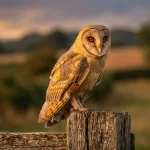
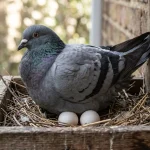
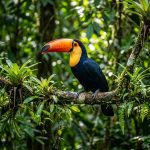
Did you know that birds are one of the most diverse and captivating creatures on our planet? Whether it’s the vibrant colors of a parrot or the delicate shape of a wren, drawing birds can be an incredibly rewarding artistic endeavor. For beginners, capturing their beauty may seem daunting, but with the right techniques, anyone can learn to depict these feathered friends with confidence. This guide aims to break down the process into simple, easy-to-follow steps. You’ll discover essential tips for observing bird anatomy, understanding their unique movements, and translating that into your drawings. As you progress, you’ll not only improve your skills but also develop a deeper appreciation for the fascinating world of birds. So, grab your pencil and paper, and let’s take flight into the joyful journey of drawing birds easily!
How to Choose the Right Drawing Materials for Birds
Choosing the right drawing materials for capturing the beauty and grace of birds is essential for bringing your artistic vision to life. The variety of birds, from the delicate hummingbird to the majestic eagle, each present unique challenges and opportunities for artists. As a beginner, it’s important to explore different tools that suit your style and comfort level. Here are some key materials to consider:
Pencils and Sketching Tools
When starting out, a good set of graphite pencils is invaluable. They provide a range of hardness options, allowing you to create both fine details and expressive shading. For bird drawings, I recommend keeping at least a set with HB, 2B, and 6B pencils. Additionally, using a mechanical pencil for intricate areas can help maintain precision. Consider also incorporating colored pencils, which can add a vibrant touch to your illustrations, especially for species known for their bright plumage.
Papers and Surfaces
The choice of paper can dramatically affect your drawing experience. For pencils, a smooth drawing paper allows for fine lines and detail, while a textured paper is better suited for expressive strokes and blending, particularly with colored pencils. If you’re interested in watercolor techniques, watercolor paper will hold up to the moisture without warping, enabling you to achieve beautiful washes to mimic a bird’s natural environment.
Inks and Paints
Ink pens, especially fine-liners, are excellent for outlining and adding intricate details once your pencil sketch is complete. Markers or water-based inks can also offer a bold finish. If you feel adventurous, acrylic or watercolor paints allow you to create depth and dimension, bringing life to your bird illustrations. Always remember to experiment with various media to discover what resonates with your artistic style.
In summary, investing in quality materials tailored to your drawing preferences can enhance your process and allow for greater creative expression. As you develop your skills, don’t hesitate to try out different combinations of tools and techniques to find what works best for you. The world of bird art is vast and filled with discovery, so enjoy the journey as you bring these feathered creatures to life on paper.
Essential Beginner Techniques for Bird Sketching
Capturing the essence of birds on paper can seem daunting at first, yet with the right techniques, you’ll find that it becomes a rewarding process. One essential aspect to getting started is practicing gesture drawing, which emphasizes capturing the bird’s pose and movement rather than focusing on intricate details. Spend a few minutes observing a bird-perhaps a sparrow or pigeon in your backyard-and quickly sketch its outline and posture. This technique not only warms up your hand but also sharpens your eye for the natural lines and shapes that define different avian species.
Another valuable method is to break down birds into basic geometric shapes. By visualizing a bird as a series of circles, ovals, and triangles, you can create a more accurate structure in your sketch. For example, the body can be represented by an oval, while the head might take on a smaller circle. This simplified framework serves as a foundation to build upon as you add details like feathers and beaks. Training your eyes to see these shapes can vastly improve your ability to replicate a bird’s form.
Additionally, always keep a sketchbook handy and dedicate time each day to practice. Consistent sketching helps hone your skills and encourages you to experiment with different styles and techniques. Don’t worry about producing perfect artwork right away; instead, focus on documenting your progress and emotions in each sketch. As you do this, you may discover which species naturally draw your attention, whether it’s the angular beak of a kingfisher or the graceful curve of a heron’s neck.
Lastly, consider the importance of light and shadow in your drawings. Observing how light interacts with a bird’s body can transform a flat sketch into a dynamic piece of art. Pay special attention to the unique patterns of light on feathers and use shading to create depth. Simple techniques like cross-hatching or stippling can enhance your representation of texture, making your drawings more lifelike. The combination of understanding shapes, practicing consistently, and focusing on light will elevate your bird sketching skills, making it an enjoyable journey into the art of avian illustration.
Understanding Bird Anatomy for Better Drawing
Understanding the intricate anatomy of birds is vital for creating accurate and expressive sketches. Just as artists study the human form, grasping the structure and proportions of birds will greatly enhance your drawing skills. Considering that birds come in various shapes and sizes, it’s essential to familiarize yourself with basic avian anatomy to capture their unique characteristics effectively.
Begin by focusing on the major components of birds: the head, body, wings, and tail. Each of these elements plays a pivotal role in a bird’s silhouette and movement. For example, the shape of a bird’s beak can indicate its diet and feeding habits, while the wing structure is crucial for understanding how different species fly. When sketching, observe how these parts relate in size and shape. Taking note of proportions will help you create a more believable representation of the bird. A common technique is to break down the bird into basic shapes-using circles for the head and body, and triangles for the wings and tail. This visualization can simplify the process, making it easier to establish a solid foundation before adding details.
Next, consider the differences in anatomy among various species. For instance, a hummingbird has a compact body and long, slender wings, while an eagle features a robust body and broad wings. Understanding these differences not only aids in accurate drawing but also enriches your appreciation of bird diversity. Pay attention to the contours and angles that define a species’ posture. Studying birds in nature or through photographs can help distinguish these traits, offering practical insights before putting pencil to paper.
Moreover, consider the functionality of a bird’s body parts in relation to their behavior. The position of a bird’s wings and tail, for instance, can reveal its mood or intent-whether it’s perched quietly, about to take flight, or displaying during courtship. Observing these movements and the accompanying anatomical shifts will provide inspiration and accuracy in your sketches. Adopting this approach will transform your understanding of bird anatomy from a mere academic exercise to a valuable tool for enhancing your artistic expressions.
Simple Step-by-Step Guides for Popular Bird Species
To embark on your journey of drawing birds, understanding how to represent various popular species step-by-step can be immensely rewarding. Imagine capturing the delicate features of a sparrow or the majestic stance of an eagle-this guide will help you transform that vision into reality. Each bird has distinct characteristics, and by breaking down the drawing process into manageable steps, you’ll find it much easier to render these beautiful creatures.
Common Bird Species to Draw
1. American Robin
- Step 1: Start with a simple oval for the body and a smaller circle for the head.
- Step 2: Sketch a guideline down the center for the beak placement and another horizontal line for the eyes.
- Step 3: Add the wings, typically a flattened “M” shape, starting from the top of the body.
- Step 4: Outline the tail, which is tapering and feathers dripping down.
- Step 5: Finally, add details like the round belly and signature red-orange coloration, followed by final touches with your preferred shading techniques.
2. Blue Jay
- Step 1: Begin with a teardrop shape for the body and a circle for the head positioned at the top.
- Step 2: Next, draw the prominent crest of feathers on the top of the head.
- Step 3: Add a long, pointed beak and almond-shaped eyes, giving them a bold expression.
- Step 4: Sketch the wings and tail, noting the striking blue and black patterns.
- Step 5: Use a mixture of blue, black, and white colors to bring out the bird’s vibrant plumage.
3. Hummingbird
- Step 1: Start with a small circular shape for the body and a long oval for the head.
- Step 2: Draw the iconic long, slender bill aimed slightly downward.
- Step 3: Add the wings in a rapid flap pattern, capturing their unique movement.
- Step 4: Finally, add details like the throat patch and other colorful markings that are species-specific, and use dynamic lines to convey motion.
Key Tips for Each Species
When drawing these birds, remember their unique traits:
- American Robins have a distinct plump shape and vivid colors, making their silhouette recognizable.
- Blue Jays are known for their striking colors and feathers, which require fine detail in their drawing.
- Hummingbirds demonstrate high agility, so capturing their essence often benefits from studying photographs or observing them in action.
Conclusion
With practice and patient observation, each bird species you choose to draw will become easier to replicate! Focus on outlining shapes before delving into details, allowing the essence of the bird to come alive under your pencil. Happy drawing!
Tips for Capturing Bird Movement and Behavior
Observing birds in their natural habitat reveals a captivating world of movement and behavior that can enhance your drawing skills. One fundamental aspect is understanding how birds move; they don’t just flit about randomly. Each species exhibits unique locomotion patterns, influenced by their environment and anatomy. For instance, a hawk gracefully glides on thermals with spread wings, while a sparrow flits energetically from branch to branch. Watching these movements closely allows you to capture their essence in your sketches.
When it comes to sketching birds in motion, capturing the essence of their behavior is crucial. Use light, flowing lines to suggest dynamism when a bird takes flight or an alert pose when perched. Start by sketching the basic shapes of the bird, focusing on the body’s positioning as they prepare to take off or land. Observe how their wings and legs position during different stages of movement-be it fluttering, hovering, or landing. A quick series of sketches showing these motion phases can help you transform static images into more lively representations.
Another useful strategy is to immerse yourself in the environment where the birds live. Spend time watching them interact with their surroundings, whether they’re foraging for food, engaging in courtship rituals, or raising their young. Take notes or create quick thumbnail sketches while observing. This practice not only hones your observation skills but helps you remember the nuanced behaviors that can make your drawings more authentic. On difficult occasions, don’t hesitate to take reference photos, which you can later analyze to understand the subtleties of movement, feather positioning, and body language.
Finally, experiment with different mediums to portray movement effectively. Watercolors can evoke lightness and fluidity, perfect for the delicate flight of a butterfly. In contrast, charcoal can express the boldness of a soaring eagle. Don’t shy away from capturing the energetic scenes as they happen in nature; the more time you dedicate to observing and sketching, the more instinctive your renderings of bird movement will become. Each pencil stroke can tell a story, so consider your approach to freezing these fleeting moments on paper!
Creating Realistic Textures in Bird Drawings
To create stunning bird drawings, achieving realistic textures is key. Textures can bring your artwork to life, adding depth and dimension that make your sketches feel more authentic. A vital aspect of this is closely observing feathers, skin, and other characteristics unique to each species. For example, the glossy plumage of a crow contrasts sharply with the soft, downy feathers of a young chickadee. Understanding these differences will allow you to represent them accurately in your work.
One effective technique for conveying feather texture is to use a combination of layering and shading. Start with light pencil strokes to outline the bird’s form, then gradually build up layers using short, delicate lines to mimic the feather’s structure. For birds with more distinct feather patterns, such as the intricate markings of a finch or the bold stripes of a hawk, utilize the technique of cross-hatching to create shadows and highlight the contours of each feather. This not only represents the texture but also adds a three-dimensional quality to your drawings.
To further enhance your depictions, think about the medium you’re using. For pencil sketches, varying the pressure applied can dramatically change the texture; light strokes will yield softer appearances, while firmer strokes can represent coarser feathers. If you’re using watercolors or markers, consider wet-on-wet techniques to blend colors smoothly for backgrounds, juxtaposed against sharp, defined lines for details like beaks and claws. Experimenting with different materials, such as pastels or colored pencils, can also help you capture the lively essence of bird plumage.
Lastly, don’t forget the impact of the surrounding environment on your bird drawings. The setting can enrich the textures of your artwork, allowing you to explore how birds interact with their habitats. For instance, a sparrow in a rainy setting can have drops of water glistening on its feathers, while one in a sunny meadow might reflect vibrant hues. By thoughtfully incorporating such elements, you will not only create textured bird illustrations but also tell a story that connects your audience to the beauty of the natural world.
Using Colors Effectively in Bird Art
Capturing the vibrant hues and subtle shades of birds in your artwork can elevate your drawings from simple sketches to stunning representations of nature. Birds are renowned for their diverse color palettes, reflecting adaptations to their environments, mating strategies, and even their mood. Understanding how to use colors effectively in your bird art is essential not only to replicate the natural beauty of these creatures but also to convey the emotions they evoke. Consider the striking contrast found in the bold, iridescent colors of peacocks compared to the muted tones of a sparrow; this variability offers endless possibilities for exploration in your art.
When working with colors, choosing the right palette is vital. Start by observing the bird species you wish to draw. Spend time studying the natural variations in their plumage under different lighting conditions. For instance, the vibrant reds, blues, and yellows of a macaw can shift dramatically between sunlight and shade. Use an analogous color scheme, which involves using colors that are next to each other on the color wheel, to create harmony and depth. This technique works wonderfully for birds like the American goldfinch, where yellows blend into soft greens and subtle browns, enhancing the overall composition of your artwork.
To create realistic effects, consider using layering techniques with your medium of choice. For watercolors, apply a light wash of color to establish the base tone, gradually adding more layers to build depth. When using colored pencils, overlaying colors can create a more dynamic range. For example, using a combination of turquoise and deep azure can beautifully replicate the shimmering feathers of a bluebird. Don’t shy away from experimenting with contrasting colors to add visual interest; a splash of rich red against a serene blue background can make your subject pop and draw the viewer’s eyes directly to your bird.
Additionally, the environment plays a crucial role in how colors are perceived in nature. Incorporating background elements that complement your subject can enhance the overall impact of your work. For instance, a bright yellow warbler set against a soft, blurred green foliage background will not only help the bird stand out but also provide context. Think about the mood you want to convey: a bird perched in a sunlit meadow might be represented with warm, vibrant colors, while one hiding in dense shadows might require darker, more muted tones.
In conclusion, transcends mere replication. It invites the viewer into the world of the bird, allowing for a deeper appreciation of its beauty and complexity. By thoughtfully selecting your palette, employing various techniques, and considering the influence of the surrounding environment, you can create bird drawings that resonate with life, making your art not just a representation but a celebration of avian wonder.
Exploring Different Styles of Bird Drawing
Birds are an endless source of inspiration and can be depicted in a myriad of styles, each bringing a unique perspective and emotion to your artwork. Exploring these diverse styles not only enriches your artistic repertoire but also helps to convey the beauty and intricacies of avian life in captivating ways. From realistic portraits that celebrate the intricate details of feathers to whimsical illustrations that capture the playfulness of birds, your approach can vary greatly depending on your artistic intentions and preferences.
One popular style is realism, where the focus is on meticulously capturing the bird’s features as they appear in nature. This requires careful observation of plumage patterns, anatomy, and the birds’ natural habitats. Using techniques like layering and shading can help create depth and dimension, making your subject appear lifelike. Begin with a simple pencil sketch to outline the bird’s proportions, then build up the details progressively. This approach is perfect for beginners wanting to hone their skills in bird anatomy.
In contrast, abstract styles allow for a more expressive interpretation of birds. Here, artists can use bold colors, exaggerated shapes, and imaginative compositions to evoke emotions and ideas rather than simply represent the birds’ physical attributes. For instance, focus on the motion of a bird in flight; you could use sweeping lines and vibrant hues to convey speed and freedom. This style encourages experimentation, inviting you to play with your medium-acrylics, watercolors, or even digital tools-to explore how they can change the perception of avian subjects.
Mixing Styles
Many artists find joy in combining different styles. You might start with a realistic foundation and then incorporate abstract elements to highlight key features, such as using stylized backgrounds or bold, unexpected colors. This hybrid approach can make your bird drawings more dynamic and personal, inviting viewers to engage with the piece on multiple levels.
Regardless of the style you choose, the key is to capture the essence of the bird-its personality, behavior, and the environment it inhabits. Take time to study various bird species, perhaps even engaging in birdwatching or researching different habitats. This not only informs your art but also deepens your connection to your subjects, allowing your creativity to flow more freely. Remember, each drawing is a reflection of your journey as an artist, merging observation, interpretation, and personal expression into a unique depiction of the avian world.
Incorporating Backgrounds to Enhance Bird Illustrations
Creating an engaging background can transform a simple bird illustration into a compelling piece of art that tells a story. A well-chosen background not only frames your subject but also enhances the viewer’s understanding of the bird’s habitat and behavior. For instance, illustrating a kingfisher against the backdrop of a shimmering river setting showcases its natural environment, adding depth and context to your work.
When considering backgrounds, think about how they relate to the bird species you are illustrating. Natural settings, such as forests, wetlands, or grasslands, provide a realistic context that can highlight the unique colors and features of the bird. Use soft lines and muted colors for these backgrounds to keep the focus on the bird while still giving a sense of place. You can also experiment with gradient washes in watercolor or soft pencil strokes to create a blurred effect that suggests distance, emphasizing the subject further.
Additionally, incorporating elements like plants, trees, or water can enhance the scene’s vibrancy. For example, drawing a bird perched on a blossoming branch or a stalk of grass can provide a visual anchor, guiding the viewer’s eye throughout the composition. Pay attention to the scale and perspective of these elements to maintain realism-ensure that the sizes are appropriate for the bird, avoiding a disjointed appearance. Remember also to integrate shadows and highlights where necessary, as these details can create a cohesive look and improve the three-dimensionality of your illustration.
Finally, don’t shy away from experimenting with abstract backgrounds that use color and shape to evoke feelings or moods. This can be particularly effective for capturing the essence of the bird’s behavior or its dynamic movement. Emphasizing these aspects through sweeping brush strokes or vibrant splashes of paint can give life to the illustration and invite viewers to connect emotionally with the artwork. Remember, the key is to keep the balance between the background and the bird, ensuring that neither element overshadows the other.
By thoughtfully incorporating backgrounds, you not only enrich your bird illustrations but also deepen your understanding of the avian world, making your art more relatable and inspiring to those who view it.
Common Mistakes to Avoid When Drawing Birds
When embarking on the journey of bird drawing, it’s all too easy to fall into some common traps that can hinder your progress and creativity. One prevalent mistake is failing to observe your subject. Birds possess a remarkable variety of shapes, sizes, and postures that can be easily misunderstood if you’re not paying careful attention. Take the time to study your avian subjects in their natural habitat or reference photos. Notice how their proportions change-how a perched bird differs from one in flight, for instance-so that your drawings accurately reflect their anatomy.
Another frequent error is neglecting to depict the correct scale and perspective. Birds come in all shapes and sizes, and situating them incorrectly within their environments can make your artwork appear disjointed or unrealistic. Always consider the relative size of your bird compared to other elements in your composition, like trees or rocks. If you’re showcasing a tiny hummingbird alongside an oversized flower, ensure the latter doesn’t dwarf your delicate subject. This attention to scale will enhance the believability of your works.
Moreover, many artists, especially beginners, tend to overlook the importance of texture. Birds are covered in feathers that have distinctive patterns and textures, and simply shading them in flat tones can rob your illustration of life. Experiment with different techniques to capture the individual character of each bird’s plumage. Use short, flicking strokes for fine textures and longer, smoother lines for areas of softness. Each species has its unique feather arrangement and texture; capturing these details will elevate your work.
Finally, one critical aspect often disregarded is the behavior and movement of birds. They are not static creatures; they can be dynamic and vibrant in their actions. Including hints of movement in your illustrations-like a slight blur of wings or the suggestion of a bird in mid-hop-can transform a static image into a lively portrayal. Capturing these nuances not only animates your drawings but also reflects the bird’s personality, making your artwork resonate deeply with viewers. With attentive observation, correct proportions, and a focus on texture and movement, you can avoid these common pitfalls and significantly enhance your bird drawing skills.
Resources and Tools for Aspiring Bird Artists
When stepping into the world of bird drawing, having the right resources and tools can make a significant difference in your learning and output. Whether you’re sketching at the park or experimenting in your studio, the materials you choose can enhance your creative experience and help you capture the beauty of birds more accurately. A solid selection of tools is essential-not only to express your creativity but also to understand the forms, colors, and textures that define these remarkable creatures.
Start with drawing materials tailored to your comfort and style. Pencils are typically a great place to begin; a range of hardness, such as HB for general sketching and 4B for shading, allows you to create varied line qualities and textures. For added depth, consider having colored pencils or watercolor pencils on hand. They can help you convey the vibrancy of plumage and are flexible enough for both detailed work and broader washes. Inks and pens are wonderful for adding fine details and contrasting effects that can highlight the sleekness of feathers or the intricacies of bird anatomy.
Utilizing reference materials is equally vital. Field guides featuring illustrations of birds can help you understand their shapes and colors. Online resources, including birdwatching websites and social media groups dedicated to avian photography, offer a wealth of visual information that can inspire your work. Additionally, taking your sketchbook outside to draw live subjects can deepen your observation skills dramatically; consider investing in a portable sketching kit that includes your favorite materials, a sturdy sketchbook, and perhaps a pair of binoculars for closer viewing.
For those looking to expand their skills further, books on bird anatomy and drawing techniques can provide valuable insights. Look for titles that combine both artistic instruction and biological understanding; knowing how a bird’s muscles and bones support its movements can dramatically improve your representation of life and action. Don’t overlook digital resources as well-many artists share their techniques and time-lapse videos online, providing an interactive way to learn from experienced bird illustrators.
With these foundational tools and resources at your fingertips, you’ll be well-equipped to embark on your bird drawing journey, whether you’re just beginning or looking to refine your skills. By creating a supportive environment for practice, you empower your artistic growth while deepening your connection to the avian world.
Inspiration from Famous Bird Artists and Illustrators
Exploring the works of renowned bird artists can serve as a profound source of inspiration for both beginners and experienced illustrators. Artists like John James Audubon, whose meticulous attention to detail and vibrant compositions document the diverse avian life of North America, encourage us to appreciate not just the aesthetics of birds but their natural behavior and habitats. His paintings are famous for their dynamic poses, capturing moments of flight and feeding that resonate with the observer. Studying Audubon’s techniques can offer valuable insights into how to approach both the drafting of birds and the incorporation of their environments into your artwork.
Another contemporary artist, Laura Frazier, brings a modern twist to bird illustration. Her use of mixed media and innovative color palettes presents avian subjects with a fresh perspective, highlighting textures and emotions that can leap off the page. For beginners, Frazier’s approach to utilizing casual brush strokes and experimental backgrounds can inspire confidence in stepping away from strict realism and exploring individual style. Engaging with her work can also provide ideas on how to create effective compositions that draw the viewer’s eye through narrative elements in your art.
Lastly, don’t underestimate the wealth of talent found in the realm of digital art. Artists like Chris Sembrot provide vibrant, easy-to-follow tutorials that showcase how to use digital tools to capture the essence of birds. They often share their processes through time-lapse videos and online workshops, offering bite-sized lessons that can break down complex techniques into manageable steps. This accessibility can empower aspiring artists to experiment with styles and tools they may not have considered before, making the learning process both enjoyable and fruitful.
By immersing yourself in the works of these artists and understanding their techniques, you can cultivate your unique approach to bird drawing. Each artist’s perspective can spark creativity and guide you toward finding your own artistic voice while ultimately deepening your appreciation for the beautiful world of birds.
Q&A
Q: What are the best techniques for drawing bird feathers?
A: The best techniques for drawing bird feathers include observing feather arrangement and using light, short strokes to create texture. Start with basic shapes and refine details gradually. Pay attention to light and shadow to enhance realism. For more tips, see the section on creating realistic textures in bird drawings.
Q: How can I capture bird expressions in my drawings?
A: To capture bird expressions, focus on the eyes and beak, as they convey emotion. Use reference photos to study various bird expressions. Practice different angles and positions to enhance your ability. For more on this topic, refer to tips for capturing bird movement and behavior.
Q: What is the easiest bird to draw for beginners?
A: The easiest bird to draw for beginners is often the sparrow or the simple profile of a pigeon. These birds have straightforward shapes and features. Start by sketching basic outlines before adding details. For guidance, check the step-by-step guides for popular bird species section in the article.
Q: How can I improve my bird drawing skills quickly?
A: To improve your bird drawing skills quickly, practice regularly and focus on one specific aspect at a time, such as anatomy or feather texture. Use references and sketch from life when possible. Joining drawing groups can also provide feedback and motivation.
Q: What resources can help me learn to draw birds?
A: Useful resources for learning to draw birds include online tutorials, instructional books focused on bird anatomy, and art communities that offer critiques. Websites like YouTube have numerous step-by-step guides that can enhance your learning. Explore the resources and tools for aspiring bird artists section for more ideas.
Q: Is it important to learn bird anatomy when drawing?
A: Yes, learning bird anatomy is crucial for realistic drawings. Understanding muscle structure and joint movement helps depict birds accurately in various poses. Focus on the skeletal system to grasp proportions better. Refer to the section on understanding bird anatomy for detailed guidance.
Q: What common mistakes should I avoid when drawing birds?
A: Common mistakes to avoid when drawing birds include neglecting proportions, overemphasizing details too early, and failing to analyze reference images. Take your time with sketches, and don’t hesitate to erase and refine. Check the common mistakes to avoid section for helpful insights.
Q: How can background elements enhance my bird drawings?
A: Background elements can enhance bird drawings by providing context and depth. Use simple shapes and subdued colors to avoid distracting from the main subject. Experiment with different settings that resonate with the type of bird you are illustrating. For more details, explore the section on incorporating backgrounds to enhance bird illustrations.
Future Outlook
Congratulations on taking your first steps in learning how to draw birds! Remember, practice is key, and each stroke brings you closer to mastering these beautiful creatures. If you enjoyed this guide, don’t forget to check out our other tutorials on drawing animals and nature – they’re designed to expand your skills and keep your creative juices flowing!
Feeling inspired? Dive deeper by exploring our advanced techniques and tips for adding lifelike details to your drawings. And if you have any questions or want to share your progress, drop a comment below or join our newsletter for more resources and exclusive content. Your artistic journey is just beginning, so keep drawing and let your passion for birds take flight!
Get our latest guides, news, and insights highlighted in your Google Search & AI Overviews.