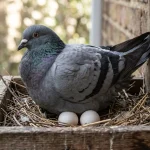
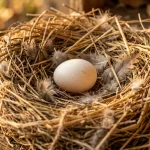
The history of pigeons spans over 5,000 to 10,000 years, beginning in the ancient Fertile Crescent and Mediterranean basin where wild rock doves (Columba livia) were first domesticated for meat, ritual sacrifices, and messenger homing navigation. Escaped domestic stock subsequently naturalized globally, creating today’s cosmopolitan urban feral populations.
Pigeons are more than just common sights in our cities; they hold a fascinating history that spans thousands of years. Did you know that these resilient birds have been companions to humans since ancient civilizations? Understanding where pigeons come from and how they spread across the globe can deepen your appreciation for them and provide insight into their adaptability. As we explore their origins, behaviors, and roles in various cultures, you’ll discover how these birds have not only survived but thrived alongside us. Whether you’re a bird enthusiast seeking to expand your knowledge or simply curious about these urban fixtures, join us on this journey to uncover the rich tapestry of pigeon history. Your newfound insights may transform the way you view these feathered friends!
Origins of Pigeons: A Historical Overview
Pigeons, specifically the rock pigeon (Columba livia), are often taken for granted, yet their impressive history reveals a deep connection to humans that spans thousands of years. These adaptable birds have been domesticated and bred for various purposes, including communication, sport, and companionship. Originating from wild ancestors in Europe, North Africa, and South Asia, their journey into human society is a testament to their resilience and intelligence.
The earliest evidence of pigeon domestication dates back to around 3000 BCE in Mesopotamia, where they were appreciated for their ability to navigate and return home over great distances. This natural homing ability made them invaluable during ancient times, especially as messengers in wartime. Pigeons were also a crucial source of food, and their droppings served as a nutrient-rich fertilizer, encouraging their presence in early agricultural communities.
Over the centuries, pigeons have adapted to diverse environments, leading to the development of various breeds, each tailored to specific human needs. For instance, racing homers were bred for speed and stamina, while fancy breeds exhibit unique physical traits, demonstrating the remarkable versatility of these birds. Today, pigeons occupy a multitude of roles across the globe-whether soaring high in the skies of urban landscapes or gracing the backyards of countryside homes, their presence continues to be woven into the fabric of human life.
In summary, understanding the origins of pigeons provides a richer context for appreciating their role in our world, from their historic importance as messengers to their ongoing influence in various cultures and settings.
The Evolution of Pigeons Through Time
The journey of pigeons through time is a fascinating reflection of evolution and adaptation driven by their unique relationship with humans. Originating from their wild ancestors, the rock pigeons (Columba livia) display remarkable versatility; they have diversified into numerous breeds that serve various roles-from athletic companions in the racing world to charming pets in urban gardens. This evolutionary journey showcases not only their physical adaptations but also their behavioral shifts that align with human needs.
One of the most captivating aspects of pigeon evolution is their incredible homing ability. This trait was crucial for early humans, who domesticated pigeons to send messages across great distances, thus establishing them as key players in communication networks long before modern technologies emerged. Throughout centuries, breeding has emphasized this skill, with aviculturists selecting for traits that enhance speed, endurance, and navigation capabilities. The racing homers, for instance, stand as a testament to this selective breeding, often achieving remarkable distances back to their lofts even in unfamiliar territory.
In addition to communication, pigeons have evolved alongside humans in urban settings, displaying remarkable adaptability. Their ability to thrive in cities-often dining on discarded food while nesting on ledges-illustrates their resilience. Over time, they have developed behavioral traits that enable them to coexist with human activities, further integrating themselves into our daily lives. The urban pigeon has become a symbol of city life, their cooing becoming a familiar sound echoing through bustling streets.
Whether in a rural environment or an urban landscape, pigeons have made enduring contributions to human culture and society. Understanding this evolution not only deepens our appreciation for these incredible birds but also invites us to consider how our interactions with them can shape their future. As caretakers of these fascinating creatures, we hold the responsibility to ensure their continued coexistence, navigating the challenges of modern life together.
Key Species of Pigeons and Their Traits
Pigeons are not just city-dwelling birds; they embody a vast array of species, each with unique traits and adaptations that have enabled them to thrive across different environments and roles. From the robust rock pigeon to the charming homing pigeon, these avian wonders showcase a fascinating spectrum of diversity that reflects their evolutionary journey and human interaction. Understanding key species can enhance our appreciation and care for these remarkable birds.
Rock Pigeon (Columba livia)
The rock pigeon is perhaps the most recognizable member of the pigeon family and serves as the foundation of many domesticated breeds. Naturally found on cliffs and rocky outcroppings, they have adapted remarkably to urban environments. They are known for their blue-gray feathers and two black wing bars. Their cooing calls and strong homing abilities have made them integral to pigeon racing and communication throughout history. As a beginner, you’ll find rock pigeons quite hardy and easy to care for since they thrive on a varied diet that includes seeds, grains, and fruits.
Homing Pigeon
Homing pigeons, a domesticated variety of the rock pigeon, have been selectively bred for their exceptional navigational skills and speed. With an innate ability to find their way home over vast distances, these birds have played significant roles in delivering messages during wars and significant events. Successful trainers often emphasize a well-structured training regimen involving gradual distance increments for flights. Caring for homing pigeons requires ample space, a balanced diet, and a clean loft environment to ensure their health and performance.
Bald-headed Pigeon
The bald-headed pigeon is known for its distinctive bare skin on the head, making it a striking sight. This feature results from selective breeding, primarily for aesthetic purposes in exhibitions. While these pigeons are more visually appealing for bird enthusiasts, they also require specific care, including protection from environmental elements due to their featherless heads. They thrive on a blended diet, including seeds and specialized pellets, along with consistent access to fresh water.
Fancy Pigeons
Fancy pigeons encompass a diverse range of breeds, from the towering King to the feathered fantail. Breeders select these birds for distinctive physical traits such as size, color, and feather patterns. Each breed comes with unique care requirements, particularly regarding housing and diet. Fancy pigeons often require spacious aviaries to accommodate their lush plumage and promote healthy social interactions. While they are primarily bred for shows, their playful demeanor and beautiful appearances can captivate both hobbyists and casual fans alike.
In engaging with these species, it’s essential to recognize their role beyond simply being pets or racing birds. Their adaptability and intelligence showcase their exceptional resilience and capacity for companionship. By fostering a deeper understanding and appreciation for the various types of pigeons, we not only enrich our experience as bird enthusiasts but also contribute to better care practices and conservation efforts for these extraordinary creatures.
Cultural Significance of Pigeons Worldwide
Throughout history, pigeons have established themselves as more than just common birds; they are steeped in cultural significance across the globe. These remarkable creatures have woven their way into our societies, symbolizing peace, love, and resilience. The widespread use of pigeons as messengers and companions throughout history has fostered unique connections between humans and these birds, transcending geographical and cultural boundaries.
In many cultures, the pigeon-especially the dove-has become a universal emblem of peace. This symbolism is prominently featured in religious texts and art. For instance, in Christianity, the dove is often associated with the Holy Spirit, represented in its flight during the baptism of Jesus. Likewise, in various indigenous cultures, pigeons symbolize harmony and unity, serving as crucial components in rituals and community gatherings. This affinity for pigeons underscores their role not merely as avian companions but as vital links in the human experience.
Pigeons also played pivotal roles in communication, particularly in times of war. Their impressive homing abilities were harnessed during both World Wars, where they were deployed to deliver critical messages across enemy lines. This historical utility has led to the recognition of pigeons like Cher Ami, a carrier pigeon who saved numerous lives by delivering a vital message despite suffering injuries. Such stories highlight not just the survival and loyalty of pigeons but also their indispensable contributions to human storylines during tumultuous times.
Moreover, in contemporary society, pigeons have adapted to urban environments, becoming iconic symbols of city life. Cities around the world celebrate these birds through festivals, art, and even literature, acknowledging their role in enhancing the urban landscape. Responsible urban birdwatching and feeding practices are becoming increasingly popular, bridging community engagement with nature conservation. People are discovering how to coexist with these adaptable birds while appreciating their unique behaviors and social dynamics.
In summary, the cultural significance of pigeons reflects a rich tapestry woven from historic events, artistic expressions, and communal ties. These birds not only inspire curiosity and admiration but also invite us to deepen our understanding of their roles in our ecosystems and societies. Whether viewed as symbols of hope or as incredible navigators of our shared history, pigeons continue to enrich human experiences worldwide.
Pigeons in Urban Environments: Adaptation and Behavior
In bustling urban landscapes worldwide, pigeons have not only managed to survive but have thrived, showcasing remarkable adaptability to environments often perceived as hostile. These birds are a common sight, gracefully navigating through a maze of cars, people, and towering structures. Their ability to find food, shelter, and mates amidst the chaos of city life speaks volumes about their resilience and ingenuity. Observing their behavior can provide insightful observations about adaptation strategies that are valuable for both novice and seasoned bird enthusiasts.
One fascinating aspect of urban pigeons is their feeding behavior. While they are opportunistic feeders, often seen pecking at discarded food, they can also recognize the patterns of human activity to find resources. For example, they have learned to associate park benches or sidewalks with human gatherings where food might be plentiful. Additionally, providing bird feeders with appropriate seeds can attract these urban dwellers to designated feeding spots, allowing for up-close observation of their social interactions. If you decide to feed pigeons, consider offering a mix of seeds like millet and sunflower, avoiding bread and overly processed foods to promote their health.
Social Dynamics and Nesting Behaviors
Pigeons are inherently social creatures, often spotted in flocks. This social structure plays a crucial role in their survival as it facilitates better foraging opportunities and vigilance against predators. Within these groups, complex communication occurs-through cooing sounds, body language, and even subtle displays of aggression. Young birdwatchers and novice observers can engage with pigeons by simply sitting quietly in a park to witness these interactions unfold, enriching their understanding of aviary social systems.
When it comes to nesting, urban pigeons have shown remarkable resourcefulness. They typically favor sheltered areas like rooftops, ledges, and balconies, utilizing materials such as twigs, paper, and even discarded textiles to build their nests. If you’re considering supporting local wildlife, maintaining vegetation or providing safe nesting spaces in your yard can be a rewarding experience. It’s essential, however, to be mindful of local regulations regarding bird nesting to ensure compliance while fostering coexistence.
Ultimately, the adaptability of pigeons to urban environments reflects not only their evolutionary success but also our shared space on this planet. The more we learn about their behaviors and needs, the better we can understand and appreciate these remarkable birds that have become synonymous with city life. Engaging with them in respectful and thoughtful ways can lead to a deeper appreciation of avian diversity and the essential roles they play in our ecosystems.
The Role of Pigeons in Historic Events
Throughout history, pigeons have played pivotal roles far beyond their charming presence in our urban landscapes. These magnificent birds, often overlooked in the grand narrative of human affairs, have served as messengers, symbols, and even vital components in warfare. Their remarkable homing abilities allowed them to carry messages across vast distances, which was especially crucial during times of conflict. For example, during World War I and II, thousands of pigeons were trained and deployed to relay vital information. One famous pigeon, Cher Ami, is celebrated for delivering a critical message that saved a battalion from friendly fire, demonstrating how these birds could change the trajectory of human events.
Another captivating aspect of pigeons is their cultural significance throughout various civilizations. In ancient Rome, they were revered as symbols of love and fidelity often depicted in art and literature. In many cultures, pigeons have been associated with peace; the white dove, a variant of the pigeon family, serves as a universal emblem of tranquility. This dual status as both a commodity and a rare symbol highlights the diverse perceptions of these birds across different periods and societies. Moreover, the ritual of releasing pigeons in weddings and celebrations signifies hope and good fortune, reflecting the ongoing cultural reverence for these feathered companions.
Furthermore, the use of pigeons has extended into the realms of science and agriculture. Researchers have harnessed their navigation abilities to study migration patterns, while farmers have relied on them in pest control, given their keen ability to discern ecological changes. Their adaptability continues to inspire new methods in conservation and urban planning, emphasizing the ongoing relevance of pigeons in our world-a testament to their resilience and enduring legacy.
The intricate relationship between pigeons and humanity illustrates how these birds have not only adapted to human environments but have often thrived alongside us, contributing significantly to our historical narrative and cultural fabric. By engaging with these birds thoughtfully, we can foster a deeper appreciation for their role in shaping our past and present.
Modern Domestication of Pigeons: Breeds and Care
The journey of pigeons from wild birds to domesticated companions is a fascinating tale of adaptation and companionship. Pigeons, particularly the rock pigeon (Columba livia), have been selectively bred for various traits, resulting in an array of diverse breeds, each with unique characteristics. Their domestication began thousands of years ago, primarily for purposes such as messaging, racing, and exhibition. Today, the variety of breeds showcases not only striking physical differences but also distinct behaviors and care requirements, making them suitable for a range of enthusiasts and lifestyles.
In the realm of modern domestication, pigeons can be categorized into several major breeds, each known for specific traits. For instance, racing homers are cherished for their exceptional homing ability and speed, making them popular among competitive racers. On the other hand, utility pigeons are bred for meat production, characterized by their size and body weight. Fancy breeds, like the Fantail or the Jacobin, attract those interested in aesthetics and exhibition, displaying remarkable feather formations and colors. Here are a few key breeds to consider:
Key Pigeon Breeds
| Breed | Purpose | Characteristics |
|---|---|---|
| Racing Homer | Sport | Speedy, excellent navigators, known for their endurance. |
| Utility Pigeon | Meat | Large size, good weight gain, and fast maturity. |
| Fancy Pigeon | Show | Variety of shapes and colors, bred for aesthetic quality. |
Caring for domesticated pigeons requires attention to their specific needs. A proper diet, consisting of high-quality pigeon feed enriched with grains and seeds, is crucial for their health. Freshwater should be available at all times. Additionally, creating a spacious and clean environment in a loft or aviary encourages their natural behaviors like flying and socializing. Regular health check-ups and vaccinations help prevent illnesses common in birds.
Engaging with pigeons can also be a rewarding experience. They are intelligent creatures, often forming strong bonds with their caretakers. Training them for loft flying or simple retrieval tasks can be enjoyable for both the bird and the handler. While beginners may find homing pigeons appealing for their friendly nature and ease of care, seasoned birders might be drawn to the challenge of keeping more exotic fancy breeds, each offering a glance into the vibrant diversity within the pigeon world.
In summary, the modern domestication of pigeons reflects a rich history intertwined with human society, encapsulating not just their utility but also the joy they bring as companions. Understanding the traits and care requirements of various breeds paves the way for a fulfilling experience with these incredible birds.
Conservation Status: Threats and Conservation Efforts
The decline of certain pigeon populations due to habitat loss, pollution, and urban development is a pressing issue that demands attention. While the rock pigeon (Columba livia) has thrived in urban settings, other species are facing significant threats. For instance, the passenger pigeon, once abundant in North America, was hunted to extinction in the early 20th century due to overhunting and habitat destruction. Such patterns serve as a stark reminder of the fragility of pigeon populations, echoing the need for active conservation efforts to protect both wild and domesticated varieties.
Several key factors threaten pigeon populations worldwide. Habitat degradation is a primary concern, as urban sprawl and agricultural practices reduce their natural habitats. Additionally, pollution, particularly from pesticides and chemicals, can have devastating effects on their health and environment. Disease outbreaks, exacerbated by high-density living conditions in urban areas, further compromise pigeon health. Addressing these threats requires a multifaceted approach, combining habitat restoration, legislation, and community education.
Conservation efforts aimed at pigeon preservation show promise. Organizations such as the Bird Conservation Network emphasize habitat protection and restoration initiatives, promoting the establishment of green spaces that benefit not only pigeons but also a variety of wildlife. Engaging local communities in conservation activities, such as participating in surveys or habitat clean-ups, creates a sense of stewardship towards pigeon populations. Additionally, breeding programs can be implemented for endangered species, ensuring genetic diversity and future survival.
Beyond direct conservation efforts, enhancing public awareness about the importance of pigeons in ecosystems can foster a more supportive environment for these birds. Educational campaigns highlighting the roles of pigeons in seed dispersal and as a food source for predators can change perceptions and encourage protective actions. By prioritizing both the ecological significance and the beauty of pigeon species, we can inspire a new generation to advocate for their conservation. With concerted efforts focused on habitat, health, and public engagement, we can help secure a future for pigeons that honors their rich history and adaptability.
The Science of Pigeon Navigation
Even in the chaotic sprawl of urban landscapes, pigeons exhibit a remarkable ability to navigate their surroundings and return to their home lofts from vast distances. This extraordinary skill can be attributed to a combination of innate physiological traits and environmental cues. Scientists have delved into the intricate mechanisms behind pigeon navigation, revealing a fascinating interplay of senses-particularly their exceptional vision and sense of Earth’s magnetic field.
Pigeons possess a unique ability to utilize visual landmarks to orient themselves. They can recognize prominent features in their environment, such as buildings, parks, and other natural landscapes. This cognitive mapping allows them to create mental maps of their surroundings, which they rely on when flying home. Moreover, studies have shown that pigeons can process and store this visual information, effectively building a comprehensive database of routes and landmarks they encounter during flights. This aspect of their navigation is particularly vital in urban environments, where recognizable structures can act as guiding beacons.
In addition to visual cues, pigeons are equipped with specialized cells in their brains that are sensitive to the Earth’s magnetic field, adding yet another layer to their navigation toolkit. These magnetoreceptors allow pigeons to sense magnetic variations, helping them determine their direction even when cloud cover obscures visual landmarks. Combining this magnetic sense with the ability to detect polarized light from the sun provides them with a robust framework for navigation, enabling their incredible feats during long-distance flights that can exceed hundreds of miles.
For those interested in keeping pigeons, understanding their navigational capabilities can enhance their care and training. Providing a familiar environment around their lofts and gradually increasing their flight distances can help them hone their skills effectively. Additionally, engaging pigeons in flying exercises that mimic natural conditions will strengthen their innate homing abilities.
The natural instincts of pigeons to navigate effectively not only highlight their evolutionary adaptations but also serve as a reminder of the intricate connection between wildlife and their environments. The interplay of visual cues and geomagnetic fields in pigeon navigation is a testament to the resilience and adaptability of these birds, making them a fascinating subject for both ornithologists and casual bird enthusiasts alike.
Pigeon Communication: Sounds and Signals
Pigeons are not just remarkable navigators; they are also gifted communicators. These birds employ a diverse range of sounds and signals to communicate with one another, establishing a rich social network that is vital for their survival and well-being. From soft coos to sharp whistles, each sound serves a purpose, whether it’s attracting a mate, signaling alarm, or maintaining social bonds within flocks. This complex communication system is not only fascinating but also essential for those who keep pigeons as pets or in racing.
Pigeons primarily communicate through vocalizations, with the cooing sound being the most recognized. This deep, melodious coo serves multiple functions. For instance:
- Mating Calls: Male pigeons often coo to attract females, showcasing their health and vitality. The richness and frequency of their coos can convey their fitness level.
- Alarm Calls: When sensing a predator, pigeons emit quick, sharp sounds to alert others in the vicinity, enabling the flock to respond quickly and protect themselves.
- Social Interactions: Coos also serve to maintain social cohesion. Pigeons use this sound when they are close to one another, strengthening their bonds through mutual recognition.
In addition to sounds, pigeons utilize body language and visual signals that are crucial for their interactions. For example, the subtle positioning of their heads and wings can indicate dominance or submission during disputes. When pigeons fluff their feathers, it often signifies contentment, especially in a relaxed environment, while aggressive postures can deter intruders.
Understanding these communication methods can enhance the experience of keeping pigeons. When aviary owners recognize the sounds and signals their birds produce, they can better meet their needs and respond to their emotional states. Providing an enriching environment that allows for social interaction can improve the overall health and happiness of pet pigeons. Moreover, engaging with pigeons in their preferred ways of communication can foster trust and strengthen the bond between bird and human.
Ultimately, the intricate communication of pigeons is a testament to their adaptability and intelligence, reflecting their long history alongside humans and their global spread across various environments. Learning to interpret these sounds and signals can deepen our appreciation for these remarkable birds and enhance their care in domestication settings.
Global Distribution of Pigeons: A World Map
Pigeons are not only a common sight in cities worldwide but are also remarkable for their ability to thrive in diverse environments. Originally domesticated from wild rock pigeons (Columba livia) in the Middle East, these adaptable birds have spread across every continent except Antarctica. Their global distribution can be attributed to their unique characteristics, including their incredible homing ability and their propensity to live in close association with humans, making them one of the most successful bird species in urban settings.
You can find pigeons in virtually every country, adapting to a wide range of habitats, from rocky cliffs and forests to urban landscapes and agricultural fields. Major cities like New York, London, and Tokyo boast large populations, where they often congregate around parks and town squares. Interestingly, their ability to navigate back to their home lofts has fascinated researchers, leading to studies on their genetics and behavior, allowing for a deeper understanding of their migratory paths.
Key Habitats
Pigeons have demonstrated a remarkable capacity to adapt to various habitats. Here are some notable examples:
- Urban Areas: Cities provide easy food sources and nesting sites, making them ideal for pigeons. Buildings, bridges, and ledges mimic their natural breeding environments.
- Rural Regions: In farmland, pigeons often forage in fields or around livestock, where feed is abundant. They thrive where agricultural practices intersect with natural habitats.
- Forested Regions: Although not as common, some species of pigeons, especially in tropical areas, reside in dense forests, where they primarily feed on fruits and seeds.
Species and Geographic Distribution
While the rock pigeon is the most ubiquitous, many species of pigeons are found in unique locales, each with specific adaptations to their environment.
| Species | Habitat | Geographic Range |
|---|---|---|
| Rock Pigeon | Urban areas, cliffs | Worldwide |
| Wood Pigeon | Woodlands, parks | Europe, Asia |
| Nicobar Pigeon | Tropical forests | Southeast Asia, Nicobar Islands |
| Victoria Crowned Pigeon | Rainforests | New Guinea |
Overall, understanding the global distribution of pigeons not only sheds light on their evolutionary success but also provides insight into their interactions with human environments. As they continue to adapt and flourish worldwide, it becomes increasingly important for anyone interested in birdwatching or caring for them to appreciate their ecological roles and the diverse environments in which they thrive. Whether you’re a seasoned birdwatcher or a beginner, recognizing the various pigeon species and their habitats can greatly enhance your appreciation of these remarkable birds and their place in our world.
Interesting Facts About Pigeons You Didn’t Know
Did you know that pigeons can recognize themselves in a mirror? This remarkable ability showcases their intelligence, which is often underestimated. These birds possess a myriad of intriguing traits that make them truly fascinating. For example, pigeons are capable of remembering over 1,000 different images, allowing them to distinguish themselves in complex environments. This sharp memory plays a vital role in their survival, especially in urban settings where they navigate bustling landscapes filled with potential threats and food sources.
Homing pigeons, a domesticated variety of the rock pigeon, have been harnessed for their incredible navigation skills for centuries. They can return to their lofts from hundreds of miles away, even in unfamiliar territory. This extraordinary instinct is aided by their acute senses, including the ability to detect the Earth’s magnetic fields and recognize visual cues from their surroundings. Their feats of navigation have not only made them integral to messaging and communication in history but also subjects of scientific research into avian navigation.
Pigeons in History
Throughout history, pigeons have served humanity in remarkable ways. During World War I and II, they acted as messengers, relaying crucial information when other means of communication were unreliable. One famous pigeon named Cher Ami even saved the lives of nearly 200 soldiers by successfully delivering a message despite being injured. Their service during critical moments further underscores the close bond humans have developed with these birds.
Cultural Significance
In various cultures around the world, pigeons symbolize peace and hope. They’re often depicted in art, literature, and religious iconography. Additionally, pigeon racing has been a popular hobby, particularly in Europe and Asia, where enthusiasts breed and train pigeons for racing events, showcasing the deep appreciation for these birds.
Whether you are a seasoned birdwatcher or just beginning your journey into the world of pigeons, there’s always something new to learn about these remarkable creatures. Understanding their history, intelligence, and roles in our lives not only enriches your knowledge but also enhances your experience while observing them in their natural habitats.
Frequently Asked Questions
Q: What are the origins of domesticated pigeons?
A: Domesticated pigeons descend from the wild rock pigeon native to Europe, North Africa, and South Asia. They were first domesticated over 5,000 years ago, primarily for food, messengers, and sport. Understanding this historical context enhances appreciation for different pigeon breeds today.
Q: How did pigeons spread across the world?
A: Pigeons spread globally through human activities such as trade, travel, and military endeavors. Ships carried them for food and communication, aiding their colonization of new areas. This historical movement contributes to their diverse presence in urban settings worldwide.
Q: Why are pigeons important in cultural traditions?
A: Pigeons hold significant cultural importance in various societies, symbolizing peace, love, and fidelity. They are often featured in art, literature, and rituals. This cultural value enriches the understanding of their role in human civilization throughout history.
Q: What adaptations have pigeons made to urban environments?
A: Pigeons have successfully adapted to urban life by utilizing buildings and structures for nesting and finding food scraps in city settings. Their behavior reflects remarkable resilience, making them a common sight in metropolitan areas around the globe.
Q: How do pigeons communicate with each other?
A: Pigeons communicate using a variety of sounds, including coos and whistles, which convey different messages. Additionally, visual signals, such as head bobbing and feather displays, play a crucial role in their interactions. Understanding their communication enhances appreciation for these birds.
Q: What is the relationship between pigeons and historical events?
A: Pigeons have played critical roles in history as messengers, notably during wartime. Their ability to return home over long distances was vital for communication. This significance illustrates the enduring human-pigeon partnership through critical moments in history.
Q: What threats do pigeons face today?
A: Pigeons encounter various threats, including urbanization, pollution, and predation. Habitat loss and changes in food availability also contribute to declining populations in some areas. Conservation efforts are essential to maintain pigeon populations and their habitats.
Q: How can I care for a pet pigeon?
A: Caring for a pet pigeon requires a spacious cage, a balanced diet rich in seeds and grains, and regular social interaction. Ensuring their environment is safe and enriching will keep them healthy and happy. For best practices, refer to sections about pigeon care in your resource materials.
Insights and Conclusions
Understanding the rich history and global spread of pigeons opens a fascinating window into their role in our ecosystems and cultures. You’ve discovered the paths that these remarkable birds have taken through time, but there’s always more to learn! Don’t miss out on exploring our related articles, such as “The Lifespan of Pigeons: Facts and Insights” and “Urban Pigeons: Wildlife in the City,” where you can deepen your knowledge and appreciation for these unique creatures.
If you enjoyed this journey into the world of pigeons, consider signing up for our newsletter for the latest updates and insights on avian life. Your curiosity fuels our passion, and we want to hear from you! Share your thoughts in the comments below or engage with other bird enthusiasts in our community forums. Every click helps spread the love for our feathered friends and ensures you won’t miss the next exciting chapter in avian anthropology. Keep exploring, and let’s continue this adventure together!
History of Pigeons: Domestication, Global Dispersal & Human Co-Evolution
Examining the complete history of pigeons illuminates one of the deepest symbiotic relationships between humans and avians. Long before they were regarded as ubiquitous urban scavengers, rock pigeons (Columba livia) were reverenced as symbols of peace, vital military couriers, and the world’s earliest domesticated agricultural birds.
Chronology of Domestication and Cultural Integration
The evolutionary trajectory of domestic pigeons unfolds across several distinct historical epochs:
- Neolithic & Bronze Age Origins (c. 8000–3000 BCE): Archaeological excavations in the Levant and Mesopotamia reveal that ancestral cliff-nesting rock doves were attracted to early human grain stores. Mesopotamians and Sumerians domesticated them for squab meat production and religious offerings.
- Ancient Egypt and Classical Antiquity: The Fifth Dynasty of Egypt constructed extensive mudbrick dovecotes. Classical Greeks and Romans refined columbaria breeding and utilized the bird’s innate homing instincts to carry race results and military battle dispatches.
- Medieval Dovecotes to Victorian Fancy Breeding: In feudal Europe, the right to maintain a dovecote (droit de colombier) was a strictly enforced aristocratic privilege. In the 19th century, Charles Darwin famously immersed himself in London pigeon fancier clubs, using their anatomical variation to formulate his theory of natural selection in On the Origin of Species.
- War Service & Global Naturalization: During World War I and World War II, carrier pigeons saved thousands of human lives delivering dispatches across enemy lines, earning dozens of Dickin Medals for gallantry.
Historical Milestones of Columba livia
The table below summarizes the key transformative eras of human-pigeon co-evolution:
| Era | Primary Geographic Hub | Human Utility Focus | Key Evolutionary Milestone |
|---|---|---|---|
| Early Domestication (c. 5000 BCE) | Fertile Crescent & Nile Valley | Sacrificial rituals, meat, guano fertilizer | Transition from wild cliff-dweller to domestic tame stock |
| Greco-Roman Antiquity (500 BCE–400 CE) | Mediterranean Basin | Olympic announcements, military messaging | Selective breeding for homing accuracy and flight endurance |
| Feudal Era (1100–1700 CE) | Western Europe & Islamic Caliphate | Aristocratic food reserves (columbaria) | Establishment of formal dovecote architecture |
| Victorian Era (1800–1900 CE) | Great Britain & Continental Europe | Fancy show breeding; scientific genetics | Darwin’s artificial selection research; fancy breed explosion |
| Modern Global Era (1900–Present) | Worldwide (all continents except Antarctica) | Sport racing; feral urban symbiosis | Cosmopolitan feralization adapting to concrete urban canyons |
For more insights into how columbid flight capabilities shaped this long partnership, explore our article on how fast a pigeon can fly, or discover extinct relatives in what is a passenger pigeon.
Get our latest guides, news, and insights highlighted in your Google Search & AI Overviews.