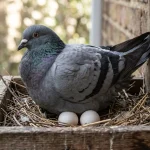
Did you know that pigeons have a unique way of communicating that can reveal their emotions and intentions? Whether you’re a seasoned birdwatcher or a curious nature lover, understanding the sounds that pigeons make, such as their gentle coos and distinctive calls, is essential. These vocalizations not only enhance our appreciation of these often-overlooked creatures but also provide insights into their behavior and social interactions. In this article, we’ll dive into the fascinating world of pigeon sounds, exploring how to identify their calls and what they signify in the context of their everyday lives. Discover why these seemingly simple sounds are vital for both the pigeons themselves and for us, as we learn to connect with and appreciate the vibrant avian life around us. Join us as we decode the language of pigeons, igniting your curiosity and enriching your birdwatching experience!
Understanding Pigeon Sounds: The Basics of Coos and Calls
The soft, rhythmic coos of pigeons can be both soothing and intriguing, drawing attention to their unique vocalizations and the roles these sounds play in their lives. Understanding pigeon sounds begins with recognizing that cooing is more than just background noise; it serves as a primary means of communication among these birds. Pigeons create a variety of sounds – from soft coos to louder calls – each carrying specific meanings that aid in social interaction, alarm signaling, and mating rituals.
Coos are typically associated with comfort and contentment, often heard when pigeons are resting or bonding with one another. These low-frequency sounds resonate across distances, allowing pigeons to maintain communication even in crowded spaces. Conversely, louder calls may signal alarm or distress, alerting other pigeons to potential dangers. It’s fascinating to note how the pitch and frequency of these calls can vary based on the situation, showcasing their adaptability.
For anyone caring for pet pigeons or observing them in the wild, developing an ear for these sounds can deepen your appreciation for their behavior. Listening closely to the context in which different calls are made will provide insight into their needs and emotional states. Whether you are fostering a bond with your pet through interactive calls or simply observing wild flocks, recognizing these vocal expressions enriches the overall experience of pigeon observation and care.
Distinct Coos: What Do They Mean?
The delightful coos of pigeons are not just soothing sounds but carry significant meaning within their social fabric. Among the myriad of vocalizations that these birds produce, distinct coos serve various purposes and convey important messages. For instance, the gentle “coos” that you often hear when pigeons are at ease and interacting with each other indicate comfort and social bonding. This soft, melodic sound is commonly emitted during moments of partnership, such as during preening or snuggling, reinforcing social ties among mates or flock members.
When pigeons wish to communicate more specific ideas, they adopt variations in their coos. A prolonged cooing sequence may signal that one pigeon is trying to attract a mate, often coupled with visual displays like bowing or puffing up the throat. Conversely, a short, sharp coo might arise when the bird senses danger or needs to alert its peers to an imminent threat, prompting a collective response to flee or take cover.
Understanding the nuances of these sounds can profoundly enhance your interaction with pet pigeons or while observing them in the wild. For caregivers, recognizing the differences between comfort coos and alarm calls allows for a more responsive approach to the birds’ needs. If you notice your pet pigeon cooing softly while nestled against you, it’s a sign of happiness and trust. However, if a sudden, frantic coo interrupts the calm ambiance, it may indicate stress or discomfort, prompting you to investigate their environment for potential stressors.
Ultimately, being attuned to these distinct coos not only enriches your experience with pigeons but fosters a deeper connection with your feathered friends, encouraging a responsive relationship rooted in understanding and empathy.
Exploring Pigeon Communication: From Coos to Caws
The world of pigeon communication is rich and varied, extending far beyond the soothing coos that many people recognize. While coos are essential for signaling comfort and fostering social connections, pigeons also utilize a range of other vocalizations, primarily caws, which serve different purposes. Understanding these sounds can greatly enhance our interactions with these fascinating birds. For instance, caws, often sharper and more abrupt than coos, can indicate alertness or distress, serving as an important warning signal to other pigeons in the vicinity.
Pigeons have an impressive ability to express themselves through different vocalizations depending on the context. One interesting aspect is that they can modify their calls based on their immediate environment or social situation. For example, when nesting, a pigeon may emit soft, low coos to soothe its mate or young, creating a calm atmosphere. In contrast, if they perceive a threat, their vocalization might shift abruptly to a sharper caw, signalling their flock to be alert and retreat if necessary.
This versatility in communication is not just limited to their immediate interactions; it extends to social hierarchies and mating rituals as well. Male pigeons often engage in elaborate call sequences during mating displays, combining both coos and caws to attract females. This complexity showcases their ability to use sound strategically-not just for immediate needs but for long-term bonding and reproduction.
Furthermore, cultural factors may also play a role in a pigeon’s vocal repertoire across different regions. Just as human languages evolve based on geography and social context, so do pigeon calls. Observing the variations in calls from one region to another not only highlights the adaptability of these birds but also reflects how they interact with their environment. Capturing these moments-whether through attentive listening or in the moment with pet pigeons-can provide keen insights into their emotional states and social dynamics.
By learning to interpret these vocalizations-cooing as a sign of comfort or cawing as an alert-it becomes possible to respond more effectively to the needs of your pet pigeons or deepen your understanding of wild populations. Recognizing the subtleties in their sounds will not only enhance your connection with them but also provide a richer understanding of their intricate social structures and behaviors.
The Role of Coos in Pigeon Social Behavior
The soothing coo of a pigeon is more than just a pleasant background sound; it’s a fundamental aspect of their social behavior and communication. Coos play a vital role in establishing and maintaining relationships among pigeons, acting as emotional cues that signal peace, comfort, or even interest. These vocalizations foster connections within flocks and between mates, creating a sense of community that is essential for their social structure. For those who keep pigeons as pets, understanding the nuances of these coos can enhance interactions and strengthen bonds with these fascinating birds.
When pigeons coo, they often convey messages unique to their social dynamics. For instance, a soft, gentle coo can indicate comfort and safety, especially during moments when pigeons are resting or nestled close together. This often occurs when a parent pigeon is near its young, using coos to calm and reassure them. In contrast, louder and more persistent coos may signal excitement or a call to mate, especially observed in males during the breeding season as they attempt to attract females. Their coos become part of an elaborate courtship ritual that showcases their vitality and readiness to bond.
Understanding the context of a pigeon’s coo can deepen your relationship with them. For pet owners, responding positively to soft coos can encourage trust and affection. Creating a nurturing environment that elicits comfort through gentle sounds can lead to happier and healthier pigeons. This is particularly important for new owners who may notice their pets appearing timid or reserved; recognizing that cooing can be a conservation mechanism allows caretakers to adjust their approach, ensuring their pigeons feel safe and secure.
Coos vary from region to region and are influenced by the environmental contexts in which pigeons live. Observing these variations not only reflects the adaptability of pigeon behavior but also emphasizes the rich tapestry of communication across different cultures. What may sound like a simple coo at first may reveal layers of meaning upon closer inspection. For bird enthusiasts and novices alike, listening attentively to your pigeon’s coos can open the door to a deeper understanding of their emotional states, social interactions, and overall well-being. This awareness not only enriches your experience as a caretaker but also fosters a respectful appreciation for the nuanced communication of these remarkable birds.
Variations in Calls: What’s the Difference?
Understanding the subtleties in the variety of pigeon calls can feel like unraveling a complex language, each sound a integral piece of their social tapestry. Beyond the familiar soothing coo, pigeons demonstrate a fascinating range of calls, each serving distinct purposes within their interactions. For those new to the world of pigeons, recognizing these calls can significantly enhance the experience of caring for these remarkable birds and foster a deeper bond.
Pigeons produce a range of sounds, including coos, caws, and grunts, each carrying specific meanings. The classic coo is often associated with affection and contentment, as well as courtship. In contrast, a sharp caw can signal alarm or distress, alerting fellow pigeons to potential danger. It’s essential to tune into these variations, as they can provide vital information about your pigeon’s emotional state or well-being.
When observing domesticated pigeons, nuances in their calls can illuminate their social hierarchies. For instance, during the breeding season, male pigeons may engage in a loud and persistent cooing as part of their courtship display, which may sound much more robust compared to their usual soft coo. This vocalization is often accompanied by physical displays, like puffing up or bowing, showcasing their eagerness to attract a mate.
In addition to social nuances, consider the environmental factors influencing their repertoire. Pigeons in urban areas may adapt their calls to compensate for background noise, resulting in louder, more resonant sounds compared to their rural counterparts. Translated to practical terms, this means that understanding your specific pigeon’s unique sounds-how they interact with their surroundings and respond to each other-can provide invaluable insights. By paying close attention, you can better meet their needs and enhance your relationship with these intelligent birds.
How Pigeons Use Sounds for Mating and Nesting
During the mating season, pigeons exhibit an intricate vocal repertoire that plays a critical role in their reproductive behaviors and nesting habits. The males, eager to attract females, employ a series of distinct coos, which serve as enchanting courtship calls. These aren’t just any coos; they are part of a carefully choreographed display that includes puffing out their chests and bowing, adding a visual element to their vocal serenades. This combination of sound and display communicates vitality and readiness to mate, making it essential for both aggrandizing their status within the flock and demonstrating their fitness to potential partners.
Choosing the Right Nesting Site
The process of choosing a nesting site is also influenced heavily by their sounds. While the soft coos often signify comfort and contentment, when searching for a breeding location, pigeons may emit louder, assertive calls aimed at deterring rivals from their chosen site. Another layer of communication occurs post-mating, where the soft grunts and coos take on a new meaning, reflecting intimacy and the shared responsibility of incubating eggs. Observing this behavior can give insightful glimpses into their social dynamics and the couple’s interaction patterns as they prepare for an upcoming brood.
Shared Responsibilities
Both male and female pigeons share the burden of nurturing their young, which is facilitated through their vocal exchanges. After mating, they rely on soft coos to reassure each other while tending to their eggs. These gentle coos convey comfort and synchrony, promoting a stable environment necessary for the eggs’ development. Thus, understanding the vocalizations surrounding this nurturing phase can significantly enhance a bird caregiver’s ability to create a supportive atmosphere for pet pigeons and their offspring.
In summary, pigeon sounds play an indispensable role not just in courtship but also in the maintenance of their mating bonds and parental duties. For those interested in keeping pet pigeons, recognizing these vocal cues and their implications can foster a deeper understanding of their needs and strengthen your relationship with these remarkable birds. Listening to and interpreting these sounds opens up a new dimension of companionship with your pigeons, allowing you to appreciate the nuances of their communicative behaviors.
Regional Dialects: Pigeon Sounds Across Cultures
Pigeons exhibit fascinating vocal behaviors that vary not only among species but also across different cultures. Just like human languages, pigeon sounds can manifest regional dialects, highlighting their adaptability and the environments they inhabit. For instance, urban pigeons might develop unique vocalizations influenced by their urban surroundings and interactions with humans, while rural pigeons may retain more traditional calls. These subtle differences can provide insights into their social structures and environmental adaptations.
When observing pigeon sounds in various parts of the world, you might discover distinct coos, grunts, and even clicks that indicate different social contexts. In cities, where pigeons coexist closely with people, their calls may become louder and more varied to cut through the urban noise. For instance, in New York City, the urgency of the pigeon’s coos may escalate to assert their presence, whereas in quieter rural areas, softer, more melodic coos prevail. Such variations not only enhance the communication within flocks but can also influence their attractiveness to potential mates during courtship displays.
Cultural factors also play a significant role in shaping how we perceive and interpret pigeon sounds. In some cultures, pigeons are revered as symbols of peace and goodwill, which can lead to more positive interpretations of their sounds. Conversely, in areas where pigeons are considered pests, their vocalizations may be viewed less favorably, prompting a different response. Understanding these cultural contexts can deepen your appreciation for the nuances in pigeons’ vocal behaviors, allowing both casual observers and dedicated bird enthusiasts to engage more meaningfully with these remarkable birds.
When caring for pet pigeons, recognizing these regional dialects can also be beneficial. Each pigeon can have its unique vocal patterns, influenced by the sounds it hears during its upbringing. A pet owner can tailor interactions by mimicking specific calls, fostering a stronger bond and perhaps encouraging more vocal exchanges. Integrating these aspects of pigeon communication into daily care can enhance not only the birds’ emotional well-being but also the owner’s experience, creating a richer relationship built on understanding and shared dialogue.
Listen Closely: Recording Pigeon Calls
Capturing the vocalizations of pigeons can be a rewarding experience for bird enthusiasts and casual observers alike. These birds emit a diverse array of sounds that can convey different emotions and social contexts. With the right approach and tools, anyone can record pigeon calls, enhancing their understanding of these fascinating creatures while contributing to a broader appreciation for avian communication.
To start, consider the best time and location for recording. Early morning or late afternoon are often ideal times, as pigeons are most active and vocal during these hours. Urban areas, parks, or gardens with a significant pigeon population can provide rich opportunities for capturing sounds. When setting up for recording, using a portable audio recorder or a smartphone with a quality recording app can yield excellent results. Ensure that you’re at a reasonable distance to avoid startling the birds; a zoom microphone can help capture sounds more clearly without being intrusive.
While recording, pay attention to specific sounds such as coos, grunts, or flutters that correspond to various behaviors. For instance, the soft cooing often signals courtship, while harsher sounds may indicate alarm or distress. Document your recordings by taking notes on the context of each sound-what the pigeons were doing, the time of day, and their surroundings. This practice not only enriches your understanding but also allows you to share valuable data with fellow bird watchers or contribute to citizen science projects focused on avian communication.
Lastly, after recording, don’t forget to analyze the audio! Listen for patterns, nuances, and variations in the calls. This can uncover insights into how different environments or social situations influence vocal behaviors. By engaging with pigeons’ vocal expressions through your recordings, you deepen your connection to these remarkable birds and become an active participant in the growing community of bird enthusiasts committed to appreciating and protecting avian life.
Caring for Your Pet Pigeon: Understanding Their Vocalizations
Understanding the vocalizations of your pet pigeon can significantly enhance your relationship with them and improve their overall well-being. Pigeons are particularly expressive creatures, using a range of sounds to communicate their feelings and needs. Whether they are cooing softly during moments of affection or emitting sharp sounds to signal distress, tuning into their calls can offer crucial insights into their emotional state and comfort levels.
Pigeons predominantly communicate through vocalizations, and the cooing sound is a fundamental aspect of their social behavior. When your pigeon coos, it typically indicates comfort and contentment, particularly when they are in a relaxed state. However, the nuances of their calls can vary; for example, a soft, rolling coo may suggest pleasure, while a series of rapid coos can express excitement or the desire for attention. Observe your pigeon’s body language as well-things like fluffing their feathers or bobbing their heads can accompany these sounds, giving you additional context.
To foster a strong bond with your feathered friend, engaging with them during their vocal expressions is key. Responding to their coos with gentle speech or mimicry can encourage further communication. Try the following techniques to deepen your interaction:
- Consistency: When your pigeon vocalizes, acknowledge them with a calm voice. This reinforces their behavior and encourages them to continue engaging with you.
- Positive Reinforcement: When they respond to your calls or coo back, reward them with treats or affection. This builds a positive association with communication.
- Observation: Spend time watching your pigeon throughout the day. Note their vocalizations and corresponding behaviors to better understand their emotional cues.
Understanding the communication patterns of your pet pigeon is a rewarding aspect of caring for these intelligent birds. By paying attention to their vocalizations and responding appropriately, you’ll not only improve their quality of life but also enrich your shared experiences. Remember, building a relationship based on trust and understanding begins with listening to the sounds they make; each coo is a conversation waiting to happen.
Pigeon Sounds and Their Emotional Context
Understanding the emotional context behind pigeon sounds can significantly enhance your relationship with these remarkable birds. Pigeons, like many other avian species, possess a rich vocal repertoire filled with subtle nuances. Each coo, call, and cluck provides insight into their emotional state and social interactions. For instance, a gentle, rolling coo often indicates contentment and comfort, suggesting that your pigeon feels secure in their environment. In contrast, rapid sequences of coos can signal excitement or a call for attention. Paying close attention to these variations not only improves communication but helps you respond effectively to their needs.
The context in which pigeons vocalize adds layers of meaning. When your pet pigeon coos softly while nestled against you, it’s not just a sound; it’s a declaration of affection and trust. If they puff up their feathers and let out a sharp call, it might indicate distress or the presence of a perceived threat. Body language often accompanies their vocalizations, and recognizing these signals is key to interpreting their emotional landscape. Spending quality time observing your pigeon’s behavior allows you to identify patterns and better understand their vocal expressions.
To deepen your bond with your feathered friend, it’s important to respond to their vocalizations appropriately. Engaging with them when they coo not only reinforces their behaviors but also fosters an encouraging environment that promotes further communication. Some effective strategies include:
- Mimicry: If your pigeon coos and you respond by mimicking their sound, it can create a playful interaction that encourages them to vocalize more.
- Comforting Presence: Providing a calming presence when your pigeon is vocalizing allows them to express themselves freely, instilling a sense of security.
- Routine Interaction: Establishing regular playtime where you listen and respond to their coos enhances their emotional well-being and enriches your relationship.
In conclusion, understanding the emotional context of your pigeon’s sounds is an integral aspect of responsible pet ownership. Every vocalization is a window into their feelings, ranging from joy and excitement to fear and anxiety. By nurturing this understanding, you’ll create a supportive environment that encourages your pigeon to communicate openly, enriching your shared experiences together.
Comparing Pigeon Sounds: Wild vs. Domestic Varieties
Pigeons, whether found in urban environments or natural surroundings, possess a fascinating array of sounds that reflect their adaptability and social behavior. Wild pigeons, like the Rock Pigeon, typically communicate through softer, more subdued coos, often related to their natural instincts of pairing and alerting fellow flock members of potential threats. These calls are essential for their survival and consist mainly of low, rhythmic coos that can convey a sense of calmness or assert a presence in their territory. In contrast, domestic pigeons may exhibit a more varied sound palette, having been selectively bred for specific traits, including vocalizations.
Distinctive Sounds in Wild vs. Domestic Pigeons
Wild pigeons often use simpler vocalizations that serve clear survival purposes, while domestic breeds can develop more complex calls, sometimes influenced by human interaction and care. For example, while a wild pigeon cooing might be a straightforward way of signaling a mate or addressing concerns of safety, a domestic pigeon may employ a range of pitches and rhythms that can reflect different emotional states-ranging from excitement when seeing their owner to discontent during confinement.
To illustrate, here’s a quick comparison of typical sounds:
| Type | Wild Pigeons | Domestic Pigeons |
|---|---|---|
| Coos | Soft, rolling sounds; calming; not overly loud | Varied tonalities; can be loud and expressive; includes chirps and whistles |
| Alarm Calls | Short, sharp coos to signal threats | More melodious variations; sometimes combined with frantic wing flapping |
| Mating Calls | Simple, repeated coos; often in pairs | More elaborate, can involve multiple repetitive sequences or harmonized sounds |
Recognizing these differences is vital for bird enthusiasts and pet owners alike. As a novice, you can start by observing whether your pigeon seems more inclined towards softer calls or engages in livelier, more enthusiastic sounds, which can enrich your understanding of their needs and moods. Therefore, whether observing wild flocks in a park or tending to domestic ones in your home, tuning into these nuances helps foster a deeper appreciation for their communication strategies and enhances the bond with your feathered friends.
Enhancing Interaction: Responding to Your Pigeon’s Calls
One of the most fascinating aspects of owning a pigeon is the vibrant communication that unfolds between you and your feathered friend. Observing how they interact through their unique calls and coos can be both entertaining and enriching. When you respond to their vocalizations, you not only strengthen your bond but also enhance their emotional well-being. Pigeons thrive on interaction, and they often communicate their feelings and needs through a varied repertoire of sounds.
When your pigeon coos at you, treat it as an invitation for engagement. These calls might signal joy, excitement, or even a request for attention. To respond effectively, consider mirroring their sounds. Use a soft voice to coo back, which can reassure them and encourage further interaction. Pigeons, being social creatures, appreciate this form of communication, which reinforces their sense of security and attachment to you.
Creating a routine can also play a significant role in your interaction. For instance, during daily feeding times, speak to your pigeon softly and use consistent phrases or sounds. This repetition helps your bird associate the sounds with positive experiences-like meals or playtime. If your pigeon tends to get noisy when it’s looking for affection or stimulation, try to engage with them through gentle talking and play-a simple strategy to keep boredom at bay and your relationship thriving.
For those who enjoy observing behavioral nuances, take note of how different sounds correspond to various situations. A sudden change in pitch may indicate surprise or alarm, while rhythmic coos often signal contentment. By actively listening and responding to these calls, not only do you enhance your pigeon’s social environment, but you also deepen your understanding of their moods and needs. Building this connection attributes a richer quality to the experience of pigeon ownership, allowing for a fulfilling companionship that transcends mere pet ownership.
FAQ
Q: What are the different types of pigeon sounds?
A: Pigeons produce a variety of sounds, including soft coos, harsh caws, and sharp whistles. Coos are primarily used for communication and mating, while caws can signal warnings or alerts. Understanding these variations helps in recognizing their emotional states and social interactions.
Q: How do pigeons use sounds to communicate?
A: Pigeons communicate through vocalizations, using sounds to establish territory, attract mates, and warn of danger. Their coos can vary in tone and duration, conveying different messages depending on the context. Observing these sounds can enrich your understanding of their behavior.
Q: Why do pigeons coo?
A: Pigeons coo mainly as a form of communication, particularly during mating rituals and to keep in touch with other flock members. Coos can also express contentment or serve as a reassurance signal among mate pairs, enhancing social bonds.
Q: When do pigeons make noise?
A: Pigeons are more vocal during breeding seasons, as they call to attract mates and establish territories. However, they may also coo or make other sounds at any time, especially when feeling threatened or seeking social interaction.
Q: Are pigeon sounds different in wild vs. domestic varieties?
A: Yes, wild and domestic pigeons exhibit different sound patterns. Wild pigeons typically have sharper, more varied calls for communication in their natural habitats, while domestic pigeons’ sounds may be softer and more melodic due to breeding for docility and companionship.
Q: How can I understand my pet pigeon’s vocalizations?
A: To understand your pet pigeon’s vocalizations, pay attention to the context in which they occur. Observe their body language and the environment; this will help you interpret whether they are happy, scared, or seeking attention. Regular interaction can further enhance your bond.
Q: Do all pigeons sound the same?
A: No, pigeon sounds can vary significantly by breed and environment. Factors such as regional dialects, individual personality, and social contexts can influence their vocalizations, making some pigeons more vocal or expressive than others.
Q: Can I train my pigeon to respond to specific sounds?
A: Yes, with consistent training, you can teach your pigeon to respond to specific sounds or cues. Use positive reinforcement techniques, such as treats, to encourage desired behaviors. This can deepen your bond and enhance communication with your pet.
These FAQs are designed to complement the main article on pigeon sounds while optimizing for search visibility and providing valuable insights for users. For further insights on pigeon vocalizations, feel free to explore our article sections on pigeon communication!
Insights and Conclusions
Understanding the unique coos and calls of pigeons opens a fascinating window into their world. From signaling distress to expressing affection, each sound holds a special meaning that can enhance your appreciation of these remarkable birds. If you’re eager to dive deeper into pigeon behavior, check out our comprehensive guide on pigeon care essentials and explore the nuances of pigeon social structures to enrich your knowledge further.
Don’t miss out on more engaging content-subscribe to our newsletter for the latest insights and tips on avian wonders. Have questions? Join the conversation in the comments below and share your experiences with pigeon sounds. Your input not only helps others but also builds a passionate community of bird lovers. Remember, each coo carries a story; let’s uncover them together!
Get our latest guides, news, and insights highlighted in your Google Search & AI Overviews.