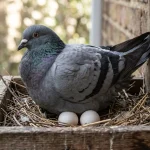
Pigeons, often overlooked, carry rich spiritual symbolism that resonates across cultures and histories. Did you know that these remarkable birds have been revered as messengers of peace, love, and intuition? Understanding what a pigeon represents can deepen your appreciation for these graceful creatures and their role in our lives. Whether you’re curious about their symbolism in your own life or seeking insight into their presence, exploring the depths of pigeon symbolism can offer valuable perspectives. As we delve into this fascinating topic, you’ll discover not just the meanings behind their existence but also how they can inspire a greater understanding of connectivity, guidance, and transformation in your individual journey. Let’s uncover the layers of significance behind these feathered messengers and see how they can enlighten our paths.
What Do Pigeons Symbolize in Different Cultures?
Pigeons have long captured the human imagination, embodying diverse meanings across various cultures. In many traditions, they serve as powerful symbols of love, peace, and fidelity. For example, in ancient Rome, the pigeon was associated with Venus, the goddess of love, reflecting its role as a romantic symbol that persists today. This connection underscores how pigeons represent not only affection between partners but also a broader sense of community and harmony.
Furthermore, pigeons often symbolize the soul’s journey and spiritual growth. In some indigenous cultures, these birds are seen as messengers between the physical and spiritual realms, often believed to carry prayers and intentions to the heavens. The gentle coo of a pigeon, when heard, can remind us to pause and reflect on our inner journey, tapping into the profound spiritual connections we share with the natural world.
Pigeons also have cultural significance in Buddhism, where they are seen as symbols of compassion. The act of feeding pigeons is considered a form of giving and moral action, emphasizing the interconnectedness of all living beings. This aligns with the broader idea of nurturing one’s environment, making these birds not only a representation of peace but also of responsibility toward nature and community wellbeing.
As a bird that thrives in both urban and rural environments, the pigeon serves as a metaphor for adaptability and resilience, qualities that are important to many cultural narratives. Their ability to find a home anywhere speaks to the human experience of seeking belonging and comfort, no matter the circumstances. In essence, pigeons embody a rich tapestry of meanings that resonate deeply across cultures, inviting us to explore our own connections with them.
The Spiritual Significance of Pigeons in Folklore
Pigeons are often underestimated as simple birds of the urban landscape, but in folklore, they carry profound spiritual significance that transcends their common image. Across various cultures, they have been revered as messengers of the divine, bridging the gap between the earthly and the spiritual realms. For many, the sight of a pigeon can evoke feelings of tranquility, love, and introspection. Their gentle cooing and graceful flight have inspired countless stories that illuminate their spiritual role in our lives.
In Native American traditions, pigeons are considered symbols of peace and love, often viewed as spiritual guides. They are believed to carry messages from the ancestors, reminding individuals of their roots and the wisdom they carry. This belief in pigeons as messengers is echoed in various folklore, where they are thought to deliver prayers and intentions to the heavens, reinforcing their role as intermediaries between the mortal and the sacred. This connection allows individuals to reflect on their spiritual journeys, prompting introspection and growth.
Buddhism further amplifies the spiritual narrative surrounding pigeons, viewing them as embodiments of compassion. The practice of feeding pigeons is regarded as an act of kindness and moral duty, symbolizing the interconnectedness of all living beings. This ritual not only nurtures the birds but also invites practitioners to cultivate an attitude of generosity in all aspects of life. By engaging with pigeons, individuals can develop a deeper sense of responsibility towards nature and enhance their spiritual well-being.
The symbolism of pigeons extends beyond specific cultural interpretations; their presence can serve as a reminder to embrace adaptability and resilience. In folklore, the flight of a pigeon symbolizes the soul’s journey through various life challenges. Whether seen as symbols of hope or as gentle reminders of our spiritual paths, pigeons resonate deeply with those who seek insight and connection in their everyday lives. By embracing the spiritual significance of these birds, we open ourselves to a richer understanding of our place in the world and the connections we share with all living beings.
Pigeon Behavior and What It Reveals About Their Symbolism

The fascinating behaviors of pigeons can provide profound insights into their symbolic meanings, reflecting qualities admired across various cultures. One captivating aspect of pigeon behavior is their highly developed social structure. Pigeons often live in flocks, which emphasizes a strong sense of community and cooperation. In spiritual terms, this behavior symbolizes unity, support, and the importance of relationships in our lives. When we observe pigeons nurturing their young or sharing resources, it serves as a reminder of the value of nurturing our connections with others, fostering love and compassion.
Pigeons are also renowned for their remarkable navigational abilities. These birds can return to their nests from distances of hundreds of miles. This innate skill is not merely biological; it’s a testament to their spiritual symbolism of finding one’s path and staying connected with home and family. In moments of uncertainty or when wandering in unfamiliar territory, the presence of pigeons can inspire us to trust our instincts and seek our true paths, encouraging a deeper connection to our personal journeys and aspirations.
Another interesting behavior is the way pigeons communicate. Their cooing is not just a form of mild vocalization; it serves multiple purposes, from expressing comfort to alerting others about potential dangers. This communication reflects the spiritual idea of openness and vulnerability. Just like pigeons share their calls, we too can benefit from expressing our feelings and thoughts more openly, nurturing both our emotional well-being and our connections with others.
Moreover, when pigeons engage in courtship rituals, such as puffing up their chests and bowing, they represent themes of romance, attraction, and harmony. Observing this behavior allows us to reflect on our own relationships, reminding us of the importance of showing affection and fostering emotional bonds. This display acts as a powerful visualization of love, embodying the qualities that many cultures associate with these birds-loyalty and devotion that transcend the ordinary, making pigeons a rich symbol of spiritual connection.
By paying attention to these daily behaviors, we not only deepen our understanding of pigeons but also invite their spiritual lessons into our own lives, encouraging us to embrace unity, trust our paths, communicate openly, and nurture our affectionate bonds.
Understanding Pigeons as Omens in Spirituality

In many cultures around the world, pigeons are considered powerful spiritual omens that convey messages from the universe or the spirit realm. Their serene presence and unique behaviors often serve as reminders to pay attention to the subtleties of life and the signals that may be pointing us toward significant changes or realizations. For instance, spotting a pigeon during a moment of decision can suggest that harmony and peace are within reach, guiding us toward paths that foster well-being and stability.
Many people believe that when a pigeon unexpectedly appears in your life, it symbolizes newfound clarity or guidance. This can take various forms: perhaps you need to pursue a lingering dream, reconnect with family, or practice forgiveness. The calming coos of a pigeon can serve as a gentle nudge, urging you to tune into your inner voice and reflect on what truly matters to you. If you see a pigeon during a period of stress, it may signify that you should find your peace within the chaos-a reminder that life is about balance.
The frequency and nature of encounters with pigeons can also carry specific meanings. For instance, if a pigeon appears during a time of personal struggle or transition, it may represent resilience and the idea that, like a pigeon can navigate across great distances, you too can overcome challenges. On a more mystical note, some cultures regard pigeons as messengers between the living and the spiritual world, offering assurance that help is always nearby, even in trying times.
It’s worth noting that pigeons, while generally viewed positively, can also signify the necessity of making choices. Observing their behavior may prompt you to evaluate aspects of your life-are you being diligent in your relationships, or have you let them lapse? These introspective urges can lead to transformative insights that enrich your spiritual journey. By acknowledging and interpreting these pigeon encounters, you not only engage with this symbolism but also open yourself to the wisdom that nature imparts, enhancing your connection to both yourself and the world around you.
The Role of Pigeons in Different Religious Traditions

The presence of pigeons in various religious traditions is imbued with rich symbolism, often embracing themes of peace, love, and spiritual connection. In Christianity, pigeons symbolize the Holy Spirit, reflecting purity and divine presence. This connection is notably illustrated in the story of Jesus’ baptism, where the Holy Spirit is described as descending like a dove, a close relative of the pigeon family. This imagery reinforces the pigeon’s role as a messenger of God and a bringer of peace, suggesting that when one encounters a pigeon, it may be a reminder of divine support and guidance.
In Hinduism, pigeons hold a unique position as well, being associated with the spirit world. They are often linked to ancestral reverence during rituals where offerings are made to honor deceased relatives. The act of feeding pigeons is a way to earn spiritual merit and keep connections with the past. This highlights a belief that these birds can convey messages between the living and the spirit world, offering comfort and companionship to those who may feel isolated in their grief.
Furthermore, in Islam, pigeons are also highly respected. The famous story of the migration of the Prophet Muhammad to Medina speaks of a pigeon that sheltered him and his companion in a cave, shielding them from enemies. This act is often interpreted as a symbol of divine protection and care, illustrating the strength of faith and reliance on spiritual guidance during perilous times. The bird’s nurturing nature, represented in these narratives, emphasizes the importance of compassion and community support, affirming the pigeon’s place as a symbol of love and loyalty.
Overall, pigeons are emblematic of hope and resilience across different religious landscapes. They remind us to stay connected to our spiritual roots, embrace peace, and trust in the universe’s guidance. Engaging with these teachings can deepen one’s understanding of spirituality, inviting us to reflect on how these messages manifest in our own lives. Whether through rituals, prayers, or simple observations of these birds, recognizing pigeons as sacred symbols can enrich our spiritual journeys and encourage us to foster connections with the divine.
How to Interpret Pigeon Sightings in Everyday Life
Pigeons are often seen as messengers between the physical and spiritual worlds, and their sightings can serve as significant reminders or omens in our daily lives. When a pigeon appears before you, it might feel like a mundane occurrence, but it can carry a deeper message about peace, love, or transformation. Understanding how to interpret these moments can enhance your awareness of the spiritual symbols at play in your environment.
Whenever you spot a pigeon, take a moment to pause and reflect on your current situation. Consider the context of the sighting: Are you facing challenges or decisions in your life? Pigeons symbolize resilience and hope, suggesting that you have the strength to navigate through difficulties. This bird’s appearance can act as a nudge to remain steadfast and trust that positive change is on the horizon. If a pigeon lands nearby or interacts with you, it may be an invitation to reevaluate your current path and embrace a more hopeful perspective.
Another aspect to consider is the location of the sighting. In urban settings, pigeons are often associated with community and togetherness. Their gathering in flocks can symbolize the importance of social connections and support systems. If you find solace in watching pigeons, or if they frequently appear when you are feeling lonely or disconnected, this may serve as a reminder to reach out to friends and loved ones. Embrace the notion that you are never truly alone, and allow these birds to inspire you to foster closer bonds within your community.
Practical Tips for Interpreting Pigeon Sightings
- Stay Mindful: When a pigeon crosses your path, take a deep breath and think about what was on your mind just prior to the encounter. Pay attention to your thoughts and feelings in that moment.
- Evaluate Your Surroundings: Assess where the sighting occurs. Is it in a place that has personal significance? Are you receiving messages about the importance of your community connections?
- Record Your Experiences: Keep a journal of your pigeon sightings, noting how they align with your life events. Over time, patterns may emerge that reveal deeper meanings.
- Embrace the Message: Treat these encounters as gentle nudges from the universe to pause, reflect, and grow. Allow the symbolism of pigeons-hope, peace, and love-to guide your thoughts and actions moving forward.
By interpreting pigeon sightings with intention, you cultivate a richer understanding of your life’s journey, encouraging personal growth and spiritual insight. Embrace these moments as opportunities for reflection and connection to the broader universe.
The Connection Between Pigeons and Love or Peace
Pigeons are often seen navigating the urban landscape, yet their significance extends far beyond mere survival in cityscapes. These birds carry profound meanings of love and peace, deeply intertwined in our cultural history and spiritual beliefs. Fun fact: in various cultures, the presence of pigeons during significant events often leads to associations of harmony and positive transformations, making them emblematic of connections that transcend mere sight.
When we consider their symbolism, it’s essential to look at the pigeon’s representation of fidelity and enduring relationships. In many cultures, pigeons are known for their monogamous mating behavior, often pairing for life. This enduring bond mirrors the ideals of long-lasting romantic love and loyalty. Their appearance in literature and folklore frequently highlights themes of unity and unconditional love, which relate to their social behavior where these birds often flock together, exhibiting deep communal ties.
Moreover, the gentle cooing sounds of pigeons can evoke feelings of tranquility and comfort, which are fundamental aspects of peace. Such auditory signals are not merely noise; they resonate with calmness, often providing a soothing presence in bustling environments. This idea is further enhanced by the use of pigeons as symbols in various religious contexts, where they represent the Holy Spirit and divine love, promoting a message of compassion and serenity. For instance, in Christianity, the image of a pigeon (or dove) often embodies hope and the promise of peace, reminding us of the significance of nurturing positive relations within our communities.
Ultimately, pigeons invite us to cultivate a deeper understanding of love and peace in our lives. By observing these birds and reflecting on their symbolic meanings, we can garner insights into our relationships and communal ties. Whether you encounter a lone pigeon or a bustling flock, each sighting serves as a gentle reminder of the values of connection, harmony, and the beauty of love that surrounds us.
Pigeons in Art and Literature: A Symbol of Freedom
The sight of a pigeon in flight can evoke a sense of liberation that harmonizes beautifully with their representation in art and literature. Throughout history, various cultures have celebrated these birds as symbols of freedom, their graceful movements and ability to soar high capturing the essence of unbounded spirit. In literature, pigeons often embody themes of liberation and hope, appearing in narratives that explore the human condition. For instance, in the works of 20th-century poets, the pigeon has been used to convey the fragility of freedom amidst urban life, illustrating the contrast between the hustle of human existence and the tranquil simplicity embodied by these birds.
In visual art, pigeons have frequently been depicted as motifs of peace and liberation. Renowned artists, such as Pablo Picasso, incorporated doves (a close relative of pigeons) into their works to symbolize peace during tumultuous times. These artworks often serve as reminders that the pursuit of freedom comes hand in hand with the struggles for peace and harmony in society. Pigeons have also inspired street artists, who often utilize their image to signify urban life and resilience, portraying how beauty can emerge from the most unexpected places.
Their presence in folklore further reinforces their status as symbols of freedom. Across cultures, stories often portray pigeons as capable of remarkable journeys, representing the idea of transcendence and the pursuit of a boundless dream. In many Indigenous narratives, pigeons are seen as messengers between the earthly realm and the spirit world, signifying the liberation of the spirit and the vital connection between nature and humanity. Such narratives encourage us to reflect on our own quests for freedom and the inherent power of nature to inspire resilience and hope.
To truly appreciate the symbolic significance of pigeons in art and literature, we can invite these themes into our own lives. Observing how pigeons navigate their environments can provide insights into finding freedom within constraints, reminding us that movement and change are vital to our growth. Whether through creating art inspired by pigeons or incorporating their symbolism into our personal narratives, we can embrace the ideals of hope and liberation they represent, enriching our lives with meaning and purpose.
Common Misconceptions About Pigeon Symbolism
Many people hold misconceptions about what pigeons symbolize, often reducing them to mere city birds or symbols of bad luck. However, these interpretations fail to capture the complex and rich significance that these birds have across various cultures and spiritual practices. For instance, while some view pigeons as dirty or problematic due to their presence in urban environments, others recognize them as representations of peace, love, and fidelity, especially in the form of doves. The misidentification stems from societal biases that overlook the deep historical, cultural, and spiritual values associated with these birds.
One common misunderstanding is that a pigeon’s appearance indicates a negative omen. In many cultures, pigeons are seen instead as messengers or signs of hope. Their ability to navigate vast distances and return home speaks to their intrinsic connection to loyalty and guidance. In spiritual contexts, witnessing a pigeon can symbolize reassurance, urging individuals to trust their path. This contrasts sharply with the belief that a sighting might herald bad news. Pigeons, through their behavior and migration, teach us about resilience and the potential for positive transitions in our own lives.
Additionally, there is a tendency to ignore the unique behaviors of pigeons, which can be quite revealing about their symbolic meanings. Pigeons often mate for life and exhibit nurturing behaviors, which positions them as powerful symbols of love and partnership. This characteristic is particularly emphasized in literature and art, where they frequently embody enduring love. Misinterpretations may arise when focusing only on the superficial traits of pigeons, rather than appreciating their deeper, relational qualities that resonate with human emotions and experiences.
Ultimately, embracing the true symbolism of pigeons requires a willingness to look beyond surface perceptions. By recognizing their roles in various spiritual traditions and understanding the behaviors that define them, one can appreciate pigeons not merely as urban inhabitants or pests, but as powerful symbols woven into the fabric of human experience, embodying messages of hope, love, and transformation.
How to Incorporate Pigeon Symbolism in Your Life
Incorporating the rich symbolism of pigeons into your life can create a deeper connection to the meanings these birds embody. Pigeons, often viewed through the simplistic lens of urban wildlife, represent much more than mere city dwellers; they are symbols of peace, love, fidelity, and resilience. By embracing their qualities, you can enhance your daily experiences and foster a more meaningful existence.
One powerful way to invoke the symbolism of pigeons is through mindfulness practices that encourage reflection and connection with nature. Consider creating a small space at home that celebrates these birds. You could include images or art depicting pigeons or doves, reflecting their role as messengers of peace. Incorporating themes of flight and migration in your decor can remind you of the freedom and trust inherent in their journeys. Furthermore, adopting a daily meditation practice focused on the qualities of pigeons-like loyalty and perseverance-can help ground your intentions and inspire personal growth.
Engaging with pigeons in your local environment is another excellent method. Take time to observe their behavior when you encounter them in parks or urban spaces. Note how they interact with one another, their nurturing tendencies, and their resilience in navigating city life. This observation can give you insight into your relationships, encouraging you to cultivate loyalty and understanding with loved ones. Consider feeding or caring for them responsibly; this action not only fosters a connection with nature but also symbolizes your desire to promote peace and harmony in your surroundings.
You can also make symbolic gestures or rituals inspired by pigeons. For instance, releasing a pair of doves during significant life events can represent love and commitment, making the occasion even more special. Incorporating pigeon motifs into your art or writing can serve as a creative outlet, allowing you to explore themes of freedom and love. Ultimately, living with an awareness of the symbolism pigeons carry encourages a mindset of hope and resilience, allowing you to navigate life’s challenges with a newfound perspective.
Unique Pigeon Species and Their Symbolic Meanings
When exploring the rich symbolism associated with pigeons, it’s fascinating to note how various unique species contribute to this narrative. Each pigeon species not only showcases diverse physical traits but also embodies specific symbolic meanings rooted in different cultures and beliefs. Understanding these distinctions can deepen our appreciation for these remarkable birds and the messages they convey.
Common Pigeon (Columba livia)
One of the most recognizable species, the Common Pigeon-or Rock Pigeon-is often seen in urban areas worldwide. Symbolically, it represents adaptability and resilience, thriving in both natural and human-made environments. Their ability to navigate complex cityscapes serves as a reminder of the importance of adaptability in our own lives. Spiritually, these pigeons are often seen as messengers, delivering insights and guidance from the spiritual realm.
White Dove (Columba livia domestica)
The White Dove, a domesticated variant of the Rock Pigeon, holds profound significance as a symbol of peace and purity. Often released during weddings and ceremonial occasions, these birds evoke feelings of love and hope. From a spiritual perspective, the sighting of a white dove might signify a message of reassurance during challenging times, encouraging people to remain faithful and optimistic in their journeys.
Turtledove (Streptopelia turtur)
Turtledoves are revered for their gentle and affectionate nature, often associated with romantic love and fidelity. In western literature and symbolism, they represent enduring love, making them popular symbols in weddings and anniversaries. The soft cooing of turtledoves is frequently associated with tranquil moments and harmony in relationships, reminding us of the values of loyalty and commitment.
Nicobar Pigeon (Caloenas nicobarica)
In contrast, the Nicobar Pigeon offers a striking example of beauty and uniqueness among pigeon species. Its iridescent feathers and distinctive appearance symbolize uniqueness and individuality. Spiritually, encountering a Nicobar Pigeon can inspire one to embrace their true self and celebrate personal authenticity, encouraging self-expression and creative pursuits.
Exploring these unique pigeon species not only enhances our understanding of their symbolic meanings but also invites us to reflect on how these messages influence our lives. Observing these birds in their natural habitats can be an engaging experience, allowing us to connect deeply with their inherent qualities and the spiritual insights they offer. As you interact with pigeons, whether in urban spaces or rural settings, consider their diverse characteristics and the powerful symbolism they convey.
Pigeon Meditation: A Spiritual Practice for Insight
Meditating with pigeons can be a transformative experience, connecting you to the gentle yet potent energies these birds embody. Pigeons, known for their intelligence and adaptability, serve as a natural guide during meditation, allowing you to tap into themes of peace, love, and resilience. Incorporating pigeons into your spiritual practice can enhance your insights and deepen your connection to the present moment.
To begin, find a quiet space where you can sit comfortably, ideally outdoors or near a window where pigeons can be observed. As you settle in, take a few deep breaths, aligning your breath with the rhythm of the natural world. Envision the pigeons gliding effortlessly through the sky, their movements embodying grace and freedom. This imagery can help you cultivate a sense of calm and openness, inviting the qualities of adaptability and resilience into your meditation.
During your practice, focus on the sounds that pigeons make-their soft cooing and gentle flapping wings. These sounds can act as a meditative anchor, grounding you in the present moment. If a pigeon lands nearby, observe its behavior. Notice how it interacts with its surroundings. This can lead to insights about your own adaptability. Ask yourself how you can embody this resilience in your day-to-day life, allowing the pigeon’s spirit to inspire transformative thoughts.
Pigeon meditation not only fosters personal insight but also broadens your understanding of their spiritual symbolism. As you conclude your session, take a moment to reflect on any messages or feelings that arose. This practice connects you to the pigeons’ natural wisdom, infusing your life with peace and an enriched appreciation for these remarkable creatures.
FAQ
Q: What do pigeons symbolize in spirituality?
A: Pigeons symbolize peace, love, and communication in spirituality. They are often seen as messengers between realms, delivering insights and promoting harmony. Engaging with their symbolism can encourage personal reflection and enhance one’s spiritual journey.
Q: How can I interpret a pigeon sighting in my daily life?
A: Seeing a pigeon can symbolize a need for peace or connection in your life. It may encourage you to embrace calmness in stressful situations or reinforce the importance of nurturing relationships. Reflect on your thoughts when you spot a pigeon for deeper insights.
Q: Why are pigeons associated with love and fidelity?
A: Pigeons are known for forming strong, monogamous bonds, which represents loyalty and devotion. Their behavior in pairing suggests a commitment to relationships, making them strong symbols of love and fidelity in various cultures and traditions.
Q: What are the omens associated with pigeons?
A: Pigeons are often seen as positive omens, indicating peace or the arrival of good news. In spiritual interpretations, their presence can suggest that changes or transformations are on the horizon, encouraging you to remain optimistic.
Q: How do different cultures interpret pigeon symbolism?
A: Pigeon symbolism varies across cultures; in some, they represent freedom, while in others, they symbolize love and peace. Their universal presence in folklore reflects human connection and shared spiritual messages, enriching our understanding of societal values.
Q: What role do pigeons play in religious traditions?
A: In many religious traditions, pigeons (or doves) symbolize the Holy Spirit and purity. They are often used in rituals and religious art to convey messages of peace and divine presence, linking believers to spiritual truths and guidance.
Q: Can pigeon symbolism support personal growth?
A: Yes, incorporating pigeon symbolism into daily practices can promote mindfulness and emotional balance. Meditating on their qualities of peace and love can encourage self-reflection, enhance relationships, and support spiritual development.
Q: What unique symbolic meanings do different pigeon species have?
A: Different pigeon species embody unique symbolism; for instance, the mourning dove represents loss and healing, while the rock pigeon symbolizes urban resilience. Understanding these meanings can enrich your appreciation of their role in nature and spirituality.
Future Outlook
As we explore the rich symbolism of pigeons, remember that these remarkable birds embody themes of peace, love, and resilience across various cultures. Whether it’s their role as messengers connecting realms or their significance in spirituality, understanding what a pigeon represents can deepen your appreciation for these creatures and their place in our lives. Don’t miss out on our insightful articles on Pigeon Care Tips and The Spiritual Wisdom of Birds to expand your knowledge.
If you’re intrigued by the teachings of nature, consider subscribing to our newsletter for regular updates and exclusive content delivered straight to your inbox. Join the discussion in the comments below-share your thoughts on pigeon symbolism or experiences you’ve had! By remaining engaged with our resources, you’ll uncover even more fascinating connections and insights. Continue your journey with us and let the wisdom of pigeons guide you toward greater understanding.
Get our latest guides, news, and insights highlighted in your Google Search & AI Overviews.