Pigeons are often underestimated, yet they are fascinating creatures with diverse appearances that reflect their adaptability and environments. Did you know there are over 300 species of pigeons worldwide, each exhibiting unique colors, patterns, and sizes? Understanding what a pigeon looks like not only enhances your appreciation for these birds but also improves your ability to identify and care for them, whether you’re a beginner or a seasoned bird enthusiast. In this guide, we’ll delve into the distinct identification features and varieties of pigeons, helping you recognize the subtle differences that make each one unique. Get ready to explore the world of pigeons in a way that enriches your knowledge and deepens your connection to these remarkable birds!
Understanding Pigeon Anatomy: Key Identification Features
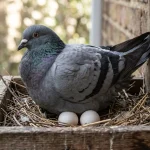
A close examination of pigeons reveals a fascinating world of anatomical features that not only distinguish them from other birds but also inform potential owners and enthusiasts about their care and behavior. Identifying the key characteristics of pigeons begins with their size and shape. Generally, these birds are stocky with a rounded body, short neck, and a small head compared to the size of their body. The typical pigeon measures about 12 to 14 inches long, with a wingspan of around 24 to 28 inches.
The coloration of pigeons is highly variable, ranging from gray and brown in common feral species to striking blues, whites, and patterned combinations in domestic breeds. This variation is largely the result of selective breeding, which has produced an array of colors and patterns, proving that there’s a perfect pigeon for every enthusiast. Most pigeons exhibit a distinct iridescence on their necks, with hues of green, purple, or gold, which can help in identification, especially in breeds like the Rock Pigeon.
When it comes to identification, distinctive markings like the cere, eye color, and feather structure are crucial. The cere-the soft area above a pigeon’s beak-can vary in color based on the species and age of the bird. For example, adult males often have a more pronounced cere that can appear waxy or smooth. Additionally, eye color can range from orange to red or even black, depending on the breed, and observing these traits can assist birders in accurately classifying pigeons.
In urban environments, pigeons often adapt remarkably well, developing behavioral traits that distinguish them from their rural counterparts. Urban pigeons tend to be more approachable and accustomed to human interaction, while rural pigeons may display more wariness. Understanding these behaviors can enhance human-pigeon interactions and improve care practices for both domesticated and wild pigeon populations.
Common Pigeon Varieties: Color, Size, and Patterns
While pigeons are often overlooked in the avian world, their incredible diversity in color, size, and patterns makes them a captivating subject for bird enthusiasts. Ranging from the common gray rock pigeon to colorful exotic breeds, the variety within this species provides ample opportunity for observation and appreciation. One fascinating aspect is the remarkable adaptability of these birds; they thrive in various environments, exhibiting a wide array of physical characteristics shaped by their surroundings and breeding practices.
Common feral pigeons typically display muted hues, often featuring shades of gray with iridescent green or purple around the neck. However, selective breeding has birthed an impressive palette of colors in domestic varieties – from pure white to speckled and patterned birds. When assessing size, most pigeons vary between 12 to 14 inches in length, but certain breeds like the King’s pigeon can grow significantly larger, sometimes reaching lengths of up to 18 inches.
For those looking to keep pigeons as pets or for breeding, understanding these variations is crucial. Domestic breeds, such as the Fantail and the Modena, not only differ in physical traits but also in temperament and care requirements. For instance, the gentle Fantail, with its uniquely fanned tail, is more suited to beginners, while the showier, high-maintenance breeds may require more advanced care.
Additionally, understanding the visual traits and patterns can significantly enhance your birdwatching experience. Observing the unique feather patterns and the slightest differences in coloration can help in identifying specific breeds. As you become more familiar with these features, you’ll find that not only are pigeons delightful companions, but their rich diversity also contributes to the broader avian ecosystem, making them worth getting to know intimately.
Distinctive Markings: Cere, Eye Color, and Feathers
The allure of pigeons doesn’t stem solely from their vibrant colors and sizes; rather, it’s their distinctive markings that truly capture the attention of birdwatchers and enthusiasts alike. One of the most striking features in pigeon identification is the cere, a fleshy structure located above the beak, crucial for distinguishing between species and genders. In males, the cere tends to be a vivid blue or yellow, while females often display a more muted hue, usually brown or tan. This difference can be incredibly helpful when trying to identify a mate for breeding purposes, as the cere color often becomes more pronounced during the mating season.
Next up is eye color, which can vary prominently among different pigeon breeds. Common feral pigeons usually have dark eyes encircled by a bright ring, but domestic varieties can exhibit a wide spectrum. From the dazzling orange of the King pigeon to the deep black of some racing breeds, eye coloration not only adds to a pigeon’s aesthetic appeal but can also hint at its lineage and health. Healthy pigeons typically have clear, bright eyes, which are indicators of good overall condition. Observing these eye colors can enrich your experience as you become more adept at recognizing and appreciating the subtle differences in these birds.
Feather patterns further enhance a pigeon’s uniqueness. The typical feral pigeon often sports feathers that are a blend of gray, with iridescent shades that shine under sunlight, while selectively bred varieties can showcase an array of colors and markings, including speckled, mottled, and solid patterns. For example, the beautiful Fantail pigeon, known for its fan-shaped tail, can feature a myriad of color combinations, from pure white to striking black and white rosettes.
As you delve deeper into pigeon observation, paying attention to these distinctive markings will enrich your understanding and appreciation of these birds. Whether you are a beginner trying to identify your local pigeons or an experienced breeder selecting the perfect companion, recognizing the nuances in their cere, eye color, and feathers will enhance your journey into the fascinating world of avian diversity.
Habitat and Behavior: Pigeons in Urban vs. Rural Areas
Pigeons are remarkably adaptable birds, thriving in various environments around the world. Their habitat choices significantly influence their behaviors, interactions, and survival strategies. In urban areas, pigeons have learned to make the most of human structures and resources. Skyscrapers, bridges, and parks serve as ideal roosting and nesting spots, while a wealth of food sources is often just a discarded snack away. The presence of people in cities can substantially alter how pigeons behave. They become accustomed to human activity, often approaching feeders directly and exhibiting less fear than their rural counterparts. This behavior also contributes to their success in urban settings, where high population density provides ample opportunities for scavenging.
In contrast, rural pigeons tend to exhibit more wariness and retain more of their instinctual behaviors. They often inhabit open fields, farm buildings, and wooded areas where they can nest and forage safely away from the rapid pace of urban life. These birds may rely more on natural food sources such as seeds and fruits found in their environment, making their diet more diverse but less dependent on human activity. The behaviors of rural pigeons can be more influenced by their migratory patterns and predator interactions, which differ from those in bustling cities.
Interestingly, the breeds of pigeons found in urban environments often include feral pigeons, descended from domesticated varieties. These pigeons have adapted to urban life by developing distinct characteristics that separate them from their rural relatives. They are typically smaller, more robust, and possess a variety of color patterns that are a direct result of selective breeding practices by humans. Observing these variations can provide insights into how different environments shape pigeon populations over time.
The adaptability of pigeons is not just a testament to their survival skills but also presents an engaging opportunity for bird watchers and enthusiasts alike. Whether in an urban park or a quiet country road, understanding the habitat and behavior of pigeons can deepen your appreciation for these remarkable birds. As you observe them, take note of their interactions with their environment, as it can be a fantastic way to learn more about their unique adaptations and lifestyles.
Comparative Guide: Pigeons vs. Doves
Pigeons and doves, despite being often confused for one another, exhibit distinct characteristics that reflect their unique adaptations and roles in our ecosystems. Did you know that all doves are technically pigeons, but not all pigeons are doves? This fascinating distinction lies in their size, appearance, and even behavior, revealing more about these remarkable birds than meets the eye.
When comparing pigeons and doves, size is one of the most noticeable differences. Pigeons, particularly the common rock pigeon, tend to have a stockier build, featuring a larger body and a more robust shape. They are usually larger than your average dove, which has a more slender, elegant frame. For example, the mourning dove, a popular species in many backyards, is known for its long, pointed tail and agile flight, whereas the rock pigeon’s more rounded wings and short tail reflect its adaptability to urban environments.
In terms of coloration and markings, the two groups also differ. Pigeons come in a wider variety of colors and patterns due to centuries of selective breeding, especially among domesticated varieties. Their hues can range from iridescent greens and purples to the classic grey, often highlighted with attractive wing patterns. Doves, on the other hand, typically exhibit softer, more muted colors-think gentle browns and creams. Their subtle coloration helps them blend seamlessly into their environment, an important defensive strategy against predators.
Behavior and Social Structures
Both pigeons and doves are social birds, but their behaviors can vary significantly. Pigeons are often found in larger flocks and are more accustomed to urban life, engaging in communal activities such as roosting and feeding in public spaces. They have a variety of vocalizations, including coos and grunts, which serve as means of communication within their flocks. Doves, however, tend to be more solitary or found in smaller groups. They are also known for their soft cooing sounds, which are often associated with their courtship rituals. This difference in social structure can influence how each species interacts with their environment and with humans.
Lastly, care requirements for pet pigeons and doves can differ. Pigeons generally require a larger living space to accommodate their more robust bodies and energetic nature. They thrive on a diet rich in seeds, grains, and legumes, while doves can sometimes be seen munching on softer foods like fruits and vegetables, though they too enjoy seeds. Understanding these dietary needs is crucial for anyone looking to care for these avian companions.
Whether you’re an avid bird watcher or contemplating adopting a feathered friend, recognizing the differences between pigeons and doves enhances your appreciation for these unique birds. From their physical attributes to their behaviors and care needs, each has its own charm that contributes to the rich tapestry of avian life that surrounds us.
Pigeon Breeds Around the World: Diversity Explored
The world of pigeons is remarkably diverse, showcasing a stunning array of breeds that vary significantly in appearance, behavior, and even history. With over 300 recognized breeds, each pigeon reflects unique characteristics shaped by years of selective breeding and adaptation to various environments. Whether you’re drawn to their striking colors or curious about their roles in different cultures, the breadth of pigeon breeds is a captivating realm to explore.
Among the most popular varieties, the Homing Pigeon stands out. These birds are famously known for their incredible navigation skills, often traveling hundreds of miles to return home. They typically boast a sturdy build and come in various colors, ranging from classic grays to striking whites. Another fascinating breed is the Fantail Pigeon, recognized for its fan-shaped tail feathers and gentle demeanor. These birds are often kept for ornamental purposes and are a favorite among hobbyist breeders.
Unique Characteristics
Some breeds are distinguished by their unusual physical traits. For instance, the Jacobin Pigeon features a unique feathered hood that gives it a regal appearance. This breed not only draws attention for its looks but also has a calm personality, making it a wonderful choice for someone looking to raise pet pigeons. On the flip side, the Birmingham Roller is celebrated for its acrobatic flight, performing breathtaking aerial maneuvers that leave many bird enthusiasts in awe.
In terms of care and habitat requirements, understanding the needs of each breed is crucial. Most pigeons thrive in environments where they can exercise freely, since many breeds, like the agile Cumulet, are naturally energetic. Providing a spacious and secure aviary with plenty of flight paths is key to keeping them happy and healthy.
For those interested in keeping pigeons or learning more, it’s essential to consider the different colors, sizes, and care specifics tied to each breed. Engaging with local pigeon fanciers or clubs can provide invaluable information and support. After all, every pigeon keeps a rich history and personality, making them not just pets but also companions with stories waiting to be discovered.
Voice and Communication: How Pigeons Communicate
Pigeons are not just remarkable for their grace and varied appearances; they also communicate in fascinating ways that reflect their intelligence and social nature. These birds convey messages through a combination of vocalizations, behaviors, and even physical postures. For instance, the familiar cooing sound that we often associate with pigeons is more than just a pleasant background noise; it serves various purposes, from attracting mates to signaling alarm. By understanding their different calls, one can decode a part of their social hierarchy and behavioral patterns.
Their vocal repertoire is rich and varied. The soft cooing is typically used by males during courtship, while sharper, more insistent calls can signal distress or alert other pigeons to the presence of a predator. Interestingly, a lone pigeon may exhibit different vocalizations when it feels isolated compared to when it is with a flock. This adaptability underscores the pigeon’s ability to communicate not just through sounds but also through context. For example, research suggests that pigeons can even modify their calls in response to the specific audience they are addressing, showcasing their intricate social dynamics.
Moreover, pigeons incorporate non-verbal communication into their interactions. They often use body language, such as puffing up their feathers, bowing, or wing flapping, to establish dominance or attract mates. This physical expression complements their vocal sounds, allowing them to convey complex emotions and intentions. For someone caring for pigeons or observing them in the wild, recognizing these subtle cues can deepen one’s appreciation of their social structure and behavior.
Incorporating a variety of stimuli in a pigeon’s environment can encourage natural communication behaviors. For example, providing perches at different heights fosters social interaction, as pigeons will often signal their presence or status through positioning. Arranging a space that mimics their natural habitat can promote vocalization as they establish territory and communicate with one another. Whether you’re a novice or an enthusiastic birdwatcher, understanding how pigeons communicate enriches your experience with these extraordinary birds, highlighting their complexity beyond mere appearances.
Feeding Preferences: What Do Pigeons Eat?
Pigeons are often seen foraging around urban areas, and their feeding habits are as varied and adaptive as their appearances. While they are commonly associated with crumbs and discarded food, the diet of a pigeon is surprisingly diverse and is largely dependent on their environment and availability of food sources. In the wild, these birds primarily eat seeds, fruits, and grains, using their keen eyesight to spot food from heights while flying or perched.
One remarkable aspect of pigeons is their ability to adjust their feeding preferences based on what’s available. For example, in natural habitats, they may feast on a mix of grains such as wheat, oats, and barley, alongside fruits like berries or fruits discarded from human activity. In urban settings, however, their diet often shifts to include table scraps and fast food leftovers. This adaptability not only helps pigeons survive but also allows them to thrive in a variety of habitats, from bustling cities to quieter rural landscapes.
Feeding Tips for Pet Pigeons
If you’re considering keeping pigeons as pets, it’s essential to provide a well-balanced diet that mimics their natural feeding habits. Here are some guidelines to ensure your birds remain healthy:
- Pelleted Diet: High-quality pigeon pellets can serve as the primary component of their diet, as they are formulated to provide essential nutrients.
- Grains: A variety of seeds such as safflower, millet, and sunflower can be offered. Ensure they are fresh and free from mold.
- Fresh Produce: Incorporating vegetables like leafy greens and occasional fruits can enhance their diet. Just be cautious with sugary fruits.
- Calcium Source: Providing crushed oyster shell or calcium grit is crucial for bone health, especially for breeding females.
Additionally, it’s important to monitor their food intake and adjust portions based on their activity level. Pigeons are prone to obesity if overfed, so providing a structured feeding schedule will help maintain a healthy weight.
Understanding what pigeons eat is not only vital for their health as pets but also opens up a broader appreciation for how adaptable these birds are in both urban and rural ecosystems. Whether you’re observing them from a distance or caring for your own, recognizing their feeding preferences can deepen your connection to these fascinating creatures.
Caring for Pet Pigeons: Tips for Beginners
Caring for pet pigeons opens the door to a delightful experience of understanding their unique characteristics and personality traits. These fascinating birds are more than just common sights in our cities; they are intelligent creatures with a rich history of companionship with humans. To ensure they thrive, it’s essential to provide an environment that caters to their natural behaviors and needs.
First and foremost, it’s vital to understand the housing requirements for your birds. A spacious cage is essential to allow your pigeons to move freely. Ideally, their living space should be at least 24 inches high and 30 inches wide, providing enough room to stretch and flap their wings. The bottom of the cage should be lined with a soft bedding material, like hemp or paper, as it’s easy to clean and prevents any foot injuries that can occur with wire flooring.
Feeding your pigeons a balanced diet is crucial for their health. A combination of high-quality pigeon pellets, grains, and fresh vegetables will keep them in peak condition. Pigeons enjoy a variety of seeds, including safflower and sunflower, which can be supplemented with leafy greens like kale or romaine. Be mindful of portion sizes to avoid obesity; a structured feeding routine can help you monitor their intake effectively.
Social interaction should never be overlooked. Pigeons are social animals and thrive on companionship, whether from humans or other birds. Spend time daily interacting with your pigeons; gentle talking or simply being near them can foster trust. If you plan to have more than one pigeon, consider adopting a pair, as they often bond and provide each other with companionship.
Finally, regular health check-ups are essential to ensure your pigeons remain healthy. Look for signs of illness, such as changes in behavior, droppings, or appetite. Creating a relationship with an avian veterinarian can provide peace of mind and necessary care when needed. By understanding their specific needs and behaviors, you’ll not only provide a nurturing home but also deepen your bond with your feathered friends, reveling in the joy they bring to your life.
Common Myths About Pigeons: Debunking Misconceptions
Common misconceptions about pigeons often arise from their presence in urban environments and the way they interact with humans. Many people view them as merely “dirty birds” or pests, overlooking their remarkable intelligence and social nature. In reality, these creatures exhibit a range of striking characteristics and behaviors that differentiate them from other birds, including their distinctive physical features that can be identified at a glance.
One persistent myth is that all pigeons look the same; however, pigeon varieties display an impressive spectrum of colors, sizes, and patterns. From the common rock pigeon, often gray with distinctive two black bars on their wings, to the exotic breeds like the Fantail or the King pigeon, which boast unique feather arrangements and sizes, the diversity is vast. This variation extends beyond mere aesthetics; specific traits such as feather color and structure can affect their flight abilities and adaptations to different environments.
Another common misconception is that pigeons are incapable of strong bonds with humans. In truth, they are incredibly social beings that thrive on interaction and companionship. With proper care and handling, pet pigeons can develop deep trust and affection towards their owners. They can be trained for various tasks, and their notable homing abilities exemplify their intelligence, as they can navigate impressive distances to return home.
Understanding these myths enhances our appreciation for pigeons as not just urban fixtures but fascinating creatures deserving of respect. By recognizing their unique anatomy, diverse varieties, and complex social structures, we can foster a more informed view that encourages compassion towards them and a deeper interest in their role in our ecosystems.
The Importance of Pigeons in Ecosystems and Culture
Pigeons are often overlooked in the rich tapestry of nature, yet their contributions to ecosystems and human culture are profound and multifaceted. These adaptable birds not only play a vital role in maintaining urban and rural biodiversity but also hold significant historical and cultural relevance across various societies. Their remarkable navigation skills, honed over centuries, underscore their ecological importance in seed dispersal and as indicators of urban health.
In many ecosystems, pigeons contribute to the spread of seeds and plants. Their diets mainly consist of seeds and grains, which they consume and later excrete, promoting the growth of plants and contributing to soil enrichment. This natural process is essential for maintaining diverse habitats, where they serve as a food source for predators, thereby supporting the food web. Additionally, their ability to thrive in urban environments makes them indicators of ecological stability and resilience, reflecting the health of cities and the effects of environmental changes.
Culturally, pigeons have held a prominent place throughout history. From their use as message carriers during wartime to symbols of peace and love, pigeons have inspired art, literature, and folklore. The famous “peace dove” is rooted in the imagery of the white pigeon, a direct tie to their long-standing association with humanity. Festivals and races involving pigeons, particularly homing pigeons, continue to engage communities, further fostering a connection between people and these remarkable birds.
In summary, the importance of pigeons extends far beyond their mundane reputation. They serve as crucial players in their ecosystems while also enriching human culture. Understanding and appreciating their roles can deepen our connection with nature and highlight the need for conservation efforts that celebrate these fascinating avian companions. As we explore their identities and varieties, we come to realize that pigeons, in all their forms, are not just birds of the city; they are vibrant participants in the symphony of life around us.
Captivating Pigeon Facts: Surprising Insights and Trivia
Did you know that pigeons are not just city dwellers but come in a dazzling array of colors and sizes? They boast over 300 diverse breeds, thanks to domestication and selective breeding. Each breed showcases unique physical traits-whether it’s the striking feather patterns of a Fantail or the sturdy build of a Racing Homer, there’s a pigeon for every bird enthusiast.
One captivating feature is the pigeon’s ability to adapt its physical characteristics based on its environment. For instance, urban pigeons, often referred to as rock doves, typically display a slate-gray hue with two black bands on their wings and white rumps. However, domesticated varieties can display an extraordinary spectrum of colors, including vibrant reds, yellows, and even multi-colored patterns. Their distinctive features also include a fleshy area above the beak called the cere, which can vary in color and helps in species identification.
Pigeons are remarkable navigators, capable of finding their way home over long distances. This skill is attributed to their acute sensitivity to the Earth’s magnetic fields, combined with their impressive memory. Interestingly, their communication style is just as sophisticated; they produce a variety of coos, grunts, and murmurs to convey different messages, whether signaling danger or courting a mate. This social behavior not only reflects their intelligence but also enriches their interactions within flocks.
If you’re considering keeping pigeons as pets, understanding their care requirements is essential. They thrive in clean environments and require a diet rich in grains, seeds, and fresh vegetables. Regular interaction and stimulation keep them mentally engaged, and many owners find joy in observing their unique personalities and social behaviors. Ultimately, these birds are not just charming companions but also fascinating subjects for study, revealing insights about adaptation, communication, and social structures in avian life.
Frequently asked questions
Q: What are the main types of pigeons?
A: The main types of pigeons include the rock pigeon, mourning dove, and homing pigeon. Each variety differs in size, color, and habitat preferences. For specific identification, see our section on “Common Pigeon Varieties: Color, Size, and Patterns.”
Q: How can I differentiate between a pigeon and a dove?
A: While both belong to the same family, pigeons are generally larger and have a more robust body compared to doves. Pigeons also have a distinctive cooing sound, whereas doves tend to have a softer, melodic call. Check our “Comparative Guide: Pigeons vs. Doves” for more insights.
Q: What unique features help identify a pigeon?
A: Unique pigeon features include a small, rounded head, short neck, and a stout body. Their coloring can vary widely, while distinctive markings may include iridescent feathers on the neck. Refer to “Understanding Pigeon Anatomy: Key Identification Features” for detailed guidance.
Q: What do pigeons’ feathers look like?
A: Pigeon feathers are typically smooth and can exhibit a variety of colors and patterns depending on the breed. Commonly seen shades are gray, white, and black, often with iridescent patches. More on this can be found in “Distinctive Markings: Cere, Eye Color, and Feathers.”
Q: Why do pigeons have red eyes?
A: Red eyes in pigeons are often associated with certain breeds and can indicate an inherited trait. This coloration can also help in identifying specific varieties. For additional identification tips, see “Common Pigeon Varieties: Color, Size, and Patterns.”
Q: How can I observe pigeons in the wild?
A: To observe pigeons in the wild, visit urban parks or public squares where they are commonly found. Early mornings or late afternoons are ideal times for sightings. Learn more in our section on “Habitat and Behavior: Pigeons in Urban vs. Rural Areas.”
Q: What do baby pigeons look like?
A: Baby pigeons, also known as squabs, have soft, downy feathers and are usually gray or white. They often lack the adult coloration and are fatter than their parents, which helps them stay warm. Discover more about caretaker tips in “Caring for Pet Pigeons: Tips for Beginners.”
Q: What behaviors are typical of pigeons?
A: Pigeons display behaviors such as cooing, puffing up their feathers, and nodding their heads. They are generally social birds, often seen foraging in groups. Check out “Voice and Communication: How Pigeons Communicate” for more behavioral insights.
Wrapping Up
Now that you’ve explored the fascinating world of pigeon identification features and varieties, it’s time to put your newfound knowledge into action! Whether you’re a curious beginner or a seasoned bird enthusiast, recognizing these distinctive traits will enrich your birdwatching experience. If you have more questions, don’t hesitate to dive deeper; check out our guides on “Pigeon Behavior Patterns” and “Top Resources for Caring for Pigeons” for additional insights.
Don’t forget to leave your thoughts or experiences in the comments below! We’d love to hear how you’ve interacted with these incredible birds. And if you found this information helpful, consider signing up for our newsletter to stay updated on all things avian. Your next adventure in birdwatching starts now-explore our site for more exciting content!
Get our latest guides, news, and insights highlighted in your Google Search & AI Overviews.