Did you know that pigeons have played pivotal roles throughout history, from carrying messages in wartime to thriving as beloved pets? Understanding what to feed these fascinating birds is essential for their health and well-being. Whether you’re a seasoned bird enthusiast or someone who’s just curious about caring for pigeons, choosing the right foods can enhance their quality of life.
In this guide, we’ll explore safe foods and portion sizes that will not only satisfy their appetites but also contribute to their overall vitality. With a little knowledge about their dietary needs, you can make informed decisions that benefit both you and your feathery friends. Join us as we delve into the diverse world of pigeon nutrition, ensuring that every meal you provide helps them thrive.
What Foods Are Safe for Pigeons?
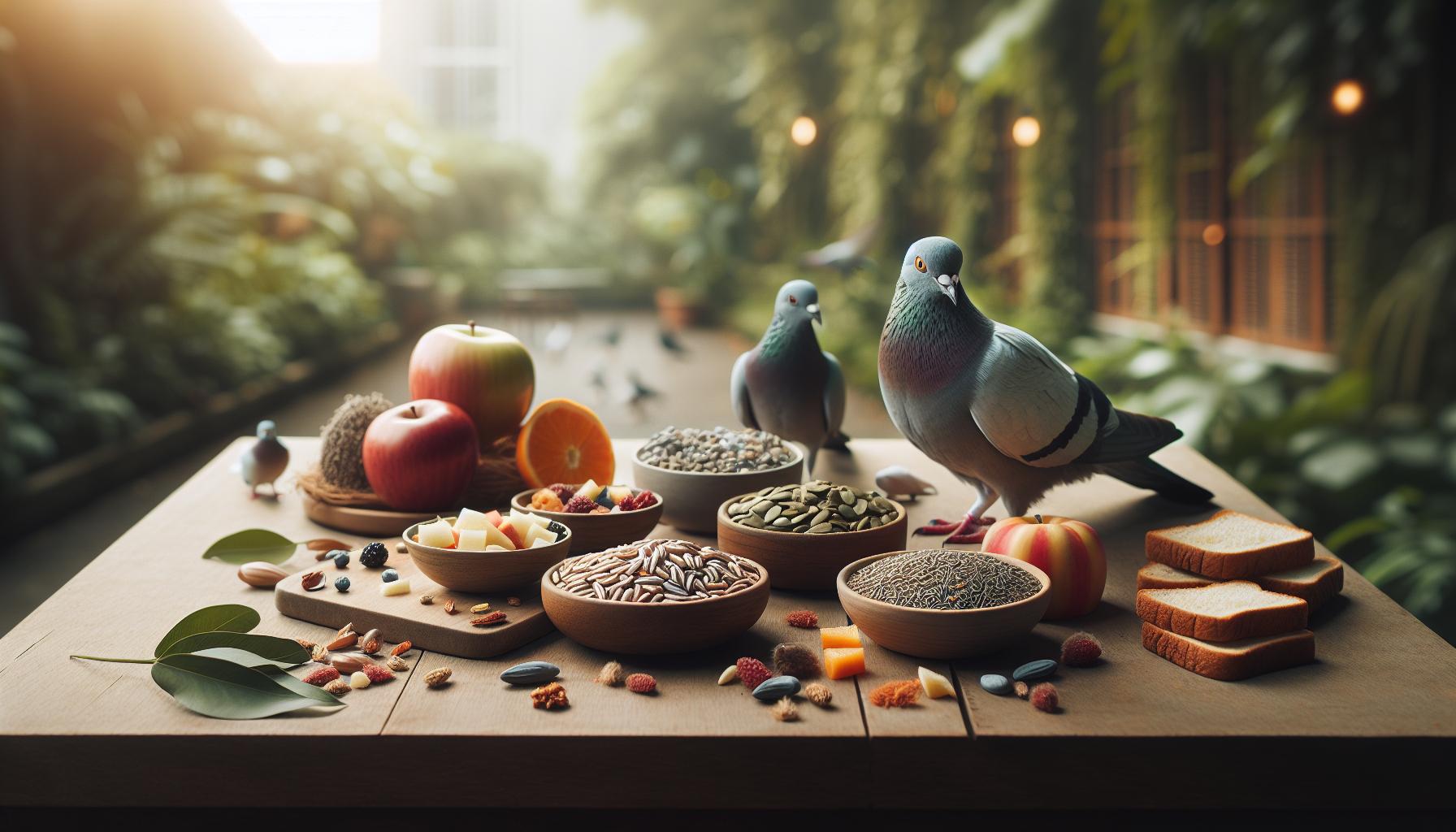
When you’re thinking about what to feed pigeons, it’s essential to get it right for their health and happiness. Pigeons thrive on a diverse diet, favoring grains, seeds, fruits, and vegetables. Understanding which foods are safe to offer and which to avoid can significantly enhance their well-being. A good rule of thumb is to focus on natural foods that mimic what they might find in the wild.
Safe Food Options
Pigeons enjoy a variety of foods that provide essential nutrients. Here’s a list of safe options:
- Grains: Whole grains like brown rice, oats, barley, and millet are excellent staples. They provide the necessary carbohydrates and energy.
- Seeds: Sunflower seeds, pumpkin seeds, and flaxseed are favored by pigeons. These not only taste great but also offer healthy fats and proteins.
- Fruits: Pigeons have a sweet tooth! Safe fruits include apples, grapes, and berries, which are rich in vitamins.
- Vegetables: Leafy greens, carrots, and peas can add variety to their diet and are great sources of fiber.
It’s crucial to introduce new foods gradually to avoid digestive issues. Observing your pigeons while they eat can also provide insights into their preferences, helping you tailor their diet accordingly. If they seem to enjoy a particular type of grain or veggie, feel free to incorporate it more regularly.
Portion Control
While pigeons might seem insatiable, monitoring their portion size is vital. A balanced daily serving usually consists of about 1/4 cup of mixed seeds and a small amount of fresh fruit or vegetables. Overfeeding can lead to obesity and related health problems, so keeping portions in check is essential, especially for those in more confined breeding situations.
Feeding pigeons can be rewarding, but it’s also a responsibility. By providing them with safe foods and appropriate portions, you’re not only keeping them healthy but also fostering a delightful bond with these remarkable birds.
Understanding Pigeon Nutritional Needs
Understanding a pigeon’s nutritional needs is crucial for their overall health and well-being. These fascinating birds, often underappreciated in urban settings, thrive on a diet that closely resembles what they would find in the wild. Pigeons primarily need a balanced combination of carbohydrates, proteins, fats, vitamins, and minerals to maintain their energy levels and support their bodily functions.
Grains make up the bulk of a pigeon’s diet, providing essential carbohydrates. Whole grains like brown rice, barley, and millet are not only excellent sources of energy but also contribute to digestive health due to their fiber content. Seeds are another vital component, packed with proteins and healthy fats. Integrating a variety of seed types, such as sunflower and pumpkin seeds, can help diversify their diet while catering to their natural preferences.
Moreover, incorporating fruits and vegetables adds important vitamins and minerals to their diet. Fruits like apples and grapes are not only tasty treats but also provide hydration and essential nutrients. Leafy greens and vegetables such as carrots and peas offer additional fiber and help maintain digestive health. Since pigeons can be quite selective about their food, observing their eating habits can inform adjustments to their diet-if they gravitate toward a specific fruit or green, increase those offerings for variety and nutrition.
Ultimately, achieving a well-rounded diet for your pigeons involves blending these food types in appropriate proportions, fostering a fulfilling and healthy eating experience. As you navigate the intricacies of pigeon nutrition, remember that gradual introductions of new foods will help prevent digestive upset, ensuring your feathered friends enjoy their meals while thriving.
Common Foods that Pigeons Love
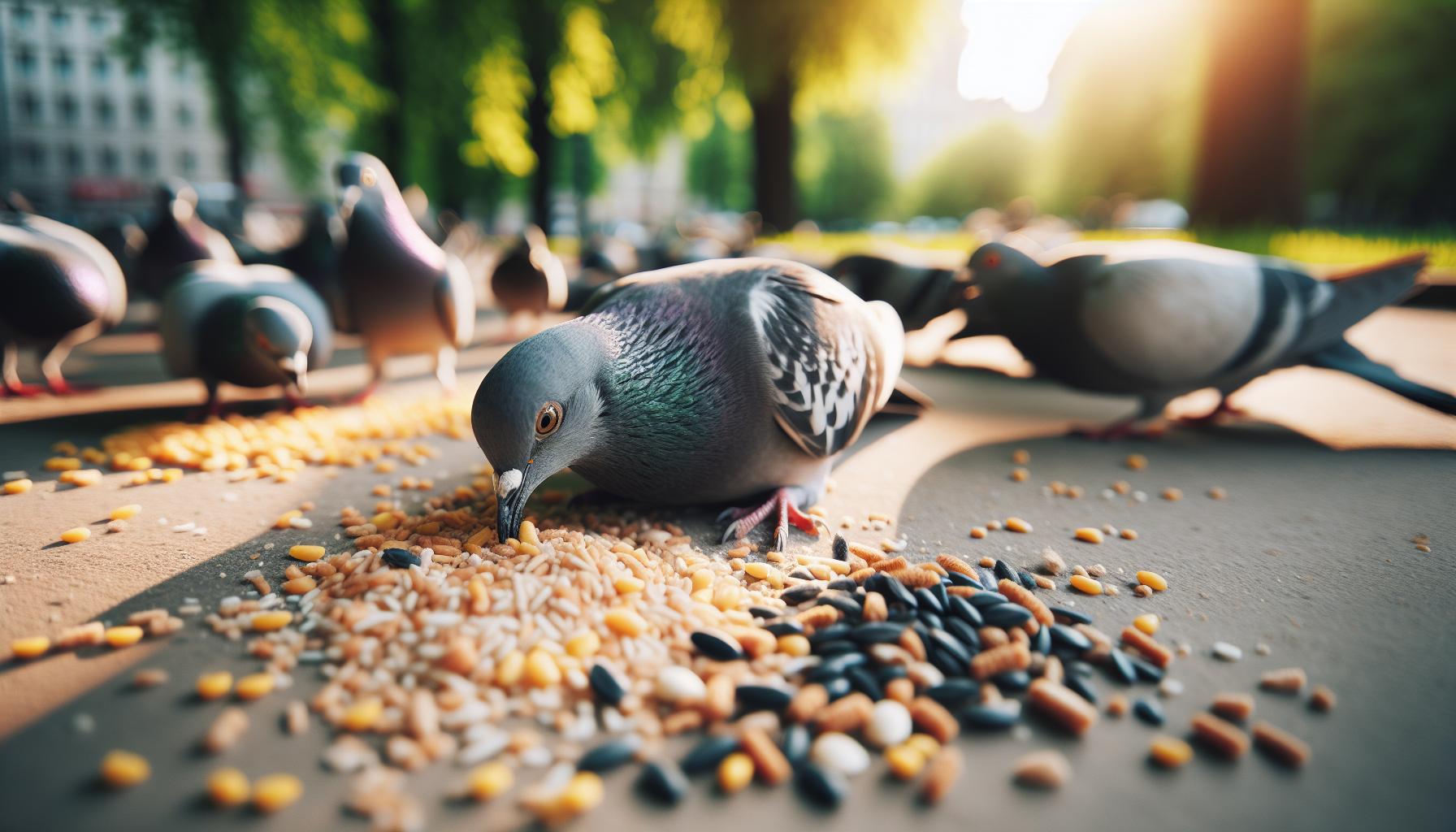
Pigeons have discerning palates, and they love a variety of foods that satisfy their nutritional needs while appealing to their natural preferences. From grains to fruits, the ideal diet for these urban dwellers not only maintains their health but also keeps them engaged and happy. Understanding what pigeons enjoy can vastly improve their feeding experience and your interactions with them.
Start with grains, the cornerstone of a pigeon’s diet. Whole grains such as brown rice, barley, and corn are not only rich in carbohydrates, providing essential energy, but also deliver fiber that aids digestion. Pigeons often relish seed mixes that include sunflower seeds, safflower seeds, and millet. These ingredients not only supply healthy fats and proteins but also encourage natural foraging behaviors, making feeding time more enjoyable.
Fruits and vegetables are beloved treats that can enhance a pigeon’s diet. Fresh fruits like apples (remove the seeds), berries, and grapes are often favorites, providing hydration and vitamins. Vegetables like leafy greens (spinach, kale), carrots, and peas introduce important minerals and additional dietary fiber. Offering a mix not only caters to their preferences but also ensures they receive a broad spectrum of nutrients. It’s a rewarding experience to observe how pigeons interact with different foods, as some may exhibit clear favorites, guiding you to tailor future offerings accordingly.
Lastly, incorporating small amounts of high-quality pellets formulated for pigeons can ensure nutritional balance. A diversified diet will not only promote their health but also allow for engaging and exciting feeding routines, transforming feeding time into a delightful occasion for both you and your feathered friends.
Safe Portions: How Much to Feed Pigeons
Understanding how much to feed pigeons is essential for maintaining their health and well-being. Remarkably adaptable birds, pigeons can thrive on a varied diet, but portion control plays a crucial role. Overfeeding can lead to obesity and associated health problems, so it’s vital to provide the right amounts.
When determining portion sizes, consider the pigeon’s size, age, and activity level. A good rule of thumb is to offer about 1/4 to 1/2 cup of mixed grains and seeds per pigeon daily. This amount can fluctuate based on the bird’s lifestyle – active pigeons may require a bit more, while less active ones should be kept on the lower end of the range. When introducing fruits and vegetables, keep portions small; a few small pieces of apple or a handful of leafy greens can complement their diet without overwhelming them.
Monitoring the pigeons’ consumption is just as important as setting initial portions. Observe their feeding habits: if they consistently leave food behind, reduce the amount next time. Conversely, if they seem eager for more, adjust portions accordingly while ensuring you maintain overall balance with their diet – a variety of grains, seeds, and small amounts of fruits and veggies should remain staples. By being attentive to their preferences and needs, you’ll contribute to their longevity and happiness in your care.
Homemade Treats: Recipes for Pigeons
While providing store-bought pigeon feed is a standard way to ensure your birds get the nutrition they need, making homemade treats can be a rewarding and fun addition to their diet. Not only does this approach allow you to provide fresh ingredients, but it also lets you cater to your pigeon’s preferences. Homemade treats can serve as excellent supplements that provide essential vitamins and minerals while also keeping feeding time exciting.
One simple and nutritious recipe involves mixing grains and seeds with fruits and vegetables. Consider using ingredients like rolled oats, sunflower seeds, and a variety of chopped greens such as spinach or kale. You can create a delicious mix by following this recipe:
Grain and Veggie Mix
- 1 cup rolled oats
- 1/2 cup sunflower seeds
- 1/2 cup chopped leafy greens (spinach or kale)
- 1/4 cup diced fruits (like apples or berries)
Combine all ingredients in a bowl and stir well. Serve this mix in small portions to prevent waste, and observe how your pigeons enjoy this nutritious snack.
For a sweet treat, you can bake pigeon-friendly bites using simple ingredients. Here’s an easy recipe for you to try:
Pigeon Pancakes
- 1 cup whole wheat flour
- 1/2 cup water (adjust as needed)
- 1 tablespoon honey (optional)
- 1/4 cup chopped fruit (like banana or apple)
Mix the flour and water to form a batter, adding honey if desired for sweetness. Incorporate the chopped fruit, then pour small amounts onto a non-stick skillet over medium heat. Cook until golden on both sides. Allow the pancakes to cool before serving, and watch your pigeons enjoy these treats!
Utilizing fresh ingredients and preparing homemade treats offers not just nutritional benefits but also strengthens your bond with your birds. It can be an enjoyable experience to observe their reactions to new flavors and textures. As with any dietary change, introduce these treats gradually and monitor their response, ensuring they align with a balanced diet filled with grains, seeds, fruits, and vegetables.
Identifying Harmful Foods for Pigeons
Pigeons are often viewed as resilient creatures, thriving in various environments, yet not all foods that humans enjoy are suitable for their diets. Understanding which foods can harm these birds is essential for anyone looking to care for them compassionately. An essential fact to remember is that just because a food might seem harmless doesn’t mean it’s safe for pigeons. Some seemingly innocuous items can lead to serious health issues.
Common Harmful Foods include avocado, which contains a toxin called persin that can be lethal to birds. Similarly, chocolate and caffeine, found in coffee and tea, can cause heart problems and a range of illnesses in pigeons. Certain fruits with pits, like cherries or peaches, contain cyanide in their seeds. Additionally, processed and salty foods can lead to dehydration and other health issues. It’s crucial to avoid giving pigeons any foods high in salt, sugar, or fat, as these can disrupt their natural metabolism and lead to obesity and other health problems.
When considering how to feed pigeons, always opt for natural, whole foods. Grains, seeds, and fresh, clean vegetables are excellent choices, but make sure to steer clear of the ingredients mentioned above. A simple rule of thumb is: if it’s something you would typically find in a pigeon’s natural habitat, it’s likely safe for them. Being mindful of what to avoid helps foster a healthier diet for your feathered friends, keeping them vibrant and full of life.
Lastly, maintaining a dietary journal can be an excellent approach for pigeon parents. By noting what foods are well-received and which ones should be avoided based on their reactions, you can better cater to their specific tastes and health needs. Engaging with pigeons during feeding time not only nurtures their dietary habits but also strengthens your bond with them, enriching your experience as their caretaker.
Feeding Pigeons in Urban Environments
presents a unique set of challenges and opportunities for those looking to interact with these adaptable birds. With their ability to thrive in cities, pigeons have become a common sight in parks, squares, and along busy streets. However, what you feed them can significantly affect their health, especially in settings where food sources may be limited or contaminated.
In urban areas, pigeons often scavenge for food, which can lead them to consume unhealthy scraps. To counter this, consider offering natural, safe foods to supplement their diet. Good options include mixed grains, seeds, and even chopped vegetables like carrots or peas. These foods not only meet their nutritional needs but also allow you to develop a stronger bond with these birds during feeding times. Engaging in this way can be highly rewarding, providing opportunities to observe their behaviors and interactions up close.
When feeding pigeons in publicly accessible spaces, it’s important to exercise caution. Keeping food in a clean, designated area prevents contamination and minimizes waste, which is crucial in urban ecosystems. Avoid areas near traffic or other hazards where pigeons might be at risk. Additionally, consider the timing of your feeding; mornings and evenings are typically the most active times for pigeons, making them more likely to gather for a meal.
Lastly, be mindful of the community’s perspective toward feeding wildlife. In some urban locations, local regulations may restrict or discourage feeding pigeons due to concerns about overpopulation and the associated mess. Always check local guidelines and speak with others in the community to promote a harmonious relationship between humans and urban wildlife. Your efforts to feed pigeons safely and responsibly can not only nurture their well-being but also contribute positively to the urban environment.
Seasonal Dietary Needs of Pigeons
Pigeons, while often deemed urban nuisances, have a fascinating adaptability to seasonal food availability that reflects their natural instincts and behaviors. Understanding these seasonal dietary needs is crucial for anyone looking to positively influence the health and well-being of these birds. During different times of the year, the types of food available to pigeons shift, and so do their nutritional requirements.
In spring and summer, as natural food sources bloom, pigeons benefit from a diet enriched with fresh greens and seeds. This period is vital for breeding, and females particularly need higher protein intake for egg production. Offering a mix of high-quality seeds, such as sunflower seeds, along with small amounts of soft greens like lettuce or dandelion leaves, can provide essential nutrients. It’s also beneficial to include a carbohydrate source like oats or barley, which helps maintain energy levels as they forage actively.
As fall approaches and winter sets in, the diet should adjust to reflect the change in available resources. With fewer natural food options, urban pigeons often rely more heavily on human-provided food. At this time, consider giving them grain mixtures fortified with vitamins and minerals to enhance their resilience against the cold. Ingredients such as cracked corn and wheat can be excellent choices. Additionally, keeping an eye on hydration is essential, especially in colder months when water sources may freeze. Offering a shallow dish of fresh water can encourage them to drink and maintain their health.
Here are some seasonal dietary adjustments for pigeons:
- Spring/Summer: Mixed seeds, soft greens (lettuce, dandelion), and protein sources (peas, beans).
- Fall/Winter: Grain mixtures (corn, wheat), and legumes as protein boosters. Don’t forget fresh water!
By thoughtfully adjusting the diet according to the seasons, you not only support the health of the pigeons but also foster a more harmonious interaction with these often-misunderstood birds. Observing their dietary preferences throughout the year can offer insights into their behavior and can turn feeding into a rewarding experience.
Understanding Pigeon Behavior While Eating
Pigeons are not just resourceful urban dwellers; their eating behavior reflects a fascinating blend of instincts and learned preferences. Observing how these birds interact with their food can provide insights into their health and happiness. When feeding pigeons, it’s essential to recognize that they rely heavily on visual cues and social behaviors during mealtime. For example, you might notice a group of pigeons pecking at a new food source warily at first, testing it with short, deliberate pecks. This behavior indicates their natural caution; they need to ensure that what they’re about to consume is safe before fully committing to it.
Understanding their foraging behavior can also enhance your feeding practices. Pigeons are opportunists and will often compete for food, so placing food in a scattered manner can encourage natural foraging. They’ll enjoy the challenge and exercise of looking for food rather than having it presented all in one spot. This not only mimics their wild feeding habits but also provides mental stimulation. You may observe them even “communicating” with each other, using coos and body language to assert dominance or signal readiness to eat. Providing food in various types, like seeds in one place and greens in another, can cater to their preference for variety and lead to a more enriching experience.
Hydration is crucial, too; pigeons will often drink while eating, so maintaining access to fresh water can enhance their feeding routine. They may dip their beaks into water sources, and some will even wash their food before consumption. Ensuring this behavior is supported can be as simple as placing a shallow dish of clean water close to their feeding area. Additionally, remember that pigeons have a natural preference for fresh foods, particularly during breeding seasons when they require higher nutrient levels. Observing their reactions to different foods can help you tailor your offerings to what benefits them best while keeping them engaged and healthy.
Tips for Training Pigeons to Eat Safely
Training pigeons to eat safely is an important aspect of their care that not only ensures their health but also fosters a positive bond between you and your birds. Pigeons are curious and intelligent creatures, and creating a safe eating environment involves understanding their natural behaviors and instincts. Start by introducing new foods gradually. A sudden change in diet can be overwhelming, so be patient as your pigeons adjust. Place a small amount of new food alongside their usual favorites, allowing them to explore it at their own pace.
To encourage safe eating habits, maintain a clean feeding area. Remove any uneaten food after a few hours to prevent spoilage and discourage pests. Pigeons can be sensitive to mold and bacteria, so providing fresh food daily is essential. Additionally, consider the presentation of their meals. Scatter seeds or greens on the ground or in shallow dishes to promote their natural foraging behavior. This not only mimics a wild environment but also allows you to observe their eating habits closely.
Regularly monitor your pigeons while they eat. Paying attention to their preferences and eating behavior can alert you to potential issues. For instance, if a pigeon shows hesitation or refuses a certain food, it may indicate that it’s not safe or palatable for them. Trust your instincts-if something seems off, it’s best to consult with a veterinarian familiar with avian health.
Training doesn’t just stop at the food itself; use meal times as an opportunity for bonding. Speaking softly to your pigeons or using treats as rewards for coming to eat can create a positive association with your presence. Over time, they’ll learn that you provide safe food, making mealtime a shared experience that strengthens your connection. Always remember, the key to successful training is patience and consistency, allowing your pigeons to thrive in a safe and nurturing environment.
Creating a Balanced Diet for Pigeons
Creating a well-rounded diet for your pigeons is essential for their health, vitality, and longevity. Pigeons require a mix of grains, seeds, fruits, and vegetables to thrive, and understanding their nutritional needs can help you create a compelling menu that not only nourishes them but also pleases their palate. Did you know that pigeons have a unique digestive system that allows them to process a variety of foods? This flexibility means you can offer them a diverse diet that keeps them engaged and happy.
The bulk of a pigeon’s diet should come from high-quality seeds and grains, which provide the necessary carbohydrates and proteins. Common choices include:
- Whole grains: Corn, wheat, and barley are excellent staples.
- Seeds: Millet, canola seeds, and sunflower seeds can be added for variety.
In addition to grains and seeds, fresh fruits and vegetables can enhance the nutritional content of their diet. Pigeons love foods such as greens (like spinach and kale), carrots, peas, and fruits like apples and berries. Chopping these into manageable pieces can encourage your pigeons to forage and explore, mimicking their natural behaviors.
Portion control is also crucial in maintaining a balanced diet. While pigeons may enjoy feasting, overfeeding can lead to obesity and related health issues. A general guideline is to provide about 1/4 to 1/2 cup of mixed grains and seeds per pigeon daily, adjusting based on their activity levels and body condition. Be mindful of their individual preferences as well; some pigeons may develop a taste for certain foods, and it’s perfectly fine to mix in their favorites to keep mealtime exciting.
Finally, supplementing their diet with calcium is vital, especially for breeding pairs. Items like crushed oyster shells or a piece of cuttlebone can be provided for this purpose. Always ensure they have access to clean, fresh water, as hydration is just as important as nutrition. Creating a balanced diet involves ongoing observation and adjustment, turning feeding time into an engaging experience for both you and your pigeons.
Feeding Pigeons: Do’s and Don’ts
Feeding pigeons is an enjoyable experience, but it’s crucial to navigate what they can and cannot eat to ensure their health. These resilient birds thrive on a varied diet, but there are essential do’s and don’ts that every pigeon lover should follow to keep their feathered friends happy and thriving.
Do’s
- Do provide a variety of grains and seeds: Pigeons naturally seek diverse food sources. Incorporating whole grains like corn, wheat, and barley, alongside seeds such as millet and sunflower, will mimic their natural foraging behavior and supply them with necessary nutrients.
- Do include fresh fruits and vegetables: Leafy greens like kale and spinach, along with fruits such as apples and berries, add essential vitamins and moisture to their diet. Chopping these into bite-sized pieces encourages them to engage with their food, providing a more stimulating experience.
- Do maintain proper portion sizes: Overfeeding can lead to obesity. Stick to a daily portion of about 1/4 to 1/2 cup of seeds per pigeon, and adjust according to their activity level and body condition to keep them fit and healthy.
- Do offer calcium supplements: Especially for breeding pairs, items like crushed oyster shells or cuttlebone are important for bone health and eggshell quality.
Don’ts
- Don’t feed them processed human food: Foods such as bread, chips, and sugary snacks may seem harmless, but they can lead to serious health issues, including malnutrition. These foods often lack the nutrients pigeons need.
- Don’t give them toxic foods: Certain foods like chocolate, caffeine, and avocado are harmful to pigeons and can be fatal. Always check the safety of a food item before offering it to your pets.
- Don’t crowd their feeding area: Pigeons are social creatures, but too many in one spot can lead to stress and competition for food. Ensure that they have ample space to access their meals comfortably.
- Don’t forget clean water: Fresh, clean water is just as vital as food. Always provide a separate water source and change it regularly to keep your pigeons hydrated.
Navigating the do’s and don’ts of pigeon feeding is essential for fostering not only their health but also their happiness. By offering a balanced and varied diet while avoiding harmful foods, you create a nurturing environment that can enhance their lively and engaging behaviors. Each feeding session can become a highlight of their day, and ensuring they’re properly nourished lays the foundation for a long and healthy life.
Faq
Q: What fruits are safe for pigeons to eat?
A: Pigeons can safely enjoy a variety of fruits, including apples, pears, bananas, and berries. Always wash the fruit and remove seeds or pits, as they can be harmful. Offering fruit provides essential vitamins and hydration, enhancing their overall diet. For more details, refer to the section on safe foods in your article.
Q: Can pigeons eat vegetables? If so, which ones?
A: Yes, pigeons can eat many vegetables, such as leafy greens like spinach and kale, carrots, peas, and bell peppers. These provide necessary nutrients and fiber. Introduce new vegetables gradually to monitor their preferences and digestive response, as discussed in your article’s section on common foods.
Q: Is it safe to feed pigeons bread?
A: Feeding pigeons bread is not recommended, particularly white bread, as it lacks nutritional value and can lead to health issues. If you do offer bread, opt for whole grain in very small amounts and infrequently, balancing it with more nutritious options, as highlighted in your article on identifying harmful foods.
Q: How often should I feed pigeons?
A: Pigeons typically benefit from being fed twice a day. Ensure they have access to fresh water at all times. Adjust feeding frequency based on their age, activity level, and season, as mentioned in the section on safe portions in your article.
Q: Can I feed pigeons seeds? What kinds are best?
A: Seeds can be a great addition to a pigeon’s diet. Offer a mix of seeds like millet, canary seeds, and sunflower seeds in moderation. High-fat seeds should be limited to avoid obesity. For more insights, look into the common foods section of your article.
Q: What should I avoid feeding pigeons?
A: Avoid foods harmful to pigeons, including chocolate, caffeine, salty snacks, and anything moldy. Certain fruits like avocado and foods high in fat should also be avoided. This helps prevent digestive issues and long-term health problems, which are further outlined in your article.
Q: Can I give pigeons homemade treats? If yes, what are some ideas?
A: Yes, homemade treats can be both nutritious and enjoyable for pigeons. Consider oatmeal cookies made with whole grains and healthy seeds or simple vegetable mixes sautéed lightly. Always introduce treats in moderation and ensure they are balanced with their regular diet, as described in your homemade treats section.
Q: How do I determine the right portion sizes for my pigeons?
A: Portion sizes depend on the pigeon’s age, size, and activity level. A good rule of thumb is to provide enough food that they can consume within 30 minutes. Regularly observe their eating habits to adjust the portions based on their preferences and nutritional needs, as discussed in your safe portions section.
In Summary
Now that you have the essential insights on what safe foods to offer pigeons, it’s time to put your knowledge into action! Remember, providing the right portions and variety is key to keeping these delightful birds healthy and happy. If you’re still wondering about specific feeding tips or want to understand more about pigeon behaviors, check out our articles on “Understanding Pigeon Behavior” and “Garden Birds: Feeding Essentials” for additional guidance.
Don’t forget to join our community by subscribing to our newsletter for expert advice and updates on bird care. Have a question or tip of your own? We encourage you to leave a comment below-your insights could help fellow bird enthusiasts! The joy of pigeon feeding awaits; so gather your feed and step outside with confidence, knowing you’re helping these remarkable creatures thrive. Let’s keep those feathers fluffed and those coos coming!