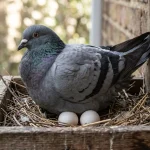
Pigeons are often overlooked in the avian world, yet they possess fascinating reproductive behaviors that play a vital role in their survival and adaptability. Did you know that a pair of breeding pigeons can produce 10 to 16 squabs over their reproductive cycle of just a few years? Understanding how pigeons lay eggs and the frequency of their breeding can illuminate their unique behaviors and contribute to better care if you’re a pet pigeon owner or an enthusiast. Whether you’re curious about their nesting habits or interested in breeding your own pigeons, grasping these essential facts not only enhances your knowledge but also deepens your appreciation for these remarkable birds. Join us as we explore the intriguing world of pigeon reproduction and uncover everything you need to know about their egg-laying habits and more.
Do Pigeons Lay Eggs? Understanding Their Reproductive Cycle
Pigeons are remarkable creatures that exemplify resilience and adaptability, particularly in their reproductive cycle. Understanding how pigeons reproduce is not only fascinating but also essential for those interested in bird watching or caring for these birds. Female pigeons, known as hens, typically lay two eggs per clutch, which are often white and slightly glossy. This seems to encapsulate the beauty of their simplicity. After laying their eggs, both parents share the responsibility of incubation, ensuring that the eggs are kept warm and protected from potential threats.
The reproductive cycle of pigeons begins with courtship rituals that solidify pair bonds. Males perform various displays, such as puffing out their chests and cooing, to attract females. Once a pair has formed, they engage in mutual preening and nest-building behaviors. Pigeons practice monogamy and can mate for life, returning to the same nesting sites year after year. This strong pair bond contributes to the success of their offspring, as both parents are actively involved in rearing their young.
Pigeon eggs typically hatch within 17 to 19 days after being laid, although this period can vary slightly. During incubation, the parents take turns keeping the eggs warm, which is crucial for the development of the embryos inside. Once the eggs hatch, the squabs, or young pigeons, are altricial, meaning they are born naked and dependent on their parents for warmth and food. The care that both parents provide-from feeding the squabs a nutrient-rich substance called “pigeon milk” to ensuring their safety-highlights the community-oriented nature of these birds.
As the seasons change, so too does the reproductive behavior of pigeons. Breeding is often more prolific in spring and summer when food is abundant, allowing pigeons to raise more broods successfully. However, urban environments can impact their breeding cycles, as availability of nesting sites and food resources significantly influences their reproductive success. By understanding these dynamics, bird enthusiasts can better appreciate the complexities of pigeon reproduction and contribute positively to their conservation.
The Mating Behavior of Pigeons Explained
Pigeons are renowned not just for their adaptability but also for their intriguing mating behavior, which is essential for their reproductive success. Male pigeons often initiate the courtship process, engaging in a variety of elaborate displays designed to impress potential mates. These displays consist of puffing out their chests, bowing, and making soft cooing sounds that resonate in their surroundings, conveying a message of vitality and health. This ritual not only attracts the attention of females but also strengthens the bond between the mating pair.
Once a pair has established their bond, they engage in mutual preening, an essential activity that reinforces their partnership. This grooming behavior reflects trust and intimacy, allowing pigeons to maintain their feathers in prime condition, which is crucial for flight and overall health. In addition to grooming, they collaborate on nest-building, often choosing sheltered nooks in urban settings such as under bridges or on building ledges. Both male and female pigeons contribute to the construction of their nest, using twigs, grass, and paper, which showcases their teamwork and commitment to nurturing future offspring.
Interestingly, pigeons exemplify monogamous relationships, often forming lifelong bonds with their mates. This commitment enhances their reproductive success since both parents are actively involved in nurturing their young. They usually produce up to six broods in a year, each consisting of two eggs. The strong partnership ensures that they can efficiently take turns incubating the eggs and feeding the hatchlings, underscoring the evolved cooperative strategy that supports their thriving populations in various environments.
In urban settings, this cooperative breeding behavior becomes even more crucial. The availability of food and suitable nesting sites can vary greatly, impacting their ability to reproduce successfully. Thus, understanding their mating behaviors not only enriches our appreciation for these birds but also informs how we can better support their populations, especially in areas where urbanization challenges their natural behaviors and habitats.
How Often Do Pigeons Lay Eggs?
Pigeons are prolific reproducers, capable of laying a surprising number of eggs throughout the year, which speaks to their adaptability in various environments. Unlike many birds that have a specific breeding season, pigeons can breed all year round, especially in urban settings where food is abundant and climate conditions are favorable. Typically, a pair of pigeons can produce up to six broods each year, with each brood consisting of two eggs. This frequency allows for a rapid increase in their population, which is essential for their survival in competitive environments.
The reproductive journey begins when a pair establishes a bond, with the female laying her eggs about one to two weeks after mating. Surprisingly, these eggs are usually laid two days apart, allowing for a staggered hatching process. The eggs are small, round, and white, providing some camouflage in the nest made of twigs and other materials. After laying, both parents share parental responsibilities, taking turns incubating the eggs for approximately 18 days until they hatch.
In urban areas, the abundance of nesting sites and food sources facilitates this high reproductive rate. Pigeons often utilize ledges, bridges, and even rooftops for nesting, capitalizing on structures built by humans. This ability to thrive in cities allows them not only to maintain their population numbers but also to adapt to the challenges that come with urban living. Enthusiasts and bird watchers alike may find it fascinating to observe how these adaptable birds navigate their reproductive cycles, showcasing both resilience and resourcefulness in a rapidly changing environment.
What Do Pigeon Eggs Look Like?
Pigeon eggs are intriguing little capsules of potential life, often surprising those who encounter them. Generally, one might expect pigeon eggs to be uniform, but they actually exhibit a fascinating range of appearances. Most commonly, pigeon eggs are small, smooth, and a striking white color, which can help them blend seamlessly into the nesting environment of twigs and foliage. However, not all pigeon eggs fit this mold; some can be elongated or have a slightly oval shape, resembling miniature versions of chicken eggs. The texture is typically glossy, giving them a pearlescent sheen that can be quite captivating.
Interestingly, while pigeon eggs are usually laid in pairs, variations do occur. In some cases, pigeons produce smaller eggs that may lack a yolk altogether, raising questions about their viability. This fluctuation in egg size and shape can depend on various factors, including the health of the female and environmental conditions she faces. Observing these eggs can provide valuable insights into the health and reproduction of local pigeon populations, enhancing our understanding of these adaptable birds.
When it comes to identification, recognizing the subtle differences in egg characteristics can be beneficial for both novice and experienced bird watchers. For example, if you spot an egg that appears unusually small or has atypical coloring, it might be worth investigating further. Engaging in this observational practice not only deepens your appreciation for avian life but also encourages a hands-on understanding of bird behaviors and reproductive strategies. As you explore urban environments or natural habitats, keep an eye out for these fascinating eggs, which serve as a testament to the resilience and adaptability of pigeons in the face of their ever-changing surroundings.
Incubation Period: Caring for Pigeon Eggs
The incubation period for pigeon eggs is a fascinating process that showcases the dedication and care of these remarkable birds. Typically, pigeons will incubate their eggs for about 17 to 19 days before they hatch. During this critical time, both the male and female take turns keeping the eggs warm, ensuring a steady temperature and providing the necessary environment for the developing embryos. This shared responsibility not only strengthens their bond but also allows the parents to be vigilant against potential threats.
To provide the best care for their eggs, pigeons will meticulously nest in protected areas, often choosing locations that are hidden from predators. The females lay two eggs, usually at intervals of a day or two apart. Once the last egg is laid, the real teamwork begins. The parents sit closely on the eggs, utilizing their body heat to keep them warm. Interestingly, pigeons produce a nutrient-rich substance known as “pigeon milk,” which they feed to their young once they hatch. This unique aspect of their caregiving highlights the importance of the initial incubation stage, where the foundation for the hatchlings’ future health is established.
In urban environments, where pigeons commonly dwell, caring for their eggs involves navigating various challenges, from human activity to habitat destruction. Observing pigeons during their incubation phase provides valuable insights into their adaptability and resilience. For bird watchers and enthusiasts, taking the time to watch these birds can deepen one’s appreciation for their life cycle and careful nurturing methods. Remember, if you spot a pigeon nest with eggs, it’s crucial to respect their space and avoid disturbing them, allowing the parents to fulfill their vital role.
Using a keen eye, you might even catch sight of the parents’ unique behaviors as they communicate and care for their offspring, such as the gentle movements they make to adjust their positions or the way they keep a lookout while providing warmth. The combination of nurturing instincts and the precarious balancing act of adapting to city life makes the incubation period of pigeons a compelling topic for observation and study.
Nesting Habits of Pigeons: A Closer Look
Pigeons are fascinating creatures, particularly when it comes to their nesting habits, which demonstrate their adaptability and resourcefulness. Typically, these birds select sheltered locations for nesting, often utilizing ledges, balconies, or even attics in urban settings. Their preference for these elevated spots minimizes exposure to ground predators, ensuring a safer environment for their eggs and young. Additionally, pigeons often look for cozy nooks within structures or natural settings, taking advantage of materials readily available to them to build sturdy nests.
When it comes to nest construction, the male pigeon generally plays a proactive role. He often gathers sticks, grass, and other debris to create a nest that is both secure and comfortable for the female. This construction phase is crucial, as a well-built nest can significantly impact the survival of the offspring. After selecting a site, the female will line the nest with softer materials, ensuring a cozy environment for the incubation of the eggs. They typically lay two eggs, which are white and slightly oval-shaped, and will often return to the nest multiple times during the day to make adjustments and reinforce its structure.
In observing nesting behavior, it’s intriguing to note how both parents engage in nurturing activities. They take turns incubating the eggs and watching over the nest, which not only aids in developing the embryos but also strengthens their pair bond. Pigeons are monogamous, often forming long-term partnerships, which is reflected in the cooperative care of their young. They’re known for being attentive parents, and their commitment to maintaining a safe nesting site extends beyond the initial phase of egg-laying.
Moreover, the nesting habits of pigeons can vary greatly depending on their environment. In urban landscapes, their survival often hinges on their ability to adapt to human activity and find shelter. As they function in this changing environment, observing these birds can offer insight into the complexities of urban wildlife. For birdwatchers or those interested in ornithology, understanding pigeon nesting behaviors enhances appreciation for their resilience and ingenuity in finding suitable nesting spots amidst a bustling cityscape. If you encounter a pigeon nest, it’s essential to respect their space; it contributes to their success as thriving urban dwellers.
Pigeon Parenting: Caring for the Young
The nurturing process begins shortly after pigeons lay their eggs, typically two at a time. During this crucial period, both parents are incredibly involved in the care and protection of their young. The eggs hatch after an incubation period of about 17 to 19 days, and once the squabs emerge, they are entirely dependent on their parents for survival. This dependency highlights the importance of cooperative parenting in ensuring the squabs grow into healthy pigeons.
Pigeon parents exhibit remarkable behaviors that enhance the survival rates of their young. Both the male and female take turns brooding the eggs and later, the squabs. They diligently feed their young through a process known as “pigeon milk,” a nutrient-rich substance that they produce in their crops. This unique adaptation allows the parents to provide essential sustenance to the squabs directly, significantly aiding their growth and development. Interestingly, squabs grow rapidly, and in just a few weeks, they can double their weight, gaining strength and coordination as they prepare to fledge.
As the squabs develop, the parents continue to show remarkable dedication. They maintain the nest’s cleanliness, removing any waste and debris to keep the environment safe and healthy. This aspect of parenting is vital, as it minimizes the risk of disease or parasitic infections, common threats in the wild. You’ll often observe the parents actively feeding their young multiple times a day, encouraging them to stretch their wings and explore their surroundings as they approach maturity.
Once the squabs are about 4 to 6 weeks old, they start to venture out of the nest. Unlike many bird species, young pigeons leave the nest fully grown and nearly as large as their parents, which can sometimes mislead observers into thinking they are just small adults. At this stage, the parents gradually reduce feeding but still remain protective, teaching the squabs essential life skills such as foraging and understanding their environment. This thorough education prepares the young pigeons for the challenges they’ll face as independent adults.
These parenting behaviors not only ensure the survival of their offspring but also strengthen the bonds between pigeon partners. This enduring commitment to their young is a testament to the adaptability and resourcefulness of pigeons, particularly in urban settings where the challenges of survival are heightened. For enthusiasts looking to observe pigeon parenting, watching a nesting pair can be an insightful experience, revealing the intricacies of their family life.
Common Myths About Pigeon Reproduction
It’s often said that pigeons are synonymous with urban life, yet many misconceptions persist about their reproductive behaviors. One prevalent myth suggests that pigeons instinctively mate for life. While pigeon pair bonding can be strong, they do not form lifelong partnerships. Typically, after raising their young, they may separate and seek new mates, which allows for genetic diversity and adaptation to changing environments.
Another common belief is that pigeons are scarce in their reproductive output. In fact, pigeons are quite prolific, laying eggs that can yield up to six clutches a year, with two eggs per clutch being standard. This means a pair of pigeons could potentially produce a significant number of offspring annually, contributing to their populations, especially in urban areas where food sources are abundant. Their adaptability in breeding, especially in cities, is a testament to their resilience.
Additionally, many assume that the eggs of pigeons are small and inconspicuous. However, pigeon eggs are typically white and about 1.3 inches long, which makes them relatively easy to spot if you know where to look. The nesting habits of pigeons can also surprise those unfamiliar with their behaviors; they do not always build elaborate nests, instead opting for simple platforms in sheltered areas.
Debunking the Myths
- Pigeons mate for life? Not true! They often form short-term pair bonds.
- Are pigeons low in reproductive output? Incorrect! They can lay multiple clutches annually.
- Are pigeon eggs hard to see? False! Their eggs are white and noticeable.
- Do pigeons nest like other birds? Rarely elaborate; they often opt for simple nests.
Understanding these myths compared to the realities of pigeon reproduction not only enriches our knowledge of these versatile birds but also highlights their remarkable ability to thrive alongside humanity.
The Role of Seasons in Pigeon Breeding
Pigeons are fascinating creatures that reveal a lot about their reproductive habits when viewed through the lens of seasonal changes. Their breeding cycles are primarily influenced by environmental cues, leading to remarkable adaptability and resilience in various climates. Generally, pigeons breed year-round in urban settings where resources are plentiful, but they exhibit heightened activity in warmer months when food is abundant, allowing them to rear their young effectively.
As spring approaches, you’ll notice an increase in pigeon courtship rituals-this is when they become particularly vocal and engaging in displays of affection. Males will puff out their chests and coo to attract females, a behavior that often results in pair formation for the breeding season. This seasonal shift initiates the urge to build nests, typically in sheltered spots such as building ledges or under eaves. It’s worth noting that the availability of nesting sites and food sources directly affects their breeding success.
The warmth of summer often sees pigeons laying eggs more frequently. It is not uncommon for a mating pair to produce several clutches during this time, with two eggs per clutch being typical. As the weather cools, their breeding activity may slow down, but in urban areas with stable food supplies, they can continue to reproduce. This ability to adapt to urban environments exemplifies how seasons influence not just reproduction, but overall population dynamics in pigeons.
In contrast, in more rural or challenging habitats with strict seasonal changes, pigeon breeding can be considerably more limited. Factors such as temperature drops, harsh winters, and limited food availability lead to a significant decline in breeding attempts. Overall, understanding how seasons impact pigeon reproduction is crucial for bird watchers and enthusiasts who wish to observe their behaviors and breeding patterns accurately. Whether you’re monitoring a local flock or just admiring these birds, recognizing their seasonal breeding habits enhances both appreciation and awareness of their remarkable adaptations.
Comparing Pigeon Reproduction to Other Birds
When we delve into the reproductive habits of pigeons, it’s fascinating to compare them to other bird species and see how similar or distinct their behaviors can be. Pigeons share several traits with other avian groups, particularly in their ability to adapt their breeding strategies based on environmental conditions. For example, many birds lay eggs seasonally, often timed to coincide with periods of abundant food. However, what sets pigeons apart is their remarkable adaptability, allowing them to reproduce year-round in urban settings where resources are relatively stable.
One notable aspect of pigeon reproduction is their clutch size, which typically consists of two eggs. This is also a common trait among various bird species such as doves, finches, and sparrows. However, pigeons take it a step further; they can have multiple broods per year, often producing up to five or six clutches depending on their environment, while many other species may only breed once or twice in a season. This prolific breeding capability is particularly advantageous in urban habitats where food sources are readily available, thus enhancing their survival and proliferation.
Unique Parental Care
Pigeons exhibit a unique approach to parenting, characterized by mutual care from both parents. Unlike species where one parent might take on a predominant role, both male and female pigeons participate equally in incubating eggs and feeding their young. They produce a nutrient-rich secretion known as “pigeon milk,” a form of crop milk, which is fed to squabs (young pigeons). This method of feeding is less common in the bird world but is also observed in other birds such as flamingos and some penguin species, highlighting a fascinating evolutionary adaptation among these groups.
These differences underscore the diverse strategies birds employ to ensure the survival of their offspring. While pigeons have adapted to thrive in urban landscapes, other bird species may face more environmental pressures that limit their reproductive success. For instance, birds in agricultural areas may struggle with habitat loss and scarcity of food during certain seasons, leading them to concentrate their breeding efforts into limited windows of opportunity. By comparing these behaviors, we can appreciate how pigeons exemplify resilience and adaptability, thriving where many other species might falter.
Ultimately, whether you’re a seasoned birdwatcher or just starting to explore avian life, understanding these comparisons enriches our perspective on not only pigeons but all birds and the intricate web of ecological relationships they navigate.
Pigeons in Urban Environments: Impact on Reproduction
In urban environments, pigeons have developed remarkable reproductive strategies that allow them to thrive amid the bustling chaos of city life. Unlike many birds that have specific breeding seasons tied to the natural cycles of their habitats, pigeons exhibit a fascinating resilience-often laying eggs year-round as long as conditions permit. This adaptability is primarily due to the abundant food supply and sheltered nesting sites that cities provide, which can significantly enhance their survival rates.
Urban dwellings, from rooftop gardens to park benches, offer ideal nesting locations for pigeons. These birds typically prefer sheltered sites that provide protection from predators and harsh weather. They often take advantage of ledges, balconies, and other architectural features, making urban spaces an integral part of their reproductive success. As a result, a pair of pigeons can produce multiple clutches each year-often between five to six-compared to other species that might only breed once or twice during optimal seasons. This prolific nature is not just a quirk of survival but a demonstration of how adaptable and resourceful these birds can be when facing the unique challenges posed by urban living.
Effective pigeon parenting is also critical to their reproductive success, particularly in urban settings. Both male and female pigeons participate in nurturing their young, sharing responsibilities for incubating eggs and feeding squabs. One particularly fascinating aspect of their parental care is the production of “pigeon milk,” a nutrient-dense secretion that nourishes the young chicks. This behavior ensures that even in bustling urban environments, the next generation of pigeons has a solid foundation for survival.
Interestingly, while pigeons thrive in cities, urbanization does pose several challenges. Issues such as pollution, decreased food quality, and competition with other wildlife can impact reproduction. However, urban pigeons have shown an incredible ability to adapt, which highlights their resilience. For those observing or studying pigeons, understanding these dynamics adds a layer of appreciation for these often-overlooked city dwellers and their complex interaction with human environments.
How to Identify Different Pigeon Species by Eggs and Nesting
Identifying different pigeon species by their eggs and nesting habits offers an intriguing glimpse into avian life. Pigeons, despite their similar appearances, exhibit fascinating variations that can be observed in their reproductive traits. Most pigeon eggs share a commonality: they are typically round and smooth, ranging in color from white to off-white with subtle variations, but each species brings its own unique characteristics.
For example, the Rock Pigeon, which is common in urban settings, lays eggs that are generally white and about 28-34 mm in length. They prefer nesting on ledges and overhangs, creating rudimentary nests made of twigs and debris often found near human habitats. In contrast, the Nicobar Pigeon has glossy greenish-blue eggs, usually slightly larger, and prefers to nest in dense forest canopies, often using leaves and sticks to create a more sheltered environment.
Apart from the size and color of the eggs, one can also differentiate pigeon species by examining their nesting sites and behaviors. Most pigeons are not highly choosy about nesting materials; however, the Victoria Crowned Pigeon is known to construct intricate nests involving moss and sticks, reflecting its more elaborate mating rituals. Additionally, the Band-tailed Pigeon typically nests in trees, laying two eggs that are slightly larger than those of the Rock Pigeon, with a pale blue tint.
When observing pigeons in your area, keep an eye out for their nests and egg characteristics. Note the location-whether they’re tucked away in urban ledges, suburban trees, or secluded locations in nature. Documenting these observations can not only enhance your understanding of local avian populations but also contribute valuable data to avian studies.
In summary, while all pigeons share basic reproductive traits, their eggs and nesting habits can reveal a wealth of information about the species’ adaptations and behaviors. Whether you’re a novice birdwatcher or a seasoned ornithologist, learning to identify these subtle differences can deepen your appreciation for these remarkable birds.
Frequently asked questions
Q: How many times a year do pigeons lay eggs?
A: Pigeons typically lay eggs several times a year, often producing up to six clutches annually. Each clutch usually contains two eggs, laid a week or two apart. Providing proper nesting conditions can encourage more frequent breeding.
Q: What is the ideal nesting environment for pigeons?
A: Pigeons prefer nesting in protected areas that offer flat surfaces and shelter from the elements. Natural materials like twigs, straw, and leaves should be available to help them build a secure nest. Check the section on nesting habits for more insights.
Q: How long does it take for pigeon eggs to hatch?
A: Pigeon eggs typically take about 17 to 19 days to incubate before hatching. During this period, both parents share incubation duties. Ensuring a quiet, stable environment during incubation is crucial for the eggs’ development.
Q: What happens to young pigeons after they leave the nest?
A: Young pigeons, called squabs, remain dependant on their parents for a few weeks after fledging. They often stay close to the nest for safety and are not easily spotted since they quickly grow to adult size.
Q: Why are baby pigeons rarely seen?
A: Baby pigeons are seldom seen because they remain in the nest until they are nearly full-grown. By the time they fledge, they resemble adult pigeons, making them harder to identify as juveniles.
Q: How can I raise and care for baby pigeons?
A: To raise baby pigeons, ensure they are kept warm and start feeding them a nutritious diet suitable for their age, typically including specially formulated pigeon feed. For more details on care, refer to the pigeon parenting section.
Q: Do pigeons mate for life?
A: Yes, pigeons often form monogamous pairs and mate for life. They display strong bonding behaviors and typically return to the same partner for breeding each year.
Q: How do environmental factors influence pigeon reproduction?
A: Environmental factors like temperature, food availability, and urban versus rural settings significantly influence pigeon breeding behavior. Warmer climates and abundant food supply can increase breeding rates and frequency.
The Way Forward
Now that you understand the fascinating reproductive habits of pigeons, including their egg-laying frequency and nurturing behavior, it’s time to explore further! Did you know that pigeons exhibit remarkable parenting skills and can even recognize their own young? Check out our articles on pigeon care tips and their unique behaviors to enrich your knowledge.
If you have any lingering questions about pigeons or avian care, don’t hesitate to leave a comment! We’re here to help and encourage you to subscribe to our newsletter for more insightful content. Dive deeper into the world of birds, and discover how these remarkable creatures connect with us in urban environments.
Stay curious and keep exploring our resources on pigeon species and their habitats. Your journey into the incredible world of birds has only just begun!
Get our latest guides, news, and insights highlighted in your Google Search & AI Overviews.