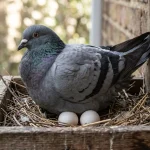
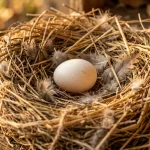
Did you know that pigeons have been companions to humans for thousands of years, adapting seamlessly to our urban landscapes? Their presence in cities and towns across North America raises an intriguing question: are these adaptable birds native to the continent, or did they arrive through human introduction? Understanding the origin of pigeons not only enriches our knowledge of avian history but also sheds light on the ecological impacts they have on our environment. As you explore the fascinating journey of pigeons, you’ll discover the complexity of their relationship with people, from carrying messages in ancient times to becoming familiar city dwellers. Join us as we delve into the origins of these misunderstood birds and uncover how they came to call North America home, ultimately enhancing your appreciation for their role in our lives.
Are Pigeons Native to North America? Understanding Their Origins
Pigeons have a fascinating history, deeply intertwined with human civilization. They are primarily descendants of the rock pigeon (Columba livia), a species that evolved in the rocky coastal regions of Europe, North Africa, and South Asia. When European settlers arrived in North America, they brought with them various domesticated species, including pigeons. This introduction marked the beginning of pigeons making their homes in urban landscapes across the continent.
Although primarily associated with human environments, pigeons have exhibited remarkable adaptability. Urban areas, with their abundance of food sources and nesting sites, have become ideal habitats for these birds. While North America does not host any pigeon species inherently native to its original ecosystem, the introduced stock has flourished, becoming a familiar sight in cities and towns from coast to coast.
When identifying pigeons in North America, it’s crucial to distinguish between those that are feral-descendants of domesticated birds-and their wild counterparts. Feral pigeons exhibit a vast array of colors and patterns due to selective breeding, while wild pigeons typically maintain more muted tones. Understanding these differences enhances our appreciation of the species and their unique adaptations to various environments.
Urban pigeons are resilient; they demonstrate behaviors that allow them to thrive alongside human activity. Observing their social dynamics, foraging habits, and nest-building techniques provides insight into their adaptability. Whether you’re an experienced birdwatcher or a casual observer, recognizing the complexities of pigeons’ lives enriches your experience of urban wildlife.
The History of Pigeons in North America
Pigeons have an intriguing and rich history in North America, one that parallels the development of the continent itself. These birds, primarily descendants of the rock pigeon (Columba livia), were introduced by European settlers in the late 17th century. Early records indicate that domesticated pigeons were brought over not only as sources of food but also as pets and messenger birds. Their adaptation to urban environments following colonization laid the foundation for their presence in cities today.
Upon their arrival, pigeons quickly learned to thrive in the diverse habitats created by human activity. They found plentiful food sources in the form of waste and overcrowded urban living spaces, which served as ideal nesting sites. The bustling environments suited their social nature and instinctive behaviors, allowing them to establish strong populations across North America. Over time, these pigeons diverged into feral populations, which showcased a broad spectrum of colors and patterns due to selective breeding, making them distinct from their wild counterparts.
In terms of cultural significance, pigeons became synonymous with urban life, often viewed as symbols of resilience. They played pivotal roles in both historical events-like carrying messages during wartime-and in modern contexts, appearing in countless films and photographs, contributing to their quirky charm. Despite common misconceptions associating these birds with disease and dirt, many urban enthusiasts enjoy observing their intelligence and social structures.
For birdwatchers and nature lovers, understanding the historical background of pigeons enriches the experience of observing them. By recognizing their adaptability and the role humans have played in their evolution, we’re better equipped to appreciate these birds’ complex lives and their coexistence with our urban landscapes. Whether you’re simply intrigued by their presence or considering caring for urban pigeons, there’s much to admire in this adaptable species that continues to thrive in a changing world.
Identifying Native vs. Non-Native Pigeon Species
Identifying the differences between native and non-native pigeon species in North America can greatly enhance your birdwatching experience and foster responsible environmental stewardship. While most of the pigeons you’ll encounter in urban settings are feral descendants of the rock pigeon (Columba livia), understanding the few native species can deepen your appreciation for avian diversity and highlight the ecological impacts of introduced species.
In North America, there is a key native pigeon species: the mourning dove (Zenaida macroura). Recognizable by its long, pointed tail and subtle gray-brown plumage, the mourning dove is often seen foraging on the ground for seeds or perched on telegraph wires. It is a common sight in rural and urban areas alike and is noted for its soft, mournful cooing calls. In contrast, the rock pigeon-typically gray with iridescent neck feathers-often congregates around city parks and is distinguished by its robust build and broader tail feathers.
The distinction between these species is crucial, particularly when considering their roles in the ecosystem. Native mourning doves are well-adapted to the wild, able to forage for natural food sources and nest in shrubs or trees. Meanwhile, rock pigeons have adapted to urban environments, often relying on human-provided food scraps. This adaptation underscores the importance of understanding the ecological balance between native and non-native species, as introduced species like the rock pigeon can compete with native birds for resources and nesting sites.
As you observe these birds, take note of behavioral differences that may help in identification. Mourning doves are generally seen alone or in small groups, displaying a calm demeanor, whereas rock pigeons are highly social and often form large flocks. They both exhibit unique flight patterns, but rock pigeons tend to fly in erratic bursts, landing quickly when they spot food. Observing such behaviors not only adds to your birding experience but also aids in recognizing the significant impact of human activity on these populations.
In summary, while the rock pigeon may dominate the urban landscape, the native mourning dove is an integral part of North America’s natural heritage. Keeping an eye out for these distinctions enriches your understanding of local biodiversity and supports informed conservation efforts. By sharing what you’ve learned about pigeon species with others, you contribute to a greater awareness of the challenges faced by native wildlife in the presence of introduced species.
The Role of Human Interaction in Pigeon Introduction
The introduction of the rock pigeon (Columba livia) to North America is a fascinating example of how human activities can shape the distribution and ecology of species. Originally domesticated in the Middle East thousands of years ago, these birds were brought to the continent by European settlers in the early 17th century. Their adaptability and resilience quickly made them a common sight in urban areas, leading to their widespread establishment across cities and towns. This remarkable journey from domesticated birds to feral flocks has been largely human-driven, showcasing the complex interplay between human influence and wildlife.
Human interaction has played a pivotal role in the success of rock pigeons in North America. Initially, they were kept for food, racing, and as pets, which facilitated their release and subsequent breeding in the wild. Today, their presence is often tied to urban environments, where they have become dependent on human activities. These pigeons thrive on discarded food from streets, parks, and outdoor dining areas, leading to their notorious reputation as urban scavengers. This reliance on human-provided resources underscores a crucial aspect of their existence: rock pigeons are not merely surviving but flourishing in the environments shaped by people, illustrating the significant impact of human behaviors on wildlife.
Moreover, the relationship between humans and pigeons extends beyond mere survival. Pigeons have found a niche in our cultural landscape-often viewed through a lens of affection or frustration. On one hand, they are celebrated for their intelligence and homing abilities, with racing and show competitions highlighting their remarkable traits. On the other, their sheer numbers and adaptability can lead to conflicts with urban dwellers, as they sometimes create messes in shared spaces. This duality raises questions about coexistence and the responsibilities people have towards the wildlife that adapts to urban life.
As you observe urban pigeons, consider the role of your environment in their lives. You might notice that rock pigeons have developed unique behaviors around human activity, such as foraging near busy cafes or gathering in large groups. Understanding these interactions can foster a greater appreciation for their resilience and adaptability. For birders and casual observers alike, recognizing the integral role humans play in the story of pigeons offers valuable insights into the broader themes of coexistence and conservation. By embracing these connections, we can cultivate a more thoughtful relationship with all the wildlife that shares our urban spaces.
Adaptations of Pigeons to North American Environments
The rock pigeon (Columba livia) showcases an impressive array of adaptations that allow it to thrive in diverse environments across North America. One of the most remarkable features of these birds is their ability to exploit urban settings, a skill that has evolved since their introduction by European settlers. As they transitioned from wild birds to urban residents, they developed behaviors and traits specifically suited to life in close proximity to humans.
Foraging and Feeding Habits
Rock pigeons have become expert foragers, capitalizing on the abundant food resources provided by urban environments. Their diet primarily consists of seeds and grains, but they have adapted to consume a wide variety of food scraps found in cities, including discarded fast food, remnants from restaurants, and leftovers in parks. This adaptability not only aids their survival but also makes them highly visible and often controversial urban inhabitants. Observing pigeons diligently pecking at the ground for food can offer insights into their opportunistic nature.
Physical Adaptations
The physical characteristics of rock pigeons also enhance their urban survival. They possess strong, powerful wings enabling swift flight, which is essential for navigating busy streets and escaping from predators such as hawks or urban pets. Their plumage color can vary widely, from bluish-gray to white and black, allowing them to blend into various urban backgrounds, making them harder for predators to spot.
Social Behavior and Nesting
Socially, rock pigeons are exceptionally communal. They often flock together in large numbers, which provides safety in numbers and facilitates information sharing about food and potential threats. Their nesting behavior has adapted to urban structures; pigeons frequently utilize building ledges, bridges, and other manmade features for nesting, which offers protection from ground predators. The flexibility in their nesting choices showcases their ingenuity in utilizing the urban landscape.
Ultimately, by thriving in urban settings and demonstrating such adaptability, rock pigeons have established themselves as a familiar yet often misunderstood fixture of city life. This adaptability not only speaks to their resilience but also indicates how human modifications to environments can create new niches for wildlife. Observing these birds can provide a deeper understanding of the intricate relationship between species and their habitats, especially in human-dominated landscapes.
Cultural Significance of Pigeons in North America
Across North America, the rock pigeon (Columba livia) has woven itself into the cultural fabric of cities and towns, often embodying the clash between nature and urban life. Imagine walking through a bustling city square where these birds flap and coo, effortlessly coexisting amidst the hustle and bustle of daily life. Their presence raises intriguing questions about human relationships with wildlife. Historically, pigeons have been symbols of peace and resilience, but they also evoke mixed feelings ranging from fondness to annoyance, particularly for those who see them as pests.
These birds were introduced to North America by European settlers in the early 1600s, initially valued for their meat, homing abilities, and companionship. As they adapted to urban living, their role evolved, becoming part of the everyday landscape. In various cultures, pigeons have been celebrated in art, literature, and folklore. For example, the image of the dove, closely related to pigeons, represents peace and hope across many societies. In cities like New York, pigeons often appear in street art and photography, highlighting their acceptance and integration into modern urban culture.
Living Symbols of Adaptability
Pigeons serve as remarkable examples of resilience and adaptability. Their ability to thrive in harsh urban environments, coupled with a diet that expands far beyond seeds and grains, symbolizes the broader ability of life to adapt to human changes. Many urban dwellers have grown to appreciate these birds as companions, feeding them in parks or observing their antics, which fosters a sense of connection to nature in the midst of concrete and steel. Knowing how to care for these urban residents can also help individuals engage more meaningfully with local wildlife.
The pigeon’s significance extends even further into science and communication. Throughout history, they have been used in wartime as messengers, famously carrying messages across enemy lines. The bond between humans and pigeons has influenced urban wildlife management practices, prompting discussions about cohabitation and coexistence. This evolving relationship invites us to reconsider our urban ecosystems and the role we play in shaping them.
Ultimately, understanding the cultural significance of pigeons helps illuminate the broader narrative of human-animal interactions in North America. By observing these birds, we can reflect on our own adaptations to living alongside wildlife, encouraging a mindset of harmony and respect in shared environments.
Conservation Status of Pigeons: Native vs. Non-Native
As you stroll through urban environments, it’s hard to ignore the ubiquitous presence of the rock pigeon (Columba livia). This adaptable bird, originally introduced to North America by European settlers in the early 1600s, has become a common sight in cities, parks, and even rural areas. However, the conservation status of pigeons, particularly regarding their classification as native or non-native species, invites an important conversation about biodiversity and ecosystem health.
Today, the rock pigeon thrives across the continent, exhibiting remarkable adaptability. Despite this success, their non-native status raises concerns among conservationists, particularly regarding impacts on local ecosystems. The introduction of non-native species can disrupt local flora and fauna, leading to a decline in native bird populations. Interestingly, while rock pigeons have thrived, some native pigeon species, such as the mourning dove (Zenaida macroura), continue to face habitat loss and population pressures due to urbanization and agricultural expansion.
To better understand the conservation landscape, it’s essential to consider the level of human interaction involved in the pigeons’ introduction and ongoing management. Urban environments often foster populations of rock pigeons without much oversight, leading many to view them as pests rather than integral parts of the ecosystem. Engaging local communities in conservation efforts can help shift perspectives, encouraging responsible feeding practices and habitat enhancements that support both native and non-native species alike.
In summary, the conservation status of pigeons highlights the broader implications of human influence on wildlife. By fostering awareness and providing guidance on caring for urban pigeons, we can cultivate a deeper understanding of their role in our shared environments, ultimately promoting coexistence with all the bird species that call North America home. Understanding this dynamic can pave the way for conservation initiatives that prioritize biodiversity while recognizing the vital part that rock pigeons play in the urban avifauna.
Common Misconceptions About Pigeon Origins
The rock pigeon, often seen gracefully soaring through cityscapes, is frequently mistaken for a native bird of North America. Many people believe that this common sight has always been part of the continent’s avian landscape, but the origins of these birds reveal a fascinating story of human influence and ecological adaptation. Initially, the rock pigeon (Columba livia) was brought to North America by European settlers in the early 17th century, serving primarily as a source of food and for sport. This historic introduction has led to a widespread misconception that they are indigenous to the region, blending seamlessly into the urban fabric of our cities and towns.
One prevalent myth is that all pigeons are the same, which overlooks the diverse species and their origins. While rock pigeons are non-native, native pigeons like the mourning dove (Zenaida macroura) have existed in North America long before European contact. Mourning doves share the skies with rock pigeons, yet they are often overshadowed by the latter’s population dominance in urban areas. This misunderstanding can lead to a lack of appreciation for the ecological role of native species and can obscure important conservation efforts needed to protect them.
Additionally, it’s essential to address the misconception that urban pigeons are solely pests. While their overpopulation can create issues, engaging with local communities can reshape perceptions. Rock pigeons have adapted remarkably to urbanization, filling ecological niches and interacting with human environments in unique ways. By feeding, nesting, and thriving close to human activity, they’ve become a part of our urban ecosystem. Promoting responsible practices, such as providing safe feeding areas and reducing dependency on human-provided food, can help balance human interests with wildlife conservation.
Understanding these misconceptions is vital for fostering a nuanced view of pigeons in North America. As bird enthusiasts, we can encourage others to see beyond the surface and appreciate the complex history and diverse species contributing to our shared avifauna. Studying their behaviors, habitats, and the challenges they face can ignite a passion for bird conservation that embraces both the native and non-native species we share our cities with.
Pigeon Behavior: What Unique Traits to Observe
Pigeons are fascinating creatures that exhibit a range of unique behaviors which contribute to their adaptability, especially in urban environments. One of the most striking traits is their exceptional navigational ability. Rock pigeons (Columba livia), in particular, are renowned for their skill to find their way home over long distances, even when released far from their roost. Studies suggest that they utilize a combination of visual cues, the Earth’s magnetic field, and possibly even the position of the sun to navigate, marking them as one of nature’s extraordinary navigators.
When observing pigeons, you might notice their social dynamics; they often gather in flocks, which can vary widely in size. This behavior provides safety in numbers from potential predators while allowing for more efficient foraging. Among themselves, pigeons communicate through a series of coos and body movements, conveying signals about territory, mating, and social hierarchy. Watch how they puff up their chests and bob their heads during courtship displays-these are essential cues in attracting mates and establishing dominance among their peers.
Another intriguing aspect of pigeon behavior is their mating rituals, which are deeply rooted in their evolutionary history. Pigeons are monogamous and often form long-lasting bonds with their partners, which is relatively uncommon in the bird world. During courtship, males perform elaborate displays to attract females, including puffing out their feathers and bowing. Their commitment doesn’t stop at mating; both parents share the responsibility of raising their young, which involves feeding them a nutrient-rich substance known as crop milk, produced in their digestive tracts. This nurturing behavior highlights their role in the avian family structure and the social bonds they form.
As urban dwellers, pigeons exhibit remarkable adaptability, often altering their feeding behavior to take advantage of available resources. They are opportunistic foragers, readily feeding on seeds, fruits, and scraps left behind by humans. However, this adaptability comes with responsibilities, as it is important for urban dwellers to manage pigeon feeding properly to prevent dependency and overpopulation. Providing safe and clean feeding areas without encouraging begging behaviors can help maintain healthy interactions between pigeons and people.
By taking the time to observe these behaviors, beginners and seasoned birders alike can gain greater appreciation for the complexity of pigeons and their integral role in the ecosystems they inhabit. Whether in rural settings or bustling cities, pigeons provide rich opportunities for engaging with nature and exploring the intricate web of behaviors that define avian life.
Exploring the Varieties of Pigeons in North America
Pigeons are not just a common sight in urban settings; they represent a diverse group of species, each adapted to particular niches across North America. The most recognizable among them is the Rock Pigeon (Columba livia), which thrives in cities and rural areas alike. Often seen perched on building ledges or foraging in parks, Rock Pigeons have a remarkable history of domestication and association with humans. Originally native to Europe, North Africa, and Asia, they were introduced to North America in the 1600s and have since established themselves as a staple of the avian community.
Beyond the Rock Pigeon, North America is home to several other interesting pigeon species. For instance, the Mourning Dove (Zenaida macroura) is renowned for its soft cooing and distinctive long tail. These doves, which are actually a type of pigeon, are widespread across the continent, often found in open woodlands and fields. They tend to forage for seeds and grains on the ground, showcasing a more solitary lifestyle compared to their gregarious Rock Pigeon cousins.
Another notable example is the White-winged Dove (Zenaida asiatica), primarily found in the southwestern United States and parts of Mexico. Recognizable by its striking white wing patches and unique cooing sound, this dove has adapted to urban environments, often frequenting gardens and parks. Their diet consists mainly of seeds, fruits, and even nectar, showcasing their adaptability to various food sources.
Identifying Pigeon Species
When , it’s useful to know how to distinguish between them. Here is a simple comparison of a few species:
| Species | Habitat | Physical Traits | Diet |
|---|---|---|---|
| Rock Pigeon | Urban and rural areas | Gray body, iridescent neck, white rump | Seeds, fruits, scraps |
| Mourning Dove | Open woodlands, fields | Long tail, soft gray-brown plumage | Seeds, grains |
| White-winged Dove | Southwestern US, urban settings | Gray body, white wing patches, yellow eye | Seeds, fruits, nectar |
As you venture into observing these birds, pay attention to their behaviors and interactions within their environments. They often exhibit social structures, especially in flocks, and their distinct calls can be a wonderful way to identify them. Understanding these varieties not only enhances your birdwatching experience but also deepens your appreciation for the roles these pigeons play in our ecosystems. Whether you’re an experienced birder or just starting, engaging with the annals of North American pigeons yields endless opportunities for discovery and connection with nature.
How to Care for Urban Pigeons: A Beginner’s Guide
Urban pigeons are fascinating creatures that have adapted to life alongside humans, making them a common sight in sprawling cities. Caring for these birds can be both rewarding and impactful, especially as their popularity in urban environments continues to grow. If you’ve ever been intrigued by the cooing sounds echoing through your neighborhood or watched them bobbing and pecking on the streets, you might find it fulfilling to learn more about their care and how you can help.
To start, providing a reliable source of food is essential. Urban pigeons thrive on a diet primarily consisting of seeds and grains. You can select a quality pigeon feed mix available at pet stores or opt for suitable alternatives like corn, millet, and sunflower seeds. It’s best to scatter food in safe areas away from heavy foot traffic and predators. This simple act not only nourishes the birds but also encourages them to visit regularly. However, avoid overfeeding, as this can lead to dependency and overcrowding in certain areas.
Ensuring access to fresh water is also crucial. Pigeons need to stay hydrated, especially in warm weather. Placing shallow dishes of clean water in suitable locations offers them a refreshing drink. Make sure to change the water daily to keep it clean and prevent algae growth. If you notice any litter in the water from leaves or debris, clear it out to maintain a healthy environment for these birds.
Monitoring the overall health of urban pigeons is vital. Look for signs such as ruffled feathers, lethargy, or unusual behaviors; these could indicate illness or distress. If you spot a pigeon that seems unwell, you can contact local wildlife rehabilitators for advice on how to handle the situation appropriately. Additionally, learning about specific species native to your area, like the Rock Pigeon or Mourning Dove, enhances your appreciation of their unique traits and behaviors.
Engaging with urban pigeons contributes positively to your local ecosystem. They play a role in seed dispersal, which supports plant growth, and their presence can also attract natural predators, maintaining the ecological balance. Remember, while caring for urban pigeons is highly rewarding, it’s important to respect their space and the natural behaviors of wild birds. Providing food and water without attempting to domesticate them ensures that they remain a vibrant part of the urban landscape. By taking these steps, you’ll not only have the chance to observe these charming creatures up close but also help support their well-being in your community.
The Future of Pigeons: Challenges and Opportunities
Pigeons are remarkable survivors, having thrived in diverse environments around the globe, including the often harsh conditions of urban landscapes. As they face contemporary challenges, such as habitat loss, pollution, and human attitude, there are also numerous opportunities for their conservation and coexistence with humans. By understanding these dynamics, we can play a vital role in shaping a sustainable future for pigeons in North America.
One significant challenge is the ongoing misconception surrounding pigeons, often viewed as pests rather than vital members of the ecosystem. This negative perception can result in harmful practices such as culling and habitat destruction. Education emerges as a pivotal opportunity; by fostering an appreciation for the ecological roles pigeons play-like seed dispersal and being a food source for predators-we can advocate for more humane and sustainable management practices. Efforts in community projects, such as urban birdwatching groups or educational programs in schools, can bridge this gap between human and avian needs.
Another pressing challenge is urbanization, which often leads to the fragmentation of habitats for many species, including pigeons. However, the adaptability of pigeons also presents a unique opportunity. These birds have shown remarkable resilience, utilizing human-provided resources effectively. Providing safe nesting sites and accessible food sources in urban areas can help support their populations. Initiatives like installing nesting boxes or advocating for “pigeon-friendly” areas can help mitigate the impacts of urban sprawl and bolster local pigeon communities.
When caring for urban pigeons, it’s essential to observe their behaviors and adapt our approaches accordingly. Keeping spaces clean and ensuring reliable food supplies can contribute positively to their health and well-being. Many cities are beginning to recognize this and are implementing policies that encourage coexistence rather than conflict. For instance, involving local volunteers in feeding programs can not only support the pigeons but also educate the community on their importance, creating ambassadors for pigeon welfare.
Ultimately, the future of pigeons in North America hinges on a collective effort to appreciate and protect these adaptable birds. By changing perceptions, promoting responsible cohabitation, and actively participating in conservation efforts, we can ensure that pigeons continue to thrive alongside us for generations to come. As bird lovers and urban dwellers, we have a unique opportunity to champion these often-overlooked species, facilitating a harmonious balance in our shared environments.
Frequently Asked Questions
Q: Are all pigeons found in North America native species?
A: No, not all pigeons in North America are native. The most common species, the rock pigeon, is originally from Europe and was introduced by European settlers. It’s crucial to identify native species versus introduced ones to understand the local ecosystem better.
Q: What is the origin of the pigeons in North America?
A: Pigeons in North America primarily trace their origins to Europe and Asia. The rock pigeon was brought over in the 1600s for food and sport, leading to its establishment in urban and rural areas across the continent.
Q: Are there any native pigeon species in North America?
A: Yes, there are a few native pigeon species, such as the passenger pigeon (now extinct) and the mourning dove. Mourning doves are prevalent and thrive in various habitats, showcasing the diversity of native pigeons compared to the mostly introduced rock pigeon.
Q: How did pigeons adapt to the North American environment?
A: Pigeons adapted to North America by utilizing urban settings for nesting and feeding. Their flexible diet allows them to thrive on various food sources, and their social nature aids in finding resources and forming flocks.
Q: What role did humans play in the introduction of pigeons to North America?
A: Humans played a significant role by intentionally bringing rock pigeons for food and sport. Over time, these pigeons established feral populations, facilitating their adaptation and survival in urban settings across the continent.
Q: How can I identify native versus non-native pigeons?
A: To identify pigeon species, note distinct features such as size, coloration, and calls. Native mourning doves are generally smaller, have long tails, and produce a soft cooing sound compared to larger, more robust rock pigeons. Consult local bird guides for detailed comparisons.
Q: What impact do non-native pigeons have on local ecosystems?
A: Non-native pigeons can compete with native species for food and nest sites, potentially leading to declines in local bird populations. They may also spread diseases among native birds, affecting overall biodiversity and ecosystem health.
Q: Why are pigeons important in urban environments?
A: Pigeons play essential roles in urban ecosystems, providing food for predators like falcons and hawks. They also contribute to the urban wildlife experience, and their droppings can enrich soil, benefiting plant life in city parks and gardens.
In Summary
As we’ve explored, the introduction of pigeons to North America tells a fascinating story of adaptation and resilience. Understanding their origins can not only enhance your appreciation for these remarkable birds but also deepen your connection to the wildlife around you. Interested in learning more about how to care for urban wildlife or the unique characteristics of different pigeon breeds? Check out our detailed guides on pigeon care and species identification.
Don’t let your curiosity stop here! Join our community by signing up for our newsletter, where you’ll receive updates on birdwatching tips and the latest in avian research directly to your inbox. Share your thoughts and experiences in the comments below-let’s keep the conversation going! Remember, knowledge is just the beginning; get inspired to observe, learn, and appreciate the pigeons that grace our skies and streets.
Get our latest guides, news, and insights highlighted in your Google Search & AI Overviews.