Have you ever been startled awake by your parakeet’s chirps in the dead of night? It’s a common concern for many bird owners. Understanding why your feathered friend chirps after dark is essential to ensuring their well-being and strengthening your bond. Nighttime chirping can stem from various factors, including their social nature, environmental changes, or even health signals. Each chirp carries a message, and by uncovering these meanings, you can address your parakeet’s needs effectively. Join us as we explore this intriguing behavior, offering insights and practical tips to help you create a peaceful environment for your bird-and restful nights for you both.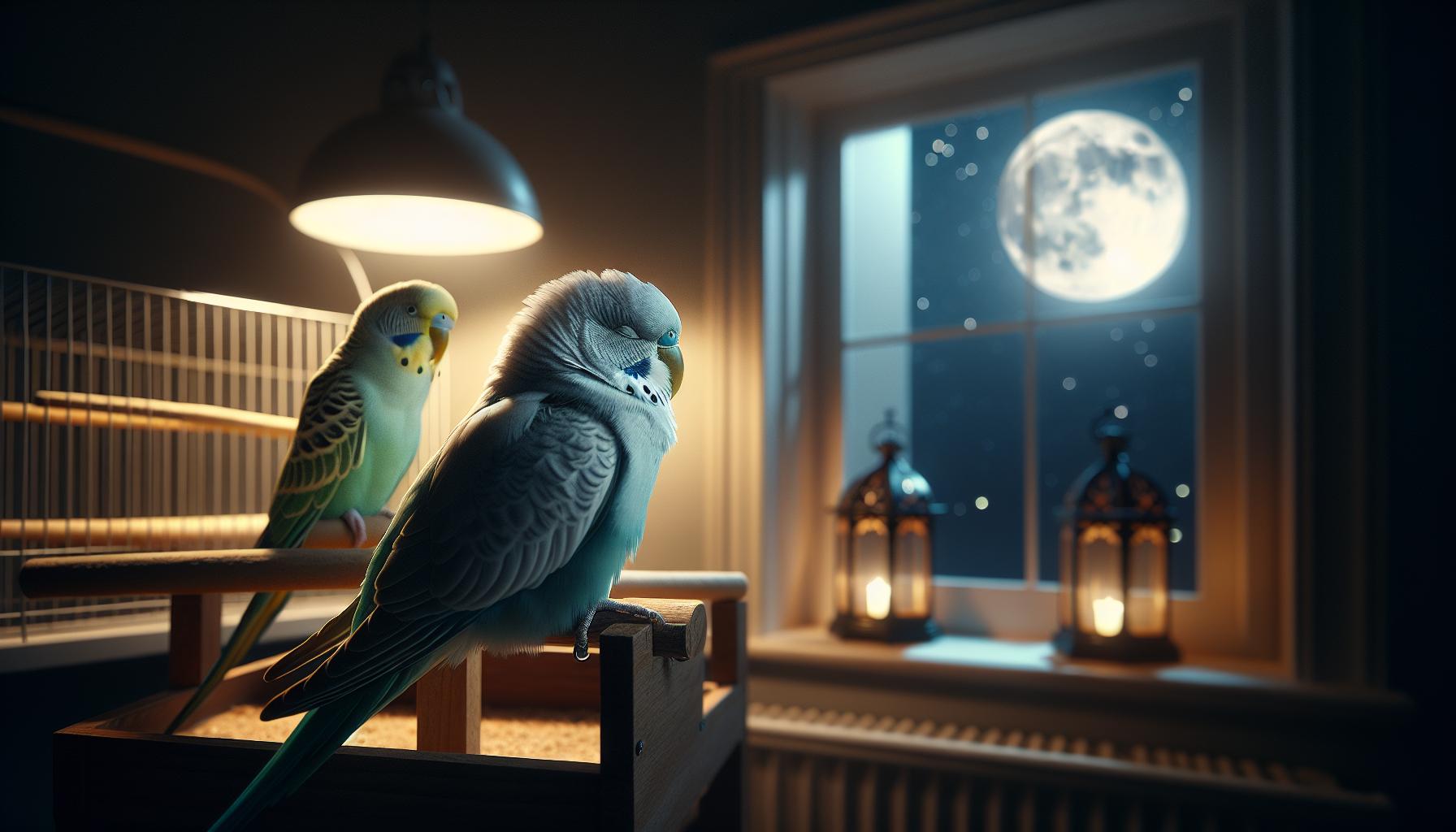
Understanding Parakeet Behavior at Night
Understanding your parakeet’s behavior at night can be quite fascinating, as it reveals much about their natural instincts and needs. Parakeets, like other birds, have unique sleep patterns that can be influenced by their environment, social interactions, and even their mood. At night, they typically prefer to sleep in a safe and secure area, where they feel protected from potential threats. However, this doesn’t guarantee silence, as nighttime chirping can often occur, stemming from various factors like comfort, anxiety, or even the urge to communicate.
One common behavior observed in parakeets during the night is their tendency to chirp softly. This can be a sign of contentment, as birds often vocalize when they are comfortable in their surroundings. However, if the chirping escalates or sounds distressed, it might indicate that something is amiss. For example, if they hear unfamiliar sounds or perceive movement in their environment, they may chirp to alert others or express uncertainty. It’s essential to pay attention to the tone and frequency of their chirps to understand what they are trying to convey better.
Another aspect to consider is how a parakeet’s social structure influences its nighttime behavior. In the wild, they are flock animals, thriving on companionship. If a single parakeet is housed alone, it might chirp at night out of loneliness or the need for interaction, reflecting their natural instinct to communicate. Therefore, if you’re noticing excessive nighttime vocalizations, it could be beneficial to engage more with your parakeet during the day or consider adding another companion for them.
Creating an optimal sleeping environment is crucial for your feathered friend. Ensuring their cage is placed in a quiet, dimly lit area can help establish a routine that promotes sleep while minimizing nighttime awareness of external disturbances. Comfortable bedding, perch placement, and even their sleep routine can significantly impact how well your parakeet rests at night. By giving them the right conditions, you can help reduce nighttime chirping and support their overall well-being.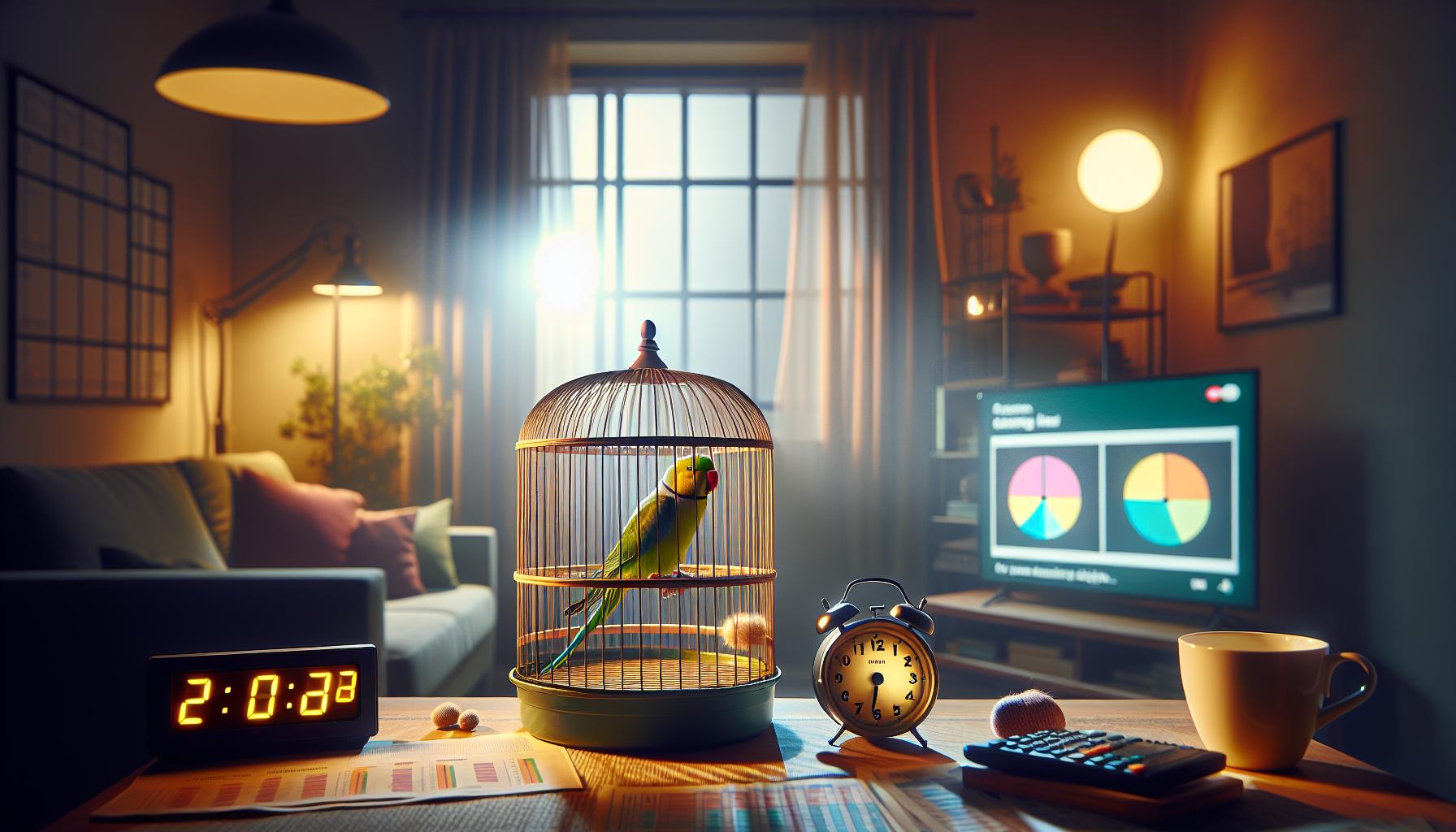
Common Reasons Parakeets Chirp After Dark
Parakeets are known for their lively chatter during the day, but their nighttime vocalizations can sometimes raise eyebrows among pet owners. Understanding why these feathered friends chirp after dark can illuminate more about their health, comfort levels, and social structure. Surprisingly, nighttime chirping is not just random noise; it often serves specific functions linked to their natural instincts.
One prominent reason for nocturnal chirping could stem from their need for comfort. Parakeets typically feel safe and secure when they are in familiar surroundings, but if they perceive threats-like strange noises or movements-they may chirp softly as a defensive response or to communicate unease. Additionally, it’s not uncommon for a lonely parakeet to vocalize at night. These flock-oriented birds thrive on social interaction, and if kept alone, they might seek companionship through vocalizations, especially in the dark when they can’t see their environment.
Environmental factors also play a crucial role in a parakeet’s nighttime behavior. If your home is subjected to erratic sounds, like passing cars or creaky floorboards, your parakeet might respond with chirps, either to mimic or react to these noises. Therefore, creating a quiet, stable environment can significantly mitigate this behavior. Another factor is natural sleep cycles; if your parakeet is under-stimulated during the day, they might become restless and more vocal at night. Recognizing these reasons empowers you as a pet owner to provide a calming atmosphere that enhances your parakeet’s well-being during the night.
By paying attention to the context and tone of their nighttime chirping, you can better interpret what your feathered friend is trying to convey and create an environment that supports their natural behaviors and health.
Is Nighttime Chirping Normal for Parakeets?
Nighttime chirping in parakeets is not only normal but also quite common among these sociable birds. While silence may be expected during the night, it’s essential to recognize that parakeets are naturally social creatures who thrive in flocks. In the wild, they rely on vocalizations to communicate safety and proximity with their companions. Thus, when placed in a quiet home environment, a parakeet may vocalize during the night for a variety of reasons linked to instinct and comfort.
One significant reason for this behavior is their innate need for companionship. Just like many birds, parakeets can feel isolated and lonely, especially when darkness falls and their surroundings become less familiar. If your parakeet is kept alone, you might notice it chirping at night, searching for interaction. This nighttime signaling can be a way to seek reassurance, as they often operate on instinct, trying to recreate the social dynamics of their wild counterparts.
Moreover, the environment plays a crucial role in this nighttime vocal behavior. If your home is too quiet or has unusual sounds like creaky floors or passing cars, it may trigger a parakeet’s natural instincts to communicate or express unease. Therefore, if you notice nighttime chirping, it can be helpful to assess both their emotional needs and environmental conditions. Providing structures like toys, mirrors, or even a companion bird can facilitate socialization opportunities that help reduce nighttime vocalizations.
In summary, nighttime chirping is a normal aspect of parakeet behavior that reflects their social nature and environmental perceptions. By understanding the motivation behind this behavior, owners can create a more comfortable setting that addresses the needs of these delightful birds, leading to a more peaceful evening for both the parakeet and its human companions.
How to Interpret Your Parakeet’s Nighttime Sounds
Understanding the various sounds your parakeet makes during the night can help you respond appropriately to its needs and emotions. When your feathered friend chirps after dark, it’s essential to recognize that these vocalizations can express a range of feelings-from loneliness to excitement. The tones, frequency, and volume of the chirps can offer insights into what your parakeet might be experiencing or trying to communicate.
Parakeets may produce soft, melodious chirps that indicate comfort and contentment. In contrast, sharp or frantic chirping could signal anxiety or a call for attention. If your parakeet is suddenly louder than usual, consider the potential stressors in the environment, such as unusual noises or changes in temperature. It’s also useful to observe if the chirping correlates with a specific event, like a passing vehicle or lights turning on; understanding these patterns can help you make adjustments to their surroundings.
Another aspect to consider is the timing and context of the sounds. If the chirping occurs shortly after you turn off the lights, your parakeet might be looking for reassurance that it is not alone. Providing a gentle nightlight or a companion bird can ease their distress. Additionally, develop a routine that helps signal bedtime, as a consistent schedule can provide security and predictability, keeping nighttime sounds to a minimum.
By tuning in to these nighttime sounds, you can foster a deeper bond with your parakeet. Remember that each bird has its unique personality; experimenting with different approaches can lead you to discover what best supports your parakeet’s comfort and happiness at night. Engaging with these vocalizations not only enhances your understanding of their needs but also enriches your experience as a bird owner.
Tips for Reducing Nighttime Chirping in Parakeets
To help create a peaceful nighttime environment for your parakeet, it’s essential to understand some effective strategies that can minimize nighttime chirping. Parakeets are naturally social creatures, and their nighttime vocalizations can stem from a range of emotions, including loneliness or discomfort. Implementing a few thoughtful practices can vastly improve their nighttime experience and reduce those sounds.
One of the simplest yet most effective tips is to establish a consistent bedtime routine. Birds thrive on predictability, so developing a pre-bedtime ritual can help them understand when it’s time to settle down. This could involve dimming the lights gradually, covering their cage partially with a breathable cover, and allowing them to wind down with perhaps a few quiet moments of gentle conversation or soothing music. It’s also crucial to ensure that your parakeet has adequate space and comfort within its cage, which can reduce feelings of stress or confinement.
Providing a companion, whether another parakeet or even a toy that mimics a friend’s presence, can also greatly benefit birds that feel lonely at night. If you’re considering getting a second bird, it’s best to choose one of similar size and temperament, as this can foster a harmonious environment that encourages both birds to feel secure and less inclined to chirp for attention.
Moreover, paying attention to the ambient factors in your home during the night can help create a relaxing space. Keep the noise levels low and minimize sudden sounds, such as household appliances or traffic outside. Parakeets can be startled by loud noises, leading them to vocalize more frequently. A nightlight can also provide a sense of security without being too bright; it helps them to navigate their space as they calm down for sleep.
Remember, each parakeet is unique, and some trial and error might be necessary to find the right combination of factors that will help reduce nighttime chirping. Observing your bird’s reactions to your adjustments can guide you in creating an ideal nighttime environment. By investing in these strategies, you not only enhance your parakeet’s comfort but also your own peace of mind during the quiet hours of the night.
Creating a Comfortable Night Environment for Your Parakeet
Creating a night environment that promotes tranquility for your parakeet can significantly enhance both their comfort and your peace of mind. Parakeets, being social and sensitive creatures, often require specific conditions to feel secure during the night. Did you know that parakeets’ natural instincts lead them to prefer dim, quiet spaces for an uninterrupted rest? By making a few simple adjustments to their nighttime setup, you can reduce their nighttime chirping and help them settle in for a good night’s sleep.
To start, establish a calming pre-bedtime routine. Dim the lights gradually as night approaches. This transition helps signal to your parakeet that it’s time to wind down. You might find that spending a few minutes engaging in gentle conversation or even playing soft music can help them relax. Consider partially covering their cage with a breathable cover to create a cozy den-like atmosphere, which can help them feel secure. Ensure that your parakeet has plenty of space to move comfortably within their cage, as a crowded environment can lead to stress and increased vocalizations.
Moreover, addressing the social needs of your parakeet is essential. If you notice your bird feeling lonely, adding a companion, like another parakeet or even a few toys, can help soothe its feelings at night. When selecting a second bird, aim for one that has a similar size and temperament, fostering a harmonious dynamic that minimizes nighttime fussing.
Finally, it’s crucial to pay attention to your home’s nighttime ambiance. Reducing noise is key; try to minimize disruptions from household appliances and outside traffic. A gentle nightlight can provide enough illumination to help your parakeet navigate its cage without feeling anxious. Remember, each parakeet is unique, so observe how your bird responds to these adjustments. By creating a comfortable nighttime environment, you not only enhance your parakeet’s overall well-being but also enjoy a more peaceful night in your home.
Recognizing Signs of Distress in Night Chirping
Understanding the nuances of your parakeet’s nighttime behavior is essential for maintaining their happiness and well-being. Nighttime chirping can sometimes be a sign of stress or discomfort, rather than just a part of their normal vocalizations. If you notice your parakeet chirping excessively after dark, it’s imperative to pay attention to the sounds and the context in which they occur. Recognizing the difference between typical chirping and signs of distress can lead you to a solution that promotes a more peaceful environment for both you and your feathered friend.
When assessing your parakeet’s nighttime chirping, start by observing their overall body language. Signs of distress may include fluffed-up feathers, pacing in the cage, or an erratic stance. Look for behavioral indicators such as repeated attempts to escape the cage or heavy breathing. If your parakeet is vocalizing in a more frantic or harsh tone, it could signal they are experiencing anxiety or fear. Additionally, if they are chirping in a sequence that is more rapid than usual, this can also be a clue that your bird is feeling threatened or unsettled.
It’s important to consider the environmental factors at play as well. Disturbances from outside sources, such as loud noises or sudden changes in temperature, can contribute to your parakeet’s discomfort. If there are new pets or people in the house, this could also affect your parakeet’s sense of security. Establishing a stable and quiet nighttime routine can help your parakeet feel more at ease. If chirping persists despite attempts to create a calming environment, then it might be beneficial to consult an avian veterinarian to rule out any underlying health issues that could be causing distress.
By taking the time to understand the reasons behind your parakeet’s nighttime sounds, you not only enhance their living experience but also strengthen the bond you share. Staying attuned to their needs and behaviors allows you to provide a nurturing and supportive habitat that aligns with their natural instincts.
The Impact of Light and Sound on Parakeet Sleep
Parakeets, or budgies, are sensitive creatures that rely heavily on their surroundings for comfort and security, especially during the night. One fascinating aspect of their behavior is how light and sound adversely influence their sleep quality and, consequently, their nighttime vocalizations. For these birds, a stable environment helps them maintain a sense of security, which is crucial for a good night’s rest.
Light plays a pivotal role in signaling to parakeets when it is time to sleep. The presence of artificial light, such as from televisions, lamps, or streetlights, can confuse them about day and night cycles. This disruption may cause them to chirp even after the natural light fades, as they may perceive the ongoing activity as an indication that it’s still “daytime.” To mitigate this issue, consider creating a dark, quiet space for your parakeet’s cage by using blackout curtains or covering the cage with a breathable fabric in the evening. This helps simulate a natural night environment, encouraging more restful sleep and reducing the chances of unnecessary chirping.
Sound is equally significant in shaping a parakeet’s nighttime experience. These birds have acute hearing, and are often startled or feel threatened by unfamiliar noises. Sudden sounds such as loud conversations, barking dogs, or even household appliances can lead to anxiety, prompting your parakeet to vocalize in response. To foster a peaceful atmosphere, it’s advisable to minimize noise levels in the vicinity of the parakeet’s sleeping area. Try to conduct any household activities that might generate noise during the day, reserving quieter moments for nighttime.
In essence, managing both light and sound in your home is crucial for your parakeet’s sleep hygiene. By creating a cozy, dark, and calm environment, not only can you help your feathered friend attain quality sleep, but you can also foster a tranquil nighttime atmosphere that lessens anxious chirping. This simple yet effective approach goes a long way in ensuring your parakeet remains happy, healthy, and well-rested.
Parakeet Interaction: Day vs. Night Behavior
Parakeets exhibit significantly different behaviors during the day compared to the night, reflecting their natural instincts and social needs. During the day, these social birds are often very active, engaging in vocalizations, play, and interaction with their environment, including toys and their human companions. They thrive on social interaction and often communicate with their owners through chirping, which can range from soft chatter to more boisterous calls. This daytime activity is crucial for their physical and mental stimulation, allowing them to showcase their vibrant personalities.
In contrast, as dusk approaches and night falls, parakeets generally seek quietude and rest. While they might occasionally chirp in response to disturbances or environmental changes, as observed by some pet owners who reported their birds being quiet at night but becoming vocal when they detect activity or light in the household [[1]](https://www.reddit.com/r/Parakeets/comments/15dpd4p/are_parakeets_loud_at_night/), nighttime chirping can be an indicator of stress or confusion rather than a natural part of their sleep routine. Parakeets are wired to respond to the ambient environment, which means that any artificial light or sudden sounds can disrupt their sleep cycle, leading to increased vocalizations [[2]](https://medium.com/@petsdaddyonline/how-do-parakeets-sleep-9ede207c77cf).
Creating a calming environment is essential for promoting healthy sleep patterns. This involves ensuring their cage is covered or placed in a dark, quiet spot at night to mimic natural conditions. Regular routines help them understand when it’s time to wind down and sleep; disrupting these patterns can lead to confusion and unnecessary chirping. Observing your parakeet’s nightly behaviors can provide insights into their comfort levels. If your bird continues to vocalize, it may signal a need for adjustment in its sleeping environment or a response to feeling unsafe. Reducing disturbances at night and fostering a consistent routine can greatly enhance their well-being and serenity as they transition from day to night.
What Other Pet Owners Say About Night Chirping
The chirping of parakeets at night often piques the curiosity of pet owners, leading many to share their experiences on forums and social media. It’s not uncommon to hear stories of those whose feathered friends would sing the night away, prompting varied reactions-some find it entertaining, while others can feel frustrated by the disruption of their sleep. Many pet owners have described how their parakeets, initially quiet after dark, erupted into song the moment lights were turned on or if there was movement in the room, illustrating just how sensitive these birds can be to their environment.
Several owners suggest observing the specifics of their bird’s behavior during these nighttime vocalizations. In some cases, a few owners noted that their parakeets’ night chirping coincided with certain conditions, such as changes in temperature or humidity, which led them to make adjustments to their bird’s environment. Common practices include using a cage cover to create a darker and more enclosed space, thereby signaling to the birds that it is indeed time to sleep. Successfully creating a calming night environment seems crucial in minimizing unexpected nighttime calls.
- Understanding Triggers: Many pet owners shared tales of their parakeets responding abruptly to sudden noises-a door slamming, a dog barking, or even a microwave beeping. This suggests an important consideration: that parakeets are easily startled, which can lead to excess nighttime chirping.
- Routine and Consistency: Owners often emphasized the benefits of establishing a consistent nighttime routine. A few found that a quiet wind-down time before the lights went out helped their birds feel more secure and reduced night chirping.
- Social Needs: The social nature of parakeets was a recurring theme; many owners noted that if their birds could hear or see another budgie nearby, they tended to chirp less at night, likely due to the comfort of companionship.
Overall, what resonates among these shared experiences is a sense of community and collaboration in tackling the challenges of bird care. It’s a reminder that while parakeets may be delightful companions during the day, their nighttime behaviors require thoughtfulness and adaptability from their humans. Engaging with other bird owners can provide valuable insights and strategies that make the night more peaceful-for both the birds and their caretakers.
When to Seek Help for Excessive Night Chirping
When your parakeet’s nighttime chirping becomes a consistent disruption, it might be time to take a closer look. While chirping can be a normal behavior linked to environmental changes or the social nature of these birds, there are moments when that vocalization may signal underlying issues needing attention. If your parakeet frequently chirps during the night despite a dark, quiet environment, it may be experiencing stress or discomfort.
Take note if your parakeet’s nighttime sounds escalate in volume or frequency, as this could indicate distress. Chirping that’s accompanied by other signs such as feather plucking, changes in eating habits, or withdrawal from social interaction could point to health problems or emotional stress. In such cases, it’s wise to consult an avian veterinarian who can provide professional insights and possible solutions, ensuring your feathered friend is both physically and emotionally well.
Another factor to consider is whether the chirping is disrupting your and your bird’s sleep patterns. If you’re feeling fatigued and your parakeet seems restless, discussing these concerns with a vet can offer guidance tailored to your specific situation. The vet may suggest behavioral strategies or modifications to the living environment, such as adjusting the cage location, using calming messages, or potentially even considering the companionship of another bird.
Always remember that you are not alone in this experience; many pet owners have faced similar challenges. Connecting with a community of parakeet enthusiasts can provide support and shared strategies for managing excessive nighttime chirping. Engaging in forums or local bird clubs can yield practical advice from those who truly understand parakeet behavior, giving you further resources to ensure tranquility for both you and your vibrant companion.
Additional Resources for Parakeet Owners
Understanding parakeets-especially their nighttime behaviors-can enhance your relationship with these lively companions. If you’ve ever wondered why your parakeet chirps at night, you’re not alone. Many owners grapple with this curious habit, sometimes leading to sleep disruptions for both parties. Fortunately, there are a number of resources at your disposal to help you navigate this phenomenon and ensure a harmonious living environment for your feathered friend.
Online Communities
Joining online forums or social media groups dedicated to parakeet care can provide you with a wealth of information and support. Platforms like Talk Budgies offer vibrant discussions where owners share their experiences and solutions to similar issues. Engaging with a community not only answers your questions but can also introduce you to various tips, behaviors, and care routines that you might not have considered.
Books and Guides
For those who prefer a more in-depth approach, picking up books on avian behavior can provide insights into the natural tendencies of parakeets. Look for titles like *The Budgie Book* or *Parakeets: The Complete Care Guide*. These resources delve into understanding behaviors, training methods, and caring for your parakeet’s overall health, especially regarding nocturnal chirping.
Veterinary Advice
Don’t underestimate the value of professional guidance. Connecting with an avian veterinarian can be crucial if you’re worried about excessive nighttime chirping. These specialists can assess your bird’s health and offer tailored advice that addresses both medical and behavioral concerns. Make sure to seek help if your parakeet’s nighttime noise production seems tied to distress or changes in behavior.
Local Bird Clubs
Consider joining a local bird club where enthusiasts gather to discuss various topics related to bird care. You’re likely to find ‘seasoned’ parakeet owners willing to share effective methods for managing nighttime chirping and creating a relaxing environment. This face-to-face connection not only enriches your knowledge but also adds a sense of community amid your bird-keeping journey.
Navigating the nuances of parakeet behavior at night can be made simpler through these resources. Whether you’re seeking community support, expert advice, or insightful literature, you’re bound to discover effective strategies that foster understanding and coexistence. Each chirp can become a delightful part of your bonding experience, provided you stay informed and engaged.
Frequently asked questions
Q: Why does my parakeet chirp at night?
A: Parakeets may chirp at night due to instinctual behavior, mimicking their natural environments where nocturnal disturbances occur. They might also be reacting to changes in light or sounds in their surroundings. Understanding their nighttime sounds can help identify what’s prompting the vocalizations.
Q: Is it common for parakeets to make noise at night?
A: Yes, it’s common for parakeets to make noise at night, especially if they feel unsettled or are adjusting to a new environment. If the sounds are persistent, it may indicate they need more comfort, such as a quieter sleeping area or reduced exposure to light.
Q: How can I reduce my parakeet’s nighttime chirping?
A: To reduce nighttime chirping, create a dark, quiet environment for your parakeet with a covered cage. Ensure they have enough interaction and mental stimulation during the day to tire them out. Additionally, placing their cage in a low-traffic area can help minimize disturbances at night.
Q: What does it mean if my parakeet chirps loudly at night?
A: Loud chirping at night often means your parakeet is alert to potential threats or discomfort. It could also signify loneliness or boredom. Observe the bird’s body language and environment to address any potential stressors or social needs.
Q: Can environmental factors cause nighttime chirping in parakeets?
A: Yes, environmental factors like strong winds, sudden noises, or light changes can trigger nighttime chirping in parakeets. Ensuring a stable, quiet sleep environment can help them feel secure and reduce unwanted vocalization during the night.
Q: What should I do if my parakeet’s nighttime chirping is excessive?
A: If nighttime chirping is excessive, assess their living conditions. Make sure they have a consistent sleep schedule, reduce exposure to external stimuli, and ensure they are physically and mentally stimulated during the day. If problems persist, consider consulting an avian veterinarian.
Q: Do parakeets chirp to communicate with other birds at night?
A: Parakeets may chirp at night to communicate with other birds, as they might feel a need to establish presence or safety in their flock. Nighttime vocalizations can serve as calls to confirm that all members are safe, especially in a multi-bird environment.
Q: How can I tell if my parakeet’s chirping at night is a sign of distress?
A: To determine if nighttime chirping indicates distress, look for signs like frantic movements, ruffled feathers, or rapid breathing. If the chirping is accompanied by these behaviors, it’s essential to assess their environment and address any potential stressors immediately.
In Summary
Understanding why your parakeet chirps at night is crucial for their well-being and your peace of mind. Remember, evening sounds can stem from various factors-ranging from natural instincts to environmental changes. If you want to dive deeper into your feathered friend’s needs, check out our articles on “Creating a Comfortable Nighttime Environment for Your Parakeet” and “Signs of a Happy Parakeet.”
Don’t miss out-subscribe to our newsletter for tips and resources that will enhance your parakeet care journey and foster a happier home for both you and your bird. Every comment and share helps our community grow, so let us know your experiences or queries below! Your parakeet deserves the best-take the next step in their care today!