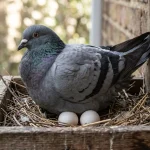
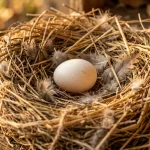
Did you know that parakeets can lay eggs even if they don’t have a mate? Understanding when and how parakeets lay eggs is vital for anyone looking to care for these charming birds, whether you’re a seasoned owner or a curious beginner. Timing this natural process can help ensure a healthy environment for your feathered friends and prepare you for proper care if they do decide to breed. In this article, we’ll explore the timeline of egg-laying in parakeets, the signs to look for, and what you need to do to support your birds during this important phase. By the end, you’ll have a comprehensive view of this fascinating aspect of parakeet care, helping you nurture a thriving aviary atmosphere.
When Do Parakeets Reach Sexual Maturity?

In the fascinating world of parakeets, understanding when these birds reach sexual maturity is crucial for any avian enthusiast. Parakeets, specifically budgerigars, typically achieve sexual maturity between 6 months to 1 year of age, though this can vary slightly based on factors like diet and environment. During this stage, male parakeets develop a vibrant blue cere, while females exhibit a chocolate-brown hue, signaling their readiness to mate.
As they mature, you may notice an increase in specific behaviors-primarily courtship rituals such as feeding, preening, and even vocalizations directed at potential mates. These behaviors not only signal their readiness for breeding but also serve as an essential part of their social interactions. Ensuring that your parakeets have ample space and social stimulation can help facilitate healthy maturation.
It’s important to note that while parakeets can become sexually mature early in their lives, it’s recommended to wait until they are at least 2 years old before breeding. This ensures they are fully developed both physically and mentally, leading to healthier offspring and a more responsible breeding process. Proper care, including a nutritious diet enriched with vitamins and minerals, will support their growth and reproduction.
Understanding the Parakeet Breeding Cycle

Understanding the intricacies of the parakeet breeding cycle is essential for anyone looking to engage in responsible breeding practices. The cycle begins with mating, which can happen once the birds reach sexual maturity-usually between 6 months to a year of age, but waiting until they’re at least 2 years is advised for optimal health. During this time, male parakeets perform elaborate courtship displays to attract females, incorporating singing, feeding behaviors, and preening, setting the stage for a successful mating encounter.
Once mating occurs, the female will typically lay eggs within a few days to a week, most often in a nesting box. It’s crucial to provide a conducive environment during this period, as the stress levels and overall well-being of the birds can significantly influence the breeding outcome. For beginners, it can be helpful to observe the typical timelines; a female parakeet may lay 3 to 8 eggs per clutch, and these eggs generally hatch after about 18 days. Establishing a secure and quiet nesting area can minimize disturbances, allowing her to focus on incubating her eggs.
In essence, ensuring high-quality nutrition is vital during the breeding cycle. Feeding a specialized diet rich in protein, vitamins, and minerals can aid in the production of healthy eggs and support the overall vitality of both the parents and the burgeoning chicks. Regularly providing fresh vegetables, fortified seeds, and commercially prepared breeding formulas will enhance their chances of successful reproduction while promoting the health of potential offspring. Remember, patience is key; breeding parakeets is a rewarding yet intricate process that requires commitment, knowledge, and a nurturing environment.
Key Factors Influencing Egg Laying
The journey to egg-laying in parakeets is complex and influenced by several key factors that every breeder should understand to ensure optimal health and wellbeing for both the parents and their future chicks. One of the most significant factors is the environmental conditions. Parakeets thrive in environments that mimic their natural habitat; hence, a climate that provides appropriate temperature and humidity levels is essential. Ideally, the surroundings should be kept warm (around 70-80°F) with moderate humidity. Excessive disturbances, such as loud noises or frequent handling, can stress the birds and hinder their natural instincts to breed.
Another critical element is lighting. Parakeets are susceptible to changes in daylight hours, which can significantly impact their reproductive cycle. Providing a balanced light-to-dark schedule that mimics natural day length-approximately 10-12 hours of light per day-can stimulate breeding behavior. Utilizing full-spectrum lighting can encourage hormone production related to reproductive readiness, enhancing the likelihood of successful egg laying.
Nutritional support also plays a crucial role. When preparing for breeding, ensure that your parakeets receive a diet rich in protein, calcium, and other essential vitamins and minerals. Offering fortified seed mixes, fresh vegetables, and specialized breeding formulas can support reproductive health. For example, providing cuttlebone for calcium is vital for producing strong eggshells and ensuring the health of the mother during the egg-laying process.
The age and health of your parakeets are equally important. While parakeets can begin to lay eggs as early as 6 months, waiting until they are around 1 to 2 years old enables them to develop fully and minimizes health risks. Always monitor for general health issues, as any underlying conditions can disrupt the egg-laying process. Lastly, regular observation of their behavior can provide insights into their readiness and comfort level around nesting. Each of these factors works synergistically to create an optimal environment for egg laying, ensuring a successful breeding experience.
Signs Your Parakeet Is Ready to Lay Eggs
Recognizing when your parakeet is ready to lay eggs is an essential part of responsible breeding and care. Parakeets exhibit behavioral and physical signs that indicate their readiness, and being attuned to these cues can facilitate a smoother breeding process. These signs can manifest in various ways, ranging from changes in behavior to physical alterations.
One of the most notable behaviors is nesting activity. Female parakeets may start showing an interest in specific areas of their cage, often creating makeshift nests with materials like shredded paper or fabric. They might also engage in excessive preening or fattening up, as their bodies prepare for the demands of breeding and egg production. Look for them to spend more time within their nesting box or corner of the cage, as this behavior is typically a strong indicator that they’re ready to lay.
Physical signs are equally telling; observe the hen’s vent area, which may appear slightly swollen or more pronounced as her body prepares for egg-laying. Additionally, hormonal changes can cause the cere, located above the beak, to change color-often turning from a pale shade to a more vibrant hue, signaling reproductive readiness.
In addition to these behavioral and physical signs, you may notice shifts in social dynamics, particularly if there are multiple parakeets in the area. A female may become more affectionate or even territorial towards her mate, especially as she approaches her laying period. Keeping a close eye on these interactions will help ensure that your parakeets are both comfortable and prepared for the upcoming nesting phase, ultimately contributing to a healthy breeding experience.
By understanding and recognizing these signs, you can create an environment that supports your parakeets during this pivotal time, allowing them to thrive and successfully navigate the egg-laying process.
Common Parakeet Egg-Laying Timelines
When it comes to understanding the intricacies of parakeet breeding, knowing the typical timelines surrounding egg-laying can be invaluable. Most parakeets reach sexual maturity between 6 to 12 months of age, depending on the species and individual bird. Once they have matured, female parakeets may start laying eggs shortly after mating, making it essential for owners to be prepared for this natural process.
Typically, a female parakeet will lay her first egg about 10 days after the initial mating session. It’s helpful to anticipate this timeline, as the eggs will often be laid in a usual sequence, usually one egg every 24 to 48 hours. Depending on the bird’s health, environment, and species, a clutch can range from 2 to 8 eggs.
After the eggs are laid, incubation becomes the focus. The incubating period lasts approximately 18 to 21 days, during which the female will mostly remain in or near the nesting area. During this time, ensure her environment is calm and supportive, as stress can impact successful incubation. Chicks will typically fledge, or leave the nest, around 7 weeks after hatching, but even after leaving, they may still rely on their parents for care and guidance.
By familiarizing yourself with these timelines, you can provide the right environment and resources to support your parakeets through each step of the breeding journey, helping to ensure a healthy and thriving new generation of birds.
How to Create a Comfortable Nesting Environment
Creating a comfortable nesting environment is crucial for ensuring the health and well-being of parakeets during their breeding cycle. Did you know that a calm and secure setting can significantly impact a female’s ability to lay eggs successfully? Your goal should be to replicate the natural nesting conditions that make your parakeets feel safe and encouraged to breed. Here’s how to achieve that.
Start by selecting an appropriate nesting box. The box should be spacious enough for the female to move around comfortably, typically measuring around 8 inches by 8 inches and 12 inches in height. Make sure it has an entrance hole that’s not too large, ideally around 2 inches in diameter, to restrict unwanted intrusions. Position this box in a quiet part of the cage to minimize disturbances-remember, parakeets are sensitive to sudden noises and movements.
Next, provide comfortable bedding materials. Options such as aspen shavings, shredded paper, or coconut coir work well, as they are absorbent and easy to clean. Avoid materials like cedar shavings, which can be harmful to birds. Lining the bottom of the nesting box with these soft materials will give your parakeet a cozy space to rest and lay her eggs. It is also beneficial to periodically check and refresh the bedding, as cleanliness is vital for the health of the eggs and chicks.
Lighting and temperature also play important roles. Ensure the nesting area is well-lit but not exposed to direct sunlight. Too much heat can be stressful for the birds, particularly during the incubation period. A temperature range of 65-75°F (18-24°C) is ideal for parakeets. Additionally, maintaining a consistent day-night cycle will help regulate their natural rhythms; consider using a timer for the cage lights if you’re away during the day.
Last but not least, keep the environment tranquil. Limit visitors and noise around the birds, as stress can deter laying and affect the incubation duration. You might also want to provide your birds with a varied diet rich in calcium, as it helps ensure healthy egg production. Providing cuttlebone or mineral blocks can support their calcium needs during this critical time.
By making these adjustments, you can create a nurturing and peaceful nesting environment for your parakeets, ultimately leading to a successful breeding cycle and healthy chicks. Ensuring that they feel safe and comfortable is the key to facilitating this natural and beautiful process.
Nutrition Tips for Egg-Laying Parakeets
To ensure your parakeets thrive during the delicate period of egg-laying, a well-balanced and nutrient-rich diet is essential. Female parakeets, especially those preparing to lay eggs, require higher levels of certain nutrients, particularly calcium. Research indicates that calcium is crucial for the formation of healthy eggs; without adequate calcium intake, egg binding and other reproductive issues may occur. Therefore, offering a variety of food types tailored to their specific needs can significantly enhance their reproductive health.
One of the best ways to boost calcium levels is by providing cuttlebone or mineral blocks as a constant source of this vital nutrient. These can be readily chewed and consumed as needed, allowing your parakeet to self-regulate their calcium intake. Additionally, incorporating dark leafy greens such as kale and spinach into their diet can further enrich calcium levels while also offering other essential vitamins and minerals. Alongside greens, commercial pellets formulated for breeding or laying birds will ensure they have a balanced intake of macronutrients and micronutrients necessary for reproduction.
In addition to calcium, it is important to include protein-rich foods in your parakeet’s diet. During egg-laying, the demand for protein increases due to the energy required for laying eggs. Foods like cooked quinoa, chickpeas, and even sprouted seeds can be excellent sources of protein that are easily digestible. Fruits such as berries, apples, and bananas not only provide hydration but also essential vitamins that can boost overall health and support egg production.
Establishing a balanced diet for your egg-laying parakeets not only aids in their reproductive success but also helps maintain their overall well-being, giving them the best chance to nurture their eggs and future chicks. Remember, keeping their food fresh and clean is just as important as the nutritional content, so regularly replace uneaten food and maintain a hygienic feeding environment. By being attentive to their dietary needs, you can help facilitate a successful breeding cycle and support the health of both the parents and their chicks.
What to Expect During the Egg-Laying Process
Once a female parakeet is ready to lay eggs, you’ll find that the entire process is both fascinating and demanding for her. Initially, the egg-laying process is often preceded by an increase in nesting behaviors; she may become more reclusive, spend considerable time in her chosen nesting area, and even rearrange the materials in her nesting box. This preparation is crucial, as a comfortable, secure environment allows for a smoother egg-laying experience. As a bird enthusiast, it’s important to provide a safe and cozy nesting environment to support her needs during this period.
As the moment approaches for your parakeet to lay her eggs, you might notice her exhibiting signs of discomfort, such as squawking or pacing. The egg-laying itself is generally quite brief; most parakeets can lay an egg in just a few minutes. On average, a female parakeet can lay anywhere from four to eight eggs in a single clutch, typically one every other day. It’s critical to be patient and allow her the necessary privacy during this time, as interruptions can lead to stress.
After the eggs are laid, you should monitor them closely without causing undue disruption. Parakeet eggs are usually off-white or pale blue and are about the size of a grape. It’s essential to maintain a warm environment around the nesting area, as temperature fluctuations can harm the eggs. Ensuring that she has access to plenty of fresh water and a nutritious diet will help her successfully care for her eggs and prepare for the demands of parenting.
It’s also essential to know what to expect in the days following egg laying. After the final egg is laid, she will begin the incubation process, which lasts about 18 to 21 days. During this time, she may take short breaks to eat or drink, but you should ensure she doesn’t feel overwhelmed or threatened by her surroundings. With the right support, your parakeet will be well-equipped to navigate this remarkable journey into motherhood, marking each stage with her unique behaviors and instincts.
Caring for Parakeet Eggs and Chicks
is a rewarding experience that can deepen your understanding and appreciation of these vibrant birds. When your female parakeet begins laying eggs, typically one every two days until she has produced a clutch of four to eight eggs, it’s vital to ensure that her environment is both nurturing and hospitable. During the incubation period, which lasts about 18 to 21 days, the female will alternate between sitting on the eggs and taking brief breaks to eat and drink.
To promote healthy development for the eggs, maintain a warm, calm, and safe environment. You’ll need to monitor the nesting area while allowing enough privacy for the mother. Ensure the nesting material is ample and sterile, as a clean nesting area can mitigate the risk of disease and promote a healthy hatch. Additionally, here are a few tips to keep in mind during this crucial time:
- Nutrition: Feed your parakeet a balanced diet rich in vitamins, minerals, and supplements, particularly calcium. This is paramount for both the health of the eggs and the mother.
- Hydration: Always provide fresh water. This not only supports the mother’s health but also aids in the proper development of the chicks inside the eggs.
- Observation: Look for signs of viability in the eggs around day 10 of incubation. You can gently candle the eggs to check for embryo development. Do this carefully to avoid shocking the mother or damaging the eggs.
After the chicks hatch, you’ll experience another rewarding phase of watching them grow. Newly hatched chicks are completely dependent on their mother for warmth and food. During the first few weeks, they will be blind and featherless, relying entirely on her for sustenance. Watching the mother feed her chicks, often through a process called “regurgitation,” is fascinating. Ensure the nesting area remains clean and free of waste as the chicks grow, and be cautious when interacting with the chicks.
Encouragingly, chicks will fledge-a term used to describe the stage when they begin to develop feathers and prepare to leave the nest-around 4 to 5 weeks after hatching. Their gradual transition to independence can be both exhilarating and a little bittersweet as they spread their wings. As responsible bird keepers, it’s essential to provide ongoing care and support, being vigilant for any signs of distress or health issues, especially in the first few weeks of life. By creating a supportive environment for both the eggs and the chicks, you will play a crucial role in their early development and ultimate success as healthy parakeets.
Addressing Common Egg-Laying Problems
Experiencing issues during the egg-laying process can be concerning for any parakeet owner. It’s not uncommon for these delightful birds to face challenges that might affect their well-being or the viability of their eggs. Understanding these problems and knowing how to address them can make a significant difference in ensuring both the mother bird and her eggs remain healthy.
One of the most common issues encountered is egg binding, where a female parakeet has difficulty laying her eggs. This can be caused by a variety of factors, including inadequate nutrition or dehydration. If you notice your bird straining without success, it’s crucial to take action immediately. Providing a warm environment and hydration can help, but if the problem persists, consulting a veterinarian swiftly is essential. Offering a diet that includes high calcium content can aid in prevention.
Another concern is stress-related behavior, which might lead to irregular egg-laying patterns or eggs that are not properly fertilized. Parakeets are sensitive creatures, and their environment plays a significant role in their behavior and reproductive health. Regularly assess their environment for loud noises, insufficient privacy, or overcrowding, which can create a stressful atmosphere. Adding more nesting material or relocating the nest to a quieter, more secluded area can provide the comfort they need to thrive.
In some cases, parakeets may lay eggs without mating, a phenomenon known as infertile egg-laying. While this is not harmful to the bird, it can lead to repeated egg-laying cycles, potentially increasing the risk of health problems like calcium depletion or exhaustion. To discourage unnecessary egg-laying, ensure your parakeet’s environment lacks stimulating conditions, such as long daylight hours or nesting sites. Consider adjusting the lighting duration and providing distractions like toys to keep her engaged.
Lastly, it’s important to monitor for any signs of infection or illness, as these can be serious complications during the egg-laying process. If your parakeet exhibits a change in behavior, such as lethargy, puffed feathers, or a lack of appetite, seek veterinary advice. Regular check-ups and maintaining a clean living environment can help prevent many health issues.
In essence, being attentive and proactive can significantly aid your parakeet during the delicate egg-laying period. Each bird is unique, and recognizing the signs of distress or health issues will empower you to provide the best possible care, fostering a healthy breeding environment for your feathered friends.
Recognizing and Supporting Parakeet Breeding Behavior
Understanding your parakeet’s breeding behavior is essential for creating a supportive environment that encourages healthy nesting and successful breeding. Parakeets typically become sexually mature around six months of age, but this can vary by individual and species. When they enter the breeding phase, you’ll notice distinct behaviors that indicate their readiness to mate. Observing these behaviors closely can help you provide the optimal conditions for your feathered friends.
During the mating season, male parakeets often exhibit courting behaviors, such as singing more frequently, displaying vivid colors, and performing acrobatic movements. You’ll see them puffing out their chests, bobbing their heads, and even offering food to potential mates as part of their courtship ritual. Female parakeets may respond by squatting or bending their bodies, signaling their acceptance of the male’s advances. It’s crucial to ensure these interactions occur in a calm environment free from stressors that could disrupt their bonding process.
Creating the right nesting scenario is equally important. Parakeets prefer to have a cozy, secluded space where they feel safe to raise their young. Providing a nesting box filled with clean, soft bedding materials like shredded paper or coconut fiber will encourage your parakeet to use it. Regularly check the nesting area to ensure it remains clean and comfortable, as this can significantly impact their willingness to breed.
In addition to physical accommodations, nutrition plays a vital role in supporting breeding behavior. During breeding, female parakeets require a nutrient-rich diet that is high in calcium to help them produce healthy eggs. This can include providing calcium supplements, cuttlebone, or mineral blocks, along with a diverse selection of fresh fruits and vegetables. Monitoring their dietary intake is key, as deficiencies can lead to complications in egg-laying or weaken the overall health of both the hen and her chicks.
In summary, recognizing and supporting your parakeet’s breeding behavior involves a keen eye for their interactions, providing a suitable nesting environment, and ensuring they receive the right nutrition. By fostering an atmosphere that meets these needs, you can help your birds thrive during their breeding season, leading to a happy and healthy clutch of eggs.
When to Consult a Veterinarian for Issues
Consulting a veterinarian can sometimes be a daunting decision, but when it comes to your feathered friends, particularly with the complexities of breeding, recognizing the signs that your parakeet may need professional help is essential. One of the most critical times to seek veterinary assistance is if you notice atypical behaviors during the breeding cycle, such as excessive aggression, refusal to mate, or a lack of interest in nesting. These may indicate stress or health issues that could negatively impact your parakeets’ well-being and breeding success.
Another major concern arises when a female parakeet lays eggs. If your parakeet lays multiple eggs without initiating the incubation process or if her egg-laying seems erratic, it could signify underlying health issues, including egg-binding, where an egg remains stuck inside the bird. This condition is dangerous and can be life-threatening; look for signs like straining, lethargy, or a swollen abdomen. If you observe any of these symptoms, it’s vital to consult your veterinarian immediately.
Moreover, the nutritional needs of breeding parakeets vary significantly from their normal dietary requirements. If you suspect your parakeet’s diet is lacking or if you notice unusual weight loss or appetite changes during the breeding period, a veterinarian can provide valuable guidance. Regular check-ups can help you ensure that your bird receives the right vitamins and minerals crucial for healthy egg production and chick rearing.
Lastly, it’s essential to monitor the health of the chicks once they hatch. Signs that warrant veterinary attention include excessive chirping without feeding, lack of movement, or any visible abnormalities. If the parent birds are neglecting their chicks or if you suspect any health concerns with them, your vet can offer helpful advice on how to support both the parents and their offspring. Creating an atmosphere of attentive care coupled with professional guidance allows for a successful and joyful breeding experience with your parakeets.
Faq
Q: When do parakeets usually start laying eggs?
A: Parakeets generally start laying eggs when they reach sexual maturity, which is around 6 to 12 months of age. However, optimal breeding conditions can influence the timing, making them more likely to lay eggs during spring and summer when daylight is longer and temperatures are warmer.
Q: How many eggs do parakeets lay at a time?
A: On average, parakeets lay between 4 to 8 eggs per clutch. The exact number can vary based on the individual bird, its health, and environmental factors. Regular monitoring can help you be prepared for egg care.
Q: What can I do to encourage my parakeet to lay eggs?
A: To encourage egg laying, provide an environment that mimics spring conditions: increase daylight exposure to 12-14 hours, ensure a warm atmosphere, and include a quiet, private nesting area. Proper nutrition, which includes egg food and calcium, is also important.
Q: How often do parakeets lay eggs?
A: Parakeets can lay eggs several times a year, with each cycle typically occurring every 4 to 8 weeks. After one clutch is laid, they may take a short break before starting another cycle, especially if conditions remain favorable.
Q: What signs indicate that a parakeet is preparing to lay eggs?
A: Signs that your parakeet is getting ready to lay eggs include increased nesting behavior, such as shredding paper or arranging items in their cage, a more rounded abdomen, and heightened vocalizations. Observing these behaviors can help you prepare for their needs.
Q: Can parakeets lay eggs without mating?
A: Yes, female parakeets can lay eggs without mating, but those eggs will be infertile. If you notice your parakeet laying eggs without a mate, it’s crucial to manage their environment to prevent excessive stress or health issues stemming from frequent egg-laying.
Q: What should I do if my parakeet lays too many eggs?
A: If your parakeet lays too many eggs, it’s important to consult a veterinarian to address potential health issues. You can also adjust their environment to discourage further laying, such as reducing daylight hours and removing nesting materials.
Q: How can I tell if a parakeet egg is fertilized?
A: Determining if a parakeet egg is fertilized can be done through candling. This process involves using a bright light to illuminate the egg; if you see blood vessels or a developing embryo, the egg is fertilized. Otherwise, it may be infertile.
For more detailed insights into egg care and breeding behavior, check out sections like “Nutrition Tips for Egg-Laying Parakeets” and “Caring for Parakeet Eggs and Chicks” in our main article.
Concluding Remarks
Now that you have a clearer understanding of when parakeets lay eggs, you’re equipped to navigate this exciting aspect of their behavior. Remember, the right care and environment play crucial roles in your pet’s well-being and reproductive health. If you’re considering breeding, don’t miss our detailed guides on creating the perfect nesting space and choosing suitable companions for your parakeets to ensure a smooth experience.
Feeling inspired to learn more about these fascinating birds? Check out our articles on parakeet care essentials and behavior tips to deepen your knowledge and enhance your bond with your feathered friends. And if you haven’t already, subscribe to our newsletter for exclusive insights and updates on parakeet care directly to your inbox.
Join the conversation! Share your experiences or questions in the comments below, and let’s create a community passionate about the joyful journey of raising healthy and happy parakeets. Your adventure with these charming companions is just beginning-keep exploring!
Get our latest guides, news, and insights highlighted in your Google Search & AI Overviews.