Breeding parakeets can be a deeply rewarding experience that not only allows you to witness the miracle of life but also strengthens the bond between you and your feathered friends. A well-constructed parakeet nest is crucial for their comfort and reproductive success. Did you know that the right nesting environment can influence egg-laying and chick survival rates? By ensuring your parakeets have a safe, cozy place to nest, you’re not just facilitating breeding-you’re promoting the health and happiness of your birds. In this guide, we’ll explore how to create the perfect nesting area tailored to the unique needs of your parakeets. Whether you’re a newbie eager to dive into bird breeding or an experienced birder looking to refine your setup, you’ll find valuable tips that cater to your interests. Let’s get started on building a nurturing home for your parakeets!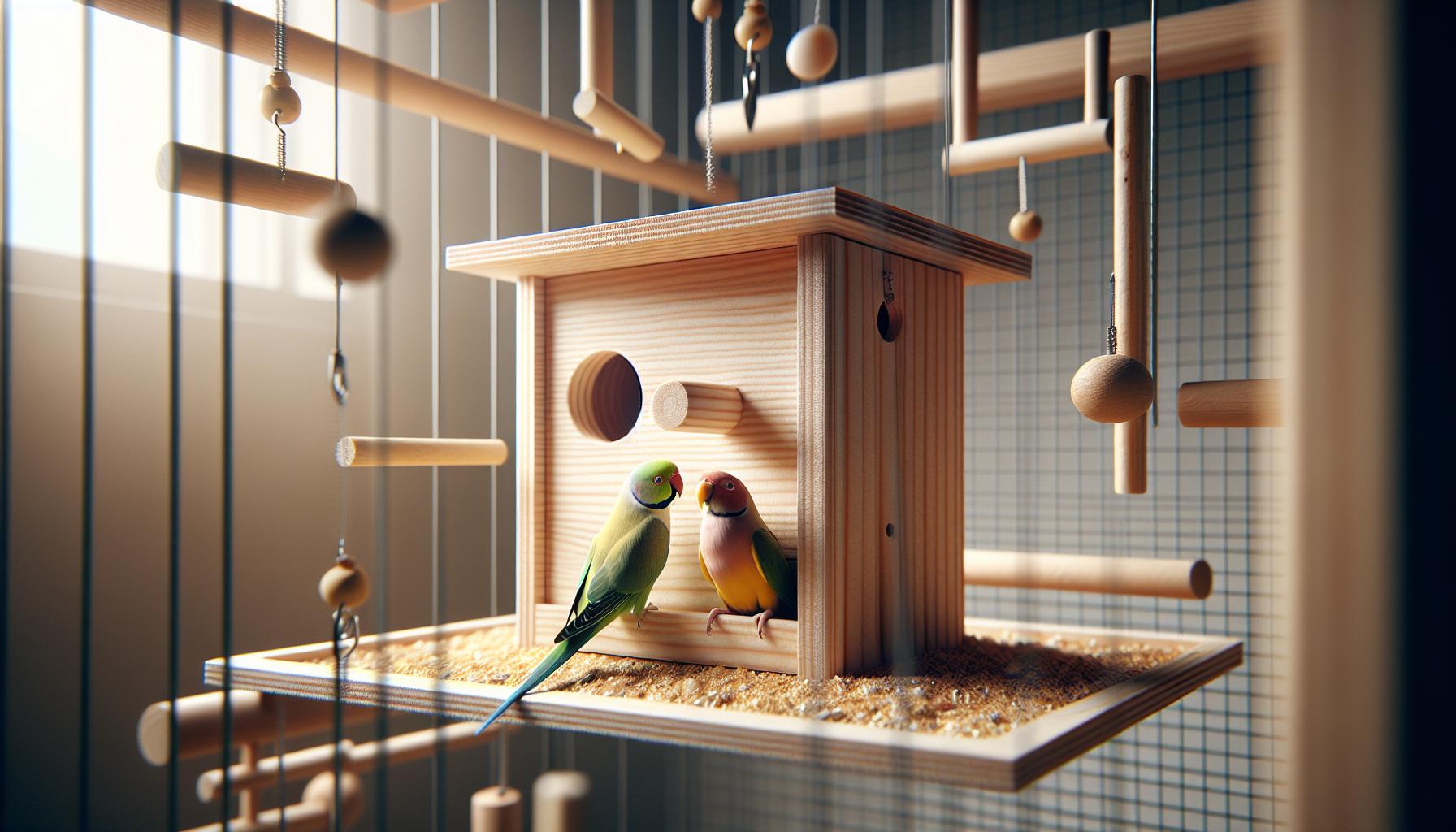
Understanding Parakeet Breeding Needs
Breeding parakeets can be a rewarding endeavor, offering the chance to witness the beauty of new life while deepening your bond with these captivating birds. To set the stage for successful breeding, it’s essential to understand their specific needs during this critical phase. Parakeets thrive in a stable and stress-free environment, which means providing proper diet, sufficient space, and an appropriate nesting area are crucial components for encouraging them to breed.
One of the first things to consider is nutrition; a balanced diet rich in seeds, pellets, fruits, and vegetables can significantly enhance the health and vitality of breeding pairs. Additionally, calcium is vital for egg production and chick health, so offering cuttlebone or calcium supplements is necessary. Beyond diet, the emotional well-being of the birds plays a role; ensure they are housed in a calm, quiet area away from loud noises or daily disturbances, which can contribute to stress and reduce mating success.
Creating an inviting nesting environment is another key aspect. Parakeets prefer small, dark spaces for their nests, so providing a nest box made from untreated wood or safe materials can help simulate the natural conditions they seek. By taking these fundamental breeding needs into account, you can foster an atmosphere where your parakeets feel secure enough to breed successfully, leading to a more enjoyable and fulfilling experience for both you and your birds.
Ensuring your parakeets have everything they need can enable them to flourish during this remarkable process, and familiarity with their natural behaviors will guide you in supporting them effectively.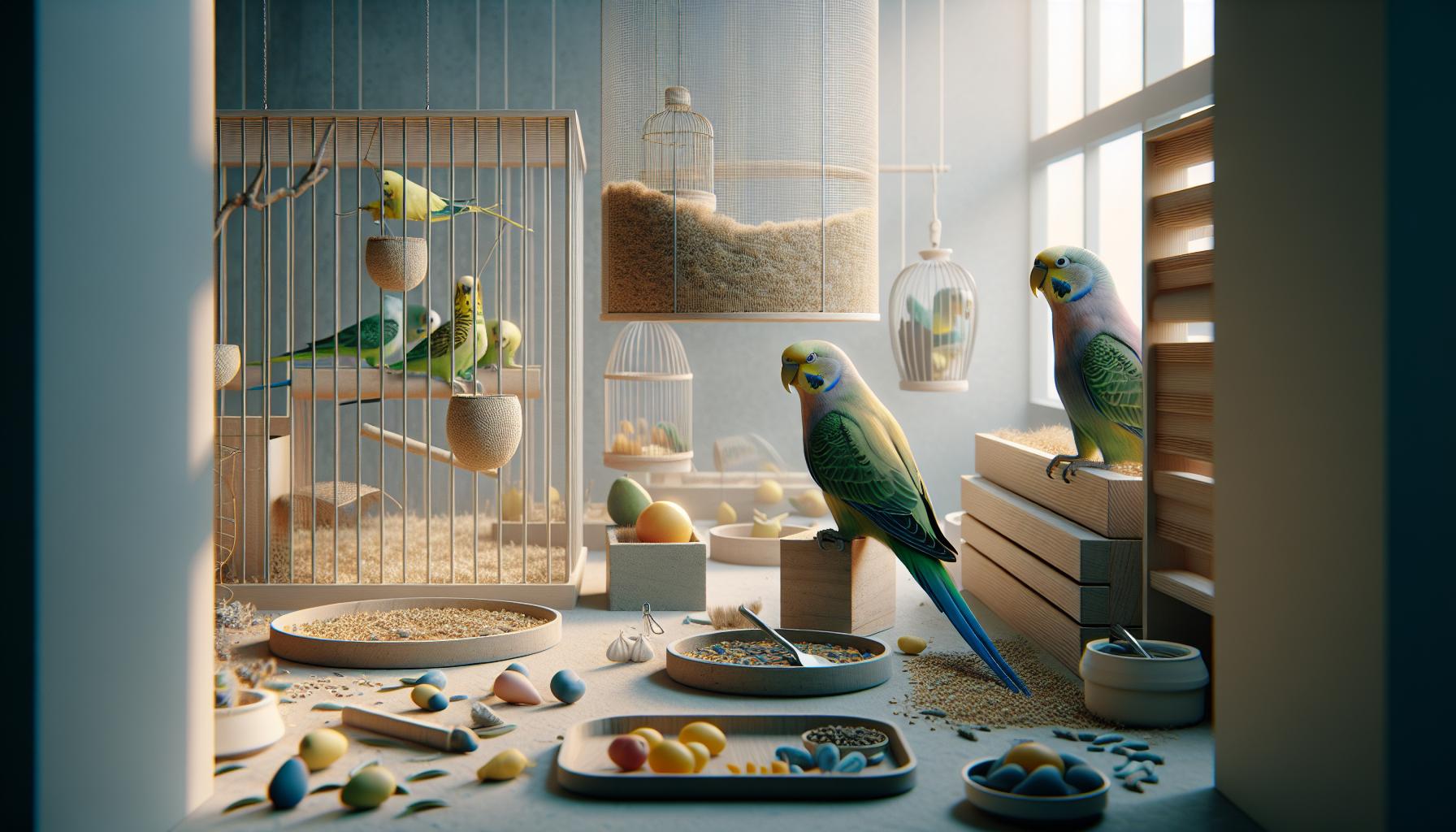
Essential Materials for Building a Nest
Creating a comfortable and secure nest for your parakeets is essential for successful breeding. Parakeets naturally gravitate towards enclosed spaces where they can feel safe and hidden from potential threats. To craft a suitable nest, you’ll need to gather specific materials that align with their natural instincts and preferences.
Nesting Materials: Key Components
Start with a nest box made from untreated, natural wood. This not only ensures safety from chemicals but also provides insulation. The box should have a snug fit, ideally measuring around 10 inches wide and 8 inches high, with an entrance hole that is about 2-3 inches in diameter. Make sure to drill small ventilation holes near the top to provide fresh air.
For the interior lining, consider using soft materials like untreated shavings, grass, or natural plant fibers, which parakeets may pull apart to create a cozy environment. You might also provide additional nesting materials, such as:
- Hay or straw: Soft yet sturdy, great for warmth.
- Coconut fiber: Naturally moisture-resistant and helps retain warmth.
- Papery materials: Shredded paper or safe cardboard can be offered for them to shred and manipulate.
Accessories for Comfort and Safety
In addition to traditional nesting materials, you can enhance the nest’s comfort with organic cotton balls or pieces of old t-shirt fabric. However, avoid synthetic fibers that can pose dangers. Providing a small bowl of calcium-rich food or cuttlebone nearby can also help support the nutritional needs of the breeding pair.
By assembling these materials, you foster a nurturing atmosphere that encourages parakeets to breed confidently. Observe their behavior, as they’ll instinctively begin to explore and modify their surroundings, making adjustments that suit their unique preferences. With a well-prepared nest, you set the foundation for a vibrant breeding experience where your parakeets can flourish.
Step-by-Step Guide to Nest Construction
Creating a nest for your parakeets is not just about a physical structure; it’s about crafting a sanctuary that nurtures their instinctual behaviors and breeding needs. When designing a parakeet nest, attention to detail and an understanding of their natural inclinations can make all the difference in encouraging successful breeding. Here’s a step-by-step approach to constructing a perfect nesting environment for your feathered friends.
Begin by selecting your nest box. A box made of untreated, natural wood is ideal, providing both safety from harmful chemicals and insulation. The dimensions should be snug yet comfortable, around 10 inches wide by 8 inches high, with an entrance hole of 2-3 inches in diameter. This size allows your parakeets enough space to enter and feel secure while keeping them close together, which is essential during breeding. Drill ventilation holes at the top of the box to ensure proper airflow, avoiding any stuffiness that could make the birds uncomfortable.
Once the box is ready, focus on the interior lining to make it cozy. Use soft materials, such as untreated wood shavings, grass, or plant fibers, which the parakeets can manipulate. These components not only provide warmth but also enable them to create a suitable environment for their eggs and chicks. You can offer additional nesting materials, including:
- Hay or straw: Great for insulation and comfort.
- Coconut fiber: Moisture-resistant and provides warmth.
- Papery materials: Safe shredded paper or cardboard for them to shred and use.
As the nest setup evolves, consider enhancing comfort with organic cotton balls or soft fabrics from old t-shirts-but steer clear of synthetic materials, as they can be hazardous. Nearby, include a small bowl of calcium-rich foods or cuttlebone; these not only cater to the nutritional needs of the breeding pair but also support healthy egg production.
Throughout this preparation, observe your parakeets’ behavior. They are natural architects, inclined to explore and modify their surroundings to suit their distinct preferences. With a thoughtfully constructed nest, you facilitate an inviting breeding environment, laying the groundwork for a successful and joyful breeding experience where your parakeets can thrive.
Designing a Comfortable and Safe Environment
Creating a nurturing environment for your parakeets is essential for their well-being and successful breeding experiences. Parakeets are naturally communal and instinctively seek out spaces that provide both safety and comfort. A well-designed nesting area not only meets their physiological needs but also caters to their emotional preferences, allowing them to thrive as they prepare to raise their young.
Start by ensuring that the nest box is made from untreated wood, as this will prevent exposure to harmful chemicals that could jeopardize your birds’ health. Keep it spacious yet snug, ideally around 10 inches wide and 8 inches high, with a 2-3 inch entry hole. This design helps your parakeets feel secure while allowing easy access for feeding and other activities. It’s crucial to incorporate ventilation holes at the top to maintain good airflow, preventing any buildup of heat or humidity that could cause discomfort.
Inside the box, soft, absorbent materials contribute to a cozy atmosphere. Offering natural materials like untreated wood shavings, dried grasses, and plant fibers provides warmth and encourages parakeets to engage in their instinctual behaviors, such as rearranging the nest. You might also introduce a variety of nesting materials for your parakeets to choose from, including:
- Hay or straw: Provides excellent insulation and a familiar texture for nesting.
- Coconut fiber: Moisture-resistant and naturally warm, making it a great nesting choice.
- Papery materials: Safe options are shredded paper or cardboard, which parrots often enjoy shredding and manipulating.
Enhancing their nesting area with small, safe items such as organic cotton balls or remnants from old t-shirts can add extra comfort, but avoid synthetic fabrics which can pose risks. Nearby, keep a small bowl of calcium-rich food or cuttlebone accessible, as it supports both the breeding pair’s health and the overall wellness of their future clutch. By closely observing how your parakeets interact with their environment, you can fine-tune the setup to better meet their needs, ensuring a happy and productive breeding phase.
Choosing the Right Location for the Nest
Selecting the ideal spot for your parakeets’ nest is crucial for their comfort and successful breeding. Parakeets, being social and naturally inclined to seek safety, thrive best in a location that balances privacy with accessibility. They prefer environments that mimic their wild habitats, where they can feel secure yet not completely isolated. A suitable nesting site should be quiet and free from disturbances, allowing your birds to engage in their natural breeding behaviors without stress.
When considering the placement of the nest box, aim for an area that maintains stable temperature and humidity levels. Avoid direct sunlight, which can overheat the nest, as well as draft-prone areas that could chill the delicate chicks. A corner of the aviary or a well-ventilated room is often ideal; it provides a sense of enclosure while allowing air circulation. Installing the nest box at a height that resembles their natural nesting sites, such as in tree hollows, can further encourage the breeding instinct, so hanging it a few feet off the ground can be beneficial.
It’s also important to ensure that the area is easily accessible for feeding, cleaning, and monitoring. A location that allows you to observe without intruding can help you stay informed about their behaviors, signaling when they might be ready for breeding. You can also create a safe space around the nest box by removing hazards or distractions that might provoke anxiety in your parakeets. With a thoughtful approach to placement, you can create an environment that supports their needs and enhances the likelihood of a successful breeding season, ensuring both parents and chicks thrive.
Common Nesting Behaviors of Parakeets
Observing the nesting behaviors of parakeets can be a fascinating experience that offers a glimpse into their natural instincts and social dynamics. These small, vibrant birds typically engage in various behaviors that signal their readiness to breed and prepare for nesting. One of the primary behaviors you might notice is nesting material gathering. Parakeets enjoy collecting soft items such as shredded paper, grasses, and feathers. Providing these materials in their environment can stimulate their nesting instincts and encourage construction of a cozy nest.
During the nesting period, you may also see increased pair bonding activities. This includes mutual preening, where parakeets groom each other, reinforcing their social connection. They often engage in courtship displays, such as head bobbing, whistling, and feeding each other as a way to strengthen the bond and prepare for breeding. It’s essential to ensure that the environment is comfortable during this stage, as stress can disrupt these natural behaviors.
In addition to gathering materials and bonding, parakeets may exhibit territorial behavior leading up to breeding. This might involve vocalizations to signal possession of their nesting area, along with some light displays meant to assert their dominance. If you’re keeping multiple pairs, it’s vital to manage their living arrangements to minimize conflicts and ensure a harmonious atmosphere. Providing ample space and separate nesting sites can help reduce competition.
Lastly, maintaining vigilant observation during this time is crucial. Watching for specific actions such as females entering the nest box frequently or engaging in certain vocalizations can indicate that they are ready for breeding. Being proactive in recognizing these signs enables you to respond appropriately, ensuring that your parakeets are set up for a successful nesting experience. By understanding their natural tendencies and behaviors, you can foster an environment tailored to their needs, making the breeding process smoother and more enjoyable.
Maintaining Nest Hygiene for Healthier Birds
Maintaining hygiene in your parakeet’s nesting area is crucial for their health and the successful rearing of their young. A clean nest helps prevent the buildup of bacteria and parasites, which can pose serious health risks to both parents and chicks. With proper nest hygiene, you’ll foster a healthier environment that encourages safe breeding and nurturing behaviors.
To keep the nesting area in top condition, begin by regularly inspecting the nest box for any droppings, leftover food, or soiled bedding. Parakeets can be quite particular, and an unclean environment could lead to stress and decreased breeding success. Aim for a routine cleaning schedule-every few days is ideal, especially as the female lays eggs and begins to brood. Gently remove old nesting materials, and replace them with fresh, soft items that are comfortable and safe.
Use natural materials for nesting, such as untreated wood shavings or shredded paper, as they are less likely to harbor harmful bacteria. If you notice any signs of mold or decay, it’s essential to clear them away immediately. Additionally, ensure the nest box is made from easy-to-clean materials. A wooden or metal box may be wiped down with a mild, bird-safe disinfectant. Avoid harsh chemicals, as they can be harmful to your feathered friends.
Regularly monitor the health of your parakeets. Look for signs of sickness, such as lethargy, changes in droppings, or unusual behaviors, which could indicate stress due to unclean conditions. As you keep their nesting area clean, you create an inviting space that encourages breeding behaviors such as mating and egg-laying, while ensuring your parakeets and their offspring remain healthy. By actively engaging in nest hygiene, you not only enhance the comfort of your parakeets but also contribute to the overall success of their breeding journey.
Signs Your Parakeets Are Ready to Breed
Recognizing when your parakeets are ready to breed can add an exciting dimension to your experience as a bird owner. There are several telltale signs that indicate your feathered friends are feeling the urge to nest and raise a family. When you observe these behaviors, it’s a signal to prepare their environment for successful breeding.
One of the most obvious indicators is increased affection between the pair. You may notice your parakeets engaging in mutual preening, where they lovingly groom each other. This behavior not only strengthens their bond but also indicates that they feel secure and ready to mate. Additionally, vocalization changes can be observed; excited chirping and whistling often occur when they’re in a breeding mood, as they express their intentions to each other.
As breeding approaches, you might also see one or both birds exhibiting nesting behaviors. This can include exploring potential nesting sites, such as their cage corners or even the provided nest box. They may start shredding paper or other materials provided for nest-building. If you find them frequently going to the designated nesting area, it’s a sign that they are preparing to create a comfortable space for future eggs.
Lastly, monitor their physical appearance, particularly the female parakeet. During breeding season, her vent area will typically become more prominent and take on a moist or swollen appearance, which signifies readiness for mating. Furthermore, keeping an eye on their overall activity and engagement will help; if they display a lot of energy and playfulness, it’s likely they are in the right mood for breeding.
By staying observant and responsive to these signs, you can create the ideal conditions for your parakeets to breed, ensuring they have a supportive and loving environment for their new family. Make sure to also have all necessary nesting materials prepared ahead of time to remove any stress from the breeding process.
Troubleshooting Breeding Issues and Solutions
Breeding parakeets can be a rewarding experience, but it’s not without its challenges. As you embark on this journey, you might encounter various issues that can hinder the breeding process. Understanding these potential hurdles and having effective solutions at your fingertips can make all the difference for both you and your feathered friends.
One common issue is the lack of interest in mating or nesting behaviors from your parakeets. This can occur due to environmental factors, such as stress from noise or frequent disturbances. To remedy this, consider creating a more secluded area for the nest that minimizes outside interruptions. Make sure their living space is calm, and provide ample opportunities for your birds to engage in social bonding. If they continue to show disinterest, ensure that a high-quality diet rich in nutrients is provided, as this can significantly influence their overall mood and readiness for breeding.
Another challenge that may arise is aggression between the breeding pair. Parakeets can sometimes become territorial, which may lead to fights or stress. If you notice signs of aggression, such as loud squawking or physical confrontations, it could be beneficial to separate them temporarily. Allow them to calm down and reintroduce them gradually. Additionally, observing their body language closely will help you recognize the signs that indicate whether they feel secure or threatened in their habitat.
Maintaining a clean and hygienic nest is essential, as poor conditions can lead to health problems for the eggs or chicks. Ensure that the nesting materials are fresh and regularly check for any droppings or spoiled food. If cleanliness becomes an issue, replace any dirty materials immediately to create a healthier environment for the breeding process. This not only promotes better health for the parakeets but also helps prevent any potential breeding complications.
Finally, if you experience complications with egg-laying, such as the female laying eggs without a mate or not laying any at all, consult a veterinarian who specializes in avian medicine. They can guide you through potential reproductive health issues and provide tailored solutions based on your parakeets’ specific needs. Be patient and flexible as you navigate through these challenges; breeding requires time and careful observation, but the joy of new life can make it all worthwhile.
Feeding and Care Tips During Breeding
During the breeding phase, nutrition plays a critical role in ensuring both the health of the adult parakeets and the successful development of their chicks. Providing a balanced diet that is rich in vitamins and minerals can significantly influence breeding behaviors and overall reproductive success. One essential aspect is incorporating a variety of fresh fruits and vegetables. Items like broccoli, kale, carrots, and apples not only supply vital nutrients but also encourage natural foraging behaviors, which can be invigorating for your birds.
Feeding high-quality pellets designed specifically for breeding parakeets can provide the necessary foundation of nutrients. Additionally, you should offer protein-rich foods such as cooked eggs, legumes, or specialized breeding mix seeds that typically contain more protein and fat. These foods are vital for the female as she prepares to lay eggs, aiding in the development of strong eggshells and healthy chicks. Offering cuttlebone or mineral blocks can also help ensure that your parakeets receive adequate calcium, which is crucial during this time.
Frequency and Portions
During breeding, the frequency of feeding may need to be adjusted. Parakeets can have increased appetites; it’s important to provide fresh food daily and monitor portion sizes. A good practice is to offer a small portion of pellets and an addition of fruits and vegetables daily, along with a small amount of seed. This approach allows for variety while preventing waste.
Hydration is Key
Don’t forget to keep their water source clean and fresh, as hydration is vital, especially for a breeding female. Change the water daily and consider adding water-soluble vitamins to boost their immunity during this physically demanding time.
By focusing on a diversified and nutritious diet during the breeding period, you can promote the well-being of your parakeets, enhance their reproductive success, and contribute to a vibrant, active environment for your feathered friends. Engage closely with your birds, as their behaviors during feeding can also give you insights into their health and happiness, creating a deeper bond as you support them in this exciting phase.
Monitoring Nest Progress: What to Expect
As you embark on the rewarding journey of parakeet breeding, keeping a close eye on your birds and their nesting progress can be both exciting and insightful. Parakeets are known for their engaging behaviors during nesting, which can provide you with a wealth of information regarding their wellbeing and readiness to raise chicks. Understanding what to expect during this critical period will help ensure a smooth breeding process.
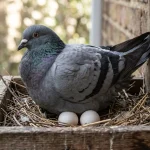
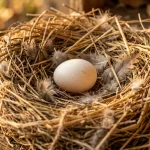
One of the first signs that your parakeets are actively nesting is the presence of laid eggs. Female parakeets typically lay one egg every couple of days, and this can range from 4 to 6 eggs in a single clutch. During this time, you’ll notice the female becoming more protective of the nest, often spending more time inside and displaying less interest in external stimuli. It’s crucial to maintain a quiet environment around their nesting area to reduce stress, as noise and activity can inadvertently disrupt their process.
While monitoring nest activity, also be on the lookout for behaviors that indicate the parents are preparing to incubate eggs. The female may begin to exhibit brooding behavior by sitting on the eggs and fluffing up her feathers to keep them warm. During this incubation period, which lasts about 18 days, both parents will take turns keeping the eggs warm and safely tucked in their nest. Ensuring that the birds have access to fresh, nutritious food and clean water is essential during this phase, as both parents will require extra energy for the demanding task of incubation.
It’s equally important to observe the chicks once they hatch. Nestlings will initially be entirely reliant on their parents for warmth and feeding. You’ll likely see the parents frequently visiting the nest, offering a mix of regurgitated seeds and soft foods. As the chicks grow, their demands for food will increase, and they will start to develop their feathers and become more mobile within the nest. Monitoring their growth and behavior during this period can be thrilling; you’ll witness the transformation from helpless hatchlings to lively young parakeets ready to leave the nest around 4 to 6 weeks of age.
In summary, by paying attention to your parakeets’ nesting progress, including egg-laying, incubation behaviors, and chick development, you can ensure a successful breeding experience. You’ll learn to recognize the signs that signal their readiness for raising a new generation, while also fostering an environment that supports their health and nesting success. This journey not only enhances your knowledge as a birdkeeper but deepens the bond you share with these fascinating creatures.
Post-Breeding Care for Parakeet Families
As the joyous chaos of hatchlings fills your home, the real work begins in ensuring that both the parakeet parents and their young thrive in their new family dynamic. Post-breeding care is crucial, as this is a time of nourishment, protection, and learning for both the chicks and their caregivers. Observing the interactions of the parents with their chicks can be fascinating; you’ll notice how they gradually begin teaching their young essential life skills-including foraging for food and exploring their surroundings.
During the first couple of weeks after hatching, the chicks will rely entirely on their parents for warmth and food. It’s essential to provide a nutrition-rich environment. An optimal diet for the parents includes high-quality pellets, fresh vegetables, and occasional seeds to support their energy needs as they care for their brood. Don’t forget to replace water daily and keep it clean to prevent any contamination. A varied diet not only helps in maintaining the health of the parents but also enriches the food they bring back to feed the chicks.
Monitoring the Chicks
As the chicks grow, you will enjoy watching the gradual changes in their behavior and appearance. Around 2 to 3 weeks, their feathers will begin to develop, and they will start to explore the nest. Providing appropriate toys and branches-safe for their age-can stimulate their natural curiosity and support their physical development. Keep the nesting area spacious and clean; removing any old bedding and waste will prevent disease and promote a healthy environment.
Additionally, keep a close eye on the social interactions among the family. Parakeets are naturally social creatures, and the interactions between parents and chicks will inspire confidence in their future independence. Be prepared to step in if you notice any aggressive behaviors; sometimes, larger siblings may unintentionally dominate the feeding schedule.
Gradual Independence
Around 4 to 6 weeks, the chicks will start to show interest in leaving the nest. This is the perfect opportunity to provide transition spaces. Consider adding a safe perch near the nest where they can practice their newfound skills in a secure environment. If you’re introducing them to a larger cage, ensure it is set up with plenty of toys and hiding spots to make the transition less stressful.
As they begin to fledge, it’s crucial to continue offering nourishment. You can slowly introduce them to softer foods like mashed fruits and veggies, which they can practice eating independently while still relying on their parents for feeding as they master the skill.
Taking the time to provide meticulous care during this post-breeding phase will not only help ensure the well-being of your parakeet family but will also enhance your bond with them. You’re nurturing a future generation of wonderful companions, and being attentive now lays the groundwork for healthy, social adult parakeets. From monitoring their growth to ensuring that their basic needs are met, your efforts during this period will contribute greatly to their long-term happiness and health.
FAQ
Q: What materials are best for making a parakeet nest?
A: Natural materials like untreated wood shavings, dried grasses, and coconut fibers are ideal for building a parakeet nest. These materials mimic their natural habitat and provide a safe environment for breeding. Ensure they are free of toxins and chemicals for the health of your birds.
Q: When should I introduce a nest to my parakeets?
A: Introduce the nest when you observe signs of courtship behaviors, such as increased vocalization and mutual preening. This usually indicates the birds are ready for breeding, typically during the spring months. Make sure to monitor their interaction with the nest.
Q: How can I tell if my parakeets are nesting properly?
A: Healthy nesting behavior includes your parakeets spending time inside the nest, bringing in nesting materials, and displaying less aggressive behavior towards each other. Regularly check for any signs of distress, such as excessive squawking or avoidance of the nest.
Q: What should I do if my parakeets aren’t using the nest?
A: If your parakeets aren’t using the nest, ensure it is in a quiet, secure location where they feel safe. Additionally, observe their behaviors to check for compatibility, as stress or lack of interest may deter nesting. Consider adding familiar items or toys to encourage them.
Q: How do I maintain hygiene in the parakeet nest?
A: To maintain hygiene, regularly remove any waste or uneaten food from the nest and replace bedding materials every few days. Keeping the area clean prevents the spread of disease and keeps the environment healthy for both the parents and chicks during breeding.
Q: Are there specific signs that my parakeets are ready to breed?
A: Yes, signs include increased vocalization, displaying nesting behaviors like fluffing feathers, and frequent preening. Look for physical signs as well, such as females developing a more pronounced cere or gaining weight in preparation for egg-laying.
Q: How long does it take for parakeets to hatch eggs?
A: Parakeet eggs typically hatch in about 18 to 21 days after laying. Ensure that the breeding environment is stable and stress-free to promote successful incubation by the female.
Q: What is the ideal temperature for a parakeet nesting area?
A: The ideal temperature for a parakeet nesting area is between 70°F to 80°F (21°C to 27°C). Avoid extreme fluctuations in temperature, as this can stress the birds and impact the health of the eggs and chicks.
Insights and Conclusions
Creating a suitable nesting environment for your parakeets is essential for successful breeding. By following the guidelines outlined, you are on your way to nurturing a happy and healthy breeding experience. Now is the perfect time to get started-don’t wait to set up their ideal nesting space!
If you have questions or want to dive deeper into parakeet care, check out our in-depth guide on Parakeet Diet Essentials and explore tips on Socialization for Parakeets. And remember, subscribing to our newsletter ensures you stay updated on the latest tips and tricks for avian care!
Your journey into the world of parakeet breeding is just beginning. We’d love to hear about your experiences, challenges, and successes-so feel free to share your thoughts in the comments below! Together, let’s create the perfect home for these delightful birds.
Get our latest guides, news, and insights highlighted in your Google Search & AI Overviews.