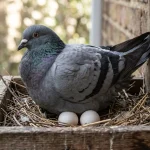
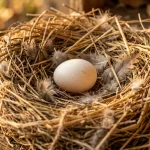
Did you know that parakeets, also known as budgerigars, are prolific breeders with fascinating reproductive habits? Understanding how many eggs parakeets lay is crucial for bird enthusiasts and potential breeders alike. Whether you’re a curious beginner or an experienced avian caretaker, knowing about their breeding behavior can enrich your experience and help you provide the best environment for your feathered friends. This insight not only supports informed breeding practices but also highlights the importance of proper care throughout the breeding process. Join us as we explore the intriguing world of parakeet reproduction, from egg-laying patterns to nurturing the next generation, ensuring you feel equipped to support these vibrant birds in your care.
How Many Eggs Do Parakeets Typically Lay?
Typically, parakeets, particularly the budgerigar variety which is the most common in households, lay between 4 to 8 eggs in a single clutch. This number can vary based on several factors, including the age, health, and environment of the breeding pair. It’s interesting to note that even within the same species, different pairs can show significant variation in clutch size based on their individual circumstances. For example, first-time breeders might produce fewer eggs compared to more experienced parents who have successfully reared chicks before.
Aside from the number of eggs, the conditions surrounding the breeding process also play a crucial role in successful egg laying. Parakeets generally require a suitable nesting box and an appropriate diet to ensure that the eggs are viable. A good diet rich in calcium and protein can enhance egg production, while stressors in their environment can lead to lower numbers.
Additionally, climate and overall health should not be overlooked. Breeding pairs need a stable environment free from disturbances, with temperatures that mimic their natural habitat. Monitoring your parakeets’ well-being can help create the ideal conditions for breeding.
In terms of behavior, when a female parakeet is ready to lay eggs, you may notice increased nest-building activity. Providing a nesting box with proper bedding materials can greatly encourage her to feel secure and comfortable. Thus, understanding both the numerical aspect of egg-laying and the environmental requirements can help future parakeet owners successfully navigate the breeding process.
Understanding Parakeet Breeding Behavior

Understanding the nuances of parakeet breeding behavior can significantly enhance the experience of both novice and seasoned bird owners. At the heart of this fascinating process lies the social nature of parakeets. These small, intelligent birds thrive in environments where they feel comfortable and secure, which is crucial when they embark on the breeding cycle. It’s essential to recognize that breeding isn’t merely about laying eggs; it also involves complex interactions between the breeding pair.
Female parakeets exhibit distinct behaviors when they are ready to mate. They often engage in nest-building activities, such as shredding paper or arranging nesting materials, revealing their instinctual drive to prepare a safe space for their future offspring. During this time, you might also notice her engaging more closely with her mate, as strong pair bonding is critical for successful reproduction. Maintaining an enriching environment with plenty of perches, toys, and social interaction will foster a positive ambiance conducive to breeding.
Another key aspect to consider is the role of diet in breeding behavior. A balanced, nutritious diet is vital for both males and females to support healthy reproduction. Providing a diet rich in calcium and protein not only prepares the hen for laying eggs but also ensures that she is capable of nurturing her chicks. You can enhance their diet with fresh fruits, vegetables, and high-quality pellets, which will make a significant difference during the breeding cycle.
Overall, involves careful observation and attention to their social dynamics and environmental needs. By creating a nurturing atmosphere and fostering the bond between your parakeets, you can help facilitate a successful breeding experience, ultimately leading to a healthy clutch of eggs and thriving chicks.
Factors Influencing Egg Production in Parakeets

The reproductive success of parakeets hinges on several interrelated factors that can significantly affect how many eggs a pair will lay. Interestingly, a healthy and stress-free environment not only fosters better pair bonding but also encourages successful breeding. In general, parakeets can lay anywhere from three to eight eggs per clutch, depending on various influences such as health, diet, and environmental conditions.
One critical factor influencing egg production is the age and health of the breeding pair. Younger parakeets, particularly those aged one to three years, tend to be more fertile and may produce more eggs. If the birds are healthy and well-nourished, they will have a higher likelihood of laying a full clutch. Regular veterinary check-ups ensure that any health issues are addressed promptly, as conditions like parasites or nutritional deficiencies can drastically reduce egg-laying capacity.
Diet plays a vital role in breeding success. Parakeets require a balanced diet rich in vitamins and minerals to support their reproductive health. Foods high in calcium, such as cuttlebone, and a variety of fresh fruits and vegetables are essential for ensuring that females can produce healthy eggs. Additionally, providing high-quality seed mixes and pellets that meet their nutritional needs will enhance the overall vitality of breeding pairs, thus increasing the potential number of eggs laid.
Lastly, the environment’s stability and stimulation cannot be overlooked. Parakeets are social creatures that thrive in active, enriching settings. Including perches, toys, and hiding places allows the birds to feel secure and encourages natural breeding behaviors. Conversely, stressful situations such as loud noises, frequent disruptions, or aggressive birds can hinder egg production. Creating a calm and nurturing environment allows parakeets to focus on their reproductive instincts, thereby influencing egg-laying counts positively.
By addressing these factors-age, diet, and environment-bird owners can optimize the chances of successful egg production in their parakeets, leading to a healthy and vibrant breeding experience.
Ideal Conditions for Parakeet Breeding

To encourage your parakeets to breed successfully and lay healthy eggs, providing ideal conditions is essential. A nurturing environment not only supports the physical health of your birds but also promotes their natural behaviors, leading to increased egg production. For optimal breeding conditions, consider various elements such as habitat setup, social dynamics, and health care.
Creating a comfortable and secure nesting area is paramount. Use a spacious cage with plenty of room for movement and flight. In addition to a cozy nesting box that mimics the natural hollows found in trees, it’s important to furnish the cage with varied perches of different widths and textures to cater to their grip and resting preferences. Enrichment tools like toys and swings encourage playful interaction, alleviating boredom and stress, which can be detrimental to breeding.
Social structure is another critical factor in fostering a conducive breeding atmosphere. Parakeets are social birds that thrive in the company of their species. Ensure that your pair is compatible; observe their interactions closely to make sure they exhibit mutual affection and preening behaviors. A harmonious pair is more likely to engage in successful mating and subsequent egg-laying. Additionally, minimizing disturbances is crucial during this sensitive period. Place the breeding setup in a quiet area away from loud noises or excessive foot traffic to help your parakeets feel safe and comfortable.
Lastly, feeding your parakeets a balanced and nutritious diet is vital for breeding success. Provide a mix of high-quality seeds, pellets, and fresh fruits and vegetables, sprinkling in calcium-rich sources like cuttlebone. Proper nutrition bolsters the health and fertility of the breeding pair, increasing the likelihood of them producing multiple healthy eggs. Regular veterinary check-ups can also catch any potential health issues early, setting your parakeets up for breeding success.
By addressing habitat, social compatibility, and nutrition, you can create the ideal conditions for your parakeets to thrive during their breeding cycle. This careful planning not only enhances their reproductive success but also contributes to the well-being of both parents and their future chicks.
Signs of a Healthy Parakeet Nesting Environment
Creating a thriving nesting environment for your parakeets is essential, not just for their comfort, but also for their breeding success. A healthy environment can greatly influence their reproductive behaviors, leading to a higher likelihood of laying viable eggs. Understanding the indicators of such an environment can help you set up a space that fosters both their physical health and natural instincts.
One of the strongest indicators of a healthy nesting environment is the presence of a suitable nesting box. This box should mimic the natural hollows that parakeets seek out in the wild. A spacious, secure nesting box offers a safe haven where your birds can lay eggs and rear their young. You can enhance this area by lining it with clean, non-toxic bedding which not only keeps it cozy but also absorbs any waste, maintaining hygiene.
Monitoring your parakeets’ interactions is also a key aspect of ensuring a vibrant nesting environment. Social harmony between your breeding pair can be a clear sign of a healthy setup. Observing mutual preening behaviors or gentle interactions can indicate that they feel secure enough to mate. If they appear relaxed and exhibit bonding behaviors, such as feeding each other, you can be confident that the environment is nurturing.
In addition to physical space and social dynamics, the overall ambiance plays a crucial role. A quiet, low-stress area keeps disturbances to a minimum. Maintain a consistent temperature and humidity level within their cage, as extreme conditions can lead to stress which negatively impacts egg production. Lastly, a varied diet rich in nutrients, particularly calcium for shell development, will further signal good nesting conditions. A consistent supply of fresh fruits, vegetables, and high-quality seeds ensures the health and vitality of your birds, setting the stage for successful breeding.
By paying attention to these signs and creating an inviting atmosphere, you set up an optimal environment that not only encourages your parakeets to breed but also enhances their overall well-being.
What to Expect During the Breeding Cycle
When parakeets enter their breeding cycle, you can expect a fascinating interplay of behaviors and physical changes that signify this natural process. One of the most noticeable aspects during this period is the increase in vocalization; breeding pairs often become more communicative with each other, producing a variety of chirps and calls that serve to strengthen their bond. This heightened activity is not just a sign of love in the air; it is also an indication that your birds are making preparations to mate and raise a new generation.
As the breeding cycle progresses, you may observe your parakeets spending more time in their nesting box. This is often when the female will start to exhibit nesting behavior, which includes gathering nesting materials. Providing suitable materials, like shredded paper or soft hay, can encourage this behavior. During this phase, the female will engage in pre-laying behavior, which can involve finding a comfortable spot and appearing more reclusive than usual as she begins to prepare for egg-laying.
In general, parakeets will lay an average of 4 to 6 eggs per clutch, although this can vary based on their species and individual health. The eggs are typically laid every other day, and the female will usually incubate them for about 18 days before they hatch. It’s crucial to keep a keen eye during this time to ensure she is maintaining proper hydration and nutrition, as her dietary needs increase during the breeding cycle. High-quality seeds, fresh fruits, and vegetables rich in calcium are essential to support her and soon-to-be hatchlings.
Once the eggs are laid, the dynamics of the pair may shift. The male often takes on the role of protector and provider, feeding the female and remaining vigilant against potential disturbances. Observing these behaviors can offer insights into the success of their pairing and stress levels in their environment. Providing a quiet, stress-free space for your parakeets is key during this critical stage-minimizing loud noises or frequent handling can enhance their comfort and ensure the best conditions for hatching and raising chicks.
Overall, the breeding cycle of parakeets is a time of transformation and excitement, not just for the birds but also for their caretakers. Being prepared and informed will help facilitate a nurturing environment where your feathered friends can thrive and flourish through this remarkable journey of parenthood.
Caring for Parakeet Eggs: Tips for Success
When your parakeets begin their nesting journey and the female lays her eggs, it’s essential to understand how to care for these precious little ones effectively. The incubation period for parakeet eggs lasts about 18 days, during which the female will primarily stay on the eggs, relying on both her warmth and behaviors to ensure they develop properly. To facilitate a successful hatching process, providing optimal conditions and monitoring the eggs closely is crucial.
First, ensure that the nesting box is well-prepared. A cozy and safe nesting area should contain soft materials such as shredded paper, hay, or even cotton. This not only provides comfort but also helps insulate the eggs, maintaining a stable temperature. Position the nesting box away from drafts and direct sunlight to avoid overheating or chilling the eggs. It’s beneficial to keep the nesting area quiet and minimally disturbed, as excessive noise and activity can stress the female and potentially affect her incubation consistency.
Nutrition plays a pivotal role during this period. The female parakeet’s dietary needs increase significantly, so providing a high-quality diet is vital. Focus on:
- Calcium-rich foods: Include cuttlebone, eggshells, and leafy greens to support egg development.
- Fresh fruits and vegetables: These offer essential vitamins that contribute to her overall health.
- High-quality seeds: A balanced seed mix formulated for breeding birds will supply her with necessary nutrients.
Hydration is equally important; ensure that fresh water is always available within reach.
If the eggs are not hatching after the typical incubation period, it may be necessary to intervene. Keep an eye out for signs of infertility, such as eggs that do not warm up or remain untouched for long periods. In rare cases, you might find it necessary to consult with an avian veterinarian for advice, especially if you notice irregularities in the female’s behavior or health.
As you embark on this exciting journey of caring for parakeet eggs, remember that patience and observation are key. By creating a nurturing environment, providing proper nutrition, and being attentive to their needs, you are setting the stage for a successful breeding experience.
Handling Egg-Laying Complications in Parakeets
Complications during the egg-laying process in parakeets can be concerning, but with the right knowledge, you can effectively manage these situations. Parakeets typically lay between 4 to 8 eggs, but sometimes complications arise that can affect the health of the mother or the viability of the eggs. One common issue is when a parakeet becomes egg-bound, meaning she is unable to pass the eggs naturally. This can happen if the eggs are too large, if the female is not in optimal health, or if she has inadequate calcium levels. Symptoms of egg-binding may include lethargy, straining without producing eggs, or swelling of the abdomen. If you suspect your parakeet is egg-bound, immediate veterinary care is essential, as this condition can be life-threatening.
Another complication may arise from factors such as stress or environmental conditions. A disruptive environment can lead to decreased egg production or rejection of eggs. Ensure the nesting area is quiet and secluded, away from noise, drafts, and excessive handling. If your parakeet exhibits signs of stress-acting unusually withdrawn, aggressive, or overly excited-consider reassessing her environment. Additionally, overcrowding within the cage or the presence of other aggressive birds can contribute to heightened stress levels.
Nutrition also plays a vital role in healthy egg production. A lack of proper nutrition-especially calcium and protein-can lead to soft-shelled eggs or other complications such as poor health in the parent bird. To promote wellness, focus on providing a balanced diet enriched with fresh greens, fruits, and high-quality seeds. Supplements such as cuttlebone can also be beneficial, providing essential calcium to support healthy egg formation.
If you’re facing challenges with egg-laying complications, proactive care can make a significant difference. Regularly consult with an avian veterinarian for personalized guidance, especially if you notice any abnormalities in behavior or health. Observing your parakeet closely during this vulnerable time will help ensure she remains healthy, thereby increasing the chances of successful incubation and hatchling survival.
Age and Health Impacts on Egg Laying
When it comes to breeding parakeets, understanding how age and health impact egg-laying is crucial for ensuring a successful nesting process. Younger parakeets, typically between the ages of 6 months and 1 year, may produce fewer eggs or have irregularities in laying patterns. This variability can be attributed to their still-developing reproductive systems. In contrast, mature parakeets, aged 1 to 5 years, tend to have more consistent and robust breeding behaviors, generally resulting in larger clutches of eggs, often between 4 and 8 eggs per laying cycle.
Health is another significant factor influencing egg production. A parakeet’s overall well-being, including nutritional status, can determine her ability to produce healthy eggs. Birds lacking proper nutrition, particularly calcium and protein, may face difficulties such as soft-shelled eggs or reduced laying frequency. For instance, a diet lacking in greens and seeds will not only affect egg quality but also the health of the parent bird. It’s essential to provide a balanced diet enriched with fresh vegetables, fruits, and high-quality seeds, along with calcium supplements like cuttlebone or mineral blocks.
In older birds, typically over 5 years, reproductive capabilities may decline, leading to fewer eggs or difficulties during the laying process. It’s vital to monitor these older parakeets closely, as they may also face increased health risks, such as egg-binding, if they are not in optimal condition. Regular veterinary check-ups become even more pertinent as age increases, allowing for early detection of any health issues that could compromise breeding success.
By understanding these factors, parakeet owners can take proactive steps to support their birds through the breeding cycle. Ensuring a secure, low-stress environment, combined with a nutritious diet tailored to their age and health, will dramatically improve the likelihood of healthy egg production and the overall success of the breeding process.
Comparing Egg Laying Across Different Parakeet Species
The diversity among parakeet species offers a fascinating look at how egg-laying habits can vary significantly within this colorful avian group. While most pet owners are familiar with the common budgerigar, or budgie, there are several other parakeet species that present unique characteristics, particularly when it comes to breeding patterns and clutch sizes.
For instance, budgerigars typically lay between 4 to 8 eggs per clutch, making them one of the most prolific egg layers among parakeets. Their breeding cycle is influenced by environmental factors such as light exposure and temperature, which means that understanding your budgie’s living environment is crucial for successful breeding. In contrast, Indian Ringneck parakeets generally produce smaller clutches, averaging about 3 to 6 eggs. Their nesting habits can often be more complex, as these birds may require more privacy and specific nesting sites to feel secure.
Another interesting comparison can be drawn with the Sun Conure, which, while often categorized under the broader parrot family, exhibits parakeet-like traits. Sun Conures can lay 3 to 5 eggs per clutch, and they are known for their vibrant sociability, which can play a role in their breeding success. The nurturing behaviors of the parents are pivotal during this process; they are often very attentive to their young once hatched, reflecting a strong parental instinct.
When considering smaller species like the Lovebird, which some may classify as a smaller parakeet, the clutch size can be similar to that of budgies, generally producing around 4 to 6 eggs. Lovebirds are particularly known for their strong pair bonds, which can enhance their breeding success through increased cooperative care of the eggs and chicks.
Understanding these differences can help you better prepare for breeding any parakeet species. Here are some key factors to consider for successful egg-laying:
- Diet: Ensure a balanced diet rich in calcium and protein to support egg production.
- Nesting environment: Provide a secure, private nesting space tailored to your chosen species’ preferences.
- Observation: Watch for behavioral signs indicating readiness to breed, such as preening and increased vocalizations.
With attention to each species’ unique needs and behaviors, you can enhance the experience for your feathered friends, ensuring both healthy egg-laying and a nurturing environment for the hatchlings.
Post-Egg Laying: Caring for New Parakeet Parents
The arrival of baby parakeets marks an exciting chapter for any bird enthusiast. Once the eggs are laid and the chicks hatch, new parakeet parents need special care and attention to ensure they successfully raise their young. It is fascinating to watch the transformation of these devoted birds as they tend to their brood, and understanding what to expect can greatly enhance the experience.
New parakeet parents, particularly budgerigars, exhibit remarkable nurturing behaviors. The female usually takes the lead in caring for the chicks during their early days, tending to them and feeding them a diet rich in protein. An important aspect of supporting these parents is maintaining a clean and safe nesting environment. Regularly checking the nest box and ensuring there is no buildup of waste or uneaten food is crucial. Additionally, providing a variety of soft foods like mashed vegetables and a high-quality seed mix can help both parents and chicks thrive.
While the parents are busy with their chicks, it’s essential to monitor their health closely. Ensure that they have constant access to fresh water, and consider offering a calcium supplement, as the demands of egg-laying and feeding can deplete their reserves. Observing their behavior can also provide insights; parents should exhibit calmness and attentiveness. If either parent appears overly stressed or is neglecting their duties, it might signal a need for intervention.
In the case of smaller parakeet species, such as Lovebirds or Indian Ringnecks, the same principles apply, though their specific behaviors and social dynamics may differ slightly. Lovebirds, known for their strong pair bonds, may display a cooperative approach to raising their young, sharing feeding duties more equally. By fostering a supportive environment and understanding the unique characteristics of your parakeet species, you can help ensure the successful upbringing of healthy chicks.
Watching the nurturing journey of parakeet parents can be incredibly fulfilling and offers a unique insight into their behaviors and social structures. With the right care and support, you can contribute to the growth of both parents and their adorable offspring, making the experience all the more rewarding.
Common Myths About Parakeet Breeding
Many bird enthusiasts find themselves captivated by the process of breeding parakeets, but there’s a lot of misinformation floating around that can lead to confusion and mismanagement. One prevalent myth is that parakeets will breed any time of year if conditions are right. In reality, while they may be capable of breeding outside of traditional seasons, various factors including daylight hours, temperature, and even the birds’ age and health play significant roles in their breeding cycle.
Another common misconception is that all parakeets will lay the same number of eggs regardless of species. The truth is, different types of parakeets have distinct breeding patterns. For instance, budgerigars typically lay between 4 to 6 eggs, while other species may lay more or fewer in a clutch. Understanding these species-specific nuances is essential for any breeder.
People often believe that once a parakeet has laid eggs, they do not need any special care or adjustments in their environment. This is far from the case. Proper nesting conditions, such as cleanliness, appropriate nesting materials, and a reduced stress environment, are crucial for the health of both the eggs and the parent birds. Ensure a balanced diet is provided, particularly with calcium-rich foods to support egg production and the health of the new parents.
Lastly, there’s a notion that breeding parakeets is an easy task that does not require much involvement. While they may seem self-sufficient, new parakeet parents need support, especially when it comes to raising their chicks. Regularly monitoring their behavior, keeping the nesting area clean, and providing nutritious food are vital components of successful parakeet breeding. By debunking these myths, potential parakeet owners can foster a more harmonious and supportive breeding environment that benefits both the birds and their caretakers.
Frequently asked questions
Q: How many eggs do parakeets typically lay in a single clutch?
A: Parakeets generally lay between 4 to 6 eggs per clutch. Some may lay as few as 2 or as many as 8, depending on their species and health conditions. For detailed care during this phase, refer to the section on “Caring for Parakeet Eggs: Tips for Success.”
Q: What factors influence how many eggs a parakeet lays?
A: Factors such as the parakeet’s age, health, and living conditions can greatly influence egg production. Stress and environmental factors like temperature and cage cleanliness also play significant roles. Check out “Factors Influencing Egg Production in Parakeets” for more insights.
Q: When do parakeets usually start laying eggs?
A: Female parakeets typically start laying eggs between 6 months to 1 year of age, although it can vary by individual and species. Ensuring they are in a healthy environment can promote a smoother breeding cycle.
Q: How long does it take for parakeet eggs to hatch?
A: Parakeet eggs usually take about 18 days to hatch. During this time, ensure the nesting environment is quiet and safe to encourage successful hatching.
Q: Can parakeets lay eggs without a mate?
A: Yes, female parakeets can lay eggs without a mate; however, these eggs will not be fertilized. It’s essential to provide mental stimulation and companionship to reduce stress if laying occurs.
Q: What should I do if my parakeet is laying eggs?
A: If your parakeet is laying eggs, ensure she has a comfortable, quiet nesting area and is receiving proper nutrition. Monitor her health closely and consult an avian vet if any complications arise, referencing “Handling Egg-Laying Complications in Parakeets” for guidance.
Q: Do all parakeets go through a breeding cycle?
A: Not all parakeets will breed, as it often depends on individual health, age, and environmental factors. Understanding their natural behavior can help you create a suitable breeding environment. Learn more in “Understanding Parakeet Breeding Behavior.”
Q: How can I tell if my parakeet is ready to breed?
A: Signs that a parakeet is ready to breed include increased nesting behavior, fluffing up, and a more social disposition. Providing proper conditions can help facilitate this process. Check out the section “Ideal Conditions for Parakeet Breeding” for specifics.
Wrapping Up
Thank you for diving into the fascinating world of parakeet breeding! Now that you know how many eggs parakeets can lay, it’s important to remember that each bird is unique, and breeding can vary. If you’re considering breeding, ensure you have the right supplies and environment to support your birds’ health. For more in-depth advice, don’t miss our articles on “Caring for Pregnant Parakeets” and “Best Practices for New Hatchlings.”
Ready to take the next step in your avian journey? Subscribe to our newsletter for expert tips and exclusive content that will enhance your parakeet care experience. If you have questions or insights to share, feel free to leave a comment below! Your thoughts could help fellow bird enthusiasts on their journey. Remember, knowledge is key to creating a thriving environment for your feathered friends-let’s keep exploring together!
Get our latest guides, news, and insights highlighted in your Google Search & AI Overviews.