Did you know that not all parakeets have the same aptitude for talking? While parakeets, particularly the male variety, are renowned for their vocal talents, each bird’s speaking potential varies greatly. Understanding which parakeets are most likely to chatter can help you choose the perfect companion. Whether you’re a first-time bird owner or a seasoned avian enthusiast, knowing about the speaking abilities of these charming birds can enrich your experience as you connect with their delightful personalities. This guide will explore the factors influencing parakeet communication, offering insights into the breeds best suited for talking, tips for encouraging vocalization, and what you can expect from your feathery friend. Dive in to discover how your parakeet can transform from a quiet companion into a chatty buddy!
Understanding Parakeets: An Overview of Their Communication Skills
The ability of parakeets to communicate captivates many bird enthusiasts, offering a glimpse into their fascinating social structures. In the wild, parakeets utilize a rich array of vocalizations that serve various purposes- from warning others of predators to signaling food availability. They engage not just in chirps and whistles but also in nuanced sounds like beak grinding, which can reflect contentment, and chittering, typically used during social interactions. This complex communication reflects their intelligence and social nature, drawing parallels with more well-known speaking birds like parrots.
Understanding how parakeets express themselves can open doors for better care and interaction. Each sound they produce can convey different emotions or needs- for example, while a loud scream may signal distress or fear, soft whistles and chatter often indicate happiness or social bonding. Observing these vocal behaviors not only enhances the bond between you and your parakeet but also helps in identifying their emotional state, allowing you to respond appropriately.
While all parakeets have the potential to vocalize, it’s essential to recognize that their ability to “talk” varies significantly among individuals and species. Some may evolve into true talkers, mimicking human speech and sounds, while others might only engage in natural sounds native to their species. Factors influencing this range from inherent personality traits to their social environment and training methods employed by their owners. Moreover, parakeets learn through repeated exposure and socialization; a parakeet in a lively, interactive environment is more likely to vocalize compared to one in solitude.
In summary, the vibrant communication skills of parakeets enrich their lives and create a more engaging dynamic with their human companions. By understanding the significance of their vocalizations, caregivers can foster an environment conducive to speech development, thereby unlocking the conversational potential within these remarkable birds.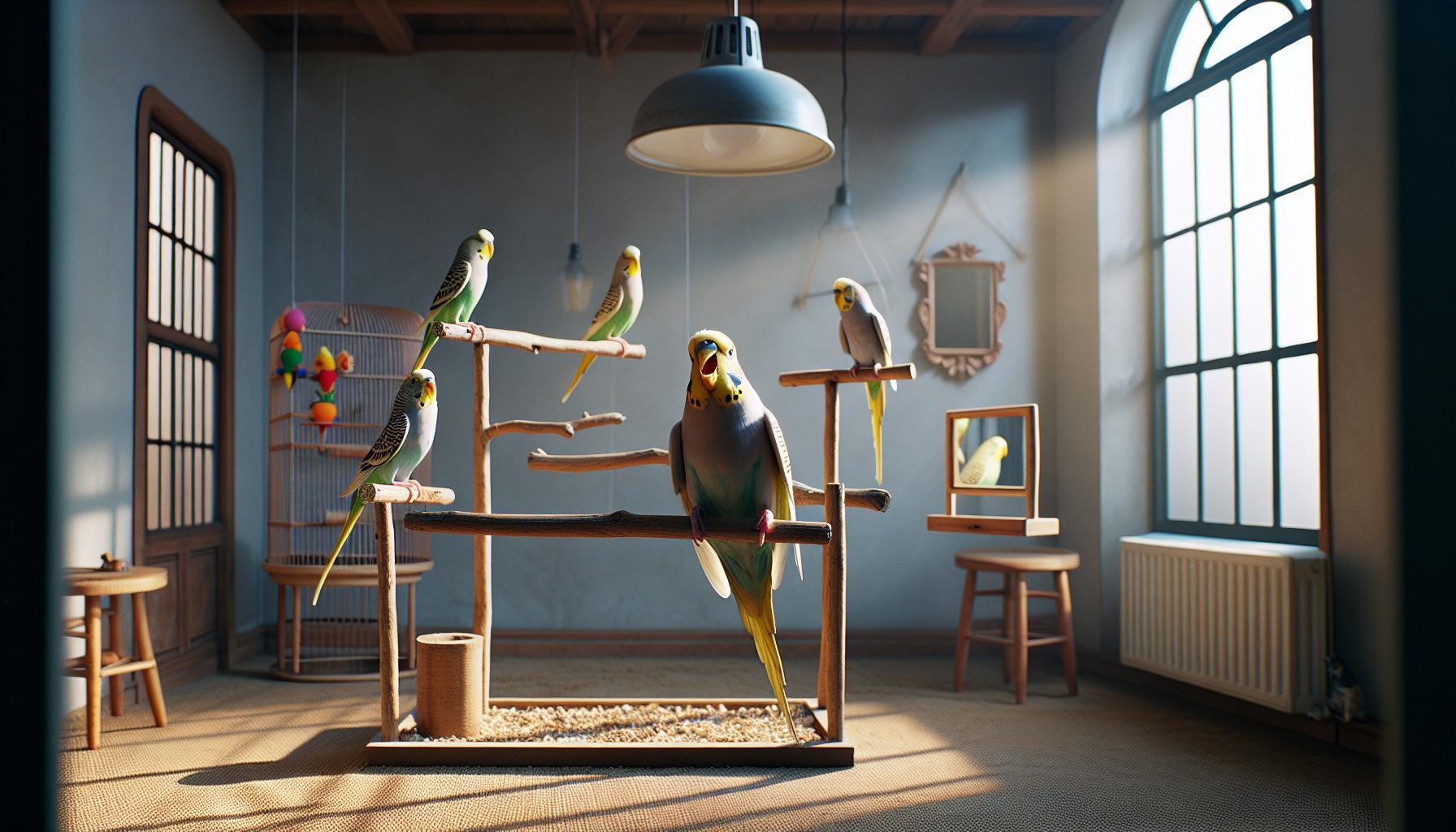
Why Some Parakeets Speak More than Others
Some parakeets have a knack for talking, while others seem content to chirp away without ever mimicking human speech. This variation can often surprise new parakeet owners who may assume that all parakeets are born with the ability to chatter. In reality, the speaking potential of parakeets can depend on a mix of individual personality traits, social environments, and the training they receive.
It’s important to note that some species of parakeets are more predisposed to vocal mimicry than others. For example, the budgerigar, or budgie, is well-known for its ability to learn extensive vocabularies and can easily mimic words and sounds. In comparison, species like the lovebird, while vocal, tend to stick to their natural calls and are less likely to develop talking skills. If you’re considering a parakeet as a potential talker, choosing the right species is crucial.
However, even within species that are known for talking, individual differences play a significant role. Just like people, some parakeets are more outgoing and curious than others, which can influence their willingness to learn and mimic sounds. A parakeet that was socialized early and often exposed to speech may develop a robust vocabulary, while another bird reared in isolation may shy away from vocalization altogether. The relationship between a parakeet and its owner deeply influences this aspect; a bird that receives regular, positive interaction is more likely to experiment with vocalizing.
Moreover, the environment in which a parakeet lives can greatly impact its speaking habits. Birds thrive in stimulating surroundings filled with activities, noises, and social interactions. A lively home with regular conversations can encourage vocalization and mimicry, while a quieter, less interactive setting might lead to fewer attempts at speaking. As such, insight into your parakeet’s behavior can reveal a lot about its potential for speech, allowing owners to implement strategies that promote vocal expression.
Creating an atmosphere that encourages talking involves patience, consistent training, and frequent social engagements. By providing plenty of conversational stimuli and engaging the parakeet regularly, you can significantly enhance its likelihood of becoming a chatty companion.
Common Myths About Parakeet Talking Abilities
The belief that all parakeets can talk is a common misconception among new bird owners. This notion may arise from the captivating sounds and chatter that many parakeets, especially budgerigars (budgies), are known for. However, not every parakeet is destined to be a conversationalist. In reality, some species are far more talkative than others, and individual temperaments within these species can significantly influence vocal abilities.
One prevalent myth is that any parakeet will naturally develop a wide vocabulary if exposed to human speech. While it’s true that parakeets like budgies can learn to mimic words and phrases, not every bird will show the same enthusiasm or propensity for talking. Factors such as age, personality, and socialization play crucial roles. Young, sociable birds are typically more inclined to experiment with sounds compared to older, more reserved ones. This variation can surprise many owners who might expect their feathered friends to easily pick up on speech as soon as they bring them home.
Additionally, there’s a notion that parakeets should always be able to talk by nature. In fact, while parakeets are social and vocal birds, only certain species have a greater likelihood of mimicking human speech effectively. For example, lovebirds, while vocal, generally do not exhibit the same talking abilities as budgerigars. It’s essential to recognize that while preparation and training can enhance a parakeet’s likelihood to talk, it is also heavily influenced by their upbringing and environment.
Further compounding these misconceptions, many believe that simply speaking to their parakeet will guarantee success in teaching it to talk. While conversation is critical, the approach matters immensely. Effective training often includes repetition, positive reinforcement, and ensuring that the bird feels comfortable and engaged during lessons. Creating an enriching environment where the parakeet feels secure to vocalize can foster a more meaningful connection that encourages talking.
In summary, embracing the reality of parakeet vocalization potential can lead to a more enriching experience for both the bird and its owner. Understanding these myths helps to set realistic expectations and equips owners with the knowledge necessary to foster their parakeet’s unique abilities.
Signs Your Parakeet is Ready to Start Talking
The journey to teaching your parakeet to talk begins with recognizing when your feathered friend is ready to embrace vocalization. Understanding these signs can enhance the learning experience and strengthen the bond between you and your parakeet. One of the first indicators that a parakeet is prepared to start talking is when it displays increased curiosity and engagement in its environment. If your parakeet is actively listening to sounds around it, mimicking noises, or trying to interact with toys or other objects, it’s a strong sign it’s open to learning.
Another important cue is vocalization itself. When your parakeet begins to chirp, whistle, or interact with you vocally, it’s indicating a willingness to communicate. This vocal exploration often precedes attempts to mimic human speech. Additionally, if your bird shows interest in your speech-perking up its ears or responding to your voice with its own chatter-this engagement suggests it is ready to learn.
Age also plays a crucial role in a parakeet’s readiness to talk. Typically, younger parakeets are more inclined to imitate sounds compared to older birds. A parakeet around 6 months to 2 years old is often in the prime of its learning phase; this is when they are most likely to absorb sounds and words. If you notice your young parakeet exhibiting playful and social behaviors-such as bobbing its head or flapping its wings during conversations-it’s an opportune moment to introduce simple words and phrases.
Lastly, consider your parakeet’s comfort level in its environment. If your bird appears relaxed, confident, and interacts frequently with you or other family members, it’s a positive indicator that it’s ready to start the talking journey. Creating a safe and loving space for your parakeet will encourage it to experiment with its voice. Engage with your bird during playtime or quiet moments, repeating specific words or phrases in a positive, encouraging tone. This nurturing approach lays the groundwork for your parakeet to feel comfortable enough to express itself through speech.
Top Parakeet Species Known for Their Vocal Skills
The vibrant world of parakeets is not only filled with color and personality but also with a remarkable potential for vocal communication. Among the various species of parakeets, some are particularly renowned for their speaking talents. A standout is the budgerigar, often referred to simply as the “budgie.” Budgies are well-known for their ability to mimic human speech and sounds, making them one of the most popular pet birds worldwide. With a little patience and consistent training, these small birds can learn an impressive vocabulary of words and phrases, often displaying chirpy and playful personalities while doing so.
Another species that boasts impressive vocal abilities is the Indian Ringneck Parakeet. Known for their intelligence and adaptability, these medium-sized parakeets can develop a larger vocabulary than many other species. Their innate curiosity and desire for social interaction encourage them to mimic sounds and phrases, often engaging owners with delightful chatter. Furthermore, their distinct ring around the neck and vibrant plumage make them visually captivating companions.
Notable Vocal Species
- Budgerigar (Melopsittacus undulatus): Budgies are incredibly popular for their mimicry skills. With dedicated training, they can learn not just words but also phrases and even melodies.
- Indian Ringneck Parakeet (Psittacula krameri): These birds are known for their curious nature and ability to articulate complex sounds, often surpassing budgies in vocal repertoire.
- Quaker Parakeet (Myiopsitta monachus): Energetic and social, Quakers can be quite chatty and have a distinctive trill in their communication.
- Alexandrine Parakeet (Psittacula eupatria): This larger parakeet not only enjoys social interaction but also has the capability to mimic human speech efficiently.
Having a parakeet with notable vocal skills can be an enriching experience, offering a blend of companionship and entertainment. While genetics play a role in vocal potential, individual personality traits often influence how much a parakeet will engage in talking. The key takeaway for aspiring bird owners is to choose a species that aligns with their desire for vocal interaction and to provide plenty of opportunities for socialization and training.
Training Techniques to Encourage Your Parakeet to Talk
Training your parakeet to talk can be one of the most rewarding experiences as a bird owner, transforming the relationship between you and your feathered friend into a dynamic interaction filled with vocal companionship. To kickstart this process, it’s essential to create an engaging environment that encourages your bird’s natural curiosity and desire to communicate. Remember, patience and consistency are key!
One effective technique is to start by modeling simple words and phrases clearly and enthusiastically, often using a specific trigger or context. For instance, if you say “hello” every time you enter the room, your parakeet may begin to associate the word with your arrival. Coupled with frequent repetition, it’s helpful to attach certain words to objects or actions, giving your bird meaningful context. When you offer food, say the name of the item, like “seed”, as your parakeet interacts with it. This method not only enriches their vocabulary but also engages their intelligence, making the learning process enjoyable for both of you.
Another valuable tip is to utilize socialization as a training tool. Spend quality time with your bird, speaking to it during playtime or while it is perched on your shoulder. Engage in one-on-one conversations that mimic normal human discourse, which not only helps with speech development but also strengthens your bond. Consider using positive reinforcement; reward your parakeet with a treat or affection when it attempts to mimic a sound or phrase. This not only encourages repeated attempts but also fosters a sense of achievement for your bird.
Lastly, incorporating audio-visual aids can assist in the learning process, though it’s crucial to use them sparingly. Playing recordings of clear speech can reinforce learning, but real-time interactions will always yield better results. As your parakeet gains confidence, celebrate its progress, however small, to keep the momentum going. With time and dedication, your parakeet can become an engaging conversational partner, delighting you with its newfound vocal repertoire.
The Role of Socialization in Parakeet Speech Development
Socialization is a critical element in unlocking your parakeet’s vocal potential. This social species thrives on interaction not only with its own kind but also with humans. Parakeets are naturally curious and communicative, and they learn to talk not just from isolation but from engaging experiences. Spending quality time together can cultivate a friendship where your bird feels safe and encouraged to express itself. When parakeets witness consistent social behavior and vocal sounds from their human companions, they are more likely to mimic these sounds in their attempts to communicate.
To enhance socialization, consider creating structured interaction sessions where you dedicate time solely to interacting with your bird. Use a light, cheerful tone when speaking, as this positivity can stimulate your budgie’s interest. For example, when you’re playing with your parakeet, narrate your actions or describe the environment around you. “Look at that bright yellow sun!” or “You are so clever for playing with your toy!” This not only boosts your parakeet’s understanding of the words but also makes it more likely to start mimicking your speech.
Another outstanding approach involves inviting your bird into your daily routine. Engage in activities where your parakeet can be a part of the action. Let it perch on your shoulder while you cook or talk with family members. The more your parakeet feels integrated into social situations, the more confident it will become in participating vocally. Regular interaction breeds familiarity, and familiarity breeds the comfort needed for your parakeet to vocalize.
Importantly, reward your parakeet for its attempts to communicate. Each time it mimics a word or sound, respond with enthusiasm and treats. This positive reinforcement links vocal attempts with rewarding outcomes, fostering an encouraging environment where your parakeet is inclined to practice its speech. By intertwining social experiences with vocalization, you create not just a parakeet that talks, but one that’s excited to engage in mutual communication.
Environmental Factors That Influence Talking in Parakeets
Creating a rich and stimulating environment is crucial for fostering a parakeet’s vocal abilities. These charming birds are notorious for their social nature, and their surroundings significantly impact their willingness and ability to talk. A well-designed environment not only encourages your parakeet to mimic sounds but also provides a sense of security that is essential for developing its talking potential.
One of the primary factors influencing a parakeet’s vocalization is the level of background noise in its habitat. If your bird resides in a quiet room, it might become less engaged and consequently less vocal. Alternatively, a lively atmosphere where conversations and music are common can spur its desire to join in. Daily interactions with family members, lively dialogues, or even the sounds of a television in the background can enhance your parakeet’s enthusiasm for speaking. Parakeets are naturally curious and they often imitate sounds they hear frequently, so consider introducing music or even audiobooks as part of their daily life.
Another key aspect is the spatial layout of your bird’s environment. Parakeets are keen observers and may become more vocal when they have a vantage point to observe human interaction. Positioning their cage in a busy area of the house allows them to experience social dynamics, giving rise to a more communicative disposition. Make sure to provide various perches and engage toys, which not only stimulate their playfulness but also create a lively atmosphere that encourages vocal experimentation.
Importantly, lighting can also play a role in your parakeet’s willingness to vocalize. A well-lit space can stimulate activity and openness, while dim or poorly lit areas may cause your bird to become more reclusive. Setting up a consistent day-night cycle with exposure to natural light or safe UV lighting mimics a natural habitat, thereby boosting their energy levels and encouraging more vocal behavior.
In summary, ensuring a dynamic and engaging environment for your parakeet encompasses a blend of sound, spatial arrangement, and lighting. By crafting such an ecosystem, you empower your feathered companion to freely express its voice, paving the way for a more communicative and interactive relationship.
How to Create a Stimulating Talking Environment
Creating the perfect environment for your parakeet to thrive and potentially learn to talk involves more than just a comfortable cage and some toys; it’s about crafting a space that stimulates their natural curiosity and social nature. Parakeets are incredibly social creatures, and just like people, they flourish in dynamic environments that engage their senses and inspire interaction. The more they feel part of the household, the more likely they are to express themselves vocally.
One of the most effective strategies is to increase the ambient noise level. Daily conversations, playful exchanges, and even music can create an inviting atmosphere. Parakeets often mimic sounds they hear frequently, so consider playing various types of music or leaving the radio on during the day. Engaging with your bird is equally important-talk to them often, and use a variety of pitches and tones. This not only provides them with a model to imitate but also strengthens your bond.
Creating Engaging Spaces
The physical setup of your parakeet’s environment also plays a crucial role. Aim to place the cage in a lively part of the home where the bird can observe daily activities. This positioning allows them to take note of human interactions and may entice them to join in vocally. Additionally, providing a variety of perches at different heights, as well as stimulating toys and climbing structures, encourages exploration and play, which can lead to more vocalization.
Visual stimulation is key, but don’t overlook the importance of lighting. Parakeets benefit from natural light, which regulates their circadian rhythms and promotes activity. A well-lit space can invigorate your bird, while dim areas might encourage them to retreat and be less vocal. Consider using safe UV lighting if natural sunlight is limited, as it can help mimic their natural habitat.
As you create a stimulating environment, consider incorporating daily routines that encourage vocalization. Short, playful training sessions focused on specific sounds or phrases can be effective, especially when combined with positive reinforcement. Make these moments enjoyable, and remember, patience is essential-it may take time for your parakeet to develop confidence in speaking.
In essence, to foster a stimulating talking environment for your parakeet, emphasize auditory, physical, and visual enrichment. Frequent interaction, a lively atmosphere, and an engaging space will nurture your feathered friend’s vocal talents, paving the way for delightful conversations in your home.
Troubleshooting: What to Do If Your Parakeet Won’t Talk
If your parakeet isn’t talking, don’t be discouraged. There are many factors affecting vocalization that can be addressed with simple adjustments and a little patience. First, ensure that your feathered friend is feeling secure in their environment; stress can significantly hinder a parakeet’s willingness to speak. Observe your bird’s behavior: if they seem shy or withdrawn, consider creating a safer, quieter space away from overwhelming stimuli.
Strengthening your bond with your parakeet is crucial. Engaging more often through gentle conversation can encourage mimicry. Choose a calm moment each day to interact with your bird, using a soft voice and positive reinforcement when they respond. Using some treats during these conversations can foster an encouraging atmosphere.
Explore Their Preferences
Every parakeet has its personality. Some are naturally more vocal than others, and it’s essential to identify what motivates your specific bird. While some may respond well to training sessions, others might enjoy just listening to you talk or sing. You might find that certain sounds or types of music captivate their attention more than others, sparking their curiosity and encouraging them to mimic those sounds. Incorporate these preferences into your daily routine, and you may see a boost in vocalization over time.
Practice Consistency and Patience
Training your parakeet to talk requires consistency. Establish a daily routine that includes both social interaction and vocal training, typically in 5 to 15-minute sessions. Use repetitive phrases that are short and clear, such as “hello” or “pretty bird.” A calm, predictable environment can foster comfort, allowing your parakeet to feel more confident as they experiment with sound.
Lastly, remember that not all parakeets will become talkers. Factors like age, species, and individual temperament play significant roles. Providing a nurturing environment filled with love and interaction is vital, even if your pet isn’t a chatterbox. Focus on the joy of companionship; the bond you share is invaluable, regardless of their vocal ability.
The Emotional Benefits of a Talking Parakeet
There’s a unique joy in sharing your life with a parakeet that talks. The sound of a little voice echoing throughout your home not only lightens the atmosphere but also fosters a deeper emotional connection between you and your feathery friend. These engaging birds, particularly species like the budgerigar, have an extraordinary knack for mimicry, turning everyday interactions into delightful exchanges. When a parakeet begins to speak, it can invigorate your living space, transforming simple routines into cherished moments marked by laughter and companionship.
Having a talking parakeet can also significantly alleviate loneliness. The experience of training your bird to talk requires time and dedication, which naturally strengthens your bond. Engaging with them in conversation, where they respond with their own words, brings a sense of joy that goes beyond what many other pets offer. Hearing your bird pick up phrases or songs can be a wonderful affirmation of the interaction and care you give them. Each new word learned becomes a small milestone-something to celebrate and an indication of the connection you’ve cultivated.
Moreover, the emotional benefits extend beyond just companionship. Talking parakeets actively encourage nurturing behaviors. They thrive on positive reinforcement and socialization, which means you will find yourself more attuned to their needs, leading to a more enriching pet experience. This reciprocal relationship can lead to increased happiness and lower stress levels for both parties. The playful banter, however simple, creates an environment of laughter and joy-qualities that can positively influence your mental health.
In essence, a talking parakeet is not just a pet; it’s a source of comfort and emotional uplift. Whether they serenade you with amusing phrases or simply chatter away during your day, the light they bring into your home is profound. Their ability to communicate can turn your humble abode into a lively sanctuary, one where every chirp and word can transform a mundane moment into something truly memorable.
Comparative Analysis: Talking Parakeets vs. Other Birds
Parakeets are not just charming companions; they also stand out as some of the most skilled avian mimics among pet birds. This attribute sparks curiosity about how they compare to other bird species known for their vocal abilities. While many birds can produce a melodious song or calls, few can imitate human speech and sounds with the finesse of parakeets, especially budgerigars. Their capacity for vocalization makes them ideal pets for those looking to engage with a talking bird.
When it comes to vocal talents, not all bird species are created equal. For instance, species like cockatoos and macaws are known for their whistle and chatter, but their ability to mimic speech varies greatly. Parakeets, specifically budgerigars, can develop an extensive vocabulary, often learning 50 or more words and phrases with proper training and socialization. Other birds, like the African grey parrot, are celebrated for their incredible intelligence and mimicry skills, but they require significant interaction and mental stimulation to thrive.
The Talking Champions: Parakeets vs. Other Birds
To give you a clearer picture, here’s a comparison of some popular talking bird species:
| Species | Average Vocabulary Size | Social Interaction Needs | Care Requirements |
|---|---|---|---|
| Budgerigar (Parakeet) | 50+ words | High | Moderate; requires a varied diet and social engagement |
| African Grey Parrot | 100-200+ words | Very High | High; needs mental stimulation and space to exercise |
| Cockatoo | Varies (less common talkers) | Very High | High; requires constant companionship and mental engagement |
| Amazons | 50-100 words | High | Moderate; needs a varied diet and mental challenges |
Parakeets excel due to their relatively lower social interaction demands compared to species like African greys or cockatoos. This makes them a great choice for beginners who wish to experience the joy of a talking bird without the complexity of care that comes with larger parrots. Additionally, because parakeets are social creatures, they thrive on interactions with their human companions, creating an affectionate bond that empowers them to mimic words and songs.
In focusing on training, a deliberate approach with consistent repetition and positive reinforcement can yield impressive results with parakeets. Unlike many birds that may become bored with repetitive training, parakeets often find joy in learning new phrases, making the process as enjoyable for owners as it is for the birds themselves. Thus, while many birds possess vocal abilities, the combination of capability, ease of training, and the depth of interaction offered by parakeets makes them uniquely special within the avian world.
Frequently Asked Questions
Q: Can all parakeets learn to talk?
A: While all parakeets have the ability to mimic sounds, not all will learn to talk. Male parakeets generally have better vocal skills compared to females due to their instinctive need to attract mates with their voices. Factors like socialization and training also influence their talking potential.
Q: What can I do to encourage my parakeet to talk?
A: To encourage your parakeet to talk, engage in regular voice training with short, repetitive phrases. Provide a stimulating environment filled with interactions, toys, and positive reinforcement. Consistency and patience are key to helping them develop their speaking skills.
Q: Why do some parakeets talk better than others?
A: The ability of some parakeets to talk better than others is influenced by various factors, including age, genetics, environment, and training. Male parakeets are generally more vocal, and regular interaction boosts their confidence in mimicking human speech.
Q: At what age can parakeets start to talk?
A: Parakeets can start to talk as early as 3 to 6 months old. Young parakeets are more likely to learn quickly, but consistent, positive socialization and training will continue to improve their vocal abilities as they mature.
Q: What are some common phrases parakeets can learn to say?
A: Common phrases that parakeets can learn include simple greetings like “hello,” “goodbye,” or their name. They often pick up sounds associated with household activities or repeated phrases that they hear frequently during interaction.
Q: How long does it take for a parakeet to learn to talk?
A: The time it takes for a parakeet to learn to talk varies widely, typically ranging from a few weeks to several months. Regular practice, positive reinforcement, and social interaction are crucial for speeding up this process.
Q: Can female parakeets talk just like males?
A: While female parakeets can learn to talk, they typically talk less than males. This is partly due to their lower need to vocalize for mating purposes. With proper training and encouragement, however, they can still develop a limited vocabulary.
Q: What environmental factors affect a parakeet’s ability to talk?
A: Environmental factors affecting a parakeet’s talking ability include the level of social interaction, the presence of other talking birds, and the sounds in their environment. A stimulating, noisy environment encourages vocalization, while isolation may inhibit it.
These FAQs provide insights into parakeets’ talking potential while linking back to the relevant sections in your article for further reading. For more details on training techniques and species known for vocal skills, refer to the respective sections in your article.
The Way Forward
As we wrap up our exploration of whether all parakeets can talk, remember that their speaking potential can vary greatly based on species, individual personality, and your engagement with them. If you’re eager to foster your feathered friend’s communication skills, check out our detailed guide on parakeet training techniques and the best practices for enhancing their vocalizations. Don’t miss our article on common parakeet behaviors to understand your pet better and ensure they thrive!
Feeling inspired? Now is the perfect time to subscribe to our newsletter for more bird care insights and tips. Join our community of passionate bird lovers and share your own parakeet stories in the comments below-we’d love to hear how your pets express themselves! For those curious about other avian companions, explore our section on budgerigar care to find extensive resources tailored just for you. Embrace the joy of bird ownership and let’s keep the conversation going!
Get our latest guides, news, and insights highlighted in your Google Search & AI Overviews.