

Did you know that parakeets are some of the most social birds in the avian world? Their vibrant personalities and playful antics can brighten any home. However, many potential bird owners wonder if it’s okay for these feathered friends to live alone. In this guide, we’ll explore whether parakeets can thrive as solitary pets while addressing your concerns about their well-being. Understanding the social requirements of parakeets is crucial for ensuring they maintain their health and happiness. Whether you’re a first-time bird owner or a seasoned enthusiast, you’ll gain valuable insights into solitary care, including tips on companionship, enrichment, and diet tailored for solo living. Join us as we dive into the fascinating world of parakeets and learn how to create a fulfilling environment for your single bird buddy!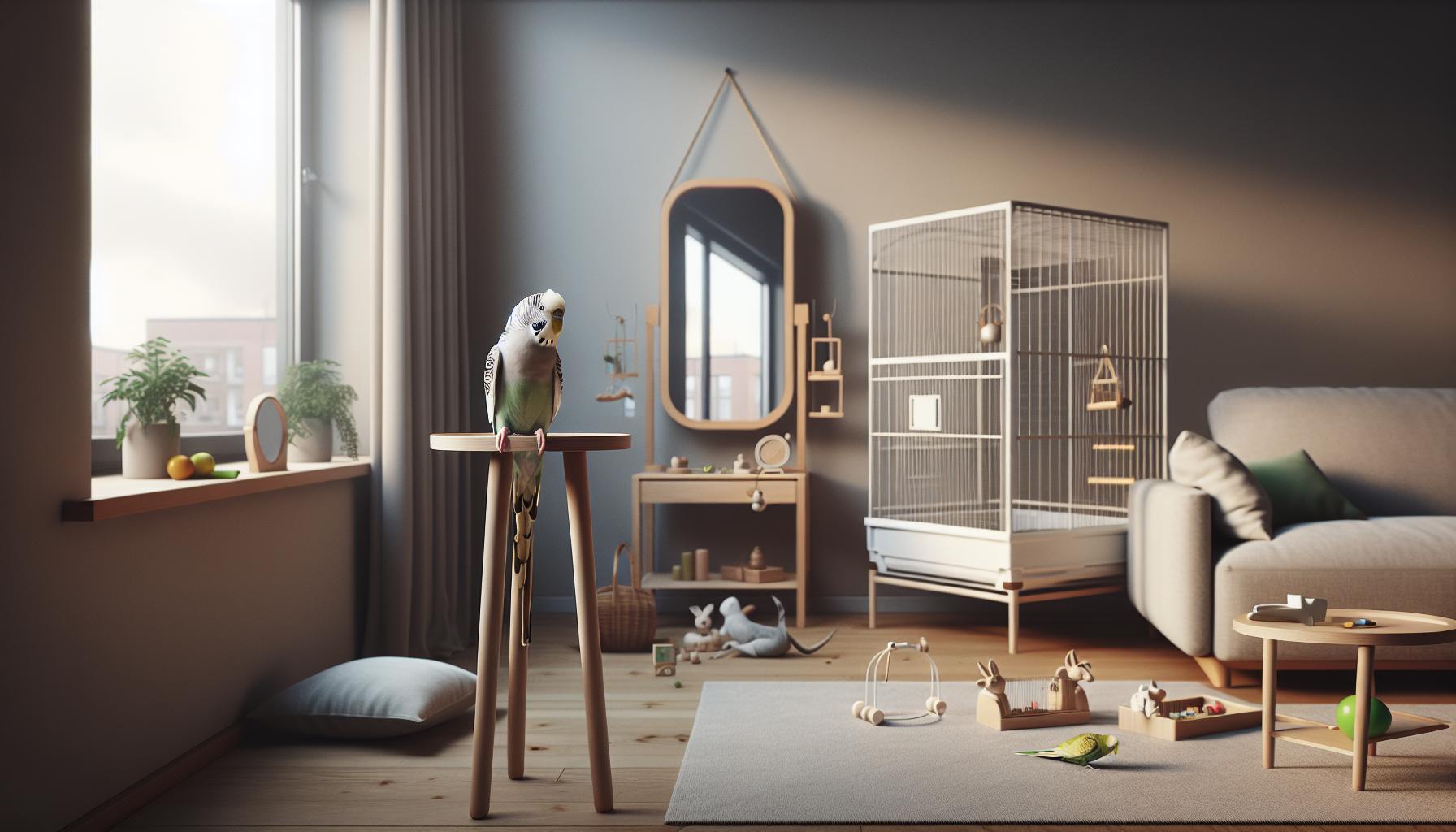
Can Parakeets Thrive Alone? Understanding Solitary Living
Many bird enthusiasts often wonder if a parakeet can thrive when kept alone, and the answer is not as straightforward as one might think. While parakeets are naturally social creatures that often thrive in flocks, individual birds can adapt to solitary living, provided their emotional and physical needs are adequately met. This adaptability can be especially true in environments where they receive plenty of interaction and enrichment from their human companions. Nonetheless, the key to a thriving solo parakeet lies in how well you can substitute for the flock experience they are inherently accustomed to.
Social interactions are crucial for the emotional well-being of parakeets. They exhibit a range of behaviors that are indicative of their overall happiness or distress. If you’re considering the solo route, it’s vital to recognize that, even if they can live alone, they will require consistent companionship-namely your attention, playtime, and social engagement. Birds often express boredom through behaviors such as feather plucking or screaming. To avert this, dedicating time daily for interaction, such as talking, training, and playing, forms the cornerstone of a parakeet’s well-being.
Creating a stimulating environment similar to a flock can greatly enhance the solitary living experience for your parakeet. This includes providing various toys, perches at different heights, and safe spaces where they can feel secure and explore. Introducing puzzle toys or foraging opportunities can keep their minds active and reduce feelings of loneliness. Remember, parakeets are not just pets; they are sentient beings that require mental and emotional stimulation to flourish, no matter their living situation.
In conclusion, while solitary living is possible for parakeets, it hinges on the effort made by owners to fulfill their emotional and environmental needs. Providing ongoing interaction, a rich array of mental challenges, and a secure living space not only supports the well-being of your feathered friend but also creates a fulfilling relationship that can be deeply rewarding.
The Emotional Needs of Parakeets: More Than Just Companionship
Parakeets are vibrant little beings that not only charm us with their colors and chatter but also require a nuanced understanding of their emotional needs to thrive, especially in solitary settings. While these birds are social creatures by nature, often found in large flocks in the wild, a single parakeet can adjust to living alone. The success of solitary living, however, hinges on the owner’s commitment to meeting their emotional and mental well-being.
The emotional landscape of a parakeet encompasses more than just a need for companionship; it includes the need for security, engagement, and stimulation. For those with a single parakeet, understanding the signs of contentment versus distress is crucial. Engaging with your bird through playtime, gentle talking, and training can foster a robust bond. Actions such as mimicking their sounds can also provoke interaction, as parakeets are naturally inclined to respond to audio cues from their environment, which can prevent feelings of isolation.
Key Emotional Needs
- Consistency in Interaction: Regular daily interaction is vital. Birds can become bored or stressed without enough stimulation-think of how you might feel in a quiet room without entertainment.
- Safe Spaces: Providing hiding spots within the cage-like covered perches or hanging tents-gives your parakeet a sense of security and places to retreat when feeling overwhelmed.
- Variety of Engagement: Offering different types of toys, rotating them frequently can keep their environment fresh. Look for multi-use toys that encourage foraging and mental challenges.
If you notice signs of distress-such as excessive vocalization, aggression, or feather plucking-it’s essential to reassess your engagement methods. Creating a communicative relationship with your parakeet can significantly enrich their solitary living experience and prevent feelings of loneliness or boredom. Consistently addressing these emotional needs can lead to a fulfilling life for both you and your feathered companion. By filling their world with love and stimulation, you’ll ensure that your parakeet not only survives but also thrives in its solitary habitat.
Assessing Your Parakeet’s Personality: The Lone Bird vs. Socialite
Understanding whether your parakeet can thrive in solitude begins with evaluating its personality traits. Just as humans exhibit a spectrum of social behaviors, parakeets also showcase varying degrees of sociability, ranging from the beloved social butterflies that thrive on interaction to the more independent types that can be quite comfortable alone. This awareness is critical for any owner contemplating solitary care.
When assessing your parakeet’s personality, look for clues in its behavior. A bird that is eager to engage during playtime, vocalizes enthusiastically, or seems distressed when alone likely falls into the socialite category. These birds may require additional companionship-whether from their human caregivers or even another bird-to remain happy and healthy. In contrast, a lone bird that enjoys quiet moments, displays comfort in self-play with toys, and maintains a calm demeanor when not being interacted with might be content in solitary settings.
It’s important to remember that just like individual humans, parakeets can also change over time. A once social parakeet may become more reserved as it ages, or vice versa, influenced by its environment or past experiences. Observing your parakeet over time will provide greater insights into its evolving personality. Engaging with your bird during daily routines allows you to gauge its needs better. If interactions consistently lead to a positive response, your parakeet likely appreciates companionship. On the other hand, if it seems indifferent or even annoyingly confrontational at times, it may prefer its own space.
To create a harmonious living situation, assess your parakeet’s personality and adjust your interactions accordingly. For socialites, focus on creating opportunities for engagement through interactive play and training, while also considering the addition of another bird. For the lone bird, ensure their cage is equipped with stimulating toys and safe hiding spaces to maintain a sense of security. By carefully observing and interpreting these behavioral cues, you can better tailor your care approach, supporting your parakeet’s happiness, whether it flourishes as a socialite or finds comfort in solitude.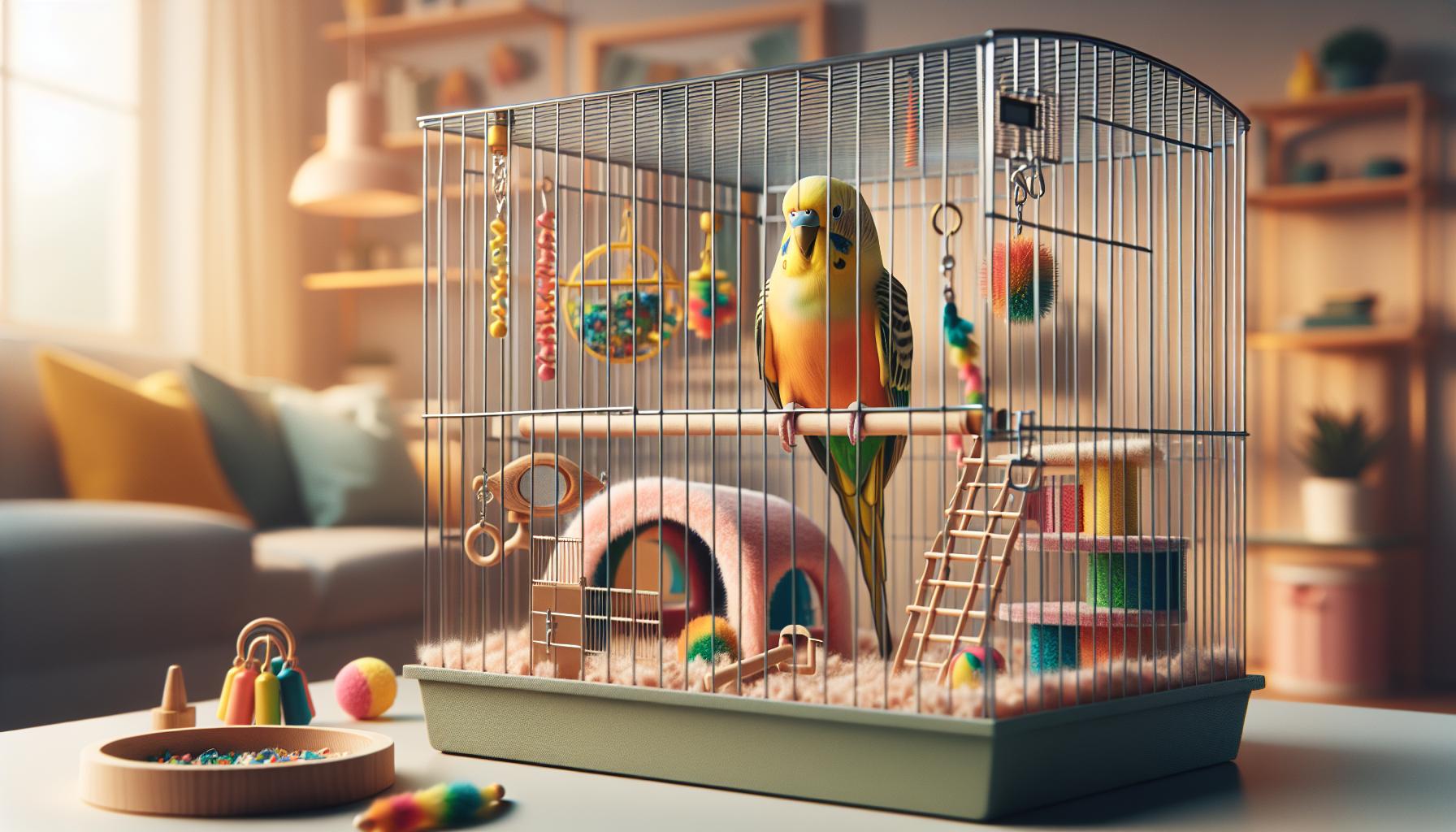
Creating a Stimulating Environment for a Solo Parakeet
Creating an engaging environment for a solo parakeet is crucial in ensuring its overall well-being and happiness. Parakeets are naturally curious and playful birds, and a stimulating setup can significantly enhance their quality of life, even when they live alone. A well-arranged cage and surrounding play area can transform an ordinary space into an aviary adventure, filled with exploration and interaction.
To start, cage size and layout play a vital role in your parakeet’s happiness. A spacious cage allows for ample movement, essential for their physical health. Look for a cage that is at least 24 inches wide, 18 inches deep, and 24 inches high. This gives your parakeet room to stretch its wings and climb. Inside the cage, incorporate various perches of different diameters and textures. Natural wood perches are ideal as they mimic their natural habitat, while also helping to keep their feet healthy.
Environmental Enrichment
In addition to physical space, the cage should be a hub of environmental enrichment. Adding toys to the mix-like swings, ladders, and foraging toys-can stimulate both the body and mind. Toys that encourage problem-solving, such as puzzles or treat dispensers, keep your parakeet engaged and reduce boredom. Remember to rotate toys regularly to maintain interest.
Here are some additional enrichment strategies:
- Foraging Opportunities: Hide food around the cage or use foraging toys that require your parakeet to work for treats.
- Visual Stimulation: Place mirrors (safe and bird-friendly) to provide social interaction, reflecting your parakeet’s movements and sounds.
- Safe Natural Branches: Include branches from untreated woods as both climbing structures and chewing opportunities.
Companionship Through Interaction
While a solo parakeet may not have another bird for company, it can still enjoy social interaction with you. Spend time talking to your bird and engaging in activities that stimulate its curiosity. Teach simple tricks with repetition and positive reinforcement. Your voice and presence can be very comforting, shaping a bond that replaces the need for another feathered friend.
By focusing on these aspects, you can create a lively and stimulating environment for an independent parakeet. This not only keeps them engaged but also promotes their overall happiness and health, making sure that they thrive in solitary living.
Essential Care Tips for Single Parakeet Ownership
It might be hard to believe, but a single parakeet can live a fulfilling, happy life when provided with the right care and environment. The key to ensuring that your solo bird thrives lies in understanding its needs and crafting a nurturing atmosphere. Begin with a spacious cage that not only allows for movement but also encourages physical activity; a minimum of 24 inches in width, 18 inches in depth, and 24 inches in height is ideal. Within this space, utilize different perches to allow for climbing and exploration, and don’t forget to include toys that stimulate both mind and body.
Providing social interaction and mental stimulation is critical. Spend quality time with your parakeet through activities like talking, singing, or even learning tricks together. Despite being alone, a bird can develop a strong bond with its human companion. Incorporate daily playtime out of the cage-this exposure allows your parakeet to engage more fully with its environment. During these interactions, observe your bird’s reactions; they can be quite telling of their feelings and needs.
Nutrition is another cornerstone of care for a lone parakeet. Aim for a balanced diet mainly of high-quality seed mixes, supplemented with fresh fruits and vegetables. Offering a variety of foods will not only meet their nutritional needs but also serve as an engaging activity for your parakeet. Additionally, make sure that fresh water is available at all times to keep your bird hydrated and healthy.
Lastly, think about the importance of enrichment activities. Interactive toys, foraging challenges, and even safe household items can be great for keeping your parakeet engaged throughout the day. Rotate toys regularly to sustain interest and prevent boredom. By closely monitoring your parakeet’s behavior and adjusting care as needed, you can foster a harmonious, enriching environment where your solo feathered friend can truly thrive.
Solitary Housing: Cage Setup and Environment Essentials
When it comes to providing the right environment for a solo parakeet, the cage setup is a crucial factor that significantly influences their happiness and well-being. A spacious cage is not just a luxury; it’s a necessity. Ideally, opt for a cage that measures at least 24 inches in width, 18 inches in depth, and 24 inches in height. This provides enough room for your parakeet to spread its wings, explore, and exercise, which is vital for their physical and mental health.
To enhance your parakeet’s living space, consider adding various perches at different heights. This setup not only mimics their natural habitat but also encourages climbing and play. Choose perches made from natural wood, as they offer better grip and help maintain the bird’s foot health. Manipulating the arrangement of these perches allows you to create zones within the cage, enabling your parakeet to engage in varied activities throughout the day.
Decoration is another essential element of a stimulating cage environment. In addition to perches, incorporate a range of toys that target both mental and physical stimulation. For instance, rotate chew toys, foraging puzzles, and hanging toys weekly to keep your parakeet entertained and challenged. Providing opportunities for foraging-scattering some food or treats among the toys-can turn mealtime into an engaging activity.
Don’t forget about the cage’s location within your home. Place the cage in a lively area where the parakeet can observe daily household activities, but be cautious to avoid direct sunlight. A warm, well-lit but not overly bright area can help your feathered friend feel included and less isolated. Making a concerted effort to establish a vibrant cage environment will undoubtedly support a solo parakeet’s well-being, allowing them to thrive, explore, and express their natural behaviors even without the company of another bird.
Feeding a Loner: Nutrition for the Independent Parakeet
Feeding a parakeet well is crucial for its overall health and happiness, especially when it lives alone. In the wild, parakeets thrive on a diverse diet that includes seeds, fruits, vegetables, and nuts, allowing them to enjoy varied flavors and textures. When you’re caring for a single parakeet, replicating this diversity at home becomes essential to prevent boredom and ensure nutritional balance.
Start with a high-quality pelleted diet specifically formulated for parakeets. Pellets provide essential vitamins and minerals that might be lacking in a seed-only diet. While seeds can be a tasty and enjoyable treat, they should only constitute a small part of their daily intake-about 20% or less. Instead, fill the remaining portion of their diet with a colorful array of fresh fruits and vegetables. Some great options include:
- Fruits: Apples, bananas, berries, and melons.
- Vegetables: Carrots, spinach, broccoli, and bell peppers.
Cut these foods into small, manageable pieces to make eating easier and more enjoyable for your parakeet. Introduce new foods gradually, and pay attention to your bird’s preferences. If they seem hesitant at first, don’t be discouraged-it’s normal! Keep offering those foods while mixing in their favorites to encourage exploration.
Additionally, consider incorporating foraging opportunities into their feeding routine. By scattering some food among toys or hiding treats in small puzzles, you can stimulate their natural foraging instincts. This not only keeps them engaged but also enhances their mental well-being, especially in solitary living situations.
Remember to provide fresh water daily and monitor their intake, as hydration is key to their health. Avoid sugary or salty snacks, and be cautious about providing avocado or chocolate, as these can be toxic. Regularly assess your parakeet’s weight and health to make adjustments in their diet as needed, ensuring they maintain a healthy body condition while thriving in their solo environment.
Mental Health Matters: Avoiding Loneliness in Parakeets
Maintaining a parakeet as a solitary pet can lead to unique challenges, especially regarding their mental health. Unlike dogs or cats, parakeets are naturally social creatures and thrive on interaction, both with their own kind and with their human caregivers. While it’s entirely possible for a parakeet to live alone, recognizing the signs of loneliness and acting promptly to mitigate its effects is essential for your feathered friend’s mental well-being.
To ensure a single parakeet doesn’t feel isolated, implementing a variety of engaging activities is key. Regular interaction is critical-spend time talking to your parakeet, as they often enjoy the sound of human voices. You can also encourage mimicry by teaching them simple phrases or sounds. In addition to verbal communication, consider introducing interactive toys that challenge their intellect and stimulate their curiosity, such as puzzle feeders or foraging toys. A well-thought-out environment filled with engaging activities can help reduce feelings of loneliness and keep your parakeet mentally agile.
Another aspect to consider is the creation of a stimulating environment. This includes offering a range of perches at different heights, swings, and even safe plants for them to explore. Rotate toys regularly to keep their habitat fresh and exciting. Parakeets can also benefit from visual stimulation, so placing their cage near a window or in a busy area of your home can provide them with elements to observe, such as people passing by or other wildlife outside.
Despite your best efforts, it’s important to recognize signs that your parakeet might be struggling with loneliness. Signs such as excessive vocalization, plucking feathers, or lethargy can indicate distress. If these symptoms arise, reconsider your engagement strategies or seek advice from an avian veterinarian. By being proactive and attentive, you can help ensure that your solitary parakeet enjoys a fulfilling and enriching life, making your home a vibrant and happy place for both of you.
Enrichment Activities for Solo Parakeets: Keeping Them Engaged
To keep a solo parakeet engaged and stimulated, a dynamic approach that combines physical, mental, and social elements is essential. These intelligent birds thrive on interaction and can easily become bored, leading to destructive behaviors or health issues. Incorporating a variety of enriching activities into their daily routine can help create a vibrant atmosphere that ensures your solitary feathered friend remains happy and healthy.
One of the most effective methods to engage your parakeet is through interactive toys and activities. Consider investing in puzzle feeders that challenge their problem-solving skills while rewarding them with treats. These toys not only promote foraging behavior-natural instinct in wild parakeets-but also encourage independent play. You can also create simple DIY toys from household items, like cardboard tubes filled with shredded paper, to stimulate their curiosity. Regularly changing out toys keeps their environment fresh and exciting, preventing monotony.
Social interaction is crucial even for a parakeet living alone. Spend quality time each day talking to your bird, as they enjoy mimicking sounds and phrases. Establishing a routine where you engage with your parakeet through playtime or training not only reinforces their bonding with you but also fosters their cognitive skills. Try teaching them tricks, such as stepping up onto your finger or even mimicking words. This not only enriches their mental life but satisfies their social needs.
Creating a visually stimulating environment is another key aspect to consider. Position their cage in an area where they can observe the outside world or where there’s a lot of household activity. Birds are naturally curious and will appreciate watching people, other pets, or even outdoors events like birds at a feeder. You can also add safe, live plants that they can explore, as this adds an element of discovery to their space.
Finally, it’s important to monitor their behavioral cues. Signs such as excessive vocalization or feather plucking can indicate boredom or loneliness. If you notice these behaviors, reevaluate the array of stimuli you provide. Increased interaction or new activities may be necessary to revitalize your parakeet’s spirits. With thoughtful attention and a variety of engaging activities, your solo parakeet can lead a fulfilled life, full of joy and stimulation.
Signs of Loneliness in Parakeets and How to Address Them
Parakeets are remarkably social creatures, and even a solo bird can communicate nuanced emotions and experiences. However, isolation can lead them to exhibit signs of loneliness, which may manifest in various behavioral changes. Observing your feathered friend closely can help you identify these signs early, ensuring you can take appropriate action to enhance their well-being.
One key indicator of loneliness is excessive vocalization. While parakeets are naturally chatty, a sudden increase in squawking or screeching can suggest they are seeking attention or companionship. Another serious sign to watch for is feather plucking or over-preening, which may arise from stress or boredom. If your parakeet seems disinterested in previously enjoyed interactions or toys, this withdrawal can also signal that they are feeling isolated.
To address these issues, actively engage your parakeet in both play and interaction. Schedule daily routines where you talk to them, encouraging mimicry and socialization. Incorporate stimulating toys, particularly those that promote foraging behavior, which caters to their natural instincts. Regularly rotating toys keeps their environment fresh and engaging. If you notice persistent signs of loneliness, consider adopting a second parakeet, but be aware that introducing new birds requires careful acclimatization to avoid stress or aggression.
Another useful strategy is to create a more stimulating environment. Position their cage in a lively area of your home where they can observe daily activities, and add diverse perches and safe plants for exploration. Regularly evaluate your bird’s behavior and mental state, making adjustments as necessary. With vigilant care and an understanding of their emotional needs, you can help ensure your parakeet thrives, even as a solitary companion.
Comparing Solo Living vs. Social Living: A Parakeet’s Perspective
Parakeets are truly remarkable creatures, showcasing rich social interactions within their flocks. While it may seem feasible for a solitary parakeet to live in isolation, understanding the nuanced differences between solo living and social living is crucial for any responsible pet owner. The vibrant social structures that parakeets naturally belong to greatly influence their behavior and emotional well-being.
When comparing life as a lone bird versus one in a flock, parakeets display varied emotional responses and behaviorial adaptations. In a group setting, parakeets engage in constant communication; they chirp, preen each other, and participate in playful antics, all of which stimulate their minds and reinforce social bonds. These activities help mitigate loneliness and provide essential social enrichment. However, in solitary living, a parakeet lacks this interactive stimulation. It is incumbent upon the owner to compensate for this absence by providing engaging activities, ample interaction, and a dynamic environment filled with toys and challenges. The way a solitary parakeet interacts with its human companions can be radically different-sometimes displaying more affectionate behavior in search of companionship, yet also requiring greater mental stimulation to avoid boredom.
For instance, a solo parakeet may lean heavily on its human caregivers for social interaction and play. This can lead to strong bonds and affectionate displays, such as mimicking sounds or even dancing. On the flip side, the lack of other birds can amplify issues associated with loneliness, like excessive vocalization or plucking feathers. These signs serve as vital cues for owners to adjust their care practices. Introducing a second parakeet may alleviate some of these challenges, but it requires skillful introduction and management to prevent stress and territorial disputes.
Ultimately, understanding these dynamics is essential for enhancing the life of a solitary parakeet. Owners must take intentional steps to replicate social interactions-through regular engagement, stimulating activities, and environmental enrichment-to ensure their pet leads a fulfilling life. Balancing these needs successfully allows you to enjoy the unique joy of having a parakeet, whether it’s flying free, chirping happily, or simply sharing a quiet moment together. By actively participating in your parakeet’s world, you can cultivate a vibrant environment that brings out the best in your feathered friend, regardless of their solo status.
Expert Insights: Veterinarian Recommendations for Solitary Care
For anyone considering owning a parakeet as a solitary pet, it’s essential to understand the unique needs of these vibrant birds. Veterinarians emphasize that while parakeets can indeed adapt to living alone, their emotional and social requirements must be met to ensure their well-being. One of the first recommendations from experts is to establish a strong bond with your parakeet through consistent interaction and companionship. This involves not just talking to them but actively engaging in play, allowing them to explore, and providing opportunities for them to mimic sounds. Such interactions simulate the social behaviors they would typically engage in with other birds.
Creating a Supportive Environment
Veterinarians also highlight the importance of creating a stimulating environment. Parakeets are intelligent creatures that thrive on mental challenges. Owners should consider incorporating a variety of toys, puzzles, and foraging opportunities to keep their parakeet mentally engaged. Regularly rotating toys can prevent boredom and encourage play. Furthermore, it’s advisable to place the cage in a common area of the home where the parakeet can observe family activities. This not only keeps them socially stimulated but also allows them to feel included in household dynamics.
Maintaining Health and Well-being
Nutritional health is another critical component. Experts recommend a balanced diet that includes high-quality pellet food, fresh fruits, and vegetables, alongside occasional seeds as treats. It’s crucial to monitor their weight and overall health progressively, as such changes can indicate stress or boredom-common issues among solitary parakeets. Regular veterinary check-ups are vital not just for preventive health care but also for ensuring that any behavioral issues related to loneliness are addressed promptly.
In summary, while solitary living can be suitable for parakeets, owners must proactively foster a rich and interactive environment to support their emotional and social needs. By committing to these care strategies, you’re not only meeting your parakeet’s requirements but also building a rewarding relationship that enhances their quality of life.
Faq
Q: Can a single parakeet be happy living alone?
A: Yes, a single parakeet can be happy if its emotional and environmental needs are met. To ensure well-being, provide ample mental stimulation, toys, and interaction with humans. This helps mitigate loneliness and promotes a fulfilling life. For more tips, check the section on creating stimulating environments.
Q: How often should I interact with my solo parakeet?
A: Interact with your solo parakeet daily, ideally for at least 1-2 hours. Regular social interaction is essential to prevent feelings of isolation. Engage in activities like talking, training, or playtime to strengthen your bond and enhance their well-being.
Q: What are the warning signs that a parakeet is lonely?
A: Signs of loneliness in parakeets include excessive vocalization, feather plucking, decreased activity, and lethargy. If you notice these behaviors, assess their environment and increase interaction or enrichment to support their mental health.
Q: Can I keep a parakeet alone if it is bonded to me?
A: Yes, a parakeet that is well-bonded to you can thrive alone, provided it receives plenty of attention and stimulation. Regular interaction and a diverse environment are key to ensuring their happiness and health.
Q: Should I consider getting a second parakeet for my solo bird?
A: Introducing another parakeet can be beneficial, but it’s not necessary if your current bird receives adequate interaction and stimulation from you. Consider your parakeet’s personality and previous interactions with others before deciding.
Q: How can I keep my parakeet entertained when living alone?
A: To keep your parakeet entertained, provide a variety of toys, mirrors, and perches. Rotate toys regularly and offer foraging opportunities, such as hidden treats, to encourage mental stimulation and prevent boredom.
Q: What type of environment is best for a solitary parakeet?
A: A solitary parakeet thrives in a spacious, enriched environment with stimulating toys, safe perches, and access to natural light. Ensure their cage is properly sized and includes opportunities for exploration and play to promote well-being.
Q: What should I feed a solo parakeet to ensure it stays healthy?
A: A balanced diet for a solo parakeet includes high-quality pellets, fresh fruits, and vegetables. Avoid excessive seeds, and ensure fresh water is always available. Proper nutrition is crucial for maintaining their health, especially in solitary living conditions.
For more comprehensive insights on caring for a single parakeet, check out the full guide on solitary care tips!
Concluding Remarks
As we’ve explored in the “Can Parakeets Live Alone? Solitary Care Guide,” the choice to keep a parakeet solo is nuanced, balancing their independence with the need for social interaction. It’s essential to provide enrichment, companionship, and proper care to ensure their happiness and health. If you have further questions about your feathered friend or are considering adding a companion to their environment, check out our articles on “20 Types of Parakeets” and “Everything You Need to Know About Parakeets” for more insights.
Don’t miss out on the chance to create an engaging environment for your parakeet! Sign up for our newsletter for expert tips delivered directly to your inbox, or explore our recommended products to enhance your bird’s living space. Your journey as a bird keeper doesn’t stop here-join our community in the comments below to share your experiences or ask any lingering questions. With a bit of knowledge and care, you can ensure a fulfilling life for your parakeet, whether they’re solo or with a buddy!
Get our latest guides, news, and insights highlighted in your Google Search & AI Overviews.










