Did you know that even the most sociable parakeets can adapt to solitude, though it’s not always ideal? Many new bird owners wonder if their feathered friends can thrive alone, especially in a busy household or during long work hours. Understanding a parakeet’s tolerance for being alone is crucial for their well-being and happiness. This means recognizing their social needs while also considering your lifestyle and commitments. In this article, we’ll explore the levels of solitude tolerance in parakeets, how to identify signs of loneliness, and practical solutions to ensure a happy and healthy environment for your pet. Whether you’re a seasoned bird lover or a first-time owner, unlocking the secrets of parakeet companionship will deepen your bond with these vibrant creatures and enhance their quality of life. Let’s dive in!
Understanding Parakeet Social Needs

Understanding social needs is crucial for keeping parakeets happy and healthy. These vibrant little birds are highly social creatures that thrive on interaction, whether with their human companions or other birds. In their natural habitats, parakeets live in flocks, engaging in social activities such as preening, playing, and vocalizing together. Therefore, replicating this communal experience at home is essential for their overall well-being.
Parakeets communicate through various vocalizations that reflect their mood and social context. Understanding these sounds can be enlightening: a cheerful chirp may signify contentment, while a drawn-out call might indicate loneliness. Observing these behaviors will help you gauge their social needs. If your parakeet is often quiet or appears detached, it may be expressing a need for more interaction or enrichment in its environment.
While some parakeets can tolerate periods of solitude, prolonged isolation can lead to behavioral issues. Signs of stress may include excessive screaming, feather plucking, or lethargy. It’s important to take their natural instincts into account; consider providing your feathered friend with mirrors or toys that encourage engagement when they are alone.
Creating a stimulating environment is also critical. A spacious cage with various perches, toys for foraging, and activities can mimic the social experiences they crave. Enriching their habitat not only satisfies their instinctual behaviors but also promotes mental health and reduces isolation-related stress. Engaging your parakeet in daily interactions, whether through gentle pets, conversations, or training, fosters a deeper bond and satisfies their social needs, ensuring a happier companion.
Signs Your Parakeet Is Lonely
Parakeets, also known as budgerigars or budgies, are inherently social creatures that thrive on interaction, and recognizing the signs of loneliness in these playful birds is vital for their well-being. If your parakeet seems withdrawn or quiet, it could be a signal that they are feeling isolated. Watch for behaviors such as decreased vocalization; while occasional silence is normal, if your lively feathered friend suddenly becomes unusually quiet, it might be their way of expressing discomfort or loneliness.
Another telling sign is a change in behavior associated with play. Parakeets typically engage in playful activities, chasing toys and interacting with their environment. If you notice a lack of interest in toys or a tendency to sit motionless, this can indicate that they are not content in their current situation. Similarly, if your parakeet starts exhibiting stress-related behaviors, such as excessive feather plucking or screaming, it may be their way of communicating anxiety stemming from isolation.
It’s also important to consider the body language of your parakeet. A lonely bird might display droopy body posture, reduced preening, or a lack of the energetic flapping and flying that normally characterizes their behavior. A parakeet that is frequently puffed up and appears lethargic could be struggling with feelings of loneliness. To ensure their happiness and health, keeping an eye on these signs and taking steps to enhance their social interaction is crucial. Regular engagement with your bird, along with opportunities to socialize with either new companions or through creative environmental enrichment, can go a long way in alleviating feelings of solitude.
How Long Can Parakeets Be Alone?

Parakeets, with their vibrant personalities and social nature, are not designed for extended periods of solitude. Generally, these social birds can tolerate being alone for short periods-typically a few hours-without significant stress. However, keep in mind that prolonged isolation can lead to various behavioral issues, affecting their overall well-being. If you need to leave your parakeet alone for longer than a few hours, it’s essential to take steps to mitigate the effects of loneliness.
When considering how long your parakeet can be left alone, factors such as their personality, age, and whether they have previous socialization experience play a crucial role. Young and more socialized parakeets may adapt better to solitude, but even they will show signs of distress if left alone for extended periods. Experts recommend that parakeets should not be alone for more than 6 to 8 hours during the day. If you find yourself frequently out of the house, it’s crucial to create an engaging environment or consider alternative companionship options to enrich their lives.
To help your bird cope with potential loneliness during those times you are away, consider providing ample stimulation. You can include toys that encourage foraging or interactive play, such as:
- Mirror toys that reflect their movements
- Bell toys that invite curiosity
- Foraging puzzles that challenge their intellect
Doing so can make a significant difference in their experience of solitude. It’s essential always to monitor your parakeet’s behavior, as signs of loneliness can manifest in different ways, such as excessive screeching, feather plucking, or lethargy.
In summary, while parakeets can tolerate some degree of solitude, they thrive best with companionship. If you anticipate regular long absences, enhancing their environment and considering a second bird might be beneficial to ensure your feathered friend remains content and healthy.
The Effects of Isolation on Parakeets

Prolonged isolation can have significant effects on the well-being of parakeets, which are inherently social creatures. Just like humans, these birds thrive on interaction and companionship. When deprived of social contact for extended periods, they may exhibit various behavioral and psychological issues that can affect their health and happiness.
One of the most noticeable impacts of isolation is an increase in stress, which can manifest in several troubling behaviors. A parakeet that is feeling lonely may become unusually vocal, often resorting to persistent screeching as a cry for attention or company. Additionally, signs of anxiety may include feather plucking, obsessive movements, or lethargy, indicating that your bird is not mentally stimulated or socially engaged. These behaviors are not mere quirks-they’re essential signals that your pet is struggling with solitude.
To mitigate these effects, it’s vital to create a stimulating environment for your parakeet. Incorporating enriching activities can greatly improve their quality of life, especially when they must spend time alone. Parakeets enjoy toys that challenge their minds, such as foraging puzzles, which encourage natural behaviors and keep them engaged. Moreover, having multiple perches and safe swings can allow your bird to explore and exercise, making solitary time a bit easier to bear.
Ultimately, understanding these effects can guide you in providing a balanced life for your feathered friend. By recognizing the signs of distress and implementing measures to alleviate loneliness, you can foster a happier and healthier environment for your parakeet, ensuring they thrive even during moments of solitude.
Creating a Stimulating Environment for Solo Birds
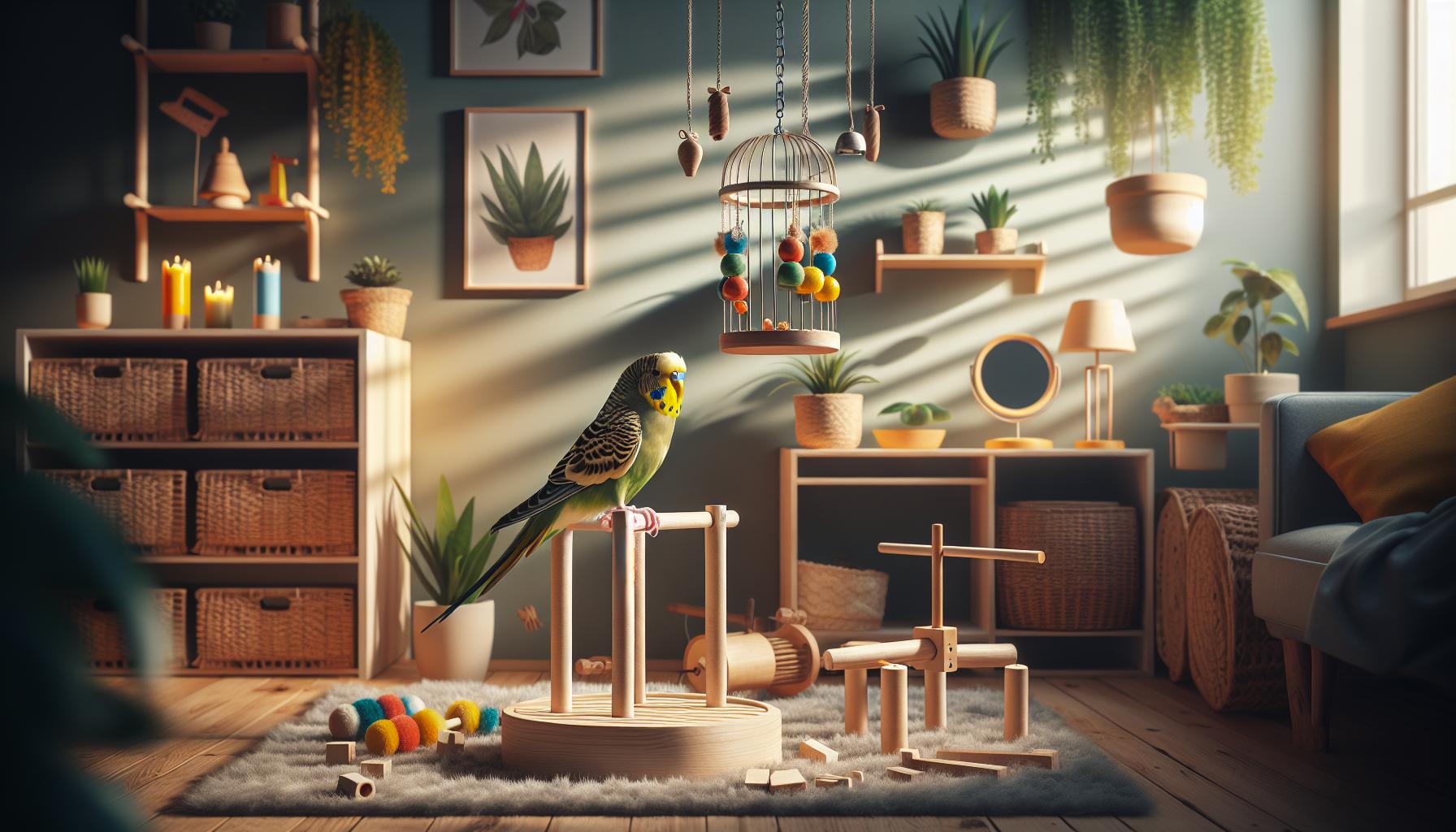
To ensure your parakeet thrives in solitude, enriching their environment is crucial. These birds are naturally curious and intelligent, making it essential to provide them with various stimuli that mimic their social needs. Just like a child who learns through play, parakeets can benefit immensely from an array of toys and activities designed to engage their minds and bodies. Consider incorporating items that encourage exploration and problem-solving, such as foraging toys where they can search for hidden treats, or puzzle feeders that require them to manipulate mechanisms to access food.
Another key aspect is creating a dynamic living space. Vertical space is vital for parakeets, as climbing and perching are natural behaviors. Equip their cage with multiple perches at different heights and textures, such as natural wood, rope, or bamboo. This not only aids in exercise but also allows them to experience different perspectives of their surroundings. Additionally, including swings and hanging toys can channel their energy and curiosity into positive activities, helping alleviate boredom during solitary hours.
Furthermore, consider the role of social interaction in their daily routines. Even when alone, the presence of background noise, like soft music or the sound of a television at a low volume, can provide comfort and a semblance of companionship. Parakeets are social creatures, so they often benefit from the sounds of human activity, which can help mitigate feelings of loneliness. It’s also beneficial to spend time with your bird daily, talking to it and letting it out of the cage for supervised playtime, creating a routine that offers both stimulation and affection.
In crafting a stimulating environment, creativity and variety are your best allies. Rotate toys regularly to maintain their interest, and experiment with different types of enrichment activities to see what your parakeet enjoys most. From simple tasks to complex challenges, a thoughtfully designed habitat can significantly enhance a parakeet’s quality of life, ensuring they are both mentally and physically engaged, ultimately helping them adapt better to their moments of solitude.
Socialization Tips for Your Parakeet
Establishing a strong bond with your parakeet is vital for their happiness and well-being, especially if they spend time alone. One of the most effective ways to socialize your bird is through positive reinforcement. Start by offering treats while speaking to them in a soft, inviting voice. This nurtures a positive association with your presence. Gradually, as your parakeet becomes accustomed to you, introduce hand-feeding; this not only fosters trust but also makes your bird feel more secure and connected to you.
Another important aspect of socialization is interaction. Spend time each day talking to your parakeet-this can range from casual conversation to song and mimicry. Parakeets are naturally vocal and responsive to sound; they often become more social when they hear human voices. Introducing toys that emit sound or movement can also engage their attention and stimulate interaction. Consider toys that encourage active play like swings or mirrored objects; these can mirror the social behaviors they would experience in the wild.
It’s equally essential to be patient and observant. Watch for signs of your parakeet’s comfort level. Some may take to socializing quickly, while others might need more time to adjust. If your parakeet displays signs of stress-like excessive squawking or retreating to the far corner of their cage-back off and give them space. Patience is key, as forcing interaction can create a negative experience.
Finally, consistency is crucial. Create a daily routine that includes time for socialization, whether it’s talking, singing, or simply allowing them to perch on your finger. Keep the environment lively by rotating toys and settings; this not only keeps your parakeet engaged but also provides fresh stimuli that can enhance their overall mental health and happiness. By nurturing your relationship with your parakeet through these simple yet effective strategies, you can help them thrive, even in moments of solitude.
Alternative Companionship Options for Parakeets
While parakeets are incredibly social creatures that thrive in the company of others, there are that can help alleviate loneliness when they must spend time alone. Not every parakeet is suited for the rigorous and constant companionship of another bird, so understanding different strategies to keep them content is essential.
One common alternative is to introduce interactive toys that provide mental stimulation. Activity toys, such as puzzle feeders or foraging toys, encourage your parakeet to engage in natural behaviors, like searching for food or exploring their environment. These toys can significantly occupy their minds and reduce feelings of isolation. Additionally, consider auditory stimulation: toys that make sounds or play melodies can mimic the social interactions they would receive from another parakeet.
Another alternative involves the use of bird-safe mirror toys. Mirrors can serve as an engaging “social” companion, as parakeets often communicate with their reflections as if they are another bird. However, it’s vital to monitor your parakeet’s reaction to mirrors; while many enjoy them, some may become overly fixated, causing stress.
You should also explore regular scheduled interaction with humans. By consistently talking to your parakeet or allowing it to sit on your shoulder or finger, you can fulfill some of its social needs. Setting aside time each day for this interaction can help mimic the flock mentality they crave and ensure that your avian friend feels noticed and loved.
Lastly, if you’re considering the addition of another bird, it’s essential to approach this possibility with care. Not all parakeets will welcome a new companion. Introducing a new parakeet requires a thorough understanding of your current bird’s personality and gradual introduction to prevent territorial aggression. A well-planned introduction can often lead to a rewarding companionship, enabling both birds to thrive.
In summary, meeting your parakeet’s companionship needs can take many forms. From interactive toys to human interaction and potential pairings with another bird, there are various practical strategies to enhance their life even when solitude is unavoidable. Keep their environment stimulating and consistent, and your parakeet will flourish even during alone time.
Activities to Keep Your Bird Engaged
To keep your parakeet engaged during periods of solitude, it’s crucial to offer a variety of activities that cater to their natural instincts and interests. Parakeets are intelligent and curious birds that thrive on mental challenges and physical stimulation. Creating an engaging environment not only alleviates boredom but also contributes to their overall well-being.
One of the best ways to stimulate your parakeet is through interactive toys. Puzzle feeders are an excellent choice because they not only provide a source of food but also challenge your bird to think and explore. Hiding treats inside toys encourages foraging behavior, mimicking how they would search for food in the wild. Additionally, foraging toys can be easily customized to keep things fresh. By switching the toys or the hidden treats regularly, you’ll maintain your bird’s interest.
Incorporating auditory stimulation is another effective strategy. Parakeets are naturally social creatures that enjoy sounds, so consider introducing toys that make noises or play melodies. This mimics the sounds of other birds and fosters an environment that feels less isolating. You can also play music or even talk to your parakeet, as this helps bridge the gap in their social needs when they’re alone.
Don’t forget the power of exploration. Setting up a safe play area outside the cage allows your parakeet to exercise and engage with their surroundings. Use perches of varying heights, climbing structures, and even items like paper towel rolls or cardboard boxes for them to investigate. This encourages physical activity and can help reduce stress associated with isolation.
Another creative option is role-play with mirrors or other brightly colored objects. Many parakeets enjoy interacting with their reflections, treating them as companions. However, it’s essential to observe how your bird responds, as some may become overly focused on their own image. Balancing the use of mirrors with real human interaction can help maintain a healthy social dynamic.
By fostering a stimulating environment through interactive toys, auditory engagement, ample exploration opportunities, and thoughtful use of mirrors, you can significantly enhance your parakeet’s quality of life, even when they must spend time alone. With these strategies in place, your feathered friend can remain happy, healthy, and engaged, making solitary moments much more enjoyable.
Choosing the Right Cage Setup for Solitude
Creating an environment that supports your parakeet’s needs during periods of solitude is essential for their overall well-being. The right cage setup can significantly influence how your bird copes with being alone. A spacious, well-equipped cage serves as both a safe haven and an enriching habitat. Choosing the right cage involves considering various factors-size, layout, and furnishings-that can help your parakeet feel comfortable and engaged.
Start with a cage that offers ample space; a minimum of 18″ x 18″ x 24″ is recommended for a single parakeet, but bigger is always better. A more extensive cage allows for movement and exploration, which is crucial for your bird’s mental health. Along with good width and height, bar spacing should be no more than ½ inch to prevent escapes or injuries.
Inside the cage, incorporate a variety of perches at different heights and materials, such as natural wood and cement. This not only helps maintain their beak and claws but also encourages your feathered friend to move around more. Add plenty of toys to provide stimulation. Consider including climbing ropes, swings, and chew toys, all of which can keep your parakeet entertained. Puzzle feeders can also be an excellent addition; they stimulate your bird’s foraging instincts while making mealtime engaging.
It’s key to ensure that the cage is located in a lively area of your home to avoid feelings of isolation. Positioning the cage in a place where your parakeet can see family activities, like in the living room, can help alleviate loneliness. Lighting is another important aspect; natural light is beneficial, so consider a suitable location that allows for this without exposing your bird to drafts or direct sunlight for extended periods.
Furthermore, consider creating a ‘cozy corner’ within the cage. Incorporating soft materials like fleece cloth or safe plants can make a comforting space for your bird. With the right setup, your parakeet can enjoy solitude without suffering from loneliness. Balancing open space with engaged and safe environments will make your bird feel secure and content, enhancing their time alone.
Signs of a Happy and Healthy Parakeet
To gauge whether your parakeet is thriving in its environment, observing specific behaviors can provide clear indicators of a happy and healthy bird. One of the first signs is an energetic demeanor; a well-adjusted parakeet will be active, moving around its cage, and frequently engaging with toys. You may notice them swinging on perches, climbing, and even doing little hops-often referred to as “dancing” when they feel particularly joyful. Their curious nature is a good sign; a happy parakeet will show interest in its surroundings and eagerly explore new toys or changes in their environment.
Vocalization also plays a crucial role in understanding your parakeet’s emotional state. Singing, whistling, and chirping are typically indicators of a content bird, especially if your parakeet mimics sounds or songs. If they are chatty and vocalizing happily, it suggests they are relaxed and feeling good. Additionally, a well-fed parakeet will show a healthy appetite, happily munching on pellets, veggies, and the occasional treat. If your bird exhibits food preferences and is eager at mealtime, it indicates comfort and wellbeing.
Another key sign of a healthy parakeet is preening behavior. Birds groom themselves to keep their feathers in good condition, and you’ll often see them picking at their feathers, which is not only a sign of cleanliness but also signifies that the bird is feeling secure. A parakeet that fluffs its feathers, especially when you approach, shows trust and comfort in your presence.
Ultimately, happy parakeets are also sociable birds. If yours willingly interacts with you or other birds and doesn’t shy away from human proximity, it reflects a positive emotional state. Regular engagement, through talking or gentle interaction, reinforces their confidence and well-being. Creating diverse experiences, from mental challenges to playtime outside the cage, ensures they remain stimulated and engaged, further contributing to their overall happiness. By observing these behaviors, you can ensure your feathered friend enjoys a fulfilling and happy life, even during moments of solitude.
Introducing New Parakeets: Best Practices
Introducing a new parakeet into your home is an exciting yet delicate process that requires careful planning and consideration. Parakeets are social birds that thrive on interaction, but bringing a new companion into the mix can lead to stress and conflict if not done correctly. Initially, always keep the new bird separate in a different room. This quarantine period, lasting at least two weeks, is critical for assessing the new bird’s health and preventing the spread of diseases to your existing parakeet. During this time, monitor the new bird for any signs of illness and ensure it adapts well to its new environment.
Gradual Introductions
After the quarantine period, the introduction should be gradual. Start by allowing the birds to hear each other from separate cages. Place the cages close enough for them to observe one another but still far enough apart to create a sense of safety. Over a few days, let them spend more time in each other’s visual range, slowly increasing the duration as they show curiosity without signs of aggression. If either bird appears stressed, take a step back and give them more time apart.
When you’re ready for a face-to-face meeting, select a neutral space that’s not associated with either bird’s territory. For this first interaction, use a divider or a play area where you can supervise closely. Monitor their body language: signs of a positive interaction include chirping, preening, and relaxed posture. If one bird shows signs of distress, such as fluffed feathers or aggressive vocalizations, it’s best to separate them and try again later.
Creating Harmony
Once they are comfortable interacting, you can introduce them into the same cage, provided it is large enough to accommodate both. This new environment should be enriched with multiple perches, toys, and hideouts to prevent territorial disputes. Pay attention to their behaviors closely; you want to ensure that neither bird is being bullied or feeling excessively stressed. It’s crucial to offer treats and rewards during their interactions to create positive associations with each other.
Ultimately, patience is key. Some parakeets will take longer to adjust to companions than others, often depending on their personality and past experiences. Encouraging their bond through shared activities, such as synchronized play or feeding sessions, can solidify their friendship over time. Be prepared for potential setbacks and remain attentive; the goal is to create a harmonious flock where every bird feels safe and happy to thrive together.
When to Consider Pairing Your Parakeet
When weighing the decision to pair your parakeet, it’s essential to consider both their social nature and individual personality. Parakeets are flock animals by design, and they often thrive in environments where they have company. If your bird displays signs of loneliness, such as excessive vocalization, feather plucking, or lethargy, it may be a clear signal that they would benefit from the companionship of another bird. Conversely, some parakeets may prefer a solitary lifestyle if they were raised in isolation or have had limited social interactions. Thus, understanding your parakeet’s unique disposition should guide your choice.
Before bringing a new companion home, assess the living space you have available. Each parakeet requires significant room to thrive, so ensure your cage meets the size requirements for multiple birds. The general recommendation is for each parakeet to have at least 4,000 cubic inches of space. Additionally, consider that introducing a second bird may require you to adjust your current setup: multiple perches, toys, and hideouts can discourage territorial disputes and prevent stress.
Timing plays a crucial role as well. If your parakeet is approaching molting or recovering from an illness, these periods may not be ideal for introducing a companion. It’s best to wait until your bird is stable and in good health to ensure a smoother transition. Keep in mind that while two parakeets can form a bond, the relationship isn’t guaranteed to be harmonious from the start. Monitor their interactions closely to ensure they are getting along well, and be ready to separate them if necessary.
Pairing can be a rewarding experience, leading to enriched lives for both birds. Not only do they enjoy each other’s company, but they can also engage in playful behaviors that might not occur when they are alone. Just remember, patience and observation are key – introducing two parakeets is typically a gradual process that culminates in a thriving, happy duo.
Q&A
Q: Can a single parakeet be happy?
A: Yes, a single parakeet can be happy, but it’s important to provide adequate social interaction, stimulation, and a varied environment. Regular engagement through talking, play, and socialization can compensate for the lack of another bird. Explore more in the section on Creating a Stimulating Environment for Solo Birds.
Q: How can I tell if my parakeet is lonely?
A: Signs of loneliness in parakeets include excessive vocalization, feather plucking, lack of interest in toys, or lethargy. Observing these behaviors can help you understand their emotional state. For further details, check the Signs Your Parakeet Is Lonely section.
Q: What can I do to keep my parakeet entertained alone?
A: To keep a parakeet entertained, provide a variety of toys, interactive puzzles, and regular out-of-cage time. Rotate toys to maintain their interest and engage them with training or games. See Activities to Keep Your Bird Engaged for more ideas.
Q: Is it better to have one or two parakeets?
A: Generally, it’s better to have two parakeets, as they can provide each other companionship and social interaction. However, if you can dedicate time for socialization and engagement daily, a single parakeet can thrive as well. More insights can be found in the Alternative Companionship Options for Parakeets.
Q: How long can parakeets safely be left alone?
A: Parakeets can generally be left alone for about 8-12 hours, but this varies by individual. It’s crucial to provide mental stimulation and engage with them before and after your absence. Check the How Long Can Parakeets Be Alone? section for in-depth information.
Q: Do parakeets get bored easily?
A: Yes, parakeets can get bored quickly, particularly if they are alone. To prevent boredom, introduce new toys and change their environment regularly. Engaging in training sessions can also provide mental enrichment. Refer to Creating a Stimulating Environment for Solo Birds for more guidance.
Q: What type of environment do parakeets prefer when alone?
A: Parakeets prefer environments that are safe, interactive, and stimulating, featuring perches, toys, and hiding spots. Ensuring regular auditory and visual stimulation can help them feel less isolated. Consider the Choosing the Right Cage Setup for Solitude section for optimal configurations.
Q: Can parakeets develop a bond with their owners?
A: Yes, parakeets can form strong bonds with their owners through regular interaction and trust-building activities. This relationship can help mitigate the loneliness associated with being alone. For tips on socialization, see the Socialization Tips for Your Parakeet section.
Explore these topics to enhance your parakeet’s happiness and well-being!
To Wrap It Up
As we’ve explored, parakeets can adapt to periods of solitude, but ensuring they have ample social interaction is crucial for their well-being. If you’re considering whether your parakeet can handle alone time, remember that a stimulating environment and companionship from you or another feathered friend can make all the difference. For further insights on maximizing your parakeet’s happiness, check out our articles on How to Care for a Pet Parakeet and Understanding Parakeet Behavior.
Don’t hesitate to dive deeper into the world of parakeet care and behavior. If you have any questions or experiences to share, we’d love to hear from you in the comments below! For the latest tips delivered straight to your inbox, consider signing up for our newsletter. Your parakeet’s happiness starts with informed decisions, so let’s keep exploring together!
Get our latest guides, news, and insights highlighted in your Google Search & AI Overviews.