Did you know that parakeets, often found chirping in homes worldwide, are among the most intelligent bird species? Their ability to mimic sounds, learn tricks, and engage with their owners makes them fascinating companions. Understanding parakeet intelligence is essential for any bird owner or enthusiast, as it can significantly enhance how you interact with and care for these vibrant creatures. As you explore the capabilities of parakeets, you’ll discover how their smart behaviors reflect their needs and well-being, paving the way for a deeper bond. Get ready to dive into the intriguing world of parakeet intelligence and uncover how to enrich the lives of these feathered friends with engaging activities and care practices designed for their inquisitive minds. Whether you’re a first-time bird owner or a seasoned avian aficionado, this journey will show you the remarkable ways parakeets think and play, encouraging a fulfilling relationship with these delightful pets.
Are Parakeets Intelligent? Understanding Their Mind
Parakeets, often considered one of the most intelligent bird species, exhibit remarkable cognitive abilities that can surprise even seasoned bird enthusiasts. Their knack for mimicking human speech is just the tip of the iceberg when it comes to understanding their intricate minds. Research has shown that parakeets possess problem-solving skills and can learn complex tasks, sometimes even outsmarting other birds and small mammals of similar size. This adaptability not only reflects their natural intelligence but also highlights how environment and social interaction can shape their learning and behavior.
To delve deeper, studies reveal that parakeets, particularly budgerigars, have shown capabilities akin to those of some primates. They are able to recognize individual faces, understand social hierarchies, and even play games, indicating their level of social intelligence. Their vibrant social lives and strong bonds with humans boost their cognitive development, making them eager learners in both solitary and interactive settings. This interplay between their innate intelligence and enriched environments leads to enhanced problem-solving abilities and a more fulfilling companionship for their human caretakers.
Engaging your parakeet mentally is crucial for its well-being. Providing toys that challenge their intellect, setting up foraging activities, and facilitating social interactions can stimulate their minds significantly. As a pet owner, you can encourage this natural curiosity by incorporating learning opportunities into daily routines, allowing them to showcase their cleverness through various tricks and activities. Understanding that parakeets thrive in dynamic environments is key to fostering their intelligence and enriching their lives.
The Science Behind Parakeet Intelligence
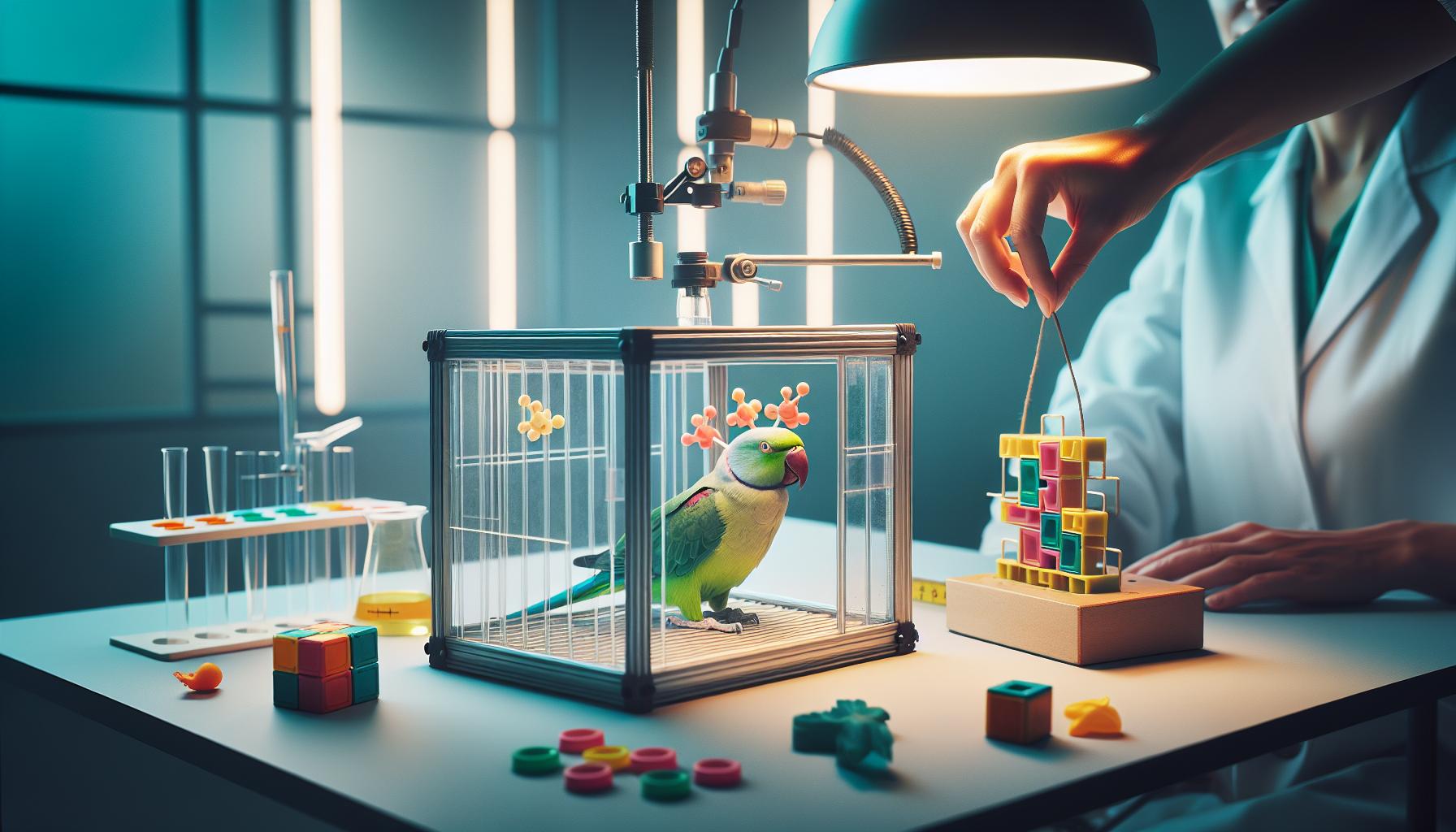
Parakeets, particularly budgerigars, exhibit intelligence that surprises many enthusiasts, making them not just delightful companions but also remarkable thinkers. Studies have shown that these birds possess a high level of cognitive ability, often on par with some primate species. Their problem-solving skills, ability to learn from their environment, and engage socially are all indicators of the fascinating complexity of their minds. For instance, research has demonstrated that budgies can perform tasks requiring foresight and adaptability, suggesting a sophisticated understanding of their surroundings.
Notably, parakeets can recognize individual human faces and respond differently based on their previous interactions, highlighting their social intelligence. This capacity for social learning is a vital aspect of their behavior. In playful environments, parakeets often participate in games that not only challenge their intellect but also reinforce their bonds with humans. Their communication skills further demonstrate their intelligence-many budgies can mimic human speech and even learn to associate words with actions or objects, showcasing a level of understanding that extends beyond mere mimicry.
Engaging with your parakeet in a stimulating setting can greatly enhance their cognitive development. Studies indicate that an enriched environment leads to improved problem-solving abilities and overall mental health in these birds. Activities like puzzle toys, foraging opportunities, and interactive play help cultivate their natural curiosity and intelligence. Therefore, as a parakeet owner, you play a crucial role in nurturing their minds by providing varied experiences and learning opportunities that allow these intelligent creatures to thrive.
Comparing Parakeets to Other Bird Species
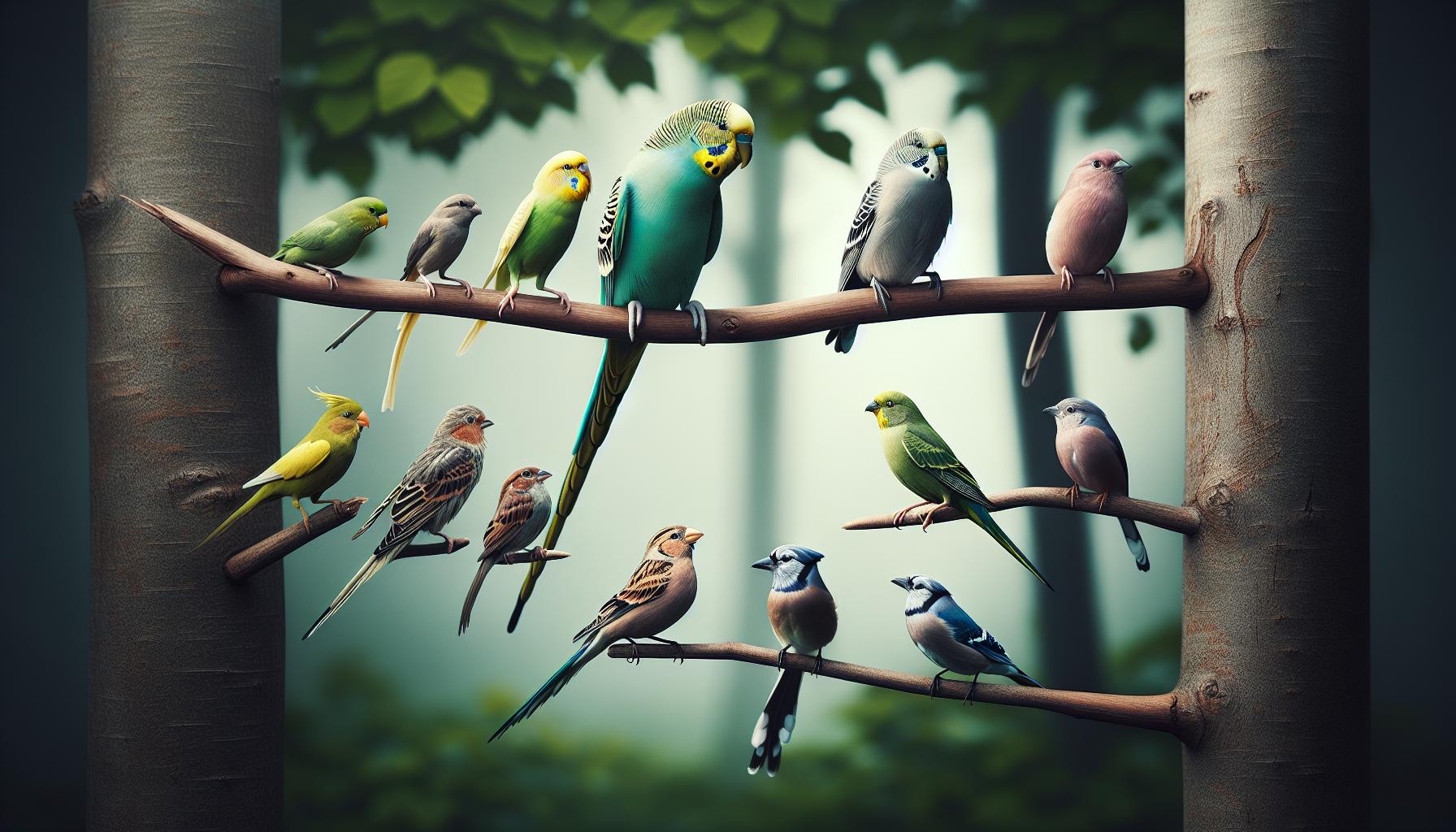
Parakeets, particularly the beloved budgerigars, stand out in the avian world for their remarkable intelligence, often compared favorably to other bird species. These small, colorful birds possess cognitive abilities that can rival, and in some aspects surpass, many larger and more traditionally regarded intelligent species. When considering parakeets alongside their avian counterparts, it’s clear that their unique traits contribute to their reputation as dynamic thinkers.
Parakeets and Their Avian Peers
In comparisons with other bird species, African Grey Parrots often receive accolades for their vocal mimicry and problem-solving skills. However, budgerigars exhibit comparable abilities, demonstrating not only the capacity to imitate human speech but also to understand its contextual usage. For instance, studies have shown that these small birds can learn words and associate them with actions or objects, similar to the cognitive processes observed in larger parrot species. Their playful nature allows them to engage in complex games, which can further highlight their adaptability to different environments compared to other birds.
When assessed against Crows and Ravens, renowned for their intelligence, parakeets hold their ground by showcasing impressive social learning capabilities. While crows might excel in problem-solving tasks using tools, parakeets demonstrate their smarts in social interactions and environmental manipulation. They can recognize individual human identities and modify their behavior accordingly, a testament to their social intelligence. This ability to learn from their environment and peers places parakeets in an intriguing position within the avian hierarchy.
Behavioral Traits and Learning Abilities
One striking feature of parakeets is their use of vocalizations not just for communication but also for social bonding. While many species of birds use calls primarily as functional signals, budgies enhance their social interactions through playful chat and mimicry, which can foster deeper connections with their human companions. Research indicates that parakeets engage in forms of social play that stimulate their cognitive development, positioning them as socially intelligent creatures that thrive in interactive settings.
In terms of care, understanding how parakeets compare with other intelligent birds can help owners tailor their environments to better support their cognitive growth. Activities like interactive puzzle feeders and social play can be particularly beneficial. By providing enriching experiences akin to what you might offer to larger parrots or crows, you encourage your parakeet to explore and develop its problem-solving skills, thus enhancing its overall well-being and intelligence.
In summary, parakeets may be smaller than some of their more celebrated avian cousins, but their intelligence is profound and multifaceted. Owners and bird enthusiasts alike should recognize and foster this intelligence through stimulation and social interaction, allowing these vibrant creatures to showcase their remarkable cognitive abilities.
Behavioral Signs of Parakeet Intelligence

The vibrant and playful nature of parakeets is not just a charming feature; it is also a clear indicator of their intelligence. Observing their behaviors can offer fascinating insights into their cognitive capabilities. For instance, parakeets are known for their problem-solving skills, which can be evidenced when they interact with toys or escape from simple enclosures. If they encounter a barrier, many will not merely give up but will instead explore multiple avenues to overcome the obstacle, showcasing their ability to think critically in unfamiliar situations.
One of the most engaging signs of parakeet intelligence is their impressive social interaction. These birds thrive on companionship, whether it’s with other parakeets or their human caretakers. They communicate through a mix of vocalizations and body language, signaling their needs, desires, or even discomfort. When placed in social environments, parakeets often engage in playful activities, which reflect their cognitive growth. For instance, they might playfully challenge one another to games of chase or engage in mimicry, further demonstrating awareness of their surroundings and social dynamics.
In addition, parakeets are adept at learning from their experiences and those around them. Studies have revealed that they can recognize individual human faces and react differently according to their past interactions, indicating an ability to remember and differentiate between various social cues. This kind of social learning is not merely instinctual but suggests a higher level of processing, akin to what has been observed in other intelligent creatures.
To foster their cognitive development, providing stimulating environments is crucial. Parakeets benefit from toys that encourage problem-solving, such as puzzle feeders that require manipulation to access food. This not only enriches their physical space but also prompts them to actively engage their mental faculties. Enriching their habitat with different textures, sounds, and social interactions allows parakeets to express their intelligence fully and thrive in their daily lives.
How to Stimulate Your Parakeet’s Mind
Every parakeet owner knows that these lively birds are not just enjoyable companions; they’re also intelligent creatures that thrive on mental stimulation. To keep your parakeet engaged and happy, it’s essential to incorporate activities that challenge their cognitive abilities. By providing various forms of enrichment, you can help foster their natural problem-solving skills and enhance their overall quality of life.
One effective way to stimulate your parakeet’s mind is through interactive toys. Look for puzzle toys that require manipulation to obtain treats or toys that make sounds when played with. These types of toys not only entertain but also encourage curiosity and exploration. Foraging toys, where your bird needs to work for their food, can also significantly engage their brain. Rotate these toys regularly to keep things fresh and exciting.
Incorporating social interaction is equally important. Spend quality time talking to your parakeet and encourage them to mimic sounds or words. This not only strengthens your bond but also provides mental challenges as they try to reproduce what they hear. You can also introduce your bird to other parakeets if possible, as the social dynamic and playful competition will further stimulate their minds.
Creating a stimulating environment is key. Consider placing different perches at various heights in their cage, using swings, and adding natural branches or ladders. The diversity in their habitat allows your parakeet to engage in exploratory behavior. Additionally, ensure they have access to a variety of safe materials to chew on; this not only satisfies their natural instincts but also stimulates their cognitive functions.
Lastly, training sessions can be incredibly beneficial. Teaching your parakeet simple tricks, like stepping onto your finger or hanging onto a perch, can be both fun and mentally rewarding for them. Positive reinforcement with treats or affection will encourage them to engage more during these sessions, turning learning into a game.
By incorporating these techniques into your care routine, you’ll not only keep your parakeet mentally sharp but also cultivate a deeper bond between you and your feathered friend. Remember, a stimulated parakeet is a happy parakeet!
Teaching Tricks: Can Parakeets Learn?
Parakeets are not just charming pets; they are also incredibly intelligent, capable of learning a variety of tricks. This ability makes them one of the most interactive bird species, offering owners the opportunity to engage deeply with their feathered friends. Teaching your parakeet tricks can be a rewarding experience, both for you and your pet, as it fosters communication and strengthens your bond.
Start with simple commands and actions that capitalize on your parakeet’s natural curiosity. For instance, you might begin by teaching them to “step up” onto your finger. Use a consistent command, a target stick, or your finger, and gently encourage them to hop on. When they do, immediately reward them with a treat and praise. This positive reinforcement is essential: it encourages repeat behavior and makes learning enjoyable for your bird. Once your parakeet masters one trick, you can gradually introduce more complex actions such as turning in circles, playing fetch with small, lightweight toys, or even dancing.
Additionally, incorporating play into training can significantly enhance your parakeet’s learning experience. Use colorful toys or mirrors to capture their attention. Parakeets are visual creatures and often learn through observation, so demonstrating the action yourself can help them understand what is expected. For example, you could make a specific sound or gesture whenever they successfully perform a trick, associating it with the behavior you want to reinforce.
Remember, patience is key in this process. Training sessions should be kept short, around 5 to 10 minutes, to ensure your parakeet remains engaged and does not become bored or frustrated. End each session with a success, even if it’s small, to leave a positive impression. Regular practice and a positive attitude will not only help your parakeet learn tricks but will also stimulate their mind and keep them happy. Engaging your parakeet in this way highlights their intelligence and reinforces your relationship, making each training session a fun and enriching experience.
Social Intelligence in Parakeets Explained
Parakeets, particularly budgerigars, exemplify social intelligence through their complex interactions and behaviors within both wild and domestic settings. These birds thrive in social environments, often forming strong bonds with their flock members and human companions. Their ability to communicate effectively, both vocally and non-verbally, showcases their understanding of social dynamics and emotional cues, which is an integral aspect of their intelligence. As social creatures, parakeets rely heavily on their relationships for emotional stimulation, security, and learning.
To engage with their flock, parakeets utilize a range of vocalizations, including chirps, whistles, and mimicry of sounds they observe in their environment-sometimes even imitating human speech. This vocal flexibility not only enhances their social interactions but also allows them to express their needs, feelings, and even warnings about potential dangers. Observations of budgerigars communicating within a group reveal their ability to adapt their calls based on the dynamics of their social interactions, suggesting they adjust their behaviors to maintain harmony in the flock and strengthen their social bonds.
Encouraging social intelligence in your parakeet can be as simple as providing ample opportunities for interaction. This might involve setting up playdates with other birds or spending quality time one-on-one during your day. Parakeets benefit from shared experiences, such as playing games together or exploring new environments. Creating a stimulating and socially rich environment will not only enhance their mental acuity but also nurture their innate instincts to engage and bond with others.
Lastly, it’s crucial to recognize signs of stress or changes in behavior, as these can reflect the parakeet’s social health. A parakeet that is isolated or ignored may exhibit signs of distress or develop behavioral issues, which can affect its overall well-being. Prioritizing social interaction-whether through play, training, or simple companionship-contributes significantly to a parakeet’s happiness and cognitive growth, revealing just how remarkable their social intelligence truly is.
Understanding Vocal Communication in Parakeets
Parakeets are remarkable communicators, using a vibrant array of sounds to express themselves and connect with their environment. What’s so fascinating about these little birds is not just their ability to chirp, whistle, or mimic, but the nuanced ways they employ vocal communication to convey different messages. For pet owners and bird enthusiasts, understanding this vocal language can enhance the bond between you and your parakeet while providing insights into their behaviors and needs.
Parakeets are known for their impressive vocal flexibility, which allows them to imitate sounds they hear around them, including human speech. This ability isn’t just a party trick-it’s a reflection of their intelligence and social nature. In the wild, these birds use vocalizations to stay in contact with their flock, warn of predators, or attract mates. In a domestic setting, your parakeet might mimic familiar phrases or sounds as a way to engage and interact with you. Recognizing and responding to these vocalizations is key. For example, if your parakeet is chirping excitedly when you walk in the room, it’s likely expressing joy at your presence.
To effectively nurture your parakeet’s communication skills, consider engaging in interactive play that encourages vocal responses. Use toys that produce sounds, or play music and see how your bird reacts. You will be surprised at how quickly they may start to whistle along or mimic simple phrases. Additionally, talking to your parakeet frequently will not only help them develop their vocalizations but also improve their social and emotional well-being.
Providing a stimulating environment is crucial. Parakeets thrive on social interaction, so consider pairing them with another budgie or having them play with you regularly. This social richness stimulates not just their vocal skills but their overall cognitive development. Remember, a well-rounded approach to caring for your parakeet, including understanding their vocal communication, can lead to a more fulfilling partnership with your feathered friend.
By paying attention to how your parakeet uses its voice, you will gain deeper insights into its emotional state and needs, further enhancing both your communication and your relationship.
The Role of Environment in Parakeet Intelligence
Creating a stimulating environment for your parakeet is paramount to unlocking their cognitive abilities. These vibrant little birds thrive in settings that challenge their minds and promote social interaction. A parakeet’s intelligence is directly influenced by how their surroundings engage them, ultimately shaping their behavior and emotional health. When given plenty of opportunities to explore, play, and interact, parakeets display remarkable learning capabilities that reflect their innate curiosity and social nature.
To craft an enriching environment, consider these approaches:
- Variety of Enrichment Tools: Use a mix of toys, perches, and puzzles that require problem-solving. Toys that encourage foraging mimic their natural behavior and stimulate mental activity.
- Spatial Exploration: Allow safe access to different areas where they can explore new textures, sounds, and sights. This could mean rotating their toys or rearranging their cage layout periodically to maintain their interest.
- Socialization: Parakeets are inherently social creatures. Keeping them in pairs or providing regular interaction time with you can boost their social intelligence and reduce boredom.
- Interactive Training: Regular training sessions using treats or positive reinforcement not only helps in bonding but also exercises their cognitive skills. Teaching them simple tricks fosters mental agility.
Furthermore, the quality of a parakeet’s living conditions plays a crucial role in their overall happiness and mental health. A cage that is spacious, with access to natural light, and includes safe plants can promote well-being. Observe how your parakeet interacts with their space; if they seem restless or bored, it may be time to introduce new elements to their environment.
Ultimately, a well-rounded approach that prioritizes mental stimulation through environmental engagement not only enhances a parakeet’s intelligence but can lead to a more vibrant and interactive companion. By fostering a space that encourages exploration and interaction, you’ll be amazed at the extent of their intelligence and the depth of their personality that can emerge.
Parakeet Lifespan and Cognitive Development
Parakeets can live between 10 to 15 years, depending on their care and environment. This lifespan is more than just a measure of years; it encapsulates a period during which these birds undergo significant cognitive development. Understanding the relationship between a parakeet’s age and its mental capabilities can provide valuable insights for enthusiasts and caretakers, allowing for enrichment tailored to their changing needs.
As parakeets mature, their cognitive skills evolve. Young parakeets are often more curious and explorative, using their intelligence to interact with novel environments and stimuli. During this stage, it’s crucial to provide them with stimulating activities, such as complex toys and interactive challenges. This not only fosters play but also builds their problem-solving skills. As they age, parakeets often become adept at communicating and exhibiting learned behaviors-signs that their cognitive development is well underway. By the time they reach adulthood, many parakeets can perform tricks, recognize their owners, and even engage in simple conversations.
To encourage optimal cognitive development throughout a parakeet’s life, caretakers should consider a variety of factors. Here are some practical tips:
- Engagement with New Experiences: Regularly introduce new toys and change their cage environment to prevent boredom and stimulate their minds.
- Cognitive Challenges: Provide puzzles or forage toys that require them to think and strategize to access rewards.
- Social Interaction: Spend quality time interacting with your parakeet, as social cues play a significant role in their learning process.
- Consistent Training: Engage in regular training sessions, gradually increasing the complexity of tricks or commands to challenge their cognitive abilities as they age.
The lifespan of a parakeet is not merely an endpoint; it’s a journey marked by stages of cognitive growth. Understanding how a parakeet’s intelligence develops over time helps foster a more enriching environment that meets their evolving needs, ensuring that both you and your feathered companion can enjoy a long, happy partnership.
Common Myths About Parakeet Intelligence
Many people are surprised to learn that parakeets, also known as budgerigars, have a level of intelligence comparable to that of a three-year-old human child. This common misconception-that these charming little birds lack cognitive abilities-can lead to underestimating their needs and potential for learning. It’s crucial to dispel these myths to ensure that we provide an enriching and stimulating environment for our feathered companions.
One prevalent myth is that parakeets are simply “talking toys” and that their mimicry doesn’t demonstrate any real understanding. While it’s true that they mimic sounds, including human speech, parakeets can learn to associate particular words or phrases with their meanings, showcasing their capacity for social communication. They often respond to commands and can even understand context, which proves they’re more than just good at repeating what they hear.
Another myth is that parakeets are only capable of basic behaviors and cannot engage in complex problem-solving. In reality, these birds are quite resourceful. They can be trained to perform various tricks, solve puzzles, and even navigate mazes when appropriately challenged. Regular mental stimulation is vital for their cognitive health, indicating their intelligence and ability to learn continuously throughout their lives.
Lastly, many people think that all parakeets are the same in intelligence. While it’s true that parakeets generally show high intelligence, individual differences can impact their cognitive skills. Factors such as genetics, social interaction, and the environment can significantly influence their learning abilities and problem-solving skills. Therefore, understanding each bird’s unique personality is key to fostering their development.
Dispelling these myths allows us to appreciate the fascinating mental capabilities of parakeets better and to provide them with the care and engagement they truly deserve. By recognizing their intelligence, we can enhance their quality of life and strengthen our bond with them through enrichment and training activities.
Practical Tips to Enhance Your Parakeet’s Intelligence
Enhancing your parakeet’s intelligence can be a rewarding experience that strengthens your bond while providing them with the mental stimulation they crave. These birds are naturally curious and thrive when given opportunities to explore, learn, and play. Here are some practical tips to help your feathered friend reach new intellectual heights.
Start by incorporating puzzle toys into their environment. These can be simple foraging toys or more complex brain games that require your parakeet to solve a problem to obtain a treat. This engages their natural instincts and encourages critical thinking. Consider rotating toys regularly; this keeps their interest alive and presents new challenges frequently. You can also create DIY puzzles using household items, such as hiding seeds within crumpled paper or inside cardboard tubes.
Another effective method to enhance cognitive skills is through training sessions. Parakeets can learn a variety of tricks, which not only stimulates their minds but also strengthens obedience and communication. Begin with basic commands, like “step up” or “turn around,” using positive reinforcement with treats and praise when they succeed. Consistent short training sessions, lasting no longer than 10 minutes, can lead to impressive results over time, unlocking your parakeet’s learning potential.
Providing a rich social environment also plays a crucial role in their intellectual stimulation. Parakeets are social birds that thrive on interaction, both with their human companions and with other birds. If feasible, consider adopting a second parakeet to provide companionship, which can foster cooperative play and social learning. Regular conversation, songs, or interactive playtime can significantly enhance your bird’s vocal and social intelligence.
Lastly, ensure that your parakeet has an enriching and varied environment. Include climbing structures, swings, mirrors, and different perches in their cage. Change the layout frequently to encourage exploration and curiosity. Rotate their toys and introduce safe new items, such as leaves or branches for chewing. Even the simplest changes can inspire your parakeet to think critically about their surroundings, keeping their minds sharp and engaged.
By implementing these strategies, you can greatly enhance your parakeet’s intelligence and overall well-being. Remember, an intellectually stimulated parakeet is a happy parakeet, and the joy of watching them learn is a reward in itself!
Frequently asked questions
Q: How do parakeets learn new tricks?
A: Parakeets learn new tricks through positive reinforcement, which involves rewarding them with treats or praise when they perform desired behaviors. Regular training sessions, lasting 5-10 minutes, can help establish a routine. For detailed methods, refer to the “Teaching Tricks: Can Parakeets Learn?” section of our article.
Q: What are the signs of intelligence in parakeets?
A: Signs of intelligence in parakeets include problem-solving skills, vocal mimicry, and social interaction. They often engage in activities like playing with toys or figuring out puzzles. For more behavioral signs, check our section on “Behavioral Signs of Parakeet Intelligence.”
Q: Can parakeets understand human commands?
A: Yes, parakeets can understand human commands, especially through consistent training and repetition. They may respond to verbal cues or gestures. You can enhance this understanding by incorporating training techniques described in “How to Stimulate Your Parakeet’s Mind.”
Q: What role does social interaction play in parakeet intelligence?
A: Social interaction significantly enhances parakeet intelligence, as these birds thrive on companionship and communication. Engaging them in social behaviors can boost their cognitive development, as discussed in our “Social Intelligence in Parakeets Explained” section.
Q: Are parakeets as smart as dogs?
A: While parakeets demonstrate intelligence through problem-solving and social interaction, they are not as trainable as dogs. Parakeets excel in their cognitive abilities tailored to their avian nature. For comparisons with other species, refer to “Comparing Parakeets to Other Bird Species” in our article.
Q: How can I create an enriching environment for my parakeet?
A: To enrich your parakeet’s environment, provide a variety of toys, perches, and stimulation through puzzles and foraging activities. Regular interaction and a diverse habitat are essential for mental health. For more tips, check the “Practical Tips to Enhance Your Parakeet’s Intelligence” section.
Q: What factors impact a parakeet’s cognitive development?
A: Factors that impact a parakeet’s cognitive development include age, socialization, and environmental stimulation. A stimulating environment encourages exploration and learning. For an in-depth look, see our section on “Parakeet Lifespan and Cognitive Development.”
Q: Why do some parakeets talk while others do not?
A: Some parakeets talk while others may not due to individual personality, exposure to human interaction, and the environment they are raised in. Encouragement and social engagement play key roles in developing their vocal skills, as highlighted in “Understanding Vocal Communication in Parakeets.”
Future Outlook
As we’ve explored, parakeets are not just charming pets; they possess remarkable intelligence that rivals that of many larger parrots. If you’re considering bringing a parakeet into your home, now is the perfect time to dive deeper into understanding their needs and behavioral quirks. Don’t miss our guides on How to Care for Your Parakeet and The Best Enrichment Activities for Parakeets, where you’ll find actionable tips to keep your feathered friend happy and engaged!
Have questions about your parakeet’s behavior or care? Join our community by commenting below or signing up for our newsletter for more insights and expert advice. Remember, harnessing that intelligence means knowing how to provide an enriching environment. Explore further to discover how parakeets communicate and learn alongside you! For now, take a moment to reflect on how you can enhance your pet’s life and enjoy the joys they bring to your home. Your next adventure with your parakeet starts here!