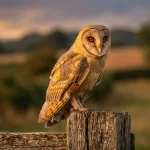
Did you know that owl attacks on humans, while rare, can occur under specific circumstances? As majestic and mysterious creatures of the night, owls are often misunderstood. This article will delve into the fascinating world of owl behavior, exploring when and why these birds might view humans as a threat. Understanding the circumstances that lead to these encounters not only satisfies curiosity but also equips readers with essential knowledge for safely observing these incredible birds in the wild. Whether you’re an avid birdwatcher or simply curious about wildlife, being informed about owl behavior can enhance your appreciation and engagement with nature. So, let’s uncover the rare yet intriguing instances of human-owl interactions and what they mean for both species.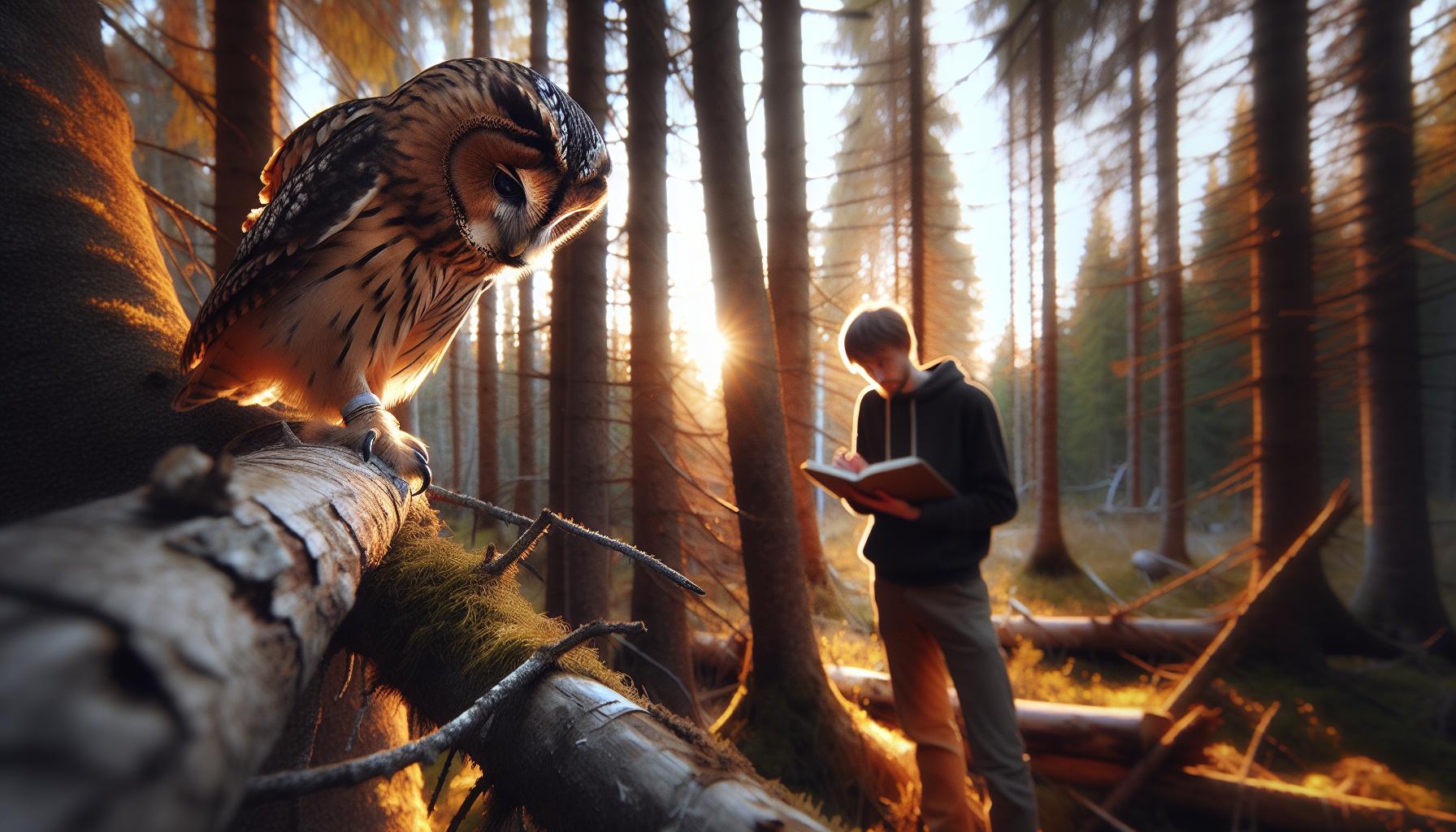
Understanding Owl Behavior Towards Humans
Encounters with owls can be both fascinating and intimidating, especially when there are stories of unexpected aggression. While owls are often seen as symbols of wisdom and calmness, understanding their behavior towards humans requires delving into their instincts and reactions to perceived threats. Owls are predominantly nocturnal predators, and their primary focus is on hunting. They can be territorial, especially during breeding season, and may react defensively if they feel their offspring or nesting area is in danger. This reaction can be misinterpreted as an attack on humans, but it is more about the owl’s instinct to protect its domain.
The rarity of owl attacks on humans can be attributed to their general shyness and preference for solitude. Most owl species, such as the Great Horned Owl or the Barred Owl, would rather avoid human interaction than engage in confrontation. Incidents are usually triggered by accidental encounters during nesting periods when an owl may feel cornered. For instance, a reported incident in Vermont described an owl that aggressively defended its nesting territory, leading to multiple attacks on nearby individuals, emphasizing the point that owls are reacting to perceived threats rather than a desire to harm.
To further understand owl behavior towards humans, it’s important to note specific signs that indicate an owl feels threatened. These can include loud vocalizations, aggressive posturing like fluffing up feathers, or even a direct flight toward a human intruder. In these situations, recognizing when to back off is crucial for both personal safety and the well-being of the owl. Observing owls from a safe distance is key; using binoculars or cameras can help maintain a respectful gap while still enjoying the beauty of these remarkable birds.
By fostering a better understanding of their natural behavior, we can appreciate owls not just as enigmatic creatures of the night but also as vital parts of our ecosystems. Engaging in respectful observation can enhance our connection with wildlife, reducing instances of conflict and ensuring that we share the space harmoniously with these majestic birds.
The Rarity of Owl Attacks in Nature
While owls are often portrayed as fierce predators, the reality is that attacks on humans are extraordinarily rare. These majestic birds possess an instinctive drive to evade confrontation, and their primary behavior is centered around caution and avoidance rather than aggression. For example, most species of owls, including the Great Horned Owl and the Barred Owl, prefer to maintain their distance from humans and will typically retreat before conflicts arise. It is important to recognize that any perceived aggression is usually a response to a specific threat to their young or territory, particularly during the nesting season.
One unique aspect of owl behavior is their heightened sensitivity to disturbances around their nesting sites. During the breeding season, they become highly protective, and an unwitting human who ventures too close could trigger defensive behavior. Incidents of owls attacking people are often misinterpreted; they stem from the owl’s instinct to defend their young rather than from a desire to harm. A notable example occurred in Vermont, where a Great Horned Owl aggressively defended its nest, leading to several encounters with unsuspecting hikers. These events underline how critical it is to respect the boundaries of wild creatures and appreciate just how infrequently they will engage with humans unless they feel provoked.
To maintain a safe and harmonious relationship with owls, it’s best to observe them from a respectful distance. Using binoculars or a telephoto lens can provide you with an up-close view without intruding on their space. Understanding the rarity of owl attacks emphasizes the need for responsible wildlife watching. Enjoying these birds in their natural environment fosters a deeper appreciation for their vital roles in our ecosystems while ensuring both their safety and our own. Ultimately, by remaining aware of their behavior and the ecological context in which they operate, we can minimize the potential for conflict and enjoy the mesmerizing presence of owls in our shared habitats.
Common Myths About Owls and Aggression
Owls often conjure images of wisdom and mystery, yet several misconceptions about their nature, particularly regarding aggression, persist in popular culture. One prevalent myth is that all owls are fierce and prone to attacking humans without provocation. In reality, owl attacks are exceedingly rare, primarily occurring when the birds feel threatened or are protecting their nests. Most owls, such as the Eastern Screech Owl and the Barn Owl, exhibit a strong instinct to avoid human interaction. They prefer to retreat rather than confront, making unnecessary aggression against humans an unlikely behavior.
Another misunderstanding involves the belief that owls are naturally aggressive hunters that will readily defend their territory against any intruder, including people. While it’s true that some species can be protective, especially during breeding season, such defensive behavior is often misunderstood. For instance, the Great Horned Owl is known for its intimidating presence, but it will generally only exhibit aggression if it perceives a direct threat to its young or nesting area. This instinct can sometimes lead to startling encounters, but these instances are exceptional rather than the rule.
Moreover, the idea that owls hunt for sport or attack humans out of curiosity is not supported by evidence. Owls are primarily nocturnal hunters with specific diets, and their interactions with humans are typically based on instinctual caution. In fact, several documented encounters reveal that owls tend to remain distant from human activities, only becoming aggressive when cornered. For example, an owl might swoop down in defense if approached too closely during nesting, highlighting that such aggression is reactive rather than predatory.
It is essential for birdwatchers and those who encounter owls in the wild to understand these myths to foster a respectful relationship with these remarkable creatures. Observing owls from a distance and understanding their behavior can significantly diminish the likelihood of confrontational situations. By dispelling these myths, we not only improve our own experiences in the wild but also contribute to the conservation and preservation of these vital avian species.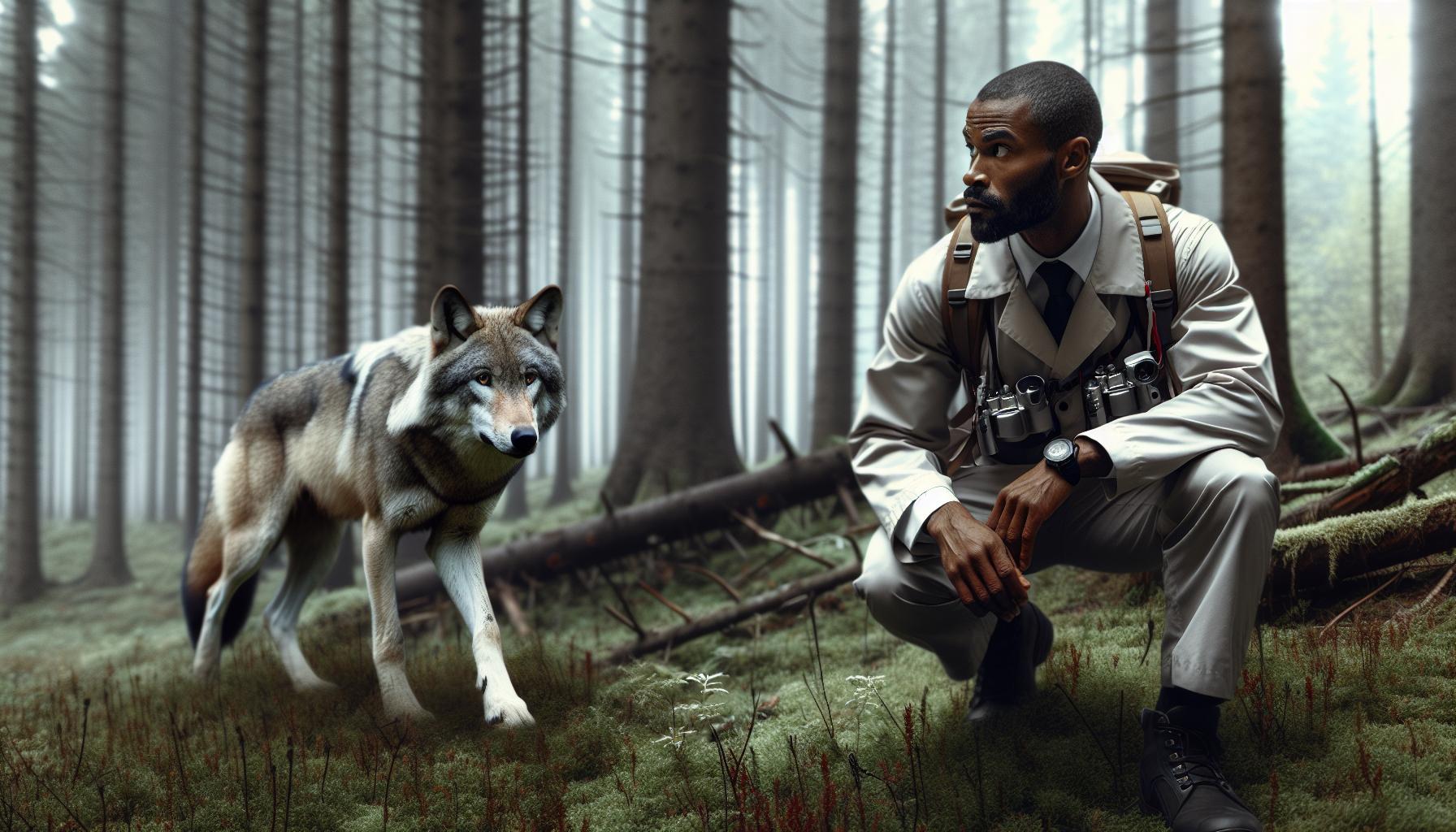
Identifying the Species Most Likely to Attack
Certain species of owls are more likely to exhibit aggressive behavior than others, particularly during nesting season when they feel their young are threatened. One of the most significant culprits is the Great Horned Owl, known for its size, intimidating call, and fierce protective nature. As one of the largest owls in North America, the Great Horned Owl may respond aggressively if a human approaches its nest too closely. Their powerful talons can inflict serious injury if they feel cornered or provoked.
Another species to be aware of is the Barred Owl, which, despite its generally calm demeanor, can exhibit defensive behavior, especially in dense forested areas where it typically nests. If a Barred Owl perceives a disturbance near its territory, it may swoop down in an attempt to drive the perceived intruder away. Their characteristic call, often described as sounding like “who cooks for you,” can serve as a warning for nearby humans to maintain their distance.
The Eastern Screech Owl also bears mentioning, particularly due to its surprising aggressiveness against perceived threats. While they are small and often shy, they can become very vocal and dive at intruders who venture too close to their nests. Their natural camouflage can make them harder to spot until it’s too late, and a startled screech owl can react quickly.
To recognize these potentially aggressive owls, look for specific traits: Great Horned Owls feature tufts on their heads that resemble ears and striking yellow eyes, whereas Barred Owls possess dark eyes and bold stripe patterns across their chest. Eastern Screech Owls can be found in a variety of colors, often blending seamlessly into their surroundings.
While encounters with aggressive owls are rare, understanding which species to watch for and their behavioral cues can help you safely enjoy observing these fascinating birds in the wild. Always be respectful of their space, especially during the breeding season when protective instincts are heightened. Observing from a distance, remaining calm, and avoiding quick movements will significantly reduce the likelihood of surprising them and eliciting an aggressive response.
Signs an Owl Feels Threatened or Provoked
Owls are fascinating creatures, and understanding their behavior, particularly when they feel threatened, is crucial for both the owls’ safety and the safety of humans. Several telltale signs can indicate an owl is feeling cornered or provoked. Recognizing these signs can make a significant difference in how to interact with these extraordinary birds during your observations in the wild.
One of the most common behaviors displayed by an agitated owl is defensive vocalization. When an owl feels threatened, it will often emit loud calls to assert its territory and warn off intruders. This vocalization varies between species: a Great Horned Owl might produce a deep hoot, while a Barred Owl may respond with a series of rhythmic hoots that can sound very musical. If you hear these calls escalating in intensity, it’s a clear signal to maintain your distance.
Another prominent sign of an owl feeling threatened is its body posture. An agitated owl may puff up its feathers to appear larger or lower its body to the ground as a sign of aggression. In species like the Eastern Screech Owl, this puffed-up appearance is coupled with an intimidating glare from their yellow eyes. Additionally, owls may adopt a sideways stance, stretching their wings slightly away from their body-a display meant to ward off potential threats.
If you observe an owl engaging in “mobility” behavior, such as swooping down or diving towards the perceived intruder, take this as a serious warning. Species such as the Barred Owl are known to perform this aggressive display when they feel their nest is in danger. Moreover, if an owl begins to make rapid, fluttering movements accompanied by sharp calls, it may be getting ready to defend itself vigorously.
Finally, one should always be mindful of the environment around nesting sites. During the breeding season, owls are particularly sensitive to disturbances. If an owl feels its young are in danger, it may exhibit extreme forms of aggression. Therefore, when observing owls in their habitat, it’s essential to keep a respectful distance and remain calm. Observing from afar ensures both your safety and the well-being of these majestic birds while allowing you to appreciate their behavior without causing stress.
How to Safely Observe Owls in the Wild
To truly appreciate the majesty of owls, it’s essential to know how to observe them safely and respectfully in their natural habitat. Unlike many birds that may shy away from humans, owls can be especially sensitive, particularly during nesting seasons. A well-planned approach can minimize stress on both the observer and the owl, ensuring a rewarding experience for all involved.
When venturing into owl territory, it’s crucial to equip yourself with a few key strategies. First, choose the right time of day-owls are primarily nocturnal, so dawn and dusk are ideal for spotting them. Keeping a safe distance is fundamental; use binoculars or a camera with a zoom lens to observe without intruding on their space. This not only protects the owls from unnecessary stress but also allows you to enjoy their behaviors from a respectful distance.
Another consideration is the environment. Familiarize yourself with owl species in the area. For instance, the Great Horned Owl is more common in wooded areas, while Barn Owls often use open fields. Being mindful of their habitats enables you to choose observation locations wisely while minimizing disruptions. Additionally, remember to approach quietly; sudden movements or loud noises can evoke territorial responses. If you’ve spotted an owl, remain calm and patient; frantic behavior can provoke a defensive reaction.
It’s also wise to be aware of some behaviors that indicate stress in owls. For example, if an owl puffs up its feathers, stands tall, or emits loud calls, this is a sign that it feels threatened. Respecting these signals by backing away can lead to a more peaceful encounter. Finally, consider the broader context of your visit; try to visit during less busy times and always adhere to local wildlife regulations to ensure the preservation of these incredible creatures.
By adopting these safe observation techniques, you’ll not only enhance your chances of an unforgettable owl sighting but also contribute to the ongoing protection of these fascinating birds in their wild environments.
What to Do If You Encounter an Aggressive Owl
When faced with an aggressive owl, the experience can be startling, given their unexpectedly fierce demeanor. Understanding how to handle these rare encounters can help protect both your safety and the well-being of the owl. Most owl attacks on humans occur out of a perceived threat, particularly during nesting seasons when they fiercely defend their territory. If an owl seems aggressive or is making loud vocalizations, it’s crucial to remain calm and assess the situation rather than panicking.
First and foremost, maintain a safe distance. If you notice an owl exhibiting aggressive behaviors, such as puffing up its feathers or swooping down, slowly back away without turning your back on the bird. Owls have incredible eyesight and can sense your movements, so staying still or moving slowly is essential to avoid provoking further aggression.
What to Avoid
It’s equally important to steer clear of actions that may escalate the situation. Do not attempt to approach or corner the owl. Interfering with its space, especially near nests, can be perceived as a significant threat, prompting the owl to strike. Avoid loud noises or sudden movements that could startle or provoke it further. If the owl continues its aggressive displays, consider relocating to a different area entirely.
Reporting and Seeking Help
Should you find yourself in a situation where you or others are persistently threatened by an aggressive owl, report your encounter to local wildlife authorities. They can assess the situation and provide guidance on how to manage and understand the behavior of that particular owl, ensuring both human safety and avian protection. You might learn valuable facts about that specific owl species’ behavior and how to coexist peacefully.
By being mindful of their behavior, respecting their space, and acting cautiously, you can navigate an encounter with an aggressive owl while minimizing risks to yourself and the animal. Your respectful understanding not only aids in preserving the natural behaviors of these majestic birds but also enriches your experience in the wild, allowing you to appreciate their role in the ecosystem without unnecessary conflict.
Cultural Perspectives on Owls and Fear
Throughout history, owls have been deeply intertwined with human culture, often symbolizing wisdom, mystery, and, at times, fear. This multifaceted relationship can shape our perceptions of these remarkable raptors. In many societies, the haunting call of an owl at night evokes both curiosity and apprehension, leading people to ascribe various meanings to its presence. For example, in some Indigenous cultures, the owl is seen as a protector or a wise guide, while in others, it is considered an omen of death or misfortune. This dichotomy significantly impacts how individuals respond to the possibility of an owl attack, often leading to heightened fear despite the actual rarity of aggressive encounters.
Owls are typically not aggressive toward humans, and instances of attacks are often misunderstood or exaggerated. It’s crucial to confront these cultural fears with factual information about owl behavior. For instance, many people believe that owls hunt humans, which is a significant misconception; these nocturnal hunters dine primarily on small mammals and insects. Understanding the natural behavior of owls can demystify their actions and reduce the fear surrounding potential aggression. Instead of viewing owls as menacing creatures, recognizing them as vital components of our ecosystem can foster a more respectful and informed attitude towards their presence.
In many cultures, the fear of owls is tied to the unknown and the nocturnal nature of these birds. As night creatures, owls are often cloaked in shadows, making them seem enigmatic and unpredictable. This has led to various cautionary tales and myths that portray them as harbingers of doom. However, through education and positive interactions, we can change these narratives. Watching owls from a distance, learning about their nesting habits, and understanding when they are most likely to be defensive can promote a safer and more enjoyable encounter for both humans and owls.
Taking a proactive approach to understand and respect owls not only eases our fears but can enhance our appreciation for these fascinating birds. As we cultivate a culture that prioritizes coexistence and respect for wildlife, including owls, we create a shared space where both humans and animals can thrive. By sharing knowledge and dispelling myths, we contribute to a more balanced relationship with the natural world, celebrating the unique role these avian creatures play in our ecosystems.
The Importance of Owls in Ecosystems
The role of owls in ecosystems extends far beyond their mysterious persona; they are crucial players in maintaining the balance of our natural world. As apex predators, owls significantly help regulate populations of various small mammals and insects. For instance, a single barn owl can consume over 1,000 rodents in a year. This predation helps control pest populations, which, in turn, protects agricultural crops and reduces the need for chemical pest control measures, benefiting both the environment and human agricultural practices.
Owls are particularly important indicators of ecosystem health. Their presence often reflects the overall condition of the environment, especially in agricultural and wooded areas. When owl populations are stable or thriving, it often indicates a healthy ecosystem with a balanced food web. However, declines in owl numbers may signal underlying environmental issues, such as habitat loss or pollution, prompting conservation actions that can benefit multiple species. Understanding owl behavior and their ecological role not only enriches our knowledge but also enhances our commitment to preserving their habitats.
Moreover, owls contribute to the excitement of biodiversity. Their varied hunting strategies, from silent flight to acute hearing, showcase nature’s adaptability. By observing owls in their natural habitats, we deepen our appreciation for the intricate connections that sustain our ecosystems. Engaging in owl-watching can also cultivate a sense of stewardship among local communities, encouraging conservation practices that protect not just owls but entire habitats where myriad species thrive together. In this way, fostering an understanding of owls and their ecological importance can inspire a collective effort to protect these remarkable birds and the environments they inhabit.
In summary, owls do not merely exist as solitary nighttime hunters; they are integral members of our ecosystems, contributing to biodiversity and the balance of predator-prey relationships. Their conservation is essential for maintaining the ecological integrity that supports various life forms, including humans. By respecting their space and the habitats they rely on, we foster a healthier planet for all.
Conservation Efforts for Owl Species at Risk
Efforts to conserve owl species at risk are critical, not only to protect these fascinating birds but also to maintain the delicate balance of ecosystems they inhabit. Many owl species face threats from habitat loss, pesticides, and climate change. However, dedicated conservation initiatives are making a difference and raising awareness around these majestic nocturnal hunters.
One impactful approach is habitat restoration. Organizations worldwide are working to restore and protect crucial habitats that owls depend on for hunting, nesting, and roosting. For example, planting native trees and clearing invasive species can create a more suitable environment for owls to thrive. Engaging local communities in these efforts fosters a sense of stewardship and connection to nature, encouraging volunteers to participate in conservation projects.
Public education initiatives also play a significant role in owl conservation. By raising awareness about the threats that owls face and their importance in the ecosystem, organizations can galvanize community support. Events such as owl-watching nights, workshops, and school programs can help demystify these birds and encourage people to appreciate and protect them. Many local wildlife centers offer resources on how to identify different owl species, understand their behaviors, and learn how to create owl-friendly environments in backyards.
Additionally, legislation aimed at protecting owl habitats can be influential. Advocacy for stronger environmental policies can lead to the establishment of protected areas crucial for bird populations. For instance, the designation of wildlife reserves can safeguard both owls and their prey, ensuring healthy populations of both.
In urban areas, efforts to create green spaces like parks and natural reserves are increasingly important. These spaces can provide critical habitats for owls, allowing them to coexist with human populations. Birdhouses specifically designed for owl species, such as barn owls, can also mitigate nesting site shortages caused by urban development.
The collaborative efforts of dedicated conservationists, scientists, and community members highlight how passionate advocacy and education can significantly impact the survival of owl species at risk. Ongoing research into owl ecology and behavior continually informs conservation strategies, ensuring they are effective and adapted to the unique challenges different species face. Supporting these efforts is paramount in preserving the incredible diversity of owls and the health of our ecosystems.
Appropriate Actions for Protecting Yourself and Owls
When it comes to encountering owls, understanding the right actions to protect both yourself and these magnificent creatures is essential. Owls are generally reclusive and prefer to avoid human interaction; however, there are occasions when one might feel threatened or provoked, leading to potential aggression. Being well-informed can bridge the gap between fear and fascination, ensuring that both humans and owls coexist peacefully.
One of the most effective preventive measures is to maintain a respectful distance. If you spot an owl, take a moment to observe it quietly without approaching too closely. Owls possess strong territorial instincts, especially during nesting season; thus, it is crucial to steer clear of their hunting or nesting sites. Use binoculars for a better view instead of invading their personal space. Additionally, watch for signs of agitation-such as head bobbing, wing flapping, or vocalizations-as these can indicate that the owl feels threatened. If you see these warning signs, calmly back away.
Moreover, educating yourself and others about owl behavior fosters a more empathetic understanding of these birds. Participate in local workshops or owl-watching events, where experts can share insights and help demystify owl habits. Community engagement is vital, as it spreads awareness and appreciation for owls, encouraging responsible wildlife interactions. Always inform children about keeping their distance from wildlife, teaching them to respect these animals and recognize the importance of preserving their habitats.
In areas where interactions with owls are more common, like parks or urban environments, it is beneficial to invest in owl-friendly landscaping. By planting native flora that provides natural hunting and nesting opportunities, you create a safer haven for these birds while reducing the chances of unwanted encounters. Additionally, if you encounter an aggressive owl, keep calm and do not run; instead, make yourself appear larger, and slowly walk away, ensuring you exit the area without provoking the bird further. Remember, your actions can set the tone for how owls are treated, emphasizing the importance of peaceful coexistence and respect for these incredible avian hunters.
Exploring Owl vs. Human Encounters: Case Studies
Although aggressive owl encounters are uncommon, various case studies illustrate how both humans and owls can navigate these situations safely. In one noteworthy instance, a family hiking in a national park reported an encounter with a Great Horned Owl that aggressively flew near them. The owl, defending its nest, circled close and squawked loudly. The family quickly recognized the signs of agitation-the owl’s low posture and aggressive vocalizations-prompting them to back away slowly, maintaining a safe distance. This interaction highlights the importance of respecting an owl’s territory, especially during nesting seasons when defensive behaviors are more pronounced.
Another interesting case involved a wildlife photographer’s attempt to capture images of owls in a local wildlife refuge. The photographer inadvertently approached a nesting Eastern Screech Owl too closely, resulting in a near-miss encounter. The bird launched from its perch, flying just above the photographer’s head. This incident serves as a reminder that while owls can be curious, they are also protective of their young. Observing quietly from a distance can substantially reduce the risk of provoking an owl.
Practical Takeaways
To ensure a harmonious coexistence with owls during outdoor activities, consider the following tips drawn from real-world encounters:
- Maintain Distance: Use binoculars or telephoto lenses to observe without intruding.
- Recognize Behavior: Look for signs of agitation like head bobbing, wing flapping, or aggressive calls.
- Educate Others: Share knowledge about owl behavior with friends, especially during wildlife excursions.
- Be Patient: Limit the duration of your observation to avoid distressing wildlife.
By integrating these approaches, both novice birdwatchers and seasoned veterans can enhance their owl-watching experiences while minimizing the risk of conflict. Such awareness fosters a deeper appreciation for these incredible birds and encourages responsible interaction with nature.
Q&A
Q: What attracts owls to urban areas?
A: Owls are increasingly drawn to urban areas due to the availability of food sources like rodents and safe nesting sites. Their adaptability allows them to thrive in these environments, but it’s crucial to respect their space and avoid disturbing them.
Q: Are some owl species more aggressive than others?
A: Yes, certain owl species, such as the Great Horned Owl, can exhibit more aggressive behavior, especially when protecting their young. Understanding specific species’ behaviors helps in safely observing these magnificent birds without provoking them.
Q: How can I tell if an owl is preparing to attack?
A: An owl may exhibit signs of aggression such as hooting loudly, puffing up its feathers, and staring intensely. If you observe these behaviors, it’s best to keep your distance and avoid further interaction to prevent an attack.
Q: What time of year do owl attacks occur most frequently?
A: Owl attacks are most commonly reported during the breeding season (typically late winter to early spring) when adults are particularly protective of their nests. Staying aware of the nesting season can help reduce encounters.
Q: Do owls only attack when they feel threatened?
A: Generally, owls will only attack if they perceive a threat to themselves or their young. Understanding owl behavior can help you avoid situations that may provoke an aggressive response.
Q: How can I protect my pets from owl attacks?
A: To protect pets, especially small animals, keep them indoors at night and supervise them outside, particularly during breeding seasons when owls are more territorial. Providing cover and habitat for pets can also deter owls from approaching.
Q: What should I do if I am attacked by an owl?
A: If attacked, protect your head and face with your arms and back away slowly. Seek medical attention if you sustain injuries, and report the encounter to local wildlife authorities to ensure it is documented.
Q: Can owl encounters be a sign of environmental issues?
A: Yes, repeated owl encounters in urban areas can indicate environmental changes, such as habitat loss, that force these animals closer to human populations. Conservation efforts are vital in maintaining balanced ecosystems.
For a deeper understanding of owl behavior and safety tips, consider exploring our sections on Identifying the Species Most Likely to Attack and How to Safely Observe Owls in the Wild.
In Conclusion
While encounters with owls are indeed rare, understanding their behavior and the circumstances under which they might feel threatened is crucial for both human safety and bird conservation. If you found this exploration enlightening, consider diving deeper into related topics such as “How to Identify Common Owl Species” and “Creating Owl-Friendly Spaces in Your Backyard.”
Don’t miss the chance to sign up for our newsletter for the latest updates on bird behavior and wildlife tips straight to your inbox. If you have any questions or personal experiences to share, we invite you to leave a comment below or connect with us on social media. Your continued curiosity fuels our passion, so keep exploring the fascinating world of birds with us!
Get our latest guides, news, and insights highlighted in your Google Search & AI Overviews.