Have you ever wondered what secrets lie behind the haunting calls of owls echoing through the night? These remarkable birds utilize vocalizations to communicate various messages, from territorial claims to mating calls. Understanding why owls hoot not only deepens our appreciation of their role in the ecosystem but also enhances our birdwatching experiences. Whether you’re a novice or an experienced birder, grasping the nuances of owl communication can illuminate their fascinating behaviors and enrich your observations in the wild. Join me as we explore the intriguing reasons behind the owl’s nocturnal symphony and discover how each hoot serves a purpose, inviting you closer into the enchanting world of these nocturnal marvels.
Exploring the Fascinating World of Owl Communication
Owls are fascinating creatures, captivating our imaginations with their mysterious calls that echo through the night. Each hoot, trill, and whistle serves a distinct purpose, reflecting the complexity of their communication. Understanding how and why owls vocalize brings us closer to appreciating these nocturnal hunters, revealing not just their behavior, but also their habitat and social structure.
The Language of Hoots
Owls use a rich tapestry of sounds to convey messages vital for their survival. These calls can indicate territory, signal mating readiness, or alert other owls to potential threats. For instance, a deep, resonant hoot may reflect a male’s proclamation of territory, while a rapid series of high-pitched trills might express alarm. Specific species, such as the Great Horned Owl or the Eastern Screech Owl, have unique vocal patterns that distinguish them from one another, allowing ornithologists and birdwatchers alike to identify them by ear.
Connecting with the Environment
The environment plays a pivotal role in how owls communicate. Factors such as urban noise, habitat destruction, and climate change can significantly influence their vocalizations. In quieter, more remote areas, owls might call more freely, using their natural acoustics to reach distant mates or rivals. Conversely, in urban settings, their calls may become less frequent or evolve due to the overpowering backdrop of human activity. Understanding these dynamics is crucial for conservation efforts aimed at preserving owl habitats and ensuring their vocal behaviors remain intact.
The Social Sphere of Hooting
Hooting is deeply embedded in the social structures of owls. For many species, vocal communication forms the backbone of interactions during breeding seasons. As they search for mates, males often hoot to attract females, showcasing their health and genetic fitness. This dynamic creates a fascinating social landscape where sounds not only serve practical purposes but also foster connections among individuals. Observing these interactions can provide insight into the behaviors that govern breeding success and survival.
By taking the time to listen and understand the calls of owls, birdwatchers can enhance their appreciation for these remarkable birds. Whether you’re a novice or a seasoned birder, tuning into the calls of owls adds an enriching layer to your outdoor experiences, connecting you to the intricate web of life that thrives after the sun sets.
The Science Behind the Hoot: What It Means
Owls have long fascinated humans with their haunting calls that pierce the stillness of night. But these enigmatic sounds are more than just eerie echoes; they are rich in meaning and serve essential functions in the lives of these remarkable birds. Each hoot, trill, or whistle is a carefully crafted message, conveying vital information about territory, mating status, and more. Understanding this intricate language allows us to appreciate the complex social behaviors of owls and enhances our connection to these nocturnal hunters.
Owls primarily use vocalizations to establish and defend their territories. A deep, resonant hoot, for example, can be a powerful statement of claim, signaling to rivals that a specific area is occupied. This territorial calling is crucial, especially during the breeding season when competition for mates intensifies. Additionally, these calls can vary in intensity and frequency depending on the urgency of the message. For instance, a sudden series of rapid, high-pitched trills may indicate an alarm or a warning of danger, successfully conveying a sense of urgency to nearby owls.
Another fascinating aspect of owl communication involves their mating rituals. Male owls often engage in elaborate vocal displays to attract females and assert their fitness. These calls can signal not only their presence but also their health and vitality, helping females make informed choices about potential mates. During the courtship season, listening carefully to the patterns, rhythms, and timing of these calls can reveal much about the social dynamics and success of individual owls.
Owl communication is also influenced by environmental factors. For instance, researchers have documented changes in vocalizations in urban areas where noise pollution dominates the landscape. In these settings, owls may modify their hoots, increasing volume or altering frequency to compete with background sounds. This adaptability showcases their resilience and underscores the importance of preserving natural habitats. By understanding how owls communicate, both in the wild and influenced by human activities, we can better engage in conservation efforts that support not only the species but also the intricate web of life they inhabit.
Different Hoots: Understanding Owl Dialects
Owls are more than just ghostly silhouettes against the moon-each one has a unique vocal signature that forms a complex dialect used for communication. Just like humans have regional accents or ways of speaking, different owl species and even individual owls within those species have distinct hooting patterns that serve a variety of purposes. Understanding these differences enriches our appreciation of these enigmatic birds and offers insights into their behaviors.
The first aspect to consider is that owl calls can vary significantly not only between species but also within a species based on geographical location. For example, the Great Horned Owl’s call has been described as a deep, resonating “hoo-hoo,” which can differ in tempo and tone depending on the regional population. In contrast, the Eastern Screech Owl may produce a series of soft trills or a haunting whistle, which can sound almost like a squirrel’s call. These variations help facilitate communication among owls, letting them identify each other, establish territory, and signal mating readiness.
Understanding Specific Calls
Different types of owl calls can carry specific meanings, facilitating a more nuanced understanding of their communication. For instance, a low, deep hoot may indicate a presence to ward off competitors, while a higher-pitched, rapid series of notes could signal alarm or distress. Here’s a quick breakdown of some common owl vocalizations:
- Territorial Hoots: These are typically low and resonant. Owls use them to announce their dominance and keep rivals at bay.
- Mating Calls: During the breeding season, males may engage in more elaborate hooting, showcasing their health and vitality to potential mates.
- Alarm Calls: Short, sharp notes or trills alert other owls to potential dangers nearby.
Hearing these calls offers a window into the social lives of owls. Think of it as a conversational interplay, where the pitch, tone, and rhythm can change based on the message conveyed. This vocal flexibility is essential for survival, as it allows owls not just to communicate, but to adapt their messages in response to their environment and the needs of the moment.
Thus, whether you’re new to birdwatching or an experienced birder, mastering the art of listening for these different hoots can greatly enhance your understanding of owl behavior. Incorporating this element into your observations can lead to enriching experiences in nature, making each encounter with these fascinating creatures all the more rewarding. By tuning into their vocalizations, you can become a part of their world, discovering the layers of communication that define their lives.
Why Do Owls Hoot at Night? The Nocturnal Call
There’s something magical about being in the woods at night, the air still and the stars twinkling above, only to be interrupted by the haunting yet enchanting call of an owl. Owls hoot at night primarily as a means of communication, employing their distinct vocalizations to thrive in the darkness. Unlike many birds that are active during the day, owls have adapted to the nocturnal lifestyle, and their hooting serves several key functions crucial for their survival.
One of the most significant reasons owls hoot at night is to establish and defend their territory. In the absence of light, vocalizations become the primary means of claiming one’s space, allowing owls to avoid confrontation with rivals. Each species has its own distinct hoot, which can carry over great distances. For example, a Great Horned Owl’s deep “hoo-hoo” resonates in the silence, letting others know that this territory is occupied. In addition, by hooting at night, owls can communicate their presence to mates and signal readiness for courtship or nesting.
Moreover, night time hooting plays a critical role in social interactions among owls. This vocal behavior fosters a sense of community, helping to keep family groups linked together during the breeding season. Parent owls often respond to the soft whistles or trills of their fledglings, guiding them to safety or engaging in bonding calls. At the same time, hooting can also alert other owls to potential dangers, allowing them to coordinate responses to threats from predators or other challenges in their environment.
Emphasizing the importance of night hooting, it’s fascinating to consider how these calls also facilitate learning among young owls. Juveniles mimic the hoots of adults as part of their development, refining their vocalizations to fit into the vibrant communication network of their species. As a birdwatcher or nature enthusiast, tuning your ears to the range of sounds at night can offer remarkable insights into these fascinating creatures. By understanding their vocal habits and the reasons behind their nocturnal calls, we can delve deeper into the complex lives of owls, enriching our experiences and fostering a greater appreciation for these remarkable symbols of the night.
Impact of Environment on Owl Hooting Behavior
Nestled within diverse environments, owls have developed unique adaptations in their hooting behavior that respond to their surroundings. The habitat in which they reside greatly influences not only the types of sounds they make but also the frequency and purpose of their vocalizations. For example, an owl calling from a dense forest may produce different tones or frequencies than those residing in open fields, as the acoustics of each environment drastically alter how sound travels. The thick foliage of a forest may muffle certain calls, prompting owls to choose sharper or more resonant hoots that can cut through ambient noise, while open areas can afford longer, more complex vocalizations that echo across the landscape.
Environmental factors such as temperature and time of year also play a critical role in owl calls. Colder temperatures, especially during mating season in early spring, may lead to more frequent and varied vocalizations as owls search for mates. Interestingly, studies have shown that the noise pollution from urban settings also impacts owl communication; many species adapt by increasing the volume of their hoots to compete with city sounds. Urban Great Horned Owls, for instance, are often observed hooting more loudly or adjusting their calls to maintain social connections amidst the clamor of the city.
Furthermore, the availability of food sources in an owl’s environment can influence their vocal behavior. In areas where prey is plentiful, owls might hoot less often, relying instead on body language and localized hoots to signal to nearby family members or mates. In contrast, during periods of low prey availability, they may increase their vocalizations to communicate distress or need while ensuring their territory is claimed and defended. As a birdwatcher, understanding these varied influences can significantly enhance your ability to locate and identify owls by sound.
By tuning into the environment where you observe owls, you can gain insights into their communication patterns and overall behavior. Listening closely during different weather conditions, times of day, and seasons will unveil the rich tapestry of owl vocalization, enhancing your appreciation for these mysterious night creatures. With this knowledge, you can become more adept in your birdwatching endeavors, transforming everyday outings into profound connections with the natural world.
The Role of Hooting in Mating Rituals
The rhythmic sound of an owl’s hoot during the night resonates deeply in the wilderness, particularly during the critical mating season. This call is not merely a casual sound-it serves as a vital function in the courtship rituals of many owl species. As potential partners roam their territories, the distinct timbre and patterns of their hoots become a beacon, attracting mates while simultaneously warding off rival suitors.
When male owls hoot, they are often proclaiming their presence and demonstrating their fitness to potential mates. These vocalizations, varying in pitch and cadence, can convey a range of messages, from “I am here” to “I am strong enough to defend my territory.” In species such as the Eastern Screech Owl, the male’s soft, trilling call is combined with louder, more assertive hoots to showcase both gentleness and strength, appealing to female owls who are discerning in their choice of partners.
The strategy extends beyond mere attraction; it’s also a tactical display. During courtship, males may engage in elaborate duets with females, reinforcing bonds and establishing territory dynamics. These coordinated calls create a beautiful soundscape in their habitat, blending their voices into a harmonious song that signals their unity and readiness to form a pair bond. The female’s response to the male’s calls is crucial, often determining whether the courtship will lead to a successful mating.
Another fascinating aspect of owl hooting in mating rituals is its timing. Many species begin their vocal displays during the twilight hours, coinciding with the onset of the breeding season in spring. As temperatures rise and the nights lengthen, the frequency and intensity of hooting can increase significantly. This behavior not only enhances mate attraction but also serves to establish territories, ensuring that the chosen nesting sites are secure for the future brood.
In summary, hooting plays an integral role in the mating rituals of owls, blending communication, allure, and territorial claims into a symphony of sounds. As a birdwatcher or nature enthusiast, observing these vocal interactions can deepen your understanding of owl behavior, making each outing a richer experience. Whether it’s the haunting call of the Great Horned Owl or the sweet whistle of the Barred Owl, tuning in to these nocturnal melodies reveals the profound connections forged through their vocalizations in the world of avian courtship.
How Young Owls Communicate: From Baby Hoots to Adult Calls
The early communication of young owls is a remarkable aspect of their development, showcasing their innate ability to convey needs and emotions even before they fully mature. From the moment they hatch, owlets begin to vocalize, producing soft peeps and whines that signal to their parents that they require food, warmth, or comfort. These initial sounds are crucial for survival, allowing owlets to maintain a connection with their caretakers, who often respond promptly to these calls.
As they grow, their vocalizations evolve significantly. By around four to six weeks, young owls start to produce distinct hoots that mirror the calls of their parent species. This stage of vocalization serves not only to communicate with their parents but also to prepare them for future social interactions as they become adults. The transition from baby peeps to more defined hoots marks a critical period in their development, and it is here that they begin to establish their identities within their species. Young Great Horned Owls, for instance, can be heard practicing their hoots, which will eventually develop into the deep, resonant calls characteristic of adults.
Throughout this maturation process, young owls learn to refine their calls, influenced heavily by the vocal patterns of their parents and the surrounding environment. Research has shown that different owl species have unique dialects, and owlets tend to adopt these regional characteristics as they grow. This adaptability highlights the remarkable ability of owls to learn from their surroundings, ensuring that their auditory signals align with those of their peers and potential mates later in life.
Moreover, this early communication is vital for social bonding. As owlets interact with their siblings and parents, the vocal exchanges create a framework for their future communication skills. In a nest environment where multiple young owls are present, the cacophony can be intense, but it fosters a sense of community and belonging. As a birdwatcher, listening to these early interactions can be a thrilling experience. Being attuned to the finer nuances between the calls of young owls provides insight into their developmental stages, making each observation an opportunity to witness the intricate dynamics of owl families unfolding in real time.
For those interested in identifying young owls by sound, attending to the subtleties of their vocalizations-whether they’re the soft whining of a hatchling or the nascent hoots of nearly fledged young-can be immensely rewarding. As you refine your listening skills, you’ll gain a deeper appreciation for these incredible creatures and their communicative behaviors.
Cultural Significance of Owls and Their Calls
When it comes to the fascinating world of communication, few creatures are as emblematic as owls, whose hoots have earned them a prominent place in folklore and culture. Owls are often associated with wisdom and mystery, a reputation that has been shaped by their nocturnal habits and haunting calls. In many cultures, these majestic birds symbolize knowledge, transition, and the unseen. For instance, ancient Greeks linked owls with the goddess Athena, underscoring their revered status as harbingers of insight and foresight. This connection illustrates how deeply interwoven owls and their calls are within human mythology and interpretation.
The significance of owl calls extends beyond symbolism; they play a critical role in various cultural practices and beliefs. In some Indigenous traditions, the hoot of an owl is considered an omen, signaling impending change or serving as a reminder of the spirit world. Such beliefs highlight the owls’ duality in being both guides and omens, fostering a rich tapestry of respect and caution among local populations. Furthermore, in literature and art, owls frequently appear as muses or characters that embody a sense of otherworldliness, drawing on their unique vocalizations to enhance their enigmatic portrayal. Recognizing the auditory vocabulary of an owl-inspiring yet eerie-can deepen our appreciation for their cultural influence.
For birdwatchers and nature enthusiasts, understanding the cultural implications of owl communication is more than an academic endeavor; it’s an opportunity to connect with the natural world on a deeper level. Listening closely to the varied cadences of their hooting can enrich your experience while out in the field. When you hear a distinct call, consider the historical or cultural contexts surrounding that sound. Does it invoke a specific story or belief? This layered appreciation can transform an ordinary birdwatching outing into a profound exploration of human and avian relationships.
The blend of the spiritual, the practical, and the aesthetic found in owl calls emphasizes their importance beyond mere communication. If you’re keen to learn more, consider visiting local libraries or cultural centers to explore literature that discusses owls in various societal contexts. Engaging with these perspectives can enhance your understanding and enjoyment of these remarkable birds, encouraging a respectful curiosity that honors both their natural communication and their rich cultural legacy.
Common Misconceptions About Owl Hooting
Hearing an owl hoot often brings to mind images of a wise old creature perched silently under the moonlight, but along with this enchanting imagery, several misconceptions about owl vocalizations persist. One of the most common misunderstandings is that owls hoot exclusively to signify danger or to communicate warnings. In reality, owl hooting serves a multifaceted purpose, much of which is rooted in social interaction. Owls utilize hooting primarily for establishing territory, attracting mates, and communicating with one another, particularly during the breeding season. A single hoot can convey dominance in a territorial dispute, while a series of hoots may indicate a call for a mate or even a simple social greeting.
Another prevalent myth is that all owls hoot in the same way. Each owl species has its unique vocalization patterns that reflect their environment and social structure. For example, the Great Horned Owl produces a deep, resonant “who’s awake, me too” sound, whereas the Eastern Screech Owl emits a trilling or whistling call. This variation can lead to confusion among novice birdwatchers, who might assume that they are hearing the same type of owl. Learning to identify these distinct calls enhances your birdwatching experience, enriching your understanding of their behavior and interactions.
Some believe that owls are more active during the day if they hoot frequently at night. While it may seem intuitive, hooting does not indicate increased activity but rather a way for owls to communicate their presence without revealing their locations to predators or competing owls. Additionally, the notion that only “traditional” hoots signify owl communication neglects the extensive range of sounds owls produce, including whistles, screeches, and even low growls. Recognizing this diversity is vital for a complete understanding of their communication strategy.
Lastly, the idea that hooting is solely a nighttime phenomenon overlooks the behavior of certain owl species that can also call during the day, especially if disturbed or when the breeding season approaches. Nighttime remains the preferred time due to their crepuscular nature, but context matters. Being aware of these common misconceptions can help create a more nuanced appreciation for owls and their intricate ways of communicating, ultimately enhancing your experiences while observing these magnificent birds in their natural habitat.
Tips for Birdwatchers: Spotting Owls by Sound
When roaming through wooded areas or quiet parks during dusk and dawn, the enchanting calls of owls can capture the attention of any birdwatcher. Understanding how to identify these calls is essential for spotting these elusive creatures in their natural habitat. By honing your listening skills and familiarizing yourself with different owl sounds, you can enhance your birdwatching experience and discover the secretive world of these nocturnal birds.
Begin by taking the time to learn the unique vocalizations of various owl species. Each owl has its distinct call, which serves different purposes-be it establishing territory, attracting a mate, or communicating with fellow owls. For instance, the Great Horned Owl’s deep, booming hoot can be easily distinguished from the Eastern Screech Owl’s high-pitched trill. To recognize these calls effectively, consider using audio guides or apps specifically tailored for birdwatching. This practice will not only help you identify the owls but also provide context to their behavior, deepening your appreciation for their communication.
Listen for Contextual Clues
Pay attention not just to the hoots themselves but to the surrounding environment. A series of hoots often signifies a territorial claim or an invitation to mates, while softer calls may indicate more intimate communication among owls. Familiarizing yourself with the typical times of day when owls are most vocal can also help you predict when to listen closely. For instance, many species are known to hoot around twilight or shortly before dawn. Take a moment to pause and absorb your surroundings during these times; your patience may reward you with the sight of a majestic owl soaring silently overhead.
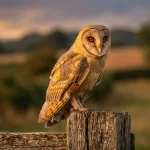
Additionally, consider the surrounding habitats that owls prefer. Different species have specific preferences, so knowing your local owls can streamline your search. For example, Barn Owls are often linked to open fields and old barns, while Barred Owls thrive in dense forests. Recording your observations and experiences can be incredibly beneficial for both novice and seasoned birdwatchers alike, adding depth to your journeys.
By paying close attention to their vocalizations, contexts, and habitats, you’ll not only enhance your skills as a birdwatcher but also deepen your understanding of owl communication. As you gradually develop your auditory recognition skills, spotting these captivating nocturnal hunters becomes less about luck and more about your growing expertise in the field. Happy birdwatching!
Recording Owl Calls: A Beginner’s Guide
To capture the haunting beauty of owl calls, you’ll need to go beyond merely listening-you’ll want to record these spectacular sounds. One captivating fact about owls is that each species has its unique vocalization styles and purposes, which can range from loud hoots used in territory claims to softer whistles during courtship. By recording these calls, you not only enhance your birdwatching skills but also contribute to a better understanding of owl behavior and communication.
Start by choosing the right equipment. A digital voice recorder or a smartphone with a good microphone is essential for capturing the nuances of owl calls. For a more professional approach, consider investing in a field recorder designed for wildlife sounds; models with directional microphones can help isolate owl calls amid background noise. As nocturnal creatures, owls tend to be more active at dusk and dawn; thus, these hours are prime for recording. Ensure you’re set up in a quiet area where owl activity has been noted.
Once you’ve established a location, practice patience and perseverance. Tip: Set your recorder to capture a longer time segment, perhaps 20-30 minutes, as this increases your chances of catching an owl’s call. Position yourself away from noisy disturbances, and remain quiet. When the calls do come, enjoy the moment! Afterward, review your recordings and take note of the different hoots, tones, and rhythms. It’s not just about collecting data; it’s also about understanding the context of each vocalization.
Regardless of your level of expertise, each recording session can yield insights into owl communication, enhancing your knowledge and appreciation of these remarkable birds. Don’t forget to label your recordings with details such as date, time, weather conditions, and specific behaviors observed. This practice will make your findings more valuable, whether you’re sharing with fellow birders or contributing to community science efforts. Happy recording!
The Future of Owl Communication Studies and Conservation
The intricate world of owl communication offers a fascinating glimpse into the lives of these nocturnal creatures, and understanding it can significantly contribute to their conservation. As we engage in more studies focused on owl vocalizations, we uncover not just the basics of their communication but also the ecological importance behind the hoots and calls. Researchers are increasingly utilizing technology, such as acoustic monitoring and advanced data analysis, to record and interpret owl sounds. These innovations allow us to map owl populations, establish their territories, and even gauge the health of their habitats by analyzing how vocal behavior changes in response to environmental factors.
To foster effective conservation efforts, it’s crucial to educate the public about the role of owls within ecosystems and their communication needs. Workshops and community science initiatives that encourage local birdwatchers to participate in owl monitoring can stimulate interest and awareness. Through platforms where birders can share their recordings and observations, we create a rich database of data that can help researchers and conservationists better understand owl behaviors across different species and habitats. Sharing these experiences can be incredibly informative-not only for seasoned birders but also for beginners who wish to learn about these enigmatic birds.
Given the threats faced by owls-from habitat loss to climate change-progress in communication studies is more important than ever. Our responsibility goes beyond just understanding; it involves proactive measures to protect their habitats and communicate their needs to policymakers. As we delve deeper into the future of owl communication studies, we can ensure that we are not just passive observers but active participants in their conservation, using our knowledge to amplify their calls for assistance. By embracing technology and community involvement, we can work together to safeguard the beautiful hoots and diverse vocalizations of owls for generations to come.
Frequently asked questions
Q: What types of sounds do owls make besides hooting?
A: Owls produce various vocalizations including screeches, whistles, and barks. Each sound serves different communication purposes, such as signaling alarm, marking territory, or attracting mates. Understanding these sounds enhances your appreciation of owl behavior. Explore more about these vocalizations in the section on “Different Hoots: Understanding Owl Dialects.”
Q: How do owls communicate with their young?
A: Young owls communicate primarily through softer calls, often called ” begging hoots,” to attract their parents for food. As they grow, they develop more complex vocalizations. Discover the progression of these sounds in “How Young Owls Communicate: From Baby Hoots to Adult Calls.”
Q: Why do different owl species have unique hoots?
A: Each owl species has distinct vocalizations that reflect their ecological needs and social structures. These unique hoots help in species identification and communication within their specific habitats. Learn more about species differences in “Different Hoots: Understanding Owl Dialects.”
Q: What environmental factors influence owl hooting behavior?
A: Environmental factors such as habitat type, presence of predators, and seasonal changes can significantly affect owl hooting behavior. For instance, owls may hoot more in dense forests or during mating seasons. Delve deeper into environmental influences in “Impact of Environment on Owl Hooting Behavior.”
Q: When are owls most likely to hoot?
A: Owls primarily hoot at dusk and during the night when they are most active. This timing helps them communicate effectively without drawing attention from potential predators. For more on nocturnal calls, check out “Why Do Owls Hoot at Night? The Nocturnal Call.”
Q: How can I differentiate between owl hoots at night?
A: You can differentiate owl hoots by their pitch, rhythm, and length. Each species produces distinctive sounds. Listening closely can help you identify which owl species is nearby. For tips on birdwatching, refer to “Tips for Birdwatchers: Spotting Owls by Sound.”
Q: Do owls have a seasonal pattern in their hooting?
A: Yes, owls often hoot more frequently during the mating season, which varies by species. This increase in vocalization helps establish territory and attract mates. Learn about the role of hooting in mating rituals in “The Role of Hooting in Mating Rituals.”
Q: How does culture influence the perception of owl hooting?
A: Cultural significance varies, with some cultures viewing owl hoots as omens or symbols of wisdom, while others associate them with bad luck. This diversity reflects how different societies interpret owl calls. Explore more about cultural significance in “Cultural Significance of Owls and Their Calls.”
Future Outlook
Now that we’ve explored the fascinating communication purposes of owls, it’s time to deepen your understanding of these incredible creatures. Remember, the next time you hear an owl hoot, you’re witnessing a rich tapestry of behaviors that reflect their needs and nature. Don’t miss out on our extensive guides on owl species behavior and care tips to enhance your birdwatching experience. Check out our articles on “Owls in Your Backyard” and “Owl Behavior Explained” for deeper insights!
If you found this information helpful, consider signing up for our newsletter to receive exclusive content right in your inbox! Join our community of bird enthusiasts and share your thoughts or experiences with owls in the comments below. Your contributions could spark discussions that benefit fellow readers! Keep exploring, and let your curiosity guide you through the enchanting world of owls and beyond!
Get our latest guides, news, and insights highlighted in your Google Search & AI Overviews.