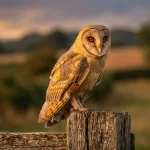
Did you know that the haunting calls of owls can carry over vast distances, often echoing through the night like nature’s own soundtrack? These iconic sounds play a crucial role in the lives of these fascinating birds, serving purposes that go beyond mere communication. Understanding why owls hoot not only deepens our appreciation for their unique behavior but also enhances our connection to the natural world around us. Whether you’re a seasoned birdwatcher or a curious newcomer, exploring the surprising reasons behind these vocalizations will enrich your experience and inspire a greater respect for these enigmatic creatures. Join us as we uncover the top five reasons why owls make their signature calls, and discover the intricate language of the night.
Why Do Owls Hoot: The Basics of Owl Communication
Owls are captivating creatures, and their hoots are key to understanding their behavior and communication. When we hear an owl hoot, it may evoke a sense of mystery or wonder, but there’s a fascinating biological purpose behind these vocalizations. Hooting is a primary mode of communication for many owl species, serving multiple functions that go beyond what one might assume.
Owls hoot primarily to establish territorial claims. The sound carries well in the stillness of night, allowing them to announce their presence and ward off intruders. This is particularly important during breeding season, as a strong vocal display not only signals ownership of territory but also attracts potential mates. For a bird watcher or aspiring birder, knowing that an owl’s furtive hoot signifies its dominance in an area can make spotting these enigmatic birds all the more rewarding.
Additionally, hooting can serve as a means of social interaction among owls, often linked to family communication. Young owls may hoot to keep in touch with their parents or siblings, allowing them to coordinate movements during hunting or simply maintain the bond. This form of interaction reflects a level of complexity in social structures that many may not associate with these solitary hunters. Understanding the nuances of their vocalizations can deepen the appreciation for their behavioral patterns and enhance one’s birdwatching experience.
In many ways, we still have much to learn about these incredible birds through their sounds. Observing the specific contexts in which owls hoot can reveal a wealth of information about their emotional states and social dynamics, making each encounter a new opportunity for discovery.
The Science Behind Hooting: Vocalizations Explained
Owls have fascinated humans for centuries, not just because of their nocturnal habits but also due to the mysterious sounds they produce. Understanding owl vocalizations opens a window into their complex social behaviors and ecological roles. When an owl hoots, the sound serves multiple purposes, and the science behind these vocalizations reveals a wealth of information about their behavior and ecology.
One of the primary functions of hooting is communication within species. Each species of owl has developed its own distinct set of calls that can denote everything from territory claim to mating readiness. For instance, the Great Horned Owl’s deep, resonant hoot can be heard over long distances, making it an effective tool for establishing territory. The call often consists of a series of four hoots, with each pause allowing the bird to listen for responses from other owls. This careful structuring of vocalizations indicates a sophisticated understanding of space and territory dynamics among owls.
In addition to establishing territory, hooting serves as a vital means of maintaining family connections. Juvenile owls, for example, will often vocalize to call to their siblings or parents, reinforcing bonds and coordinating family activities, especially during the critical times of hunting or roosting. This dynamic is particularly evident in species like the Eastern Screech Owl, whose calls vary in pitch and tone to convey different messages, effectively showcasing a nuanced language that enhances group cohesion.
Moreover, environmental factors can greatly influence owl vocalizations. The acoustics of their habitat-be it a dense forest or an open field-play a crucial role in how sound travels. Owls adapt their calls accordingly, with those in open areas emitting louder, more powerful sounds compared to their counterparts in denser ecosystems. This adaptability reflects not just their survival strategies but also their intricate relationship with the environment, emphasizing the importance of preserving natural habitats for these remarkable birds.
Understanding these vocal nuances provides bird enthusiasts and researchers alike with a more profound appreciation for owl behavior. Each hoot, trill, or screech offers clues to the emotional states, social interactions, and environmental adaptations of these enigmatic creatures, revealing a complex world that thrives under the cover of darkness. Observing and interpreting these vocalizations enriches our experience in the field and enhances our knowledge of avian communication.
Surprising Reasons: Beyond Mating Calls
A common misconception is that owls hoot solely for mating purposes. While reproductive calls are significant, they represent just a fraction of the rich tapestry of owl communication. These vocalizations serve multiple essential roles within their ecosystem, displaying a remarkable adaptability to their social and environmental contexts. Understanding these varied reasons can deepen our appreciation for these fascinating nocturnal predators.
One surprising function of hooting is related to territorial claims. Owls are known to use their deep, resonant calls to establish and defend their hunting grounds from rivals. For example, a male Great Horned Owl will often produce a series of powerful hoots that resonate through the night, both asserting his ownership of territory and alerting nearby owls to his presence. This territorial behavior isn’t limited to just the breeding season; owls call at various times throughout the year to maintain their space.
Another intriguing reason behind owl hooting is social cohesion. Juvenile owls, particularly in species like the Eastern Screech Owl, will communicate with siblings and parents using distinct calls to coordinate movements or signal their location. In family groups, these vocalizations help maintain bonds and ensure that young owls are not left behind, especially during critical hunting or roosting periods. The way young owls vocally interact displays a surprising level of social intelligence, contributing to the familial dynamics crucial for survival.
In addition, hooting can reflect stressed or threatened conditions. When faced with potential dangers, such as predators or unfamiliar disturbances, owls can use their calls to warn other members of their species about the threat. These alarm calls often vary from the typical hoots, incorporating sharper, more urgent sounds that can alert nearby owls to keep their distance or take flight. This ability to alter vocalizations in response to environmental cues showcases the adaptability of owls in navigating their surroundings.
Lastly, broader ecological interactions showcase the significance of owl vocalizations. For example, the presence of owl hoots can influence the behavior of other animals in the vicinity. Their calls can deter smaller animals from entering a territory or even affect the activities of other predators, such as raccoons or foxes, who may avoid areas where they hear frequent hoots. By shaping the behavior of other species within their ecosystem, owls play a vital role in maintaining the delicate balance of their environment.
Understanding these additional functions of hooting illuminates the complex lives of owls, going beyond mere mating calls to reveal a rich communication system that is both educational and captivating for bird enthusiasts and casual observers alike. Whether you’re a seasoned birder or a newcomer, paying attention to the context and nuances of owl calls can enhance your field experience and deepen your connection to these remarkable creatures.
Territory and Hooting: Claiming Their Space
Owls have a fascinating way of claiming their territory, and their hooting is a central part of this process. When the sun sets and the world quiets, the deep, resonant calls of these nocturnal birds can be heard echoing through the night. This enchanting sound is not merely for show; it serves a crucial purpose in the lives of owls. By vocalizing, an owl can assert dominance over its hunting grounds, drawing a clear boundary that warns rivals to stay away. For instance, a Great Horned Owl, known for its powerful hoots, will deliver a series of calls that resonate throughout its territory, making it clear to other owls that it is marked and claimed.
In addition to asserting territory, hooting plays a strategic role during the courtship period. Male owls often hoot to attract females, effectively announcing their presence while simultaneously deterring potential rivals. This dual-purpose communication helps maintain a balance of power during breeding seasons. Yet, it’s important to note that territorial hooting is not limited to spring and summer; owls call throughout the year, reinforcing their claims and letting others know that they are still present and vigilant.
When observing owls, especially in your backyard or during birdwatching, pay attention to how often they hoot and the time of day they do so. Owls may respond to disturbances or rival vocalizations with an uptick in their own calls, a behavior that exemplifies their adaptability. For example, if you find yourself in a natural area where owls reside, listening closely at dusk can yield a fascinating understanding of their social dynamics.
To take it a step further, creating a conducive environment in your garden can attract owls. Planting native trees, installing owl boxes, or reducing noise pollution can create a more welcoming habitat. By fostering an owl-friendly area, you may not only witness this magnificent behavior firsthand but also contribute to their ecological richness. Engaging with owls by understanding their territorial calls offers a deeper appreciation of these birds as they navigate their nocturnal world.
What Hooting Indicates: Emotional States of Owls
Owls communicate their emotions in nuanced ways, with hooting serving as a window into their internal states. When you hear an owl calling, especially during the twilight hours, it’s not just a simple noise; it’s a reflection of their feelings and intentions. For example, a soft, drawn-out hoot may indicate a sense of calmness, perhaps signaling comfort in their chosen perch. On the other hand, a series of rapid, sharp hoots might suggest agitation or distress, particularly if they feel threatened or are trying to warn off an intruder.
Hooting can also reveal social dynamics among owls. In more intimate settings, such as during courtship, male owls may employ melodic hoots that convey enthusiasm and readiness to mate. This vocalization not only attracts females but also expresses excitement. Subsequently, if a female is receptive, she might respond with her own series of calls, creating a dialogue that establishes their bond. Additionally, parental calls are crucial; young owlets may emit soft begging sounds that reflect vulnerability, urging their parents to bring food.
Understanding what hooting indicates can enhance your owl observation experience. For instance, if you’re out listening for these enchanting birds, pay attention to the context in which the hooting occurs. During late summer, frequent calls from female owls may suggest that they are protecting their young, while increasingly aggressive hooting in winter could denote competition for territory. Keeping a journal of these observations can assist in identifying patterns in owl behavior and emotional cues, enriching your understanding and appreciation of these mysterious creatures.
A few tips for engaging with owls effectively include:
- Choose a quiet location away from human noise to enhance your ability to hear their calls.
- Use binoculars or a spotting scope to watch their body language as they vocalize.
- Familiarize yourself with the specific calls of local owl species, as each has its unique communication style.
By engaging with their calls, you allow yourself to connect with owls on a deeper level, fostering a greater appreciation for their intricate emotional lives.
Species-Specific Calls: Differences in Hoots
Listening to owls can be a mesmerizing experience, as each species communicates through a unique repertoire of vocalizations. While many people associate owls solely with the classic “hoo,” there is a rich variety of sounds that convey distinct messages. For instance, the Great Horned Owl, known for its imposing stature, produces a series of low, booming hoots that can carry for miles, primarily serving to establish territory and attract mates. In contrast, the Eastern Screech Owl offers a variety of calls, including haunting trills and whinnying sounds that mirror the complexity of its behavior, such as claiming territory or signaling alarm.
Understanding Species Differences
Each owl species has adapted its vocalizations to suit its environment and social structures. The Barred Owl, for example, has a familiar “who cooks for you?” call that resonates through the forests, often paired with softer cooing sounds during courtship. This vocal mix allows them to communicate effectively while blending harmoniously with the sounds of their natural habitat. In comparison, the Barn Owl is known for its eerie, scream-like call, which is more startling than melodic. This vocalization purposefully creates an unsettling atmosphere, potentially deterring predators or competing species.
- Great Horned Owl: Characterized by rich, deep hoots; great for territorial disputes.
- Eastern Screech Owl: Offers a range of sounds including trills and whinnies; useful in social interactions.
- Barred Owl: Known for its distinctive “who cooks for you?” hoots; effective in both mating and territorial displays.
- Barn Owl: Produces a haunting screech; primarily serves as a warning call and for communication with mates.
Even the subtle differences in pitch and rhythm among these species can provide insights into their social and emotional states. For example, a series of quick, staccato notes from a Northern Saw-whet Owl may denote alarm, signaling to nearby owls that a threat is near. If you’re eager to expand your auditory repertoire, consider immersing yourself in the sounds of your local owl species. Utilizing apps or resources that curate recordings can be invaluable for beginners and bird enthusiasts alike, helping you decipher the meanings behind these unique calls.
By understanding the diverse vocalizations of different owl species, you not only enhance your ability to identify them in the wild but also deepen your appreciation for their roles in our ecosystems. Each call is a reminder of the rich tapestry of life that exists just beyond our everyday encounters.
Cultural Significance of Owl Calls
The enchanting calls of owls have captivated humans for centuries, weaving a complex tapestry of folklore, symbolism, and cultural meanings. For many cultures, the hoots of these nocturnal birds symbolize wisdom and knowledge, often depicted as guardians of ancient secrets. In ancient Greece, the owl was associated with Athena, the goddess of wisdom, representing clarity and insight. The relationship between owls and the night has further embedded them in various myths, where they commonly serve as omens or guides in the dark, signaling a transition between the known and the mysterious.
In many Indigenous cultures around the world, owl vocalizations carry significant meanings. For some tribes, owls are seen as messengers from the spirit world, delivering important news or warnings. The different calls they produce can also indicate specific messages; for instance, the sound of an owl may be interpreted as a call to pay attention to one’s intuition or to remain vigilant about impending changes. These perspectives highlight how owl sounds resonate with human emotions and experiences, creating a sense of connection between nature and society.
Furthermore, the cultural significance of hooting goes beyond mere interpretation. In contemporary times, birdwatchers and enthusiasts often share their experiences of listening to owl calls in the wilderness. This activity not only fosters appreciation for nature’s wonders but also encourages community among bird lovers. Understanding the different meanings behind these vocalizations can enhance one’s birdwatching experience, allowing enthusiasts to connect deeply with the ambiance of their surroundings. By learning to identify owl calls specific to their habitat, individuals can engage in a richer narrative of the natural world, whether it’s serenading in the moonlight or participating in a local citizen science project.
Ultimately, the calls of owls remind us of our interconnectedness with the environment, serving as a bridge between cultural heritage and the natural world. Whether viewed as symbols of wisdom or spiritual messengers, owls invite us to listen closely and appreciate the profound elements of their communication, enriching our lives with their hauntingly beautiful sounds.
Listening to Owls: How to Identify Their Calls
Listening to the captivating calls of owls, especially in the stillness of the night, can open a doorway to understanding their mysterious world. Each species has its unique vocalization, which can range from soft whispers to striking hoots echoing through the woods. Learning to identify these calls not only enriches your experience as a bird enthusiast but also deepens your connection to nature.
When you’re out in the field, consider these key characteristics to help distinguish between different owl calls:
- Pitch: Some owls have deep, resonant hoots, like the Great Horned Owl, while others, like the Eastern Screech Owl, produce high-pitched trills or whistles.
- Rhythm: Pay attention to the pattern of the call. The Barred Owl, for instance, has a distinctive “Who cooks for you? Who cooks for you all?” call, which is easily recognizable due to its unique rhythm.
- Length: The duration of the call can also vary. A long, drawn-out hoot might indicate a territorial claim, whereas shorter calls can signal communication between mates or alerts.
Practical Tips for Identifying Calls
To improve your owl call identification skills, consider using audio recordings from trusted sources to familiarize yourself with each species’ sounds. Spend time in locations known for owl activity around dawn or dusk, as they are often more vocal during these hours. Use a field guide or a mobile app that includes recordings to help you practice identifying calls in real time. Remember, patience is key. Sometimes, simply sitting quietly in a favored spot can yield incredible vocal interactions.
Also, consider establishing a “listening post.” This could be a comfortable chair or a picnic blanket spread out on a hill overlooking a wooded area. Bring along a notebook to jot down the calls you hear and the time of night. This process not only enhances your auditory skills but also allows you to connect with the rhythm of the natural environment as owls transition into full nocturnal mode.
As you start to recognize these vocalizations, it opens up a world of owl behavior and ecology, aiding in your understanding of their roles in their habitats. You may find that certain calls correlate with specific behaviors or times of year, deepening your appreciation for these amazing birds. Each call becomes a clue to their lives, inviting you to observe and connect rather than merely listen. Listening closely to owls makes the experience all the more immersive, reminding us of the wonder and complexity of wildlife around us.
Challenges of Owl Communication: Environmental Impact
The relationship between owls and their environment is intricately woven, impacting not only their communication but also their survival. As nocturnal hunters, owls rely heavily on vocalizations like hoots for various purposes, including mating, territory establishment, and signaling alarm. However, environmental changes pose substantial challenges to their communication, often leading to significant repercussions for their populations.
Urbanization is one of the foremost environmental stressors affecting owl communication. As cities expand, natural habitats are replaced with concrete structures and roadways, creating noise pollution that interferes with the owls’ soundscape. A Great Horned Owl’s deep hoots may struggle to carry over the rumble of traffic or the hum of city life, making it challenging for mates to communicate or establish territories. This incessant background noise can distort crucial calls, leading to confusion and potential mating failures.
Moreover, habitat degradation significantly impacts owl populations. The removal of trees and natural cover not only limits their hunting grounds but also affects their ability to vocalize effectively without the fear of being exposed to predators or humans. For instance, the Western Screech Owl thrives in wooded environments but may find it increasingly difficult to call out in fragmented habitats. Consequently, conservationists encourage the preservation of natural landscapes to support healthy owl populations and mitigate the impact of environmental disturbances on their communication.
Climate change further complicates the scenario. Altered weather patterns impact prey availability, forcing owls to adapt their hunting and calling behaviors. As seasons shift, the timing of vocalizations can be thrown off, leading to mismatches between calling periods and peak reproductive times. This misalignment can disrupt breeding cycles, reducing the chances of successful hatching and raising of young owls.
In light of these challenges, bird enthusiasts and conservationists can contribute to mitigating environmental impacts on owl communication. Engaging in local conservation efforts, such as preserving natural habitats and reducing noise pollution, can help maintain the delicate balance these magnificent birds rely upon for survival. Creating quiet, protected spaces in urban areas can promote healthier owl populations and allow their enchanting hoots to resonate through the night sky once more.
How to Attract Owls: Tips for Bird Lovers
Creating a welcoming environment for owls in your backyard can be an exciting and rewarding experience. These fascinating creatures play vital roles in controlling rodent populations and enriching local ecosystems. To entice them to visit, you’ll want to ensure your space meets their needs and offers the right conditions for these magnificent nocturnal hunters.
One of the most effective ways to attract owls is by installing an owl box. These specially designed nesting sites provide a safe place for owls to roost and raise their young. Ensure the box is constructed from durable materials and has proper drainage and ventilation. Place it at least 10-15 feet high in a secluded area, away from bright lights and disturbances. Positioning the box near natural features like open fields or wooded areas will help attract species such as the Eastern Screech Owl or the Great Horned Owl.
Creating the right habitat is equally essential. Owls favor environments that offer ample hunting grounds, cover, and perching opportunities. Planting native trees and maintaining a mix of open spaces and dense vegetation can set the stage for owl activity. Not only does this provide shelter and vantage points, but it also encourages the diverse prey that owls need to thrive. Offering a water source, such as a small pond or birdbath, can also enhance your yard’s appeal as it attracts small mammals and birds, which are part of an owl’s diet.
Additionally, you might consider using natural calls to create an inviting atmosphere. It’s essential, however, to use these calls responsibly and sparingly, ensuring that you’re not disrupting local wildlife. Mimicking sounds like the soft hoot of a Barred Owl or the whistling calls of the Eastern Screech Owl can pique their interest but be cautious not to overdo it, as this can lead to stress or confusion in surrounding wildlife.
Every little effort contributes to creating an owl-friendly environment. By fostering a suitable habitat and providing necessary resources, you can enjoy the enchanting experience of hearing their distinctive calls echo through the night, deepening your connection to these remarkable birds. Whether you’re a seasoned bird watcher or just starting your journey, remember that patience is key, and over time, you may just find yourself a delightful visitor in your backyard.
Owls in Mythology: Symbolism of Hooting
The hooting of owls has captivated human imagination for centuries, entwining these enigmatic birds in countless myths and legends across cultures. Many societies have viewed the sound of an owl’s call as an omen, often carrying profound meanings. For instance, in various Indigenous cultures, the owl serves as a messenger between the living and the spirit world, symbolizing intuition and the unknown. Their nocturnal nature and haunting calls resonate with themes of wisdom and mystery, elevating them to a status of reverence and fear alike.
In Western mythology, owls are frequently linked to the goddess Athena, the embodiment of wisdom and strategic warfare in ancient Greece. The presence of an owl is interpreted as a sign of protection and wisdom, reflecting the dual nature of their hoots, which can signify both knowledge and forewarning. This contrast is echoed in English folklore, where owls were often regarded as harbingers of death or bad luck, especially when their calls interrupted the night at places of illness or misfortune [[1]].
The symbolism attached to hooting varies significantly between cultures. For example, in some Celtic traditions, an owl hoot is believed to signify a communication from the deceased, offering comfort or warning to those left behind [[3]]. This deep connection to the spiritual realm is in stark contrast to other cultures viewing hooting solely as a sign of impending misfortune. Regardless of the interpretation, one thing is clear: the call of the owl resonates with human experiences of life, death, and the mysteries that lie between.
To those interested in the practical aspect of owl calls, understanding these mythological connections can enrich your experience when observing owls in the wild or even in your backyard. Listening closely to their vocalizations may deepen your appreciation for their role in nature while honoring the myriad stories that have been woven around their hoots. As you tune in to their calls, consider the cultural narratives that accompany them-this mindful connection enriches the joyful experience of being a bird lover and lets us glimpse the profound relationships humans have had with these fascinating creatures throughout history.
Understanding Owl Behavior: Patterns and Activities
Owls are often portrayed as enigmatic creatures, their behaviors steeped in mystery and folklore. One captivating aspect of these birds is how their vocalizations-primarily hooting-reveal much about their daily lives and interactions. From seeking mates to establishing territory, understanding the patterns and activities that influence owl vocalization can deepen our appreciation for these fascinating raptors.
Owls are predominantly crepuscular or nocturnal, being most active during twilight or at night. Their daily activities often revolve around hunting, roosting, and, during mating season, communicating with one another. Hooting serves several crucial purposes in this context. For instance, during the breeding season, male owls will call persistently to attract females, showcasing their presence and fitness. Females, in turn, may respond with specific calls indicating their interest or availability, creating a duet that solidifies their bond and territory.
During the non-breeding season, hooting still plays a vital role in territorial assertion. Owls are very territorial and use their calls to inform other owls of their presence and to deter potential intruders. The loud and resonant hoots not only establish boundaries but also communicate to rivals that the territory is occupied, thus reducing confrontations. The intensity, frequency, and pitch of hoots can vary between species, each with its own unique signature calls that are instantly recognizable to those familiar with them.
It’s also fascinating to note that some species have been observed employing different vocalizations depending on their emotional state or environmental context. For example, a sudden, alarmed hoot might indicate distress or the presence of a predator, while soft, repetitive calls could signal comfort and rest within established territory. This adaptability in communication showcases the complexity of owl behavior beyond mere mating calls or territorial displays.
While many of us may be able to identify the common Great Horned Owl’s iconic “whooo, whooo” or the Barn Owl’s eerie screech, seasonal changes and time of day can significantly influence owl calls. Engaging in responsible birdwatching, especially during dusk or dawn, increases the chance of witnessing these beautiful birds in action and hearing their unique calls in the wild, offering a glimpse into their mysterious social lives. Understanding their patterns and activities not only enhances birding experiences but also promotes a greater appreciation of their ecological roles and the vital habitats they inhabit.
Frequently asked questions
Q: Why do owls hoot at night?
A: Owls hoot at night primarily because they are nocturnal hunters. Their vocalizations help them communicate with other owls to establish territory, express mating calls, and signal their presence. The night provides quieter surroundings, making their calls more effective for long-distance communication.
Q: What does it mean when an owl hoots three times?
A: Generally, an owl hooting three times can indicate a territorial claim or a call to potential mates. This repetitive sequence often signifies that the owl is asserting its presence in a specific area. Check the section on territory and hooting in the article for more insights.
Q: Do all owl species hoot?
A: Not all owl species hoot; different species produce various vocalizations. Some owls make screeches, whistles, or barks instead. Species-specific calls often reflect their unique behaviors and ecological needs, as discussed in the article’s section on species-specific calls.
Q: How can I tell if an owl is hooting or making other sounds?
A: Identifying owl sounds involves listening for their distinct hoots versus other calls like screeches or barks. Familiarity with local species can aid identification. The article offers guidance on understanding owl calls that can help enhance your listening skills.
Q: What time of year do owls hoot the most?
A: Owls typically hoot most during their breeding season, which varies by species but generally occurs in late winter to early spring. During this time, they are particularly vocal while establishing territories and attracting mates.
Q: Why do owls hoot during the day sometimes?
A: While most owls are nocturnal, some may hoot during the day when feeling threatened or when establishing territory. Daytime vocalizations can also happen during mating season when competition is high, leading to increased territorial calls.
Q: Can owl hooting be harmful to them?
A: Hooting itself is not harmful, but loud calls could attract predators or human disturbances. Owls should be cautious in urban areas where noise pollution and interactions with people may pose risks. Learn more about environmental impacts in the article.
Q: How can I encourage owls to hoot near my home?
A: To attract owls to your yard, create a suitable habitat by providing food sources and nesting sites. Avoid chemical pesticides, which may harm small mammals, the owls’ primary food source. Explore tips more thoroughly in the article’s section on attracting owls.
Future Outlook
As we’ve explored the fascinating reasons behind owl hoots, from territory marking to mating calls, it’s clear these nocturnal creatures communicate in remarkable ways. If you’re captivated by birds, don’t miss our in-depth guide on Bird Watching Basics and check out the article on Top Nocturnal Birds for more insights.
Ready to dive even deeper into the avian world? Subscribe to our newsletter for regular updates, tips, and exclusive content that will enhance your birding experience. Remember, every call you hear at night tells a story-so venture out and listen! Share your owl experiences in the comments below, and let’s keep the conversation going! Your curiosity fuels our community, and we can’t wait to hear from you.
Get our latest guides, news, and insights highlighted in your Google Search & AI Overviews.