Did you know that snowy owls, with their striking white plumage, are not just a symbol of winter beauty but also remarkable survivors in some of the harshest climates on Earth? Understanding where these enchanting birds reside can enrich our appreciation for their unique lifestyle and habitat. Snowy owls inhabit vast tundra landscapes, primarily in the Arctic regions, but they also venture south during winter, seeking out open fields and coastal areas. By exploring their habitat, you’ll gain insights into their hunting patterns, breeding behaviors, and the environmental challenges they face. Whether you’re a seasoned birdwatcher or a curious nature lover, learning about the snowy owl’s geography will deepen your connection to these magnificent creatures and the ecosystems they inhabit. Join us as we uncover the secrets of where snowy owls thrive and how we can help protect their beautiful yet vulnerable habitats.
Where Are Snowy Owls Found in the Wild?
Snowy owls are iconic birds known for their striking white plumage and piercing yellow eyes, and they inhabit some of the most unique environments on earth. These majestic predators primarily call the Arctic tundra their home, where they are well-adapted to the harsh, frigid climate. The tundra provides an expansive landscape with low vegetation, ideal for hunting small mammals like lemmings, which make up the bulk of their diet. During the breeding season, which occurs in spring, they establish their nests on the ground, often in well-hidden locations between rocks or near the base of small hills.
In addition to their Arctic breeding grounds, snowy owls are also found in regions across Canada, Alaska, and parts of Greenland. Interestingly, they occasionally migrate southward during the winter months in search of food, with sightings reported in the northern United States and even as far south as Texas during irruptive years, when local populations explode due to plentiful prey. These migrations can sometimes lead to snowy owls appearing in urban areas and open fields, where they are more easily spotted by birdwatchers and nature enthusiasts.
The snowy owl’s habitat preferences extend beyond cold climates; they are also known to inhabit grasslands and open fields, especially during winter. When looking for these magnificent creatures, it’s crucial to stay patient and observant. They often perch on fence posts, telephone poles, or large rocks, blending seamlessly into their surroundings, which allows them to blend in perfectly while watching for prey.
Awareness of the snowy owl’s habitats and migratory behavior enhances our understanding and appreciation of these incredible birds, making each sighting a thrilling experience for birdwatchers and nature lovers alike. Their unique adaptations and behaviors highlight the delicate balance of the ecosystems they inhabit, underscoring the importance of conservation efforts to preserve their natural environments.
Understanding the Snowy Owl’s Natural Habitat
Snowy owls thrive in some of the harshest conditions nature can offer, showcasing their remarkable adaptability to the tundra’s extreme climate. These birds, characterized by their stunning white feathers and powerful hunting skills, are primarily found in the Arctic regions. The vast, treeless expanses of the Arctic tundra provide a unique environment where snowy owls can effectively hunt their main prey, small mammals like lemmings. These owls have excellent camouflage talents; their plumage blends seamlessly into the snowy landscape, allowing them to stalk prey with stealth and precision.
While the Arctic tundra is their primary habitat, snowy owls are also spotted in various other environments across North America and parts of Europe. During the breeding season, they scout for nesting sites, favoring sheltered spots on the ground, such as depressions or areas with some vegetation cover. In addition to their northern homes, snowy owls often venture southward during winter months in search of more abundant food sources. This migratory behavior can lead to fascinating sightings in open fields, grasslands, or even urban areas across the northern United States, where birdwatchers eagerly await their arrival.
Understanding the specific environmental conditions snowy owls require can significantly enhance your chances of spotting one. They thrive in areas that provide a combination of open space for hunting and some elevated perches for observing their surroundings. Look for them on fence posts, telephone poles, or even large rocks, where they typically spend hours scanning the horizon for potential meals. By tapping into this knowledge, birdwatchers can improve their skills and heighten the thrill of observing these majestic raptors in their natural habitat.
Engaging with their ecosystem offers invaluable insights into how these remarkable birds interact with other species and the environment. For instance, their presence can indicate the health of their habitat, as they are highly reliant on suitable prey populations and environmental stability. Thus, your interest in snowy owls not only enriches your own birdwatching experience but also contributes to broader conservation efforts aimed at preserving their essential habitats.
Essential Environmental Conditions for Snowy Owls
Snowy owls have an exceptional ability to thrive in some of the most demanding environments on Earth, primarily the frigid expanses of the Arctic tundra. This remarkable adaptability is showcased through their unique survival strategies, which include specific environmental conditions that are essential for their hunting and nesting. One fascinating aspect of these birds is their preference for open spaces where they can spot prey-like lemmings-swiftly and efficiently. Birdwatchers should keep an eye out for these majestic creatures close to areas with minimal obstruction, such as frozen fields, coastal regions, and even grasslands during winter months.
Snowy owls are primarily ground-nesters and tend to select sites that offer a degree of cover without obstructing their line of sight. They often look for sheltered depressions in the ground or patches with low vegetation, ideally placing their nests in sandy or gravelly areas where they can blend in with the surrounding landscape. During the breeding season, having access to sufficient food sources is critical. These birds require a steady population of small mammals, particularly lemmings, to feed their young. Hence, they frequently choose nesting sites based on the abundance of prey in the vicinity.
With climate change impacting predator-prey dynamics and habitat availability, snowy owls are experiencing altered migration patterns and nesting behaviors. Birdwatchers and conservationists alike should recognize that these majestic birds rely heavily on expansive, undisturbed habitats to hunt, breed, and thrive. Awareness of their requirements can enhance the chances of spotting snowy owls in the wild and contribute to the vital conservation efforts aimed at preserving their natural habitats. Observing them in their natural conditions not only enriches the birdwatching experience but also underscores the importance of safeguarding the delicate ecosystems they inhabit.
Migration Patterns of Snowy Owls: A Journey of Survival
Snowy owls embark on an incredible migration journey driven by the seasonal availability of their primary prey: lemmings. These majestic birds of the Arctic often engage in irruptive migrations, where they move in large numbers from their breeding grounds in the high Arctic to southern regions, especially during years when lemming populations plummet. The migration patterns of snowy owls are not merely about seeking warmer climates but are a strategic response to food scarcity. This can sometimes lead them to venture as far south as the northern United States and even parts of Canada during winter months, making them a rare treat for birdwatchers and enthusiasts.
During migration, snowy owls exhibit a fascinating behavior called nomadic hunting. Unlike many other bird species that follow a fixed route, snowy owls often shift their locations based on real-time prey availability, leading to unpredictable and exciting opportunities for birding. Observers should look for these owls in fields, coastlines, and even urban areas where they may hunt for rodents or birds. This adaptability not only showcases their resilience but also intrigues those who seek to track and spot them in the wild.
Understanding that snowy owls rely heavily on expansive, undisturbed habitats can enrich your birdwatching experience. When planning an outing, focus on locations such as open tundras, large frozen landscapes, and coastal zones where these owls are likely to hunt. Spotting a snowy owl can be a rewarding experience, especially if you’re aware of their habits and the ecological factors influencing their migration. Remember, irruptions may vary year by year, so keeping tabs on local breeding success and food availability can enhance your chances of encountering these incredible birds during their migratory journeys.
Snowy Owl Nesting Habits and Reproductive Zones
Snowy owls are captivating birds, known for their striking white plumage and their unique nesting habits in the harsh Arctic environment. These magnificent raptors typically nest on the ground in tundra ecosystems, utilizing the natural landscape to provide cover and protection for their young. They prefer open areas where they can spot predators but still find enough vegetation to conceal their nests. Typically, a snowy owl’s nest consists of a shallow scrape lined with feathers, grass, and other plant materials, providing a cozy spot for the female to lay her eggs.
Nesting generally occurs during early spring, around April, coinciding with rising temperatures and the return of lemmings, their primary food source. A single female can lay between 3 to 11 eggs, which she incubates for about 32 days. The male plays an active role during this time, hunting extensively to provide food for the female and the chicks once they hatch. Snowy owl chicks are altricial, meaning they hatch with their eyes closed and are initially helpless, requiring constant care and feeding.
As the chicks grow, they become more independent and start to explore their surroundings, usually fledging around 8 to 10 weeks old. However, even after leaving the nest, they continue to rely on their parents for food during the early stages of their flight capability. They often remain in the vicinity of their breeding areas for some time before embarking on their own journeys, which is crucial for their survival as they learn hunting skills and adapt to their environment.
Snowy owl nesting zones are not only critical for their reproduction but also offer a glimpse into their adaptability to climate variations and their ecological role. As climate change impacts these habitats, understanding their nesting preferences and reproductive patterns becomes increasingly important for conservation efforts. Protecting these zones ensures that snowy owls can continue to thrive in their natural habitat and maintain the balance of their ecosystem. By appreciating their nesting habits, we gain insights not just into the life of the snowy owl, but also into the health of the Arctic environments they inhabit.
The Impact of Climate Change on Snowy Owl Habitats
As the Arctic warms, the snowy owl faces unprecedented challenges that threaten its habitat and survival. These striking birds, which rely heavily on the delicate tundra ecosystems for nesting and hunting, are experiencing the direct consequences of climate change through habitat degradation. The loss of sea ice, shifting prey availability, and altered weather patterns create a complex web of obstacles for these majestic raptors.
The snowy owl’s preferred habitats-open tundra and coastal areas-are particularly vulnerable to rising temperatures. Warming leads to a quicker melt of snow and ice, which in turn affects the ground-nesting sites that these owls depend on to raise their young. Newly exposed land may become less suitable for nesting due to changes in vegetation and increased predation risks. Snowy owls require stable environments to nest; even minor fluctuations in temperature can disrupt their reproductive cycles, leading to fewer successful hatches.
Additionally, the warming climate affects the populations of their primary prey, such as lemmings. These small mammals thrive in cold, stable environments, but as their habitat changes due to climate fluctuations, lemmings may decline in numbers or shift their ranges. This presents a significant challenge for snowy owls, which adapt their hunting strategies to exploit the abundance of these prey items. Without reliable food sources, snowy owls may struggle to feed their young, leading to lower survival rates for fledglings.
To combat these issues, conservation efforts are more crucial than ever. Protecting existing habitats and implementing strategies to mitigate climate change can help safeguard snowy let owls’ future. Local communities, organizations, and policymakers play critical roles in establishing protected areas, restoring degraded habitats, and promoting sustainable practices that bolster the resilience of the tundra ecosystem. For bird enthusiasts and conservationists, this means advocating for policies that address climate change while raising awareness about the snowy owl’s plight. By understanding and sharing the impacts of climate change on snowy owls, we can inspire action to ensure these beautiful creatures continue to thrive in their wild habitats.
Comparing Snowy Owls and Other White Owl Species
The snowy owl, known for its striking whiteness and formidable presence, captivates bird lovers and casual observers alike. While snowy owls (Bubo scandiacus) are perhaps the most recognized among white owl species, they share their habitat with other fascinating owls that also display stunning plumage and unique adaptations. Understanding these differences can enrich our appreciation for these avian wonders.
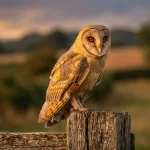
Among the owls often compared to the snowy owl is the barn owl (Tyto alba). Unlike the snowy owl’s robust size and idealization for open tundras, barn owls thrive in a variety of environments, including agricultural regions and woodlands. They are characterized by their heart-shaped facial disc and mottled brown and white feathers. While snowy owls primarily feed on small mammals like lemmings, barn owls are adept hunters of rodents and other small creatures, often hunting at dusk or dawn. Unlike the snowy owl’s more solitary nature, barn owls tend to be more social, particularly when nesting.
Another notable white owl is the Great Gray Owl (Strix nebulosa), which, despite its grayish feathers, may exhibit a striking contrast in snowy habitats. This owl is renowned for its incredible hearing and hunting capabilities, relying on precise auditory skills to locate prey beneath the snow. Great gray owls prefer forested areas and are less dependent on open tundra than snowy owls, illustrating the diversity in habitats these white-feathered birds occupy. Their broader wingspan and distinct facial markings differentiate them from snowy owls, making identification a joy for birdwatchers.
Key Differences Between Snowy Owls and Other White Owls
| Feature | Snowy Owl | Barn Owl | Great Gray Owl |
|---|---|---|---|
| Scientific Name | Bubo scandiacus | Tyto alba | Strix nebulosa |
| Habitat | Open tundra and coastal areas | Agricultural regions, woodlands | Forested areas |
| Feeding Habits | Primarily small mammals, especially lemmings | Rodents and small creatures | Small mammals, often hidden beneath snow |
| Social Behavior | Solitary | More social, nesting in groups | Generally solitary |
This comparison not only reveals the ecological versatility of white owls but also highlights the snowy owl’s unique role in its frigid ecosystems. Each species adapts its hunting strategies and habitats to survive and thrive, demonstrating the remarkable diversity of the owl family. Observing these differences can greatly enhance both field study and casual birdwatching experiences, inviting enthusiasts to explore the varied landscapes these captivating birds call home.
Essential Tips for Spotting Snowy Owls in Nature
Snowy owls are not just beautiful creatures-they’re also a thrill to spot in the wild. Their striking white plumage blends into the snowy tundras and coastal landscapes they inhabit, providing both challenges and opportunities for birdwatchers. To increase your chances of encountering one of these magnificent birds, here are some essential tips you can follow.
First and foremost, timing your observation is crucial. Snowy owls are often spotted during their nesting season in spring, as they come down from the Arctic to find food and suitable nesting grounds. This typically occurs from late winter to early spring, so plan your outings accordingly. Additionally, these owls tend to be more active during dawn and dusk, making these times ideal for spotting them in their natural habitat.
Scouting for snowy owls involves more than just keen eyesight; understanding their preferred environments can make all the difference. Look for open fields, coastal areas, and even urban parks where they may be resting or hunting for prey. Snowy owls often perch on fence posts, light poles, and other elevated structures, giving them a vantage point for hunting small mammals. When scanning an area, use binoculars or a telescope to help identify their distinctive features-such as their yellow eyes and feathered feet, which help them balance and stay warm in freezing temperatures.
Joining local birdwatching groups or online communities can also enhance your spotting experience. Other birders can share their sightings, and you may even find organized trips to known snowy owl locations. Remember, patience is key in birdwatching: the beauty of nature unfolds in its own time, and a quiet approach will increase your chances of a successful encounter with these enigmatic birds.
By combining knowledge of snowy owl habits with strategic planning and community resources, you’ll unlock a rewarding experience in the wild that connects you to the wonders of nature.
Conservation Efforts Protecting Snowy Owl Habitats
The majestic snowy owl, with its striking white feathers and piercing yellow eyes, faces increasing threats that make conservation efforts vital for its survival. This iconic bird, often celebrated in literature and folklore, depends on a delicate balance of environmental conditions and prey availability found primarily in the Arctic tundra. As climate change alters these ecosystems, the importance of systematic conservation initiatives cannot be overstated.
Organizations worldwide are working diligently to monitor and protect snowy owl habitats. These efforts include habitat restoration projects that aim to preserve the open fields and coastal areas that these owls rely on for hunting and nesting. Effective management of these landscapes ensures that they remain conducive to supporting the prey populations, primarily small mammals, that the snowy owls rely on for sustenance. Programs often include tracking movements through satellite telemetry, enabling researchers to gather crucial data on their migratory patterns and habitat use, thus informing conservation strategies.
Community Engagement and Citizen Science
Community involvement is also essential in protecting snowy owls. Birdwatching groups and local conservation organizations often conduct workshops and outreach programs to educate the public about the importance of snowy owls and their habitats. By fostering an appreciation for these birds, communities can play an active role in conservation efforts. For instance, citizen science projects like the Christmas Bird Count and eBird encourage everyday people to report sightings, which helps researchers monitor snowy owl populations and identify critical habitats that require protection.
Additionally, efforts to combat the effects of climate change are crucial. Protecting snowy owl habitats often overlaps with broader initiatives to stabilize changing climates. Advocating for sustainable practices, such as reducing greenhouse gas emissions and promoting renewable energy sources, is integral to ensuring that these birds can thrive in their natural environment for generations to come.
Supporting Policy Changes
Another key aspect of conservation involves lobbying for policies that protect snowy owls and their habitats. This includes supporting wildlife protection laws, advocating for the preservation of critical areas, and participating in habitat restoration projects. Engaging with policymakers and promoting awareness of snowy owl needs are essential components of effective conservation.
By understanding and actively participating in these conservation efforts, bird lovers and nature enthusiasts can help ensure that the snowy owl remains a vital part of our ecosystems. Whether through community engagement, citizen science, or supporting environmental policies, we can all contribute to the preservation of this magnificent species and its unique habitats.
Cultural Significance of Snowy Owls Around the World
The snowy owl has captivated human imagination and culture across the globe, serving as a symbol of wisdom and mystery. Known for its striking white plumage and large wings, this majestic bird has woven itself into various cultural narratives, appearing in folklore, religious symbolism, and popular media. For instance, in many Indigenous cultures of the Arctic, snowy owls are revered as mystical creatures, often associated with navigation and the spirit world. Their presence is thought to guide communities, making them significant in storytelling and spiritual practices.
In literature and film, the snowy owl has gained fame through characters like Hedwig from the “Harry Potter” series, where it serves not only as a pet but also as a messenger. This portrayal has sparked interest in snowy owls among younger audiences, fostering a dual appreciation for their role in nature and their representation in media. Such connections emphasize the need to protect their natural habitats, inspiring individuals to become advocates for wildlife conservation.
The ecological role that snowy owls play also enhances their cultural significance. As apex predators in their Arctic habitats, they manage the populations of small mammals, which is vital for maintaining the balance within their ecosystems. This ecological aspect intertwines with cultural themes of balance and respect for nature, urging societies to recognize the interconnectedness of all living beings.
Moreover, efforts to promote snowy owl conservation often leverage their cultural symbolism to engage communities. Awareness campaigns utilize the snowy owl as a flagship species, motivating people to take action in preserving critical habitats. Engaging storytelling, art, and education initiatives bring attention not just to the snowy owl but to the broader issues of climate change and habitat destruction that threaten its existence. As our environmental challenges grow, the snowy owl stands as a reminder of nature’s delicate beauty and the importance of our stewardship over the planet.
The Role of Snowy Owls in Their Ecosystem
Snowy owls are not just visually stunning; they play a crucial role in maintaining the ecological balance of their habitats. As apex predators, these remarkable birds significantly influence the populations of prey species, primarily small mammals like lemmings, voles, and occasionally birds. Their hunting practices are fascinating-the snowy owl’s diet can vary depending on prey availability, showcasing their adaptability in harsh Arctic environments. This predatory behavior not only keeps the populations of these rodents in check but also supports the overall health of the ecosystem by ensuring that no single species becomes too dominant.
The snowy owl’s role extends beyond just hunting; they are indicators of ecosystem health. Their presence in an area signals a well-functioning environment. When their populations begin to decline, it can serve as a warning sign of broader ecological issues, such as habitat loss or climate change. It’s essential for birdwatchers and nature enthusiasts to pay attention to these beautiful birds, as they can provide insights into the health of the ecosystems where they reside.
Moreover, snowy owls exhibit fascinating nesting and breeding behaviors that align with their ecological roles. They typically nest on the ground in open tundra, often reusing their nesting sites from previous years. The success of their nesting efforts can directly correlate with the availability of food resources, demonstrating a vital link between predator and prey. Understanding these relationships is essential for anyone interested in avian ecology or species conservation.
As the climate continues to change, the habitats of snowy owls are increasingly threatened, impacting their roles in the ecosystem. Engaging in conservation efforts not only helps protect these magnificent birds but also ensures the stability of their ecosystems. Observing snowy owls in their natural habitats can inspire a passion for wildlife and underscore the critical need for habitat preservation, prompting individuals to become stewards of these extraordinary environments. By protecting snowy owls, we also safeguard the complex web of life that relies on their presence, making our efforts pivotal for the balance of nature itself.
Q&A
Q: Where do snowy owls live during winter?
A: Snowy owls migrate south during winter months, commonly found in open areas such as fields, marshes, and coastal regions. They prefer locations with abundant food and minimal tree cover, allowing easy hunting of their primary prey, lemmings.
Q: What is the primary diet of snowy owls in their natural habitat?
A: Snowy owls primarily feed on small mammals, especially lemmings, which constitute a significant part of their diet. They may also hunt birds, including ducks and ptarmigans, depending on availability within their habitat.
Q: How do snowy owls adapt to their habitat conditions?
A: Snowy owls have adapted to their frigid Arctic habitats with thick plumage that provides insulation. Their white feathers offer camouflage against the snow, enhancing their hunting success during winter conditions.
Q: Where do snowy owls nest and raise their young?
A: Snowy owls typically nest on the ground in sandy or gravelly areas, often in flattened depressions. They prefer locations with good visibility to spot predators and are fiercely protective of their nesting territory.
Q: What impact does climate change have on snowy owl habitats?
A: Climate change affects snowy owl habitats by altering prey availability and nesting sites. Warmer temperatures can reduce lemming populations, thus threatening their food sources and forcing them to adapt or relocate.
Q: How far do snowy owls migrate each year?
A: Snowy owls can migrate thousands of miles each year. Their migration patterns vary based on food availability, but many travel from Arctic breeding grounds to southern regions in North America during winter.
Q: Can snowy owls be found in urban areas?
A: While snowy owls primarily inhabit remote and open areas, they have been spotted in urban settings, especially during harsh winters. They are attracted to parks and waterfronts where they can hunt for rodents or birds.
Q: How can I spot a snowy owl in the wild?
A: To spot snowy owls, look for them in open fields, coastal areas, or treeless regions, particularly during dawn or dusk. Binoculars can aid visibility, and staying quiet will increase your chances of observing their natural behaviors.
To Wrap It Up
As we’ve explored in “Where Do White Owls Live: Snowy Owl Habitat Facts,” these magnificent birds thrive in icy tundras and open grasslands, showcasing their unique adaptability. If you’re eager to learn more about snowy owls or other fascinating wildlife, don’t miss our articles on owl behavior and tips for observing them in their natural habitats.
Take your passion for birds to the next level-subscribe to our newsletter for exclusive insights and resources delivered straight to your inbox! Whether you have questions about snowy owls or want to dive deeper into avian conservation, we invite you to join our community. Your engagement can make a difference, so share your thoughts in the comments below or connect with fellow bird enthusiasts on our forums. By staying curious and exploring further, you’ll uncover even more stunning facts about the incredible world of owls.
Get our latest guides, news, and insights highlighted in your Google Search & AI Overviews.