Did you know that while owls are often associated with the night, these remarkable birds have fascinating daytime habits too? Understanding where owls roost during daylight hours not only enriches our appreciation for these elusive creatures but also provides insight into their behavior and ecology. Whether you’re an experienced birdwatcher or a curious newcomer, discovering their hidden daytime spots can enhance your outdoor experiences and transform your view of local wildlife. Many owls choose protected locations, blending in seamlessly with their surroundings, which makes spotting them a thrilling challenge. Join us as we explore the intriguing world of daytime roosting, revealing tips on where to look and what to watch for, ensuring you know exactly what these remarkable birds are up to when the sun is high. Dive into the details and unlock the secrets of owls in the light of day!
Understanding Owl Behavior: Why Daytime Roosting Matters
Many bird enthusiasts may be surprised to learn that not all owls strictly adhere to nocturnal schedules. Daytime roosting is a fascinating and vital aspect of owl behavior, allowing these creatures to conserve energy, avoid predators, and prepare for their nighttime hunts. Owls, such as the Barred Owl, exhibit a degree of daytime activity, especially in forested areas where they can still hunt during low-light conditions. This behavior provides a unique window for observers looking to enhance their birdwatching experiences.
Understanding why owls roost during the day is essential for appreciating their ecological role. By resting in secure, sheltered spots, owls can maintain their energy reserves, which is crucial given their high predatory lifestyle. This roosting behavior isn’t merely about resting; it often serves as a strategic decision to remain hidden from potential threats while maximizing hunting efficiency at night. Observers should consider that daytime roosting is not a sign of weakness or inactivity; rather, it reflects a well-adapted strategy that allows owls to thrive in various habitats.
To spot these birds, it helps to know their preferred roosting locations. Common sites include dense tree foliage, natural cavities, and sometimes even man-made structures. For those eager to catch a glimpse of these fascinating creatures during daylight hours, late morning or early afternoon provides optimal viewing times, particularly in areas where they might be disturbed or flushed from their roosts. Always approach with patience and respect to avoid startling them-this adherence to responsible birdwatching helps ensure these majestic birds remain undisturbed in their natural habitats.
Common Daytime Roosting Spots for Owls
In the silent embrace of daylight, owls retreat to specific roosting spots that provide the perfect blend of safety and comfort. Understanding where these majestic birds choose to rest can greatly enhance your birdwatching experience. While owls are famously nocturnal, many species adapt by finding secure locations during the day, often tucked away from prying eyes and potential predators.
Common roosting spots are typically characterized by dense foliage, where the thick canopy offers effective camouflage. Owls, such as the Great Horned Owl, often nest in large trees, utilizing natural cavities or dense branches that provide both cover and elevation. In more urban environments, they may opt for man-made structures, like the ledge of a church tower or the eaves of old buildings, where they can benefit from the stability and protection these areas offer.
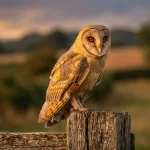
Another fascinating aspect of owl roosting behavior lies in their preference for solitude or small groups. Species like the Barn Owl tend to seek out quiet, secluded spaces, often roosting alone in abandoned barn corners or hollow tree trunks. These resting spots are not just randomly chosen; they reflect the owl’s need for security, enabling them to conserve energy while remaining hidden. Observers looking for these birds should focus on habitats that provide ample cover, including dense woods, shrublands, and agricultural landscapes where barn owls are prevalent.
To maximize your chances of spotting an owl during the day, consider familiarizing yourself with their favorite roosting locations. Pay attention to signs such as droppings beneath trees or ledges, which can indicate frequent visits. With patience and keen observation, you may just encounter one of these remarkable creatures resting in its natural habitat, reminding you of the intricate ballet of survival that unfolds quietly even in broad daylight.
How to Identify Owl Roosting Locations
To spot an owl during the day, understanding their roosting preferences is crucial. Owls, though widely recognized as nocturnal hunters, can often be found resting in the daylight. Identifying their roosting locations requires keen observation and knowledge of their behavior. Look for areas that offer dense cover, such as thick trees, dense shrubs, or even man-made structures that provide camouflage and protection.
Owl species often choose specific types of environments based on their needs. For instance, the Great Horned Owl frequently roosts in large trees with sturdy branches, while Barn Owls are drawn to secluded corners of barns or old buildings. These locations are not just random; they serve a purpose, allowing the owls to remain hidden from potential predators while conserving energy. When scouting for these spots, consider using binoculars to scan high branches or ledges where these birds might be resting.
One practical way to identify potential roosting sites is to look for signs of owl activity. Watch for white droppings accumulating beneath a tree or ledge, which can indicate frequent visits. Additionally, feathers or pellets – the regurgitated remains of prey – can signal the presence of owls in an area. If you come across these clues, it may be worth returning during quieter periods of the day to witness the roosting behavior firsthand. Observing from a distance will minimize disturbance, ensuring the owls feel safe in their chosen resting places.
By blending patience with a keen eye for detail, you can enhance your chances of locating these majestic birds during the day, gaining a deeper appreciation for their unique adaptations and habits.
Top Owl Species and Their Roosting Habits
Fascinatingly adaptable, owls possess distinctive roosting habits that vary significantly across species. Each owl has evolved specific behaviors that optimize their resting conditions during the day, allowing them to conserve energy and remain hidden from predators. For anyone keen to understand these majestic creatures further, recognizing their unique roosting patterns is essential.
Great Horned Owl
One of the most widespread and recognizable species in North America, the Great Horned Owl often chooses large trees with broad canopies for its daytime roosts. These owls are known for their tufted “horns” and striking yellow eyes, blending seamlessly with the bark of old trees. They prefer elevated perches that offer extensive views of their surroundings, allowing them to spot potential threats while remaining concealed. Look for them resting high in sturdy branches or perched on tall structures, often in mature forests or near open fields.
Barred Owl
The Barred Owl, with its distinctive brown and white striped feathers, exemplifies versatility in roosting. This species often seeks out dense forested areas near water bodies, preferring the cover provided by thick foliage. They may roost on horizontal branches, where they remain relatively hidden amongst the leaves. Their calm and inquisitive nature makes them easier to observe during the day, especially as they often remain motionless in a favorite tree, only to be alerted by any disturbances.
Barn Owl
True to their name, Barn Owls typically favor old barns or abandoned buildings for roosting during the day. The dark, secluded corners of these structures create ideal conditions for resting, allowing them to maintain a low profile. Their heart-shaped face and pale coloration help them blend into their surroundings, making them hard to spot. While scouting for Barn Owls, keep an eye out for signs of their presence, such as pellets or droppings under potential roosting spots-this can indicate frequent visits and make your search more fruitful.
Eurasian Eagle-Owl
As one of the largest owl species, the Eurasian Eagle-Owl prefers rocky cliffs or ledges for daytime roosting. Their robust size and powerful flight mean they can easily navigate rugged terrains which provide both shelter and vantage points. Look for these owls resting in natural crevices during the day, where they can remain undetected while keeping watch over their territory. Their ability to camouflage against rocky surfaces makes them a challenge to find, rewarding those persistent enough to look.
By familiarizing yourself with these characteristic roosting habits and preferred environments, you can effectively enhance your owl-watching experiences. Whether in the woods, near water bodies, or in rural structures, each species presents a unique opportunity for observation. Invest time in tracking these locations, and you’ll uncover the rich world of owls in their daytime habitats.
The Role of Habitat in Owl Roosting Preferences
Owl roosting preferences are deeply linked to their natural habitats, which offer the necessary camouflage, safety, and comfort these fascinating birds require during daylight hours. Each owl species has unique habitat needs that dictate where they choose to rest, hunt, and ultimately thrive. The environment not only shapes their roosting behavior but also influences their overall health and breeding success. For instance, woodlands are favored by many owls for their dense foliage, while other species might prefer more open, agricultural settings where they can easily spot potential prey.
When it comes to choosing roosting spots, owls carefully evaluate factors such as cover, height, and proximity to food sources. For example, the Great Horned Owl often selects mature trees with thick canopies, providing both shelter and an excellent vantage point. This preference for elevated perches allows them to survey their surroundings, spotting threats while remaining out of reach. In contrast, the Barred Owl thrives in dense forests, where the thick underbrush offers concealment from predators and human disturbance.
Different species demonstrate intriguing adaptations to their chosen habitats. The Barn Owl, for instance, is well adapted to human-altered environments, often roosting in abandoned barns and structures that provide suitable concealment and hunting grounds. Their choice of roosting locations in these structures reflects their ability to adapt to changing landscapes and find safety in unlikely places. Similarly, the Eurasian Eagle-Owl’s preference for rocky cliffs illustrates how habitat selection can be influenced by physical attributes. Their large size requires a habitat where they can easily navigate and remain concealed, allowing for successful hunting opportunities.
Owls also exhibit seasonal roosting changes driven by habitat availability and weather conditions. In winter, some owls may shift to roost in denser areas to conserve body heat, while others might frequent areas with abundant food sources as prey dynamics change. Understanding these habitat preferences not only enriches your owl-watching experience but also highlights the necessity of preserving these essential environments. By protecting their roosting habitats, we can ensure that these captivating raptors continue to flourish in our ecosystems.
Seasonal Changes in Owl Roosting Behavior
Understanding opens a fascinating window into how these enigmatic birds adapt to varying environmental conditions. As the temperature drops and daylight hours shorten during winter months, many owl species shift their roosting patterns significantly. For instance, the Great Horned Owl, known for its adaptability, often seeks refuge in denser foliage or areas with thicker cover to conserve body heat. This preference for warmth during the colder months not only affects their choice of roosting spots but also impacts their hunting strategies, leading them to stay close to abundant food sources that are often found in these protected areas.
In contrast, with the arrival of spring, owls may venture back to more open habitats as temperatures rise and their primary food sources become more plentiful. The Barred Owl, for example, may favor wetlands or regions with abundant small mammals and birds during this time, enabling them to exploit the increased activity of their prey. This seasonal migration of roosting habits also plays a crucial role in their breeding behaviors, as owls seek out habitats that provide both safety from predators and proximity to nesting sites. Observing these transitions not only enhances your understanding of owl behavior but can also offer exciting opportunities for birdwatching enthusiasts who wish to track these changes throughout the seasons.
Interestingly, some species exhibit remarkably specific responses to seasonal shifts. The Barn Owl often adapts its roosting strategy based on habitat availability. During the summer, they might favor roosting in agricultural areas where they can easily find food amid lush fields. However, as autumn approaches and activity in these areas declines, they might switch to abandoned structures or woodland edges where they can still find hunting grounds. This flexibility highlights not only the adaptability of owls but also the importance of diverse habitats in their survival.
When considering how weather impacts daytime owl activities, shifts in roosting behavior become even more evident. Rainy days might drive owls to seek refuge in thicker forests or closer to human habitation, while clear, sunny days could find them in more exposed, elevated spots where they can effectively survey their surroundings. Understanding these nuanced behaviors encourages us to appreciate the adaptive strategies of owls, inviting a deeper appreciation for these majestic birds and the ecosystems they inhabit. By ensuring the protection of their seasonal habitats, we foster the health and sustainability of owl populations across the globe.
Impact of Weather on Owl Daytime Activities
Owl behavior can be dramatically influenced by weather conditions, shaping their daily activities and roosting choices. For instance, when rain blankets the landscape, owls often retreat to denser vegetation, using the canopy’s shelter to stay dry and hidden from potential predators. These weather-driven shifts are crucial for their survival, as they maintain warmth and minimize exposure during adverse conditions. On the flip side, clear, sunny days can prompt owls to seek higher vantage points, such as the tops of trees or open ledges, where they can bask in the sun while scanning their territory for movement below.
Owls are not only adaptive in their roosting habits but also in their hunting practices related to weather patterns. For example, during light rain, some species such as the Barn Owl may still venture out briefly to hunt, benefiting from the reduced visibility of their prey. In contrast, heavy downpours or thunderstorms can lead to inactivity, where owls prefer to remain in their sheltered spots until conditions improve. This behavior aligns with the natural instincts of many birds, which must balance the need to hunt with the need to remain protected.
Understanding these behaviors offers birdwatchers unique opportunities. On days when the weather is uncertain, look for owls tucked away in thicker foliage, or even near urban structures that provide unexpected roosting spots. Establishing a keen eye for these patterns not only enhances your birdwatching experience but also deepens your appreciation for the stunning adaptability of these nocturnal creatures. As you explore their environments, remember that each weather change presents a new opportunity to observe these fascinating birds in action, whether they are sheltering from the rain or taking advantage of a warm sunny day.
Tips for Observing Owls During the Day
The thrill of spotting an owl during daylight hours can be an exhilarating experience for any birdwatcher. If you’re eager to catch a glimpse of these fascinating creatures while they’re roosting, a few strategic practices can enhance your chances. First and foremost, it helps to know that owls tend to favor certain types of environments. Look for them in dense foliage, under the canopies of trees, or tucked away in the crooks of old branches. They often choose locations that offer concealment from predators, making dense thickets, narrow ledges, and secluded corners of parks ideal spots to begin your search.
The time of day can also play a crucial role in your observations. Early mornings or late afternoons are typically when owls might be more visible as they transition between resting and hunting. During these periods, owls may adjust their positions within their roosts or even embark on short hunting excursions. Be patient and quiet-making sudden movements or loud noises can easily scare these sensitive birds away. Using optics like binoculars or spotting scopes can allow you to observe their behavior from a respectful distance without causing disturbance.
When scouting for owls, consider the species specific to your area. For instance, the Eastern Screech Owl often favors tree hollows and may perch close to its nest during the rearing of its young, making its whereabouts more predictable in spring and summer months. In contrast, the Barn Owl, which does not build nests, can often be found resting on ledges or in old barns. Familiarizing yourself with these preferences can provide invaluable clues to where you might locate them.
Lastly, join local birdwatching groups or forums to share findings and strategies with fellow enthusiasts. Engaging with the community can offer insights into specific areas known for owl sightings and personal anecdotes that uncover the nuances of owl watching. Remember, every trip into nature is never just about sightings-it’s about experiencing the tranquility of the environment and appreciating the adaptability and beauty of owls and their ecosystems. Happy birdwatching!
Conservation: Protecting Owl Roosting Areas
Creating a safe haven for owls extends beyond understanding their peculiar habits and preferences; it involves actively engaging in habitat conservation. One of the most critical aspects of protecting owls is safeguarding their roosting areas. Often situated in dense forests, abandoned buildings, or even hollow trees, these spots serve as vital retreats, allowing owls to rest and hide from potential threats. With habitat loss due to urbanization and deforestation becoming increasingly prevalent, our responsibility as wildlife enthusiasts and advocates is to ensure that these spaces remain intact for future generations.
Why Protect Roosting Areas? Owl roosts are not just resting places-they are essential for survival. These sites offer shelter from predators and harsh weather, as well as proximity to hunting grounds. For instance, species like the Great Horned Owl prefer to nest in large trees near open fields, providing both safety and access to ample prey. Engaging in conservation efforts means working to maintain these ecosystems and ensuring they remain resilient in the face of changes such as climate fluctuations and human encroachment.
Practical Steps for Conservation There are several actionable steps that both beginner and seasoned birdwatchers can take to promote owl conservation:
- Participate in Local Conservation Efforts: Join organizations that focus on bird conservation, such as the Owl Research Institute or The Nature Conservancy, to stay informed about initiatives targeting owl habitats [[1](https://www.nature.org/en-us/get-involved/how-to-help/animals-we-protect/owls/)][[2](https://www.owlresearchinstitute.org/owl-conservation)].
- Create Nesting Sites: If you have property, consider putting up owl boxes at strategic locations. These artificial sites can provide much-needed shelter for urban owl populations, such as Barn Owls.
- Advocate for Habitat Protection: Support local policies that promote land preservation and the establishment of protected wildlife areas. You can often find local advocacy groups that welcome volunteer signatures and support.
- Educate the Community: Share your owl-watching experiences and knowledge with your friends, family, and local schools. Raising awareness about the importance of these magnificent birds can encourage others to join conservation efforts.
Establishing a connection with owls not only enriches your experience as a birdwatcher but also fosters greater appreciation for their place in our ecosystems. Owls play a vital role in controlling rodent populations and contribute to the health of their habitats. By protecting their roosting areas, we are not just safeguarding these enigmatic creatures; we are also conserving the delicate balance of the entire ecosystem in which they thrive.
Adopting these practices ensures that we maintain rich and diverse environments where owls can flourish. As stewards of the natural world, we must remain vigilant and proactive in our commitment to preserving the habitats that sustain these remarkable birds. Remember, every small step counts-let’s work together to keep our skies filled with these majestic nocturnal hunters!
The Connection Between Owls and Their Ecosystem
Owls are fascinating creatures that play a significant role in their ecosystems, acting as both predators and indicators of environmental health. Their daytime roosting behavior is not merely a quirky trait; it is a survival strategy intricately tied to the balance of local ecosystems. When these majestic birds find safe havens, whether in hollow trees, dense brush, or even urban settings, they are not just resting; they are embedded in a web of ecological interactions that protect and sustain their populations and the habitats they rely upon.
During daylight hours, owls typically seek out secluded, sheltered spots that offer protection from predators and human disturbances. These roosting locations are critical for their well-being, providing a retreat where they can conserve energy before the night’s hunting activities. An owl’s diet mainly consists of small mammals, and their hunting efficiency is closely linked to the health of their surroundings. For instance, an abundant rodent population reflects a healthy ecosystem, thereby ensuring that owls have sufficient food. Conversely, environmental degradation can lead to scarce prey, threatening owl populations and creating a ripple effect throughout the food chain.
Moreover, owls contribute to ecological balance by regulating rodent populations. In urban areas, where they often adapt to human presence, they help control pests that can become problematic for agriculture and public health. This predator-prey relationship enhances ecosystem stability, highlighting the importance of ensuring that roosting areas remain undisturbed. As stewards of the land, our engagement in conservation becomes paramount. Protecting their roosting sites not only secures the owls themselves but also promotes biodiversity, showcasing the interconnectedness of all living organisms.
Incorporating effective conservation practices, such as restoring habitats and supporting sustainable land use, can significantly bolster local owl populations. Even simple actions like creating wildlife corridors can enhance their ability to thrive and connect with other species. By valuing and preserving the habitats that owls roost in, we take essential steps towards fostering a healthier ecosystem for all creatures, making a tangible difference in our natural world. Owls remind us that every piece of nature plays a role; by safeguarding their presence, we collectively support the vitality of our shared environment.
Myths About Owls: Daylight Activity Explained
Often perceived as strictly nocturnal, owls are actually multifaceted creatures with complex behavioral patterns, including their intriguing adaptations for daytime activity. A common misconception is that all owls sleep during the day and are only active at night, but many species, such as the Eastern Screech Owl and Barn Owl, can exhibit diurnal behaviors. Understanding this aspect of their lifestyle reveals crucial information about their habitat use and survival strategies.
During the day, owls seek out secluded roosting spots that offer safety from predators while allowing them to conserve energy. These spots are often found in dense foliage, tree cavities, or even on ledges in urban environments. The choice of roosting location can be influenced by various factors, including food availability and weather conditions. For instance, in areas where the prey is more active during rainy weather, owls may adjust their roosting habits accordingly, becoming slightly more active.
This daytime behavior also ties directly into their role in the ecosystem. By being active at different times, owls can exploit various prey opportunities, thereby stabilizing the local food web. It’s not just about hunting at night; their adaptability plays a significant role in controlling populations of rodents and other small animals, which can otherwise reach pest levels.
If you’re looking to spot these majestic birds during the day, knowing where to look is key. Pay attention to areas with abundant wildlife or where you see signs of prey activity. Trees with plentiful branches and thick canopies are particularly promising locations. When you find an owl, observe quietly from a distance to minimize disruption. This dual activity not only debunks the myths surrounding their behavior but also highlights their essential role in our ecosystems, demonstrating that owls are more than just night hunters; they are incredible survivors adept at thriving in diverse environments.
Comparative Analysis: Owls vs. Other Nocturnal Birds
When exploring the world of nocturnal birds, owls stand out as fascinating subjects, especially when comparing them to other members of the night-owl club. Unlike many of their cousins, such as the elusive nighthawks or the colorful nightjars, owls exhibit a unique blend of adaptability in both nocturnal and diurnal behavior. This ability not only influences their roosting choices but also how they interact with different ecosystems.
Owls primarily roost during the day, choosing secluded spots that offer them protection and a good vantage point for viewing their surroundings. This behavior contrasts sharply with other nocturnal birds that may rely on complete darkness to hunt and rest. For instance, nightjars are typically more dependent on camouflage, resting hidden among leaves and shadows without the flexibility to adapt their behavior to daylight conditions. In contrast, while many owls prefer to stay hidden while roosting, some species like the Eastern Screech Owl can be surprisingly noticeable if you know where to look-often perched in tree hollows during the day.
The diversity of owls is reflected in their varied roosting preferences and habits. Take the Barn Owl, which not only hunts at night but may also emerge during the late afternoon to catch a few last prey items. This flexibility allows them to maximize feeding opportunities across different times of day. Meanwhile, common nighthawks exhibit a more strictly nocturnal pattern, nesting on the ground and becoming active only at dusk, which makes them less flexible when it comes to adapting to daytime pressures.
When observing owls in their daytime spots, it becomes evident how they contribute significantly to the ecosystem by controlling populations of small mammals. They serve as a counterbalance to other nighttime predators like raccoons or opossums, which might be vying for similar prey. This intricate interdependence highlights the importance of protecting roosting habitats for owls, ensuring the balance is maintained. Such habitats not only glitter with the potential of spotting these remarkable birds but also sustain a healthy food web that includes various other wildlife.
In summary, owls are not merely creatures of the night; their unique traits and behaviors allow them to thrive under both the moonlight and sun. Acknowledging these differences among nocturnal birds enriches our understanding of avian diversity and reinforces a greater appreciation for those who call the night home. Whether you’re a beginner trying to identify your first owl or an experienced birder wanting to dive deeper into their behaviors, exploring owls versus other nocturnal birds provides a wealth of knowledge waiting to be uncovered.
Frequently Asked Questions
Q: Where do owls typically roost during the day?
A: Owls often roost in dense trees, thick shrubs, or secluded areas to avoid predators and disturbances. Look for them in hollow trees, abandoned nests, or even in urban environments like rooftops and attics. Understanding these spots can enhance your chances of spotting them during the day.
Q: What time of day are owls most active?
A: While most owl species are nocturnal, a few, such as the Northern Hawk Owl, are diurnal and active during the day. Generally, owls are most active at dawn and dusk, but species that hunt during the day will often be seen foraging in the early morning or late afternoon.
Q: How can I find owls during the day?
A: To find owls during the day, focus on their roosting spots in dense foliage or tree cavities. Use binoculars to scan these areas quietly. Listening for their calls can also aid in locating them. Remember to be respectful and maintain a safe distance to avoid disturbing them.
Q: Do all owls sleep during the day?
A: Most owls rest or sleep during the day to conserve energy. However, some species like the Northern Pygmy Owl may engage in light hunting. Their roosting behavior varies significantly among species, with some being more active than others in daylight hours.
Q: Why do owls prefer specific roosting spots?
A: Owls choose roosting spots based on safety from predators, access to food, and cover from the elements. Factors such as habitat type and seasonal changes can influence their roosting preferences. For instance, dense mature forests are often favored for shelter.
Q: How do weather conditions affect owl roosting behavior?
A: Weather can significantly impact owl behavior; during extreme heat or storms, they may seek more sheltered roosting sites to stay safe. Additionally, harsh conditions may compel some species to forage earlier or later during the day. Observing weather patterns can help predict their activity.
Q: What can I do to protect owl roosting areas?
A: To protect owl roosting areas, support local conservation efforts, refrain from disturbing known roosting sites, and advocate for the preservation of natural habitats. Educating others about the importance of these areas can also play a critical role in their protection.
Q: Are there any specific owl species that are active during the day?
A: Yes, species like the Northern Hawk Owl and the Northern Pygmy Owl are known to be active during daylight hours. These exceptions exhibit unique behaviors that differentiate them from primarily nocturnal owls, allowing enthusiasts to observe them more easily during the day.
In Conclusion
Now that you’ve uncovered the fascinating world of where owls roost during the day, it’s your turn to observe these magnificent creatures in their natural habitat. Remember, their survival hinges on the very spots we’ve discussed! If you’re curious about which species you might encounter or need tips on creating owl-friendly environments, check out our detailed guides on owl species identification and habitat creation tips.
Join our community of bird enthusiasts by subscribing to our newsletter for more insights and exclusive content. Your engagement helps us delve deeper into the wonders of wildlife, and we’d love to hear your experiences or any questions you still have about owls or birdwatching. Don’t miss out-explore our site further for hidden gems on avian behavior and conservation tips, and let’s continue this journey together! 🦉✨
Get our latest guides, news, and insights highlighted in your Google Search & AI Overviews.