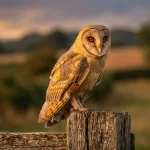
Did you know that Barn Owls are one of the most widely distributed owl species in the world? These fascinating birds thrive in open habitats and have unique nesting preferences that significantly impact their survival. Understanding where Barn Owls live, their nesting sites, and the environmental conditions they seek is crucial for conservation efforts and for anyone interested in birdwatching or wildlife preservation. By learning about their preferred habitats-such as old buildings, trees, and agricultural spaces-you can play a vital role in providing suitable environments for these remarkable creatures. Whether you’re a beginner trying to spot your first Barn Owl or an experienced birder hoping to deepen your knowledge, this exploration of their nesting sites and range will enrich your appreciation for these stunning birds. Join us as we dive deeper into the fascinating world of Barn Owls and discover how you can help support their habitat needs.
Common Nesting Sites for Barn Owls
Barn owls, with their striking heart-shaped faces and silent flight, are fascinating creatures that have adapted to a variety of nesting environments. One of the most intriguing aspects of these birds is their tendency to choose unique locations for nesting, which often reflects their adaptability and resourcefulness. Typically, barn owls favor old, abandoned structures; they can often be found nesting in barns, silos, and even under bridges. These sites provide not only shelter but also proximity to open fields where they can hunt for their primary prey-small mammals like rodents.
Historically, barn owls have been seen nesting in tree cavities, but they tend to prefer man-made structures today due to their accessibility and the relative safety they offer from ground predators. In agricultural areas, old farm buildings and haylofts serve as popular nesting sites, allowing the owls to remain close to ample hunting grounds. Urban environments are also becoming increasingly suitable as nesting sites because of the availability of rooftops and electrical substations, which can provide a safe haven amid the hustle and bustle of city life.
It’s important to note that the location of a barn owl’s nest can significantly influence its breeding success. For instance, nests placed in higher elevations tend to be safer from predators, while those located near abundant food sources often lead to larger clutches. As such, these avian architects exhibit careful consideration in their choice of nesting sites, revealing their incredible survival instincts and adaptability. By understanding their nesting habits, we can better appreciate the ecological role they play and the importance of conserving their habitats, whether in rural surroundings or expanding urban landscapes.
Geographical Range of Barn Owls Worldwide

The barn owl is a master of adaptability and can be found across various continents, giving it the distinction of having the widest geographical range of any owl species. These striking birds are present on every continent except Antarctica. Recently, ornithologists have recognized three distinct species within what was once categorized as the singular barn owl: the American Barn Owl, Eastern Barn Owl, and Western Barn Owl, each adapted to their specific environments and regional characteristics. This widespread distribution speaks to their ability to thrive in diverse ecosystems, from grassy plains to forest edges, and even urban settings.
In more specific terms, the range of barn owls varies significantly by species. The American Barn Owl is commonly found throughout North America, while the Eastern Barn Owl is native to parts of Europe and Asia, and the Western Barn Owl occupies regions of North and Central America. This adaptability allows them to inhabit areas with plentiful hunting grounds, often taking residence in habitats such as farmlands, marshes, and open grasslands. They seek out environments rich in small mammals, which comprise the bulk of their diet, making agricultural landscapes particularly favorable due to the abundance of prey.
Moreover, the presence of barn owls in urban areas is increasing, as these birds make use of human-made structures like old warehouses, barns, and even rooftops. Their ability to thrive in both rural and urban landscapes showcases their exceptional survival skills. However, the availability of nesting sites can greatly influence their distribution. In places where natural tree cavities are scarce-an increasing issue due to deforestation-barn owls often rely on buildings that offer similar shelter and safety from ground predators.
Being aware of the barn owl’s range gives birdwatchers and conservationists critical insights into local populations and their habitat needs. To best support these fascinating creatures, it’s essential to preserve the varied habitats where they live, whether in the countryside or within the urban sprawl. Understanding their wide range not only highlights the barn owl’s adaptability but also underscores the importance of maintaining diverse and healthy ecosystems for future generations to enjoy.
Environmental Factors Influencing Nesting Locations

The nesting habits of barn owls are intricately tied to a variety of environmental factors that shape their preferred locations. One significant aspect is the availability of suitable nesting sites, which are crucial for successful breeding. Barn owls typically favor cavities in trees, abandoned buildings, barns, and even man-made structures, such as church steeples or nest boxes specifically designed for them. As old farmhouses and barns become less common due to urbanization, barn owls have increasingly adapted to nesting in urban settings, utilizing rooftops and derelict warehouses, demonstrating their resilience in changing environments.
Another important element influencing nesting locations is the surrounding habitat. Barn owls thrive in open landscapes where they can hunt efficiently. They prefer environments like agricultural fields, grasslands, marshes, and prairies which are teeming with small mammals-their primary food source. The availability of these foraging areas directly impacts where these owls will nest, as they require proximity to hunting grounds that provide adequate food for raising their young. Furthermore, habitats that are less disturbed by human activities are preferred, as these offer reduced competition and predator threats.
Seasonal changes also play a role in the nesting behavior of barn owls. In temperate regions, they often nest in spring and summer when food is abundant. During winter months, nesting may be less common or shift to different sites as food availability fluctuates. In addition to seasonal variations, factors such as local climate conditions, including temperature and precipitation, influence site selection. For example, excessive moisture can deter nesting in areas prone to flooding, while regions with more stable climates might attract greater populations of these enigmatic birds.
To support barn owls and encourage their presence in your area, it is essential to consider creating owl-friendly habitats. By providing suitable nesting structures-like maintaining old barns or building dedicated nest boxes-and ensuring that nearby fields are managed to promote small mammal populations, enthusiasts can significantly contribute to the conservation of barn owls. Understanding these environmental factors not only helps us appreciate the intricacies of barn owl habits but also invites us to play an active role in their preservation.
Urban vs. Rural Habitats for Barn Owls
In the ever-evolving landscape of urbanization, barn owls have displayed remarkable adaptability, thriving in both rural and urban habitats. Fascinatingly, these charismatic birds do not shy away from the concrete jungle; instead, they have embraced it, establishing nests in locations as unexpected as warehouse rooftops, church steeples, and derelict buildings. This resilience provides a unique opportunity to observe their nesting behaviors in diverse environments, offering insights into their adaptability and interaction with human structures.
In rural settings, barn owls typically favor the natural landscapes filled with diverse prey, such as meadows, farmlands, and open fields. These areas are rich in small mammals-predominantly rodents-which are essential to their diet. Rural habitats often provide the ideal nesting sites within old barns, tree cavities, or even abandoned agricultural structures, creating a safe and secluded environment for raising chicks. The established agricultural practices in these regions can support barn owl populations by ensuring a steady supply of prey and minimizing disturbances, allowing these owls to nurture their young in peace.
Conversely, urban environments present unique challenges and advantages. As natural spaces diminish, barn owls are increasingly taking advantage of human structures. They often find nesting sites in the nooks of old buildings or adapted church towers, where human activity is low during the night, their primary hunting hours. However, urban habitats tend to come with increased risks, such as traffic and pollution. To combat these risks, ensuring that suitable nesting sites are available and that nearby hunting grounds are rich in small mammals is crucial for their success in these areas.
Ultimately, whether in sprawling farmlands or bustling cityscapes, the adaptability of barn owls underscores the importance of understanding and conserving their habitats. Creating barn owl-friendly spaces-such as preserving old barns, maintaining nesting boxes, and managing areas for healthy rodent populations-can benefit both the owls and the ecosystems they inhabit. Embracing their presence in urban settings demonstrates that with thoughtful interventions, these remarkable birds can coexist harmoniously with humans.
Seasonal Changes in Barn Owl Nesting Behavior
As seasons change, so do the behaviors and reproductive strategies of barn owls. These majestic nocturnal hunters exhibit a fascinating adaptability influenced by the cycles of nature, particularly in their nesting habits, which can vary significantly with the availability of food and environmental conditions. For instance, during the spring and summer months, when small mammal populations, such as voles and mice, peak, barn owls are more likely to establish territories and begin courtship behaviors. This period typically sees the highest nesting activity, as the increased availability of prey allows adult owls to support their growing young effectively.
In contrast, as autumn approaches and temperatures begin to drop, barn owls often shift their behavior in response to changing conditions. Nesting tends to decline in the fall, as food becomes scarcer, and adults focus more on foraging and energy conservation. It’s not unusual for barn owls to engage in a second brood if conditions remain favorable, but this is contingent on ample prey being present. Monitoring local rodent populations can be a useful gauge for understanding potential nesting periods in your area, as a strong rodent population will likely correlate with higher nesting success rates.
To support these seasonal changes, understanding the different nesting sites barn owls may choose is crucial. Whether they are occupying abandoned buildings during the winter months or utilizing tree cavities and old barns in rural settings during the breeding season, barn owls show a clear preference for sites that provide shelter and proximity to abundant food sources. As a rule of thumb, the locations favored for nesting will often be less disturbed by human activity during their critical nesting periods.
Moreover, environmental factors such as weather extremes and climate also play a role in their nesting behavior. Prolonged periods of cold or wet conditions can deter barn owls from nesting or lead to higher mortality rates in chicks. For those looking to attract barn owls to their area or support their nesting efforts, providing proper nest boxes, ensuring the local environment supports healthy rodent populations, and reducing disturbances during key months can make a significant difference. Ultimately, keeping an eye on seasonal changes not only enriches our understanding of these remarkable birds but also informs conservation efforts to protect their habitats effectively.
Understanding Barn Owl Territorial Range
The territorial range of barn owls is a fascinating aspect of their behavior, demonstrating how these enigmatic birds carve out their niches in diverse habitats. Barn owls are known for their adaptability; they can be found in a variety of landscapes spanning grasslands, forests, agricultural areas, and even urban environments. Typically, adult barn owls will establish a home range of about 1 to 5 square kilometers, depending on the availability of food and suitable nesting sites. Understanding their territorial behavior is crucial for anyone interested in observing or providing habitats for these beautiful creatures.
Barn owls rely heavily on their keen auditory and visual senses to navigate their territories, primarily hunting during the night. They tend to prefer areas where they can easily access open grounds to hunt small mammals, their primary food source. This foraging behavior often influences their range, establishing territories in locations with higher concentrations of prey, such as fields and meadows adjacent to wooded areas that provide shelter.
Factors Influencing Territorial Range
Several factors influence the size and boundaries of a barn owl’s territory. Key among these is the availability of food: in regions where prey is abundant, such as areas with high populations of rodents, barn owls may establish smaller territories as they can find ample food within a condensed space. In contrast, in areas where prey is scarce, they may have to expand their range significantly, sometimes traveling several kilometers to hunt.
Additionally, the presence of other barn owls can lead to territorial disputes. Males, influenced by mating rituals, often defend their territories vigorously, while females may choose mates based on the quality of the male’s territory – specifically, its availability of resources. In areas with high competition for food, it is not uncommon for barn owls to face pressure from other raptors, which can further shape their territorial boundaries.
How to Support Barn Owl Range
For those interested in supporting barn owls within their local environments, several actions can be taken. Providing proper nesting boxes can encourage resident pairs, while ensuring that local habitats are conducive to prey populations will enhance their feeding territory. Here are some tips:
- Install Nesting Boxes: Create or install specific nesting boxes designed for barn owls, ideally in locations that provide shelter and minimal disturbance.
- Promote Habitat Diversity: Maintain diverse habitats that support healthy rodent populations, including a mix of open fields and covered areas.
- Reduce Disturbances: Minimize human activity near preferred nesting sites, particularly during the breeding season.
Understanding the territorial range of barn owls not only enriches our appreciation for their ecological roles but also empowers us to take actionable steps toward their conservation. These efforts can result in thriving barn owl populations that continue to deliver their invaluable services as natural pest controllers in our ecosystems.
Materials Used in Barn Owl Nest Construction
Barn owls are not only fascinating creatures but also skilled architects when it comes to constructing their nests. Generally, they prefer to nest in cavities and elevated locations, often choosing old tree hollows, buildings, and even cliffs. What makes their nesting materials particularly intriguing is how barn owls utilize the resources available in their surroundings-creating nests that are as practical as they are effective.
Typically, barn owls prefer clean, dark, and quiet spaces for nesting. They often rely on materials such as grass, straw, feathers, and even remnants of small mammals they have preyed upon. The inclusion of feathers is particularly important; not only do they provide insulation for the eggs and chicks, but they also help to buffer the nest from temperature fluctuations. Barn owls might also use various plant materials and debris found near their nesting sites, showcasing their adaptability to different environments.
An interesting aspect of barn owl nesting behavior is their tendency to modify their nests over time. As they continue to return to the same nesting location year after year, they add new materials to their nests, which can lead to a large accumulation of debris. This nesting behavior can provide unique ecological insights, as the contents of these nests often reflect the local ecosystem, including what prey species are most abundant in the area.
For those looking to encourage barn owls in their areas, understanding these nesting preferences can be beneficial. Providing suitable nesting sites-like installing owl boxes that mimic natural cavities-can be a great way to enhance local populations. Such boxes should be placed in a safe, quiet location with easy access to hunting areas. Remember, the more comfortable and tailored to their needs the nesting site is, the more likely barn owls are to return and thrive.
Impact of Climate on Barn Owl Habitats
The delicate balance of climate significantly influences where barn owls choose to make their homes. These remarkable birds thrive in regions that provide an abundance of their prey-small mammals like rodents-while also offering suitable nesting sites. However, changing climate patterns can lead to shifts in habitat availability and prey populations, threatening barn owl habitats worldwide. For instance, extreme weather events such as heavy rains or prolonged droughts can affect the hunting grounds that barn owls rely on, creating challenges in finding food and leading to potential declines in breeding success.
Temperature fluctuations also play a critical role in the distribution and nesting behavior of barn owls. Warmer winters may encourage barn owls to breed earlier in the season, while harsh, cold climates can limit their reproductive windows. Interestingly, barn owls are known for their adaptability; they often adjust their nesting locations based on local environmental conditions. In areas where prey is sparse due to changing weather patterns or habitat loss, barn owls may seek alternative nesting sites, such as abandoned buildings or artificial nesting boxes, increasing their chances of survival.
Urbanization is another significant factor driven by climate change that impacts barn owl habitats. As cities expand into rural areas, the availability of suitable nesting sites diminishes. This encroachment can also affect prey populations, as natural landscapes are altered. Nevertheless, barn owls have shown remarkable resilience and can often thrive in suburban settings if adequate food sources and nesting sites are present. For those passionate about preserving these captivating birds, creating barn owl-friendly habitats can make a difference. Simple steps-like keeping fields mowed to encourage rodent populations and installing owl boxes-can help offset some challenges posed by climate change.
By understanding the , we can better support these incredible raptors. Monitoring local climate trends and their effects on prey availability can inform conservation efforts, ensuring that barn owls continue to grace our landscapes for generations to come. Embracing community-driven initiatives and encouraging local wildlife habitats can foster not just the survival of barn owls, but also promote biodiversity in our surroundings.
Comparison of Barn Owl Nesting Habits by Region
The nesting habits of barn owls can vary significantly depending on their geographical region, with distinct adaptations that reflect local environmental conditions and prey availability. In North America, for example, barn owls often seek out large, open spaces such as agricultural fields and grasslands for nesting. They favor old barns or abandoned buildings, using the crevices and cavities to shelter their young. These structures not only provide a secure place for raising chicks but are also often in proximity to ample rodent populations, ensuring a steady food supply.
In contrast, barn owls in Europe commonly use traditional farm buildings, church towers, and even tree cavities. In areas like the UK, there has been a notable decline in suitable nesting sites due to the loss of old barns and traditional farming practices. As a result, conservationists have started initiatives like installing artificial nesting boxes to replicate these environments. By encouraging barn owls to nest in these structures, we can help stabilize their populations and ensure they have safe places to rear their young.
In tropical regions like India or parts of Africa, barn owls adapt to nesting in palm trees or other tall vegetation, reflecting the diversity of available habitats. These birds are incredibly versatile, often switching nesting sites based on local conditions, demonstrating their remarkable adaptability. For instance, in urban settings, barn owls have been known to thrive in less traditional sites like industrial buildings, utilizing their ability to find shelter in human-altered landscapes.
Understanding these regional nesting habits not only highlights the impressive adaptability of barn owls but also emphasizes the need for tailored conservation strategies. By recognizing the specific needs of barn owls in various geographic locations, we can better support their populations and ensure their survival in changing environments.
Nesting Habits of Barn Owls vs. Other Owl Species
Barn owls stand out in the avian world not just for their haunting calls and striking appearance but also for their unique nesting behaviors. Unlike many other owl species, which often opt for traditional tree cavities or dense foliage, barn owls exhibit remarkable versatility in their choice of nesting sites. They typically favor open structures such as barns, abandoned buildings, and church towers, where they can safely raise their young while remaining close to their hunting grounds. This preference for human-altered landscapes highlights their adaptability-a trait not commonly seen in other owl species.
In comparison, species like the Great Horned Owl and the Eastern Screech Owl generally nest in trees or cliffs, relying on these natural features for protection from predators and the elements. For instance, the Great Horned Owl is known for occupying abandoned nests of hawks or crows, often preferring higher elevations for the safety it affords. This reliance on more conventional nesting sites can make them less adaptable to changing environments, especially in urban settings where traditional nests may be scarce.
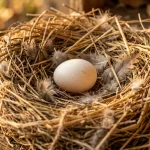
Another significant difference lies in the nesting behavior itself. Barn owls are known to place their eggs directly onto a flat surface without building a traditional nest. In some cases, they may even utilize the feathers and remains of their prey as a makeshift lining to create a rudimentary nest. In contrast, other species, like the Barn Owl’s distant relative, the Barred Owl, typically engage in more complex nest-building behaviors, incorporating sticks and vegetation to create a more defined structure.
The nesting habits of these owls also reflect their relationship with their habitats. While barn owls can thrive in both urban and rural settings, other species often show a marked preference for one over the other. For example, the Northern Saw-whet Owl is primarily found in dense forests, where it can nest safely among the trees. This reliance on specific habitats emphasizes the importance of habitat conservation and provides valuable insight into how different owl species interact with their environments.
Understanding these distinctions not only enriches our appreciation for barn owls but also highlights the ecological significance of their adaptable nesting habits. Recognizing the unique ecological niches occupied by various owl species can inform conservation efforts and help maintain the delicate balance of their ecosystems. Whether you’re setting up a nest box for barn owls or monitoring the populations of woodland species, knowing the nuances of their nesting behaviors is crucial for fostering healthy owl populations.
How to Create Barn Owl-Friendly Spaces
Creating spaces that welcome barn owls can be a rewarding venture for bird enthusiasts and conservation-minded individuals alike. These remarkable nocturnal hunters require specific environmental conditions to thrive, making it essential to understand their needs when designing owl-friendly habitats. One of the most effective ways to attract barn owls is to provide suitable nesting sites. Constructing barn owl boxes, which are often shaped like wooden compartments with entry holes, can offer a safe haven. Position these boxes in elevated locations, such as old barns, unused warehouses, or rafters, ensuring they are at least 10 feet off the ground and away from disturbances.
Habitat Considerations
Barn owls prefer areas that combine open foraging spaces with nearby concealment for hunting. Maintaining grassy fields, pastures, or meadows can help ensure they have access to their primary food source: small mammals, such as voles and mice. Additionally, avoiding the use of pesticides is vital, as these chemicals reduce prey populations and can poison the owls directly. Incorporating shrubs or hedgerows around the edges of these open spaces can provide shelter for their prey and safe landing spots for the owls, further enhancing the ecosystem’s biodiversity.
Encouraging Healthy Habitats
Provide a water source to discourage barn owls from venturing into urban areas. A small pond or a birdbath can be an excellent addition, as it attracts not just owls but also other wildlife. Creating this oasis encourages a balanced ecosystem, ultimately fostering a thriving barn owl population. You might also consider implementing rotational grazing in your pastures. This practice not only promotes healthier ground cover but also keeps prey populations at sustainable levels due to the constantly changing habitat.
Understanding the significance of adaptability in barn owls can significantly enhance their chances of survival. By utilizing a few simple strategies, such as installing nesting boxes, maintaining appropriate habitats, and minimizing pesticide use, anyone can play a part in protecting these enigmatic birds and their ecosystems. Engaging with local wildlife organizations or joining birdwatching groups can further expand your knowledge and influence in promoting barn owl conservation efforts in your area.
Conservation Efforts for Barn Owl Habitats
The survival of barn owls, with their ghostly presence and unique hunting skills, relies heavily on the conservation of their habitats. Engaging in conservation efforts not only enhances the ecosystems where barn owls thrive but also allows us to witness the beauty of these magnificent birds. It’s fascinating that barn owls prefer open spaces for hunting but require safe, secluded areas for nesting. This delicate balance makes protecting their habitats all the more crucial. Initiatives focusing on habitat restoration have shown remarkable results; by reestablishing native vegetation and creating a mosaic of open fields and woods, conservationists provide barn owls with the ideal foraging and roosting conditions.
One of the most impactful conservation methods is the creation of barn owl boxes. These specially designed boxes mimic natural cavities, offering safe nesting sites in areas where traditional habitats have been lost to development. By placing these boxes in strategic locations-like old barns or elevated structures-communities can significantly boost local barn owl populations. It’s also vital to maintain open lands free from excessive pesticides, as these chemicals not only threaten barn owls but also diminish their prey populations. Implementing sustainable farming practices, such as rotational grazing, can foster healthier environments, supporting both barn owls and the agricultural communities they coexist with.
Moreover, partnerships with local schools and community groups can amplify these conservation efforts. Educational programs that engage the public in barn owl monitoring not only raise awareness but also empower individuals to participate actively in conservation. By promoting a sense of ownership and connection to these birds, communities can foster long-term commitment to barn owl conservation.
As we look towards the future, comprehensive conservation plans that incorporate habitat preservation, community engagement, and education will be key to securing a prosperous environment for barn owls. Every small effort contributes to the broader goal of safeguarding these enchanting birds and the intricate ecosystems they inhabit.
FAQ
Q: Where do barn owls typically build their nests?
A: Barn owls generally nest in secluded locations like old barns, tree cavities, and building ledges. They prefer areas that provide shelter from predators and human disturbance. For optimal nesting, consider installing owl boxes in suitable environments, as detailed in our article on nesting sites.
Q: What do barn owls need for their habitat?
A: Barn owls require open spaces for hunting and sheltered areas for nesting. They thrive in habitats with a mix of grasslands, meadows, or farmlands that support small mammal populations. Enhancing your garden with native grasses can promote barn owl habitation.
Q: How far do barn owls travel from their nests?
A: Barn owls typically have a range of up to 10 miles from their nesting sites for hunting. Their territorial behaviors can vary based on food availability, making it essential to ensure sufficient hunting grounds nearby.
Q: Do barn owls prefer urban or rural environments?
A: While barn owls are more commonly associated with rural landscapes, they can adapt to urban environments if suitable food sources and nesting sites are available. Urban adaptation is discussed further in our comparison of habitats.
Q: What factors influence barn owl nesting success?
A: Several factors affecting nesting success include the availability of prey, environmental conditions, and disturbances from humans or predators. Ensuring a safe, quiet nesting place can significantly enhance their breeding outcomes.
Q: When do barn owls usually start nesting?
A: Barn owls typically begin nesting in late winter or early spring, aligning their breeding cycle with peak prey abundance. Understanding their seasonal behaviors can help in creating barn owl-friendly habitats during that period.
Q: How does climate change impact barn owl habitats?
A: Climate change can alter barn owl habitats by affecting prey availability and nesting conditions. Warmer temperatures may shift their range northward, making it crucial for conservation efforts to adapt to these environmental changes.
Q: What are the main threats to barn owl populations?
A: Major threats include habitat loss due to industrial development, agricultural practices, and pesticide use. Promoting awareness and conservation initiatives is essential to protect barn owls and their habitats from further decline.
For more insights on barn owl habitats and conservation, be sure to explore our comprehensive articles on nesting behaviors and environmental influences.
Key Takeaways
As you’ve discovered, barn owls are remarkable creatures that thrive in varied habitats, showcasing their adaptability and unique nesting preferences. Understanding where these fascinating birds live enhances our appreciation for their role in the ecosystem. Don’t leave your curiosity unquenched-explore our detailed guides on owl behavior and effective conservation techniques to discover how you can contribute to their preservation.
Ready to deepen your knowledge? Check out our articles on “Owl Identification Tips” and “Creating Owl-Friendly Habitats” to enhance your journey into the world of these beautiful birds. Remember, your engagement is vital-share your thoughts in the comments below and join our newsletter for the latest updates on avian insights and tips. Each click not only expands your understanding but also supports the efforts to protect these incredible animals. Together, let’s ensure barn owls continue to grace our skies!
Get our latest guides, news, and insights highlighted in your Google Search & AI Overviews.